Attractions and Places To See around Broni - Top 20
Best attractions and places to see around Broni include historical sites, cultural landmarks, and natural features within Italy's Oltrepò Pavese region. Broni is situated among gentle hills covered in vineyards, making it a center for Italian winemaking. The town offers a blend of historical and natural attractions, with opportunities for exploring local wineries and scenic landscapes. Visitors can find a variety of experiences, from ancient churches to panoramic viewpoints.
Best attractions and places to see around Broni
- The most popular…
Last updated: November 6, 2026
Cicognola Castle and Viewpoint
Highlight • Castle
Translated by Google •
Tip by

Montalto Pavese
Highlight • Settlement
Translated by Google •
Tip by

Sign up now to discover places like this
Get recommendations on the best single tracks, peaks, & plenty of other exciting outdoor places.
Sanctuary of Santa Maria del Novello
Highlight • Religious Site
Popular …
Translated by Google •
Tip by

Little Church of Our Lady of Loreto
Highlight • Religious Site
The rural aedicule from the 15th century with an image of the Virgin of Loreto.
The ancient oratory …
Translated by Google •
Tip by

Naviglio Pavese Lock at the Confluence
Highlight • Structure
Translated by Google •
Tip by

Sign up for free to discover even more attractions around Broni.
Already have an account?
Start today with a free account
Your next adventure awaits.

Tips from the Community

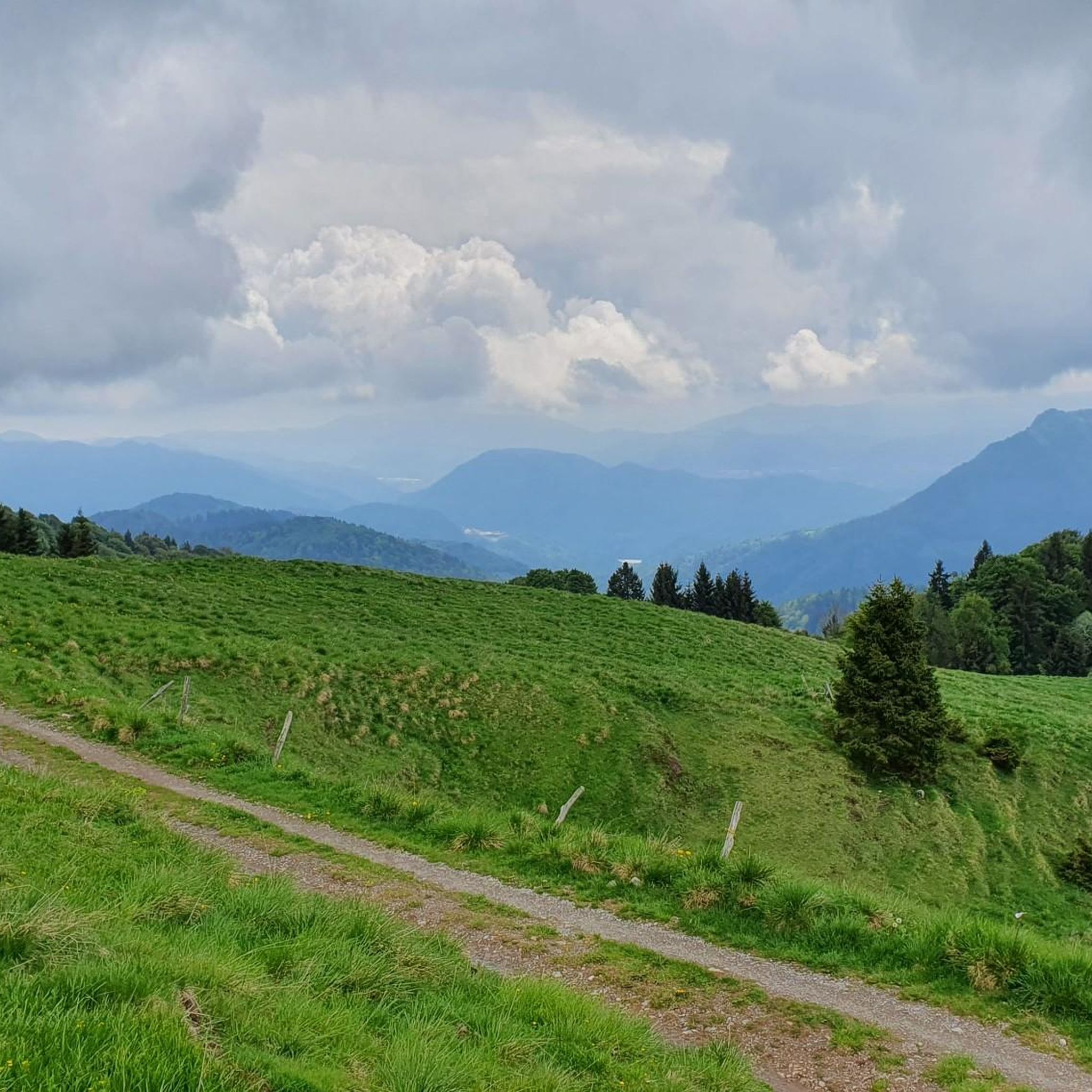
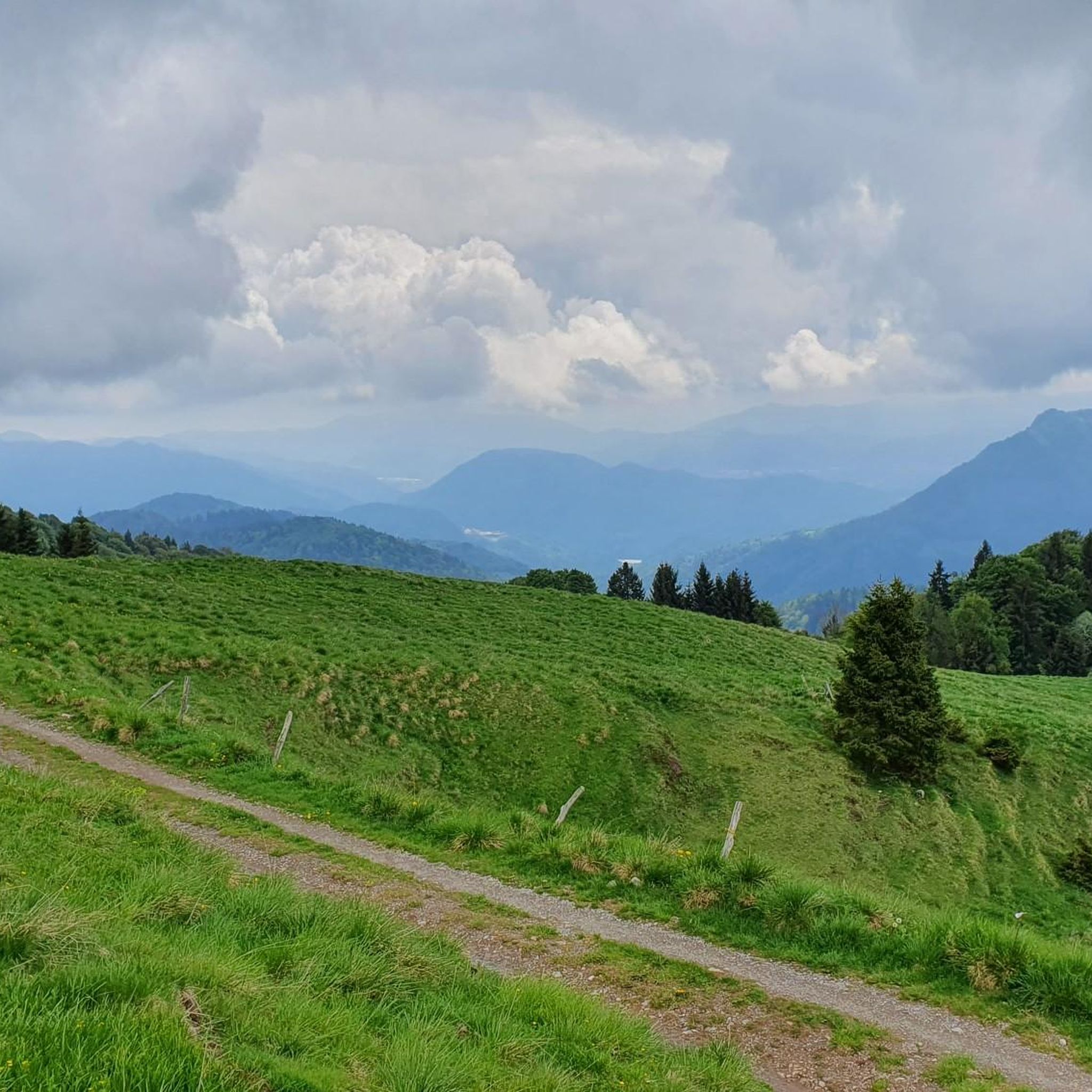
The Castello di Cigognola (often searched as Cicognola) and its famous Belvedere are one of the most iconic historical and scenic complexes in the Oltrepò Pavese. Located at an altitude of 309 meters in the municipality of Cigognola (Pavia), the complex strategically overlooks the outlet of the Valle Scuropasso into the plains. On clear days, the public Belvedere offers an extraordinary view that stretches from Pavia to Milan, even revealing the entire Alpine chain and Monte Rosa.
0
0
The Naviglio Pavese connects Milan to Pavia for 33.1 km and ends with its confluence into the Ticino river near Pavia, where the last hydraulic regulation lock (chiusa) is located. Main features Route and length: The canal is 33.1 km long and connects the Darsena in Milan to the dock/confluence of the Ticino in Pavia. Elevation gain and locks: The total elevation difference between Milan and the Ticino is 56.6 meters, overcome by twelve locks and the inclination of the bed. History: The works for the final completion were commissioned by Napoleon and finished in 1819, with the official inauguration on August 16, 1819, by Archduke Ranieri. Historical navigation: As early as 1820, the first steamships operated at the confluence with the Ticino, connecting Milan to the Po and the Adriatic.
0
0
The Sanctuary of Santa Maria del Novello (also known as Santuario del Novello) is a fascinating religious building located in Travacò Siccomario, in the province of Pavia. This small country church stands in a suggestive and isolated position within the floodplain area, just a few steps from the main left bank of the Po River. Origins: The original structure dates back to the late 1500s (or early 1600s according to some local sources). It was commissioned by the Bonacossa family and built over a previous country oratory, of which it still preserves the original fresco of the Madonna inside. Protection from floods: According to popular tradition, the building was erected at that precise spot to invoke divine protection against floods.
0
0

The patronage of this shrine, dedicated to the Madonna, refers to the town of Loreto. This is one of the great and important Marian pilgrimage sites in Europe, along with Lourdes in the French Pyrenees and Fatima in Portugal. Unlike the other two places mentioned, however, Loreto is not known for apparitions of the Mother of God. Here, pilgrims can find something very tangible: Mary's childhood home in Nazareth (Israel). Her parents—not mentioned by name in the biblical writings of the New Testament—are mentioned in apocryphal traditions: Saint Anne and Saint Joachim are thus the grandparents of Jesus Christ (their common feast day in the calendar of saints is July 26). Crusaders likely dismantled the venerated building in Nazareth and brought it to Europe when the era of the Christian kingdoms in the Holy Land came to an end towards the end of the 13th century. But this very sober assumption is countered by a much more interesting legend: According to this, four angels carried out the translation and flew the house over the Mediterranean.
1
0

The Chiesuolo della Madonna di Loreto was built in three successive phases: The rural aedicule from the 15th century with an image of the Virgin of Loreto. The ancient oratory in brick from the 17th century, also dedicated to the Madonna di Loreto. The current church, dating from 1781. Architecture: The church has a single nave with a protiro (covered entrance) and is built of exposed brickwork. Inside there are frescoes and an altarpiece with the Madonna di Loreto. Significance: The Chiesuolo is also called ‘Il Chiesuolo’ and is dedicated to the Madonna of Loreto. It is an important historical testimony and a place of devotion. https://www.lombardiabeniculturali.it/architetture/schede/PV240-01108/
7
0

Montalto Pavese stands in a dominant position on the first hills above Casteggio, the beautiful castle (one of the best preserved in the region) with its Italian garden and its wine production.
23
0

Village above Casteggio with two excellent restaurants and panoramic square
1
0

You arrive from Scuropasso, Casteggio or Oliva Gessi. Coming from Pavia, you go up from the Scuropasso valley, via Lirio and Finigeto. Nice climb, longer than the usual low hill climbs, about 6 km. Fairly regular, with a few short stretches of counterslope once you reach the coast. Overview. Very little traffic.
1
0
Frequently Asked Questions
What historical and cultural sites can I explore in Broni?
Broni and its surroundings are rich in history. You can visit the impressive Basilica of San Pietro Apostolo, known for its frescoes and sacred artworks, including the shrine of San Contardo d'Este. The historic Teatro Carbonetti offers a program of cultural events. Nearby, the Cicognola Castle and Viewpoint stands as a medieval fortress with a strategic past, while Montalto Pavese features a well-preserved castle with an Italian garden.
Are there any significant religious sites around Broni?
Yes, Broni is home to several notable religious sites. The Basilica of San Pietro Apostolo is a central spiritual landmark. Additionally, you can visit the Church of San Giacomo della Cerreta, an important historical testimony located on the ancient Via Francigena, featuring Lombard art and frescoes from the 15th century. Another charming site is the Little Church of Our Lady of Loreto, also known as 'Il Chiesuolo', which has a history dating back to the 15th century.
Where can I find scenic viewpoints around Broni?
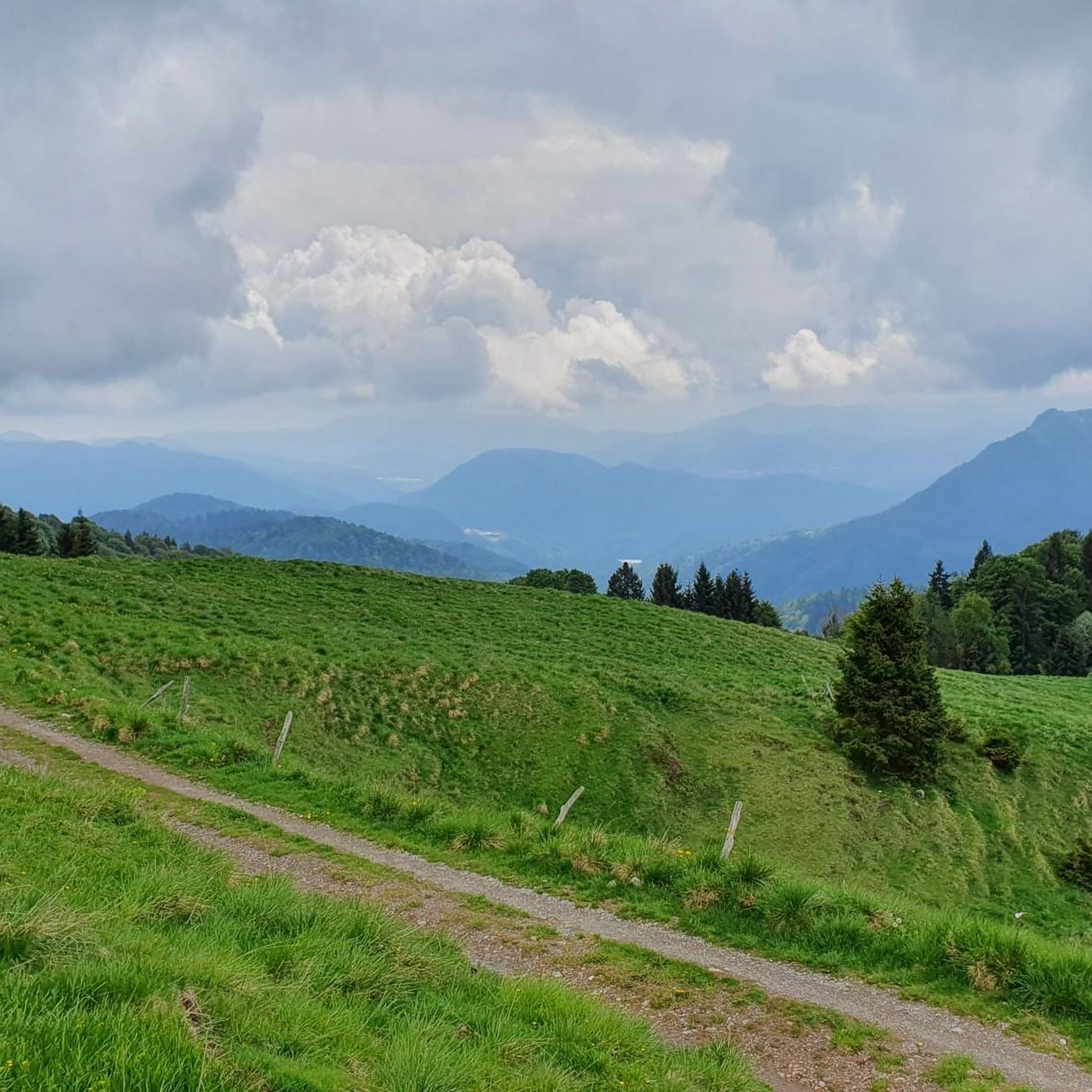
For breathtaking views, ascend San Contardo Hill, where a small chapel dedicated to the patron saint is surrounded by blooming gentian and lavender. From the summit, you can enjoy a splendid panorama, even seeing as far as Milan on clear days. The Cicognola Castle and Viewpoint also offers a high-altitude position with commanding views over the Scuropasso Valley. Montalto Pavese, situated on the first hills above Casteggio, provides another dominant and picturesque vista.
What natural landscapes characterize the Broni area?
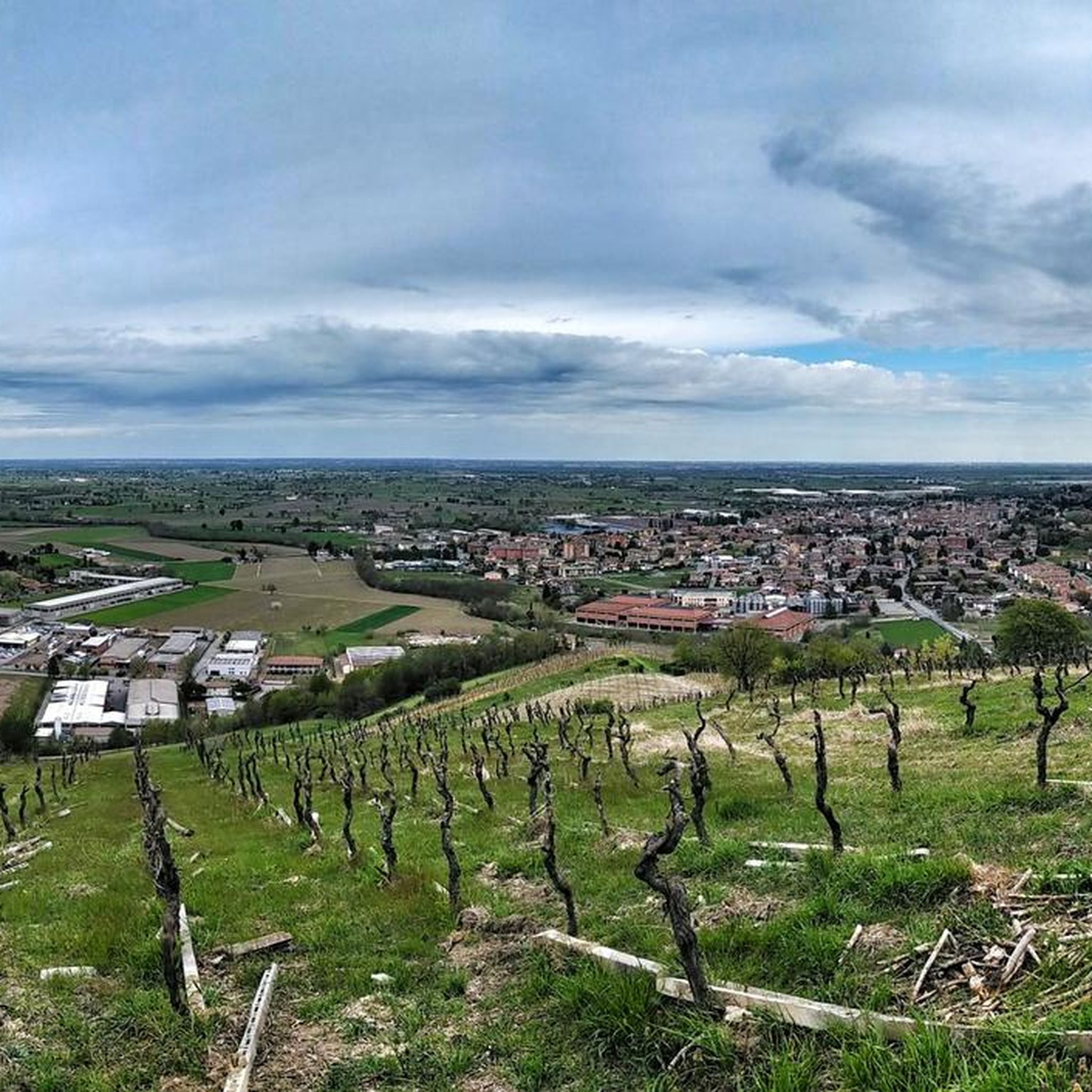
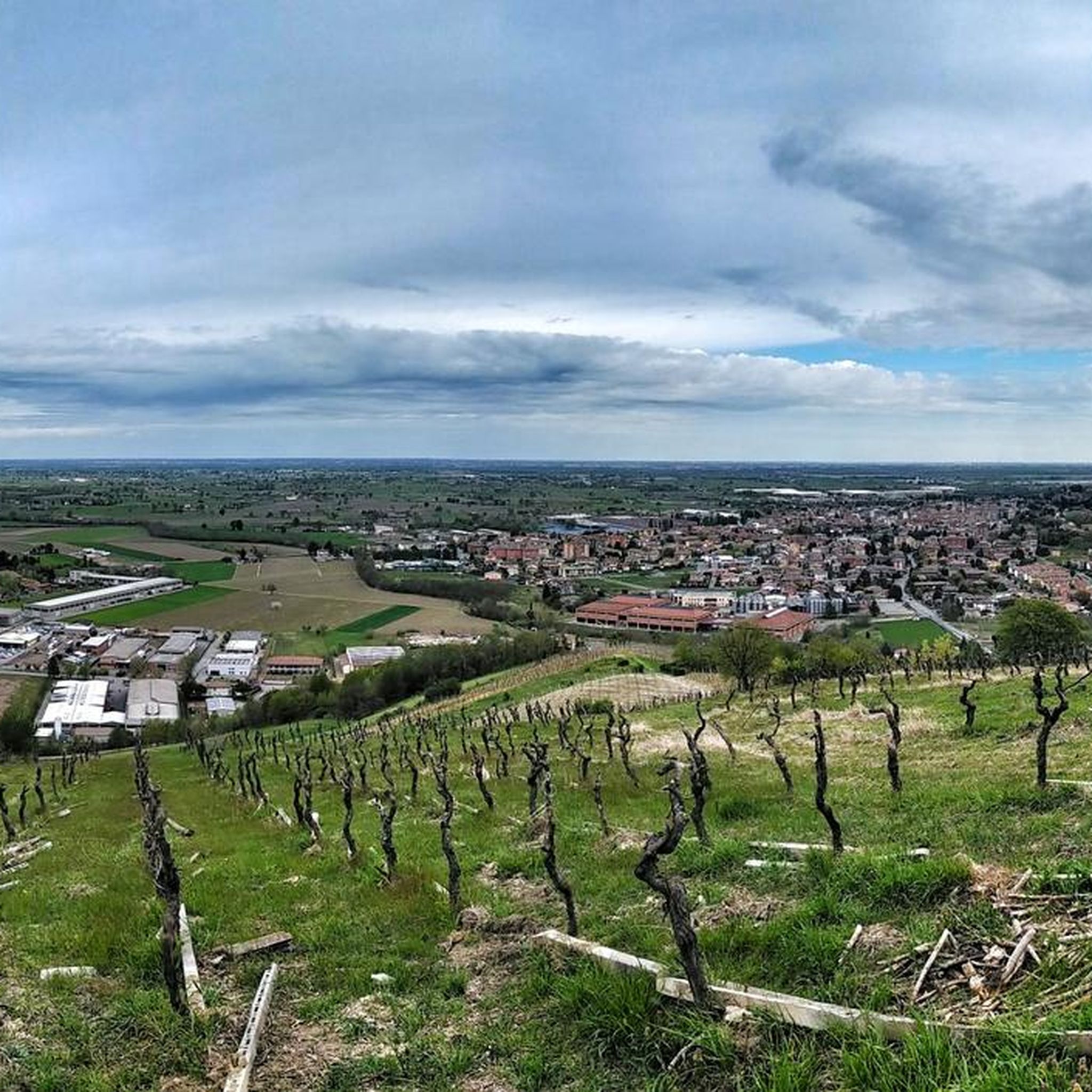
Broni is nestled within the picturesque Oltrepò Pavese region, characterized by gentle hills extensively covered in vineyards. This landscape is not only beautiful but also signifies the area's strong emphasis on wine production. The region offers a serene environment perfect for enjoying nature walks amidst rolling hills and lush greenery.
Are there opportunities for hiking near Broni?
Absolutely! Broni serves as a starting point for various hiking routes. The historic Via degli Abati, connecting Pavia to Pontremoli, offers scenic views along the Ticino and Po rivers. For more local options, you can explore trails like the 'Hiking loop from Broni' or the 'Colombarone (Canneto Pavese) loop from Broni'. Find more hiking routes in the area on our dedicated guide: Hiking around Broni.
What cycling routes are available around Broni?
The Broni area is excellent for cycling, with routes winding through vineyards and scenic landscapes. You can find challenging rides like the 'Montecalvo Versiggia Viewpoint – Lago di Trebecco loop from Broni' or the 'Penice Pass (Bobbio) – Montecalvo Versiggia Viewpoint loop from Broni'. For more options, check out our comprehensive guide: Cycling around Broni.
Can I find running trails in the Broni area?
Yes, there are several running trails suitable for various fitness levels around Broni. Options include the 'Running loop from Broni' for a moderate run or more challenging routes like the 'Bar at the Castle, Cigognola loop from Broni'. Discover more running trails in our guide: Running Trails around Broni.
Are there family-friendly attractions in Broni?
Families can enjoy exploring the historical sites like the Little Church of Our Lady of Loreto, which is categorized as family-friendly. The Via Francigena in Linarolo also offers a family-friendly trail for nature walks and a glimpse into history. The gentle hills and vineyards provide a pleasant backdrop for outdoor activities suitable for all ages.
When is the best time to visit Broni, especially for wine enthusiasts?
The best time to visit Broni is generally from late spring to early autumn. For wine enthusiasts, late August to early September is particularly special as Broni hosts its traditional Grape Festival, a centuries-old celebration dedicated to wine, featuring tastings, cultural activities, and local folklore.
What are the main wine-related activities in Broni?
Broni is a vital center for Italian winemaking, so wine-related activities are prominent. You can explore local wineries such as Monsupello Vineyards, Azienda Agricola Stefano Milanesi, and Azienda Agricola Manuelina for tastings and tours. The annual Grape Festival in late summer is a major event celebrating the region's wine heritage.
What is there to see within the town of Broni itself?
Within the town of Broni, you can visit the magnificent Basilica of San Pietro Apostolo and the historic Teatro Carbonetti. The Town Hall (Palazzo Municipale), an impressive building constructed in the mid-19th century, also stands as a testament to the town's urban renewal. A walk up San Contardo Hill, marked by twelve Stations of the Cross, offers both spiritual reflection and panoramic views.
What is the significance of the Via Francigena near Broni?
The Via Francigena, an ancient pilgrimage route, passes through the municipality of Linarolo near Broni. This route is an important historical testimony, confirming the passage of pilgrims in the past. The Church of San Giacomo della Cerreta is located on this ancient route, serving as a destination for pilgrims. The area offers an ideal setting for nature walks and re-enacting evocative history.
Most popular attractions around Broni

Get inspired with the komoot mobile app


Explore more
Still not found the Highlight you’re looking for? See guides of the top attractions in other regions:
