Attractions and Places To See around Itireddu/Ittireddu - Top 6
Best attractions and places to see around Itireddu/Ittireddu, a small and ancient village in Sardinia, Italy, offers a rich array of historical and natural sites. The region is characterized by ancient churches, archaeological sites, and unique landscapes shaped by volcanic activity. Ittireddu is situated on Monte Ruiu, surrounded by extinct volcanoes with rocks over two million years old, providing a destination for those interested in history, culture, and geology.
Best attractions and places to see around Itireddu/Ittireddu
- The most popular…
Last updated: May 11, 2026
Church of Saint Catherine Martyr
Highlight • Religious Site
Translated by Google •
Tip by

Basilica of Our Lady of the Kingdom, Ardara
Highlight • Religious Site
Translated by Google •
Tip by
Sign up now to discover places like this
Get recommendations on the best single tracks, peaks, & plenty of other exciting outdoor places.
Sign up for free
Church of Saints Elijah and Enoch
Highlight • Religious Site
Translated by Google •
Tip by

View of Monte Santo
Highlight • Viewpoint
Translated by Google •
Tip by
Domus de Janas of Sant'Andrea Priu
Highlight • Historical Site
The once 20 Domus de Janas (rock tombs) of Sant' Andria Priu (Italian: Ipogeo S. Andrea Priu) are located in a 10-meter-high trachyte wall on the southern edge …
Translated by Google •
Tip by

Sign up for free to discover even more attractions around Itireddu/Ittireddu.
Sign up for free
Already have an account?
Start today with a free account
Your next adventure awaits.
Login or Signup
Popular around Itireddu/Ittireddu
Tips from the Community

from Wikipedia: The once 20 Domus de Janas (rock tombs) of Sant' Andria Priu (Italian: Ipogeo S. Andrea Priu) are located in a 10-meter-high trachyte wall on the southern edge of the Campeda plateau near Bonorva in the metropolitan city of Sassari on Sardinia. The 15 preserved structures date from the Ozieri culture (around 3000 BC).
0
0

The church of Saints Elias and Enoch, located on the mesa of Monte Santo, dates back to the Byzantine era (6th-9th century AD) and reflects the traditions of Greek monasticism. Originally, it was a place of worship for hermit monks who lived in cells dug into the mountain. In 1065, the church became the first Benedictine monastery on the island.
1
0
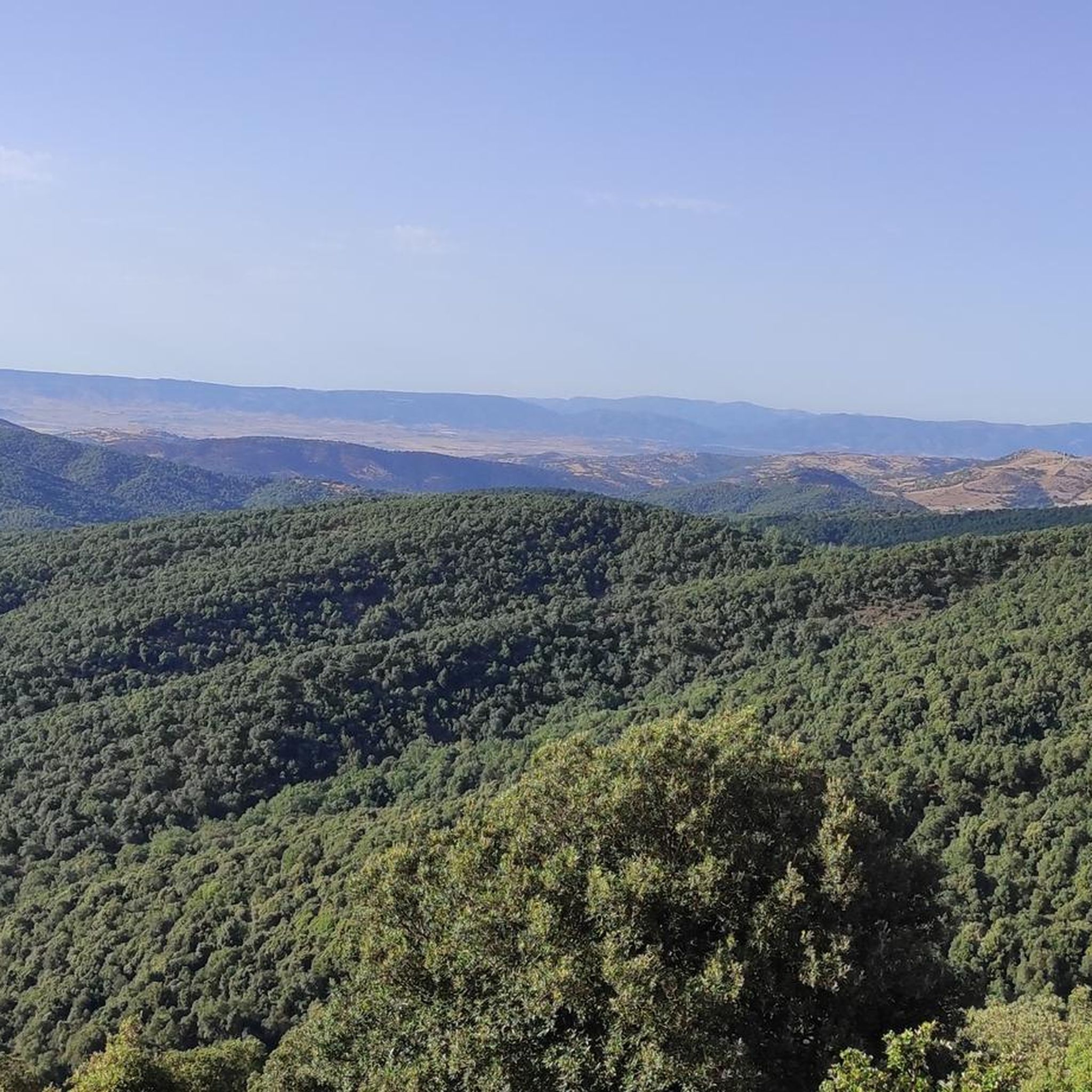
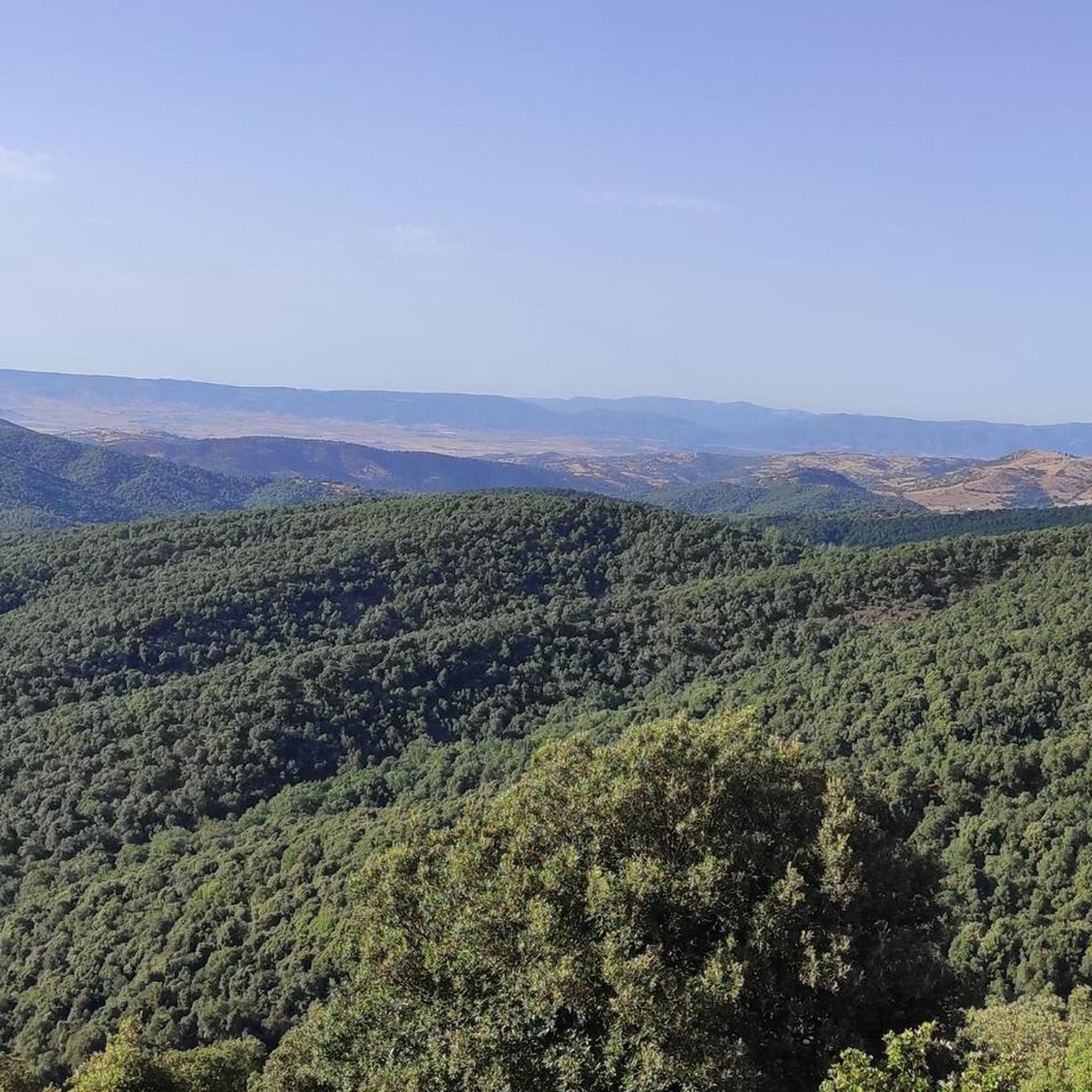
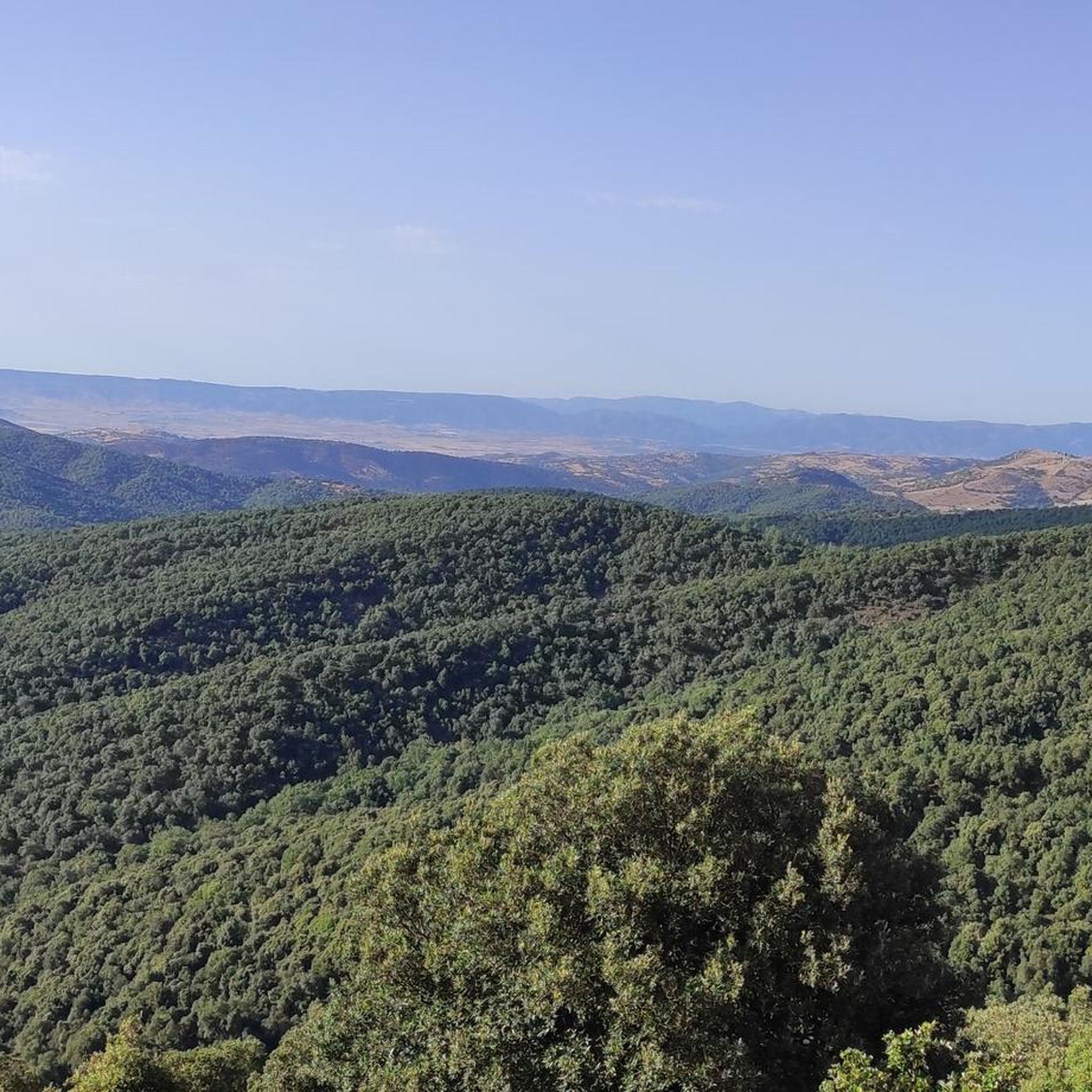
With its unmistakable profile, Monte Santo is an icon of Meilogu, the name of this enchanted corner of Sardinia. Born from ancient volcanic eruptions, this mountain rises among vast green fields, offering breathtaking views.
1
0

The village of Ardara shows traces of a rich past, when it was chosen as the residence of the judges of Torres between the 11th and 12th centuries. The main monuments of Arda date back to that period: the regal palace, of which the ruins are visible - a 12 meter tower and remains of walls - and the basilica of Nostra Signora del Regno, one of the most beautiful and best preserved Romanesque basilicas. Pisans of Sardinia
0
0
The church was first built in the 15th century and then rebuilt in 1600. The majestic bell tower was built two centuries later and, at 46 meters high, is considered the tallest in Sardinia.
0
0

Church of Santa Cateria famous for its majestic 46-metre high neoclassical bell tower designed by the architect Salvatore Calvia Unali. It is the tallest bell tower in Sardinia!
1
0
One of the most beautiful examples of Romanesque architecture in all of Sardinia, in Ardara.
1
0

interesting church in the Mores city centre
0
0
Frequently Asked Questions
What historical sites can I explore in and around Ittireddu?
Ittireddu is rich in history. You can visit the ancient Church of Saints Elijah and Enoch, a Byzantine religious building on Monte Santo that was once a place of worship for hermit monks. The area also features numerous prehistoric sites, including rock-cut tombs known as Domus de Janas. A notable example is the Domus de Janas of Sant'Andrea Priu, with 15 preserved structures dating back to the Ozieri culture around 3000 BC. Additionally, the Historic Center of Ozieri offers a glimpse into a rich past with its network of streets and squares.
Are there any significant religious buildings to visit near Ittireddu?
Yes, the region boasts several important religious sites. The Church of Saints Elijah and Enoch, located on the mesa of Monte Santo, is a Byzantine church from the 6th-9th century AD, reflecting Greek monastic traditions. Another beautiful example of Romanesque architecture is the Basilica of Our Lady of the Kingdom, Ardara, one of the best-preserved Romanesque basilicas in Sardinia.
What natural features or viewpoints are worth seeing in the Ittireddu area?
The landscape around Ittireddu is shaped by ancient volcanic activity, offering unique natural sights. The View of Monte Santo provides breathtaking panoramic views from a mountain formed by ancient volcanic eruptions, making it an iconic feature of the Meilogu region. You can also explore the site of the Ittireddu quarry near Monte Lisiri, which offers geological insight into the area's volcanic past.
Can I find archaeological sites beyond the main highlights?
Absolutely. Beyond the prominent sites like the Domus de Janas, Ittireddu is surrounded by numerous prehistoric sites. The area features five necropolises with approximately sixty Domus de Janas in total, including Domus di Monte Pira. You can also find the ruins of the 7th-century Sant' Elena Church, built with local volcanic rock, and the Domus di Partulesi. For orientation, maps of these sites are available at the Archaeological and Ethnographic Museum in Ittireddu.
What kind of outdoor activities can I do around Ittireddu?
The diverse terrain around Ittireddu is ideal for various outdoor activities. You can explore the region on two wheels with numerous cycling routes. For road cycling, consider routes like the 'Santa Maria del Regno e Santa Cateria Martire da Chilivani — ring tour' or 'Historic Center of Ozieri loop from Mores'. Mountain biking enthusiasts can tackle trails such as 'Sa Fraigada – Historic Center of Ozieri loop from Otieri/Ozieri'. You can find more details on these and other routes in the Road Cycling Routes around Ittireddu, Cycling around Ittireddu, and MTB Trails around Ittireddu guides.
Are there any museums in Ittireddu?
Yes, Ittireddu hosts an Archaeological and Ethnographic Museum located next to the municipal administration. This museum houses numerous finds from the prehistoric sites in the vicinity. It also features an ethnographic exhibition showcasing handicraft tools, traditional costumes, and typical Sardinian products, providing insights into the local agro-pastoral and artisan traditions.
What is the significance of Monte Santo in the region?
Monte Santo is an iconic natural feature of the Meilogu region, known for its distinctive profile and breathtaking panoramic views. Formed by ancient volcanic eruptions, it is also home to the Church of Saints Elijah and Enoch, a significant Byzantine religious site. The caldera of Monte Lisiri, another former volcano, is also part of the Cammino di Santu Jacu, highlighting the area's unique geological and spiritual importance.
What is the Cammino di Santu Jacu and are there related sites in Ittireddu?
The Cammino di Santu Jacu (Way of St. James) is a pilgrimage route in Sardinia. The 12th-century Church of San Giacomo, located about a kilometer from Ittireddu, is a key point on this path. Additionally, the caldera of Monte Lisiri, a former volcano near Ittireddu, is visited as part of the Cammino di Santu Jacu, connecting the region's natural beauty with its spiritual heritage.
Are there any Roman ruins near Ittireddu?
Yes, the area around Ittireddu has traces of Roman presence. The remains of the Roman bridge Pont' Ezzu, located some distance outside the village, are a rare example of purely Roman structures in Sardinia, with two arches still visible. Other Roman traces include ten cisterns carved into tuff in Olensas and late Roman hypogea at Sa Fraigada.
What is the geological history of Ittireddu?
Ittireddu is situated on Monte Ruiu and is surrounded by extinct volcanoes, with rocks over two million years old. The region's unique landscape is a result of ancient volcanic activity. The Ittireddu quarry near Monte Lisiri, a significantly cut former volcano, provides a clear example of this geological past, offering insights into the porous volcanic rock extracted from the area.
What are Nuraghe and where can I find them near Ittireddu?
Nuraghe are ancient megalithic edifices found in Sardinia, dating back to the Bronze Age. Near Ittireddu, you can find Sa Domo 'e s'Orku, an archaic 'corridor' nuraghe. Another significant site is the complex Nuraghe Funtana, which originally featured a main tower and two additional towers, showcasing the impressive architectural skills of the Nuragic civilization.
What can I learn about local traditions and culture in Ittireddu?
The Archaeological and Ethnographic Museum in Ittireddu is an excellent place to learn about local traditions. It features an ethnographic exhibition with handicraft tools, traditional costumes, and typical Sardinian products, offering insights into the agro-pastoral and artisan heritage of the area. The village itself, with its ancient churches and historical sites, acts as an 'open-air museum' reflecting its rich cultural landscape.
Most popular routes around Itireddu/Ittireddu

Get inspired with the komoot mobile app


Explore more
Still not found the Highlight you’re looking for? See guides of the top attractions in other regions:
