The best mountain hikes around Durgali/Dorgali
4.0
(8)
58
hikers
7
hikes
Mountaineering around Durgali/Dorgali, located in the Nuoro province of Sardinia, is characterized by its rugged limestone massifs, deep gorges, and Mediterranean scrubland. The region offers a diverse landscape for mountaineers, from challenging ascents to routes exploring ancient geological formations. The terrain often features rocky paths, steep inclines, and panoramic views of the surrounding mountains and valleys.
Best mountaineering routes around Durgali/Dorgali
- The most popular mountaineering route is Genna Silana Pass – Gorropu Gorge loop from Passo di Genna Silana,…
Last updated: September 28, 2026
15
hikers
10.5km
04:16
700m
710m
Moderate mountaineering route. Good fitness required. Mostly accessible paths. Sure-footedness required.
4.0
(1)
12
hikers
13.1km
05:29
860m
850m
Hard mountaineering route. Very good fitness required. Mostly accessible paths. Sure-footedness required.

5.0
(3)
11
hikers
6.70km
02:27
310m
310m
Hard mountaineering route. Good fitness required. Sure-footedness, sturdy shoes and alpine experience required.
11
hikers
Hard mountaineering route. Good fitness required. Sure-footedness, sturdy shoes and alpine experience required.
4.0
(2)
6
hikers
6.62km
01:54
150m
150m
Easy mountaineering route. Great for any fitness level. Easily-accessible paths. Suitable for all skill levels.
Get access to more routes and recommendations from other explorers.
Already have an account?
Our route recommendations are based on thousands of hikes, rides, and runs completed by other people on komoot.
Start today with a free account
Your next adventure awaits.
Popular around Durgali/Dorgali
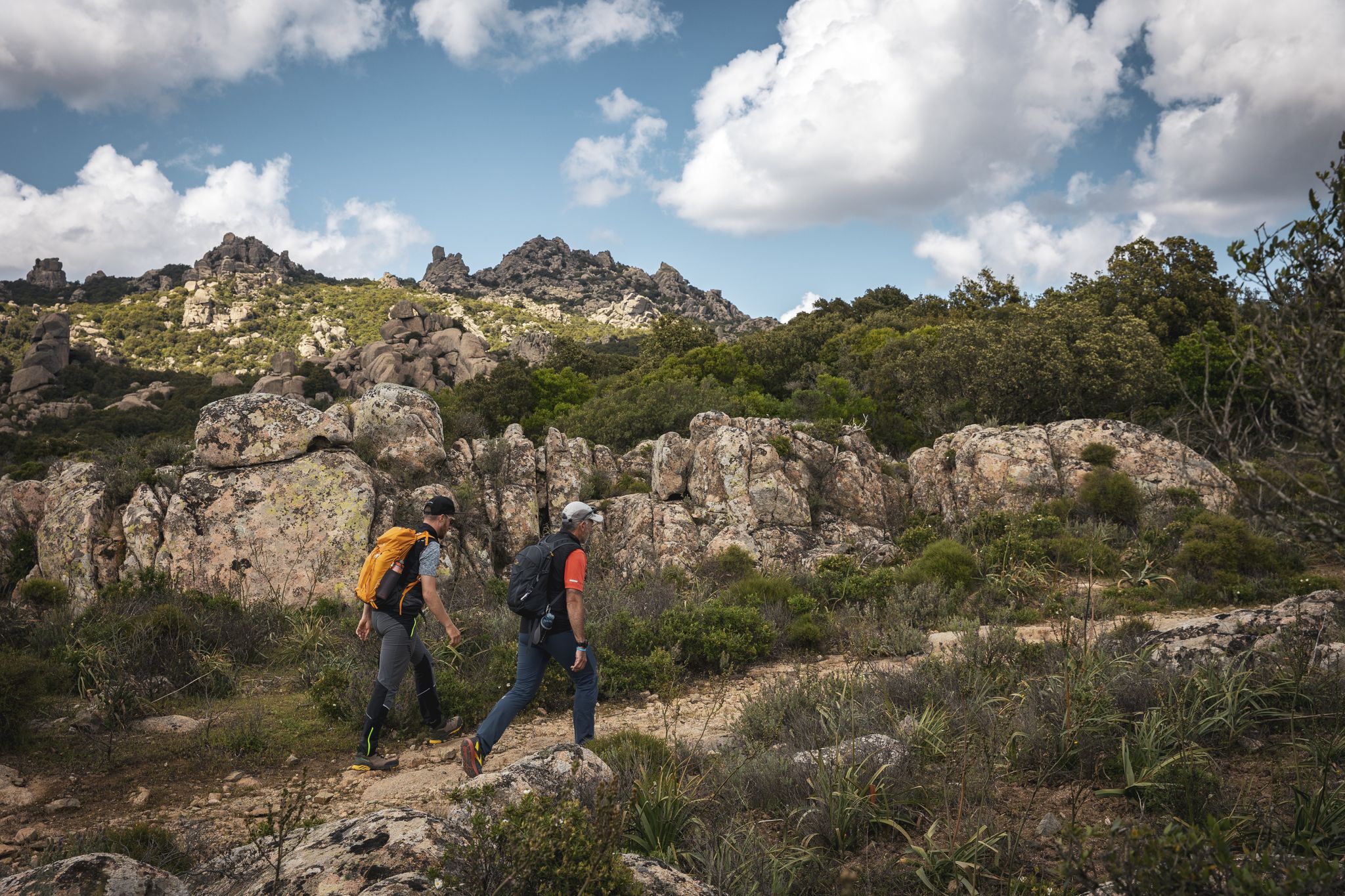
Eternal Sardinia – walks among the wonders of the hinterland
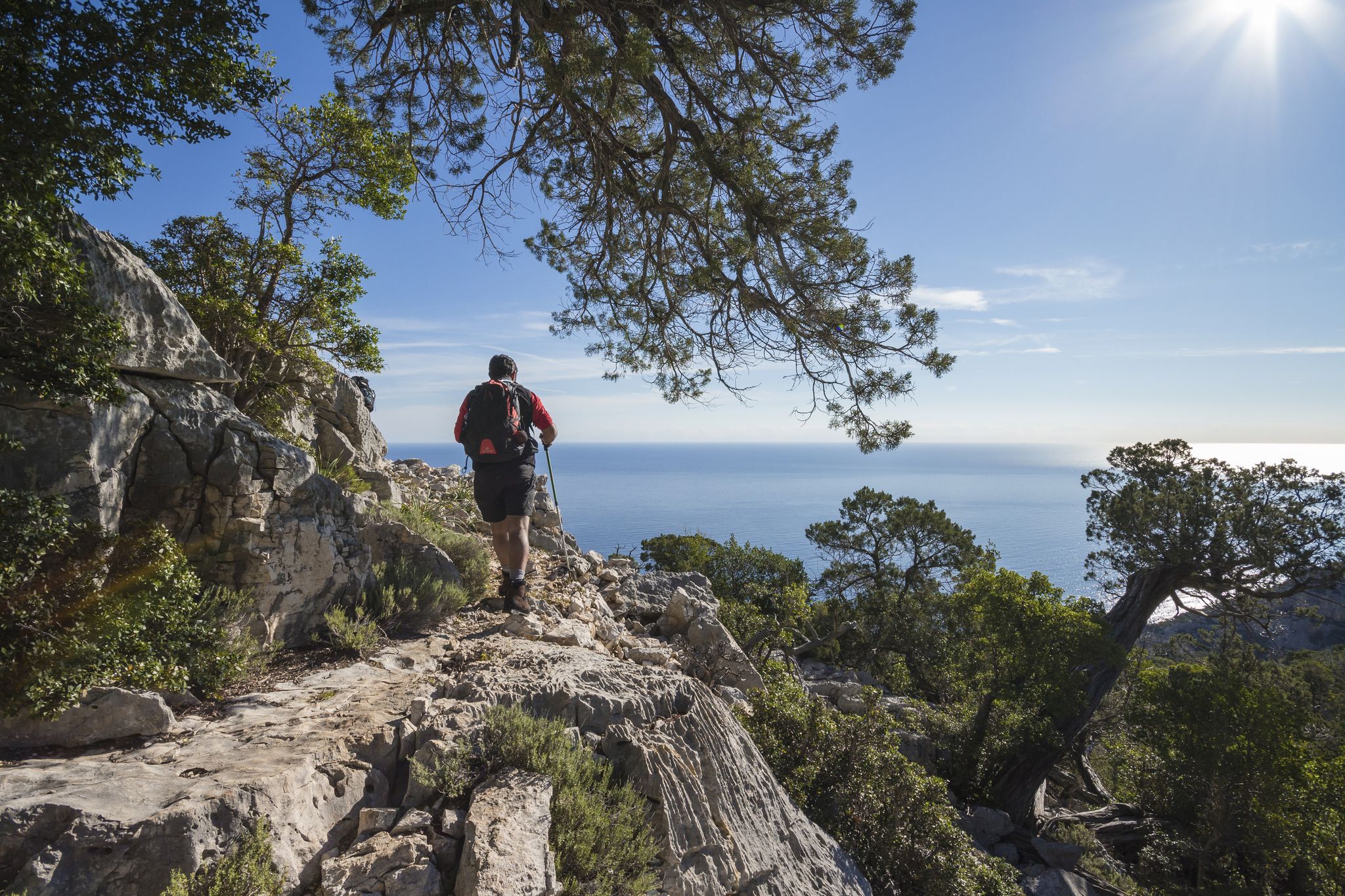
Magnificent Sardinia – day hikes overlooking the sea
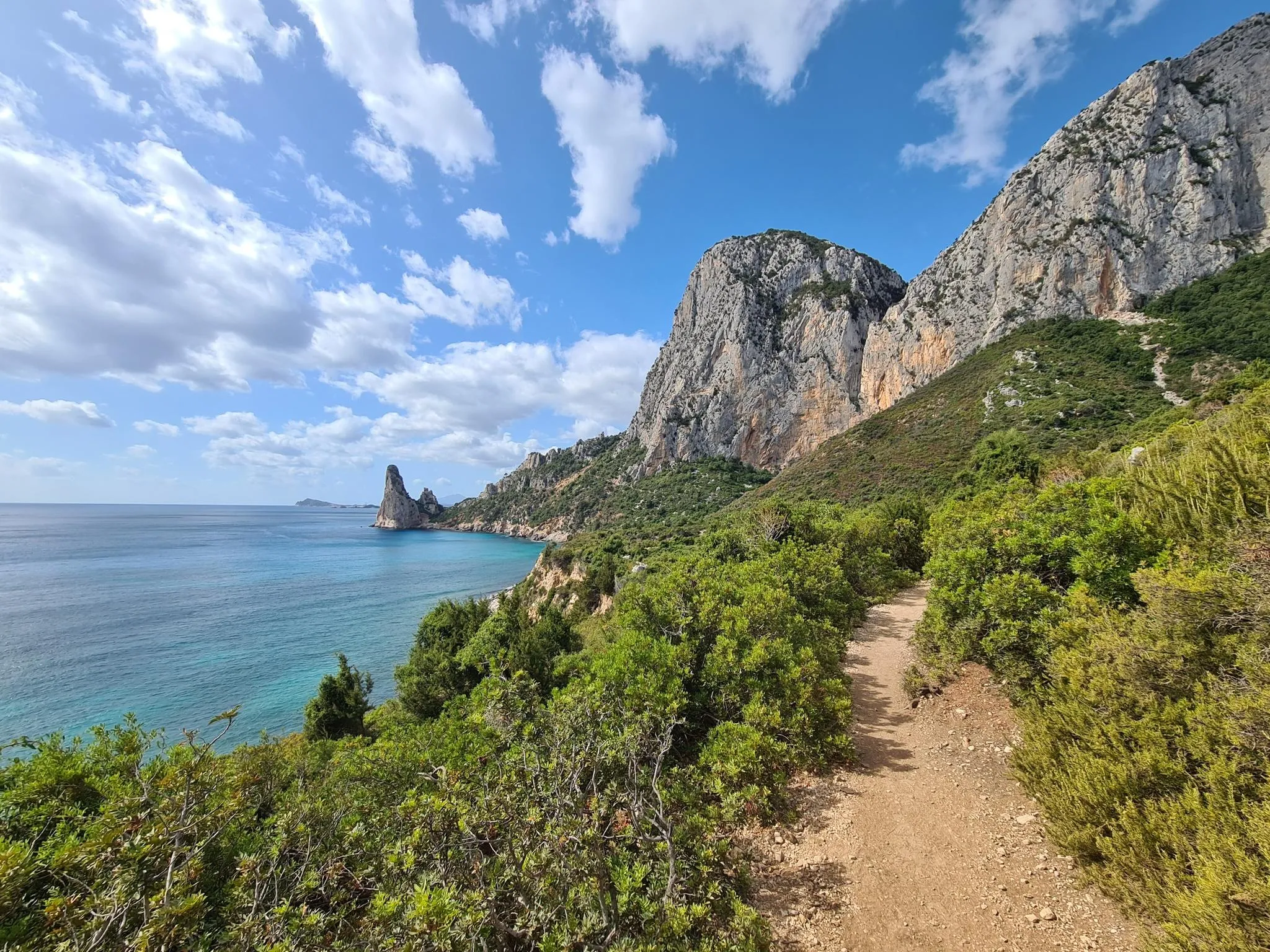
Discover Sardinia on the Via Ogliastra – Cammino 100 Torri
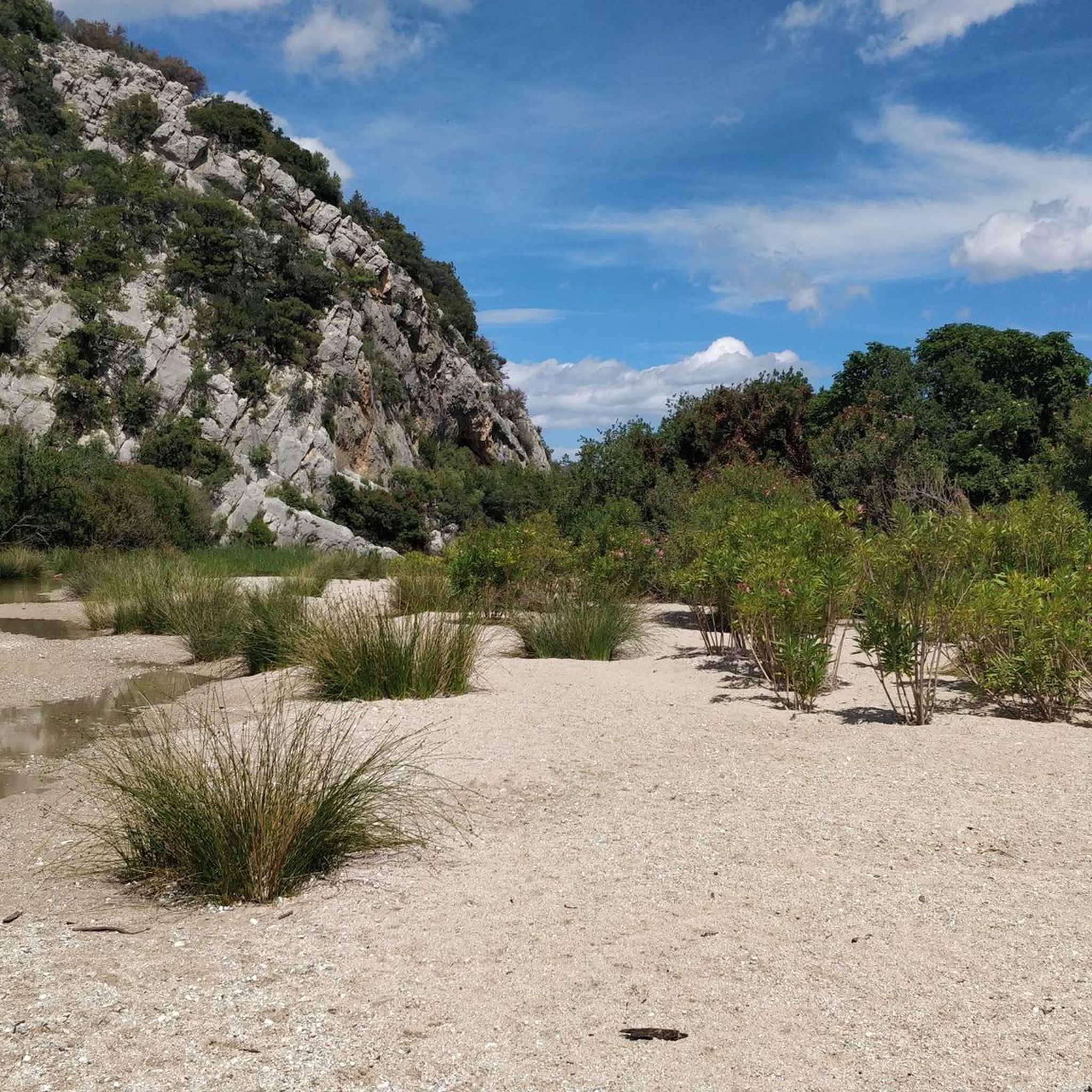
Hiking around Durgali/Dorgali
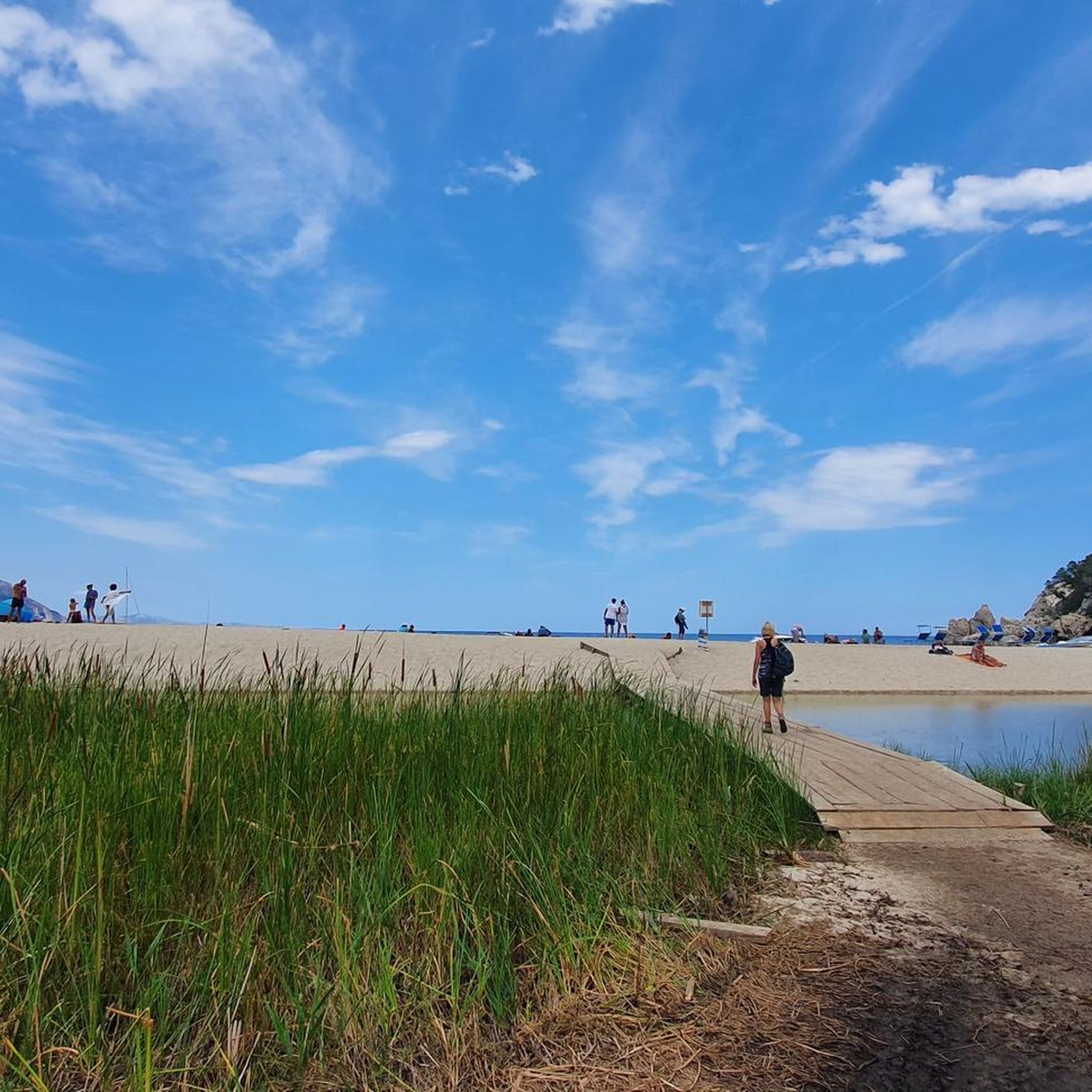
Road Cycling Routes around Durgali/Dorgali
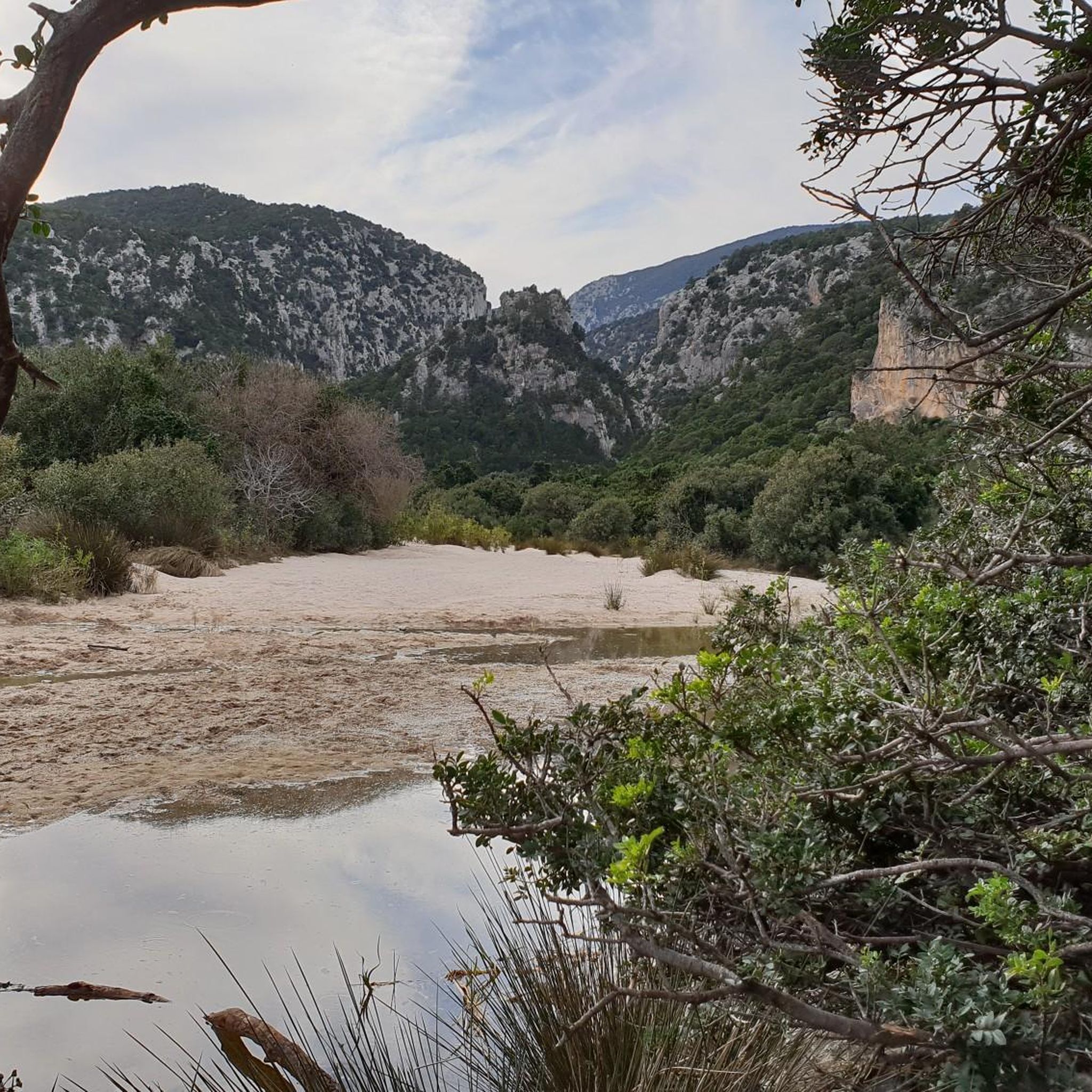
Cycling around Durgali/Dorgali
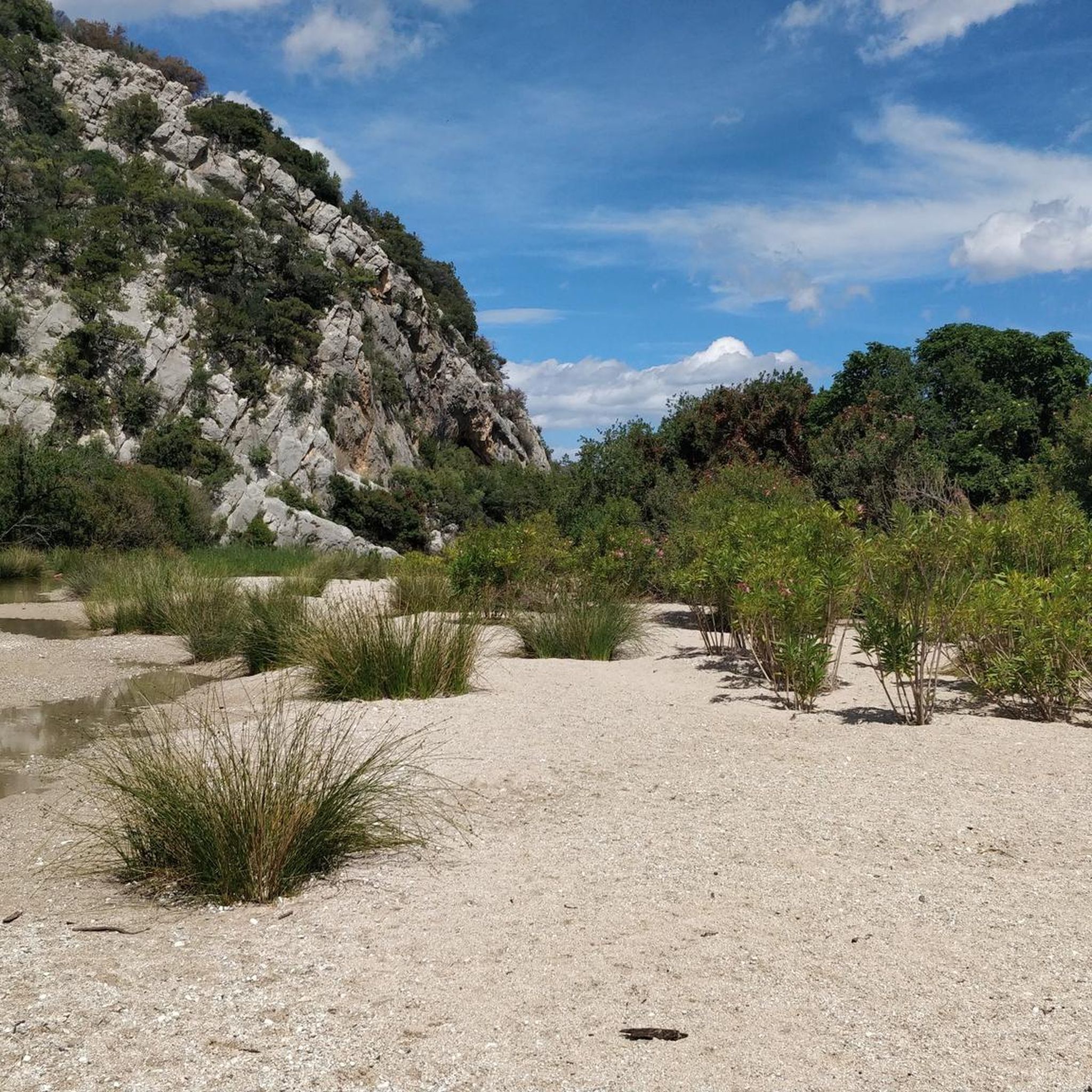
MTB Trails around Durgali/Dorgali
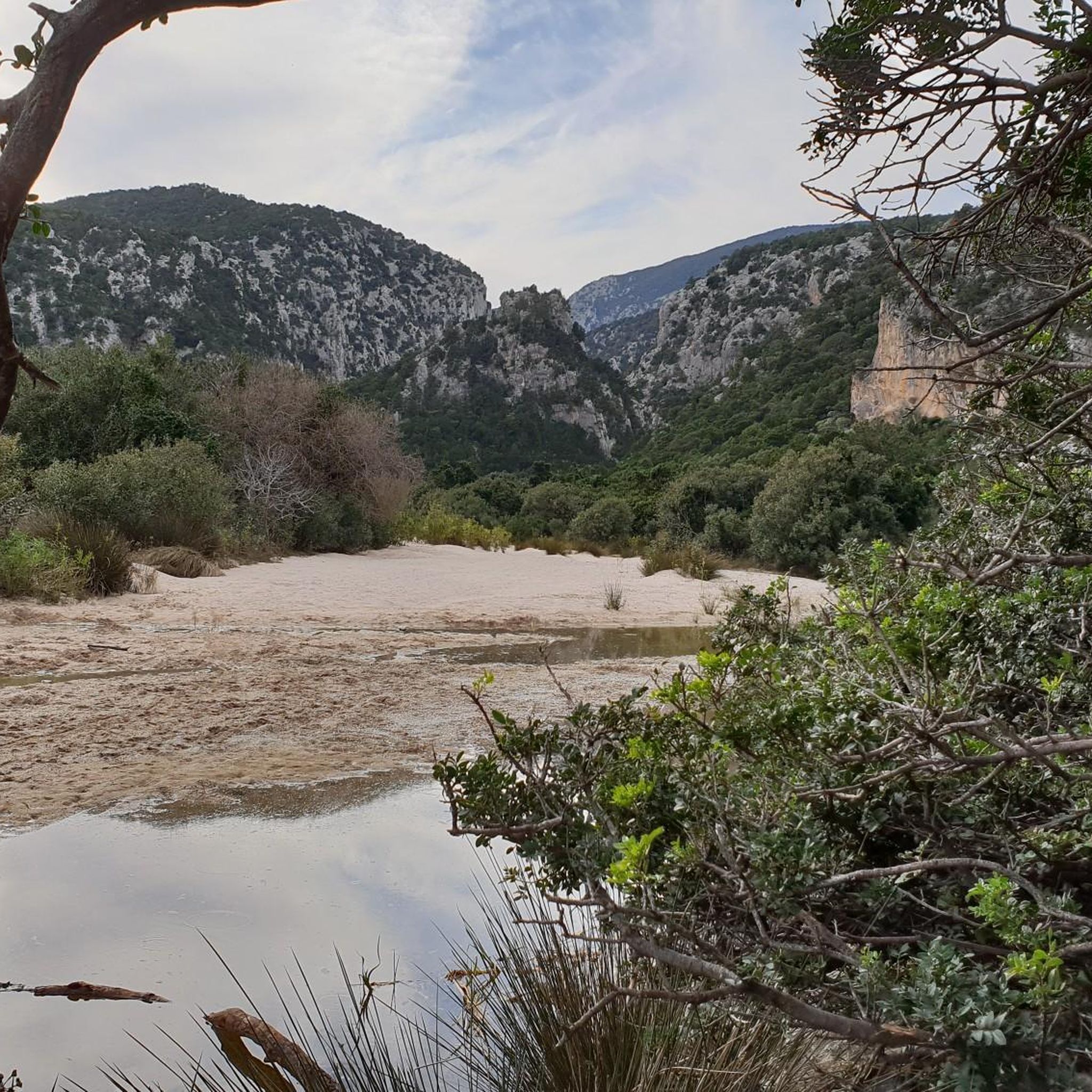
Running Trails around Durgali/Dorgali

Gravel biking around Durgali/Dorgali
Other adventures around Durgali/Dorgali


Tips from the Community

One of the most rewarding and least-crowded summits in the entire Supramonte massif, Punta Sos Nidos rises above the Oliena plateau in a landscape of bare karst limestone, ancient junipers, and silence. The approach is unmarked for long stretches — this is genuine off-trail terrain that rewards experience, good navigation skills, and a solid sense of adventure. The summit plateau opens onto a 360° panorama that ranks among the finest in Sardinia: to the east, the Golfo di Orosei and the Tyrrhenian Sea; to the west, the silhouette of Monte Corrasi and the Gennargentu range; below, the deep green canopy of the Valle di Lanaitto and the canyon of Gorropu. On clear days, the view stretches from Tavolara to the Sinis Peninsula. The terrain is rocky, rugged, and requires careful route-finding. There is no marked path to the summit — GPS tracking is strongly recommended. The area falls within the Parco Nazionale del Golfo di Orosei e del Gennargentu: check current access regulations before heading out.
0
0

The atmosphere is constantly changing. It's always worth taking a look behind you. There are always climbing opportunities for children.
0
0
After the moderately challenging climb, the landscape opens up to the plateau. Simply beautiful. We had a picnic here and watched the sheep grazing, their bells ringing.
0
0

Park here if you want to take the hiking trail toward the gorge. Tickets are available at the kiosk, which also has some drinks and snacks.
1
0
Not a highlight, but the start of the hiking trail and an opportunity to briefly walk along or into the river for a refreshing dip.
0
1
The sinkhole with the remains of a settlement is a real highlight, but it's not located at this spot, but 15 minutes further up. This is where the rock crevice is located, another highlight of the Tiscali hiking trail.
0
0
The climb up to this point on a wide gravel path is easy and mostly shady, and the view over the seemingly untouched valley from this spot is simply fantastic.
0
0
A former settlement, spectacularly situated in a sinkhole, of which a few walls are still visible. A short tour is available (for a fee).
0
0
Frequently Asked Questions
How many mountaineering routes are available in the Durgali/Dorgali area?
There are 12 mountaineering routes documented on komoot for the Durgali/Dorgali region. These routes range from moderate to difficult, offering diverse challenges across the rugged limestone massifs and deep gorges.
Are there any easy mountaineering routes suitable for beginners in Durgali/Dorgali?
While most routes in Durgali/Dorgali are moderate to difficult, there is at least one easy mountaineering route available. This allows beginners to experience the region's unique landscape without tackling the most challenging terrain immediately.
What is the best time of year for mountaineering in Durgali/Dorgali?
The best time for mountaineering in Durgali/Dorgali is typically spring (April-May) and autumn (September-October) when temperatures are milder and the Mediterranean scrubland is vibrant. Summers can be very hot, making longer routes more challenging, while winters might bring cooler temperatures and occasional rain, though snow is rare at lower elevations.
What kind of gear should I bring for mountaineering in Durgali/Dorgali?
Given the rugged limestone terrain and rocky paths, sturdy hiking boots with good ankle support are essential. You should also carry sufficient water, sun protection, a map or GPS device, and layers of clothing to adapt to changing conditions. For more technical sections, consider trekking poles.
Are there any circular mountaineering routes in Durgali/Dorgali?
Yes, several routes in the Durgali/Dorgali area are circular. For example, the Monte Corrasi loop from Ulìana/Oliena offers a moderate circular experience, allowing you to return to your starting point without retracing your steps.
What are some notable natural attractions or landmarks I can see along the mountaineering routes?
The region is rich in natural beauty. Many routes traverse the dramatic Gorropu Gorge, one of Europe's deepest canyons. You might also encounter the Font Spring (Fonte di Gorroppu) or explore areas near the Grotta del Bue Marino North Entrance, a significant cave system.
What do other mountaineers enjoy most about the Durgali/Dorgali region?
The Durgali/Dorgali area is highly rated by the komoot community, with an average score of 4.5 stars from around 30 reviews. Mountaineers often praise the dramatic limestone cliffs, deep gorges, and the challenging ascents of the Supramonte mountain range, as well as the panoramic views of the surrounding mountains and valleys.
Are there any routes that offer a good view of the coastline or beaches?
While the mountaineering routes primarily focus on the inland mountains and gorges, some higher vantage points may offer glimpses of the distant coastline. For direct access to coastal views and beaches, you might consider visiting nearby areas like Cala Luna or Osalla Beach, which are popular coastal attractions in the broader Dorgali region.
Are there any specific regulations or permits required for mountaineering in Durgali/Dorgali?
While general access to most trails in the Durgali/Dorgali area does not require specific permits, certain protected areas or specific gorges, like the Gorropu Gorge, might have entrance fees or require guided access for safety and conservation reasons. It's always advisable to check local regulations before embarking on a tour, especially for more remote or sensitive areas.
What is the longest mountaineering route in Durgali/Dorgali?
One of the longer mountaineering routes is the Point Sos Nidos – Monte Corrasi loop from Ulìana/Oliena, which spans approximately 15.1 km (9.4 miles) and typically takes around 6 hours and 45 minutes to complete. This difficult route offers an extensive exploration of the rugged Monte Corrasi massif.
Can I find cafes or refreshment points near the Dorgali mountaineering trails?
While the mountaineering routes themselves often lead through wild and undeveloped terrain, you can find cafes and restaurants in the towns and villages surrounding the trailheads, such as Dorgali or Oliena. It's recommended to stock up on supplies before heading out, as on-route facilities are scarce.
What are the typical elevation gains on mountaineering routes in Durgali/Dorgali?
The mountaineering routes in Durgali/Dorgali feature significant elevation changes due to the rugged terrain. For example, the difficult Genna Silana Pass – Gorropu Gorge loop from Passo di Genna Silana involves an ascent of over 940 meters (3,080 feet), providing a challenging workout and rewarding views.
Most popular routes around Durgali/Dorgali
Most popular attractions around Durgali/Dorgali

Get inspired with the komoot mobile app


Explore more
Browse the best Mountain Hikes & Routes in other regions.
