Attractions and Places To See around Onne/Fonni - Top 20
Best attractions and places to see around Onne/Fonni are primarily found in Fonni, Italy, the highest village in Sardinia. Situated on the Gennargentu Massif, this region is known for its rich cultural heritage, natural beauty, and archaeological significance. Visitors can explore ancient Nuragic sites, extensive forests, and high mountain peaks. The area offers a blend of historical insights and opportunities for outdoor exploration in a rugged landscape.
Best attractions and places to see around Onne/Fonni
- The most popular attractions is…
Last updated: October 9, 2026
Summit of Punta La Marmora
Highlight • Summit
Translated by Google •
Tip by

Punta Paulinu
Highlight • Summit
Translated by Google •
Tip by

Sign up now to discover places like this
Get recommendations on the best single tracks, peaks, & plenty of other exciting outdoor places.
Orgosolo Murals
Highlight • Monument
Translated by Google •
Tip by

Mount Bruncu Spina
Highlight • Summit
Translated by Google •
Tip by

Mount Novo San Giovanni
Highlight • Summit
Translated by Google •
Tip by

Sign up for free to discover even more attractions around Onne/Fonni.
Already have an account?
Start today with a free account
Your next adventure awaits.
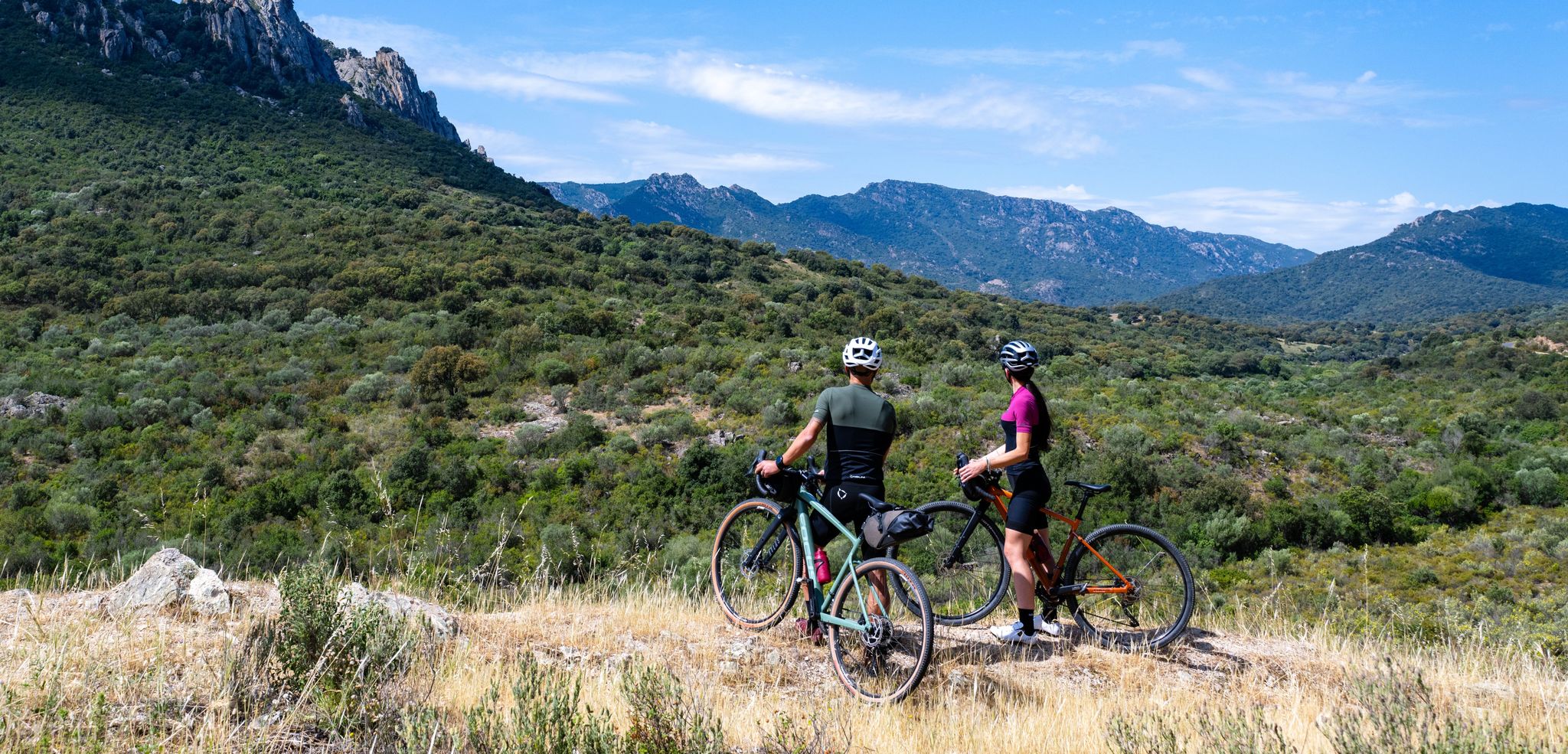
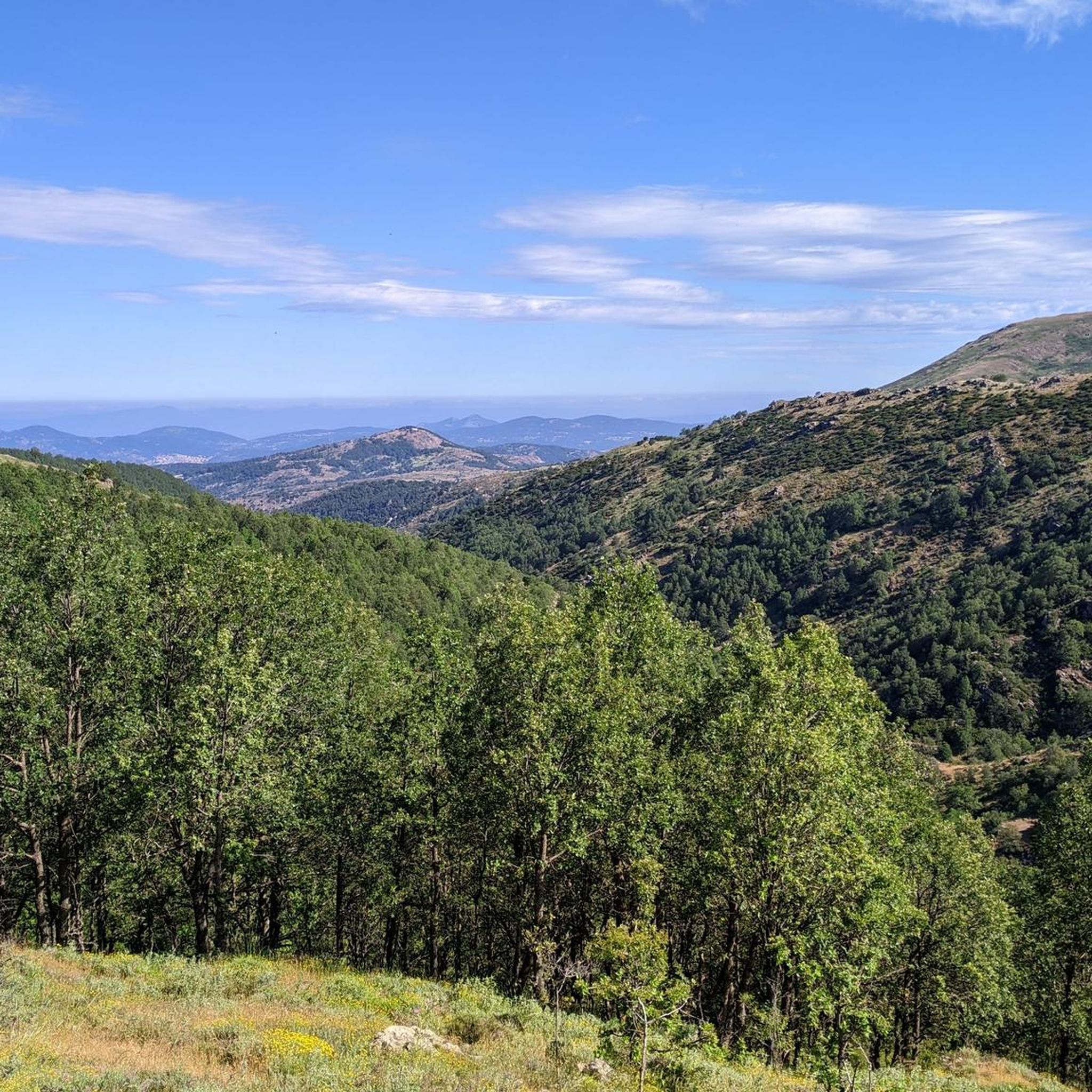
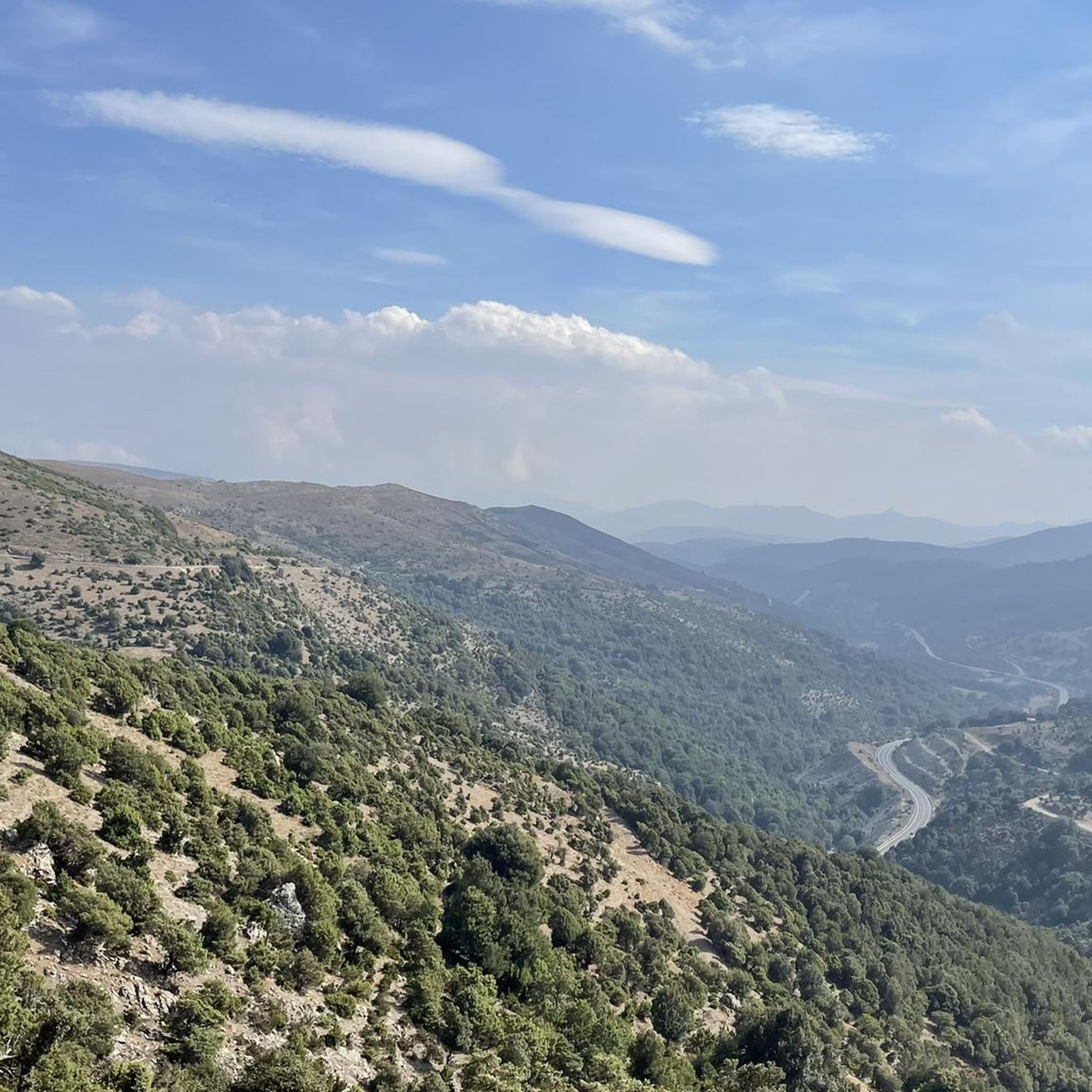
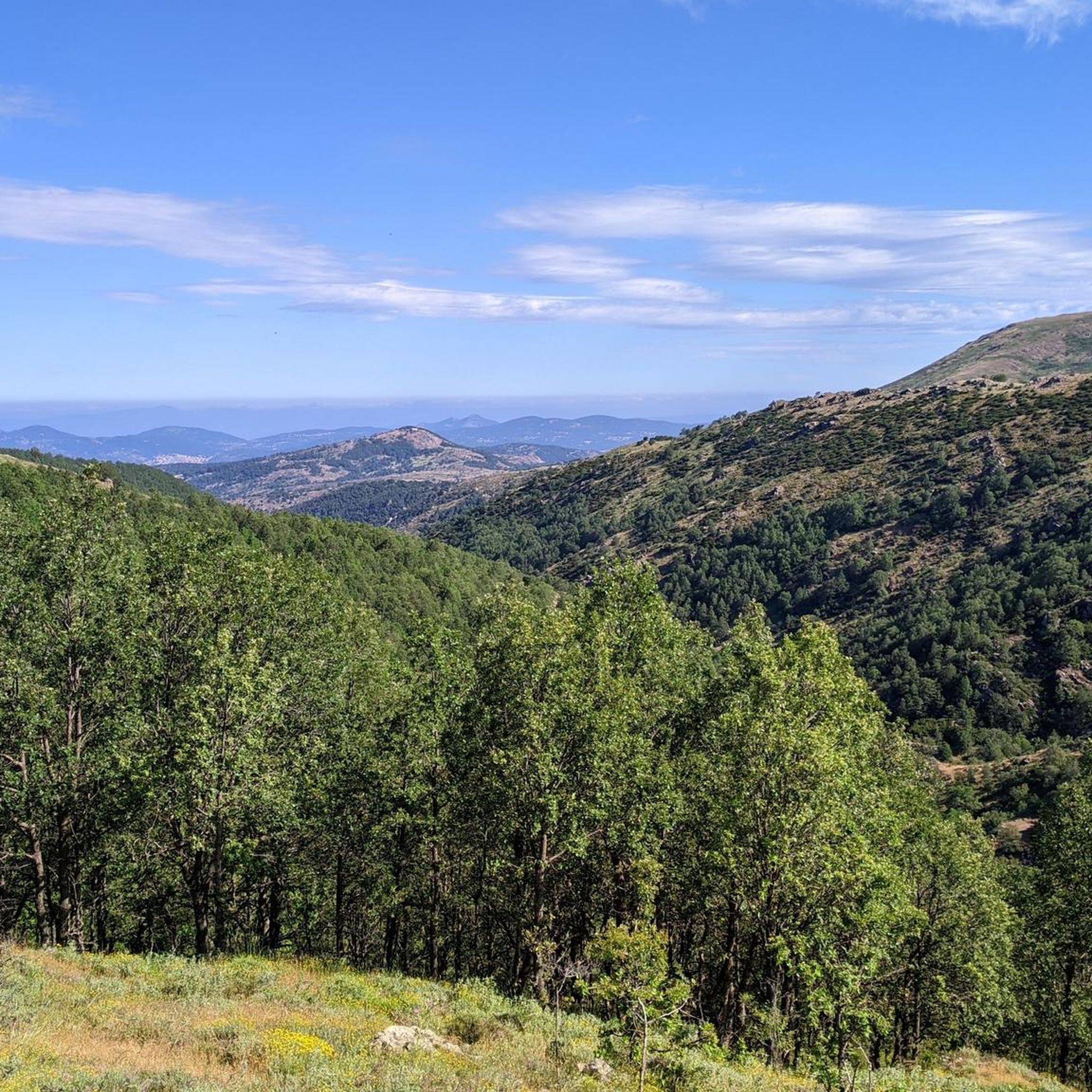
Other adventures around Onne/Fonni

Tips from the Community

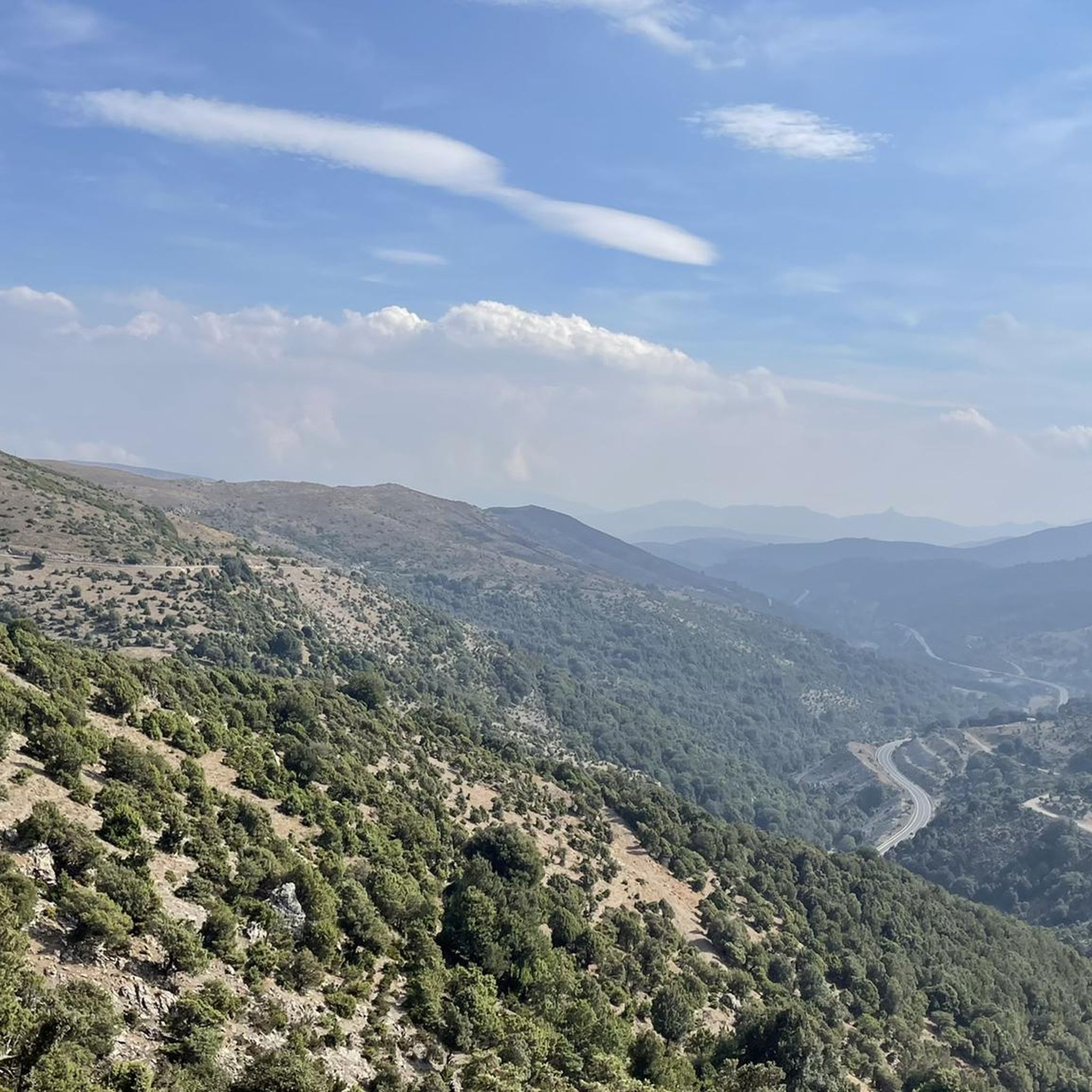
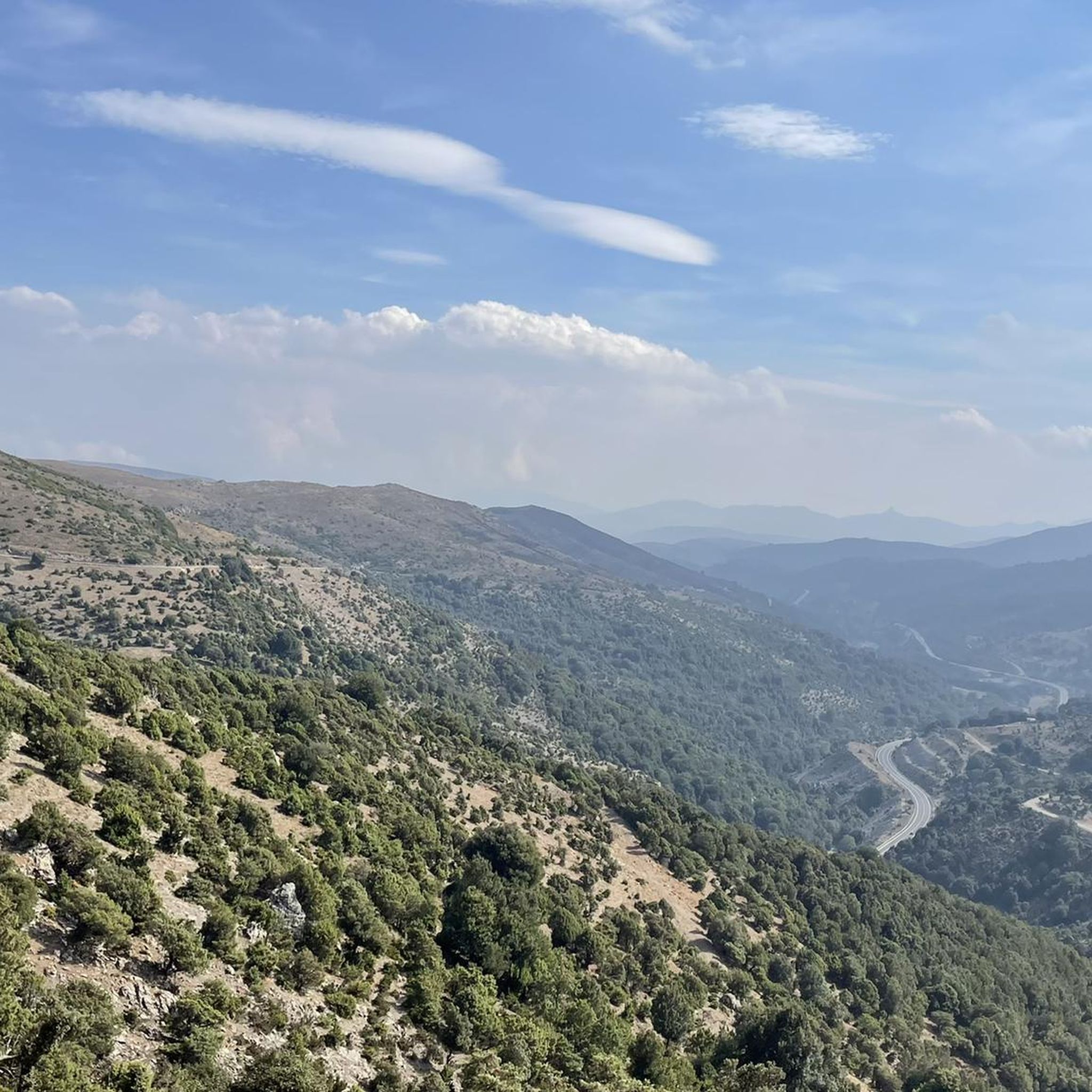
One of my favorite foto stops on the way to Monte Novo San Giovanni.
2
0


With an all-mountain mountain bike you can do almost everything on the bike, both uphill and downhill
1
0

Imagine standing on the highest point in Sardinia, Punta La Marmora, and your gaze sweeps over the entire island. On a clear day you can even see the silhouettes of Corsica on the horizon. You can put this experience into practice by hiking to the summit of this 1,834 meter high elevation. Ideally, start your tour in the parking area at Rifugio Sa Crista or Rifugio S’Arena near Desulo. The route is not short at 15.5 kilometers, but it rewards you with an incredible variety of landscapes. Within a walking time of three and a half to four and a half hours, you will cross picturesque forests, pass flowering meadows and hike across impressive boulder and craggy terrain. Among other things, it goes over the summits of Bruncu Spina and Punta Paulinu. As you climb from Bruncu Spina towards Punta La Marmora, a huge summit cross might lead you astray. But don't be fooled, because the true summit is only reached when you reach the small rock pyramid that marks the top of La Marmora. The peak itself was named after the general and scientist Alberto Ferrero della Marmora, who described Sardinia in detail in his works. His love for the island will become clear to you at the summit when you enjoy the breathtaking view. You should be well prepared for this hike. This means: Sturdy hiking boots, enough water and sun protection should be in your luggage. If you need refreshment in between, you can stop off in the towns of Desulo or Fonni. The months from June to September are ideal for the tour. But Punta La Marmora is actually a year-round hiking destination for everyone who is looking for something special. Ready for this adventure? Then lace up your hiking boots and experience Sardinia at its best!
5
2

Climbing to Punta La Marmora from Bruncu Spina you first reach the pre-summit, which is misleading with its enormous summit cross. To reach the highest peak in Sardinia, you need to continue further south until you reach a small rock pyramid. This marks La Marmora's peak share of 1,833.
3
2
If you reach Punta Paulinu from Mount Bruncu Spina by walking on the high path, as you approach the rocky peak you can see on the left (towards the south-east) the famous rock formation called "Arcu Gennargentu", which is a set of three rocks that it forms a natural arch overlooking Mount Bruncu Spina on one side and the Sardinian panorama to the east.
2
2
Mount Bruncu Spina (Cardo peak), with its 1,829 meters above sea level, is the second peak in Sardinia. The summit can be easily reached from the car park at the foot of the chairlift, near the refuge of the same name (now closed). The climb is steep but short. It's worth the effort to enjoy the views from this grassy summit.
2
0

Well-kept, great climb to a wonderful panoramic view.
3
0
Frequently Asked Questions
What natural attractions can I explore around Fonni?
Fonni, situated on the Gennargentu Massif, offers a wealth of natural beauty. You can hike to the Summit of Punta La Marmora, the highest point in Sardinia, for breathtaking panoramic views. Another significant peak is Mount Bruncu Spina, the island's second highest, also offering great vistas. The Gennargentu National Park, surrounding Fonni, provides numerous hiking trails through forests and mountains. Don't miss the Montes Forest, one of the largest holm oak forests in the Mediterranean, or the serene Lago di Gusana, an artificial lake perfect for relaxing walks.
Are there any historical or cultural sites to visit in Fonni?
Yes, Fonni is rich in history and culture. The town itself features the impressive Basilica of Santa Maria dei Martiri and the late-Gothic church of San Giovanni Battista. You can also explore the Museum of Pastoral Culture to learn about local traditions. The streets of Fonni are adorned with numerous murals depicting daily life. Nearby, the town of Orgosolo is famous for its Murals of Orgosolo, which tell stories of local history and political statements. The area also boasts ancient archaeological sites, including Nuraghi like Nuraghe Funtana Bona, the Madau Necropolis with its Tombs of the Giants, and the unique Nuragic aqueduct at the Gremanu Complex.
What outdoor activities can I do near Fonni's attractions?
The region around Fonni is ideal for outdoor enthusiasts. You can find numerous routes for mountain biking, cycling, and hiking. For challenging mountain bike adventures, consider routes like "Punta La Marmora (1.834 m s.l.m) in mountain bike - giro ad anello" or "Fonni – Mount Bruncu Spina loop from Fonni/'Onne". Cyclists can explore scenic routes such as "From the feet of Gennargentu to the village of the Sardinian flower – ring tour" or "Mamoiada – Mural street art in Orgosolo loop from Lodine". For more options, check out the MTB Trails around Onne/Fonni, Cycling around Onne/Fonni, and Road Cycling Routes around Onne/Fonni guides.
Are there family-friendly activities available in Fonni?
Yes, Fonni offers several family-friendly options. The Murals of Orgosolo provide an engaging cultural experience for all ages. Exploring the Montes Forest, accessible from Foresteria Montes, offers easy trails and a chance to enjoy nature. The Museum of Pastoral Culture can also be an educational and interesting visit for families.
What is the best time to visit Fonni for hiking?
The months from June to September are ideal for hiking to destinations like the Summit of Punta La Marmora. However, Punta La Marmora is considered a year-round hiking destination for those seeking a special experience. During winter, the Gennargentu Massif, including Monte Spada and Bruncu Spina, offers Sardinia's only ski facilities, making it suitable for winter activities.
Where can I find parking for trails around Fonni?
You can find free parking at the Foresteria Montes (Montes Forest), which serves as a starting point for various hiking trails, including those to Monte San Giovanni and Funtana Bona. For hikes to Punta La Marmora, parking areas at Rifugio Sa Crista or Rifugio S’Arena near Desulo are recommended starting points.
What are some hidden gems or unique experiences in Fonni?
Beyond the main attractions, Fonni offers unique cultural events. The Fonni Palio, a horse riding competition, is held annually on the first Sunday of August. The Fonni Carnival features traditional Urthos and Buttudos masks, offering a glimpse into local folklore. Additionally, during the Autumn in Barbagia festival, loggias and cantinas open to the public, providing an authentic local experience.
Can I find cafes or refreshments near hiking trails in Fonni?
After a hike, you can find refreshments in the towns of Desulo or Fonni. While specific cafes directly on trails are not widely noted, these towns offer options to stop off and refuel.
What are the views like from the highest peaks near Fonni?
From the Summit of Punta La Marmora, the highest point in Sardinia, you can enjoy panoramic views across the entire island. On clear days, you might even see the silhouettes of Corsica on the horizon. Mount Bruncu Spina, the second highest peak, also offers great views, making the climb rewarding.
What is the significance of the Nuraghi in the Fonni region?
The area around Fonni is rich in archaeological sites from ancient civilizations, including Nuraghi. These are megalithic stone constructions dating from 1800-900 BC, unique to Sardinia. You can visit sites like Nuraghe Funtana Bona, which is perched on a rocky spur overlooking Monte Novo San Giovanni. These structures offer a fascinating insight into the island's ancient past.
Are there any dog-friendly walks around Fonni?
While specific dog-friendly designations for all trails are not detailed, the extensive network of hiking trails within the Gennargentu National Park and Montes Forest generally allows for walks with dogs, provided they are kept under control and local regulations are followed. The natural environment offers plenty of space for you and your canine companion to explore.
Most popular routes around Onne/Fonni
Most popular attractions around Onne/Fonni

Get inspired with the komoot mobile app


Explore more
Still not found the Highlight you’re looking for? See guides of the top attractions in other regions:
