The best walks and hikes around Lùvula/Lula
4.7
(492)
1,894
hikers
32
hikes
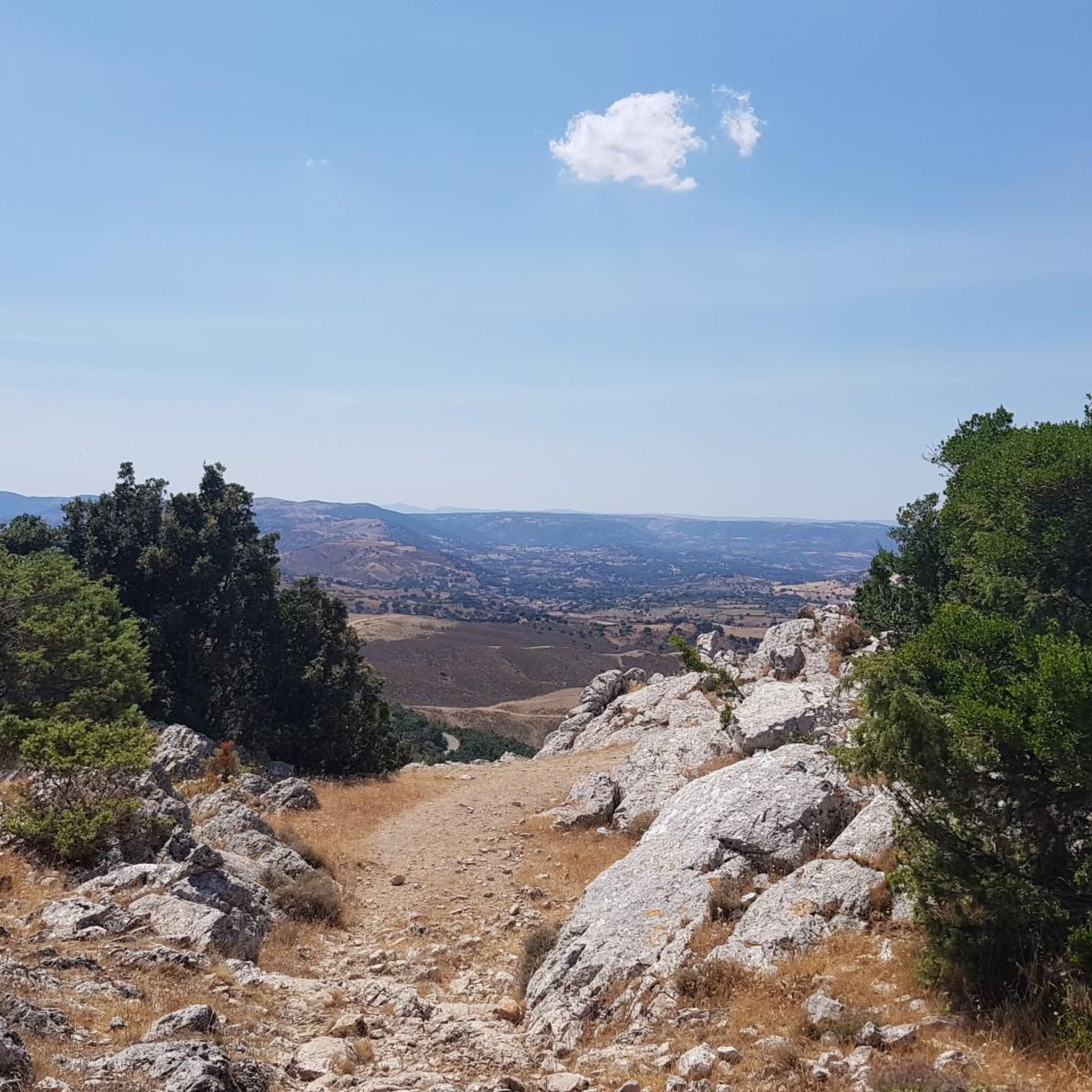
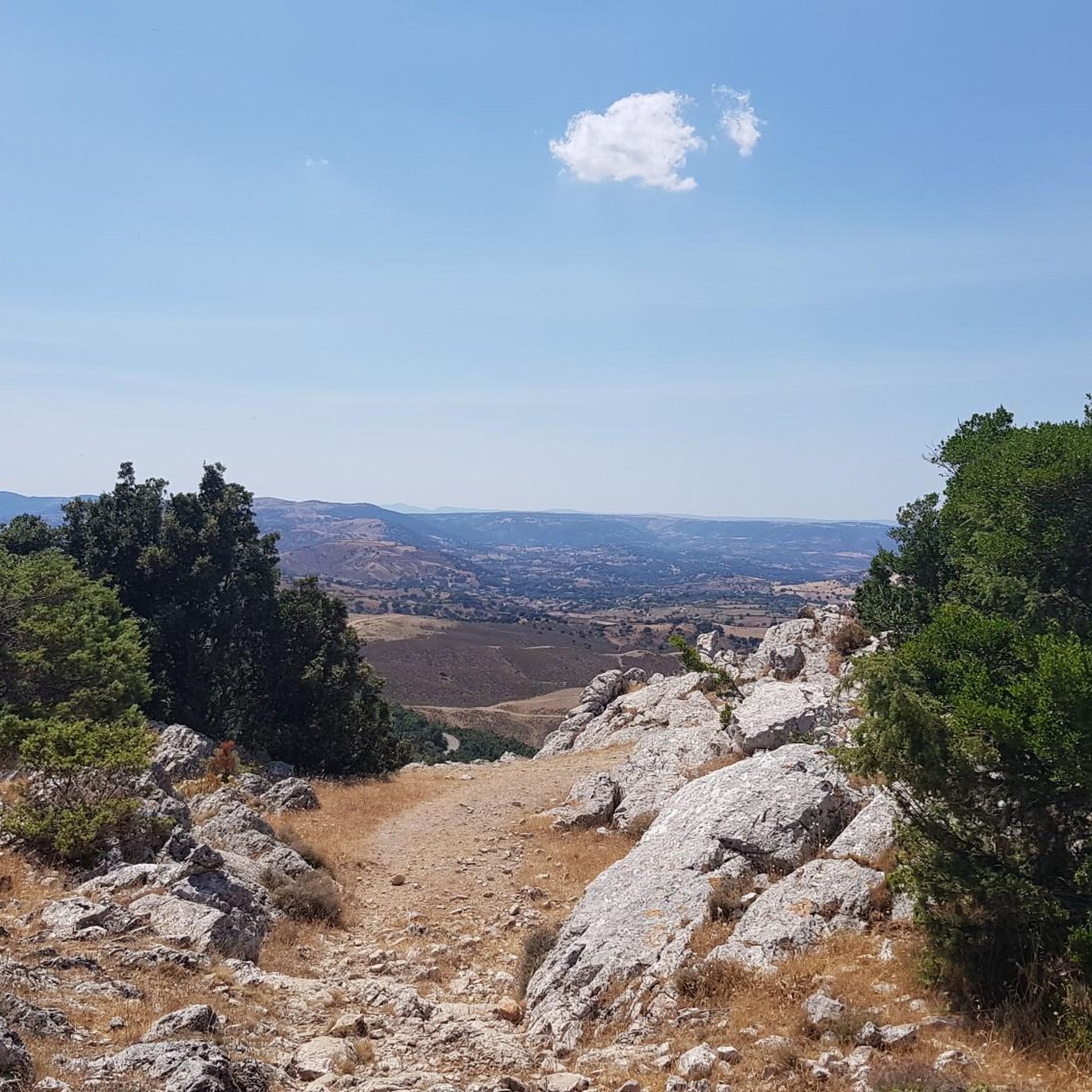
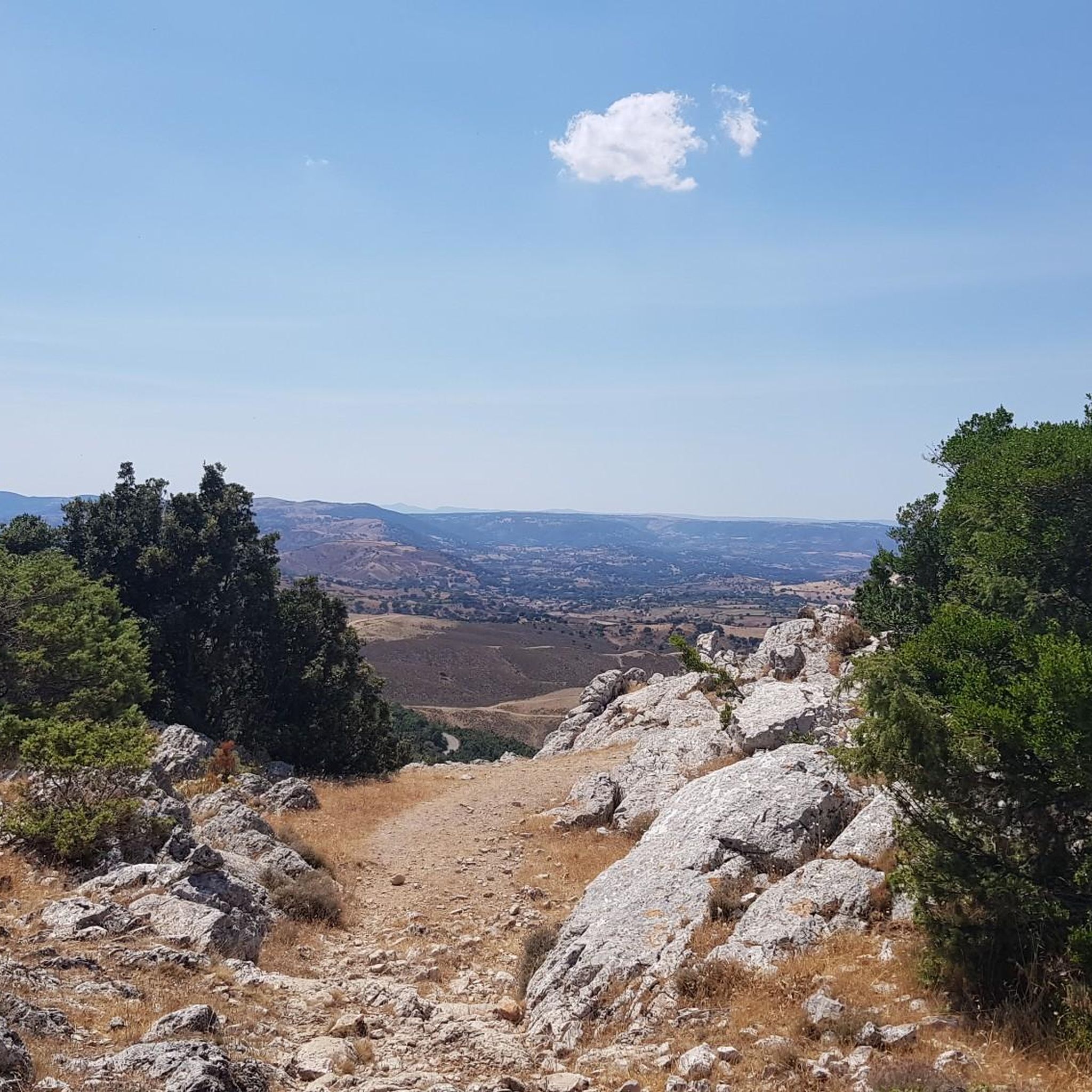
Hiking around Lùvula/Lula offers diverse landscapes in the heart of Sardinia, characterized by the rugged terrain of Monte Albo and surrounding hills. The region features a mix of rocky paths, dense Mediterranean scrub, and open vistas, providing varied experiences for hikers. These trails often lead through areas with significant geological interest and natural beauty, making them suitable for those seeking challenging hikes Lùvula/Lula or more moderate excursions.
Best hiking trails around Lùvula/Lula
- The most popular hiking route is Monte Albo…
Last updated: June 24, 2026
4.7
(88)
350
hikers
9.12km
03:35
530m
530m
Moderate hike. Good fitness required. Mostly accessible paths. Sure-footedness required.
4.7
(90)
356
hikers
9.34km
03:39
540m
550m
Moderate hike. Good fitness required. Mostly accessible paths. Sure-footedness required.

Sign up for free
4.6
(22)
56
hikers
Moderate hike. Good fitness required. Mostly accessible paths. Sure-footedness required.
4.6
(29)
101
hikers
Moderate hike. Great for any fitness level. Mostly accessible paths. Sure-footedness required.
4.8
(13)
66
hikers
Easy hike. Great for any fitness level. Easily-accessible paths. Suitable for all skill levels.
Get access to more routes and recommendations from other explorers.
Sign up for free
Already have an account?
Our route recommendations are based on thousands of hikes, rides, and runs completed by other people on komoot.
Start today with a free account
Your next adventure awaits.
Login or Signup
Tips from the Community

There are many opportunities for bouldering sessions here.
0
0
After the open karst area further up, there comes a welcome section through the forest with some shade.
0
0
A quiet plateau with huge boulders/climbing areas. Little to no shade. Therefore, bring plenty of water!
0
0

One of the most important and complete testimonies that the Nuragic culture has left us. Su Tempiesu is a fountain temple dedicated to the worship of water deities and was built using the Opus Isodomum technique with perfectly crafted trachyte and basalt blocks. The origin dates back to the Late Bronze Age (13th century BC) and was frequented until the beginning of the Iron Age (4th century BC). Discovered in 1953, the site is located on a rock face where spring water flows and supplies the holy well with water. Su Tempiesu is the only remaining original evidence of a covered, hilltop sacred well structure. The temple is about seven meters high and consists of a vestibule, a staircase and a chamber that protects the source of the spring water. The vestibule is square with a slightly sloping floor and projecting walls and is made of panels that form a narrow pointed arch. There are two counter seats at the base of the side walls, while the small offering cabinets are positioned in the brickwork. The back wall leads to an outward-facing, curved staircase. Four steps lead to a small room with a tholos (false dome) and paved floor and a decantation pit in the middle. The roof is exceptional: it is a double-pitched roof with double-shaped eaves. It culminates in a triangular tympanum. On top of it rested an acroterion (ashlar stone in the shape of a truncated pyramid), which carried twenty bronze swords decorated with votive motifs and with holes carved into them. In addition, numerous ex-voto bronzes were found: daggers, hatpins, pendants, bracelets, rings, necklace beads, pins and, above all, small statues of offerings, warriors, characters with capes and commander's staff. Other offerings were stored in chambers created from depressions in the rock. During flood periods, the overflowing water flows through a small canal dug into the floor of the vestibule and is channeled into a second small fountain, a smaller replica of the first. The small fountain is built at the foot of an outer curved enclosure and has a small channel with a finely crafted stalactite. There is a small arch above it, while at the bottom there is a small pit for decanting. Source: https://www.sardegnaturismo.it/en/explore/su-tempiesu
0
0
The entrance is here. You can buy tickets in the information center and get a lot of interesting information. Admission is 5 euros. The facility can be visited daily from 9 a.m. to 7 p.m. in summer and from 9 a.m. to 5 p.m. in winter. You should plan at least 45-60 minutes for the visit.
0
0
The beautiful rest area offers some shade.
0
0
The bench at the side of the path invites you to take a short stop.
0
0
On the way to the well shrine you can discover this old shepherd's hut.
0
0
Frequently Asked Questions
How many hiking trails are available around Lùvula/Lula?
There are over 30 hiking trails around Lùvula/Lula, offering a diverse range of experiences from easy strolls to more challenging ascents through the Monte Albo massif.
What do other hikers say about the trails in Lùvula/Lula?
The hiking trails in Lùvula/Lula are highly regarded by the komoot community, with an average rating of 4.7 stars from over 420 reviews. Hikers frequently praise the rugged beauty of Monte Albo and the expansive views of the Sardinian landscape.
Are there easy hiking trails suitable for beginners in Lùvula/Lula?
Yes, Lùvula/Lula offers several easy hiking options. For instance, the Old Shepherd's Hut – Sacred Well of Su Tempiesu loop from Fonte Sacra Su Tempiesu is an easy 1.2-mile (1.8 km) trail that takes about 40 minutes to complete, leading to an ancient archaeological site.
Where can I find challenging hikes around Lùvula/Lula?
For those seeking a challenge, Lùvula/Lula has 7 difficult routes. These often involve more significant elevation gains and rugged terrain within the Monte Albo area, providing a rewarding experience for experienced hikers.
Are there any long-distance hiking options in the Lùvula/Lula region?
While most routes are day hikes, the region's network allows for combining trails for longer excursions. The Monte Albo Singletrack Trail – Trail Start loop from Punta sa 'e Mussinu, at 5.8 miles (9.4 km), offers a substantial moderate hike with panoramic views.
Can I find circular hiking routes in Lùvula/Lula?
Yes, many trails in Lùvula/Lula are designed as circular routes, allowing you to start and end at the same point. Examples include the Trail Start – Monte Albo Singletrack Trail loop from Punta Catirina and the Hiking loop from Punta Broccone.
What is the best time of year to go hiking in Lùvula/Lula?
The best time for hiking in Lùvula/Lula is typically spring (April-June) and autumn (September-October) when temperatures are milder and the landscape is vibrant. Summers can be very hot, especially at lower elevations, while winters can bring cooler temperatures and occasional rain to the mountains.
Are the hiking trails around Lùvula/Lula dog-friendly?
Many trails in the Lùvula/Lula region are suitable for dogs, especially those in natural, less populated areas. However, it's always advisable to keep dogs on a leash, particularly in areas with livestock or protected wildlife, and to carry enough water for both yourself and your pet.
Are there family-friendly hiking trails in Lùvula/Lula?
Yes, there are several family-friendly options, particularly among the 5 easy routes available. These trails are generally shorter and have less challenging terrain, making them suitable for children. The area around the Sacred Well of Su Tempiesu offers an accessible and interesting walk for families.
Are there hikes with scenic viewpoints in Lùvula/Lula?
Absolutely. The Monte Albo massif is renowned for its panoramic views. Many trails, such as the Monte Albo Singletrack Trail loop, offer breathtaking vistas. You can also find specific viewpoints like the Monte Albo Panoramic Road (SP3 & SP38), which provides stunning photographic opportunities.
What kind of wildlife can I spot while hiking in Lùvula/Lula?
The Monte Albo region is known for its biodiversity. Hikers might spot various bird species, including raptors, and possibly wild boars or mouflons, especially in the more secluded areas. The Mediterranean scrub also hosts a variety of smaller mammals and reptiles.
Are there any interesting historical or natural landmarks along the hiking trails?
Yes, the Lùvula/Lula area is rich in history and natural beauty. You can explore ancient sites like the Sacred Well of Su Tempiesu or the Giants' Tomb S'Ena e Thomes. The limestone formations of Monte Albo themselves are a significant natural landmark, offering unique geological features.
Most popular attractions around Lùvula/Lula

Get inspired with the komoot mobile app


Explore more
Browse the best Hikes in other regions.
