Attractions and Places To See around Lòcula/Loculi - Top 20
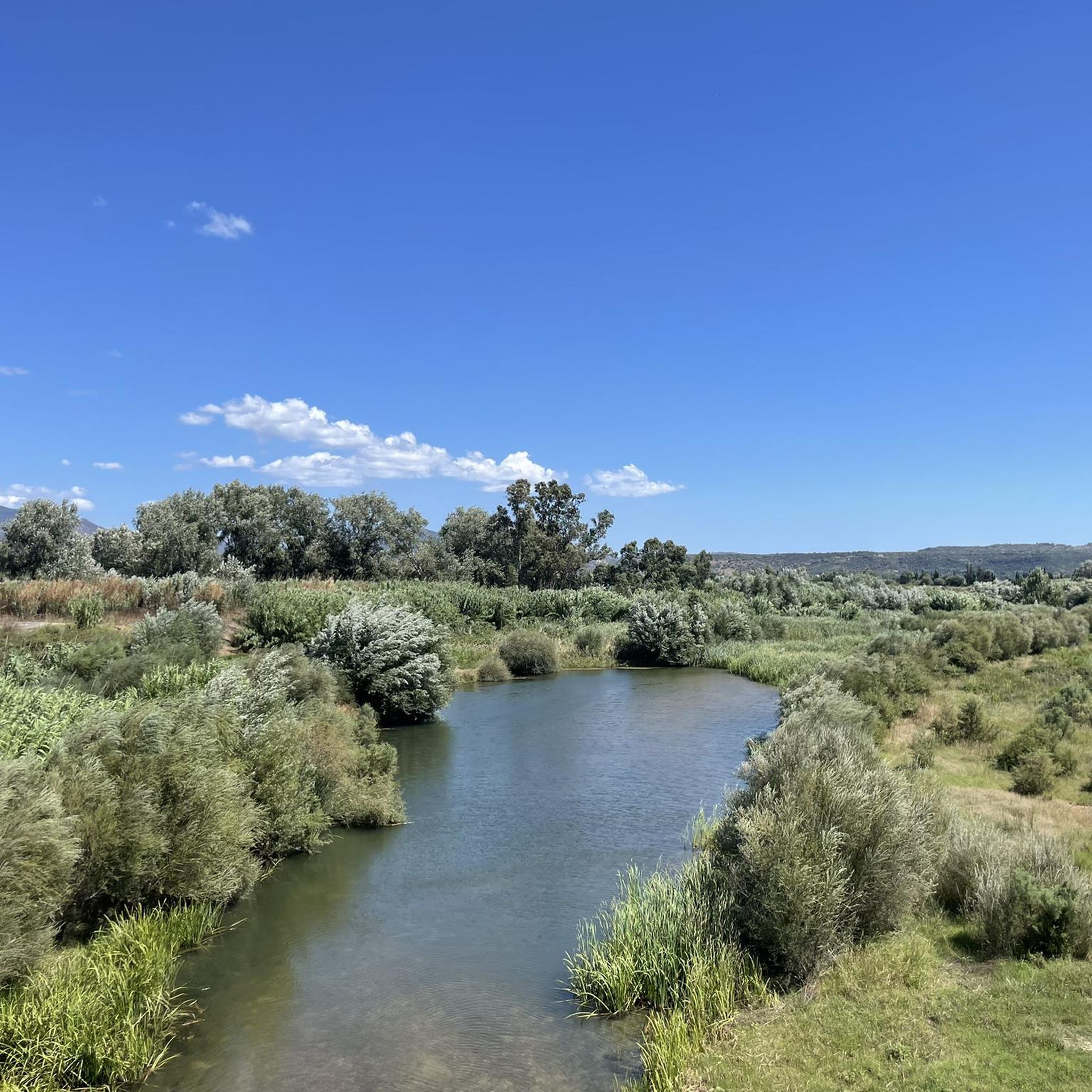
Best attractions and places to see around Lòcula/Loculi, a village in Sardinia, Italy, is characterized by its lowland plain traversed by the Cedrino river and surrounded by gentle hills. The area is known for its ancient heritage, including numerous Nuragic cult areas and historic houses. This region offers a blend of cultural sites and natural features, providing insights into its long history and diverse landscapes.
Best attractions and places to see around Lòcula/Loculi
- The most popular attractions is Christ of Monte Tuttavista, a summit that features a bronze Christ statue on a limestone peak over 800 meters high. It offers a viewpoint after a steep climb.
- Another must-see spot is Marble Quarry of Orosei, an other man-made site where marble and granite mining has been a significant industry since the 1950s. This site showcases the region's stone export industry.
- Visitors also love Grotta di Ispinigoli, a cave known for its impressive deep grotto and Europe's largest stalactite column. Guided tours are available to explore its formations.
- Lòcula/Loculi is known for its ancient Nuragic sites, natural caves, and significant viewpoints. The area offers a variety of historical and natural attractions to explore.
- The attractions around Lòcula/Loculi are appreciated by the komoot community, with 6 highlights documented and 74 upvotes from visitors.
Last updated: June 24, 2026
Christ of Monte Tuttavista
Highlight • Summit
Translated by Google •
Tip by

Monte Tuttavista summit cross
Highlight • Summit
Translated by Google •
Tip by

Sign up now to discover places like this
Get recommendations on the best single tracks, peaks, & plenty of other exciting outdoor places.
Sign up for free
Oratory of the Confraternity of the Rosary
Highlight • Religious Site
Translated by Google •
Tip by

Grotta di Ispinigoli
Highlight • Cave
Translated by Google •
Tip by

Giants' Tomb S'Ena e Thomes
Highlight • Historical Site
Translated by Google •
Tip by

Sign up for free to discover even more attractions around Lòcula/Loculi.
Sign up for free
Already have an account?
Start today with a free account
Your next adventure awaits.
Login or Signup

Tips from the Community

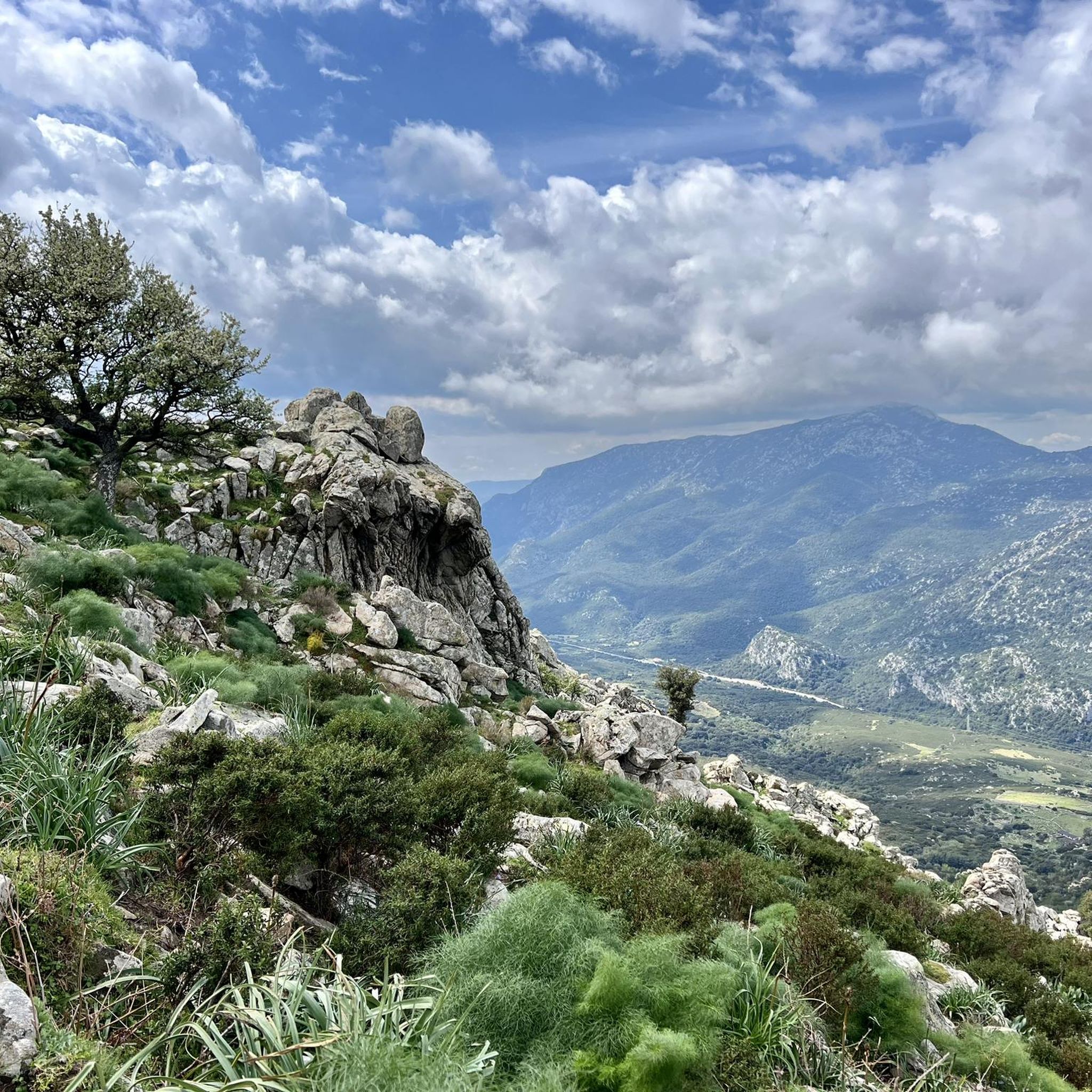
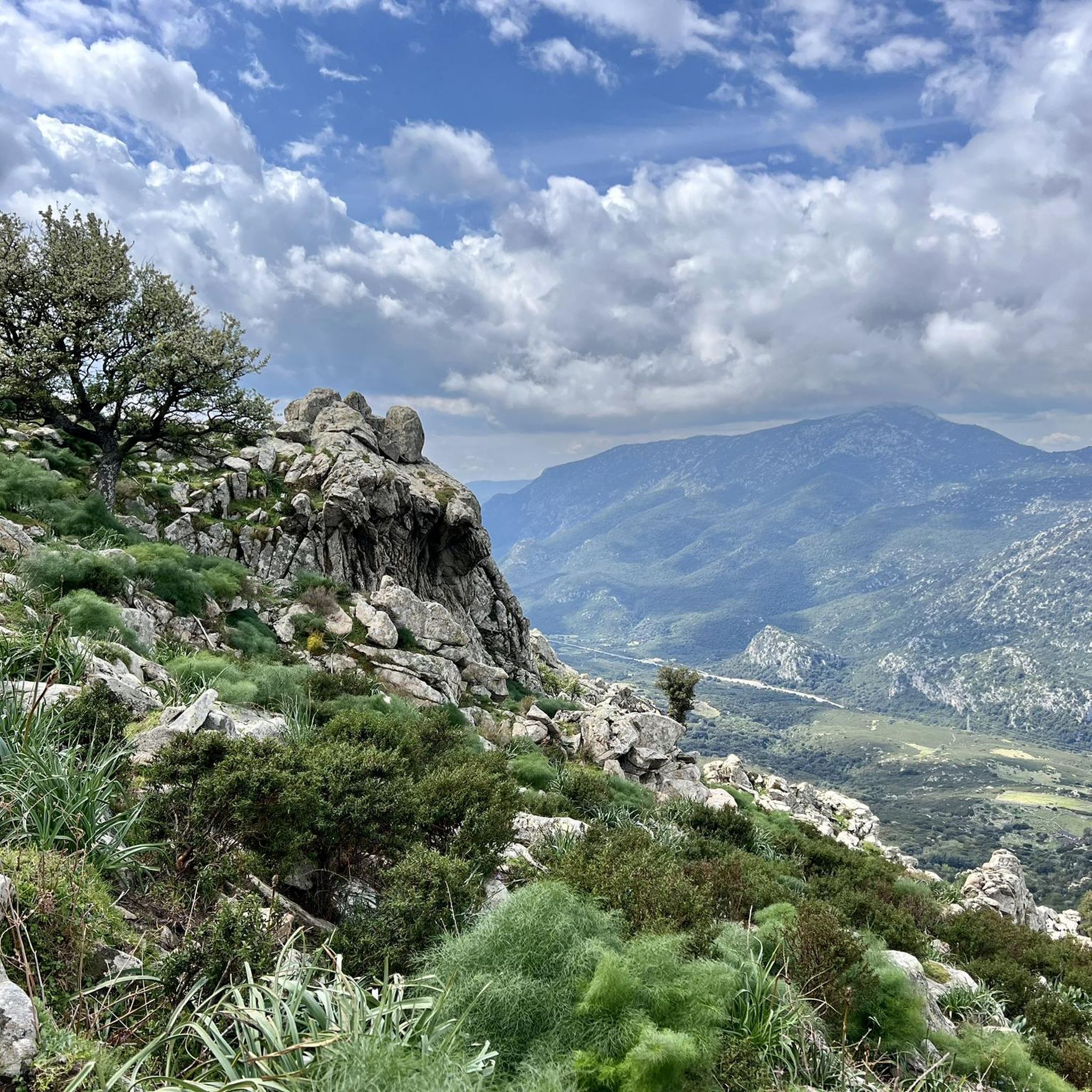
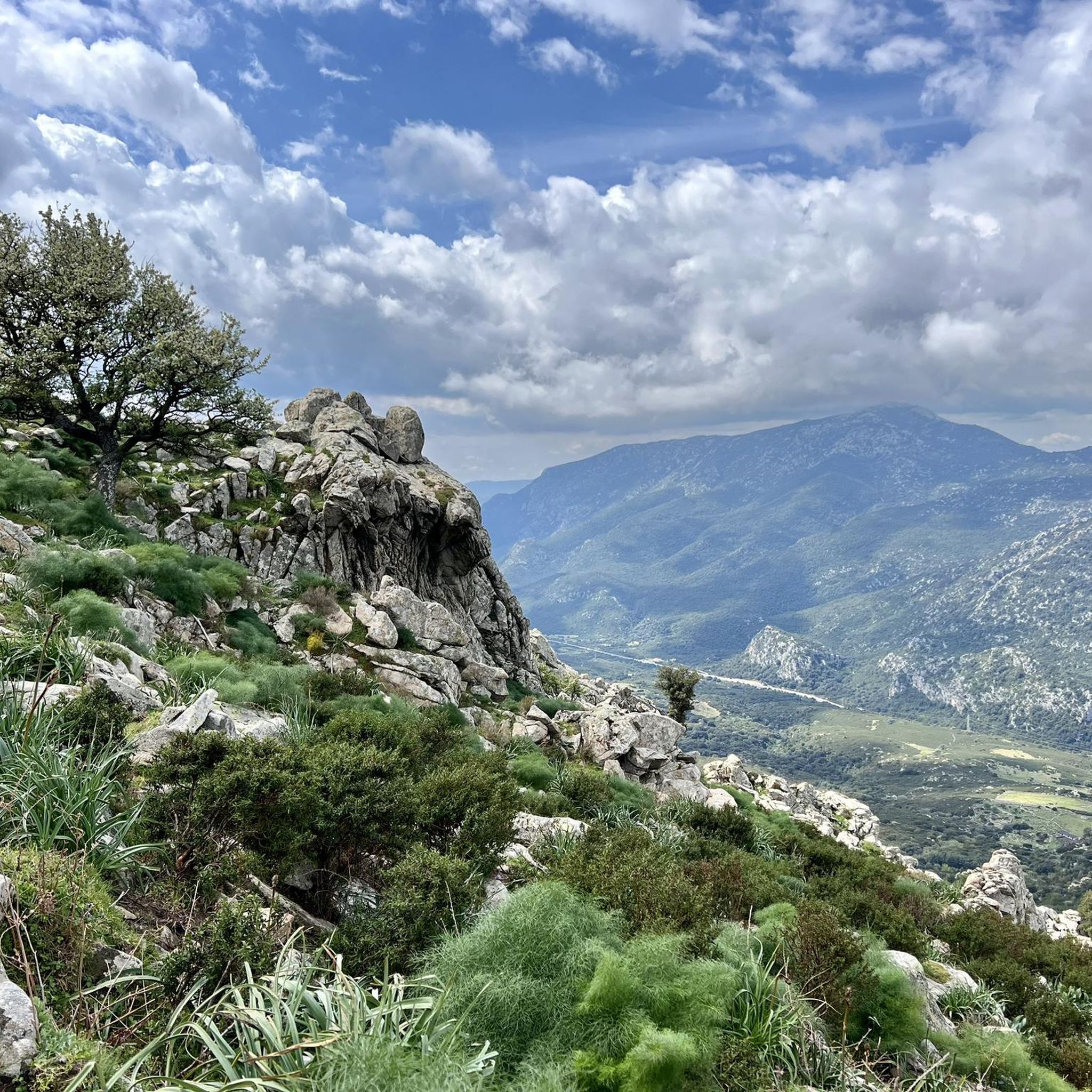
The summit of Monte Tuttavista is the highest point of this isolated limestone mountain rising above the Cedrino Valley in eastern Sardinia. From the top, you get a wide panoramic view over the valley, the surrounding mountains of Barbagia, and the Gulf of Orosei on the coast.
0
0

In the diary of his pilgrimage on the Way of St. James, which was published later, the German entertainer Hape (Hans-Peter) Kerkeling also writes about the meditative experience of praying the Rosary together, which he experienced himself in the “grandiose village church, which has the makings of a cathedral” of Castildelgado (Castile). Under the date June 21, 2001, he notes: “I simply must see the only tourist attraction in town! (…) She is all the more pleased that I want to see the jewel of Castildelgado and accompanies me inside. Our tour quickly ends in front of the altar, and so the woman asks me to take a seat in one of the wonderfully cool pews. Gradually, other people enter the church. The older lady begins to pray the rosary. The monotonous chanting has a calming effect, and the constantly repeating lament gives strength, security, and peace! So, after I can recite the words along with her, I join in the mantra…” (Hape Kerkeling in “I’m Off Then: My Journey on the Camino de Santiago”)
0
0
Some of the summit crosses bear the figure of Christ crucified. But the most famous crucifix on the Italian peninsula leads us from here to the Po Valley. It is here, in the "Bassa," that the writer Giovanni Guareschi (1908 to 1968) set his popular short stories about the protagonists "Don Camillo" and "Peppone." But besides these two, there is another main character: Jesus Christ himself speaks from the high altar to the priest Don Camillo—who was brilliantly portrayed by the actor Fernandel (Fernand Joseph Désiré Contandin, 1903 to 1971) in several feature films. The crucifix, originally made solely for the film adaptations, has been preserved and has become a popular tourist attraction in Brescello (Emilia-Romagna). It can be visited virtually as a komoot highlight at the following link =>> https://www.komoot.com/de-de/highlight/6457013
0
0

Work from the Bronze Age (18th to 16th century BC) is part of the Nuragic Sardinia, restored in 1977
0
0
A beautifully designed and monumental cross with the larger-than-life body of the crucified Christ crowns Monte Tuttavista. However, Italy's most famous crucifix is not found on the mountaintops, but in literature: The author Giovanni Guareschi, spiritual father of the protagonists 'Don Camillo' and 'Peppone,' incorporated another main character into his stories – known and loved far beyond the country's borders: the crucified Christ, who speaks to Don Camillo from the high altar. The author himself makes the following comment: "So one must explain: If the priests feel offended by Don Camillo, they can smash a candlestick on my skull for all I care; if the communists feel offended by Peppone, they can break a club on my back; but if someone feels offended by Christ's speeches, there's nothing one can do. Whoever speaks in my stories... is my Christ, that is, the voice of my conscience. My personal business, my cause. And therefore: each for himself, and God for all." (G. Guareschi)
0
0

Wonderful view after the steep climb
0
0

The tomb dates from the Bronze Age and has a dolmen structure with a central stele. The large exedra is made up of slabs stuck into the ground and arranged in descending order of size from the stele. The burial hall, rectangular and about 11 m long, is covered with large stone slabs arranged in a jack arch.
2
0
The Giant's Tomb of S'Ena'e Thomes is an archaeological site from the Nuragic period in the municipality of Dorgali in the province of Nuoro, Sardinia.
2
0
Frequently Asked Questions
What historical and archaeological sites can I explore around Lòcula/Loculi?
Lòcula/Loculi is rich in ancient history. You can visit the recently restored Historic Center of the village itself, which features charming historic houses. The area is particularly known for its Nuragic heritage, including several 'domus de Janas' (ancient rock-cut tombs) like Pira 'è Tusu and Ena Longa. Don't miss the megalithic dolmen-type burial in Santa Maria di Loculi, or the impressive Giants' Tomb S'Ena e Thomes, a significant archaeological site from the Nuragic period.
What natural attractions are there to see near Lòcula/Loculi?
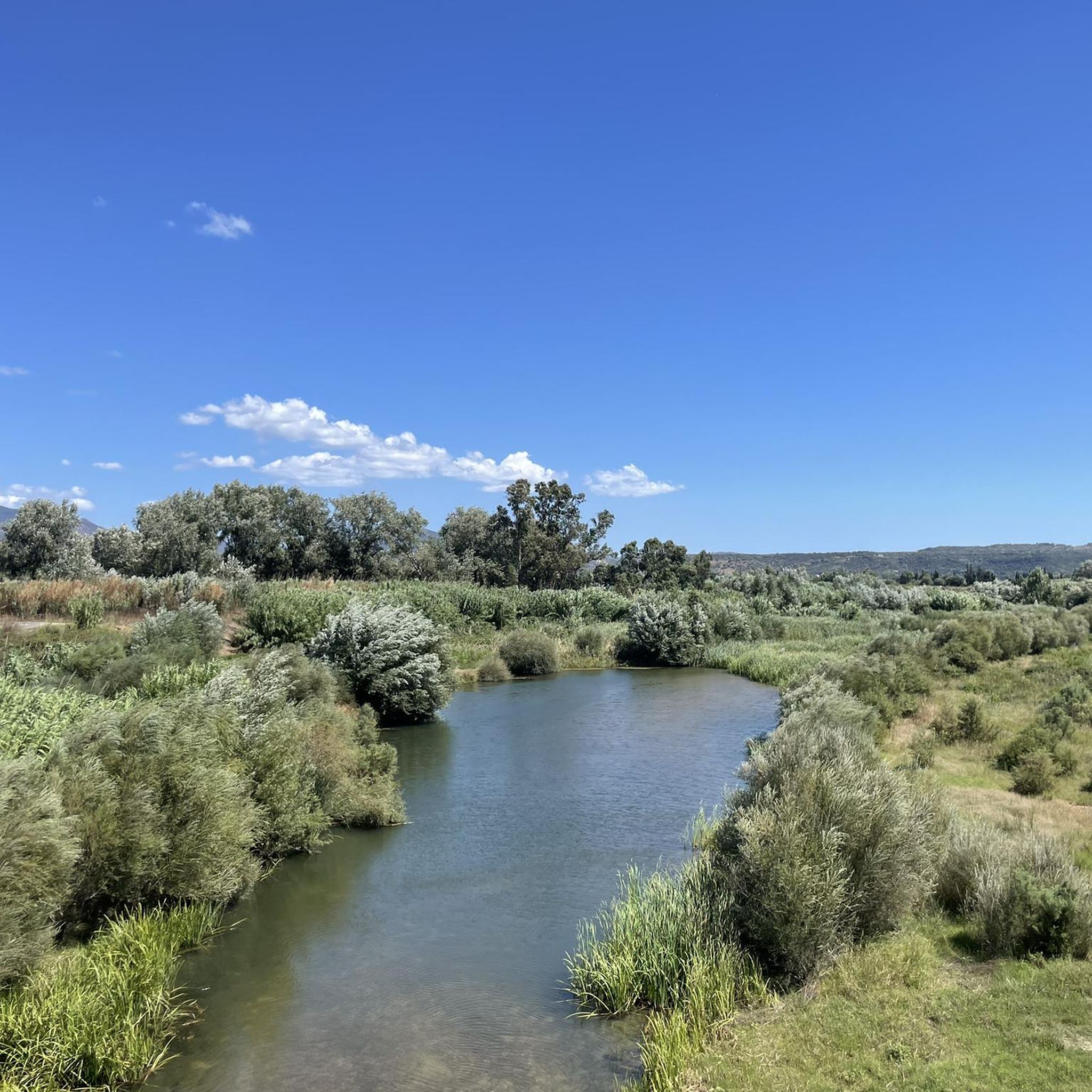
The region offers diverse natural beauty. The Cedrino River, one of Sardinia's longest, flows through the plain, and its dam has created Lake Cedrino, ideal for canoeing. Part of the majestic Mount Albo, a nature reserve known for mouflons and royal eagles, also falls within Loculi's territory, offering stunning views and ancient forests. You can also explore the unique 'lunar' landscape on the northern part of Mount Albo.
Are there any caves or geological formations to visit?
Yes, the area is home to the impressive Grotta di Ispinigoli. This deep grotto is famous for housing Europe's largest stalactite column. Guided tours are available to explore its fascinating formations.
What kind of outdoor activities can I do around Lòcula/Loculi?
Lòcula/Loculi is a great base for outdoor adventures. You can enjoy running along the Cedrino River, explore challenging MTB trails, or embark on scenic road cycling routes. For detailed routes and inspiration, check out the guides for Running Trails around Lòcula/Loculi, MTB Trails around Lòcula/Loculi, and Road Cycling Routes around Lòcula/Loculi.
Where can I find panoramic views or viewpoints?
For breathtaking panoramic views, a visit to Christ of Monte Tuttavista is highly recommended. This summit features a bronze Christ statue and offers a magnificent viewpoint after a steep climb. The paths along Mount Albo also provide stunning vistas of the surrounding landscape.
Are there any unique man-made sites or industries to observe?
You can visit the Marble Quarry of Orosei. This site showcases the region's significant marble and granite mining industry, which has been exporting high-quality stone worldwide since the 1950s.
What is the best way to experience the Cedrino River?
The Cedrino River offers tranquil spots, especially at Lake Cedrino. You can enjoy canoeing on the lake, with tours often including visits to the Grotta del Guano and the old church of San Pantaleo, which is only accessible by boat. It's a unique way to paddle between high limestone walls and basaltic columns.
What is the significance of Mount Albo in the region?
Mount Albo is a prominent limestone massif and a designated nature reserve. Its paths were historically used by charcoal burners and shepherds. Today, it's a haven for wildlife, including mouflons and royal eagles, and features ancient holm and oak forests. The twin peaks of Turuddò and Catirina (1127 meters) are accessible via its trails.
Are there any religious or cultural buildings of interest?
Yes, you can visit the Oratory of the Confraternity of the Rosary, a pretty 17th-century church that is worth exploring for its historical and architectural charm.
What do visitors enjoy most about the attractions around Lòcula/Loculi?
Visitors particularly appreciate the challenging yet rewarding climbs to viewpoints like Christ of Monte Tuttavista for its magnificent views. The unique geological formations of Grotta di Ispinigoli and the historical significance of sites like Giants' Tomb S'Ena e Thomes are also highly valued. The region's blend of natural beauty and ancient heritage makes for a compelling experience.
Can I find ancient burial sites or Nuragic structures in the area?
Absolutely. The territory of Loculi is dotted with numerous Nuragic cult areas. Besides the Giants' Tomb S'Ena e Thomes, you can find other significant sites like the Giant's Tomb of s'Iscusorju and the Tomb of Ena Tunda. There are also well-preserved Nuraghe structures, such as Nuraghe Caraòcu (or Corricanu) with its five-meter-high tower, and Preda Longa Nuraghe.
Most popular routes around Lòcula/Loculi
Most popular attractions around Lòcula/Loculi

Get inspired with the komoot mobile app


Explore more
Still not found the Highlight you’re looking for? See guides of the top attractions in other regions:
