Attractions and Places To See around Onanìe/Onanì - Top 20
Best attractions and places to see around Onanìe/Onanì are found in Sardinia's Barbagia di Bitti region, a pastoral village rich in historical landmarks and cultural sites. The area is characterized by hills covered in Mediterranean scrub and oak forests, offering striking natural beauty. Visitors can explore ancient Nuraghi, Domus de Janas, and various churches, alongside the rugged landscapes of Monte Albo and the Rio Mannu valley. Onanìe/Onanì provides a blend of archaeological significance and serene Sardinian scenery.
Best attractions and…
Last updated: October 9, 2026
Sacred Well of Su Tempiesu
Highlight • Historical Site
Translated by Google •
Tip by

Loc Ammentos Trailhead
Highlight • Trail
Translated by Google •
Tip by

Sign up now to discover places like this
Get recommendations on the best single tracks, peaks, & plenty of other exciting outdoor places.
Punta Caterina Plateau, Monte Albo
Highlight • Viewpoint
Translated by Google •
Tip by

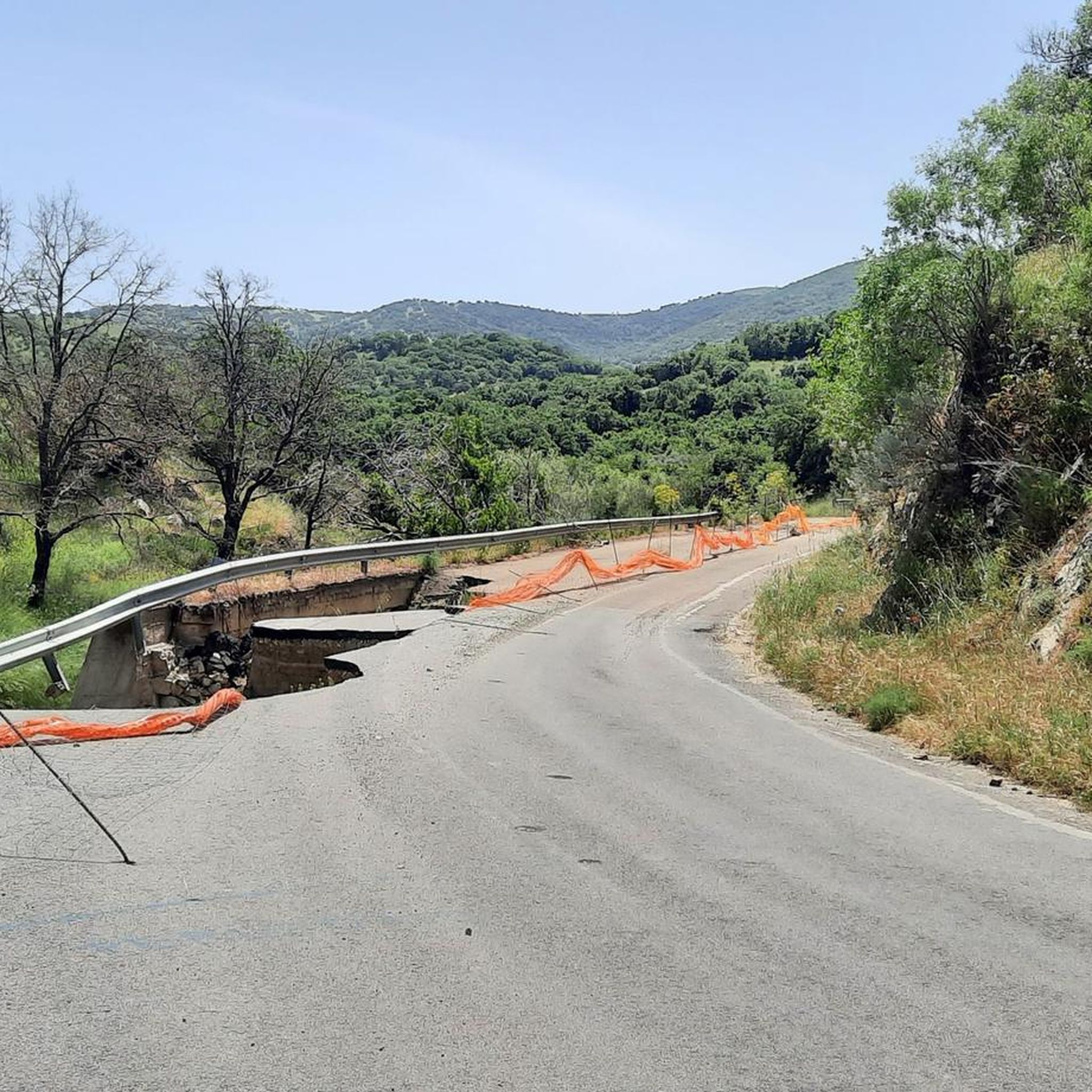
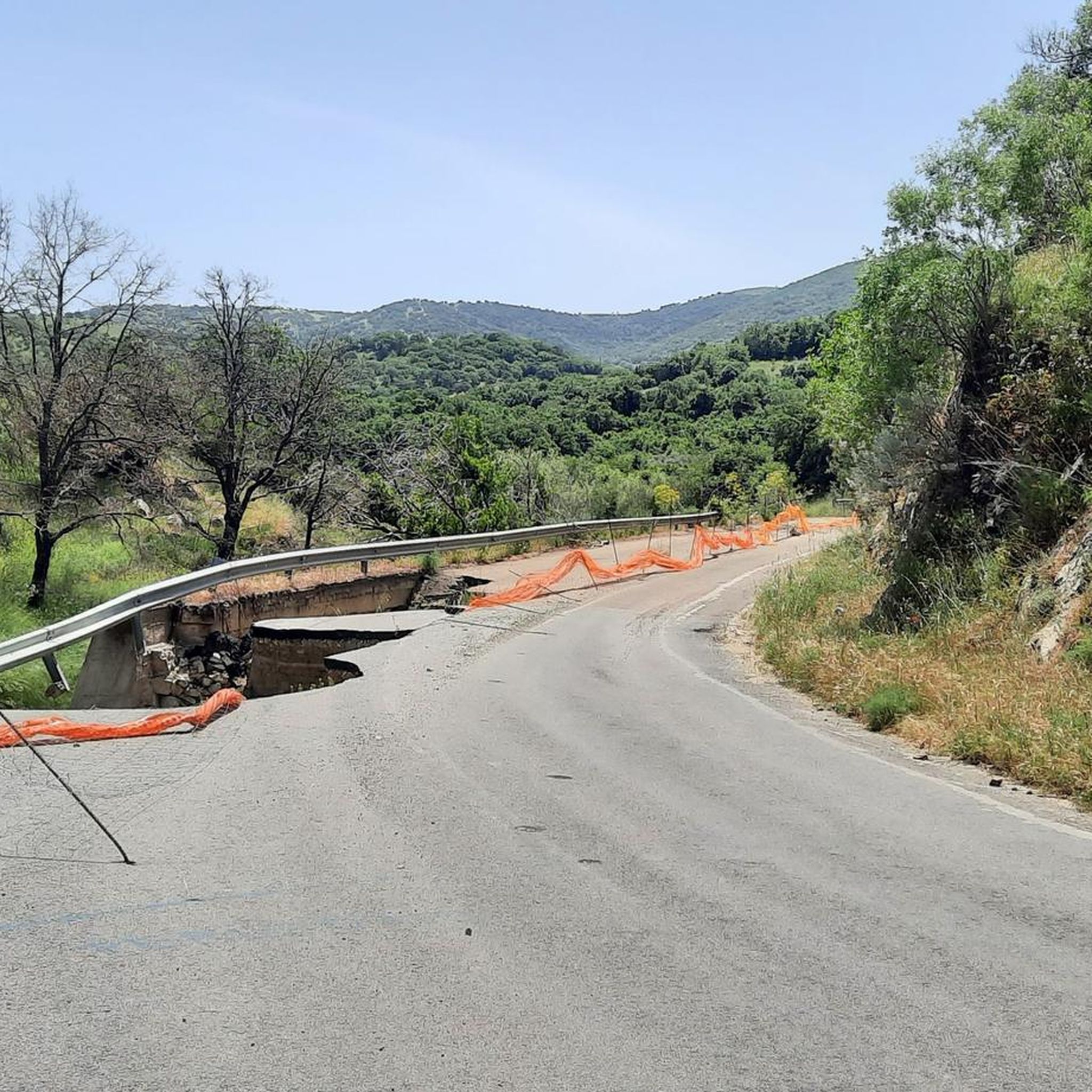
Scenic road along the cliffs of Monte Albo
Highlight (Segment) • Cycleway
Translated by Google •
Tip by

Monte Albo Scenic Mountain Road
Highlight (Segment) • Mountain Pass
Translated by Google •
Tip by

Sign up for free to discover even more attractions around Onanìe/Onanì.
Already have an account?
Start today with a free account
Your next adventure awaits.

Tips from the Community

A quiet plateau with huge boulders/climbing areas. Little to no shade. Therefore, bring plenty of water!
0
0

Very nice section of the route for biking
0
0
It's just so wonderful to be out and about here with the 🚴♂️
1
0

Monte Albo is located in the Baronìe. The name comes from its light color limestone rocks. The complex is full of gorges and caves and is also known as the “Sardinian Dolomites.”
3
0

This is like a bicycle street, we encountered maybe 5 cars on the way there and back today
0
0

One of the most important and complete testimonies that the Nuragic culture has left us. Su Tempiesu is a fountain temple dedicated to the worship of water deities and was built using the Opus Isodomum technique with perfectly crafted trachyte and basalt blocks. The origin dates back to the Late Bronze Age (13th century BC) and was frequented until the beginning of the Iron Age (4th century BC). Discovered in 1953, the site is located on a rock face where spring water flows and supplies the holy well with water. Su Tempiesu is the only remaining original evidence of a covered, hilltop sacred well structure. The temple is about seven meters high and consists of a vestibule, a staircase and a chamber that protects the source of the spring water. The vestibule is square with a slightly sloping floor and projecting walls and is made of panels that form a narrow pointed arch. There are two counter seats at the base of the side walls, while the small offering cabinets are positioned in the brickwork. The back wall leads to an outward-facing, curved staircase. Four steps lead to a small room with a tholos (false dome) and paved floor and a decantation pit in the middle. The roof is exceptional: it is a double-pitched roof with double-shaped eaves. It culminates in a triangular tympanum. On top of it rested an acroterion (ashlar stone in the shape of a truncated pyramid), which carried twenty bronze swords decorated with votive motifs and with holes carved into them. In addition, numerous ex-voto bronzes were found: daggers, hatpins, pendants, bracelets, rings, necklace beads, pins and, above all, small statues of offerings, warriors, characters with capes and commander's staff. Other offerings were stored in chambers created from depressions in the rock. During flood periods, the overflowing water flows through a small canal dug into the floor of the vestibule and is channeled into a second small fountain, a smaller replica of the first. The small fountain is built at the foot of an outer curved enclosure and has a small channel with a finely crafted stalactite. There is a small arch above it, while at the bottom there is a small pit for decanting. Source: https://www.sardegnaturismo.it/en/explore/su-tempiesu
0
0

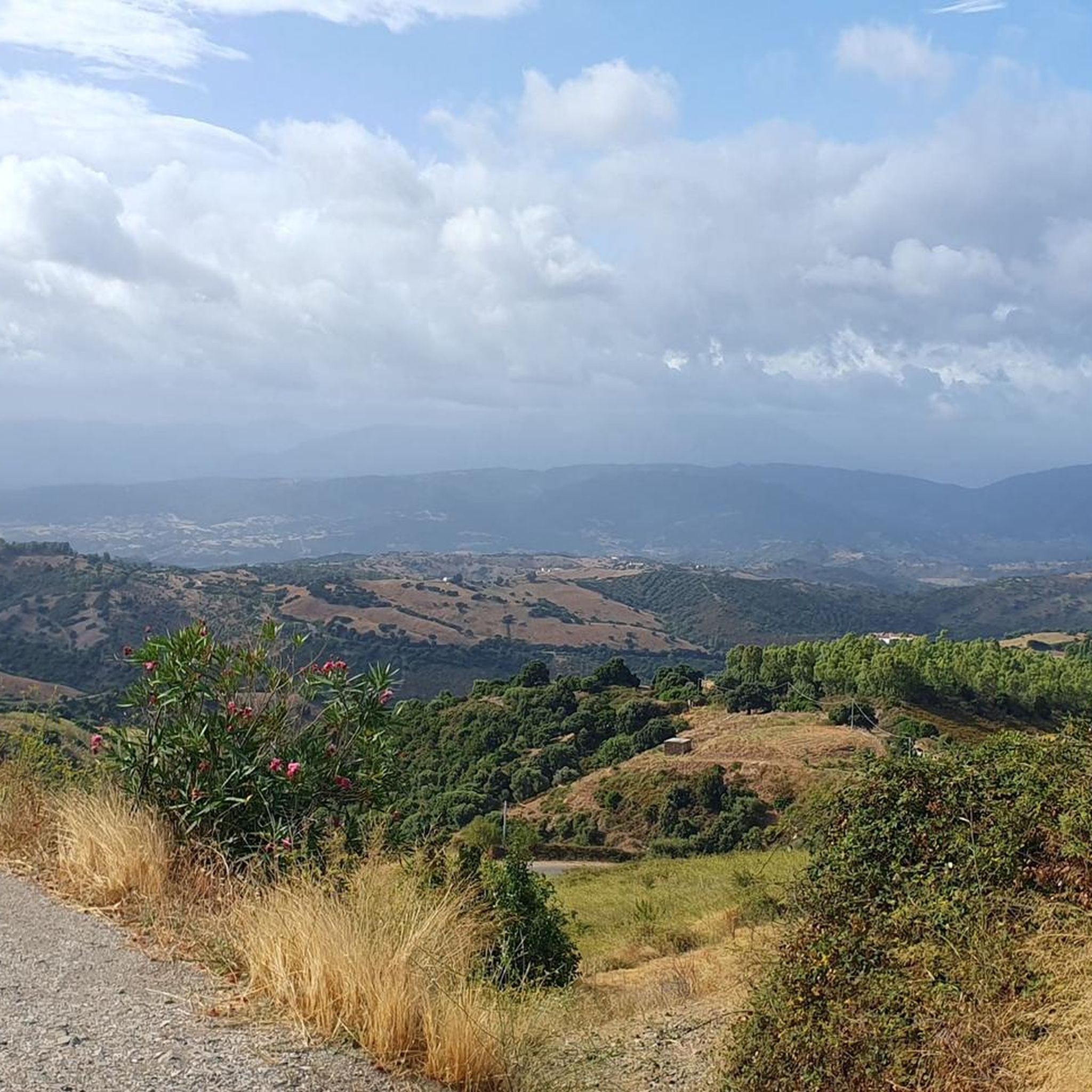
Great panorama. The road has little traffic and winds its way along just under the ridge with little up or down. Crazy beautiful landscape
1
1
Mostly flat along the same altitude, remote beautiful mountain area
1
1
Frequently Asked Questions
What ancient archaeological sites can I explore around Onanìe/Onanì?
The region is rich in archaeological history. You can visit numerous ancient Nuraghi, megalithic edifices unique to Sardinia, such as Nuraghe Santu Perdu and Nuraghe Salamite. Additionally, explore the fascinating Domus de Janas, ancient rock-cut tombs found in locations like Cogoli and near S'Ena, and the impressive Tombs of Giants, collective burial sites from the Nuragic civilization, located in areas like San Bachisio and Tanca Pettorale. Don't miss the Sacred Well of Su Tempiesu, a well-preserved Nuragic fountain sanctuary dedicated to water worship.
Where can I find scenic natural landscapes and viewpoints in the area?
Onanìe/Onanì is surrounded by striking natural beauty. The most popular natural attraction is the Monte Albo Scenic Mountain Road, known for its light-colored limestone rocks and often called the “Sardinian Dolomites.” You can also visit Punta Caterina Plateau, Monte Albo, which offers untouched landscapes and steep limestone rocks. The Rio Mannu valley provides lush vegetation and green pastures, while Monte Albo itself features gorges, caves, and plateaus with large boulders, including the granite highland of Mamone, a nesting ground for the Golden Eagle.
Are there opportunities for hiking around Onanìe/Onanì?
Yes, the area offers various hiking opportunities. You can find trails around Monte Albo, such as the Monte Albo Singletrack Trail. For an easier walk, consider the loop from Fonte Sacra Su Tempiesu to the Old Shepherd's Hut. More challenging routes include the Catirina Peak loop. For detailed routes and maps, explore the Hiking around Onanìe/Onanì guide.
What cycling routes are available near Onanìe/Onanì?
Cyclists can enjoy several routes, especially around Monte Albo. Popular options include the Monte Albo Loop and the Monte Albo Climb – Lake Maccheronis loop. There's also a scenic road along the cliffs of Monte Albo, which is less trafficked and offers panoramic views. For more cycling adventures, check out the Road Cycling Routes around Onanìe/Onanì and Cycling around Onanìe/Onanì guides.
What cultural and religious sites can I visit in Onanìe/Onanì?
Onanìe/Onanì has a rich cultural and religious heritage. The village features several historic churches, including the 11th-century Church of San Pietro, notable for its granite construction, and the Parish Church of Sacro Cuore di Gesù, built in the late 19th century. The 14th-century Church of Madonna di Loreto is also in the historic center. Additionally, you can discover beautiful murals depicting daily life and history created by Pietro Asproni and his students, displayed throughout the village center. Several well-preserved rural chapels like San Francesco and San Bachisio are also found in the surrounding countryside.
Are there any family-friendly activities or attractions in Onanìe/Onanì?
While specific family-friendly attractions are not detailed, the natural beauty and historical sites can be engaging for families. The Scenic road along the cliffs of Monte Albo is categorized as family-friendly for cycling. Exploring the ancient Nuraghi and Domus de Janas can be an educational adventure for older children. Gentle walks in the Mediterranean scrub and oak forests also offer a pleasant outdoor experience for families.
What do visitors enjoy most about the attractions around Onanìe/Onanì?
Visitors particularly appreciate the well-preserved historical sites and the stunning natural scenery. The Sacred Well of Su Tempiesu is often highlighted for its mystical atmosphere and intricate ancient architecture. The panoramic views from the Monte Albo Scenic Mountain Road are frequently praised as some of the most stunning in Sardinia. The untouched beauty of the Punta Caterina Plateau also receives positive feedback for its charming, rugged landscape.
What kind of wildlife can I expect to see in the natural areas?
The Mediterranean scrub and oak forests surrounding Onanìe/Onanì are home to various local fauna. You might spot wild boars, hares, and partridges. Monte Albo, particularly the granite highland of Mamone, is also a known nesting ground for the majestic Golden Eagle, offering a chance to observe these impressive birds of prey.
Is there a specific forest or woodland area worth visiting?
Yes, the locality known as S' Adde de s'achina boasts an extraordinary forest of centuries-old holm-oaks. This ancient woodland provides a unique natural environment for exploration and offers a glimpse into the region's pristine ecological heritage.
What is the best time of year to visit Onanìe/Onanì for outdoor activities?
Given the Mediterranean climate, the best time to visit Onanìe/Onanì for outdoor activities like hiking and cycling is typically during the spring (April to June) and autumn (September to October). During these seasons, the weather is generally mild and pleasant, avoiding the intense heat of summer and the cooler, potentially wetter conditions of winter. This allows for comfortable exploration of both the historical sites and natural landscapes.
Are there any specific tips for exploring Monte Albo?
When exploring Monte Albo, especially areas like the Punta Caterina Plateau, it's recommended to wear sturdy shoes and have basic stamina due to the steep limestone rocks and untouched terrain. The region is known for its gorges and caves, so be prepared for varied landscapes. The Monte Albo Scenic Mountain Road offers stunning views and is great for driving or cycling.
Most popular attractions around Onanìe/Onanì

Get inspired with the komoot mobile app


Explore more
Still not found the Highlight you’re looking for? See guides of the top attractions in other regions:
