Attractions and Places To See around Tonara - Top 20
Best attractions and places to see around Tonara, a municipality in the heart of Sardinia, offers a rich blend of natural beauty, historical landmarks, and cultural experiences. Situated in the Mandrolisai region at the foot of Mount Mungianeddu and near the Gennargentu National Park, Tonara is known for its picturesque setting. The area provides opportunities to explore diverse landscapes and ancient traditions.
Best attractions and places to see around Tonara
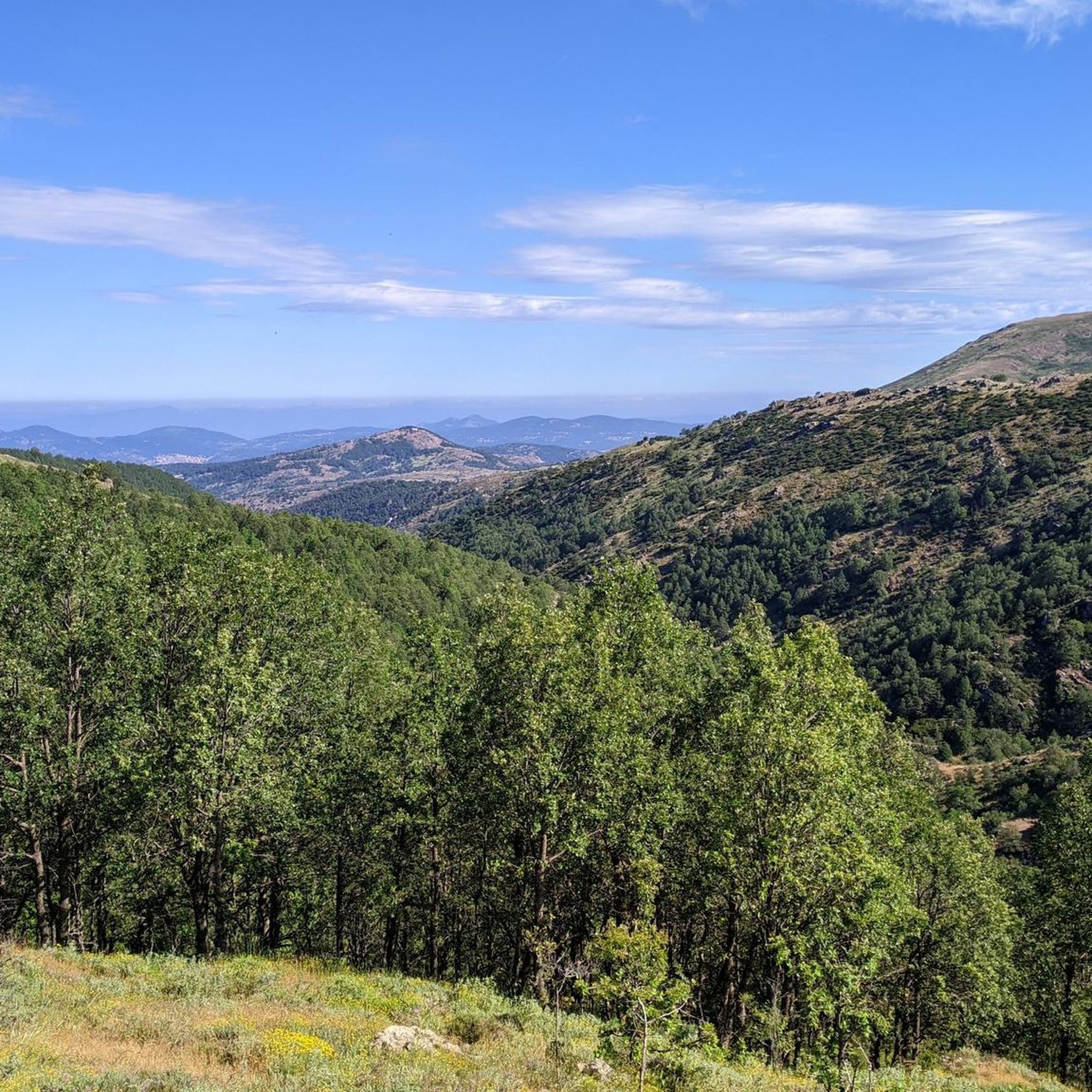
- The most popular attractions is Summit of Punta La Marmora, a summit that offers panoramic views of the entire island. On clear days, the silhouettes of Corsica are visible from this 1,834 meter high elevation.
- Another must-see spot is Mount Bruncu Spina, a summit and natural monument. Visitors can expect great views from this 1,829 meter peak, the second highest in Sardinia.
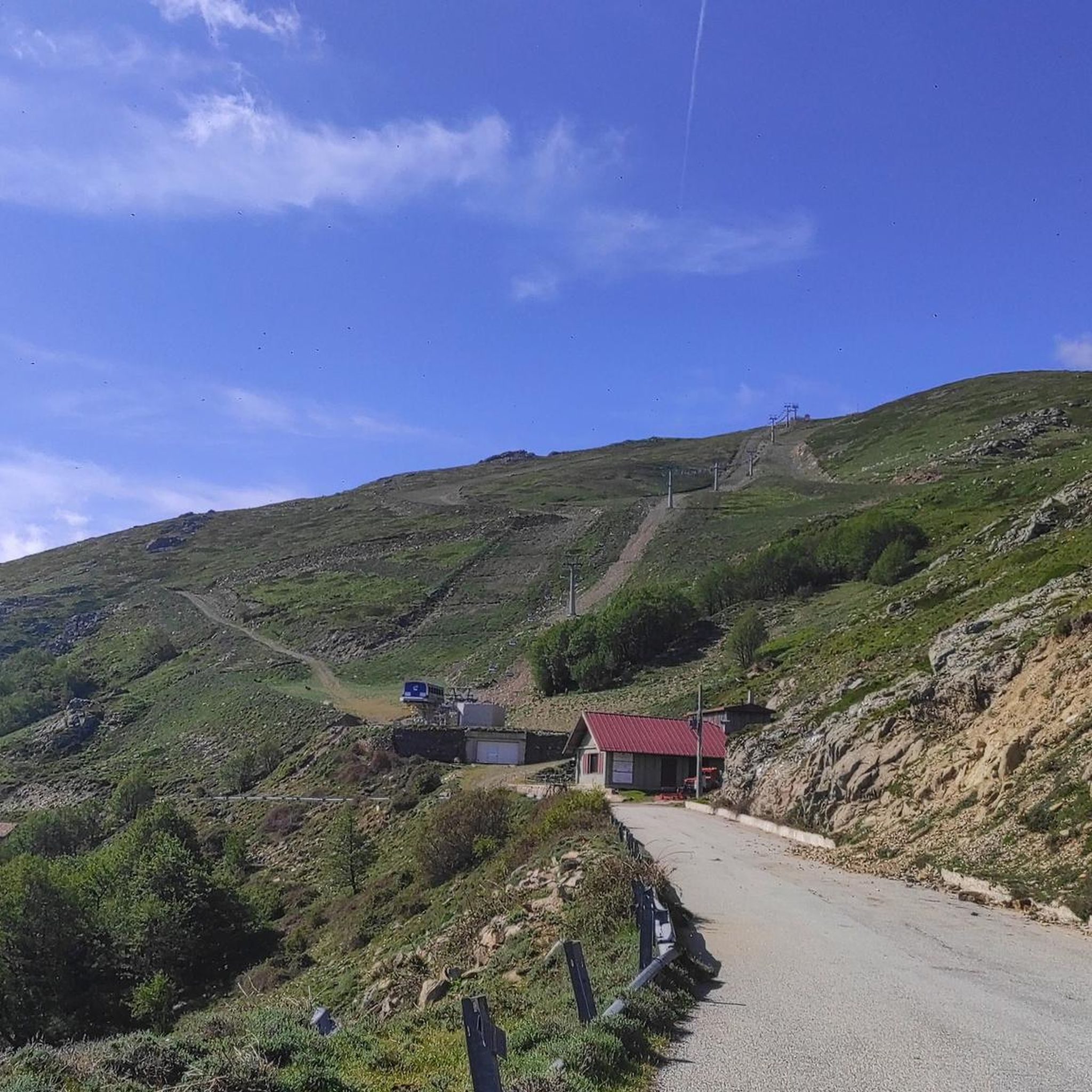
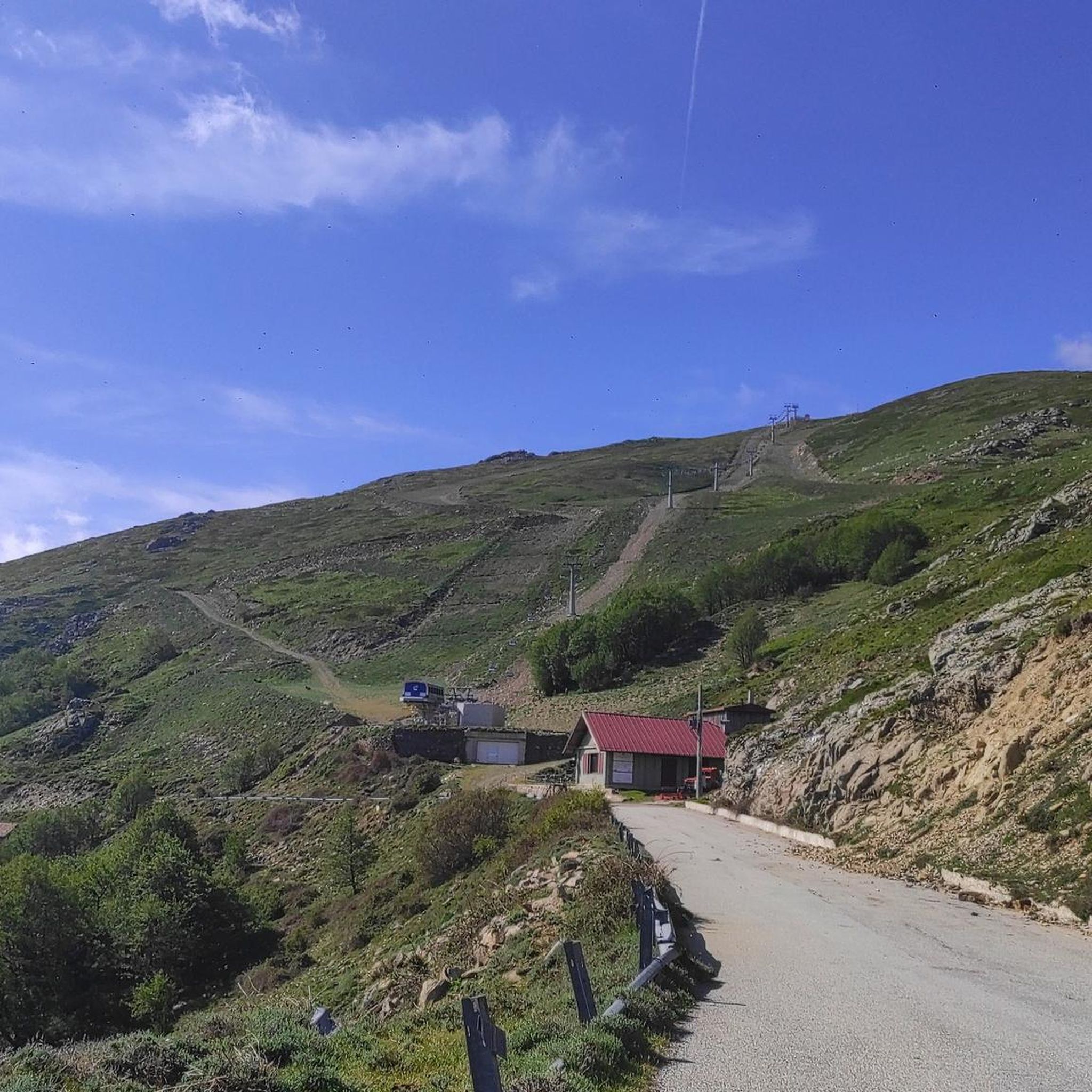
- Visitors also love Picnic area with a beautiful view, a family-friendly facility located in a forest. This spot offers tables and benches under trees, along with a source of drinking water.
- Tonara is known for its natural features like mountain peaks and forests, as well as cultural sites including ancient archaeological remains and traditional architecture. The area offers a variety of attractions to see and explore, from hiking trails to museums.
- The attractions around Tonara are appreciated by the komoot community, with 82 upvotes and 63 photos shared by visitors.
Last updated: June 23, 2026
Summit of Punta La Marmora
Highlight • Summit
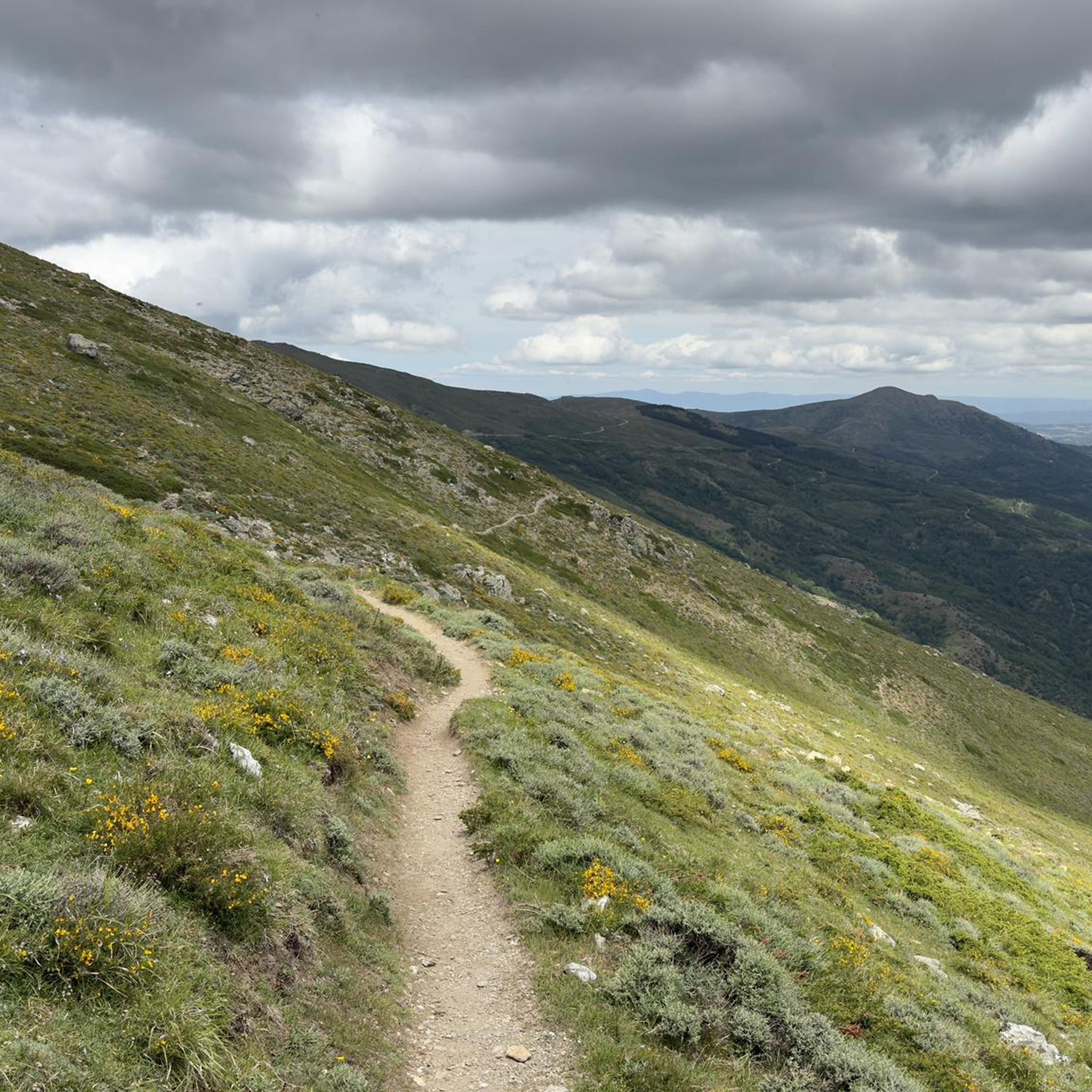
Ideally, start your tour in the parking area at Rifugio Sa Crista or Rifugio S’Arena near Desulo. The route is not short at 15.5 kilometers, but it rewards you with an incredible variety of landscapes. Within a walking time of three and a half to four and a half hours, you will cross picturesque forests, pass flowering meadows and hike across impressive boulder and craggy terrain. Among other things, it goes over the summits of Bruncu Spina and Punta Paulinu.
As you climb from Bruncu Spina towards Punta La Marmora, a huge summit cross might lead you astray. But don't be fooled, because the true summit is only reached when you reach the small rock pyramid that marks the top of La Marmora.
The peak itself was named after the general and scientist Alberto Ferrero della Marmora, who described Sardinia in detail in his works. His love for the island will become clear to you at the summit when you enjoy the breathtaking view.
You should be well prepared for this hike. This means: Sturdy hiking boots, enough water and sun protection should be in your luggage. If you need refreshment in between, you can stop off in the towns of Desulo or Fonni.
The months from June to September are ideal for the tour. But Punta La Marmora is actually a year-round hiking destination for everyone who is looking for something special. Ready for this adventure? Then lace up your hiking boots and experience Sardinia at its best!
Translated by Google •
Tip by

Punta La Marmora summit cross
Highlight • Summit
The current cross was placed in 1998.
Translated by Google •
Tip by

Sign up now to discover places like this
Get recommendations on the best single tracks, peaks, & plenty of other exciting outdoor places.
Sign up for free
Punta Paulinu
Highlight • Summit
Translated by Google •
Tip by

Mount Bruncu Spina
Highlight • Summit
Translated by Google •
Tip by

Picnic area with a beautiful view
Highlight • Rest Area
Translated by Google •
Tip by
Sign up for free to discover even more attractions around Tonara.
Sign up for free
Already have an account?
Start today with a free account
Your next adventure awaits.
Login or Signup
Tips from the Community

Great view. Beautiful area.
0
0

It may not be obvious that Sardinia's highest mountain is crowned by an imposing summit cross, but it seems completely natural to the mountain hiker. A base made of natural stone from the surrounding area forms the lower level of this small sacred monument. A round column bears the Latin inscription "Ave Crux spes unica" (loosely translated "Hail [Holy] Cross, [our] only hope") and continues further up - almost seamlessly - into the longitudinal beam of the cross. Like many other summit crosses, it is comparatively simple in its design and has no corpus, but is certainly dignified.
2
0

With an all-mountain mountain bike you can do almost everything on the bike, both uphill and downhill
1
0

Treasure chest with everything possible and a summit book.
0
0

Imagine standing on the highest point in Sardinia, Punta La Marmora, and your gaze sweeps over the entire island. On a clear day you can even see the silhouettes of Corsica on the horizon. You can put this experience into practice by hiking to the summit of this 1,834 meter high elevation. Ideally, start your tour in the parking area at Rifugio Sa Crista or Rifugio S’Arena near Desulo. The route is not short at 15.5 kilometers, but it rewards you with an incredible variety of landscapes. Within a walking time of three and a half to four and a half hours, you will cross picturesque forests, pass flowering meadows and hike across impressive boulder and craggy terrain. Among other things, it goes over the summits of Bruncu Spina and Punta Paulinu. As you climb from Bruncu Spina towards Punta La Marmora, a huge summit cross might lead you astray. But don't be fooled, because the true summit is only reached when you reach the small rock pyramid that marks the top of La Marmora. The peak itself was named after the general and scientist Alberto Ferrero della Marmora, who described Sardinia in detail in his works. His love for the island will become clear to you at the summit when you enjoy the breathtaking view. You should be well prepared for this hike. This means: Sturdy hiking boots, enough water and sun protection should be in your luggage. If you need refreshment in between, you can stop off in the towns of Desulo or Fonni. The months from June to September are ideal for the tour. But Punta La Marmora is actually a year-round hiking destination for everyone who is looking for something special. Ready for this adventure? Then lace up your hiking boots and experience Sardinia at its best!
5
2

Climbing to Punta La Marmora from Bruncu Spina you first reach the pre-summit, which is misleading with its enormous summit cross. To reach the highest peak in Sardinia, you need to continue further south until you reach a small rock pyramid. This marks La Marmora's peak share of 1,833.
3
2
If you reach Punta Paulinu from Mount Bruncu Spina by walking on the high path, as you approach the rocky peak you can see on the left (towards the south-east) the famous rock formation called "Arcu Gennargentu", which is a set of three rocks that it forms a natural arch overlooking Mount Bruncu Spina on one side and the Sardinian panorama to the east.
2
2
Frequently Asked Questions
What are the best natural features to explore around Tonara?
Tonara is surrounded by stunning natural landscapes. You can explore the majestic Summit of Punta La Marmora, Sardinia's highest peak, offering panoramic views. Another significant peak is Mount Bruncu Spina, the second highest on the island. The town also sits at the foot of Mount Mungianeddu and is close to the Gennargentu National Park, which features dense woods and numerous trails. Other natural spots include the Forest of Uatzo, Lake Gusana, and the Piscine Naturali di Bau Mela.
What kind of hiking opportunities are available near Tonara?
The Tonara area is a fantastic hub for hikers. You can embark on challenging treks to peaks like Punta La Marmora and Mount Bruncu Spina, which offer incredible views. The Gennargentu National Park provides numerous trails through ancient chestnut and walnut forests. For more detailed routes, you can explore the Running Trails around Tonara guide, which includes routes like the Bruncu Spina - Punta La Marmora Loop.
Are there any historical or cultural landmarks worth visiting in Tonara?
Tonara boasts a rich history and culture. You can visit Casa Porru, a former prison now serving as a museum of ethnography and ancient trades. The 16th-century Church of Sant'Antonio is notable for its wall paintings, and the Church of Santa Maria (1607) can be found in the Arasulè district. The town itself is characterized by narrow, winding streets and traditional stone houses with wooden balconies.
Are there any family-friendly attractions in the Tonara area?
Yes, families can enjoy the Picnic area with a beautiful view, a facility located in a forest with tables, benches, and a source of drinking water. The Gennargentu National Park also offers accessible trails suitable for family walks. Additionally, the Museo di Scienze Naturali in Belvì and the Museo Etnografico in Aritzo provide engaging educational experiences for all ages.
When is the best time of year to visit Tonara for outdoor activities?
The months from June to September are ideal for hiking and exploring the natural attractions around Tonara, offering pleasant weather for outdoor activities. However, peaks like Punta La Marmora are considered year-round hiking destinations for those seeking unique experiences.
What unique local crafts or culinary experiences can I find in Tonara?
Tonara is renowned for its artisanal nougat, known as "Torrone," made from local nuts. Every Easter Monday, the town hosts the popular Sagra del Torrone festival. Beyond nougat, you can discover traditional crafts such as rugs, tapestries, and items carved from chestnut wood. The crafting of cow bells (sonaggias and pittiolos) is also a significant local tradition.
What archaeological sites can be found around Tonara?
The area surrounding Tonara is rich in ancient archaeological sites. These include the funerary cave of Pitzu e' Toni, the *domus de Janas* at Is Forreddos (dating back to 3200-3000 BCE with three connecting rooms), and the remains of *su Nuratze*, which represent various Nuragic settlements.
Where can I find a place to rest or have a picnic while exploring?
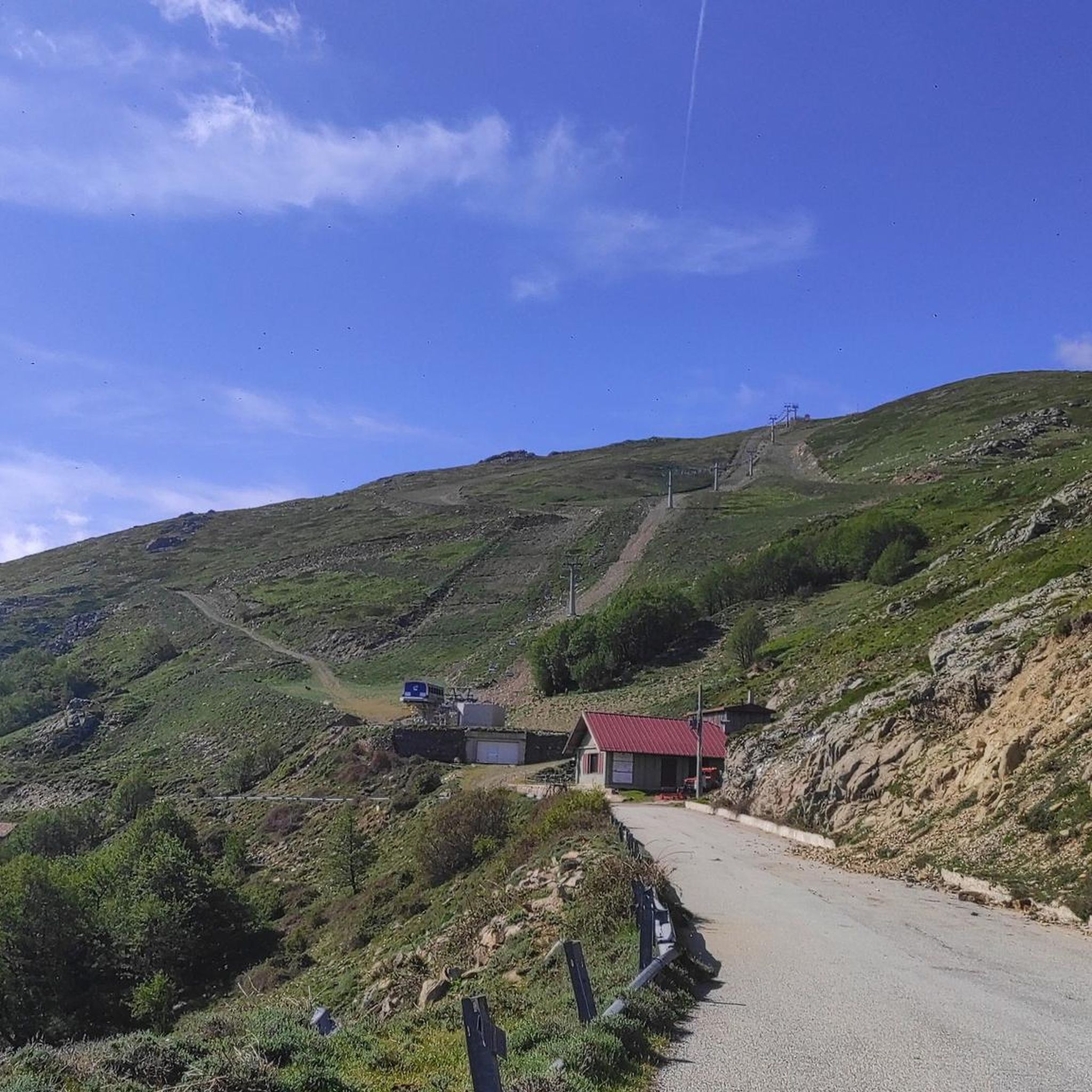
A great spot for a break is the Picnic area with a beautiful view. It offers tables and benches under trees, along with a source of drinking water, making it a perfect and cozy place to rest. The Sa Crista Refuge also offers a convenient area to park and a nice view, though the building itself is abandoned.
Are there any museums nearby that offer insights into the region's history or nature?
Yes, there are two notable museums nearby. The Museo di Scienze Naturali in Belvì, approximately 7 km from Tonara, houses collections of Sardinian fauna, minerals, and fossils. About 8 km away in Aritzo, the Museo Etnografico (also known as the Sardinian Mountain Ecomuseum) presents a vast collection of objects and documents detailing the mountain life and cultural history of the region.
What are the options for cycling or road biking near Tonara?
Tonara is a great starting point for cycling adventures. You can find various routes, including challenging road cycling climbs like "The climb to Bruncu Spina from Desulo in the Gennargentu Massif." For more options, explore the Road Cycling Routes around Tonara guide or the Cycling around Tonara guide.
Are there any specific tips for hiking to Punta La Marmora?
When hiking to Punta La Marmora, it's advisable to start from the parking area at Rifugio Sa Crista or Rifugio S’Arena near Desulo. The route is long but rewards with diverse landscapes. Be sure to wear sturdy hiking boots, carry enough water, and use sun protection. The true summit is marked by a small rock pyramid, not the large summit cross you might encounter earlier. The Spring in the Monti del Gennargentu is a good spot to refill your water bottle.
Are there any dog-friendly walking options around Tonara?
While specific dog-friendly trails are not explicitly listed, the numerous hiking trails in the Gennargentu National Park and the surrounding forests, such as the Forest of Uatzo, generally offer opportunities for walks with dogs, provided they are kept on a leash and local regulations are followed. Always ensure your dog is well-behaved and that you clean up after them.
Most popular attractions around Tonara

Get inspired with the komoot mobile app


Explore more
Still not found the Highlight you’re looking for? See guides of the top attractions in other regions:
