The best cycling routes around Roccastrada
4.6
(470)
3,484
riders
75
rides
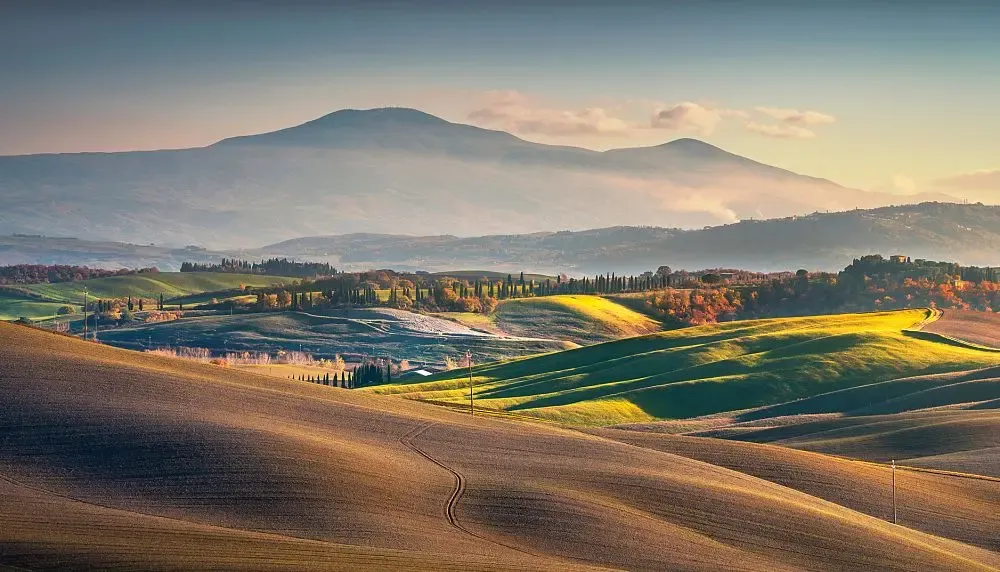
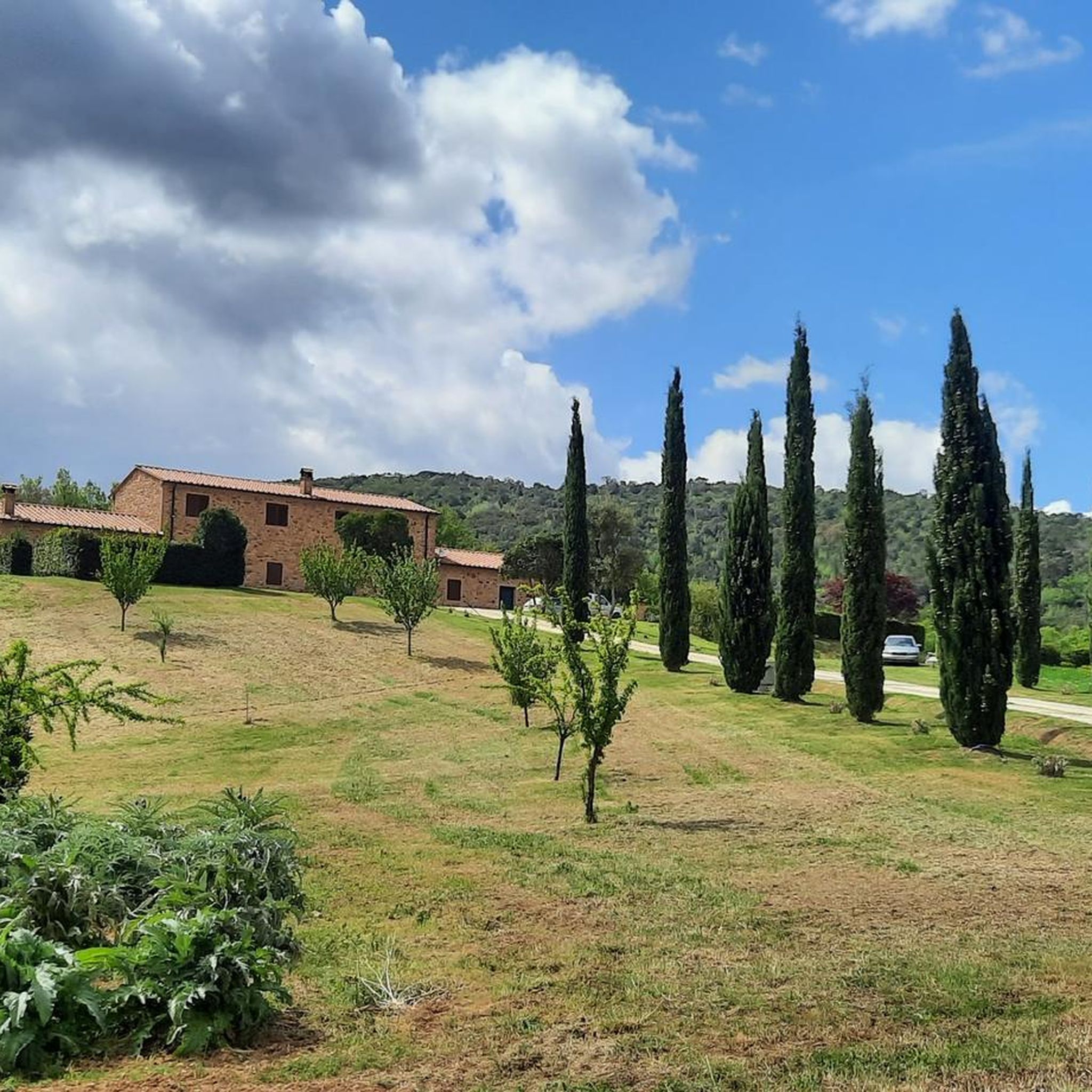
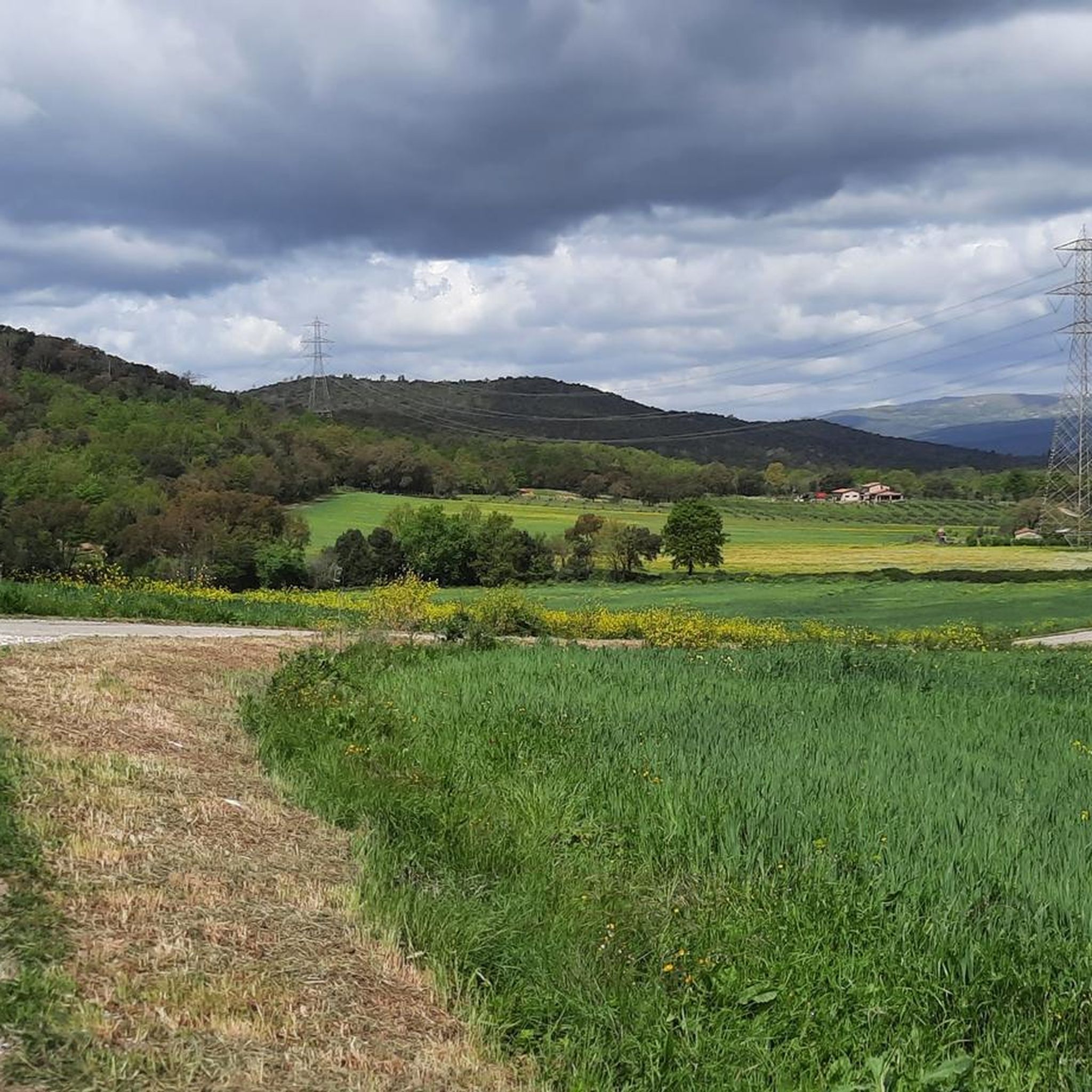
Touring cycling around Roccastrada offers diverse landscapes across the province of Grosseto in Tuscany. The region features rolling Tuscan hills, the Maremma plains, and the Colline Metallifere, providing varied terrain for cyclists. Cyclists can navigate through picturesque olive groves, vineyards, and extensive wooded areas with oak, chestnut, and beech trees. The area also includes medieval villages situated on igneous rock and trachyte cliffs, adding historical points of interest to the routes.
Best touring cycling routes around Roccastrada
- The most popular…
Last updated: August 31, 2026
4.8
(5)
30
riders
33.0km
02:18
610m
620m
Hard bike ride. Very good fitness required. Some segments of this route may be unpaved and difficult to ride.
4.8
(17)
220
riders
68.5km
04:36
1,120m
1,120m
Hard bike ride. Very good fitness required. Mostly paved surfaces. Suitable for all skill levels.

Sign up for free
4.4
(9)
78
riders
59.4km
03:58
930m
930m
Hard bike ride. Very good fitness required. Mostly paved surfaces. Suitable for all skill levels.
5.0
(2)
55
riders
56.7km
03:42
790m
790m
Hard bike ride. Very good fitness required. Mostly paved surfaces. Suitable for all skill levels.
4.8
(8)
40
riders
57.4km
04:14
680m
680m
Hard bike ride. Very good fitness required. You may need to push your bike for some segments of this route.
Get access to more routes and recommendations from other explorers.
Sign up for free
Already have an account?
Our route recommendations are based on thousands of hikes, rides, and runs completed by other people on komoot.
Start today with a free account
Your next adventure awaits.
Login or Signup



Tips from the Community

Tatti is an ancient and evocative Italian medieval village, part of the municipality of Massa Marittima, located in the province of Grosseto in Tuscany. Perched at about 412 meters above sea level on the Colline Metallifere, it overlooks the Tuscan Maremma and has a small community of about 200 inhabitants.
0
0
The Archaeological Museum is housed in the ancient Palazzo del Podestà (1225), which overlooks the Piazza del Duomo of Massa Marittima. The collection is organized into sections, ordered chronologically from the lower paleolithic to the etruscan age; the main piece of the prehistoric collection is the eneolithic statue-stele of Vado all’Arancio, the only find of its type in Maremma; the etruscan finds come mainly from excavations carried out at the village of Lago dell’Accesa, they are mainly kitchenware, loom weights, fishing weights and bricks; also present are the funerary trousseaux found in the necropolises, especially pottery (figulina clay and bucchero), bronze fibulae, iron pot stands, iron and bronze weapons. On the ground floor, an educational section is set up with a life-size reconstruction of typical caves: a paleolithic and an eneolithic one. Guided tours and educational activities, organization of cultural events and film screenings are available.
1
0
The castle is undoubtedly the best-known monument in the municipality of Roccastrada, if not of the Alta Maremma, due to its importance as a historical document (it is depicted in the famous fresco 'Guidoriccio da Fogliano at the siege of Montemassi' in the public palace of Siena attributed to Simone Martini) and for the high example of Gothic architecture it represents. The fortification, which crowns a hill 280 meters above the town, consists of remains of the two prominent building bodies; to the north is the Palazzo/Mastio with the base of the sloping wall with numerous windows with wide openings that indicate its residential rather than strictly military function, remains of a polygonal tower.
0
0
The perimeter walls are still partially visible, especially in the southern section, where an arched gate surmounted by three rounded stones stands. At the highest point of the hill stands the imposing stone keep, which extends around a courtyard. Within the walls is the church of Santa Maria Assunta, dating back to the 13th century but completely renovated in the late 19th century. It has a distinctive urban layout, dominated by an imposing stone keep arranged around a courtyard accessed through two round-arched gates, defended by a large tower with a massive base.
0
0
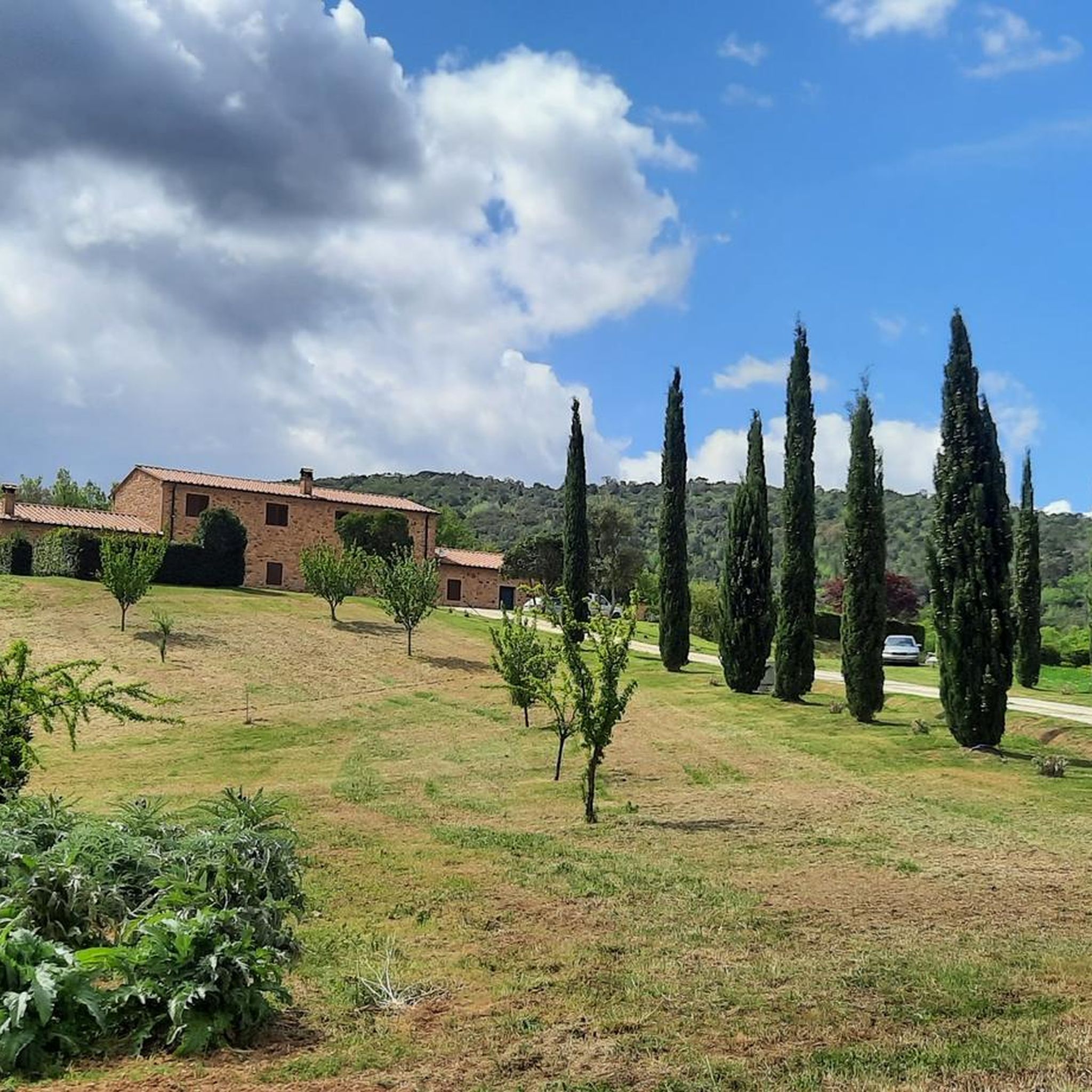
And after the effort, a nice stop at the Barrino di Tatti. A snack at the gates of the medieval village, from the terrace and the room you can see the Maremma up to the sea.
0
0
Massa Marittima is a fortified medieval village located on a hill, known for its beauty and wealth of artistic and architectural heritage. Key attractions include the magnificent Piazza Garibaldi, with the Cathedral of San Cerbone, the Palazzo del Podestà, and the Palazzo Comunale. Other points of interest include the Fonti dell'Abbondanza with its famous fresco of the Tree of Fertility and, in the upper town, the Torre del Candeliere and the Cassero Senese within the medieval walls.
1
0
The village is located south of Massa Marittima, along the road leading to Lago dell'Accesa. A typical mining village, it developed in the first half of the 19th century in connection with the exploitation of mineral resources. The urban layout of the settlement is therefore typical of mining villages, with the mine manager's villa in a dominant position, the workers' homes, the shop, the infirmary, the church, the school, and the cinema theater. Near the village, the visible remains of the structures used for mining activities are present, which retain considerable value from the perspective of industrial archaeology.
3
0

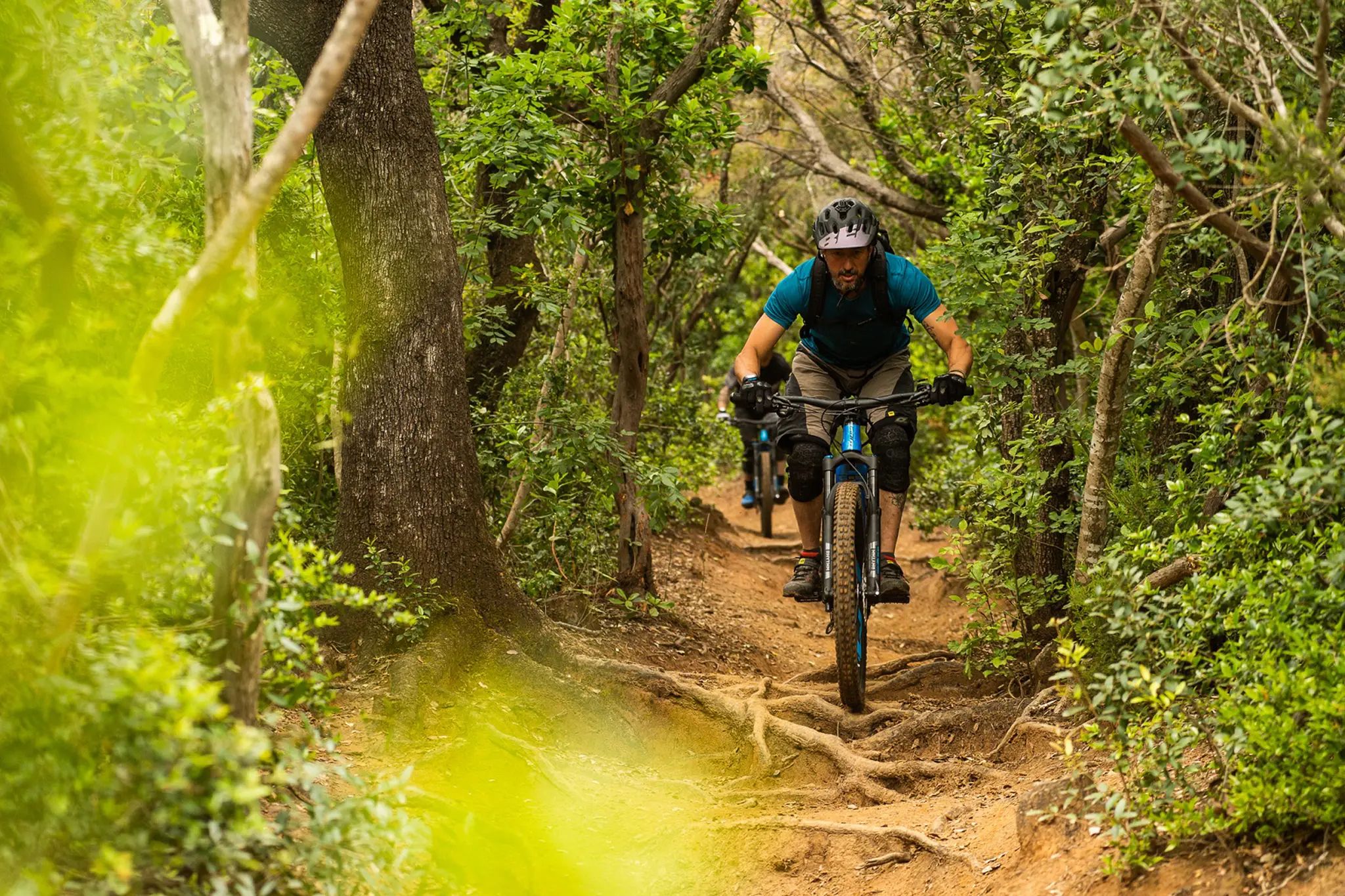
Canyon trailer needs no introduction....known to the entire world of bikers
1
0
Frequently Asked Questions
How many touring cycling routes are available in Roccastrada?
Roccastrada offers an extensive network of over 60 touring cycling routes. These routes cater to various preferences, with 5 easy, 18 moderate, and 41 difficult options, ensuring there's a suitable ride for every skill level.
What kind of landscapes can I expect to see while cycling around Roccastrada?
While cycling around Roccastrada, you'll experience diverse landscapes including picturesque rolling Tuscan hills, the expansive Maremma plains, and the unique Colline Metallifere. The routes often pass through 'wine-colored landscapes' with olive groves, vineyards, and vast skies, alongside extensive wooded areas featuring oak, chestnut, and beech trees. You can also enjoy panoramic views of the surrounding plains and the distant Monte Amiata.
Are there any historical sites or villages I can visit along the cycling routes?
Yes, Roccastrada and its surroundings are rich in historical and cultural attractions. Many routes connect medieval villages such as Montemassi, with its impressive castle ruins overlooking the Maremman plain, and Roccatederighi, beautifully integrated into trachyte cliffs. You might also encounter the ruins of the Giugnano Monastery or the Mining Park of Roccastrada Ribolla. For example, the Montemassi, Roccatederighi and Roccastrada — Ring tour connects several historic villages. You can also explore highlights like Montemassi Castle or the Tatti Village.
Can I find natural attractions like waterfalls or natural pools on the touring cycling routes?
Yes, the region boasts notable natural features. The Torrente Farma Nature Reserve, for instance, offers stunning natural pools and waterfalls, alongside a diverse ecosystem. The Roccastrada springs and the Parco della Sorgente also add to the natural appeal, providing beautiful spots to explore during your ride.
What is the best season for touring cycling in Roccastrada?
The region's climate makes spring and autumn ideal for touring cycling, offering pleasant temperatures and vibrant landscapes. Spring brings blooming wildflowers and lush greenery, while autumn showcases the rich 'wine-colored' hues of the vineyards. Summer can be quite warm, especially in the Maremma plains, so early morning or late afternoon rides are recommended during those months.
Are there any circular touring cycling routes in Roccastrada?
Absolutely. Many of the touring cycling routes in Roccastrada are designed as loops or ring tours, allowing you to start and end in the same location. Examples include the popular Montemassi, Roccatederighi and Roccastrada — Ring tour, or the challenging Roccatederighi – Tatti Village loop from Roccatederighi.
Are there any easy touring cycling routes suitable for beginners or families?
Yes, Roccastrada offers 5 easy touring cycling routes that are well-suited for beginners or families looking for a more relaxed ride. These routes typically feature gentler elevations and less demanding terrain, allowing everyone to enjoy the beautiful Tuscan scenery at a comfortable pace. While specific family-friendly routes aren't detailed, the 'easy' classification indicates suitability for less experienced cyclists.
What types of unpaved terrain might I encounter on Roccastrada's bike trails?
While many touring routes utilize paved roads, the diverse landscape around Roccastrada means you might encounter sections of gravel paths, especially when connecting between villages or exploring more rural areas. The region caters to various cycling types, including gravel and mountain biking, so some touring routes might incorporate well-maintained unpaved sections, offering a varied riding experience.
What do other touring cyclists enjoy most about cycling in Roccastrada?
The touring cycling routes in Roccastrada are highly rated by the komoot community, with an average score of 4.7 stars from over 60 reviews. Cyclists often praise the region's diverse landscapes, which blend rolling Tuscan hills with the Maremma plains and wooded areas. The opportunity to explore charming medieval villages and historical sites along the routes is also a frequently highlighted aspect.
Are there dog-friendly touring cycling trails in Roccastrada?
Many outdoor areas in Tuscany, including the natural reserves and rural paths around Roccastrada, are generally dog-friendly, especially if your dog is accustomed to cycling alongside you or in a trailer. It's always advisable to keep dogs on a leash in populated areas and ensure they are well-behaved around wildlife. Always carry water for your pet, especially on longer rides.
Are there cafes or restaurants along the touring cycling routes in Roccastrada?
Yes, as many routes connect or pass through charming villages like Montemassi, Roccatederighi, and Tatti, you'll often find opportunities to stop at local cafes, trattorias, or restaurants. These villages offer a chance to refuel, enjoy local Tuscan cuisine, and experience the authentic atmosphere of the region.
Where can I find parking facilities for my bike tour in Roccastrada?
In Roccastrada and the surrounding villages, you can typically find public parking areas, especially near the town centers or main attractions. When planning your route, consider starting points in villages like Roccastrada, Montemassi, or Roccatederighi, which usually have designated parking spaces suitable for leaving your vehicle while you embark on your cycling adventure.
Most popular routes around Roccastrada
Most popular attractions around Roccastrada

Get inspired with the komoot mobile app


Explore more
Browse the best Cycling routes in other regions.
