Top 14 Castles around Cavriglia
Castles around Cavriglia are situated in a municipality nestled between the Valdarno and Chianti regions in Tuscany. This area boasts a rich history reflected in its ancient castles and fortified villages. Many sites offer a blend of history, culture, and landscapes, providing insight into medieval military architecture and historical conflicts.
Best castles around Cavriglia
- The most popular castles is Brolio Castle, a castle surrounded by vineyards. The castle has suffered destruction in numerous battles and was reconstructed in the…
Last updated: August 16, 2026
Montefioralle Castle
Highlight • Castle
Tip by

Brolio Castle
Highlight • Castle
Translated by Google •
Tip by

Sign up now to discover places like this
Get recommendations on the best single tracks, peaks, & plenty of other exciting outdoor places.
Sign up for free
Meleto Castle
Highlight • Castle
The Castello can be visited, but Mondays is closed.
Translated by Google •
Tip by

Vertine Village
Highlight • Settlement
Translated by Google •
Tip by

Castello di Ama Bellavista Vineyard
Highlight • Structure
Translated by Google •
Tip by

Sign up for free to discover even more castles around Cavriglia.
Sign up for free
Already have an account?
Start today with a free account
Your next adventure awaits.
Login or Signup
Tips from the Community

Very high-end winery but well worth a visit. Stunning architecture at their modern tasting room, beautiful old buildings comprising the restaurant and cafe, also an 'art trail' tour you can book, worth it for the Anish Kapoor alone...
0
0

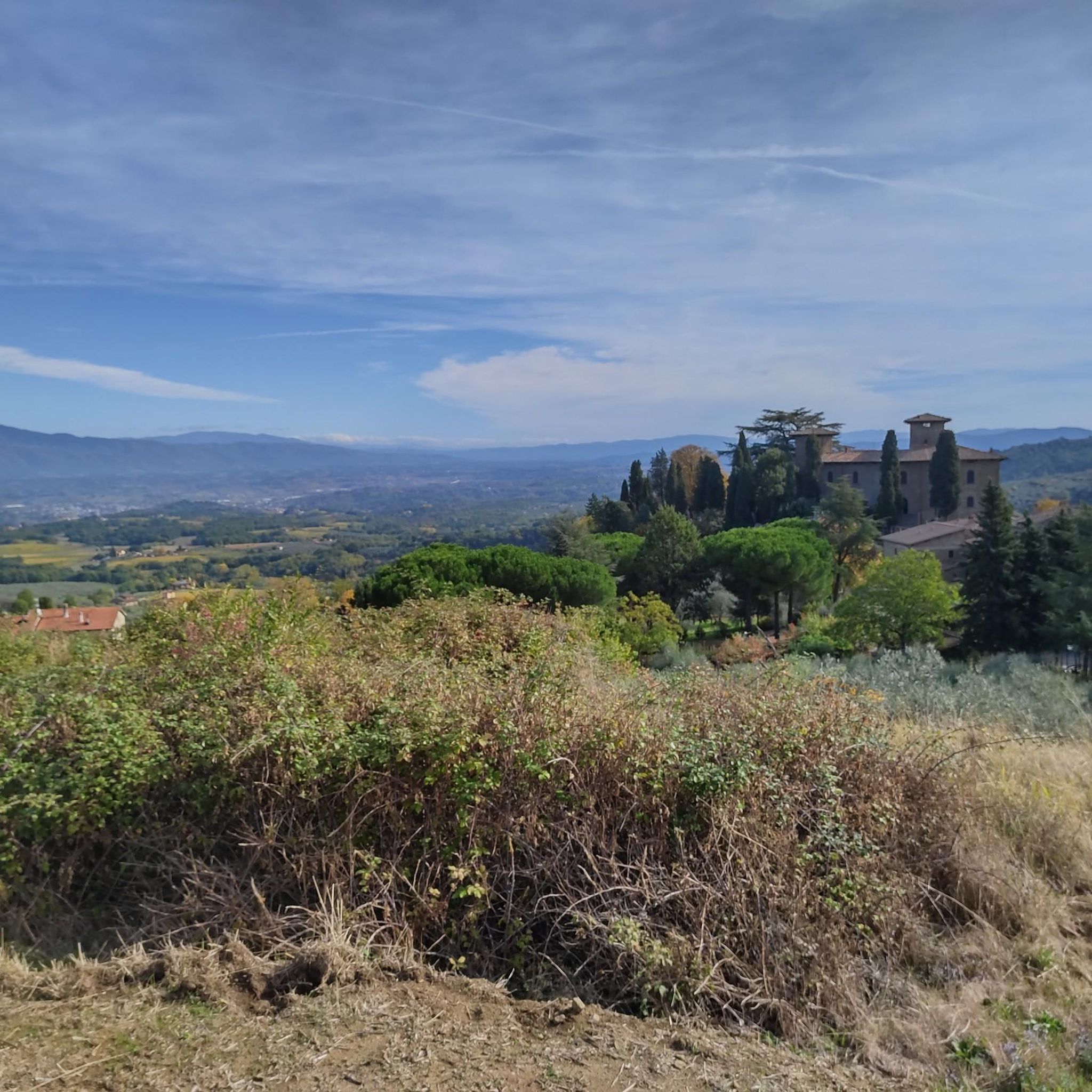
Nestled among vineyards and hills, the fortified village of Ama dates back to the Middle Ages and was an important outpost defending the Republic of Florence during the wars with Siena. Traces of the original castle remain in the ancient stone houses and structures incorporated into the current village, which retains the authentic charm of the small medieval settlements of Chianti. Today, Ama is famous for its wines and for the "Castello di Ama per l'Arte Contemporanea" project, launched in the 1990s: an itinerary that integrates site-specific installations by major international artists (including Anish Kapoor, Daniel Buren, Hiroshi Sugimoto, and Michelangelo Pistoletto) in the historic buildings, cellars, and open spaces of the village. A stop that combines history, landscape, contemporary art, and winemaking tradition, making Ama a unique place in the heart of Chianti.
0
0
Located just south of Gaiole, Meleto Castle is one of the most fascinating castles in Chianti. Documented since the 11th century as a property of the Abbey of Coltibuono, it later passed under the control of the Ricasoli family, who made it one of the main fortresses defending the area. The imposing structure still retains its medieval appearance with its massive square tower, crenellated walls, and two elegant cylindrical bastions added in the 15th century. Inside, there is an elegant courtyard, frescoed rooms, a chapel, and even a small 18th-century theater. Today, the castle is open to visitors and hosts events, tastings, and wine-related activities, offering splendid views of the Chianti countryside.
0
0

The village of Vertine is a tiny fortified town in the Chianti Valley. Walking through its narrow streets is like taking a journey into the glorious past of this area: the stone walls, entrance arches, and towers are a living testament to this.
1
0
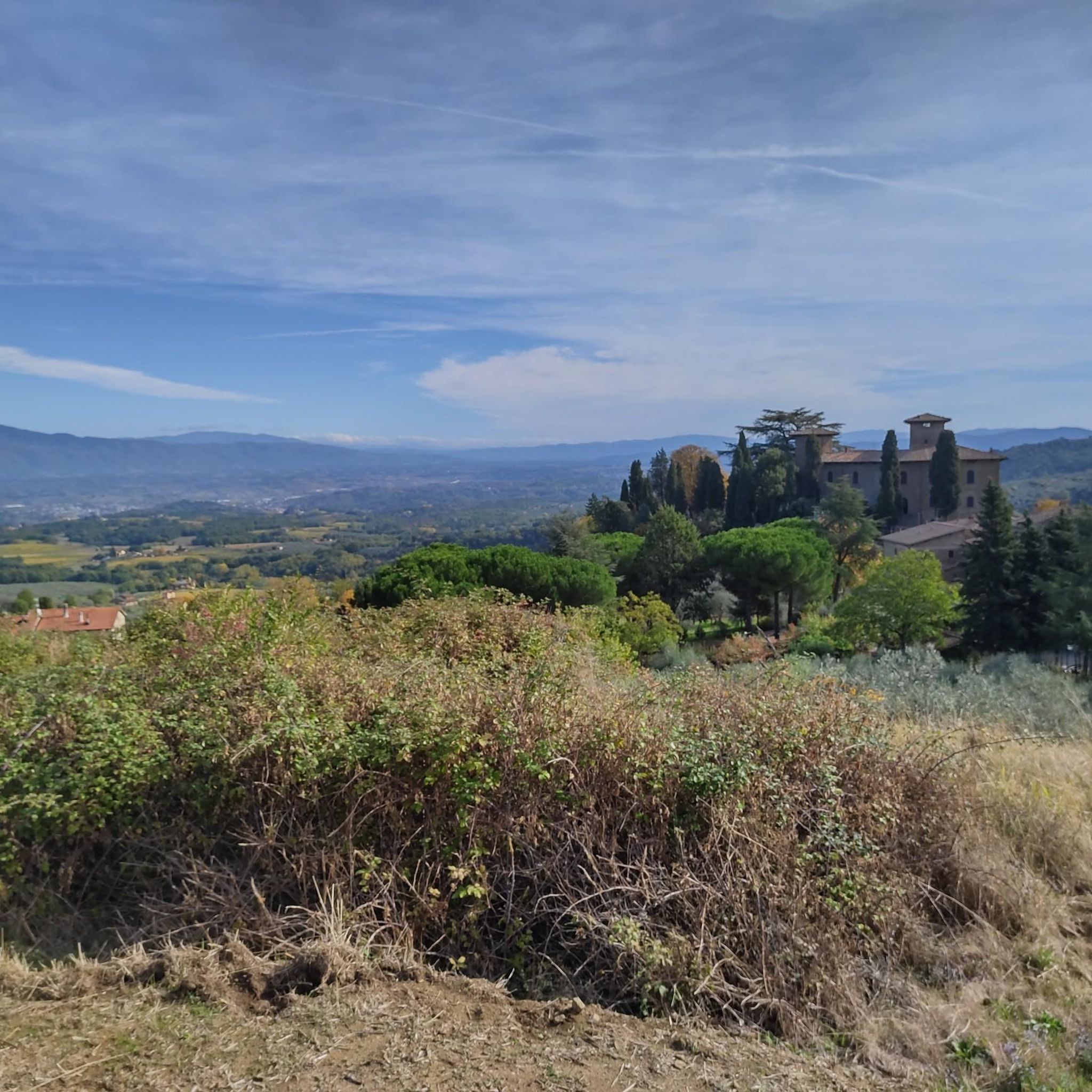
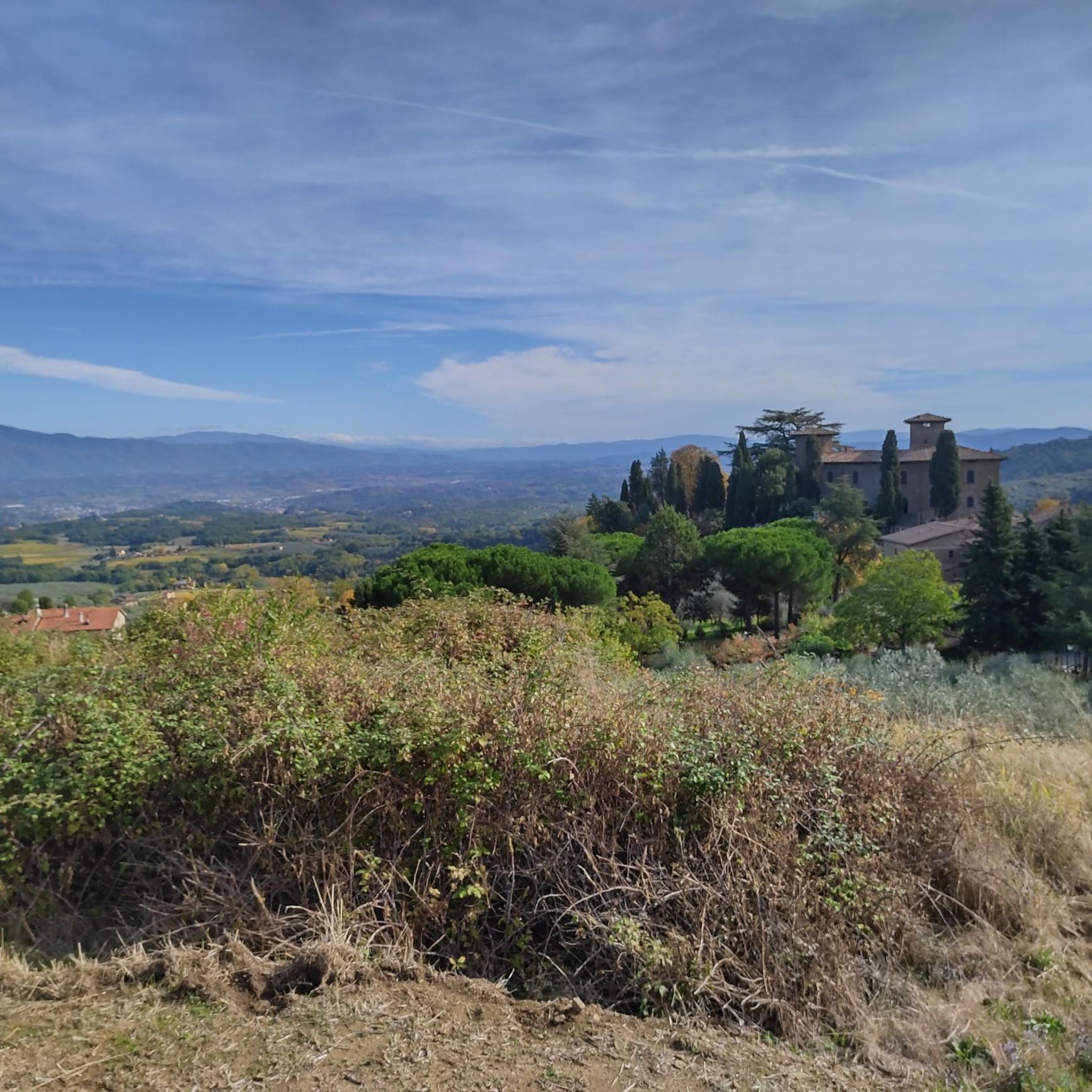
This imposing medieval castle now houses a luxury residence and is home to a winery specializing in the production of Chianti Classico wine.
0
0
Vertine is one of the most charming fortified villages in Chianti, perfectly preserved and rich in history. The castle, dating back to the early 12th century and linked to the Ricasoli family, constitutes the original nucleus of the village, with stone walls and houses clustered within. The entrance is dominated by an imposing 13th-century square tower, built to strengthen defenses during the conflicts between Florence and Siena. Inside the village is the Romanesque church of San Bartolomeo, also from the 12th century, simple and intimate, with original features clearly visible. Strolling through the narrow cobbled streets, you can still breathe in the atmosphere of the Middle Ages, while the views of the Chianti hills make Vertine an ideal stop for those who love history, architecture, and nature.
0
0

Small and quite old village in the heart of Chianti
0
0

a short photo stop is very worthwhile
0
0
Frequently Asked Questions
What historical significance do the castles around Cavriglia hold?
The castles and fortified villages in the Cavriglia area, nestled between the Valdarno and Chianti regions, are rich in history. Many were strategic outposts during conflicts between Florence and Siena, such as Brolio Castle, which has belonged to the Ricasoli family since 1141 and bears marks of numerous battles. Sites like Montedomenichi Castle and Montaio Castle were crucial in medieval military architecture and witnessed significant battles between Guelphs and Ghibellines.
Are there any well-preserved medieval villages or castles to visit near Cavriglia?
Yes, several sites offer a glimpse into the past. Montefioralle Castle is a hamlet with a preserved medieval urban structure, ancient stone houses, and remnants of its walls and gates. Montegonzi Castle, situated atop a hill, has also preserved its original medieval configuration with a citadel and stone-paved streets. Vertine Village is another splendidly preserved fortified village with almost intact walls and a beautiful rectangular tower.
Can I visit castle ruins around Cavriglia?
Yes, for those interested in historical ruins, Montedomenichi Castle in Cavriglia, despite being largely in ruins, still conveys its former power with visible remnants of battlements and a circular watchtower. Montaio Castle also has traces of its original structure, including its 'egg-shaped' plan and remnants of circuit walls, offering insight into medieval defensive strategies.
What unique experiences do some of the castles offer beyond history?
Beyond their historical significance, some castles offer unique experiences. Castello di Ama Bellavista Vineyard combines history with contemporary art and winemaking, featuring site-specific installations by international artists amidst its historic buildings and vineyards. Meleto Castle is a castle and winery offering wine tasting opportunities. Cennina Castle, a well-preserved medieval village, occasionally hosts art exhibitions and live music events.
Are there family-friendly castles around Cavriglia?
Many castles in the area are considered family-friendly. Highlights like Montefioralle Castle, Brolio Castle, Meleto Castle, and Vertine Village are all suitable for families, offering historical exploration in charming settings.
What outdoor activities can I do near these castles?
The area around Cavriglia's castles is excellent for outdoor activities. You can find numerous hiking, running, and gravel biking routes. For example, there's a moderate 'Castello di Monte Dimenichi – Borgo di Casignano loop' for hiking, and a challenging 'Brolio Castle – Brolio White Road loop' for gravel biking. You can explore more options on the Hiking around Cavriglia, Running Trails around Cavriglia, and Gravel biking around Cavriglia guide pages.
Are there hiking trails near the castles?
Yes, several hiking trails lead to or pass by castles. Montedomenichi Castle, for instance, can be reached via CAI path 27, making it an attractive destination for hikers. Other routes include the 'Castello di Monte Dimenichi – Borgo di Casignano loop' and the 'Badia a Coltibuono – Castello di Montegrossi loop'. You can find detailed information on these and other trails in the Hiking around Cavriglia guide.
What do visitors enjoy most about the castles around Cavriglia?
Visitors appreciate the authentic medieval atmosphere, the stunning views, and the rich history. Many enjoy exploring the narrow streets of villages like Montefioralle Castle and Vertine Village, which feel like a journey back in time. The blend of history with wine tasting at places like Meleto Castle and the contemporary art at Castello di Ama Bellavista Vineyard are also highly valued experiences.
Is there public transport available to reach the castles?
While specific public transport routes directly to every castle might be limited, Cavriglia is a municipality in Tuscany. It's advisable to check local bus schedules or consider driving for more flexibility, especially for sites like Montedomenichi Castle which is accessed via a hiking path, or more remote locations like Montaio Castle.
Are there cafes, pubs, or accommodation options near the castles?
Yes, you'll find amenities near many of the castles. Villages like Montefioralle Castle have bed and breakfasts, pubs, and wine tasting opportunities. The area around Castello di Ama Bellavista Vineyard is known for its high-end winery with beautiful old buildings comprising restaurants and cafes. For Cennina Castle, you can find more information on local services via Visit Tuscany.
What is the best time to visit the castles around Cavriglia?
The best time to visit the castles around Cavriglia is generally during spring (April-May) and autumn (September-October). During these seasons, the weather is pleasant for exploring, and the Tuscan landscape is particularly beautiful, whether with spring blooms or autumn colors. Summer can be hot, while winter might be cooler with some closures.
Are the castles and trails around Cavriglia dog-friendly?
While many outdoor trails in the Cavriglia area are generally dog-friendly, policies for specific castle interiors or grounds can vary. It's always recommended to check individual castle websites or contact them directly regarding their dog policies before your visit. For outdoor walks, ensure your dog is on a leash and you clean up after them.
Where is Cennina Castle located and what makes it special?
Cennina Castle is a small medieval village built amidst the ruins of a castle, known for best preserving its medieval characteristics among settlements in Valdambra. It features a picturesque piazza, an imposing outer wall, and a turreted gateway. Historically, it dates back to the 12th century. Today, it's not just a historical site but also a cultural hub, occasionally hosting art exhibitions and live music. You can find more details on Visit Tuscany.
Most popular routes around Cavriglia
Most popular attractions around Cavriglia

Get inspired with the komoot mobile app


Explore more
Looking for the best castles somewhere else? Discover other guides around Cavriglia:
