Attractions and Places To See around Subbiano - Top 20
Best attractions and places to see around Subbiano include historical landmarks, natural features, and cultural sites. This charming town, situated along the Arno River, serves as a gateway to the Casentino valley. The area offers a blend of medieval architecture, such as the Castle of Subbiano, and natural beauty, including the Alpe di Catenaia mountain range. Visitors can explore archaeological museums and sites connected to the Via Romea Germanica.
Best attractions and places to see around Subbiano
- The most popular…
Last updated: August 30, 2026
La Verna Sanctuary
Highlight • Religious Site
Translated by Google •
Tip by

Ponte Buriano
Highlight • Bridge
Translated by Google •
Tip by

Sign up now to discover places like this
Get recommendations on the best single tracks, peaks, & plenty of other exciting outdoor places.
Sign up for free
Piazza Grande
Highlight • Historical Site
Translated by Google •
Tip by

Fra' Lupo Rock
Highlight • Natural Monument
Translated by Google •
Tip by

Monte Calvano Summit
Highlight • Summit
Translated by Google •
Tip by

Sign up for free to discover even more attractions around Subbiano.
Sign up for free
Already have an account?
Start today with a free account
Your next adventure awaits.
Login or Signup
Tips from the Community

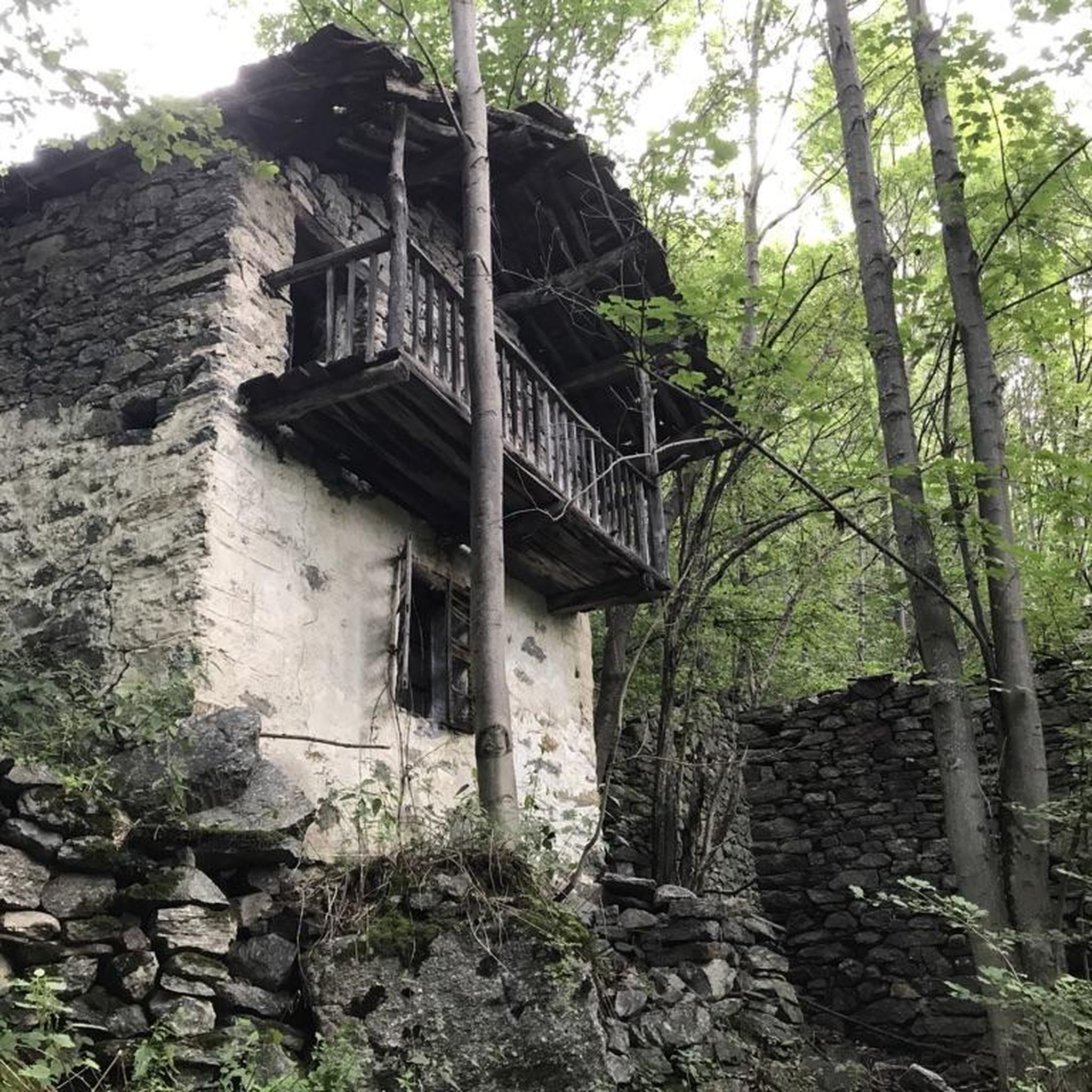
Since this cross stands on an inaccessible rock face, it is overgrown and hardly visible anymore
0
0

Sunset at Piazza Grande
3
0

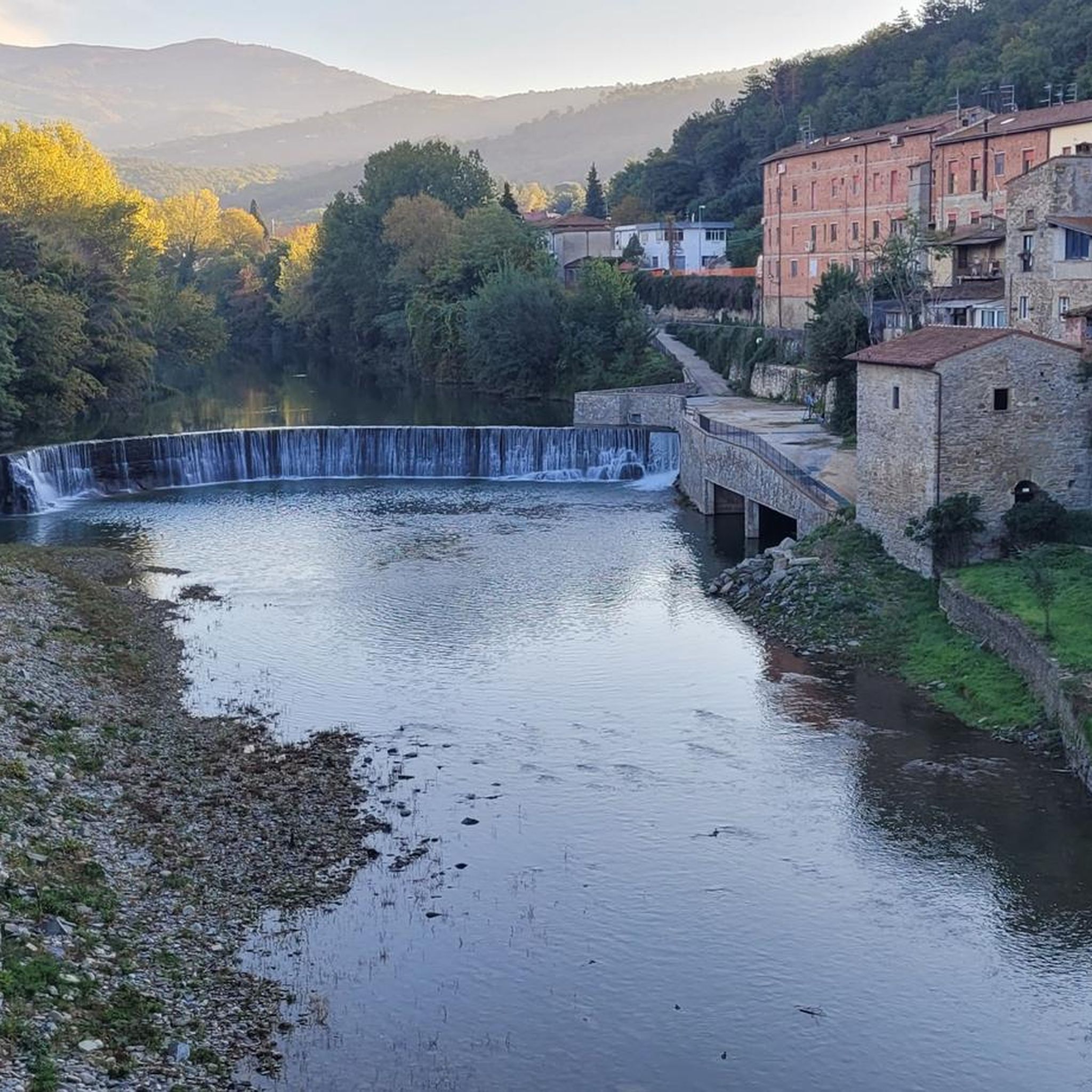
Arno…Dante Alighieri mentions the Arno River in several works, particularly in the Divine Comedy, where, in Canto XIV of Purgatory, he describes the river as "a little river that rises in Falterona"
0
0


Very beautiful bridge, but the route afterwards is not as suggested by Komoot!
0
1

Arezzo: Art and History in Tuscany Arezzo's narrow streets transported me back in time. Ancient walls told tales of the Etruscans and Romans. In the Piazza Grande, millennia merged into a unique experience. Arezzo is a cultural gem in the heart of Tuscany. With 100,000 inhabitants, the city retains its medieval charm. Etruscan roots and Roman influences shape the cityscape. The city has witnessed many wars and upheavals. Founded by the Etruscans and later conquered by the Romans, Arezzo became an important trading center. Arezzo's eventful history makes it a fascinating travel destination. Visitors experience a rich past and cultural diversity here. Text / Source: Toskanaitalien.de, your website about Tuscany https://www.toskanaitalien.de/arezzo/#:~:text=Arezzo%20is%20a%20cultural%20jewel%20in%20the%20heart%20of%20Tuscany.,cityscape.%20The%20city%20experienced%20many%20wars%20and%20changes.
15
1
The Piazza Grande, Arezzo In 1200, the Piazza Grande in Arezzo was still unpaved and stretched from the Red Tower of the Palazzo Comunale on Via Pellicceria to the Borgunto and eastward to the Palazzo del Popolo. At that time, the square was twice its current size and surrounded by the towers of the old noble families. However, the destructive work of Cosimo de' Medici, who transformed the city into a fortress, led to the demolition of many historic buildings and even the burial of the ancient Roman forum. This necessitated a restoration project, including the construction of the loggias, which was entrusted to Giorgio Vasari. Vasari began work in 1572 but died the following year. The work was completed according to the original design under the supervision of Alfonso Parigi. The loggias feature architectural ornamentation in sandstone typical of Arezzo, while the column bases are made of Rapolano travertine, the same material used for the staircase of the Palazzo della Fraternita. The portico is covered with cross vaults, and the windows are surmounted by tympana with classical frames. Text / Source: L'Ortica - Director Gino Perticai || Arezzo City Council Press Office https://www.lortica.it/2024/08/23/piazza-grande-di-arezzo-storia-architettura-e-altre-curiosita-dal-medioevo-al-rinascimento/
14
1

Here you will find a particularly impressive section of the false wall of La Penna.
0
0
Frequently Asked Questions
What historical landmarks can I explore in Subbiano?
Subbiano is rich in history. You can visit the impressive Castle of Subbiano, with origins dating back before the year 1000, and the Church of Santa Maria della Visitazione, an early 13th-century church. Other notable sites include the Palazzo del Podestà and the noble residences of Palazzo Ducci and Palazzo Subiani-Ducci.
Are there any significant natural features or viewpoints near Subbiano?
Absolutely. The Alpe di Catenaia mountain range offers stunning natural beauty, lush forests, and abundant water sources, ideal for hikers. You can also reach the Monte Calvano Summit, located at 1,254 meters above sea level, which features an immense meadow between the Casentino and Valtiberina valleys and offers great views.
What cultural sites and museums are available in Subbiano?
Subbiano offers several cultural insights. Explore the Museo Archeologico Giano, which houses Roman and medieval artifacts. The Centro di Documentazione della Cultura Archeologica collects and preserves archaeological materials from the region. For a look into more recent history, the Museo "Quelli della Karin" is dedicated to World War II, displaying war relics and a reconstructed air-raid shelter.
What outdoor activities can I do near Subbiano's attractions?
The area around Subbiano is excellent for outdoor activities. You can find numerous road cycling routes, such as the "Scheggia Pass (575 m) – Piazza Grande of Arezzo loop from Subbiano," or explore MTB trails like the "Arno Cycle Path loop from Santa Mama." For gravel biking, consider routes like "Ponte di Pratantico – Ponte Buriano loop from Puglia-Ceciliano." You can find more details on these activities in the dedicated guides for Road Cycling, MTB Trails, and Gravel Biking around Subbiano.
Are there any family-friendly attractions around Subbiano?
Yes, several attractions are suitable for families. Piazza Grande in Arezzo is a historical site that can be enjoyed by all ages. The medieval Ponte Buriano over the Arno River is also considered family-friendly and offers a picturesque setting. Exploring the historic center of Subbiano with its castle and palaces can also be an engaging activity for families.
What is the significance of the Arno River to Subbiano?
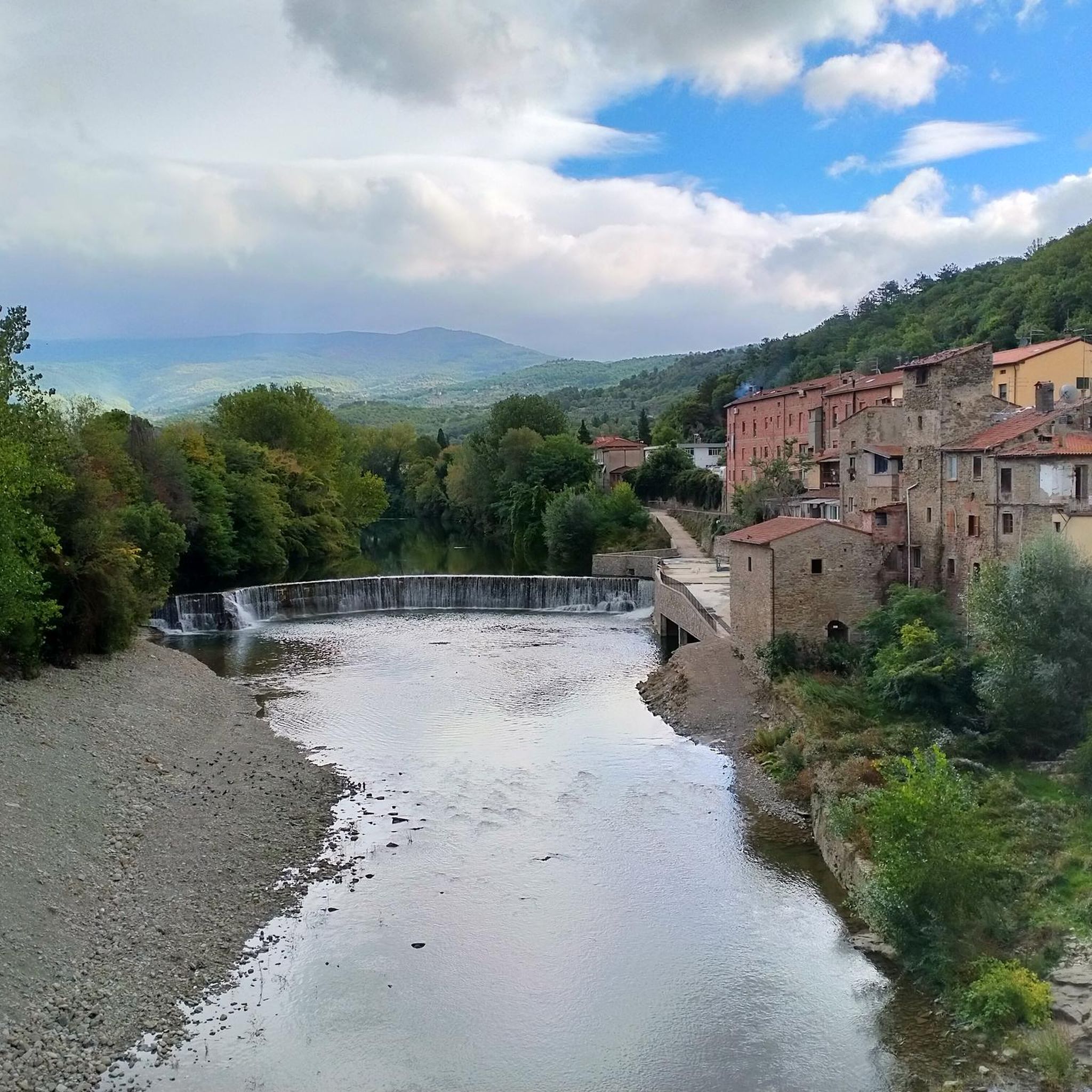
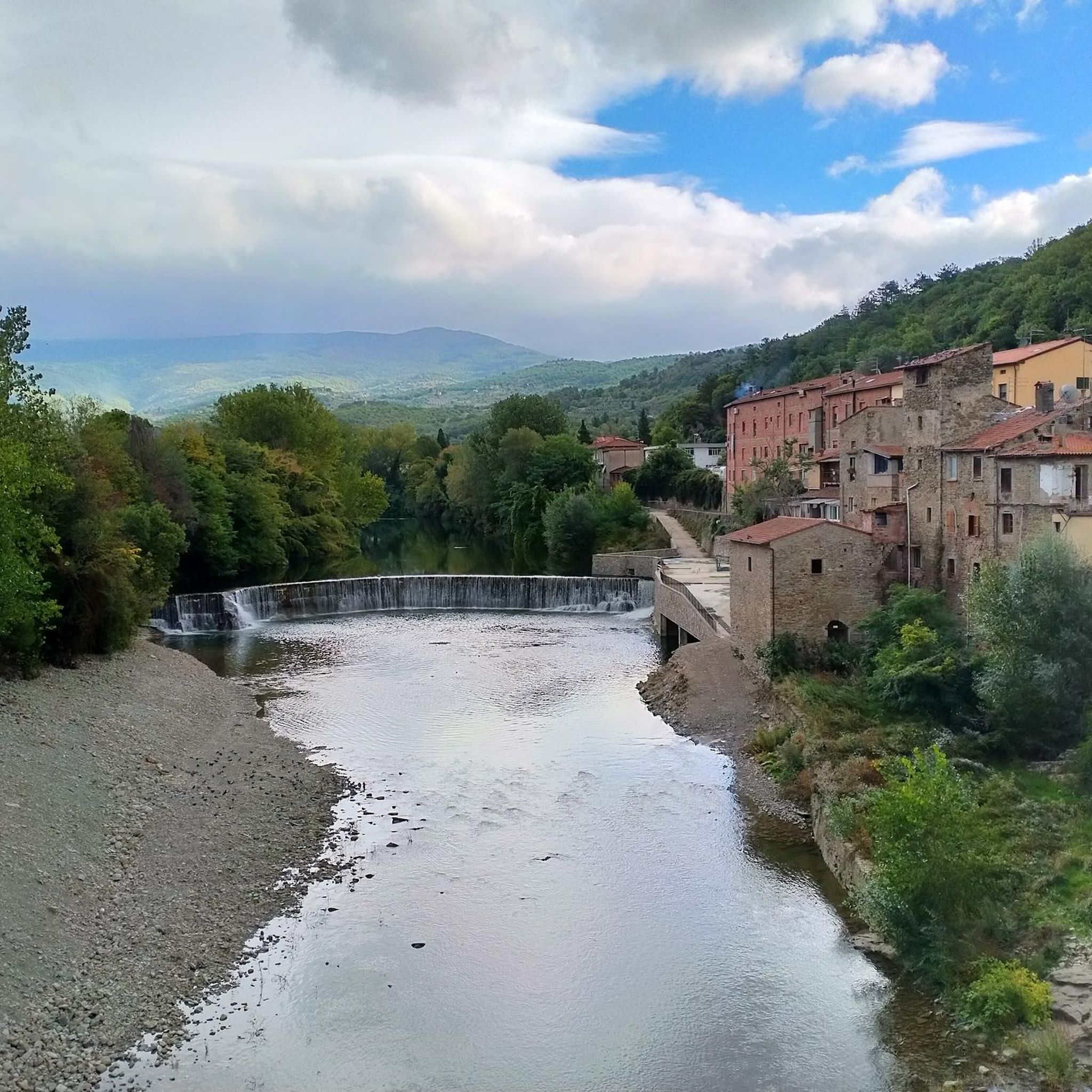
The Arno River is central to Subbiano's history and development. The oldest part of the town grew along its banks, and several ancient water mills still stand as a testament to this historical connection. The river also plays a role in local traditions, such as the annual "Spollinata sull'Arno," a unique non-motorized boat descent.
What is the best time of year to visit Subbiano for outdoor activities?
The region around Subbiano, including the Alpe di Catenaia, is characterized by lush forests and abundant water sources, making spring and autumn particularly pleasant for hiking and cycling. The weather is generally milder, and the natural scenery is vibrant. Summer can also be enjoyable, especially in the higher elevations, but be prepared for warmer temperatures.
Is there a famous pilgrimage route that passes through Subbiano?
Yes, the historic Via Romea Germanica, a significant pilgrimage route for travelers from Northern and Eastern Europe heading to Rome, passes directly through Subbiano. This offers a unique opportunity to experience a part of this ancient spiritual journey.
What do visitors particularly enjoy about the attractions near Subbiano?
Visitors appreciate the blend of history, nature, and spirituality. For instance, the La Verna Sanctuary is highly valued for its mystical atmosphere and spiritual charge, offering a perfect place for reflection and meditation. The historical depth of places like Piazza Grande and the natural beauty of areas like Monte Calvano Summit are also frequently praised.
Are there any unique historical stories associated with the natural landmarks?
Yes, for example, the Fra' Lupo Rock, a huge boulder near the La Verna monastery, is associated with the legend of Saint Francis converting a wild robber named Lupo to the Christian faith. This story adds a layer of historical and religious interest to the natural landscape.
Are there other castles or notable residences in the wider Subbiano municipality?
Beyond the main town, the municipality of Subbiano is home to other significant historical structures. These include the Castle of Valenzano, which now serves as a historical residence and event venue, and the Castle of Fioraia, located in Castelnuovo di Subbiano.
What are the parking options for visiting attractions in Subbiano?
In Subbiano's town center, parking is generally available for tourists, often in designated areas near the main attractions like the castle and churches. For hiking trails, especially those leading to the Alpe di Catenaia, specific parking areas are usually provided at trailheads. It's advisable to check local signage upon arrival.
Most popular routes around Subbiano
Most popular attractions around Subbiano

Get inspired with the komoot mobile app


Explore more
Still not found the Highlight you’re looking for? See guides of the top attractions in other regions:
