Attractions and Places To See around Pioraco - Top 20
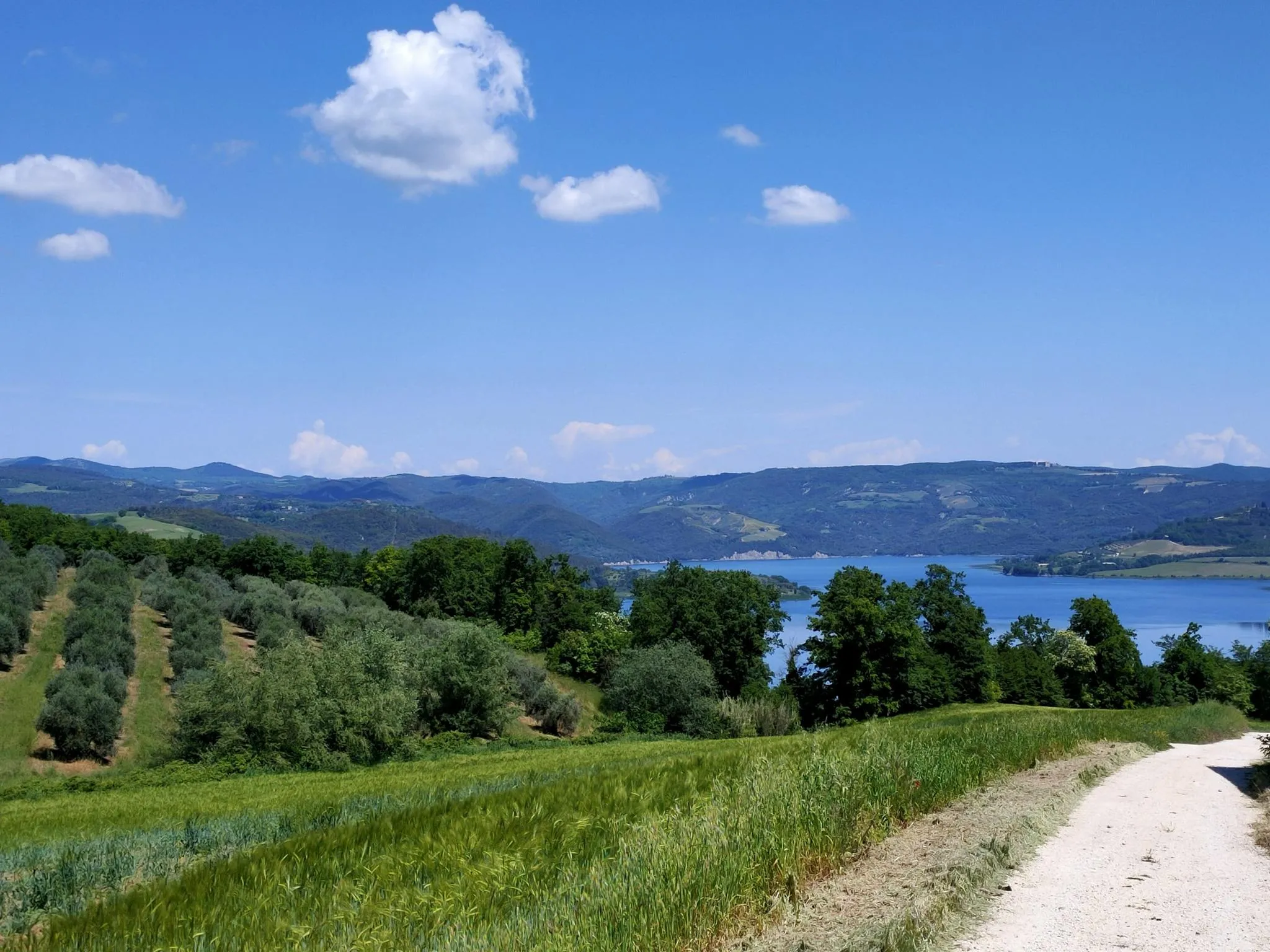
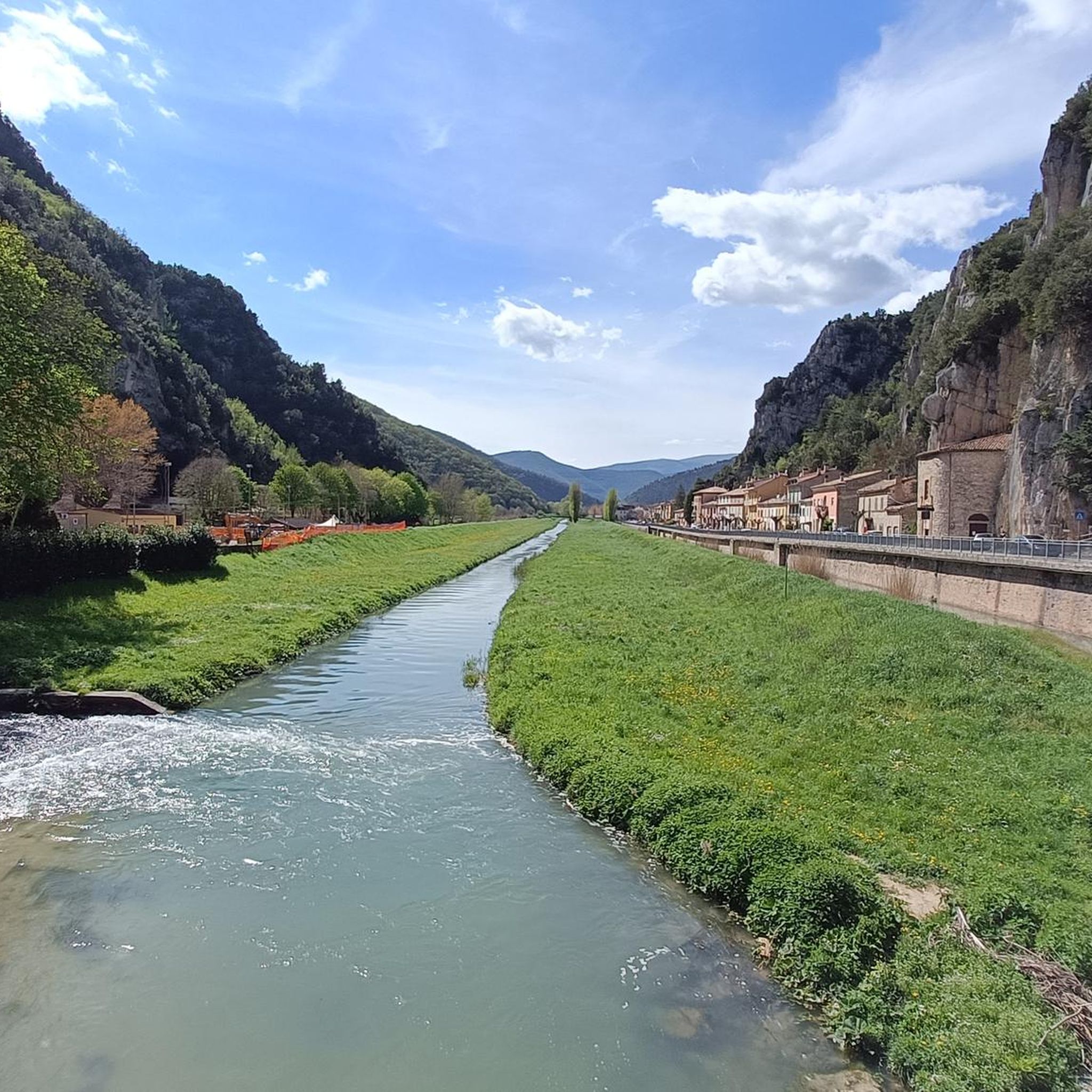
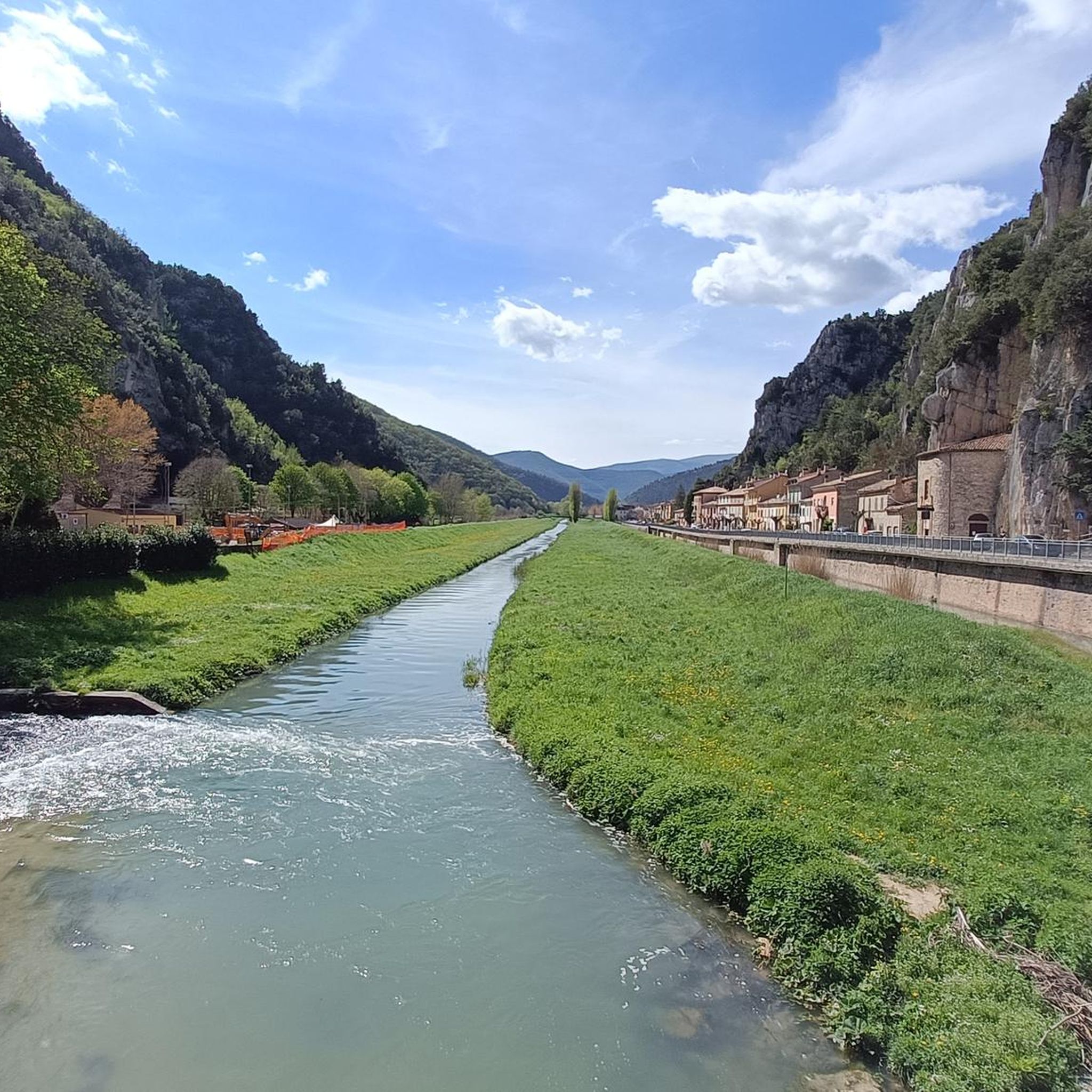
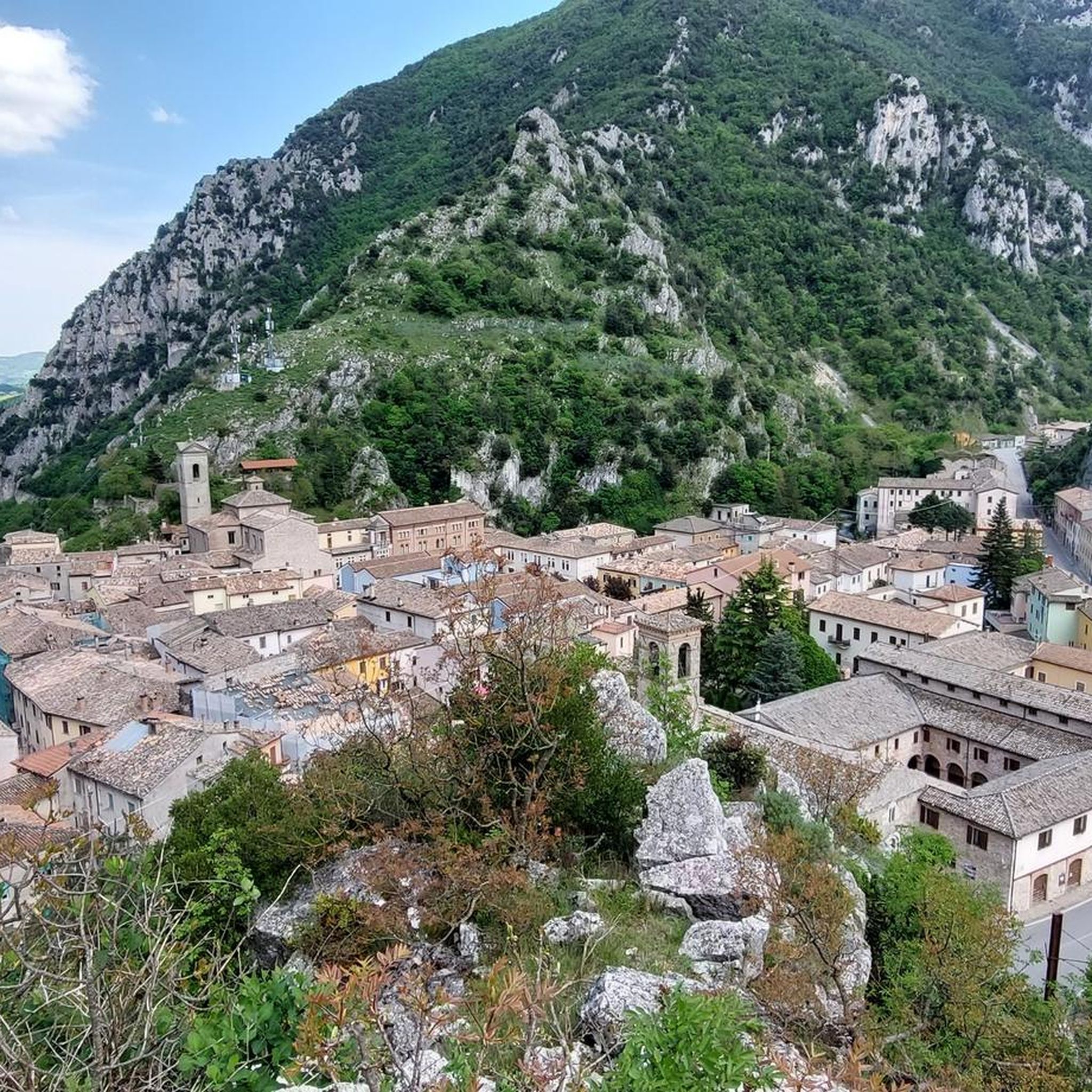
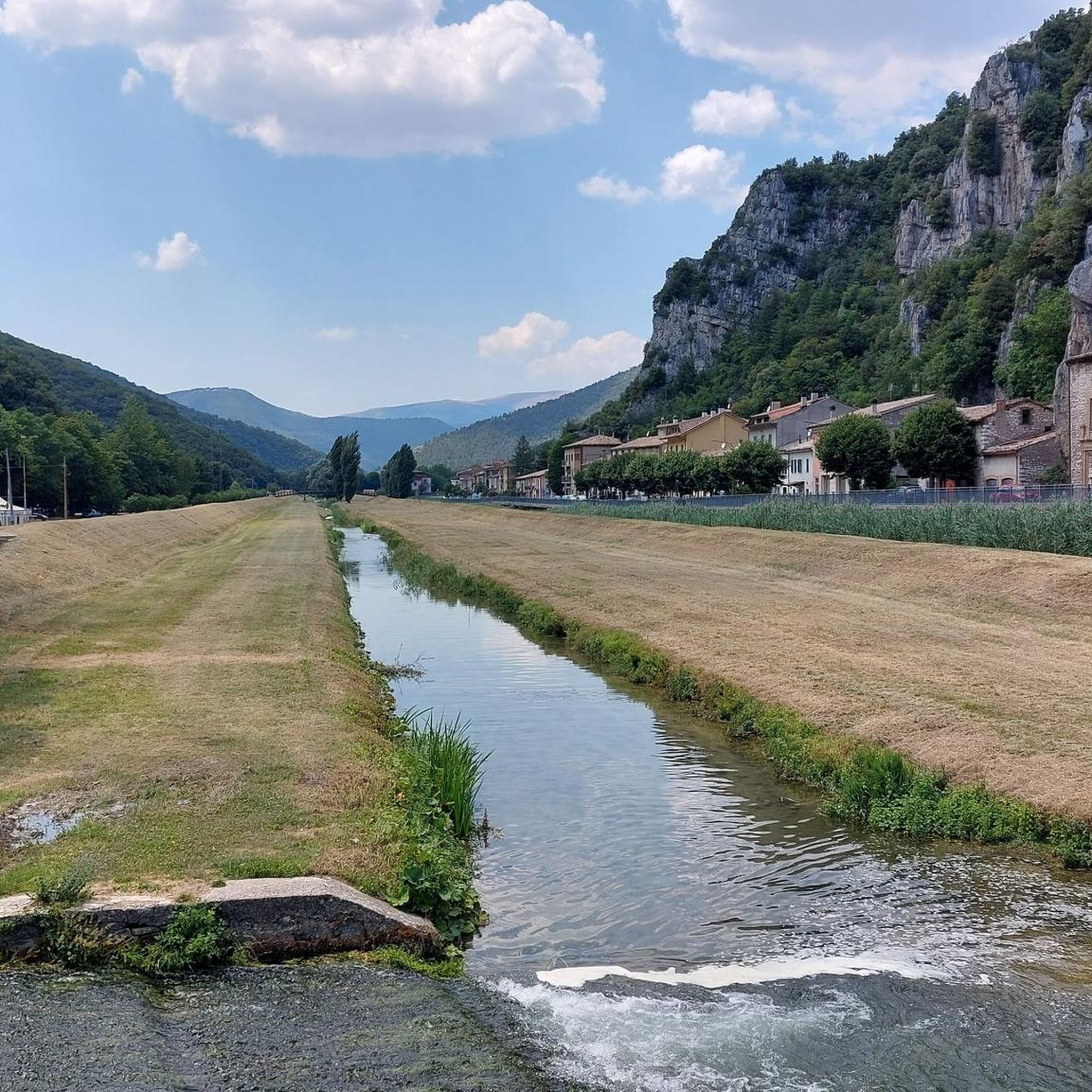
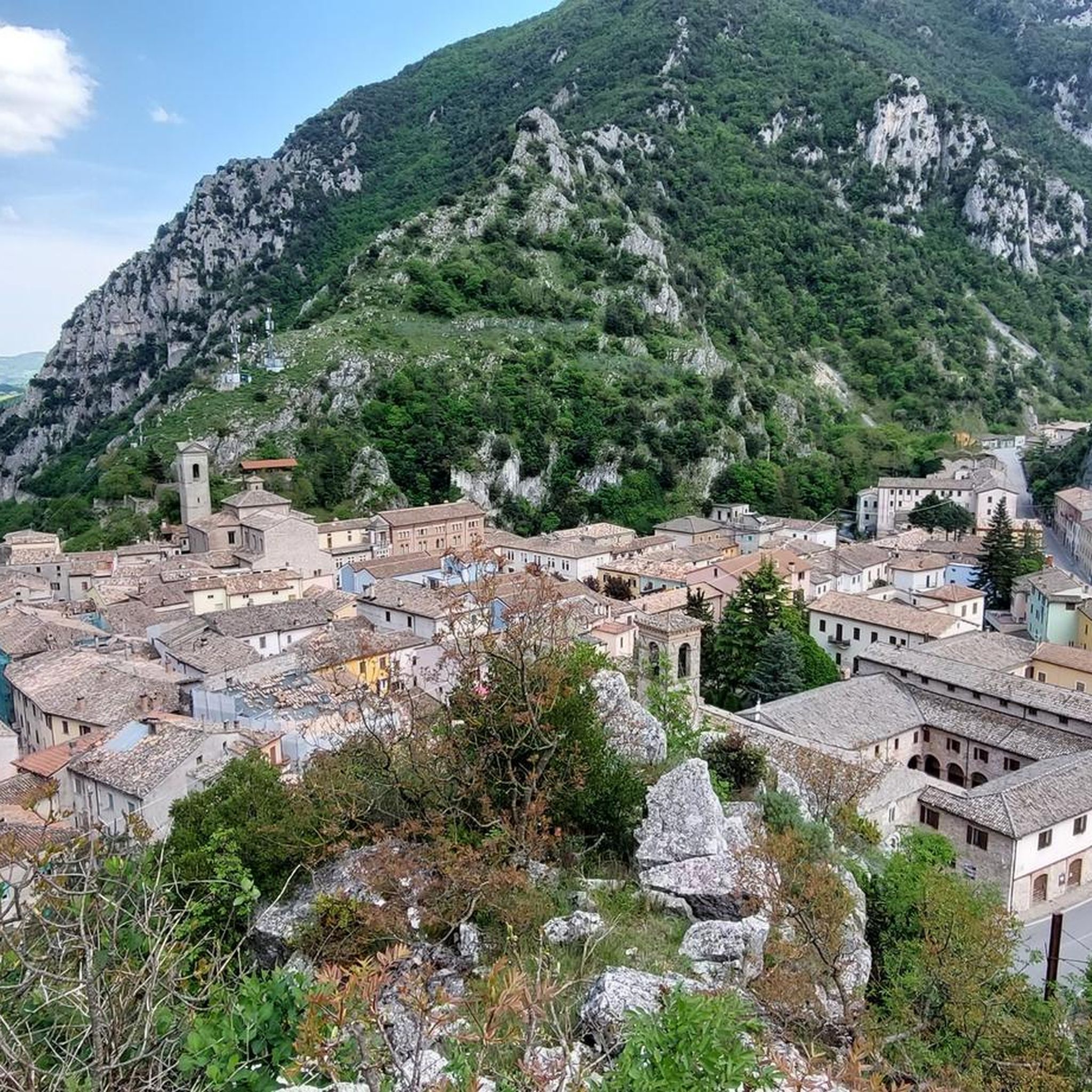
Attractions and places to see around Pioraco include a diverse range of natural and historical sites. This village in Italy's Marche region is situated at the confluence of the Potenza and Scarsito rivers, surrounded by mountains. Historically known as the "City of Paper" due to its long-standing papermaking tradition, Pioraco offers a blend of natural landscapes and cultural heritage. The area features scenic trails, ancient structures, and unique museums.
Best attractions and places to see around Pioraco
- The most popular attractions is Braccano Murals Village, a settlement known for its beautiful murals. This village in the province of Macerata features artistic wall paintings.
- Another must-see spot is Piani di Montelago, a natural monument consisting of two natural depressions. These basins are shaped by tectonic and karst phenomena and can flood during heavy rains.
- Visitors also love Statte Castle, an ancient 12th-century fortification. This historical site controlled the Chienti and Potenza valleys and is currently undergoing restoration.
- Pioraco is known for its natural landscapes, historical sites, and cultural museums. The area offers a mix of natural beauty, historical landmarks, and cultural experiences.
- The attractions around Pioraco are appreciated by the komoot community, with 19 upvotes and 7 photos shared by visitors.
Last updated: July 7, 2026
San Cataldo Hermitage
Highlight • Religious Site
Translated by Google •
Tip by

Mount Cafaggio Summit
Highlight • Summit
Translated by Google •
Tip by

Sign up now to discover places like this
Get recommendations on the best single tracks, peaks, & plenty of other exciting outdoor places.
Sign up for free
Abbey and Cave of Sant'Eustachio
Highlight • Cave
Translated by Google •
Tip by

Braccano Murals Village
Highlight • Settlement
Translated by Google •
Tip by

Monte Giuoco del Pallone (1,228 m)
Highlight • Summit
Translated by Google •
Tip by
Sign up for free to discover even more attractions around Pioraco.
Sign up for free
Already have an account?
Start today with a free account
Your next adventure awaits.
Login or Signup

Other adventures around Pioraco

Tips from the Community

Last stretch to reach the cross with a steep incline +
0
0
Arrived at the summit, absolutely SPECTACULAR
0
0

beautiful to admire and photograph
0
0

nice single track to get there, spectacular 360° landscape
0
0

technical passage on the crest of Mount Cafaggio with a spectacular 360° view (1116 m above sea level)
0
0

Not particularly high but pleasant to reach
0
0

Characteristic medieval site that, perched on a rocky spur, almost seems to throw itself into the void. This hermitage stands on the ruins of an ancient tower that had the sole but very important task of protecting the castle of the town of Esanatoglia. The cult of St. Cataldo, a saint of Irish origin, spread throughout the Macerata area around the year 1000 but only in 1616 did the population of Esanatoglia ask to proclaim him patron saint of the town. Legend has it that Cataldo stopped the dangerous fall of an enormous boulder that was at risk of rolling down to the valley with just the imposition of a hand.
1
0
Frequently Asked Questions
What natural attractions can I explore in Pioraco?
Pioraco offers a variety of natural attractions. You can hike the scenic Sentiero Li Vurgacci, where the Potenza River carves through gorges, creating waterfalls and pools, and discover unique rock sculptures. The town itself is shaped by the confluence of the Potenza and Scarsito rivers, featuring picturesque canals and ancient washhouses. For a broader natural experience, visit Piani di Montelago, two natural depressions that can flood during heavy rains, or ascend Monte Giuoco del Pallone (1,228 m) for spectacular 360° views.
What is Pioraco's connection to papermaking, and can I learn more about it?
Pioraco is known as the 'City of Paper' due to its long-standing papermaking tradition since 1264. You can delve into this history at the Museum of Paper and Watermark, which displays artistic watermarks and papers from the 14th to 19th centuries. Additionally, visit the Gualchiera Prolaquense, a reconstructed medieval paper mill where you can witness hand-making paper using 14th-century techniques.
Are there hiking trails suitable for different skill levels around Pioraco?
Yes, Pioraco offers various hiking opportunities. The Sentiero Li Vurgacci is a popular scenic trail. For more structured routes, you can find options ranging from moderate to difficult, such as the 'Pioraco loop from Pioraco' or the 'Monte Primo Ridge Trail – Steep Trail 242 loop from Seppio'. You can explore more hiking routes on the Hiking around Pioraco guide.
What historical landmarks can I visit in Pioraco?
Pioraco is rich in history. Explore the ancient Ponte Romano Marmone, dating back to the 1st century B.C., and wander through the charming medieval Historic Center. The Church of San Vittorino, built on the remains of a Roman temple, houses the remains of the town's patron saint. You can also visit Statte Castle, an ancient 12th-century fortification that controlled the Chienti and Potenza valleys.
Are there any unique museums in Pioraco?
Yes, Pioraco's Museum Pole, housed in the municipal building, offers several unique museums. Besides the Museum of Paper and Watermark, you can visit the Museum of Fossils, featuring over 1200 local finds, and the Museum of Mushrooms, which displays approximately 200 gypsum models of various species.
What cycling opportunities are available in Pioraco?
Pioraco provides several cycling options. An 8-km cycling path connects Pioraco to Fiuminata (Spindoli) along the banks of the Potenza River, ideal for leisurely rides. For more challenging adventures, you can find various touring bicycle and gravel biking routes, including the 'Marche Trail – Piani di Montelago loop' or the 'Piani di Montelago – Fontana di Pioraco loop'. Discover more routes on the Cycling around Pioraco guide and the Gravel biking around Pioraco guide.
Are there family-friendly activities or attractions in Pioraco?
Families can enjoy the scenic Sentiero Li Vurgacci with its wooden bridges and rest areas for picnics. The 8-km cycling path along the Potenza River is also suitable for leisurely family rides. Additionally, the Braccano Murals Village, known for its artistic wall paintings, is considered family-friendly and offers a unique cultural experience.
Where can I find religious sites or sanctuaries in Pioraco?
Pioraco has several significant religious sites. The Santuario della Madonna della Grotta is partially built into the rock, protecting a revered statue of the Madonna. The ancient Church of San Vittorino is another important site. Further afield, the Abbey and Cave of Sant'Eustachio offers a unique spiritual experience, with an abbey carved into the rock.
What is the best time to visit Pioraco for outdoor activities?
The best time to visit Pioraco for outdoor activities generally aligns with spring and autumn when the weather is mild and pleasant for hiking, cycling, and exploring natural sites. Summer can also be enjoyable, especially near the rivers and waterfalls, but may be warmer. Always check the local weather forecast before your visit.
Are there any unique villages or settlements to visit near Pioraco?
Yes, the Braccano Murals Village is a must-see. This charming settlement in the province of Macerata is renowned for its beautiful and artistic wall paintings that adorn many of its buildings, offering a vibrant cultural experience.
Can I see any ancient Roman structures in Pioraco?
Yes, Pioraco is home to the Ponte Romano Marmone, an ancient Roman bridge that dates back to the 1st century B.C. It's a testament to the region's long history and offers a glimpse into its past.
What kind of views can I expect from the mountains around Pioraco?
From mountains like Monte Giuoco del Pallone (1,228 m), you can expect spectacular 360° panoramic views of the surrounding landscape. The area offers diverse terrain, from river gorges to mountain peaks, providing varied and beautiful vistas.
Most popular attractions around Pioraco

Get inspired with the komoot mobile app


Explore more
Still not found the Highlight you’re looking for? See guides of the top attractions in other regions:
