The best road cycling routes around San Secondo Parmense
4.3
(92)
3,393
riders
17
rides
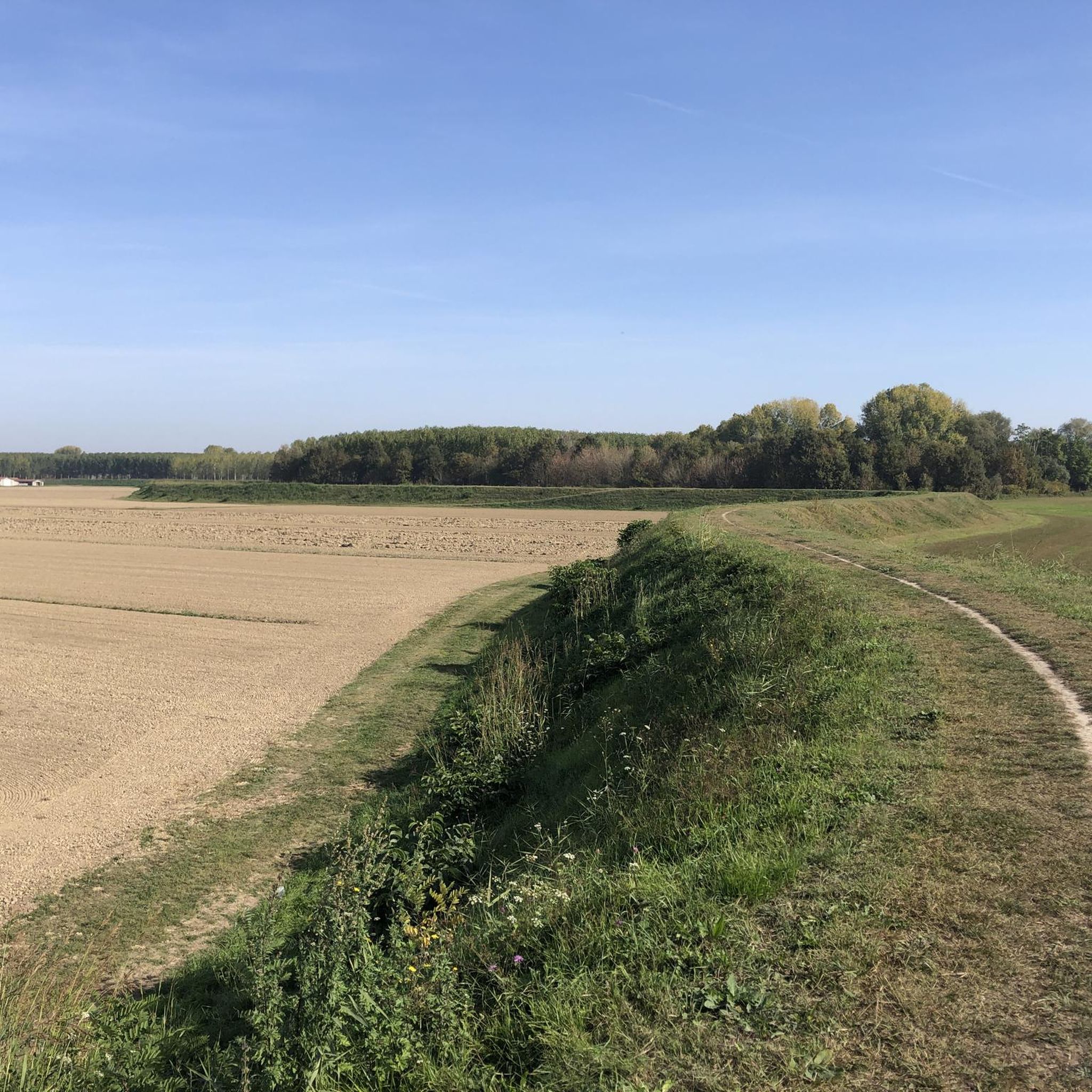
Road cycling around San Secondo Parmense is characterized by predominantly flat terrain, making it suitable for various skill levels. The region, part of the fertile "Bassa" (lowlands) of the Parma province, features extensive agricultural plains with crops such as sugar beet, cereals, and tomatoes. The Taro River flows nearby, offering opportunities for routes along its banks. Historical landmarks like the Rocca dei Rossi and other castles are integrated into the cycling landscape.
Best road cycling routes around San Secondo Parmense
…Last updated: May 20, 2026
4.0
(1)
32
riders
Easy road ride. Great for any fitness level. Mostly well-paved surfaces and easy to ride.
23
riders
Moderate road ride. Good fitness required. Mostly well-paved surfaces and easy to ride.

Sign up for free
19
riders
Moderate road ride. Good fitness required. Mostly well-paved surfaces and easy to ride.
3.0
(1)
17
riders
Moderate road ride. Good fitness required. Mostly well-paved surfaces and easy to ride.
12
riders
Easy road ride. Great for any fitness level. Mostly well-paved surfaces and easy to ride.
Get access to more routes and recommendations from other explorers.
Sign up for free
Already have an account?
Our route recommendations are based on thousands of hikes, rides, and runs completed by other people on komoot.
Start today with a free account
Your next adventure awaits.
Login or Signup

Tips from the Community

The Sanctuary of Santa Lucia is a Catholic place of worship with Baroque architecture, located on Via Santa Lucia in Santa Lucia, a hamlet of Medesano, in the province and diocese of Parma. It is the seat of a parish in the pastoral area of Pedemontana. HISTORY The original place of worship was built in the Middle Ages; the earliest evidence of its existence dates back to 1354, when the Ecclesia Sancte Lucie de Varano Marchionum was mentioned in the Ratio Decimarum of the diocese of Parma among the dependencies of the church of San Giorgio Martire of Varano dei Marchesi, within the jurisdiction of the parish of Fornovo. In 1565, the temple was rebuilt. On May 13, 1607, the church was solemnly consecrated by the Bishop of Fidenza, Giovanni Giorgio Linati, and two years later it was elevated to the status of an independent parish church. Between 1731 and 1794, the place of worship was completely rebuilt in Baroque style; the rectory was also built adjacent to it. On October 21, 1952, the church was elevated to the status of a diocesan sanctuary dedicated to the virgin and martyr Saint Lucy. Around 1960, the church underwent restoration work. SOURCE and other information: https://it.wikipedia.org/wiki/Santuario_di_Santa_Lucia_(Medesano)
0
0
Originally built between the 10th and 11th centuries, the castle was rebuilt in 1153 and expanded several times in the following centuries. With the exception of a few brief periods in the 12th and 14th centuries, the Pallavicino marquises maintained it almost uninterruptedly until their extinction in 1756. Assigned to the Sermattei family, the manor was purchased a few years later by the Landi cousins. Sold in 1882 to the Corazza family, the manor was renovated and transformed into an elegant stately home, rich in frescoes and stucco decorations. Since the early 21st century, the building, along with the surrounding village, has been used as a scattered hotel, with an adjoining farm. SOURCE: https://it.wikipedia.org/wiki/Tabiano_Castello
0
0

Following the road of the Food Valley it is absolutely obligatory to pass through Roncole Verdi and consequently visit the birthplace of Giuseppe Verdi.
0
0

A really worth seeing place.
1
0

Planning the tour of the Castles of the Duchy of Parme and Piacenza we reached the "Fortress of Fontanellato". Rocca Sanvitale is an imposing fortress built in the 14th century on a pre-existing 12th century building. Subjected to numerous restorations, over the centuries it was transformed from a defensive fortress into the residence of the noble Sanvitale Counts who then inhabited it for around six centuries. It has a square plan with crenellated walls and four corner towers and is still surrounded by a large moat once fed by water produced by a spring and rearranged at the beginning of the 17th century by the Parma architect Smeraldo Smeraldi; the entrance to the internal courtyard is via a drawbridge. In 1948 the last Count handed over the Fortress with its furnishings to the Municipality, which subsequently transformed it into a museum.
0
0

wonderful panorama
0
1

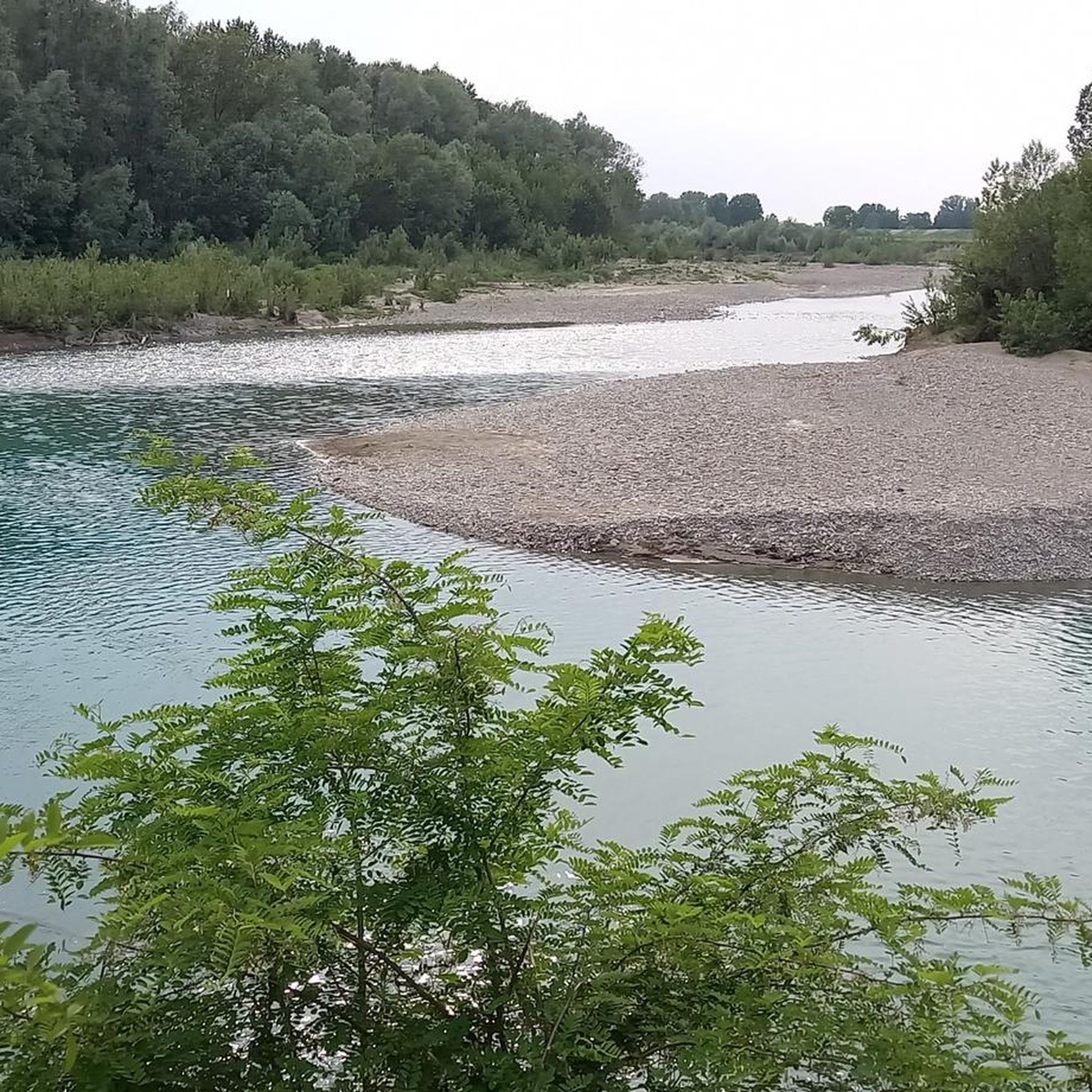
Two hairpin bends that lead to via Gabbiano, where you can enjoy an excellent landscape, and you can cycle in complete tranquility, given the little traffic present.
2
0
Frequently Asked Questions
What is the typical terrain like for road cycling around San Secondo Parmense?
The region, known as the "Bassa" (lowlands) of the Parma province, is predominantly flat. You'll cycle through extensive agricultural plains, characterized by crops like sugar beet, cereals, and tomatoes, offering open vistas and minimal elevation gain, ideal for leisurely rides or endurance training.
How many road cycling routes are available in San Secondo Parmense?
There are over 25 road cycling routes around San Secondo Parmense, catering to various skill levels. Most routes are easy to moderate, perfect for exploring the flat agricultural landscapes.
Are there any family-friendly road cycling routes in the area?
Yes, the predominantly flat terrain makes many routes suitable for families. An excellent option is the Hay Bale Snowman – Soragna and the Rocca Meli Lupi loop from San Secondo Parmense, an easy 46.6 km path that explores the charming countryside and visits the Rocca Meli Lupi Castle.
What historical landmarks can I see along the road cycling routes?
You can encounter several historical landmarks. The Rocca dei Rossi – Panoramic View of the River loop from San Secondo Parmense passes by the historic Rocca dei Rossi castle. Other nearby castles like Rocca Sanvitale di Fontanellato and Soragna and the Rocca Meli Lupi are also integrated into regional cycling itineraries.
Are there any road cycling routes that offer scenic viewpoints or natural features?
Many routes offer scenic views of the flat agricultural plains and the Taro River. The Rocca dei Rossi – Panoramic View of the River loop provides scenic views, and routes along the Taro River banks contribute to the area's natural beauty.
What is the best time of year for road cycling in San Secondo Parmense?
The region is enjoyable for cycling for much of the year. Spring and autumn offer pleasant temperatures and beautiful agricultural landscapes. Summer can be warm, but the flat terrain makes it manageable, especially during cooler parts of the day.
Can I find routes that include cultural or gastronomic experiences?
Absolutely. The region is part of Italy's "Food Valley." While not directly starting in San Secondo Parmense, the 90-km flat Food Valley Bike cycleway is easily accessible and guides cyclists through gastronomic hotspots like Zibello, famed for its culatello. You can combine your rides with tasting local delicacies like Parmesan cheese and cooked Shoulder of Ham from San Secondo.
Are there any challenging road cycling routes with significant elevation gain?
While the immediate area is predominantly flat, some moderate routes offer more varied terrain. For example, the Salsomaggiore Thermal Baths – Tabiano Castle loop from San Secondo Parmense includes over 500 meters of elevation gain, providing a more challenging experience.
What do other road cyclists enjoy most about cycling in San Secondo Parmense?
The area is highly rated by the komoot community, with an average score of 4.2 stars. Reviewers often praise the quiet roads, the peaceful agricultural scenery, and the opportunity to combine cycling with visits to historical castles and local gastronomic delights.
Are there any loop road cycling routes available?
Yes, many routes are designed as loops, allowing you to start and end in the same location. Examples include the Rocca dei Rossi – Panoramic View of the River loop and the Drinking Water Fountain – Salsomaggiore Thermal Baths loop.
Are there any specific attractions related to local produce or history that I can visit?
Beyond the castles, San Secondo Parmense is home to the Olive Oil Museum Orsi Coppini, offering a unique insight into local produce and history. You can also find routes that pass by the Chiesa di Vicomero, a historic religious building.
What are some easy road cycling routes for beginners?
Beginners will find many suitable options due to the flat landscape. The Hay Bale Snowman – Soragna and the Rocca Meli Lupi loop from San Secondo Parmense is an easy 46.6 km route, perfect for those new to road cycling or looking for a relaxed ride.
Most popular routes around San Secondo Parmense
Most popular attractions around San Secondo Parmense

Get inspired with the komoot mobile app


Explore more
Browse the best Road cycling routes in other regions.
