Top 10 Castles around Cesana Torinese
Best castles around Cesana Torinese are found in the surrounding alpine landscape, a region historically significant due to its position on the ancient Via Francigena. While the immediate town of Cesana Torinese is known for its medieval origins and alpine charm, the broader area features notable historical fortifications and sites. These structures reflect the region's strategic importance, particularly near the French border, from Roman times through the Middle Ages and beyond. The area offers a blend of natural beauty and…
Last updated: July 1, 2026
Mont Chaberton Fort
Highlight • Historical Site
Translated by Google •
Tip by

Vauban Fortress
Highlight • Castle
Translated by Google •
Tip by

Sign up now to discover places like this
Get recommendations on the best single tracks, peaks, & plenty of other exciting outdoor places.
Sign up for free
Forte Bramafam
Highlight • Historical Site
Translated by Google •
Tip by

Fort de l'Infernet
Highlight • Historical Site
Translated by Google •
Tip by

Tur d'Amun
Highlight • Castle
Translated by Google •
Tip by

Sign up for free to discover even more castles around Cesana Torinese.
Sign up for free
Already have an account?
Start today with a free account
Your next adventure awaits.
Login or Signup
Popular around Cesana Torinese
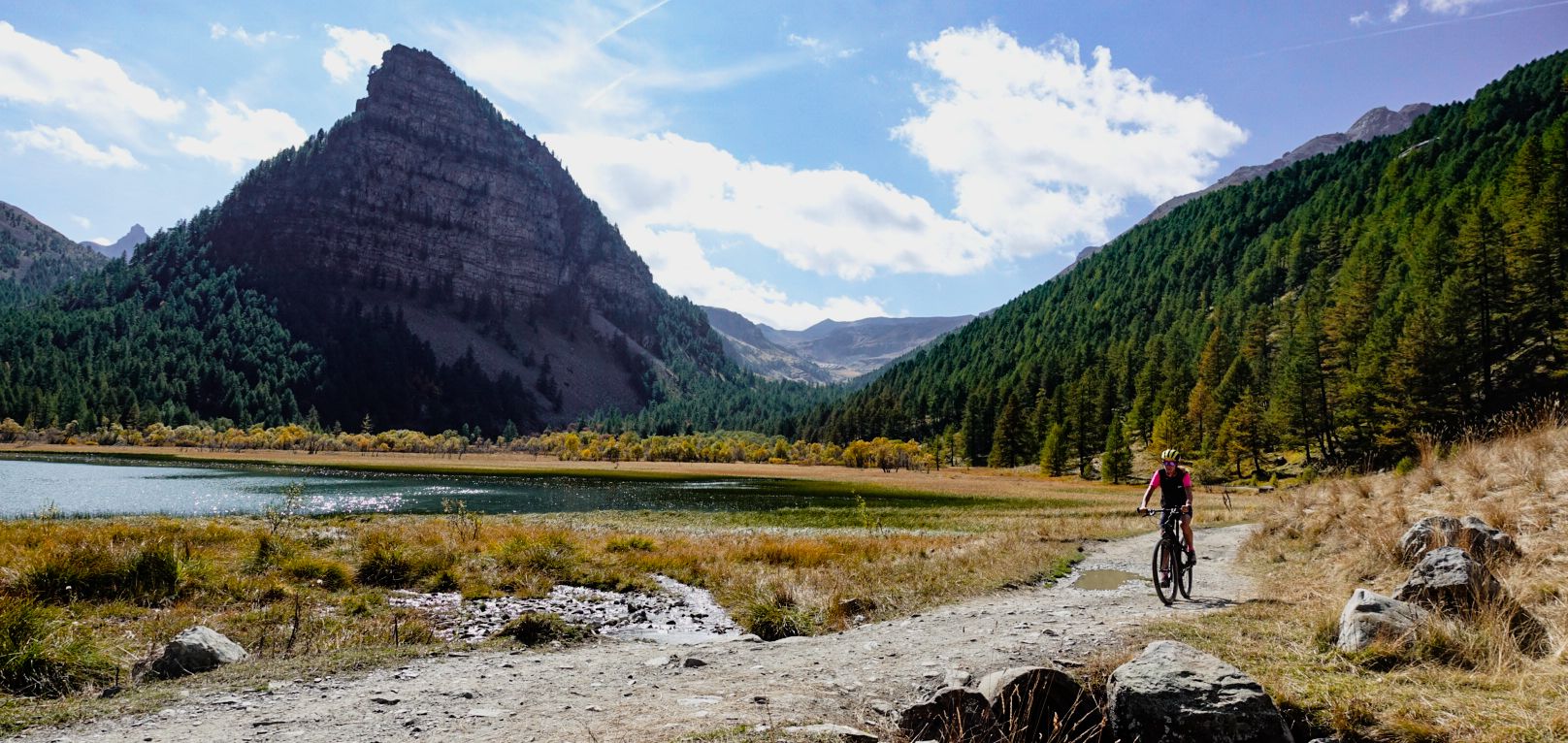
Military roads, forts and tunnels – gravel in the Southern Alps
Hiking around Cesana Torinese

Gravel biking around Cesana Torinese
Cycling around Cesana Torinese
MTB Trails around Cesana Torinese
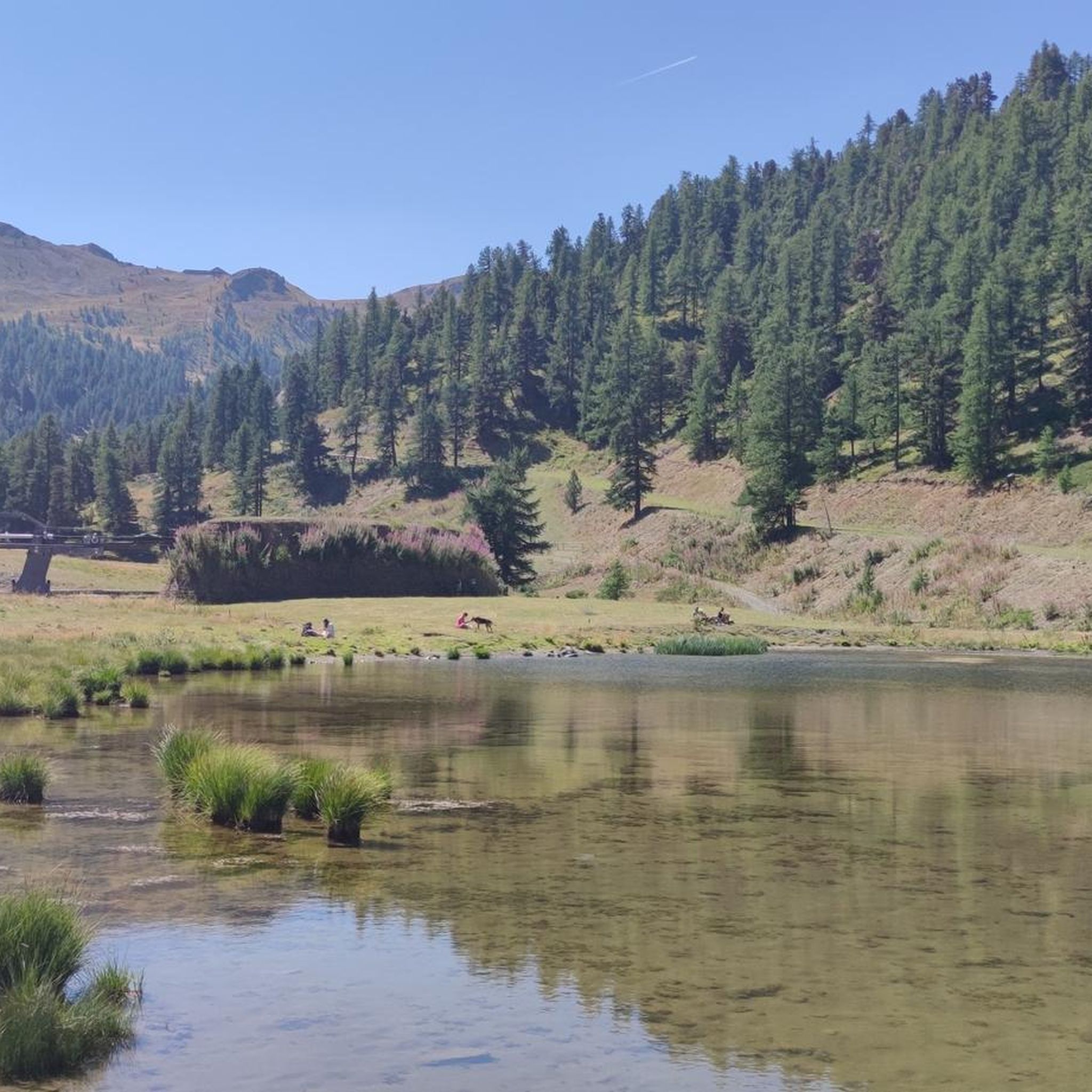
Road Cycling Routes around Cesana Torinese
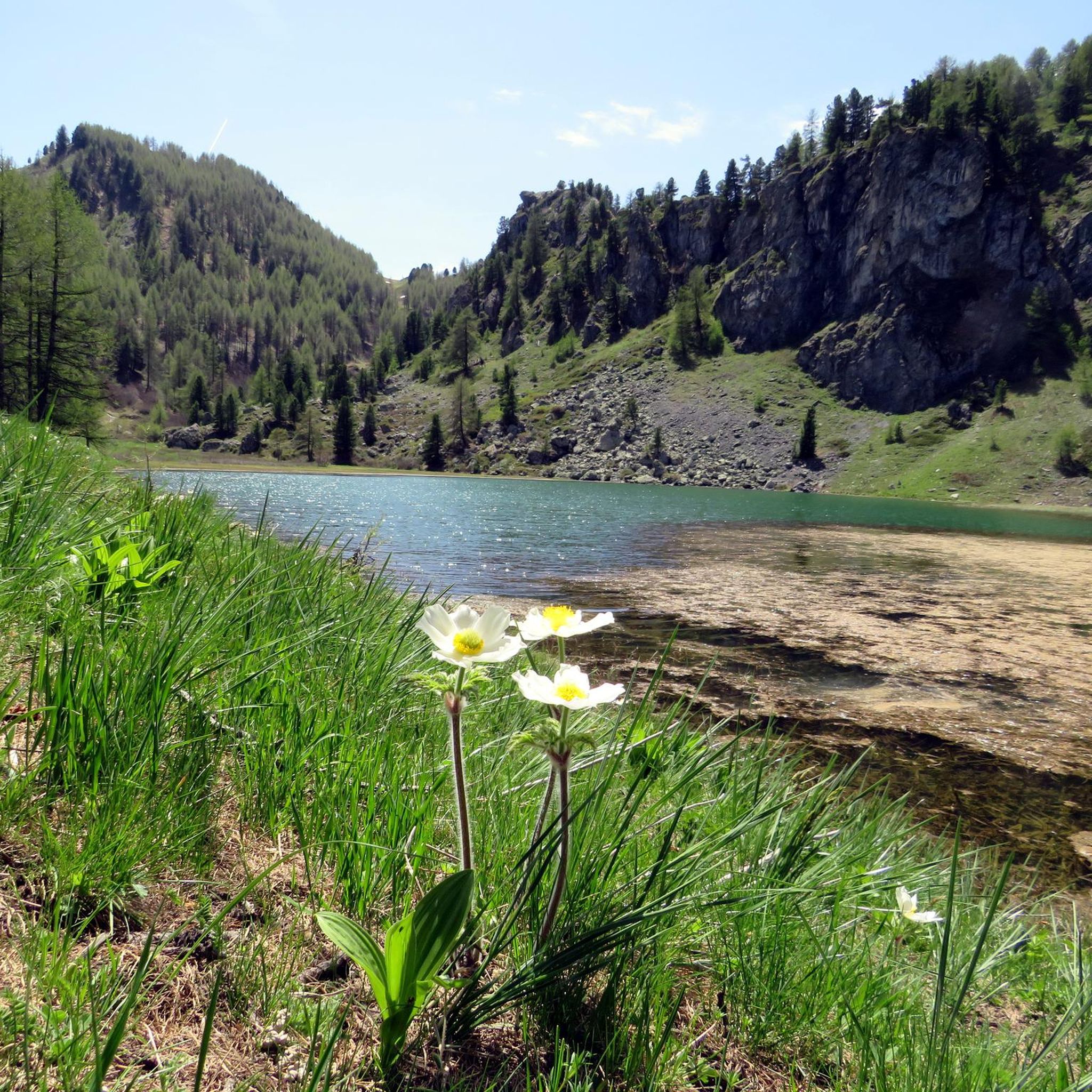
Running Trails around Cesana Torinese
Mountain Hikes around Cesana Torinese
Other adventures around Cesana Torinese

Tips from the Community

And the Vauban fortress. It is not a castle
0
0

The fortification was erected between 1885 and 1894, with the aim of monitoring the outlet of the Frejus railway tunnel in anticipation of a possible French attack. During the First World War, its artillery was requisitioned and moved to the Austro-Hungarian front, while on the eve of the Second World War, it was incorporated into the fortified system of the Alpine Wall. It was then requisitioned by the Germans and completely dismantled after the end of hostilities. It remained abandoned for a long time, until, starting in 1995, a recovery project was initiated, still partly ongoing, equipping the structure with a museum and a guided tour. The road that reaches it from the valley floor is yet another demonstration of the construction skills of military engineering: the dirt road gains altitude with gentle hairpin bends, bordered by dry stone walls that are still perfectly in place. Near Grange Bersac, it passes a charming little church, shortly after the route leaves the woods and ends in wide meadows near another beautiful little church, dedicated to St. Anne. From here, the dirt road splits: straight ahead leads to Pian del Sole and the Bardonecchia MTB circuit, while climbing towards Colomion, turning right, a final short climb reaches the fort. The view of Guglia Rossa and the Re Magi (Three Wise Men) group, which dominate the Bardonecchia basin, is magnificent.
0
0

This tower is part of the city's old medieval fortifications. It can be reached either by a fairly good (but fairly straight) dirt road from the east side, or by the paved Via Tur d'Amun and a short dirt section. Behind the tower, archaeological excavations have uncovered the ancient structures of the defensive complex (the excavation site is currently closed for construction [August 2025]). The view of Bardonecchia and the surrounding mountains is stunning.
0
0

And now seriously? A large ancient fortress/ruin on top of a mountain with a beautiful 360-degree panorama. https://www.foremostpayonline.com.co
0
0

Magnificent belvedere of Briançonnais
0
0

The Fort of Infernet, located in the Susa Valley, is one of the fortifications of the region, built between the 19th and early 20th centuries as part of the Italian defensive system against potential French threats. This fort is located at about 2,800 meters above sea level and is strategically positioned to control the surrounding valleys. The Infernet was designed primarily as a high-altitude battery, with a robust structure capable of housing cannons and a limited crew. Its dominant position offered a strategic view of the valley and important control over the connections between Italy and France. Today the site can be visited, although in not perfectly preserved conditions, and is an interesting destination for hikers and military history enthusiasts
1
0

The interesting exhibition would be even better if you understood Italian. It is still worth it because you are guided through the entire fortress and can explore it.
0
0

Tallest military fort in Europe. The climb is long and tiring and very crowded in the months of July-August but once at the top every effort is rewarded
2
0
Frequently Asked Questions
What kind of historical fortifications can I explore around Cesana Torinese?
While traditional, well-preserved castles are not prominent in the immediate town, the area around Cesana Torinese is rich in historical fortifications and military forts, especially near the French border. These structures, like Mont Chaberton Fort and Fort de l'Infernet, reflect the region's strategic importance from Roman times through the Middle Ages and beyond.
Which are the most notable historical sites or 'castles' in the area?
Among the most notable sites are Mont Chaberton Fort, once the highest fort in the world, and Briançon Castle, a fortified medieval structure modified over centuries. Fort de l'Infernet also offers impressive ruins and panoramic views.
Are there any truly medieval castles directly in Cesana Torinese?
Directly within Cesana Torinese, prominent, well-preserved medieval castles are not readily found. The town itself has medieval origins, but its historical significance is more reflected in sites like the 11th-century Chiesa di San Giovanni Battista and its position on the ancient Via Francigena. The 'castles' in the broader area are often military fortifications or historical sites.
What makes Mont Chaberton Fort unique?
Mont Chaberton Fort is unique for its extreme altitude, located at over 3,130 meters above sea level. Nicknamed the 'Fort of the Clouds,' it was once the highest fort in the world, built by the Italian army for defense against France. Today, its impressive ruins offer strategic views and a glimpse into its rich history.
Can I visit Briançon Castle? What should I expect?
Briançon Castle, built by Vauban on a rock overlooking the town, is a former fortified medieval castle that has been modified over centuries. It is now partially accessible to visitors, offering insights into its historical transformations and strategic importance.
Is Forte Bramafam suitable for families?
Yes, Forte Bramafam is considered family-friendly. This superb 19th-century fort has been renovated and houses a museum with collections of uniforms, military equipment, and heavy weapons from the late 1800s until 1945, making it an engaging visit for all ages.
What kind of views can I expect from these fortifications?
Many of the fortifications, such as Fort de l'Infernet and Mont Chaberton Fort, are strategically positioned on mountain tops or ridges. This means you can expect breathtaking 360-degree panoramas of the surrounding valleys and alpine landscapes, often with orientation tables to identify peaks.
What is the best time of year to visit the fortifications around Cesana Torinese?
The best time to visit is generally during the warmer months, from late spring to early autumn (May to October), when the alpine passes are clear of snow and hiking conditions are optimal. Some higher-altitude forts, like Mont Chaberton, may be inaccessible due to snow outside of this period. Winter visits are possible for some lower-lying sites, but access might be limited, and specific clothing for cold weather is essential.
Are there any walking or hiking opportunities near these historical sites?
Absolutely. Many of these fortifications are located along scenic routes, offering excellent opportunities for walking and hiking. For instance, the climb to Fort de l'Infernet is a challenging hike. You can find various hiking routes around Cesana Torinese, including trails like 'Trail 628 from Bousson to Lago Nero' or the 'Balcony Trail'. For more details, explore the Hiking around Cesana Torinese guide.
What other historical sites are there to explore in the Cesana Torinese region?
Beyond the fortifications, Cesana Torinese offers other significant historical sites. The 11th-century Chiesa di San Giovanni Battista is a notable example of medieval ecclesiastical architecture. The ancient pilgrimage route, Via Francigena, passes through the town, and the hamlet of Bousson features the House of the Tombstones, offering unique cultural insights into Jansenism.
Are these historical sites accessible by public transport?
Access to many of the higher-altitude forts and historical sites often requires personal transport or a combination of public transport to nearby towns followed by hiking. Cesana Torinese itself is accessible, but reaching specific remote fortifications might be challenging without a car. It's advisable to check local transport options and trail conditions for each specific site.
What outdoor activities can I combine with a visit to these historical sites?
The region around Cesana Torinese is perfect for outdoor enthusiasts. You can combine historical exploration with gravel biking, road cycling, or hiking. There are numerous routes, such as the 'Assietta gravel ring from Sestriere' for gravel biking or the 'Briançon – Montgenèvre Pass loop' for road cycling. For more ideas, check out the Gravel biking around Cesana Torinese or Road Cycling Routes around Cesana Torinese guides.
What do visitors enjoy most about the historical sites near Cesana Torinese?
Visitors frequently appreciate the blend of natural beauty and historical remnants. The strategic locations of sites like Mont Chaberton Fort offer stunning panoramic views. The historical significance and the opportunity to explore well-preserved military architecture, as seen at Forte Bramafam, are also highly valued by the komoot community.
Most popular routes around Cesana Torinese
Most popular attractions around Cesana Torinese

Get inspired with the komoot mobile app


Explore more
Looking for the best castles somewhere else? Discover other guides around Cesana Torinese:
