The best cycling routes around Silberstedt
4.5
(94)
422
riders
68
rides
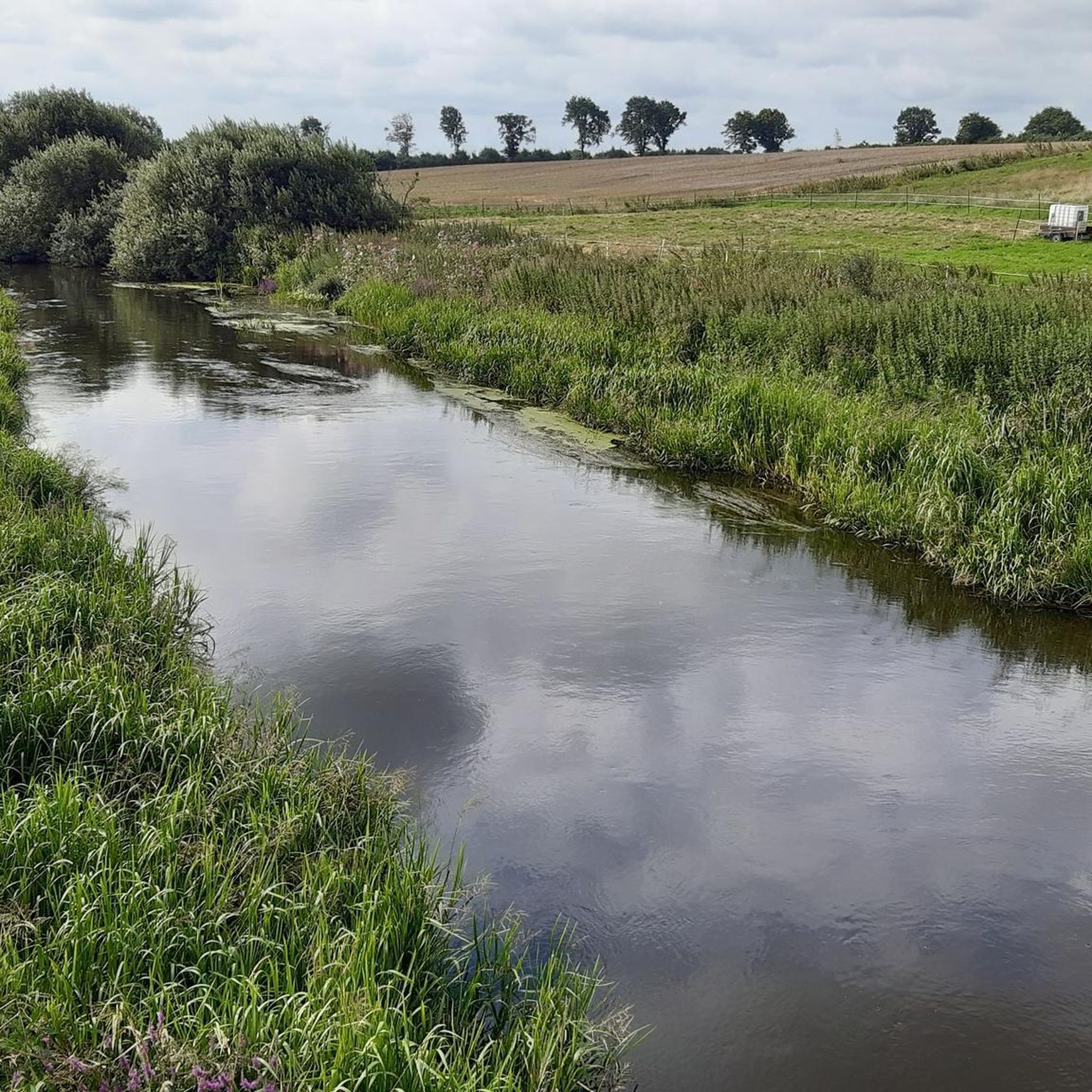
Touring cycling routes around Silberstedt are characterized by a landscape shaped by the last ice age, offering generally flat to gently hilly terrain. The region's proximity to the Schlei Fjord provides coastal cycling opportunities with scenic water views. Inland areas feature a mix of moorland, heath, meadows, and forests, contributing to varied scenery. This topography makes the area accessible for various fitness levels.
Best touring cycling routes around Silberstedt
- The most popular touring cycling route is Treene Bridge – Bridge…
Last updated: August 20, 2026
4.8
(5)
21
riders
31.9km
01:55
120m
120m
Easy bike ride. Great for any fitness level. Mostly paved surfaces. Suitable for all skill levels.
3.7
(6)
34
riders
13.6km
00:46
30m
30m
Easy bike ride. Great for any fitness level. Mostly paved surfaces. Suitable for all skill levels.

Sign up for free
4.0
(2)
24
riders
Easy bike ride. Great for any fitness level. Mostly paved surfaces. Suitable for all skill levels.
4.0
(4)
15
riders
29.9km
01:51
120m
120m
Easy bike ride. Great for any fitness level. Mostly paved surfaces. Suitable for all skill levels.
11
riders
Easy bike ride. Great for any fitness level. Mostly paved surfaces. Suitable for all skill levels.
Get access to more routes and recommendations from other explorers.
Sign up for free
Already have an account?
Our route recommendations are based on thousands of hikes, rides, and runs completed by other people on komoot.
Start today with a free account
Your next adventure awaits.
Login or Signup
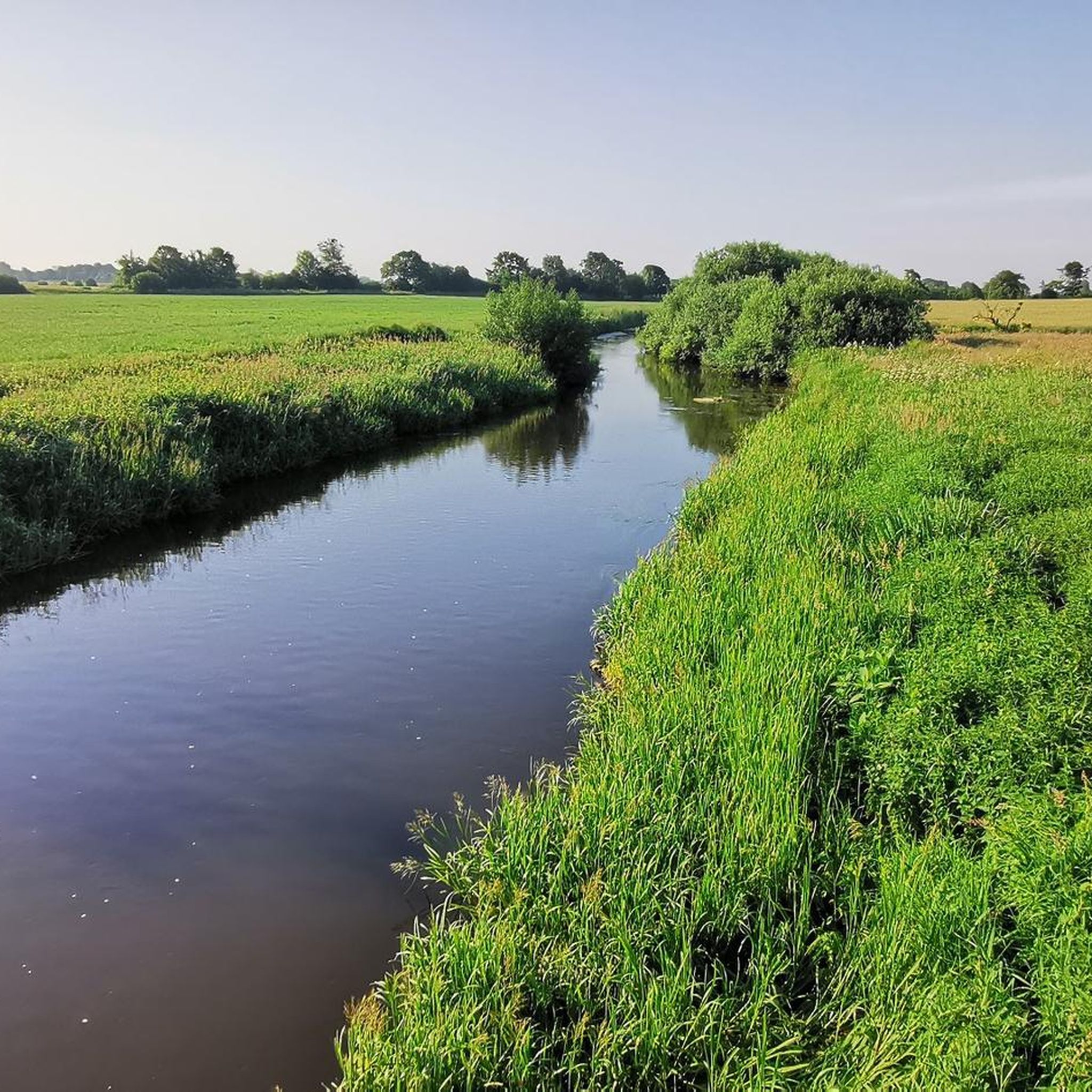
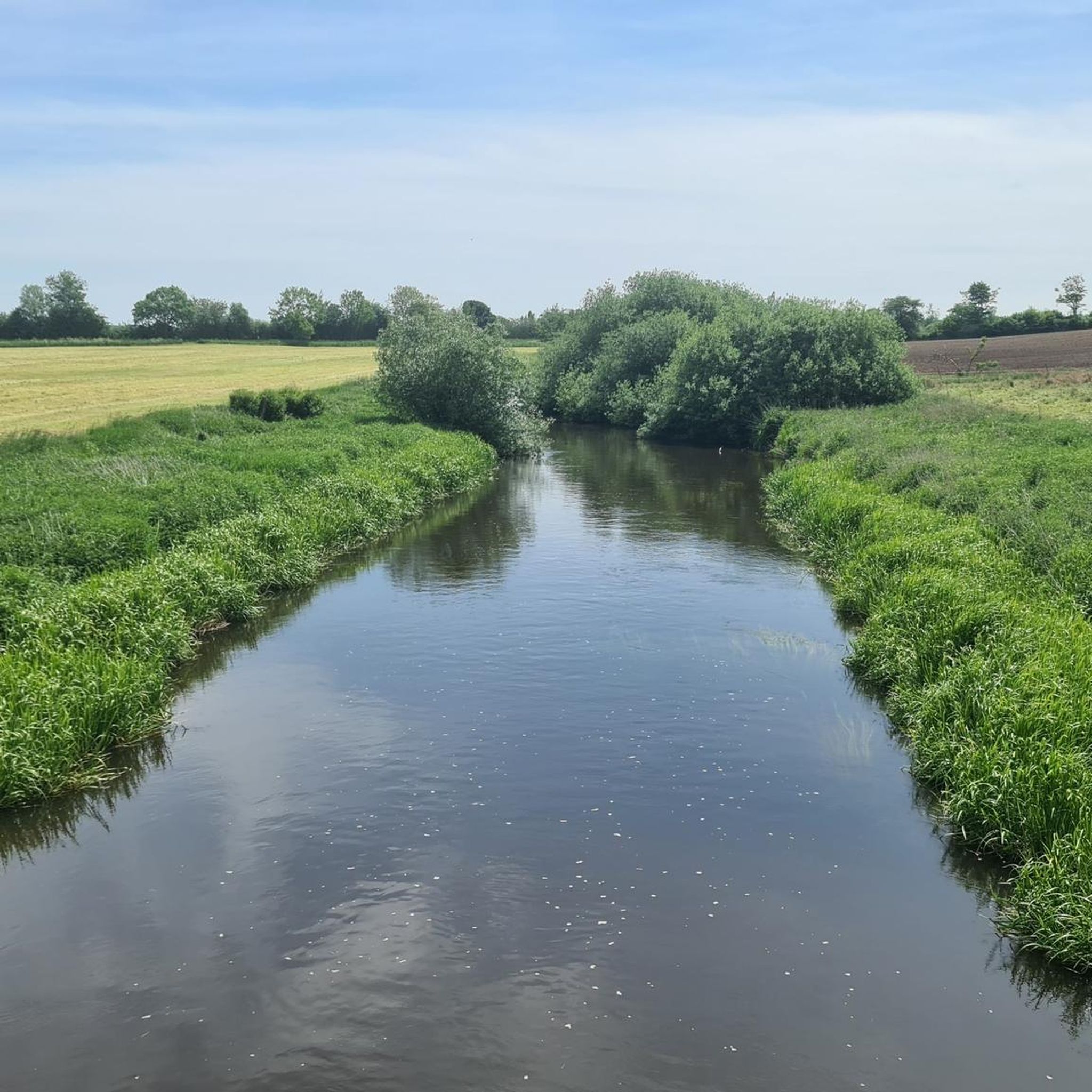
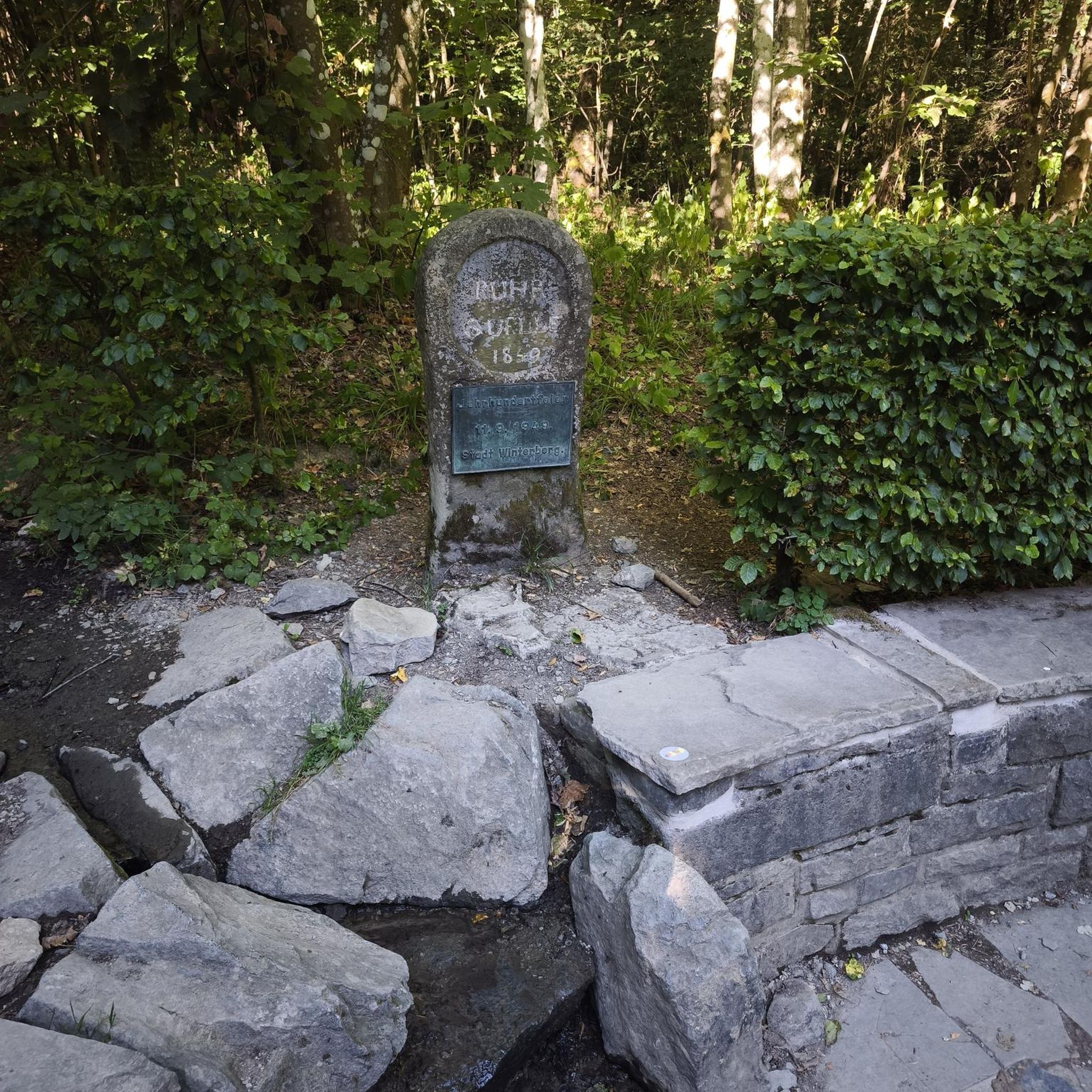
Tips from the Community

Great church and definitely worth a visit☝️😉
0
0

Harbor and cathedral, beautiful sight.
2
0
Beautiful sculpture and view of the Schlei and the tower.
3
0

Let the wind blow around your nose
1
0

The Gottorfer Dam is the end (or the beginning) of the Schlei.
2
0

It is a steam locomotive of the 012 series (01.10 oil), which hauled heavy express trains here until the 1970s.
0
0
On the other side of the level crossing, an axle has been placed on a short piece of track.
0
0

It's just beautiful here...with mustard :-)
0
0
Frequently Asked Questions
How many touring cycling routes are available around Silberstedt?
There are over 70 touring cycling routes around Silberstedt, offering a wide variety of options for different skill levels and preferences. The majority, about 57, are classified as easy, with 12 moderate and 1 difficult route.
What is the terrain like for touring cyclists in Silberstedt?
The terrain around Silberstedt is generally flat to gently hilly, shaped by the last ice age. This makes it accessible and enjoyable for various fitness levels. You'll find a diverse landscape including coastal areas along the Schlei Fjord, inland moorland, heath, meadows, and some forested sections.
What is the best time of year for touring cycling in Silberstedt?
Spring and summer are ideal for touring cycling in Silberstedt. The mild weather allows for comfortable rides through blooming landscapes and along the scenic Schlei Fjord. Autumn also offers beautiful scenery with changing foliage, though temperatures will be cooler.
Are there routes suitable for beginners or less experienced cyclists?
Yes, Silberstedt is very beginner-friendly. Most of the routes, around 57, are classified as easy. For example, the Ice Paradise loop from Silberstedt is an easy 8.5-mile (13.6 km) path that offers a pleasant ride through the gently rolling landscape. Another great option is the Cycle path loop from Silberstedt, which is just 3.5 miles (5.6 km) long.
Are there any circular touring cycling routes in Silberstedt?
Yes, many of the touring cycling routes around Silberstedt are circular, allowing you to start and end in the same location. Popular circular routes include the Treene Bridge – Bridge over the Treene loop from Silberstedt, which follows the Treene river, and the Bridge over the Treene – St. Nikolai Church Treia loop from Silberstedt, leading through the Treene river valley and traditional villages.
What natural features can I expect to see while cycling around Silberstedt?
You can expect to see a variety of natural features. The region's proximity to the Schlei Fjord offers extensive coastal cycling with scenic water views. Inland, you'll traverse picturesque moorland, heath, and meadows, often within the Schlei Estuary Nature Park, which also features well-signposted routes through fields and forests.
Are there any historical sites or cultural attractions accessible by bike?
Absolutely. While cycling, you can explore charming traditional villages. Nearby Schleswig offers significant cultural attractions like Gottorf Castle and Schleswig Harbour, which borders the old town and the historic fishing settlement 'Holm'. You might also pass by the Ahrenviölfeld Peat Press, a historical site.
Where can I find scenic viewpoints along the cycling routes?
Many routes offer beautiful vistas, especially along the Schlei Fjord. The Schlei Promenade provides excellent views of the water. You can also find specific viewpoints like the View over the Schlei, offering panoramic sights of the fjord and its surroundings.
Are there family-friendly touring cycling routes in Silberstedt?
Yes, the generally flat to gently hilly terrain makes many routes suitable for families. The numerous easy routes, such as the Ice Paradise loop from Silberstedt, are perfect for family outings, offering pleasant rides through the scenic countryside without strenuous climbs.
Can I bring my dog on touring cycling routes in Silberstedt?
Many of the natural paths and quiet country roads around Silberstedt are suitable for cycling with dogs, provided they are well-behaved and kept on a leash where necessary. Always be mindful of local regulations, especially in nature reserves or agricultural areas, and ensure your dog is comfortable with the distance and terrain.
Are there options for long-distance touring cycling from Silberstedt?
Silberstedt is part of a regional network of cycle paths that connects to long-distance routes within Schleswig-Holstein. This allows for extensive exploration beyond the immediate vicinity. For more information on long-distance cycling opportunities in the wider region, you can visit the Schleswig-Holstein Tourism website.
What do other touring cyclists say about the routes in Silberstedt?
The touring cycling routes in Silberstedt are highly rated by the komoot community, with an average score of 4.5 stars from over 80 reviews. Cyclists often praise the well-maintained paths, the diverse and accessible landscapes, and the tranquility of the region, making it a popular choice for outdoor enthusiasts.
Are there places to stop for refreshments along the routes?
Yes, especially in the traditional villages you'll pass through, and in nearby towns like Schleswig. The Schleswig Harbour area, for instance, offers varied gastronomy. Many routes will take you past small cafes or local eateries where you can take a break and refuel.
Most popular routes around Silberstedt
Most popular attractions around Silberstedt

Get inspired with the komoot mobile app


Explore more
Browse the best Cycling routes in other regions.
