Attractions and Places To See around San Giusto Canavese - Top 20
Best attractions and places to see around San Giusto Canavese. This municipality in the Metropolitan City of Turin, Piedmont, offers a tranquil environment with historical and cultural points of interest. Situated at the foot of the Alps, the area is characterized by hilly landscapes and surrounded by woods. This setting provides opportunities for outdoor activities and exploration of the Canavese region.
Best attractions and places to see around San Giusto Canavese
- The most popular attractions is Mazzè Castle, a…
Last updated: August 31, 2026
Mazzè Castle
Highlight • Castle
It has been private since the late 1970s. It enjoys a splendid view of the Dora Baltea.
Translated by Google •
Tip by

Lake Candia
Highlight • Lake
Translated by Google •
Tip by

Sign up now to discover places like this
Get recommendations on the best single tracks, peaks, & plenty of other exciting outdoor places.
Sign up for free
Church of Santo Stefano in Candia
Highlight • Religious Site
Translated by Google •
Tip by

Agliè - the historic town center
Highlight • Historical Site
Translated by Google •
Tip by

Glacial Erratic Boulders of Vialfrè
Highlight • Natural Monument
Translated by Google •
Tip by

Sign up for free to discover even more attractions around San Giusto Canavese.
Sign up for free
Already have an account?
Start today with a free account
Your next adventure awaits.
Login or Signup

Tips from the Community

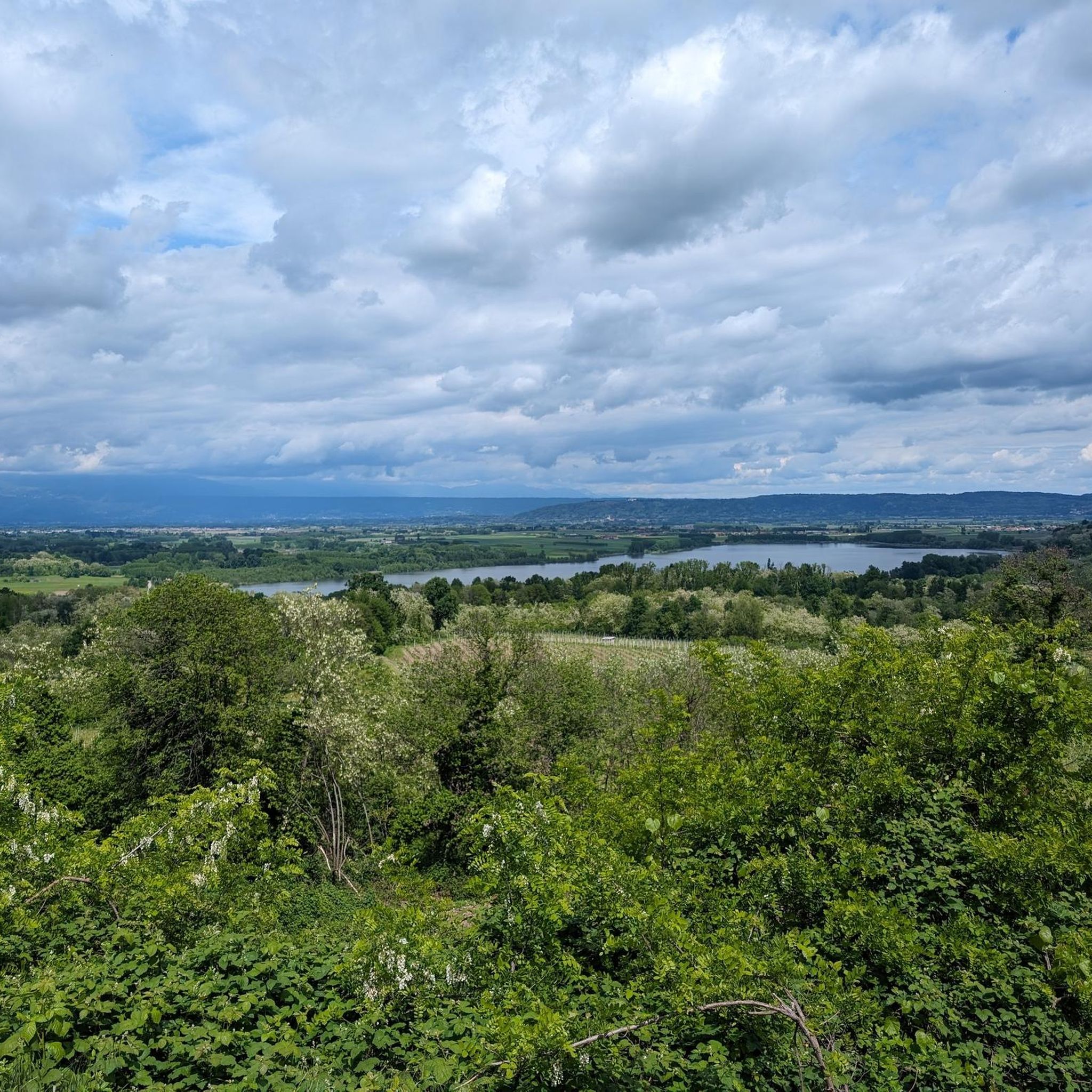
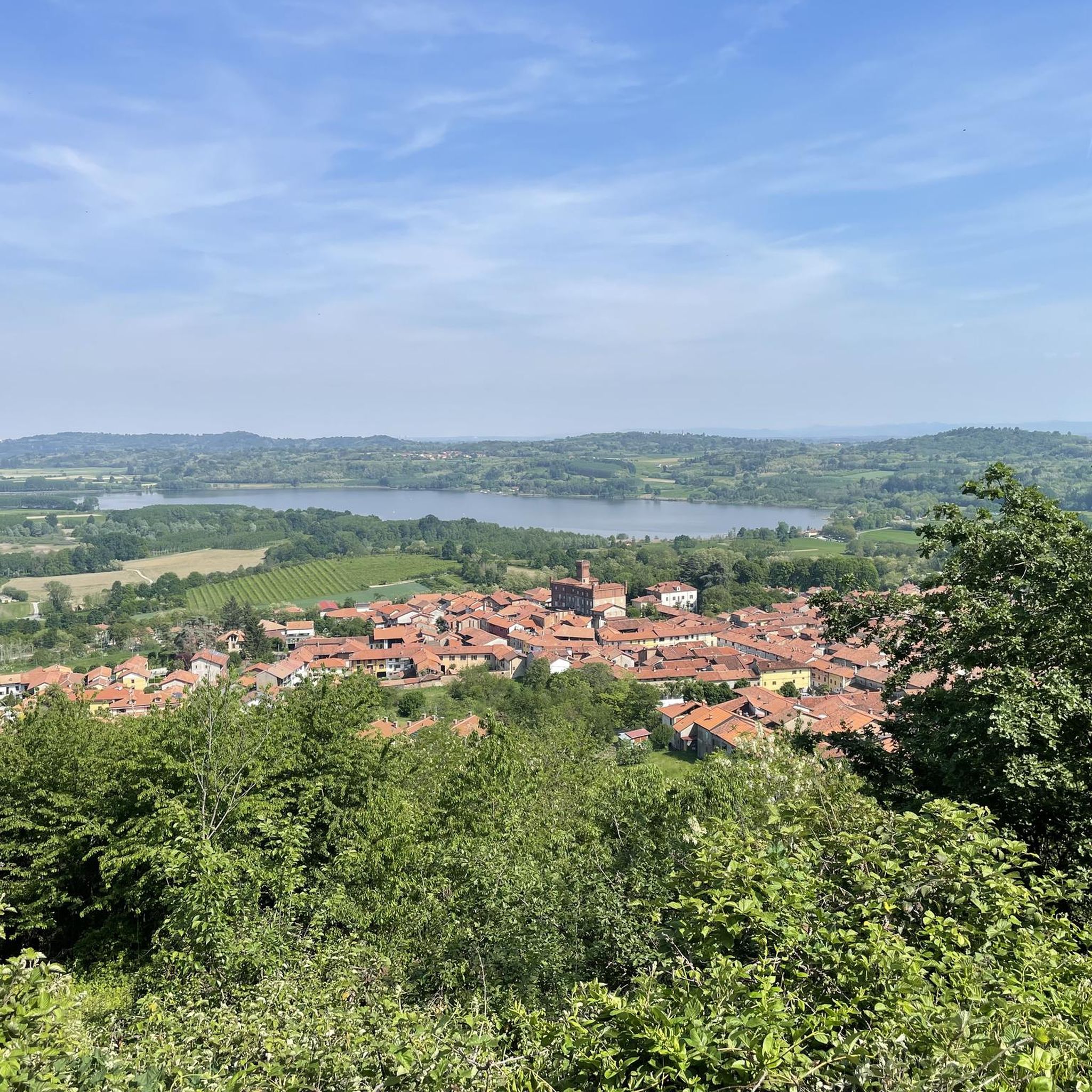
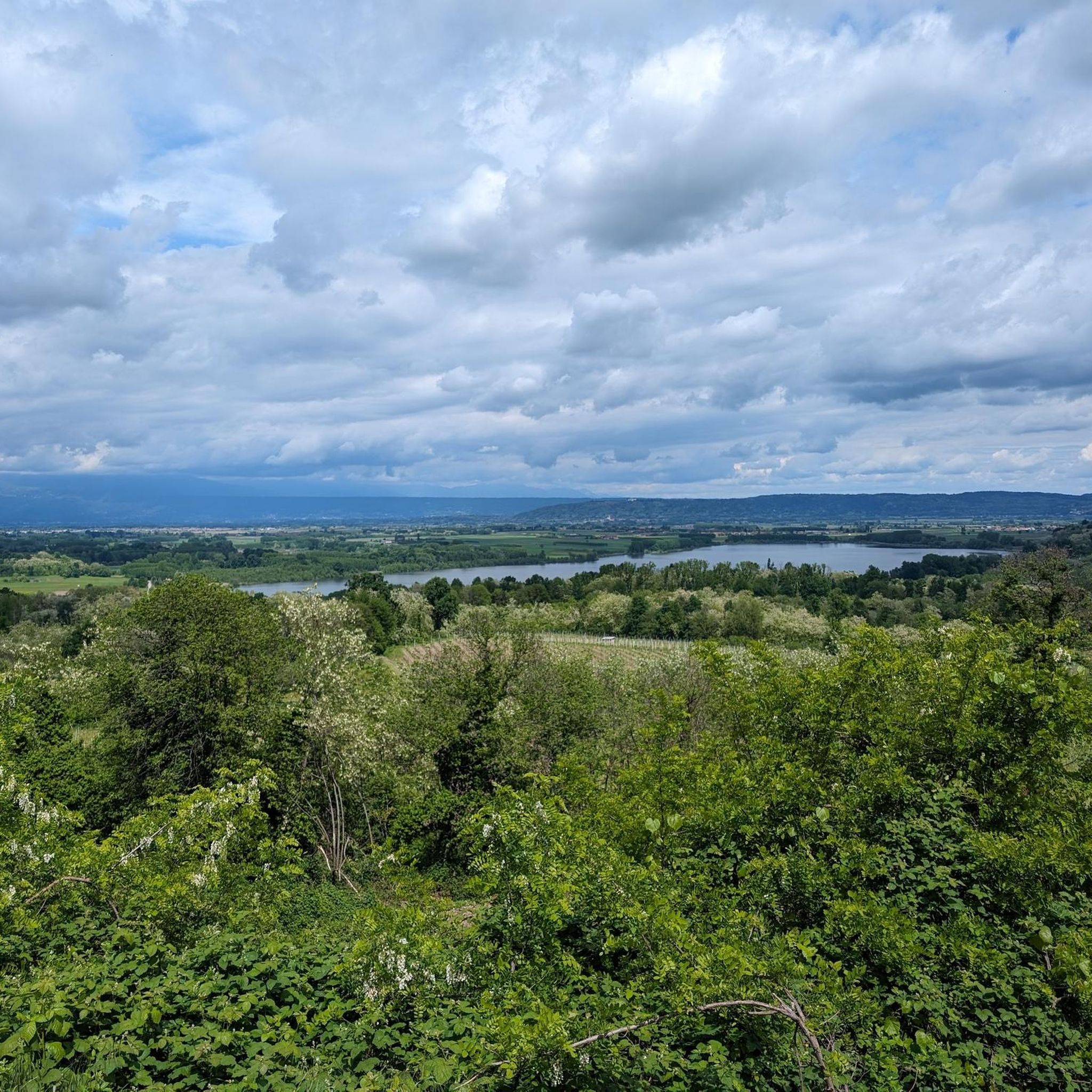
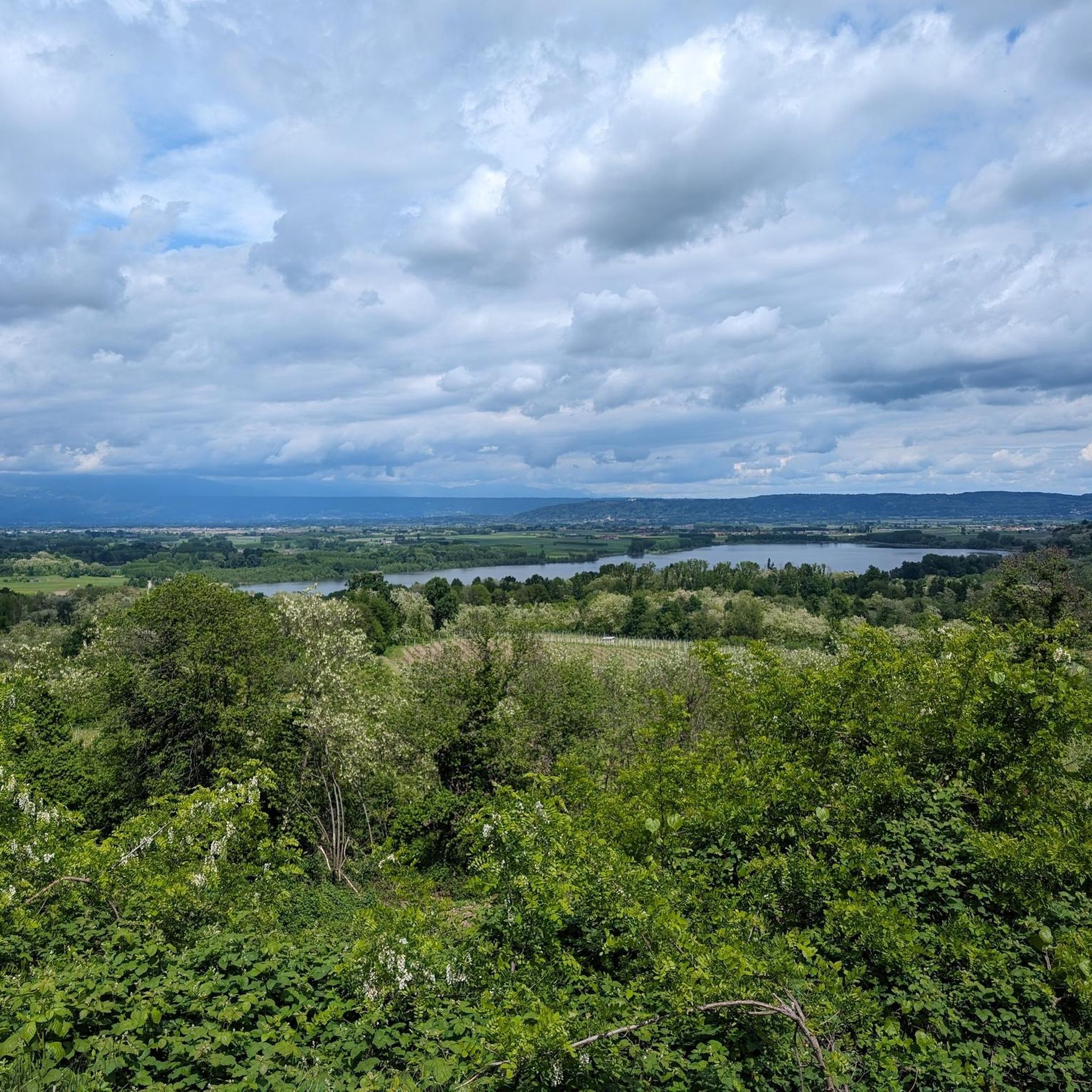
Lake Candia (in Piedmontese lagh ëd Candia), located in the municipality of Candia, in the Canavese area, about thirty kilometers from Turin, is the last highly natural lake basin in the Piedmontese Po Valley, before the mountain barrier represented by the Western Alps.
0
0

The area depicted in these images is located a short distance from the parking lot where it's best to leave your car and explore (on foot or by bike) the countless trails that surround the lake. This is one of the few truly accessible areas along the entire perimeter because, perhaps to protect the lake's fragile ecosystem, the trail that circles it is kept at a constant distance. In any case, aside from the lake, the entire surrounding rural area is worth a visit, still pleasantly unspoiled. A trip in autumn is highly recommended for the myriad colors of the vegetation. Both cyclists and walkers should be careful, as I didn't notice any distinction between trails reserved for mountain bikes and those reserved for pedestrians; many secondary paths have dead ends!
0
0

Beautiful old town with imposing buildings and views of the mountains.
0
0

we were lucky enough to find it open and so in addition to the bike ride, there was also a Christian visit to the crypt
0
0

The castle is beautiful but not open to visitors. The view from the park in the square in front of the nearby church is beautiful...
0
0
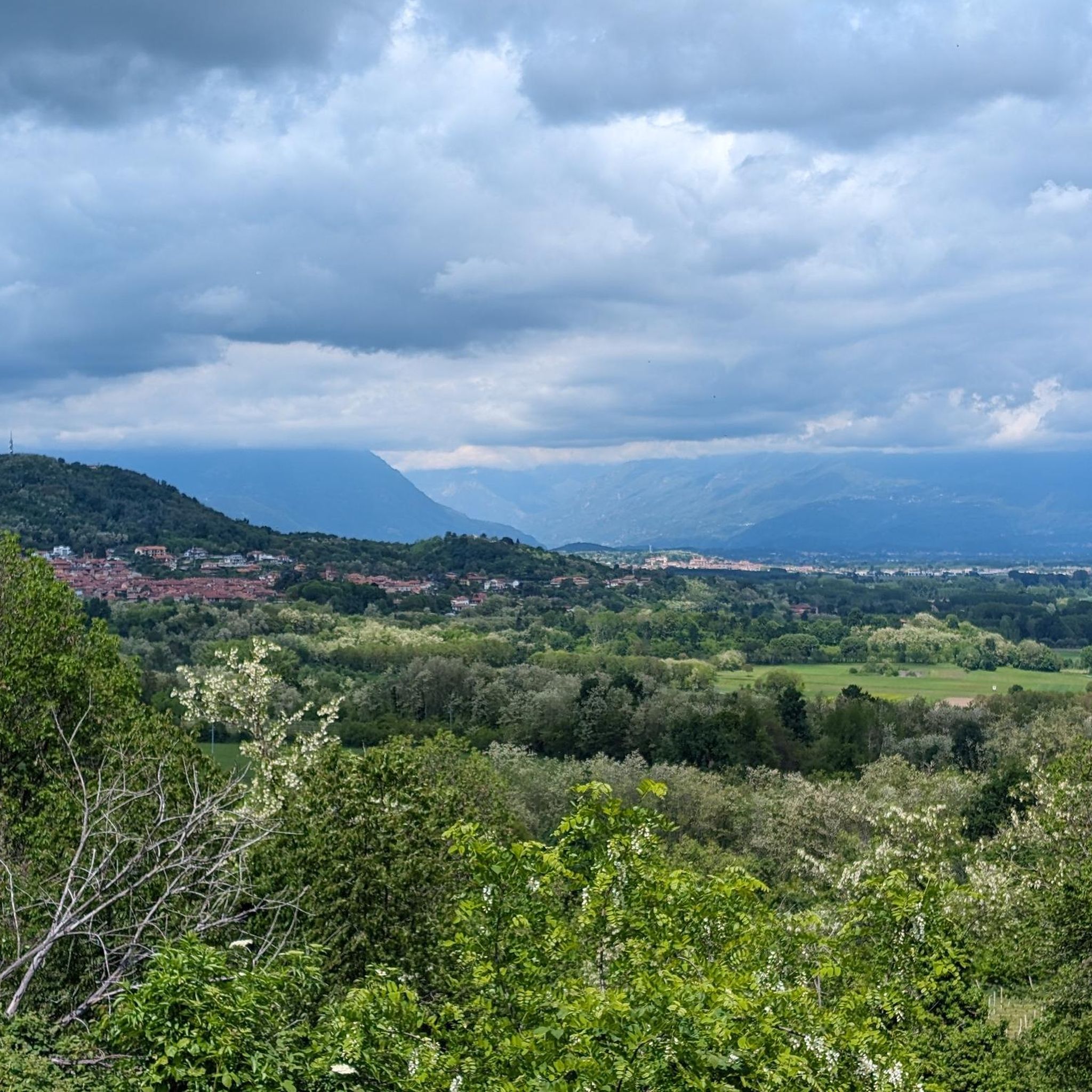
View from the park on the Dora river, on the dam and on the surrounding villages: Villareggia - Cigliano - Saluggia and on clear days up to the Monferrato hills
0
0
A photo on the park's pier is a must. Stunning view...
0
0
After crossing Vialfrè along via Roma and via Borghetto, after a trail that runs alongside a fence you find yourself... in a meadow! Luckily, a providential sign guides you, to the left, to the start of the erratic boulders trail, other signs, to follow, show the right path first along an asphalt road, finally, with another left turn at a hairpin bend, back on the right path. Here begins a nice flowing stretch, never difficult (S2 max), but not at all trivial, because the ground, almost always pebbly, requires constant attention when driving. The trail is not critical, in the sense that, even "skipping" some deviations, you still find yourself on other paths almost parallel to the one I took. In the end, all the paths converge almost in the same point... in front of the highway to Aosta: following the trail, other nice paths lead to Villate.
0
0
Frequently Asked Questions
What historical sites can I visit in and around San Giusto Canavese?
San Giusto Canavese itself features the Romanesque-style Church of San Giusto and the Church of Saints Fabian and Sebastian. Nearby, you can explore the enchanting village of Agliè - the historic town center, which boasts a rich history and the impressive Ducal Castle. Another significant historical site is the Sanctuary of the Blessed Virgin of Sorrows of Cuceglio, a Baroque-style sanctuary offering panoramic views.
Can I visit Mazzè Castle?
The Mazzè Castle, a medieval castle that belonged to the Valperga family, offers splendid views of the Dora Baltea river. However, it has been privately owned since the late 1970s and is generally not open to visitors. Some sources mention it houses a museum of torture, but public access is limited.
What natural attractions are there around San Giusto Canavese?
The region is characterized by hilly landscapes and surrounded by woods at the foot of the Alps. A prominent natural highlight is Lake Candia, located between Chivasso and Ivrea. It's part of the Natural Park of Lake Candia, where you can walk or cycle around the lake, though some sections might be hidden by vegetation.
Are there opportunities for outdoor activities like hiking or cycling near these attractions?
Yes, the hilly landscapes and surrounding woods provide excellent opportunities for outdoor activities. You can find various routes for running, gravel biking, and cycling. For instance, there are cycling routes like the 'Lake Candia – Caluso Vineyards loop' or the 'Mazzè Castle – Caluso Vineyards loop'. You can explore more options on the Running Trails around San Giusto Canavese, Gravel biking around San Giusto Canavese, and Cycling around San Giusto Canavese guide pages.
Are there any easy walks or trails suitable for beginners around San Giusto Canavese?
While specific 'easy' trails are not detailed, the Natural Park of Lake Candia offers paths around Lake Candia that are suitable for walking. The area's general hilly landscape also suggests various walking routes. For more structured options, check the Running Trails around San Giusto Canavese guide, which includes moderate difficulty loops that might be suitable for a leisurely walk.
Are there family-friendly attractions around San Giusto Canavese?
Absolutely. Lake Candia is a popular spot for families, especially in summer, offering opportunities for walking or cycling within its Natural Park. The historic village of Agliè - the historic town center, with its castle and charming streets, can also be an engaging visit for families.
What is the best time to visit the Canavese region?
The Canavese region, including San Giusto Canavese, is beautiful throughout the warmer months. Summer is particularly popular for activities around Lake Candia. Spring and autumn offer pleasant temperatures for exploring historical sites and enjoying outdoor activities like hiking and cycling without the peak summer heat.
Can I bring my dog on trails in the Canavese region?
Many natural areas and trails in the Canavese region, including those around Lake Candia, are generally dog-friendly. However, it's always advisable to keep dogs on a leash, especially in protected natural parks or near wildlife, and to check for any specific local regulations before your visit.
Are there any viewpoints offering scenic vistas in the area?
Yes, several locations offer beautiful views. Mazzè Castle provides a splendid view of the Dora Baltea river. The Sanctuary of the Blessed Virgin of Sorrows of Cuceglio is situated at a unique panoramic point, dominating the entire plain. Additionally, the area around Lake Candia offers picturesque stops to observe the landscape.
What do visitors enjoy most about the attractions around San Giusto Canavese?
Visitors particularly appreciate the historical significance of sites like Mazzè Castle and the charming atmosphere of Agliè - the historic town center. The natural beauty of Lake Candia and its surrounding park is also highly valued, especially by families. The Romanesque Church of Santo Stefano in Candia is noted for its accessibility and picnic facilities.
Are there any significant religious buildings to visit?
Within San Giusto Canavese, you can find the historic Church of San Giusto and the Church of Saints Fabian and Sebastian. Nearby, the Romanesque Church of Santo Stefano in Candia is a notable religious building, reachable by road or paths, and features picnic tables. Another important site is the Baroque-style Sanctuary of the Blessed Virgin of Sorrows of Cuceglio, which offers a panoramic view.
Most popular routes around San Giusto Canavese
Most popular attractions around San Giusto Canavese

Get inspired with the komoot mobile app


Explore more
Still not found the Highlight you’re looking for? See guides of the top attractions in other regions:
