Top 9 Natural Monuments around Santo Stefano Roero
Best natural monuments around Santo Stefano Roero are characterized by the dramatic geological formations known as the Rocche del Roero. These features include deep gullies, cliffs, and sandy walls, shaped by erosion over thousands of years. The landscape offers insight into the region's ancient geological history, revealing marine fossils from a bygone era. Trails like the Sentiero del Gioco provide views of these formations and the surrounding Roero countryside.
Best natural monuments around Santo Stefano Roero
- The most popular natural…
Last updated: June 26, 2026
Pralormo Castle
Highlight • Castle
Translated by Google •
Tip by

La Castagna Granda
Highlight • Natural Monument
Translated by Google •
Tip by

Sign up now to discover places like this
Get recommendations on the best single tracks, peaks, & plenty of other exciting outdoor places.
Sign up for free
Sanctuary of the Piloni of Montà
Highlight • Religious Site
Translated by Google •
Tip by
Castagna Granda Monumental Chestnut Tree
Highlight • Natural Monument
Translated by Google •
Tip by

Cave of the Hermit's Rock
Highlight • Cave
Translated by Google •
Tip by

Sign up for free to discover even more natural monuments around Santo Stefano Roero.
Sign up for free
Already have an account?
Start today with a free account
Your next adventure awaits.
Login or Signup
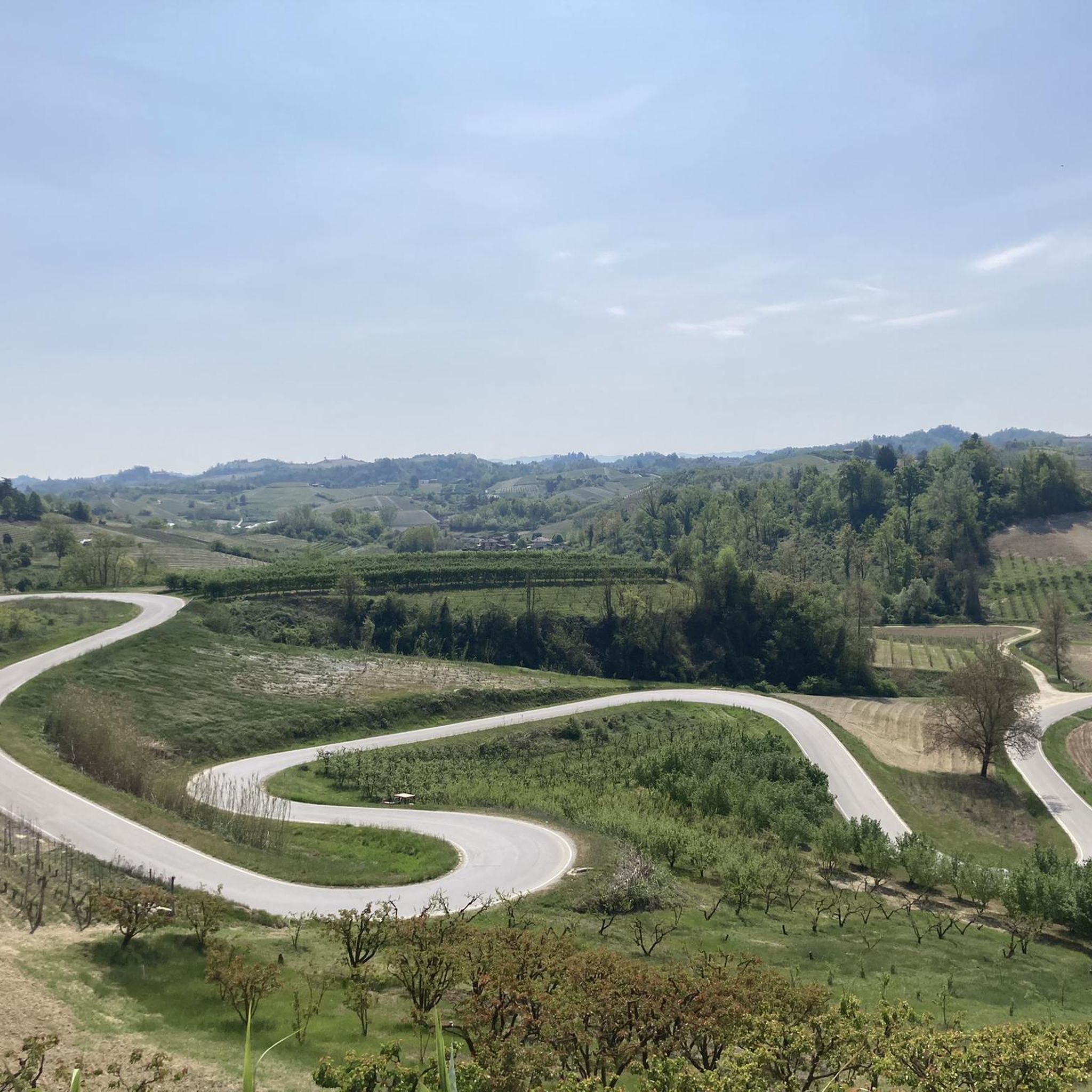
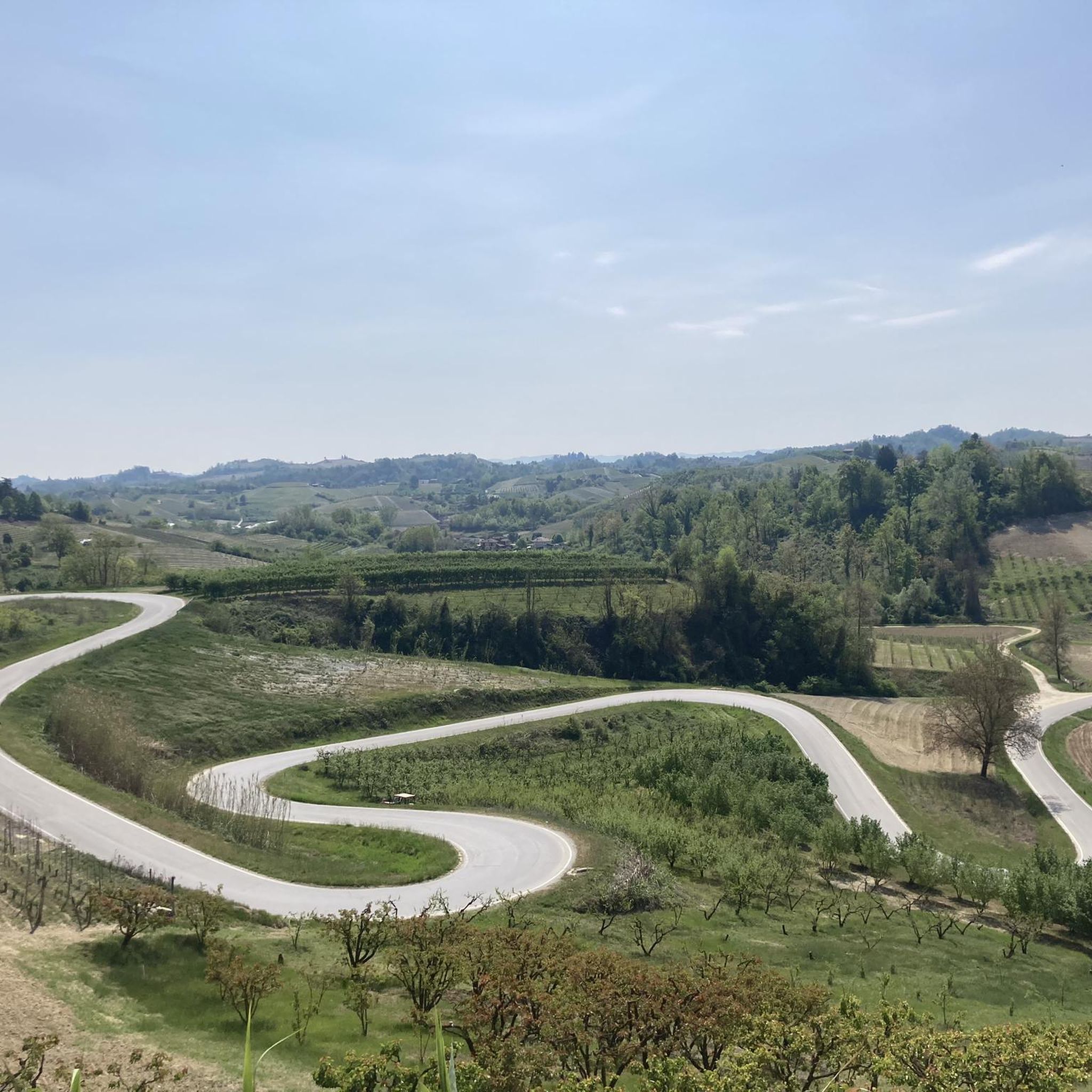
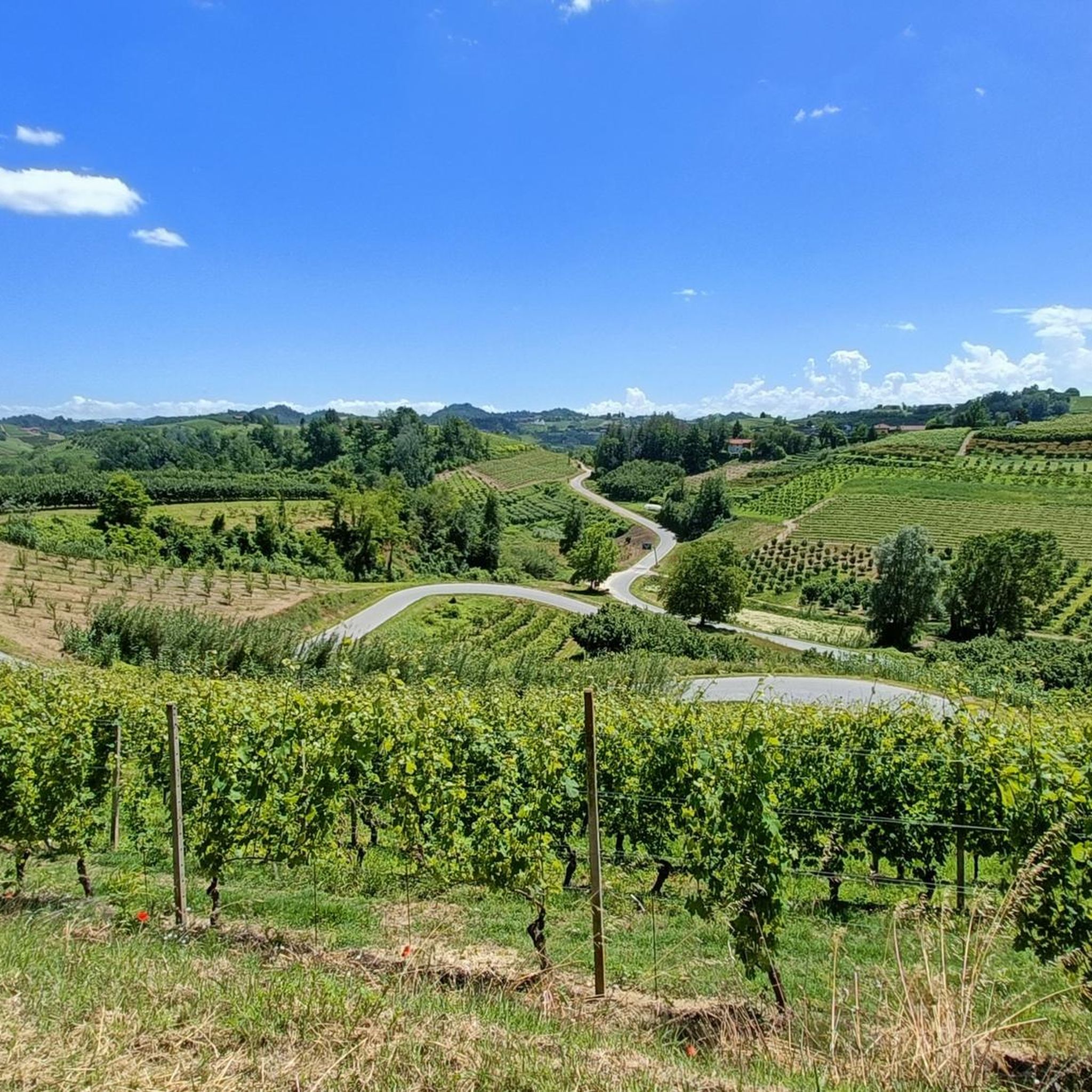
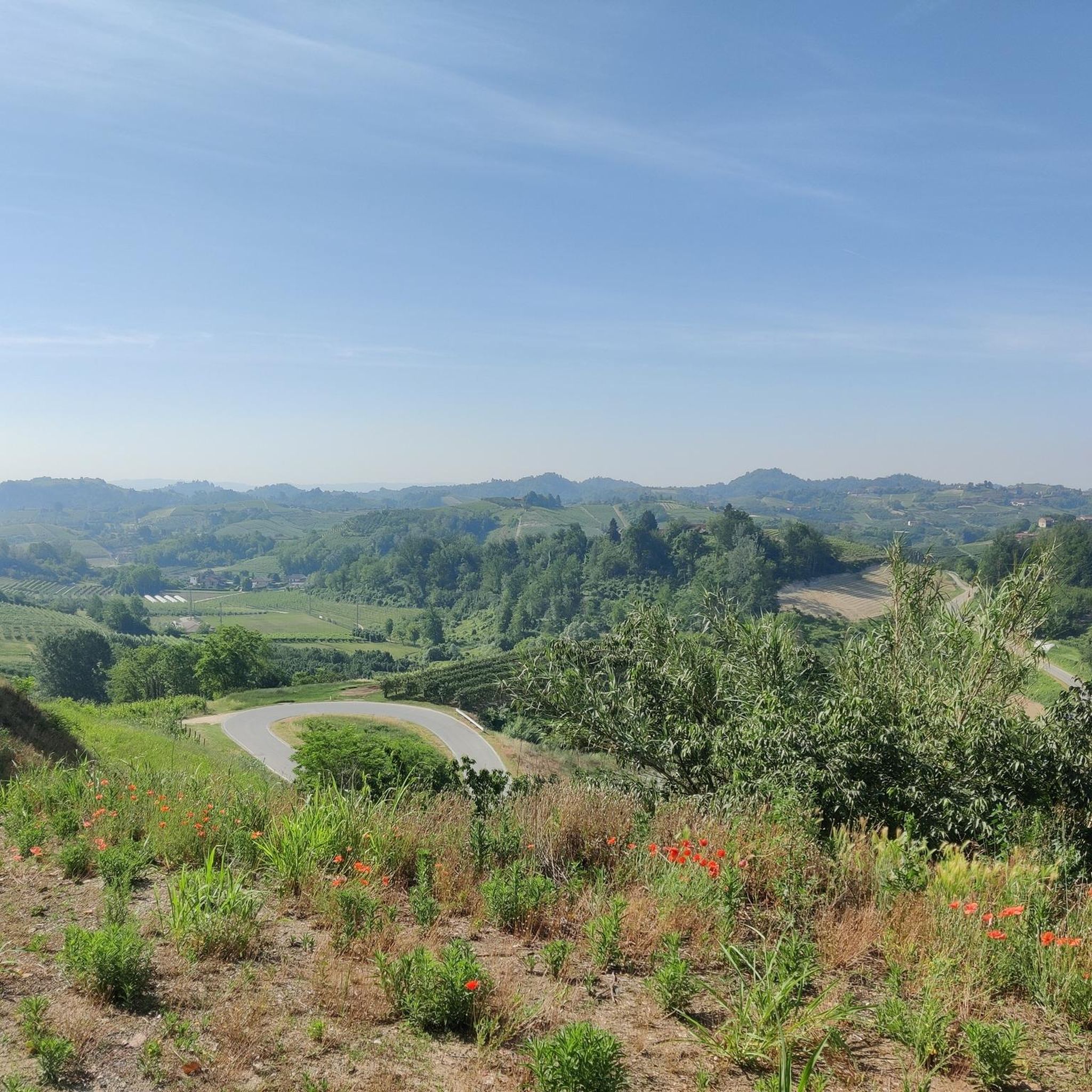
Tips from the Community

Castle in the town center, known for its tulip display in spring 🌷
0
0

This trail has two entrances and a slight elevation gain. If you arrive in San Grato and drive up, the hike takes just over an hour, and the chestnut tree is located along the way and is clearly visible.
0
0


On the Castagna Granda Path, we find the protagonist, that is, this imposing centuries-old chestnut tree
3
0

The famous cave from which you can see the rocks. Be careful, potentially dangerous area due to cliffs.
2
0

Extremely characteristic point, after reaching it we turned back as the path that continues is very unstable
0
0
Frequently Asked Questions
What are the defining natural features of Santo Stefano Roero?
Santo Stefano Roero is primarily defined by the dramatic geological formations known as the Rocche del Roero. These features include deep gullies, cliffs, and sandy walls, shaped by erosion over thousands of years. The landscape offers insight into the region's ancient geological history, revealing marine fossils from a bygone era.
Are there any monumental trees to visit in Santo Stefano Roero?
Yes, the area is home to impressive ancient trees. You can visit La Castagna Granda, an imposing centuries-old chestnut tree that gives its name to a local path. Another notable example is the Castagna Granda Monumental Chestnut Tree, a specimen over 400 years old with a circumference exceeding 10 meters, located in a meadow with other ancient chestnuts.
Where can I find unique viewpoints of the Rocche del Roero?
For characteristic views of the Rocche, visit the area around the Cave of the Hermit's Rock. This spot is known for its distinctive vantage point overlooking the dramatic rock formations. The Sentiero del Gioco also offers panoramic views as it winds along the steep amphitheaters of the Rocche.
What kind of outdoor activities can I do near the natural monuments?
The natural monuments are surrounded by opportunities for various outdoor activities. You can find numerous running trails, such as the 'Church of San Vito loop from Montà' or 'Running loop from Santo Stefano Roero'. For cycling enthusiasts, there are options for gravel biking and road cycling, including routes like 'Guarene Viewpoint – View of Castellinaldo d'Alba loop from Cisterna d'Asti' or 'Historic center of Pollenzo – Michele Ferrero Square loop from Santo Stefano Roero'. You can explore these and more on the respective guide pages for Running Trails, Gravel Biking, and Cycling around Santo Stefano Roero.
Are there family-friendly trails or natural monuments in the area?
Yes, several natural monuments and trails are suitable for families. Both La Castagna Granda and the Castagna Granda Monumental Chestnut Tree are located along easy paths. The Chestnut Trail Granda, for instance, is a simple path leading to the monumental chestnut in a flat meadow, making it accessible for families. The Sanctuary of the Piloni of Montà also offers a quiet place with a picnic area, suitable for a family outing.
What is the best time of year to visit the natural monuments of Santo Stefano Roero?
The Rocche del Roero and surrounding trails can be explored throughout the year. However, spring and autumn offer pleasant temperatures for hiking and cycling, with vibrant flora in spring and beautiful foliage in autumn. Sturdy footwear is recommended, especially after rain or during thaws, due to the sandy terrain.
Are there any historical or cultural sites connected to the natural monuments?
Yes, the trails often link natural wonders with historical and cultural sites. For example, the Sentiero del Gioco connects to the ancient cultural site of Sacro Monte dei Piloni. Additionally, the Sanctuary of the Piloni of Montà is a significant religious and historical site located in a tranquil area, featuring a Romanesque church, a cave, and chapels depicting the passion of Christ.
Can I bring my dog to the natural monuments and trails?
While specific dog-friendly policies for each monument are not detailed, many natural trails in the Roero region, including those around the Rocche, are generally accessible for dogs on a leash. It's always advisable to ensure your dog is well-behaved and to clean up after them to preserve the natural environment.
What should I wear when hiking the trails around Santo Stefano Roero's natural monuments?
Given the varied terrain, which includes sandy walls and potentially steep sections, sturdy footwear is highly recommended. Depending on the season, layers of clothing are advisable, as microclimates within the Rocche can vary. Always check the weather forecast before your visit.
Are there any cafes or places to eat near the natural monuments?
While specific cafes directly on the trails are not mentioned, Santo Stefano Roero and nearby towns offer various options for refreshments and meals. It's a good idea to check local listings or plan your visit to include stops in the villages for cafes and pubs.
What makes the Rocche del Roero geologically significant?
The Rocche del Roero are a unique geological phenomenon resulting from erosion that began approximately 250,000 years ago when the Tanaro River diverted its course. This process carved profound ravines and badlands into sandy terrain that was once a seabed, still yielding marine fossils. They offer a rare insight into the region's ancient geological history.
How long does it take to explore the natural monuments?
The duration of your visit depends on the specific monuments and trails you choose. For instance, the Sentiero del Gioco is approximately 5 kilometers long and can take a few hours to complete, offering panoramic views. Visiting individual monumental trees or viewpoints might take less time, allowing for a more relaxed exploration.
Most popular routes around Santo Stefano Roero
Most popular attractions around Santo Stefano Roero

Get inspired with the komoot mobile app


Explore more
Extend your search for the best caves by checking out these guides of the top ones around Santo Stefano Roero:
