Attractions and Places To See around Casalbeltrame - Top 20
Best attractions and places to see around Casalbeltrame include a blend of cultural richness and natural beauty. This "Cittaslow" is characterized by its agricultural heritage and the surrounding rice paddies, which are integral to the local landscape and economy. The area offers significant cultural sites, historical landmarks, and extensive natural features for exploration. Its proximity to the Sesia River further enhances the natural setting.
Best attractions and places to see around Casalbeltrame
- The most popular attractions is Basilica of San…
Last updated: June 24, 2026
Basilica of San Gaudenzio
Highlight • Religious Site
Translated by Google •
Tip by

Lame del Sesia Natural Park
Highlight • Natural
Translated by Google •
Tip by

Sign up now to discover places like this
Get recommendations on the best single tracks, peaks, & plenty of other exciting outdoor places.
Sign up for free
Visconti-Sforza Castle (Novara)
Highlight • Castle
Translated by Google •
Tip by

Basilica of Saint Andrew of Vercelli
Highlight • Religious Site
Translated by Google •
Tip by

Palazzo Natta
Highlight • Historical Site
In the place, already in Roman …
Translated by Google •
Tip by

Sign up for free to discover even more attractions around Casalbeltrame.
Sign up for free
Already have an account?
Start today with a free account
Your next adventure awaits.
Login or Signup

Tips from the Community

Palazzo Natta is an ancient historical-noble palace in the city of Novara, in Piedmont. Today it houses the Province of Novara and the prefecture. In the place, already in Roman times near the Cardo (corresponding to the Cavour and Mazzini courses) and the Decumanus (corresponding to the Cavallotti and Italia courses), there was the aristocratic district of the city in the Middle Ages, called Contrada delle torri lunghe. Around the 13th century the Counts Caccia di Mandello and Castellazzo, a noble and ancient family from Novara, built their residence there, of which the civic tower with the clock is preserved today; documented as early as 1268 and called Torre grande. Later the building was acquired by the Natta d'Alfiano and Natta Isola di Casale families, who rebuilt and enlarged it between the 16th and 18th centuries. The main project of 1580 is attributed to the famous architect Pellegrino Tibaldi, who composed a square-plan palace centered on the internal porticoed courtyard and with a rear garden aligned perspectively on the main axis of the building. The courtyard, surrounded by a portico on Doric columns, has a compass rose made with river pebbles on the pavement, also repeated in the garden. A monumental staircase leads to the first floor, where the rooms are decorated with frescoes by the painter De Giorgi. After the unification of Italy, the palace was raised by one floor and the two final ramps were added to the staircase. The garden, restored in 1998, is centered on a fountain in pink Baveno marble and is closed by an eighteenth-century exedra in rocaille style that frames a trompe-l'œil. https://it.wikipedia.org/wiki/Palazzo_Natta
0
0
The chirch is impressive, doesn't matter to have double highlight
1
1
The Visconti-Sforza Castle of Novara is a castle located in the south-western border of the old center of Novara. It was erected on the former corner of the Roman and Middle Age walls that surrounded the city. The origin of the castle is connected to the transfer of Novara under the influence of Milan, taking place in the second half of the 13th century. In 1272 Francesco Della Torre (member of the family ruler of Milan), after taking over the city, ordered the construction of a fortification on the site belonged to the Tettoni family. In the 14th century, after the exchange of the ruling families from the Della Torre to the Visconti, the Lord of Milan Giovanni Visconti (1339-1354) paid again attention to Novara and had the castle built. The castle was strengthened by his successors Galeazzo II (1354-1378) and Gian Galeazzo (1378-1402). Works and repairs were done over the years by Francesco Sforza. His son, the duke Galeazzo Maria, carried out the major transformation of the building. https://en.wikipedia.org/wiki/Visconti-Sforza_Castle_(Novara)
0
0
Basilica of San Gaudenzio - you can see this church from a great distance, it shines above the rooftops and the other churches in the city. A guide to it. And when you are inside, you understand its height. Look up and be amazed at what has been built here.
1
0

Novara Castle is located in the city center
0
0

Impressive basilica, especially the mighty tower
4
0

This beautiful church was built in 1220, during a prosperous period. The style is a combination of Northern Gothic (vertical towers and octagonal bell tower) and the typical style from the Po Valley (triangular gable, arches and use of brick). The facade, a colorful whole of stone and marble, is flanked by high towers and has three vaulted porches; The tympanums are probably by sculptor Benedetto Antelami. The very massive bell tower (right) dates from the 15th century. The sober interior with three naves has a choir with wooden inlay and the funerary monument (14th century) of Tomasso Gallo, first abbot of the basilica (second chapel in the right transept). The left aisle leads to the monastery buildings and to the cloister, which offers beautiful views of the complex.
7
0

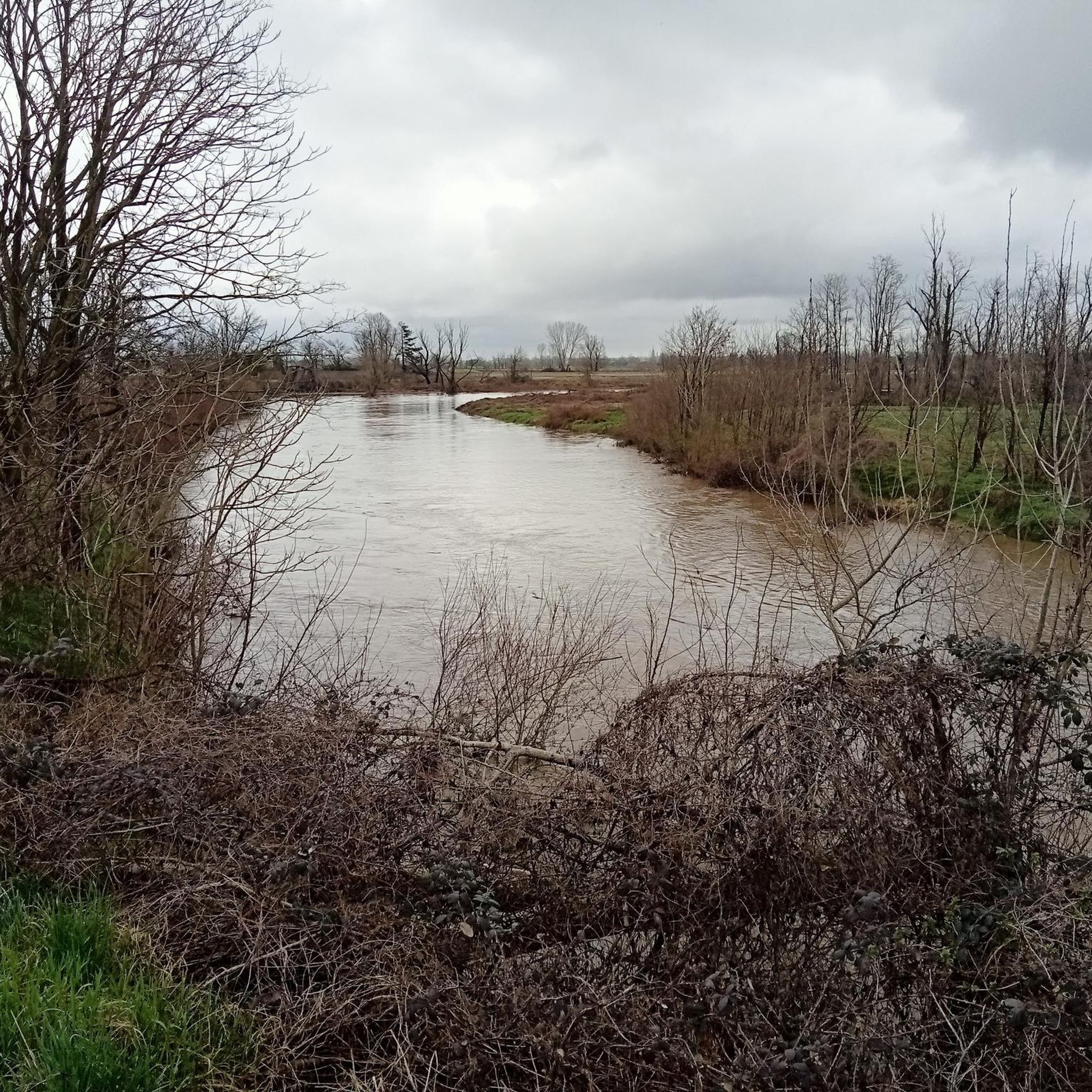
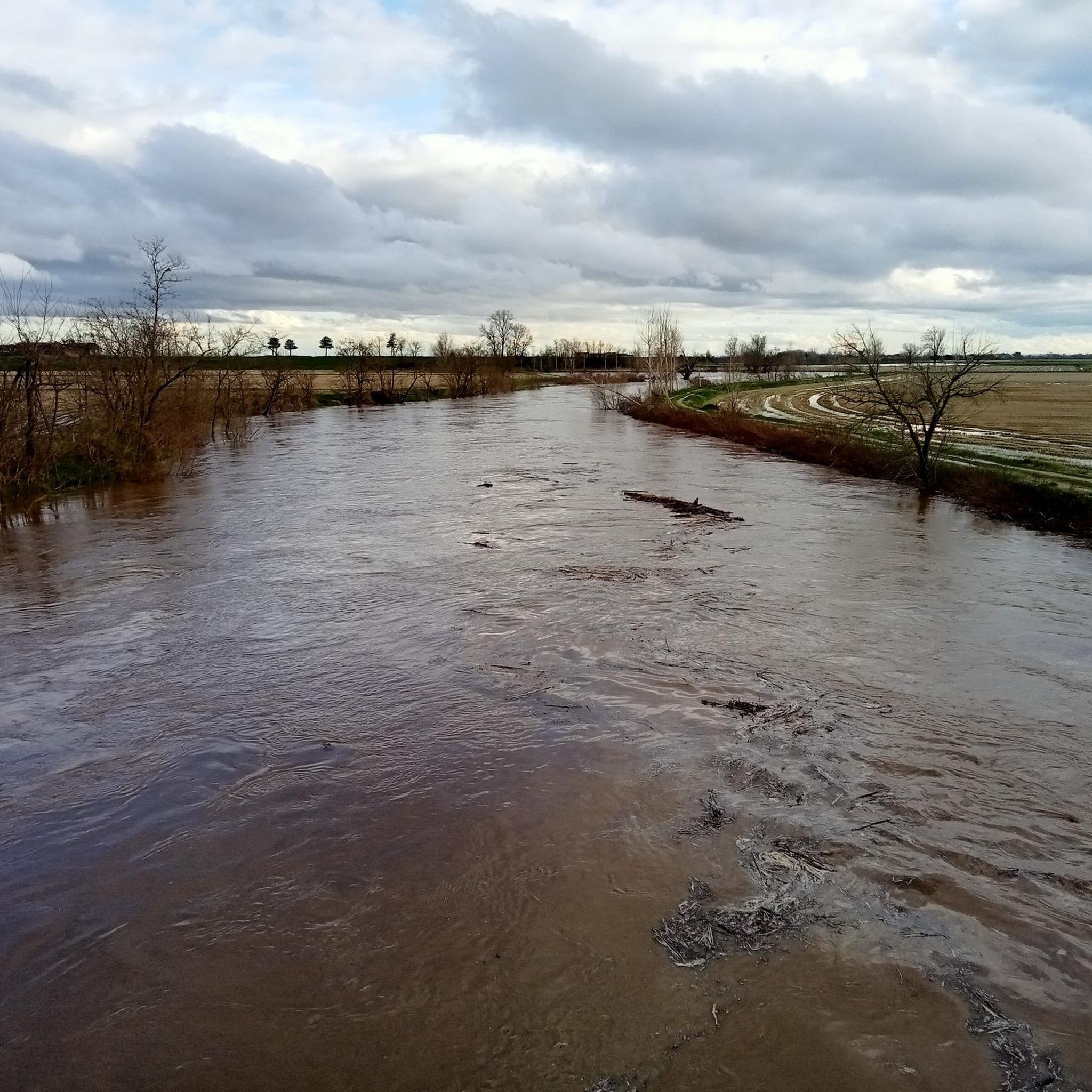
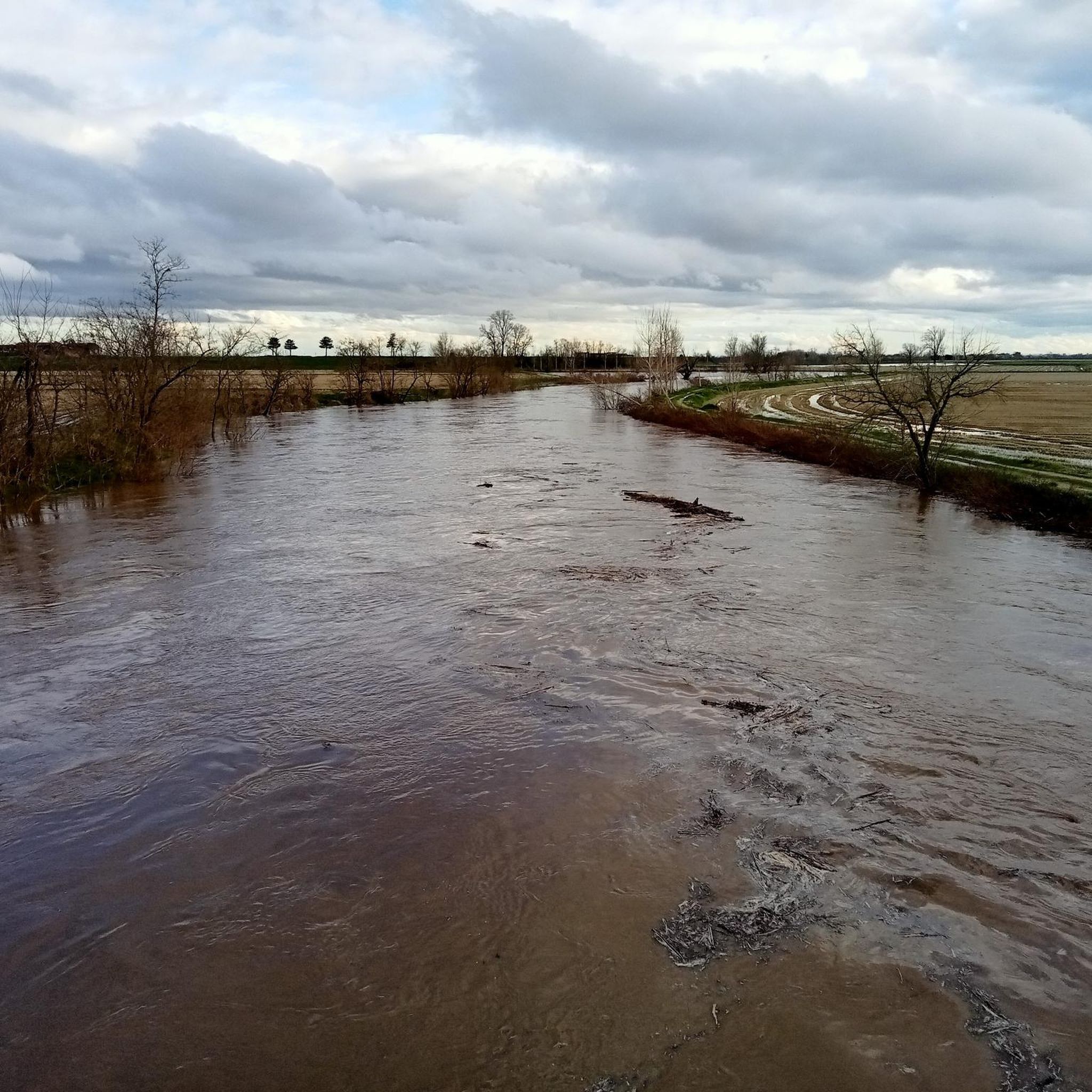
The Lame del Sesia park extends over an area of approximately 900 hectares along a stretch of almost 8 kilometers of the Sesia river, located between the provinces of Novara and Vercelli. The river environment, enriched by blades, meanders, bodies of water, woods, gravels and sands, constitutes an important natural oasis in stark contrast to the surrounding landscape characterized by rice monoculture.
2
0
Frequently Asked Questions
What natural attractions and wildlife can I experience in Casalbeltrame?
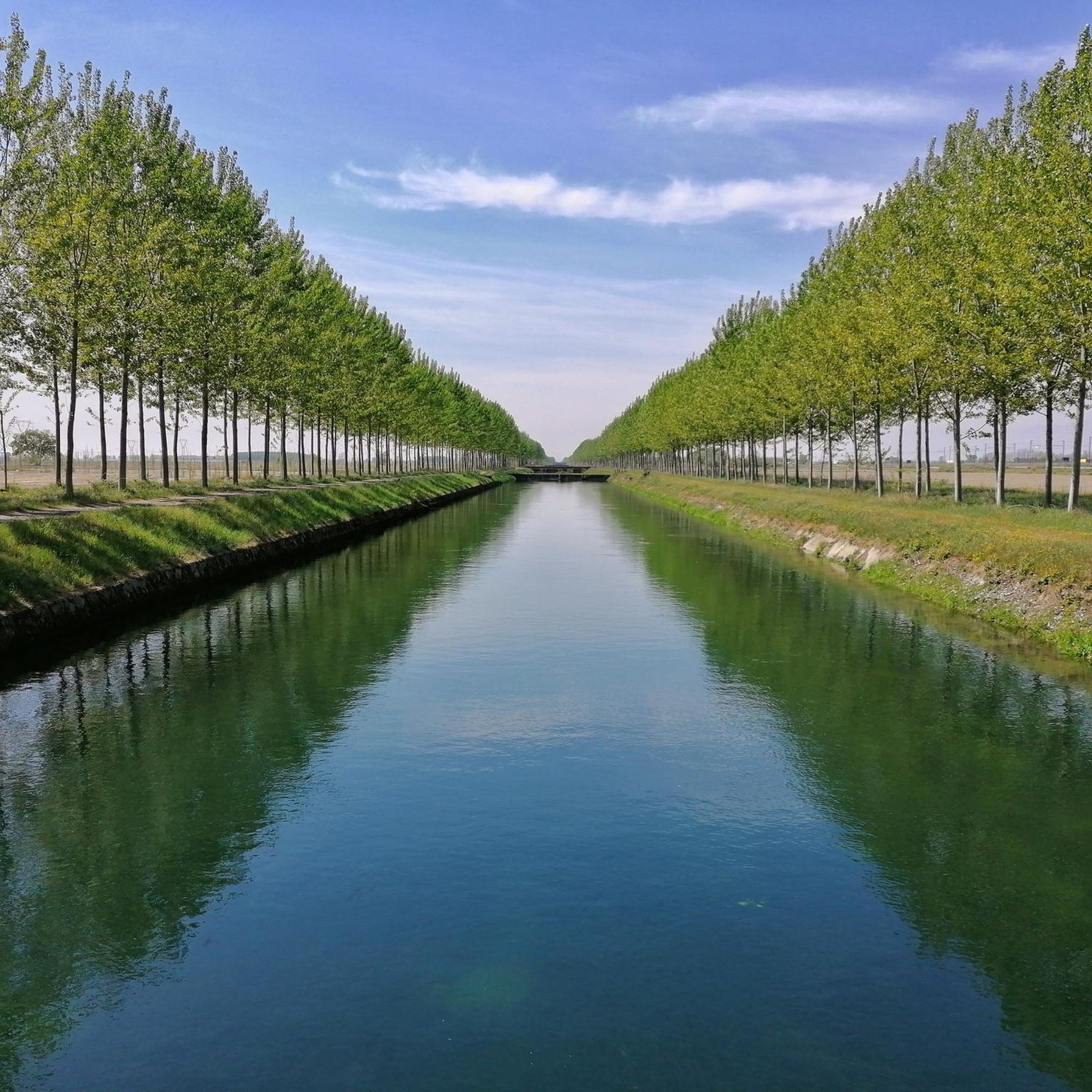
Casalbeltrame is rich in natural beauty, particularly the Riserva Naturale della Palude di Casalbeltrame. This extensive 640-hectare nature reserve is part of the Lame del Sesia Natural Park and is critical for its rich biodiversity, especially its avifauna, with approximately 200 bird species observed. You can also explore the Lame del Sesia Natural Park itself, which features a diverse river environment with meanders, bodies of water, woods, gravels, and sands. The surrounding landscape is dominated by picturesque rice paddies, known for the cultivation of "riso venere," offering beautiful views, especially when flooded.
What historical and cultural sites should I visit in Casalbeltrame?
Casalbeltrame offers several unique historical and cultural sites. Don't miss the Ethnographic Museum of the Agricultural Tool ("L'Civel"), housed within the 17th-century Cascinale dei Nobili, which tells the story of rice cultivation and rural life. The village also features the distinctive "Matrioska Churches" on the main square, and remnants of its ancient Ricetto Walls and Medieval Bell Tower. For art enthusiasts, Villa Gautieri hosts a gallery of plaster casts and the "Materima" private art gallery.
Are there any religious landmarks worth visiting in the area?
Yes, the region boasts significant religious landmarks. In Novara, you can visit the impressive Basilica of San Gaudenzio, famous for its iconic Dome by Alessandro Antonelli, a daring masonry construction. Within Casalbeltrame, there's the Parish Church on the main square, and the Church in Fisrengo, which features a 16th-century fresco depicting "Madonna delle Grazie."
What kind of outdoor activities and trails are available near Casalbeltrame?
The area around Casalbeltrame is excellent for outdoor activities. You can find various routes for hiking, road cycling, and mountain biking. For hiking, explore trails like the "Sentiero Novara countryside walk" or "From Orfengo to Granozzo through Piedmont rice paddies." Cyclists can enjoy routes such as the "Cavour Via Railway Underpass loop" for road cycling or the "Along the Sesia for 8 km – Casalbeltrame Oasis loop" for mountain biking. You can find more details on these and other routes in the Hiking around Casalbeltrame, Road Cycling Routes around Casalbeltrame, and MTB Trails around Casalbeltrame guides.
What is the best time of year to visit Casalbeltrame?
The best time to visit Casalbeltrame largely depends on your interests. For birdwatching and experiencing the lushness of the rice paddies, spring (April-May) and autumn (September-October) are ideal. Spring brings migratory birds to the nature reserve, and the rice paddies are often flooded, creating beautiful reflections. Autumn offers pleasant weather for outdoor activities and the harvest season. Summer can be warm but is also a good time to see the rice paddies in full growth.
Are there family-friendly attractions in Casalbeltrame and its surroundings?
Yes, several attractions are suitable for families. The Ethnographic Museum of the Agricultural Tool ("L'Civel") offers interactive exhibits that can engage children. Nature lovers of all ages will enjoy the Lame del Sesia Natural Park and the Riserva Naturale della Palude di Casalbeltrame for birdwatching and gentle walks. Historical sites like the Visconti-Sforza Castle (Novara) also offer an engaging experience for families interested in history.
What is unique about the rice paddies around Casalbeltrame?
The rice paddies surrounding Casalbeltrame are not just a scenic landscape but also a vital part of the local economy and culture. The area is particularly known for cultivating "riso venere," an unusual black rice of Chinese origin, recognized by the Slow Food Atlas. These paddies are an integral part of the Riserva Naturale della Palude di Casalbeltrame, providing habitat for numerous bird species and offering beautiful, ever-changing views throughout the seasons.
What do visitors enjoy most about the attractions near Casalbeltrame?
Visitors frequently appreciate the blend of historical depth and natural beauty. The architectural marvel of the Basilica of San Gaudenzio and its dome is often highlighted. The tranquility and diverse wildlife of the Lame del Sesia Natural Park are also highly praised. Many enjoy the unique cultural insights offered by sites like the Ethnographic Museum and the historical charm of the Visconti-Sforza Castle.
Are there any ancient farmsteads or historical buildings to explore?
Yes, Casalbeltrame is home to several significant historical buildings. The Cascinale dei Nobili, a splendid agricultural farmstead dating back to 1650, is a key landmark and houses the Ethnographic Museum. Additionally, the Ancient Farmstead of Sant'Apollinare is a historical site with origins dating back to the 10th century, offering a glimpse into the region's long past.
Where can I find more information about the Riserva Naturale della Palude di Casalbeltrame?
For more detailed information about the Riserva Naturale della Palude di Casalbeltrame, including visitor guidelines and specific features, you can visit the Italian Botanical Heritage website. This resource provides insights into the reserve's biodiversity and importance.
What is the Visconti-Sforza Castle in Novara known for?
The Visconti-Sforza Castle (Novara), located on the south-western border of Novara's old center, has a rich history dating back to the 13th century. It was erected on the former corner of the Roman and Middle Age walls and underwent significant transformations by the Visconti and Sforza families. Today, it serves as a museum complex and houses various associations, offering a deep dive into the region's medieval past.
Can I find any unique architectural ensembles in Casalbeltrame?
Absolutely. One of the most distinctive architectural ensembles in Casalbeltrame is the group of "Matrioska Churches" on the main square. These are five churches of varying sizes, three of which were transported from the countryside and rebuilt on-site, creating a truly unique and visually interesting landmark.
Most popular routes around Casalbeltrame
Most popular attractions around Casalbeltrame

Get inspired with the komoot mobile app


Explore more
Still not found the Highlight you’re looking for? See guides of the top attractions in other regions:
