Attractions and Places To See around Oleggio - Top 20
Best attractions and places to see around Oleggio include a blend of historical landmarks, cultural sites, and natural areas. Situated in the Piedmont region of Northern Italy, between the Ticino and Sesia rivers, Oleggio offers insights into Northern Italian life with a history dating back to Roman times. The area features significant man-made structures, ancient churches, and protected natural parks. Visitors can explore a diverse landscape that combines agricultural plains with river valleys and forested areas.
Best attractions and places to see around Oleggio
- The most popular attractions is Panperduto Dam, a man-made monument that serves as a significant hydraulic junction in Lombardy. From here, part of the Ticino river's waters are diverted to form the Villoresi canal, used for irrigation.
- Another must-see spot is Church of Saint Mary in Binda, a religious building from the 13th century. This FAI (Italian Environmental Fund) registered site features a cycle of early sixteenth-century frescoes, including a rare "dance of death" painting.
- Visitors also love Via Gaggio Outdoor War Museum, a historical site that highlights the area's history, including references to World War II and the German occupation. This open-air museum features several remains from the Second World War.
- Oleggio is known for its historical sites, religious buildings, and natural parks. The region offers a variety of attractions to see and explore, from ancient castles and museums to protected oases and river landscapes.
- The attractions around Oleggio are appreciated by the komoot community, with more than 880 upvotes and over 314 photos shared by visitors.
Last updated: July 6, 2026
Panperduto Dam
Highlight • Monument
Translated by Google •
Tip by

Church of Saint Mary in Binda
Highlight • Religious Site
Translated by Google •
Tip by

Sign up now to discover places like this
Get recommendations on the best single tracks, peaks, & plenty of other exciting outdoor places.
Sign up for free
Iron Bridge Over the Villoresi Canal
Highlight • Bridge
In the background the Monte Rosa massif and Monviso at sunset.
Translated by Google •
Tip by

Panperduto Dam
Highlight • Monument
Translated by Google •
Tip by

Via Gaggio Outdoor War Museum
Highlight (Segment) • Historical Site
Translated by Google •
Tip by

Sign up for free to discover even more attractions around Oleggio.
Sign up for free
Already have an account?
Start today with a free account
Your next adventure awaits.
Login or Signup
Tips from the Community

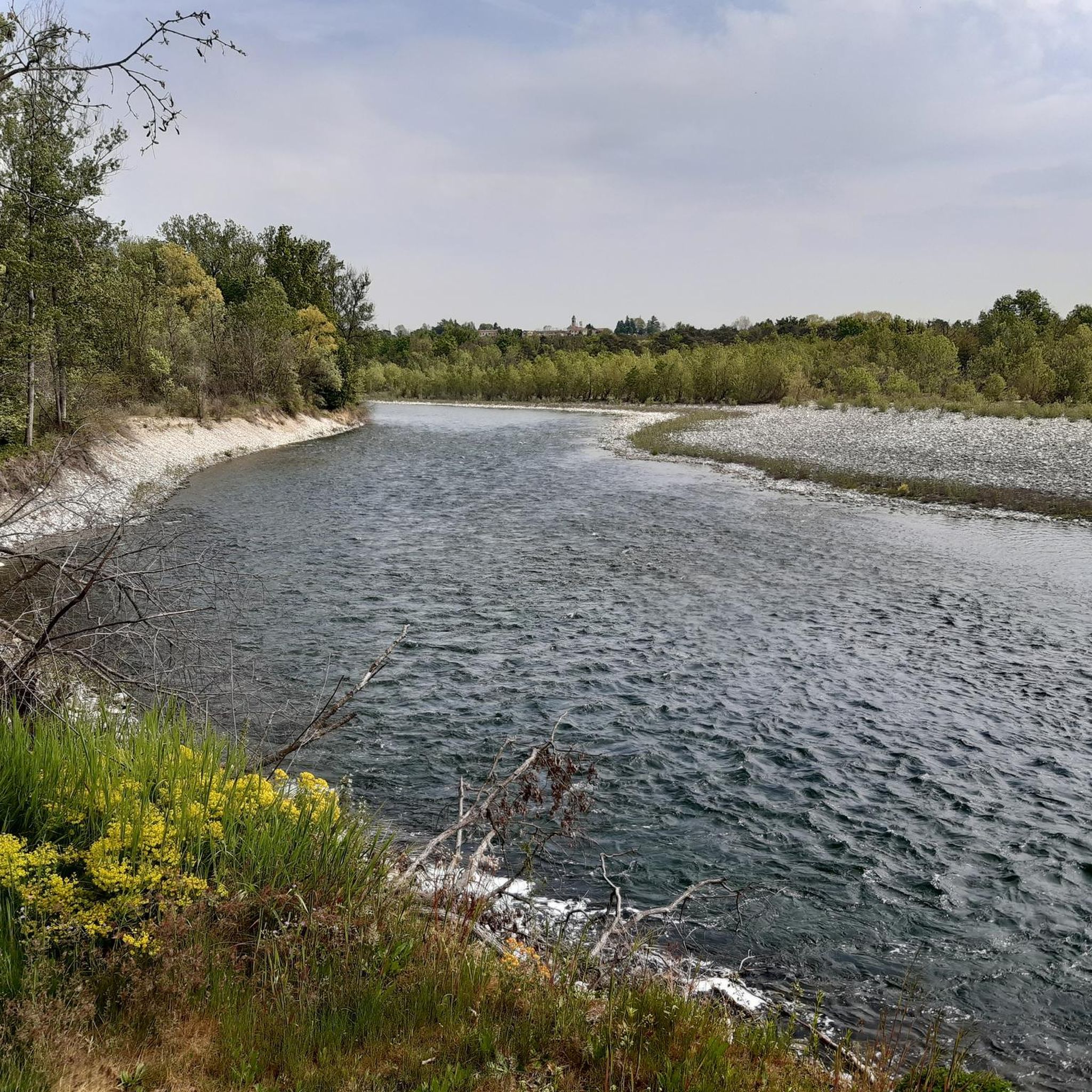
The unique name "Panperduto" derives mainly from the local dialect and ancient stories related to river navigation before the construction of the dam. In the past, commercial barges carrying goods or stones often collided with the rapids and rocky riverbeds of this stretch of the river, ending up capsizing and losing their entire cargo. This meant the loss of the entire day's work and the earnings needed to buy food, hence the saying "we lost the bread" (hence Panperduto).
0
0
La Diga del Panperduto (or rather, the Dighe del Panperduto) is one of Lombardy's most important and fascinating hydraulic junctions, located on the Ticino river in the municipality of Somma Lombardo, in the province of Varese. This monumental complex of hydraulic engineering dates back to the late 19th century (inaugurated in 1884) and mainly serves to divert the waters of the Ticino to feed two fundamental artificial canals: Villoresi Canal: used for irrigation purposes, guaranteeing water for over 100,000 hectares of agricultural land in the Po Valley. Industrial Canal: fundamental for the production of hydroelectric energy through various power plants in the area.
0
0

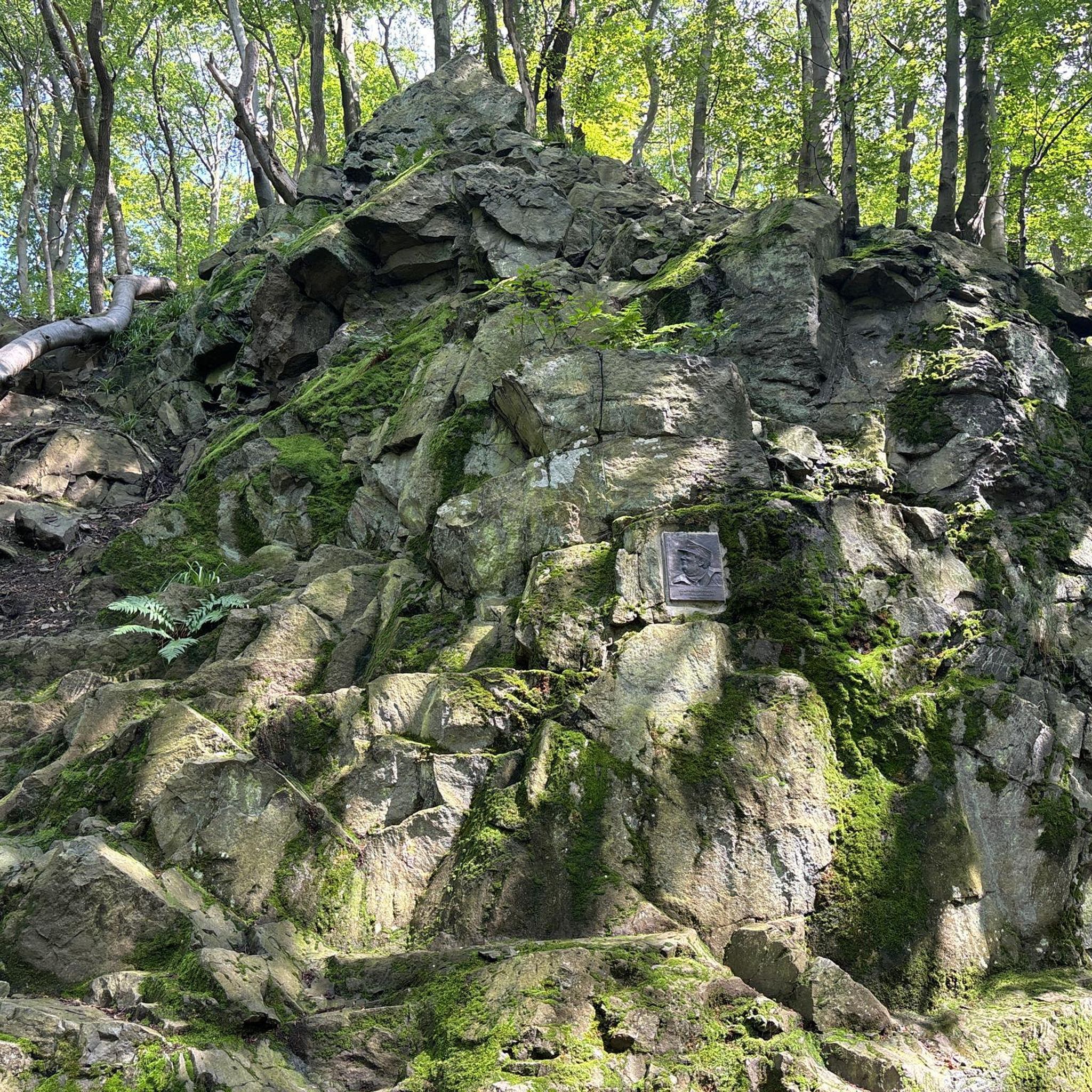
Historic road with references to the Second World War and the occupation of the area by German troops
0
0

This small church might go unnoticed by the distracted eyes of those whizzing by on bicycles, but it certainly deserves a stop. Built in the 13th century, the church of Santa Maria in Binda is today among the places registered by the FAI (Italian Environmental Fund). Put your bike down and go in to admire the cycle of frescoes dating back to the early sixteenth century. Find, in particular, the mysterious painting depicting the "dance of death", a skeleton inviting the final dance: an unusual subject in this region for that historical period.
3
1

The Panperduto dam is located along the Ticino and represents one of the most important hydraulic junctions in Lombardy. Part of the river's waters are diverted and form the Villoresi canal, which has the purpose of irrigating the numerous fields in the area.
2
0

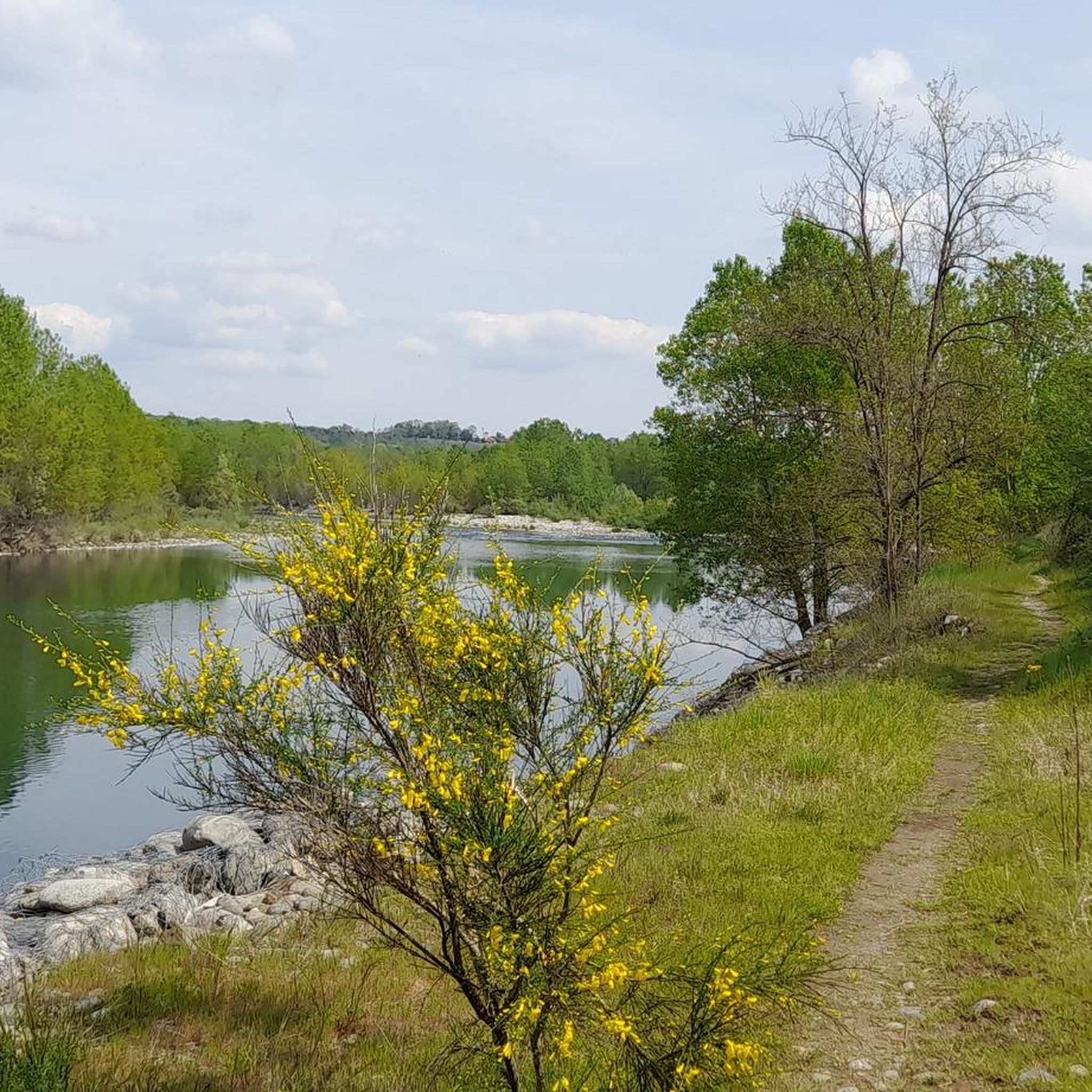
Beautiful view overlooking the Lombardy-Piedmont border separated by the Ticino river
1
0

Beautiful church with fountain included, great for filling water bottles in case of emergency
1
0

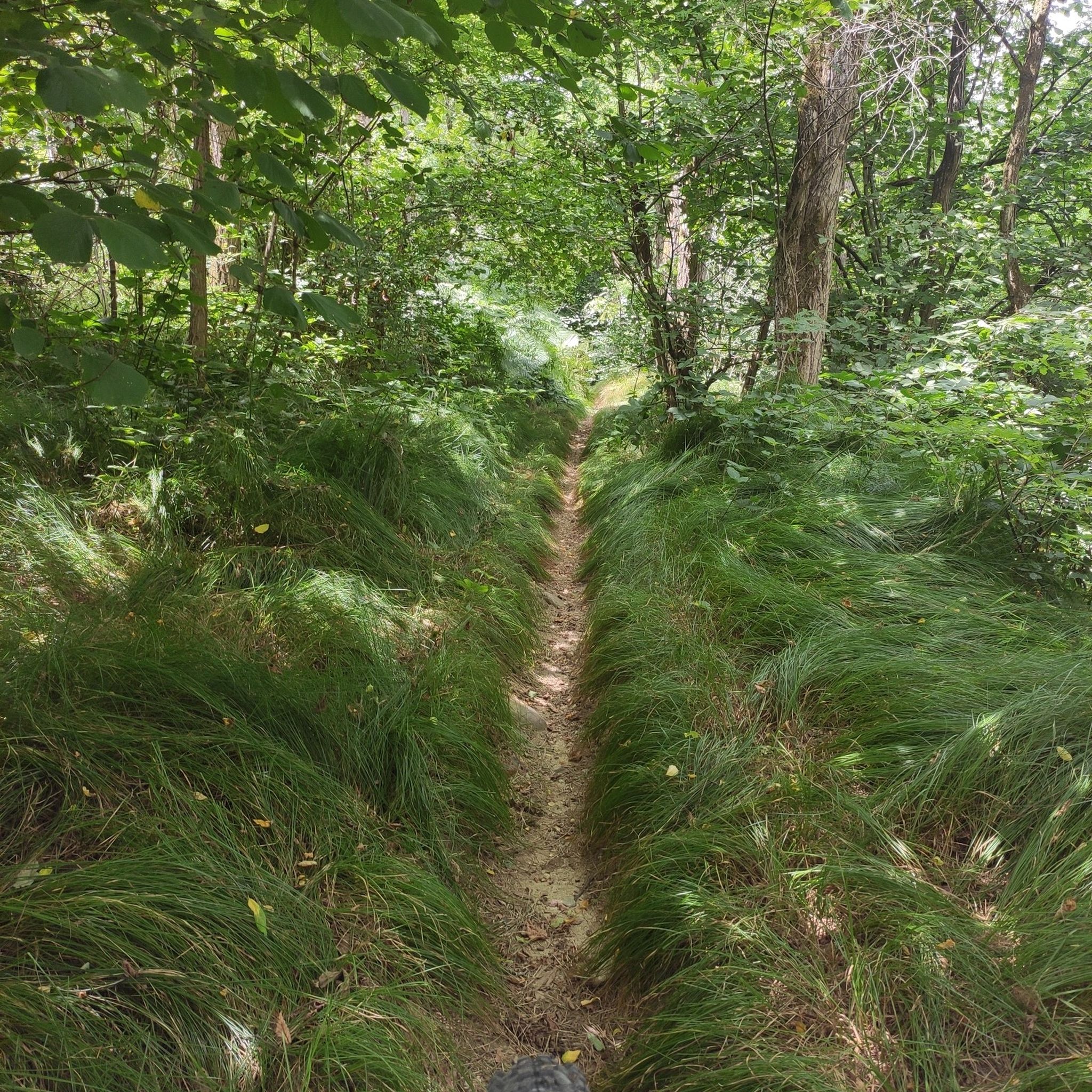
Impractical in the saddle especially if it has recently rained. They are very slippery stones and the climb is very steep.
1
0
Frequently Asked Questions
What historical landmarks can I explore in Oleggio and its surroundings?
Oleggio is rich in history. You can visit the impressive Castello Solaroli, a fourteenth-century castle with a tall tower and beautiful park, or the elegant Casa Medici, built in 1570. The Castello Ricetto, constructed between the eleventh and fifteenth centuries for protection, also offers a glimpse into the past. For a unique historical experience, consider the Via Gaggio Outdoor War Museum, which highlights the area's history during World War II.
Are there any significant religious sites to visit near Oleggio?
Yes, the region features notable religious architecture. The Parish Church of San Michele Arcangelo is a prominent Romanesque structure in Oleggio. Additionally, the Church of Saint Mary in Binda, a 13th-century FAI-registered site, is particularly noteworthy for its rare 'dance of death' fresco cycle from the early sixteenth century.
What natural attractions are there for nature lovers around Oleggio?
Nature enthusiasts will appreciate the protected areas surrounding Oleggio. The Oasi di Bellinzago, managed by WWF Italia, is home to diverse wildlife. The Parco Naturale dei Lagoni di Mercurago features oak forests, morainic reliefs, and a series of ponds and peat bogs, offering a rich aquatic flora and over a hundred bird species. The broader Parco Naturale Valle Ticino-Piemonte also showcases the natural beauty of the Ticino Valley.
Are there any museums in Oleggio that showcase local culture or history?
Yes, Oleggio offers several museums. The Museo Civico Archeologico ed Etnografico Fanchini, housed in a former Franciscan convent, displays objects related to rural life, productive activities, and Celtic and Golasecca archaeological artifacts. The Museo Archeologico also collects ancient agricultural and daily-use objects, presenting local culture and archaeological finds chronologically.
What kind of outdoor activities can I do near Oleggio's attractions?
The area around Oleggio is excellent for outdoor activities. You can find numerous routes for road cycling, running, and gravel biking. For detailed routes, explore the Road Cycling Routes around Oleggio, Running Trails around Oleggio, and Gravel biking around Oleggio guides.
Are there any family-friendly attractions or activities in the Oleggio area?
Many attractions in the Oleggio area are suitable for families. The Panperduto Dam is an interesting man-made monument with an educational aspect, and its surrounding area often has pleasant cycle paths. Natural parks like the Parco Naturale dei Lagoni di Mercurago offer hiking trails that can be enjoyed by families. The Via Gaggio Outdoor War Museum is also listed as family-friendly, providing an open-air historical experience.
Where can I find panoramic views or scenic spots around Oleggio?
For noteworthy panoramic views, visit the Iron Bridge Over the Villoresi Canal. From here, you can see the Ticino river delineating the border between Lombardy and Piedmont, with the Monte Rosa massif and Monviso visible in the background, especially beautiful at sunset. The Panperduto Dam also offers a pleasant viewpoint over its lake.
What is the significance of the Panperduto Dam near Oleggio?
The Panperduto Dam is a significant hydraulic junction on the Ticino River. It plays a crucial role in Lombardy by diverting part of the river's water to form the Villoresi canal, which is essential for irrigating local fields. It's an iconic place to see the origin of the Naviglio and Villoresi canals.
What are some unique or 'hidden gem' attractions near Oleggio?
Beyond the main sites, consider exploring the Castellone di Fara, originally a castle from 1156, now a beautiful country villa with a notable Renaissance fresco inside. The Museo di Storia Naturale Faraggiana Ferrandi, with its collection of exotic and local animal species, offers a unique focus on animal protection and awareness.
What agricultural products is the Oleggio region known for?
The Oleggio region is known for its agricultural production, particularly wine and rice, and is part of the Novara wine region. The area also features a large buffalo farm, producing milk, and is recognized for its honey production, reflecting the fertile plains between the Ticino and Sesia rivers.
Are there any castles or palaces in Oleggio with interesting historical stories?
Absolutely. Castello Solaroli, dating back to the fourteenth century, was built to control the surrounding area. The Casa Medici, erected in 1570, is distinguished by its pure white color and Renaissance design. The Castello Ricetto was built by local inhabitants for protection against French and Spanish attacks. Additionally, Palazzo Bellini, though located in Novara, has historical significance from 1849 when Carlo Alberti gathered generals within its walls.
Most popular routes around Oleggio
Most popular attractions around Oleggio

Get inspired with the komoot mobile app


Explore more
Still not found the Highlight you’re looking for? See guides of the top attractions in other regions:
