The best cycling routes around Sierning
4.8
(42)
422
riders
47
rides
Touring cycling routes around Sierning are characterized by rolling hills and idyllic landscapes, providing a scenic backdrop for bike explorations. The region features several river valleys, including the Enns, Steyr, and Krems Rivers, which many routes follow. Sierning is situated within the gentle landscapes of the Alpine foothills, offering appealing scenery that transitions from the Alps into more moderate terrain. Some cycling paths utilize former railway lines, providing flat and comfortable rides through varied surroundings.
Best touring cycling routes around…
Last updated: May 6, 2026
4.9
(9)
43
riders
Easy bike ride. Great for any fitness level. Mostly paved surfaces. Suitable for all skill levels.
5.0
(3)
43
riders
19.0km
01:19
330m
330m
Moderate bike ride. Good fitness required. Mostly paved surfaces. Suitable for all skill levels.

Sign up for free
4.5
(2)
27
riders
30.5km
01:57
300m
300m
Moderate bike ride. Good fitness required. Mostly paved surfaces. Suitable for all skill levels.
4.0
(1)
24
riders
30.4km
01:50
230m
230m
Moderate bike ride. Good fitness required. Mostly paved surfaces. Suitable for all skill levels.
5.0
(2)
18
riders
28.7km
01:51
360m
360m
Moderate bike ride. Good fitness required. Mostly paved surfaces. Suitable for all skill levels.
Get access to more routes and recommendations from other explorers.
Sign up for free
Already have an account?
Our route recommendations are based on thousands of hikes, rides, and runs completed by other people on komoot.
Start today with a free account
Your next adventure awaits.
Login or Signup
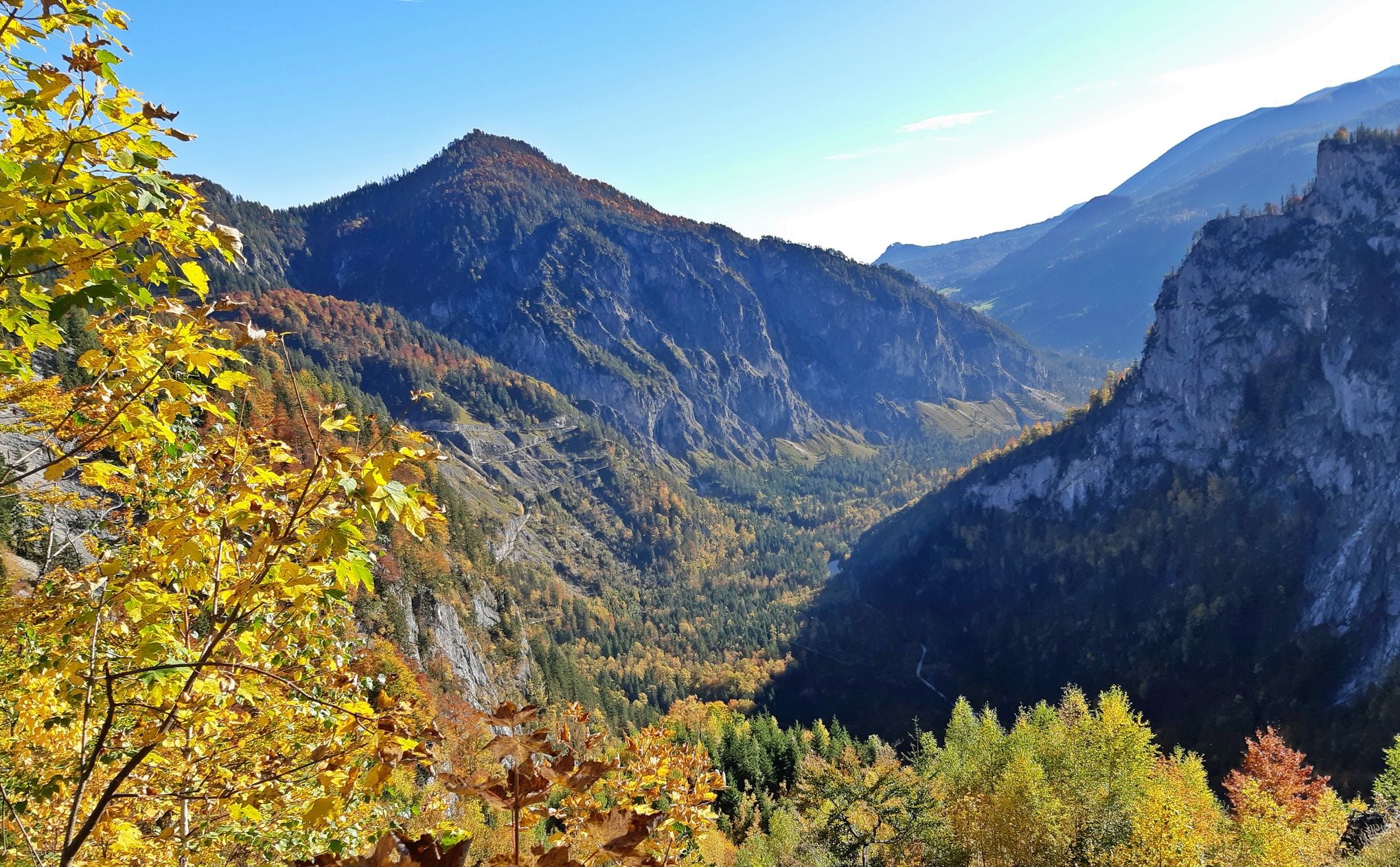
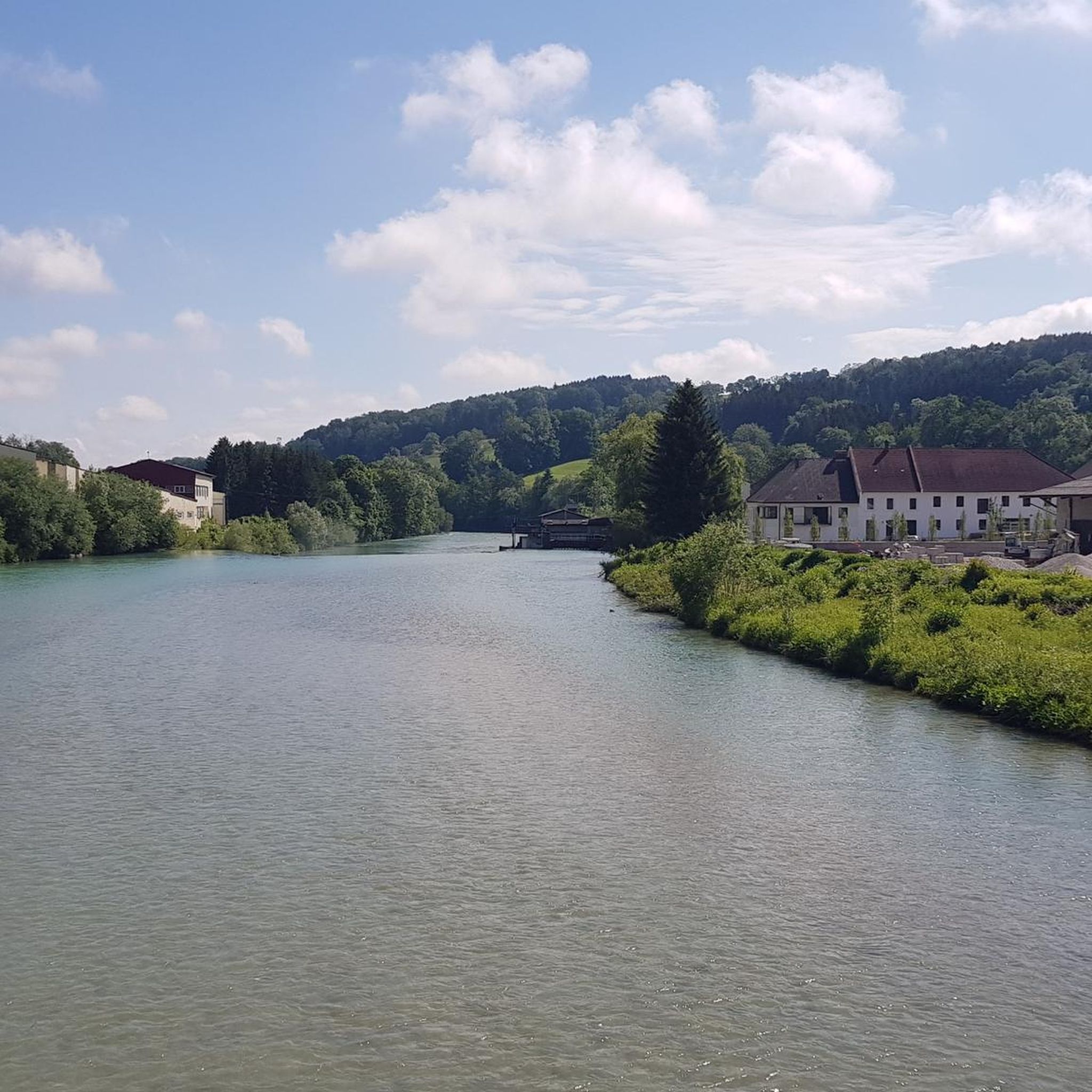
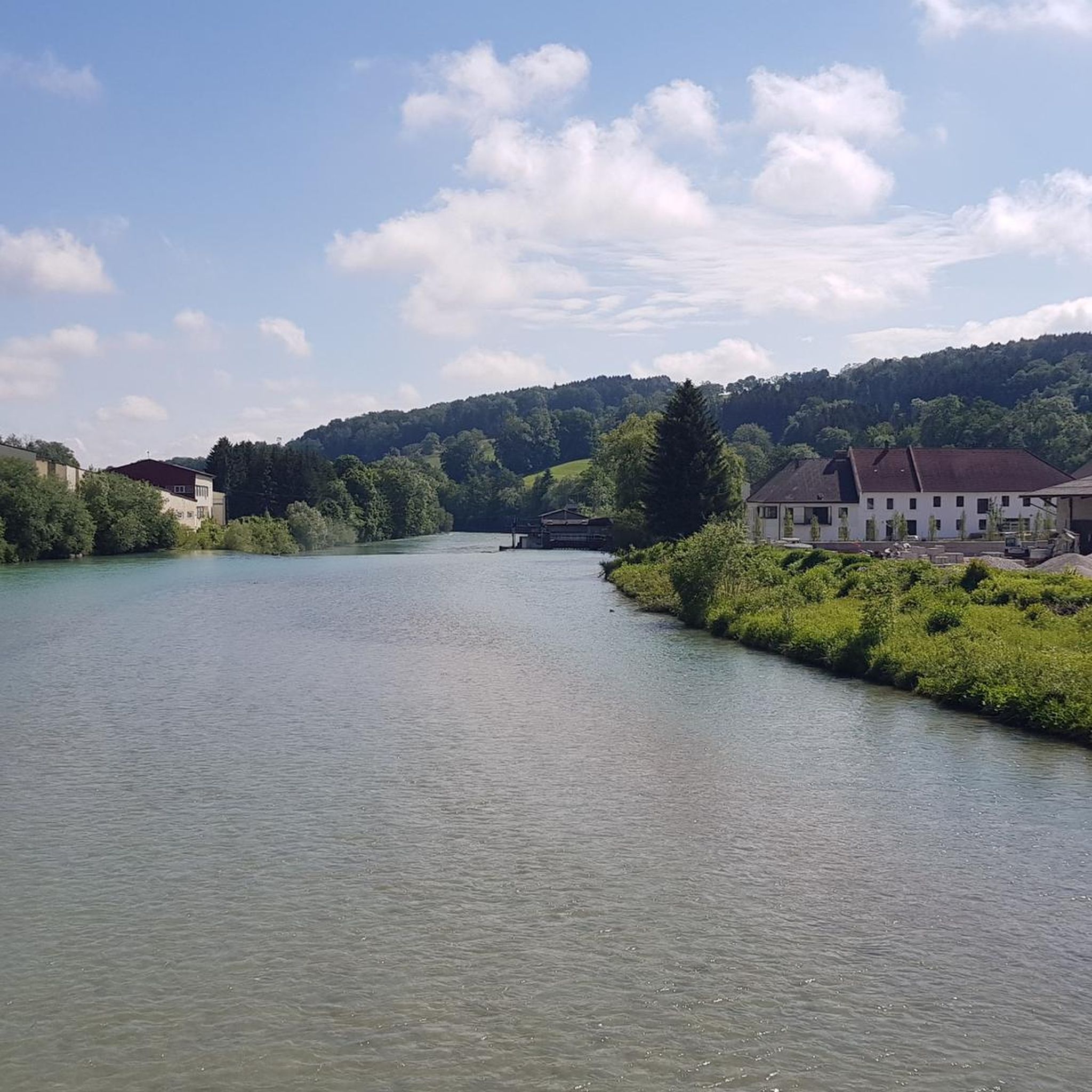
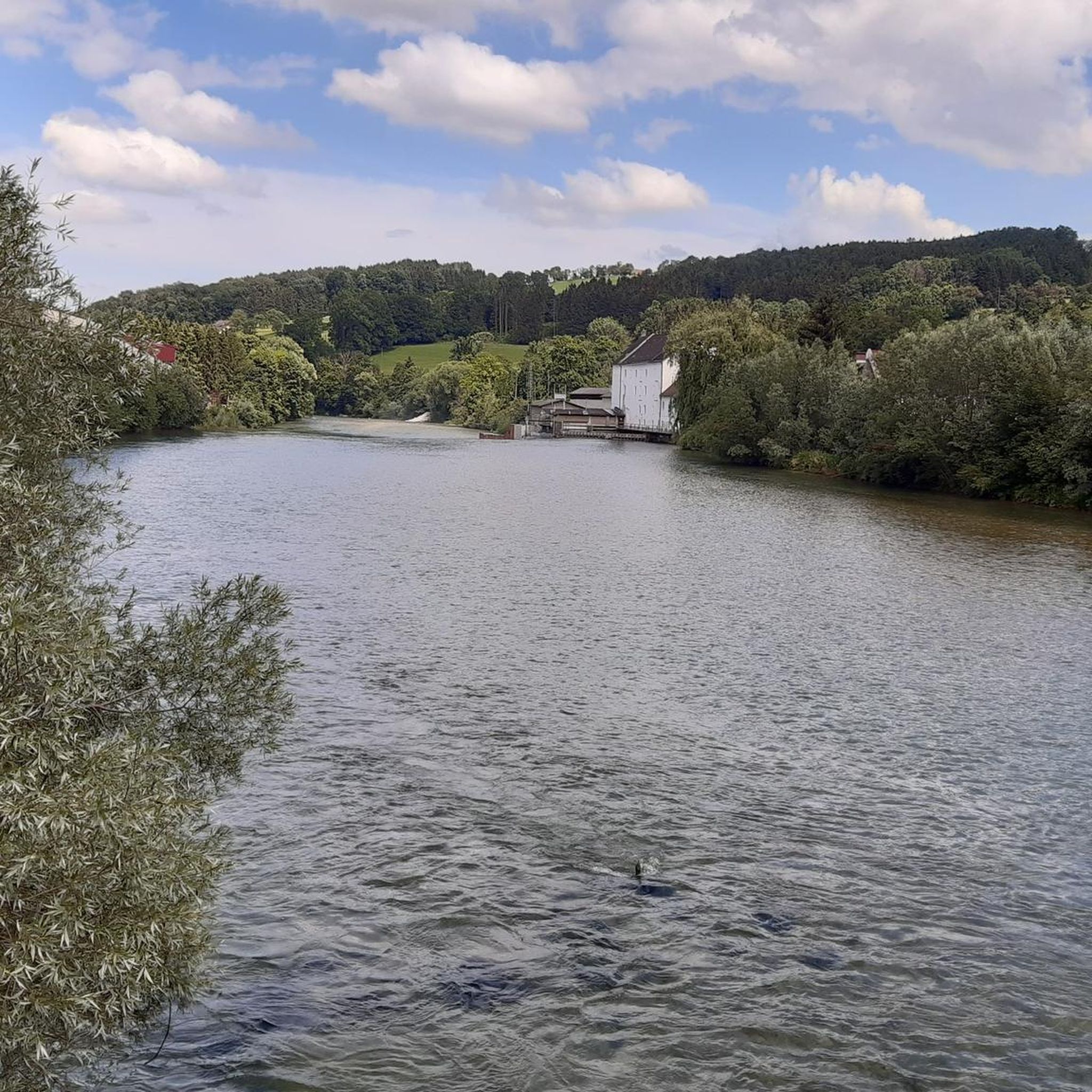
Other adventures around Sierning

Tips from the Community

small, quiet, good for a break 😉
0
0

Very beautiful natural bathing spot on the cold Steyr
0
0
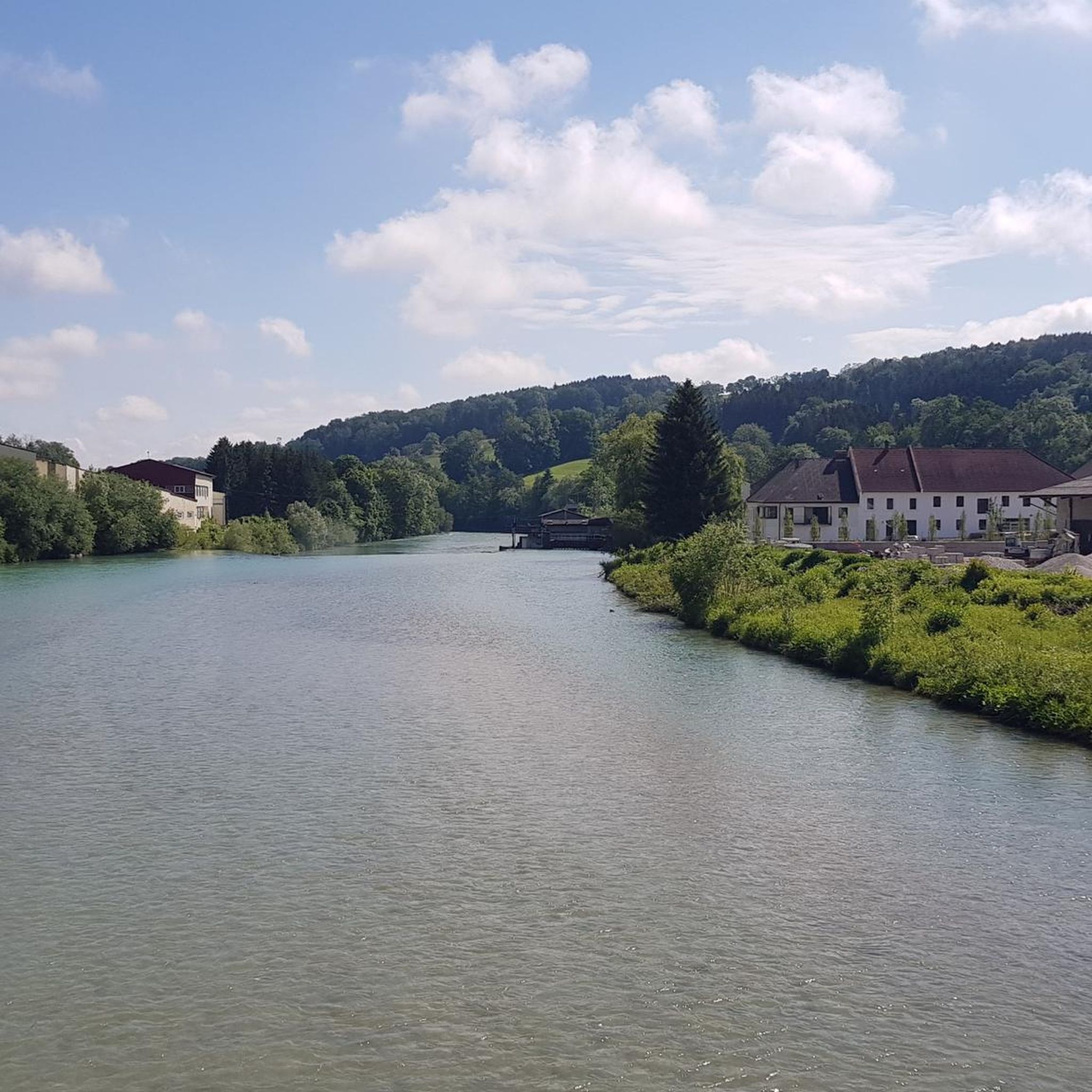
Beautifully situated near the river Steyr.
0
0
Good entry to the Steyrtal Museum Railway
1
0

The two-winged Renaissance castle dates back to 1588. Further renovations were commissioned around 1670 by the canons Siegbert von Geilenkirchen and Thomas von Kandlberg. It is characterized by an arcaded walkway facing the courtyard. These arcades were enclosed by outbuildings until the renovation. The rooms on the upper floor also served as the official residence of the caretaker – and thus of the courts – for a long time. The Knights of Kast occupied the castle as a summer residence. The dilapidated castle was finally purchased by the municipality of Sierning in 1969 and renovated by the Traunviertel Cultural Association and the town of Sierning. An annex was added to the building, which houses the Sierning municipal office. Following the revitalization of the castle courtyard and the installation of state-of-the-art infrastructure, including a new castle café, it is now possible to host any event. The flagship events are the summer arts and crafts market with up to 10,000 visitors, the Sierning Advent with its Advent village in the castle courtyard, and the Guard Festival. Numerous cultural events and concerts take place throughout the year, both in the castle and in the covered courtyard.
0
0
Shortly after the founding of Garsten Abbey, in the first quarter of the 12th century, the Benedictine Abbey of Gleink emerged from the Bamberg fiefdom of Glunich. The founders, Arnhalm I and his son Bruno, from the ministerial Gleink-Volkersdorf family, whose employers, the Styrian Otakars, co-founded the abbey, had the fortress converted into a monastery. The monastery complex, dedicated to the Apostle Andrew, already existed around 1120. The Romanesque monastery building was damaged by fire in the 13th century. In the first half of the 17th century, primarily due to looting during the Peasants' War of 1626, the monastery fell into dire straits. Under the following abbots, the great Baroque building period also began for Gleink. As part of the church reforms, Gleink was secularized on May 21, 1784. Parish pastoral care in Gleink was taken over by secular priests, and the monastery buildings were temporarily used as barracks. The bishops of the Diocese of Linz then happily used Gleink as a summer residence. In 1832, the Salesian Sisters came to Gleink from Vienna. At its peak, their monastery numbered up to 70 sisters. From around 1950 onwards, there were no new enrollments, and in 1977, it was finally dissolved. In 1950, the Order of the Missionaries of the Sacred Heart took over parish pastoral care and, until 1990, also operated a Caritas home, a feared reformatory for boys. Since 2022, the monastery building has served as the "cultural GUT storage" of the Diocese of Linz. The external depot of the Diocesan Archives houses archival materials from the parishes as well as the art and furniture depot with over 2,000 works of art and furniture.
0
0

Because of its great distance, the Gleinkersee was temporarily given to the Spital am Pyhrn monastery in 1589 for a payment of 200 guilders. In 1608, the lake was finally ceded by Gleink for another 200 guilders.
0
0
The Benedictine monastery of Gleink was founded in the first quarter of the 12th century, soon after the founding of the Garsten monastery, from the Bamberg fiefdom of Glunich. The monastery complex dedicated to the Apostle Andrew already existed around 1120. Gleink was a daughter settlement of Garsten monastery, from which the first abbot Ulrich came. Ulrich was a relative of Saint Berthold of Garsten, the first abbot of Garsten monastery. The Romanesque monastery building was damaged by fires in 1220, 1275 and 1313. After the turbulent times, the monastery experienced a heyday under Abbot Gregor Grand (1504–1520) before the schism. His successor Thomas Amfeldt (1520–1539) had to watch as Turkish cavalry from Kasimsbeg's raiding corps devastated the area around Gleink and Dietach in September 1532. Due to the political, economic and religious conditions in the first half of the 17th century, especially the plundering during the Peasants' War in 1626, the monastery fell into great distress, from which it was only rescued by the abbots Cölestin Pestaluz (1658–1678) and Rupert I of Kimpflern (1678–1708). Under these abbots, the great Baroque building period began for Gleink, which ended under Abbot Rupert II Freysauf of Neudegg (1709–1735). Andreas von Schwandtner (1735–1762) was the penultimate abbot. In 1762, Wolfgang Holmayr, a professor from the University of Salzburg who was born in Steyr and famous as a preacher, was elected abbot. He led the monastery as Wolfgang III until it was dissolved. As part of the church reforms of Emperor Joseph II, Gleink was secularized on May 21, 1784. Soon after the dissolution, the monastery buildings were used as barracks. In 1791, Gleink was endowed to the Bishop of Linz. The bishops of Linz liked to use Gleink as a summer residence. After the dissolution of the monastery, parish pastoral care in Gleink was carried out by secular priests, and since 1950 by the Order of the Sacred Heart Missionaries. Since then, the order also ran a Caritas home (until 1990), a feared reformatory for boys.
0
0
Frequently Asked Questions
What kind of terrain can I expect on touring cycling routes around Sierning?
The region around Sierning offers diverse terrain, from picturesque rolling hills and idyllic landscapes to serene riverine environments along the Enns, Steyr, and Krems rivers. You'll encounter a mix of asphalt, ground, and gravel paths, with some routes following former railway lines for flatter sections. The scenery includes green meadows and dense forests, providing varied backdrops for your ride.
Are there touring cycling routes suitable for beginners or families in Sierning?
Yes, Sierning offers many options for less experienced cyclists and families. Approximately 23 of the touring cycling routes are rated as easy, featuring gentle gradients and comfortable rides. An example of an easy route is the St. Stephen's Church in Sierning – Lettner Bridge loop from Steyrtal-Museumsbahn, which covers 11.7 miles (18.9 km) with minimal elevation changes.
Are there challenging routes for experienced touring cyclists in the Sierning area?
For experienced touring cyclists seeking a challenge, Sierning provides several routes with more significant elevation changes. There are 5 routes rated as difficult, offering more demanding climbs and descents. The nearby Sengsengebirgs Pass, for instance, features steep serpentines and breathtaking mountain views, catering to those looking for an advanced cycling experience.
What natural features can I discover along the cycling routes in Sierning?
Cycling around Sierning allows you to explore a variety of natural features. Many routes follow the scenic Enns, Steyr, and Krems rivers. You can also find several caves, such as the Windloch Cave or the Tempeltal Cave and Waterfall. The region also features beautiful lakes like the Enns Reservoir near Haidershofen and the Schacherteiche Nature Reserve.
Are there any historical or cultural landmarks accessible by bike from Sierning?
Yes, the region offers several historical and cultural points of interest. The historic town of Steyr, with its charming old town and attractions like Lamberg Castle, is easily reachable by bike. You can also cycle to the Christkindl Pilgrimage Church, a notable landmark often included in local touring routes.
Can I visit the Kalkalpen National Park by bike from Sierning?
Yes, the Kalkalpen National Park is accessible for cyclists via the R31 cycle path. This allows you to explore its rich natural environment and diverse landscapes. For more information on cycling within the national park, you can visit the official website: steyr-nationalpark.at.
Are there circular touring cycling routes available in Sierning?
Many touring cycling routes around Sierning are designed as loops, allowing you to start and end your ride in the same location. Examples include the Manor House Chapel – Chapel of Sommerhubermühle loop from Letten and the Lettner Bridge – Shaded Forest Road loop from Letten, which offer varied scenery and terrain.
What is the best time of year for touring cycling in Sierning?
The spring, summer, and early autumn months generally offer the most pleasant conditions for touring cycling in Sierning. During these seasons, the weather is typically mild, and the landscapes are vibrant, making for enjoyable rides through meadows, forests, and along river valleys. Always check local weather forecasts before heading out.
Are the touring cycling routes around Sierning dog-friendly?
While many outdoor areas in Sierning are welcoming to dogs, specific rules may apply to certain nature reserves or private lands. It's generally advisable to keep dogs on a leash, especially in agricultural areas or near wildlife. Always carry water for your pet and be mindful of other cyclists and pedestrians. Check local signage for any specific restrictions on individual routes.
Where can I find refreshments or accommodation along the touring cycling routes?
The region around Sierning, including the historic town of Steyr, offers various cafes, pubs, and restaurants where you can stop for refreshments. Many villages along the river valleys also have eateries. For accommodation, you'll find options ranging from guesthouses to hotels in Sierning, Steyr, and surrounding towns, catering to cyclists.
What do other touring cyclists enjoy most about cycling in Sierning?
The touring cycling routes around Sierning are highly rated by the komoot community, with an average score of 4.8 stars from over 40 reviews. Cyclists frequently praise the region's diverse and picturesque landscapes, the well-maintained paths along the rivers, and the variety of routes suitable for different skill levels. The blend of natural beauty and accessible historical sites is also a common highlight.
How many touring cycling routes are available in the Sierning area?
There are approximately 50 touring cycling routes available in and around Sierning on komoot. These routes cater to various preferences, including easy, moderate, and challenging options, ensuring there's something for every touring cyclist.
Is public transport available to access cycling routes near Sierning?
Sierning and the surrounding towns are connected by public transport, including regional buses and trains, which can help you access various starting points for cycling routes. It's recommended to check local public transport schedules and policies regarding bicycle carriage, as these can vary.
Most popular routes around Sierning
Most popular attractions around Sierning

Get inspired with the komoot mobile app


Explore more
Browse the best Cycling routes in other regions.
