The best road cycling routes around Sienhachenbach
4.6
(135)
1,377
riders
52
rides
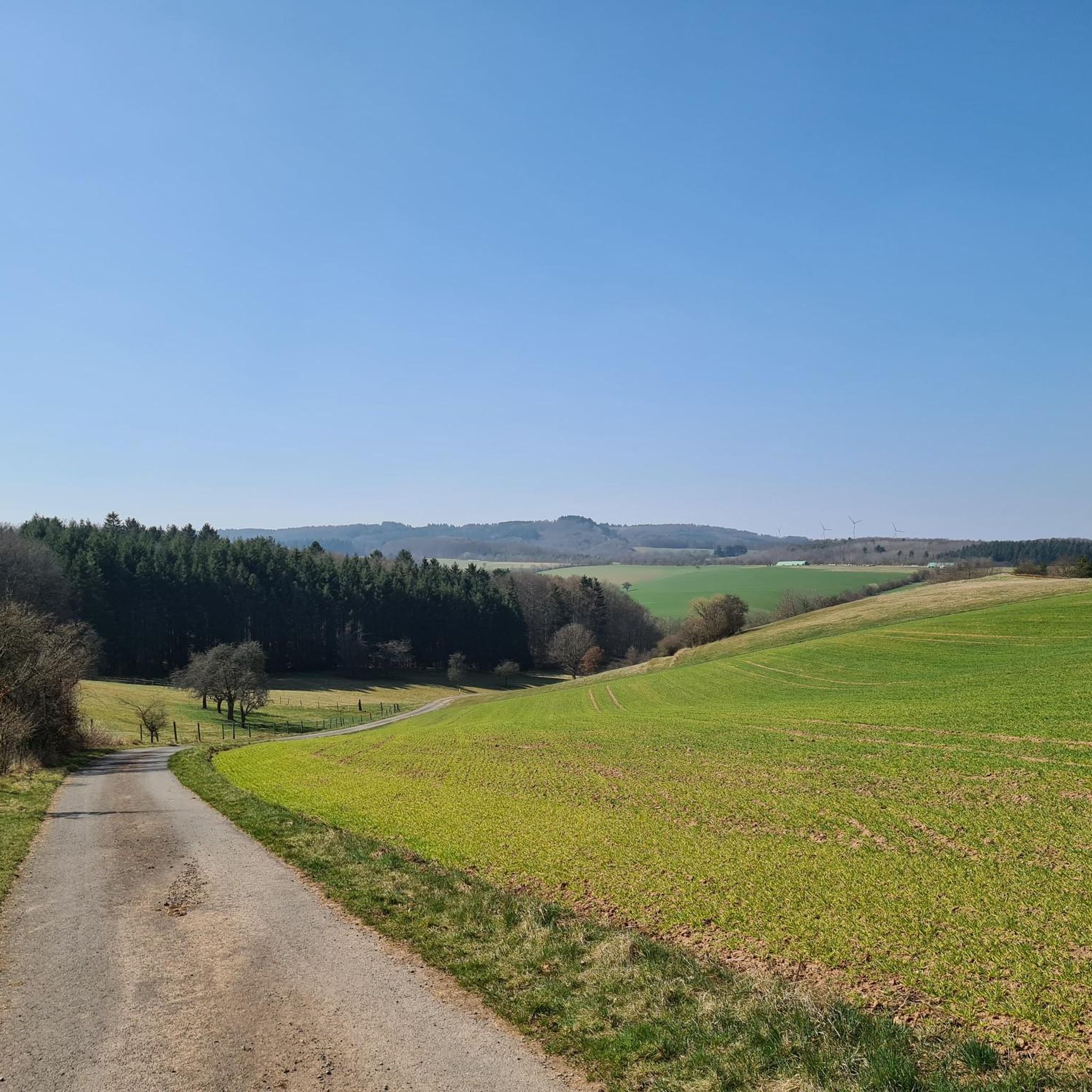
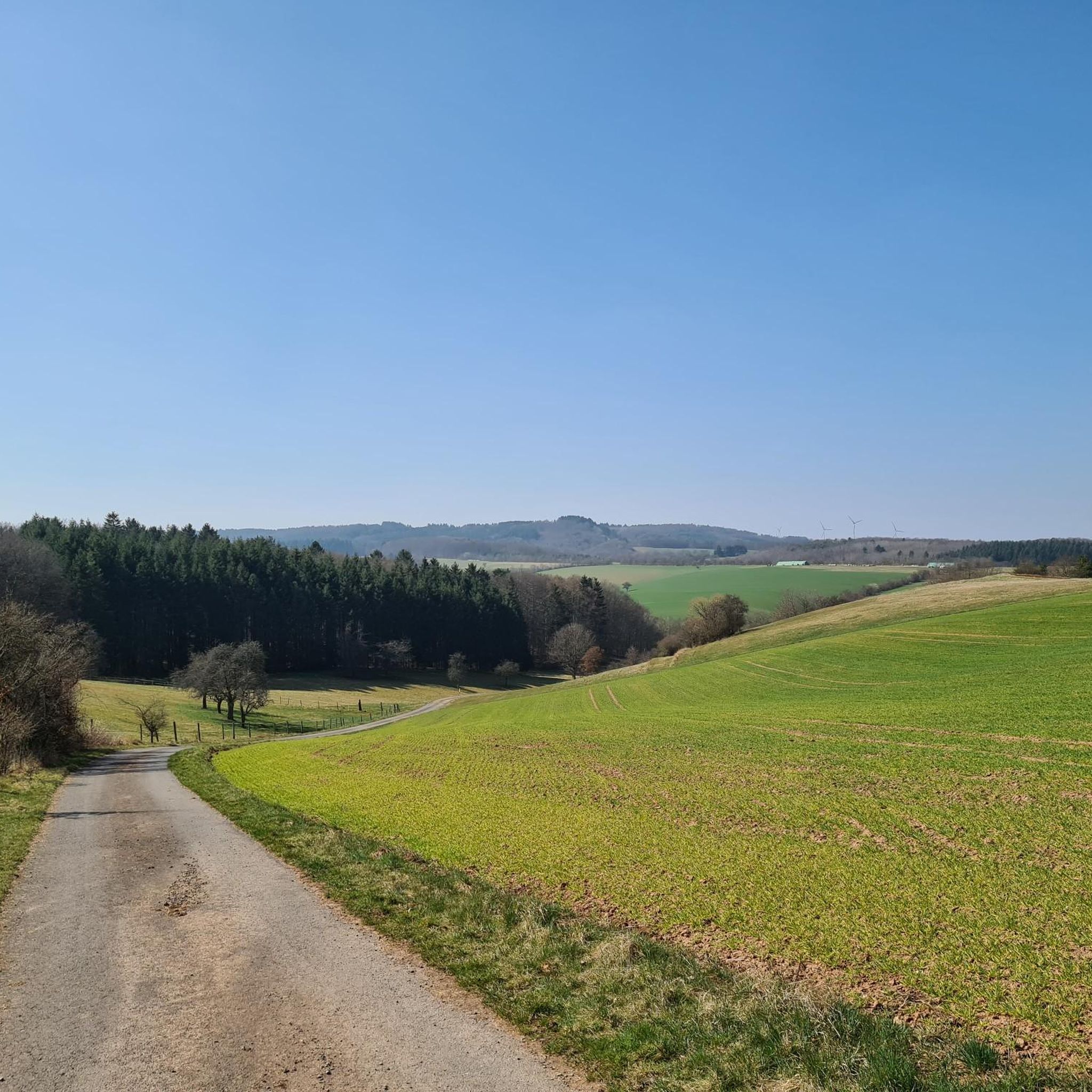
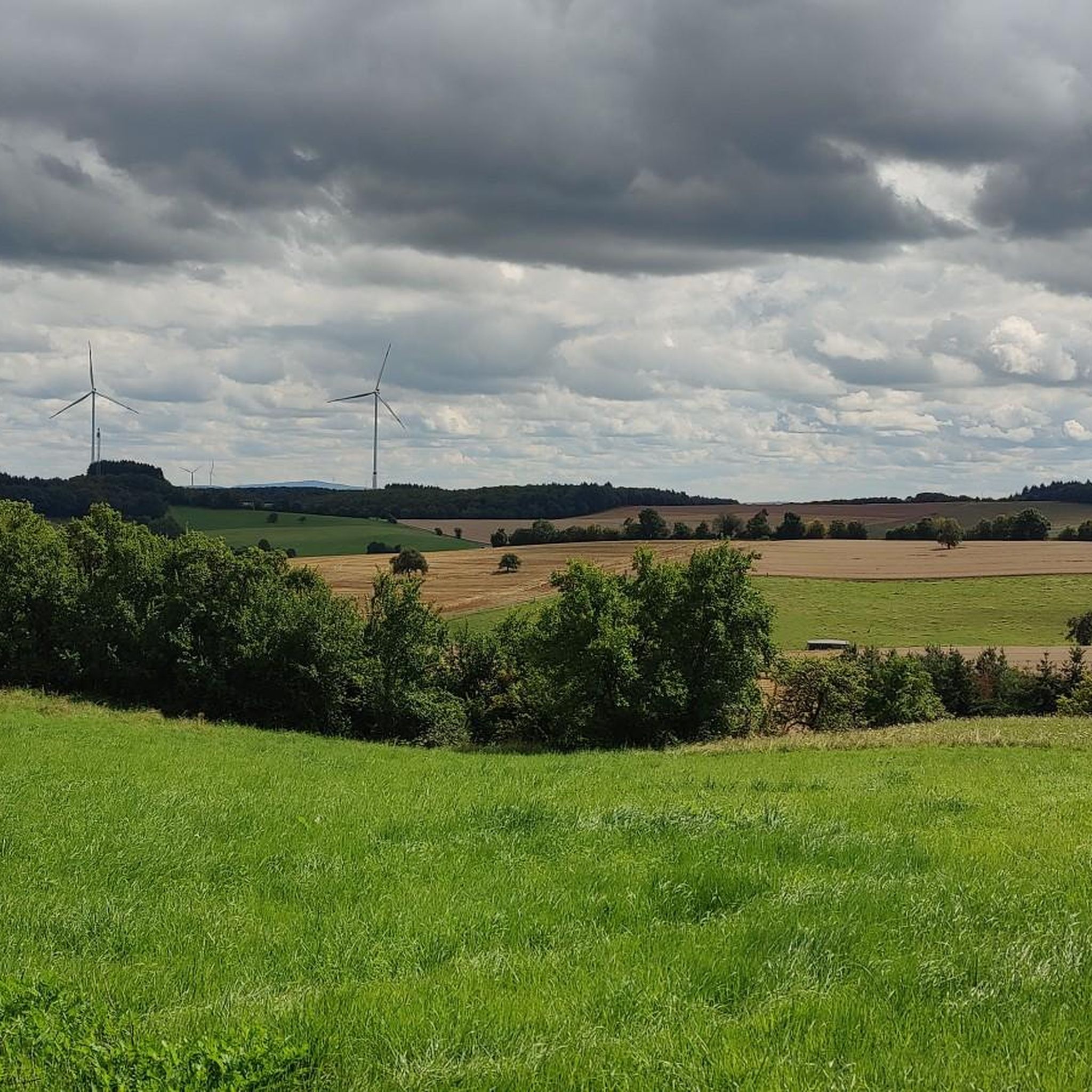
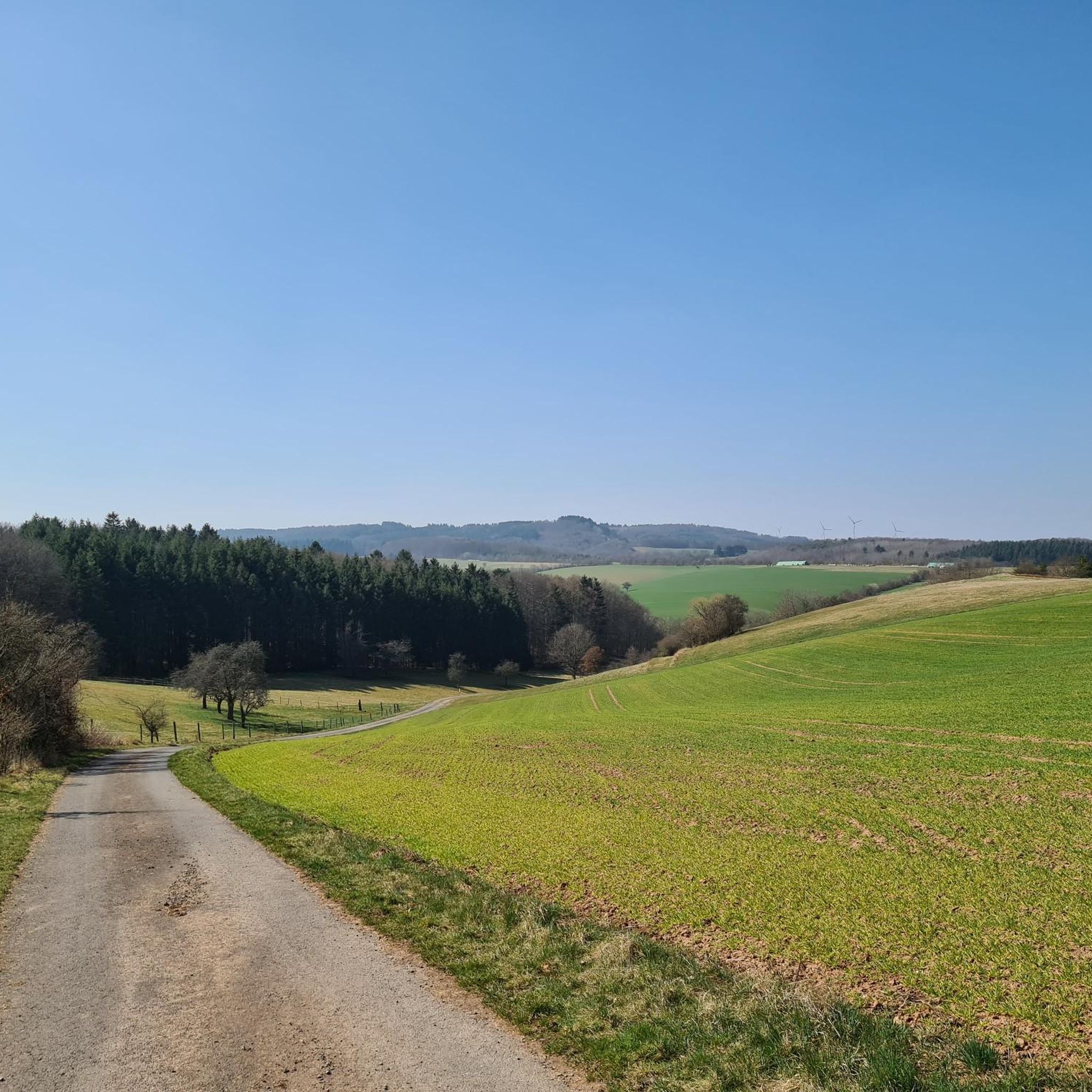
Road cycling routes around Sienhachenbach traverse a varied landscape in the Birkenfeld district of Rhineland-Palatinate, Germany. The region features dense forests, winding stream valleys like the Antestal, and a mix of ascents and descents. Road cyclists can expect routes that follow the courses of streams and offer views of the surrounding natural environment. The terrain includes both gentle sections and more challenging climbs, with routes often on paved surfaces.
Best road cycling routes around Sienhachenbach
- The most popular road cycling…
Last updated: October 9, 2026
17
riders
47.4km
02:16
570m
570m
Moderate road ride. Good fitness required. Mostly well-paved surfaces and easy to ride.
3.5
(2)
21
riders
34.9km
01:35
350m
350m
Moderate road ride. Good fitness required. Mostly well-paved surfaces and easy to ride.

4.2
(5)
19
riders
37.2km
01:50
400m
400m
Moderate road ride. Good fitness required. Mostly well-paved surfaces and easy to ride.
19
riders
Moderate road ride. Good fitness required. Some segments of this route may be unpaved and difficult to ride.
3.0
(2)
16
riders
Easy road ride. Great for any fitness level. Mostly well-paved surfaces and easy to ride.
Get access to more routes and recommendations from other explorers.
Already have an account?
Our route recommendations are based on thousands of hikes, rides, and runs completed by other people on komoot.
Start today with a free account
Your next adventure awaits.

Tips from the Community

Great straight path, I prefer nature more, but it's totally OK
0
0
Really intense when you look at it closely, the rocks on the left and right look like they "fell from the sky"
0
0
Beautiful straight path along the Nahe
0
0
Nice straight path, I prefer something a bit more natural but still nice :-)
0
0

The Kyrburg, also called Kirburg, is the ruin of a hilltop castle built at about 300 m above sea level[1] between the valleys of the Nahe and the Hahnenbach, high above the town of Kirn in the district of Bad Kreuznach in Rhineland-Palatinate, and is the town's landmark. https://www.kyrburg.de/ https://de.wikipedia.org/wiki/Kyrburg
0
0
Farewell to the empty church: Deconsecration of the church at Niederreidenbacher Hof The pews of the church at the Hofgut Niederreidenbach have long been empty. The last service was held there over 20 years ago. For some time now, the buildings and the church have been closed, the workshops deserted. After careful consideration, the kreuznacher diakonie foundation has decided to give up and sell the Hofgut. Now the next step is being taken: the application for deconsecration. The board of the kreuznacher diakonie foundation decided on August 10, 2020, to deconsecrate the church. The decision was approved by the regional church office with a general decree dated September 30, 2020, and is hereby announced. The deconsecration becomes effective on the day after its announcement and is therefore no longer a place of worship. For over 100 years, the Hofgut was a home and meeting place for the weak, the sick, and the displaced. What was initially conceived as a project by Pastor Hugo Reich as "smaller hostels for home" for migrant workers became a reality with the acquisition of the Hofgut near Fischbach an der Nahe in 1904, and at the same time a new field of work for the kreuznacher diakonie foundation. "Work instead of alms" was the motto issued. The colonist brothers and other helpers were responsible for managing the estate, which covered over 600 Morgen (approx. 150 ha). In the following years, the Niederreidenbacher Hof developed into the largest agricultural operation in the Rhineland and was of elementary importance for the self-sufficiency of the diaconal community in terms of food and its economic independence. Every day, a horse-drawn carriage brought fresh milk to Fischbach-Weierbach station, intended for the breakfast of hospital patients in Bad Kreuznach. Cattle and pigs were slaughtered weekly in the in-house butcher's shop. During the Nazi and post-war years, the traditional diaconal principle of self-sufficiency could only be realized with the help of foreign prisoners of war and forced laborers. This dark chapter has been processed, among other things, in the second volume "Lebenswirklichkeiten – Menschen Unter Menschen" by Dr. Ulrike Winkler. Instead, the Hofgut was partially modified structurally to be used more intensively for the care and support of people with disabilities and homeless men. Thus, at the beginning of the 1960s, a retirement home was built specifically for homeless people. In 1987, construction of a workshop began. From 1979 onwards, the professional focus concentrated on assistance for the homeless, with a total of 56 residential places and 16 places in the retirement home. In the course of the border opening in 1989, the Niederreidenbacher Hof briefly served as an emergency shelter for former GDR citizens. Ten years earlier, Vietnamese refugees found asylum here. Following a fire in 2009, after which the main building and the retirement home were no longer habitable, the kreuznacher diakonie foundation pushed ahead with the modernization process in shaping the support for the homeless. Instead of a larger, central facility, decentralized services, such as smaller residential communities or individual living, are now increasingly provided to create the most normal living conditions and better participation for homeless people. In 2011, the last residents of the Niederreidenbacher Hof moved to Idar-Oberstein. In 2018, the workshop operations were relocated to Kirn, so that the entire Niederreidenbacher Hof has been empty ever since.
0
0

Frequently Asked Questions
What kind of terrain can I expect on road cycling routes around Sienhachenbach?
Road cycling around Sienhachenbach offers a varied landscape, including dense forests and winding stream valleys like the Antestal. You'll encounter a mix of ascents and descents, with routes often on paved surfaces. The region provides options for different ability levels, from moderate rides to more challenging climbs.
Are there road cycling routes suitable for beginners or families in Sienhachenbach?
Yes, Sienhachenbach offers a range of road cycling routes. While some routes feature significant elevation gains, there are also easier options available. Out of over 50 routes, 11 are classified as easy, making them suitable for less experienced riders or families looking for a more relaxed ride.
What natural features or landmarks can I see while road cycling in the area?
The region is rich in natural beauty and historical sites. You can cycle through the 'romantically wild' Antestal valley, characterized by forests and streams. Historic landmarks like the Historische Lauterbrücke are also in the vicinity. Additionally, you might encounter natural highlights such as the Trübenbach Waterfall or the Kimmelingschlucht Gorge.
How many road cycling routes are available in Sienhachenbach?
There are over 50 road cycling routes available around Sienhachenbach. These routes cater to various fitness levels, with 11 easy, 29 moderate, and 14 difficult options to choose from.
What do other road cyclists say about the routes in Sienhachenbach?
The road cycling routes in Sienhachenbach are highly rated by the komoot community, with an average score of 4.7 stars from over 95 reviews. More than 1,200 road cyclists have used komoot to explore the varied terrain, often praising the scenic beauty and diverse challenges.
Are there any challenging road cycling routes for experienced riders?
Absolutely. For experienced road cyclists seeking a challenge, Sienhachenbach offers 14 difficult routes. One notable option is the Erbeskopf climb to the highest mountain in Rhineland-Palatinate, a demanding 116.3 km (72.3 miles) route with significant elevation gain.
Can I find routes that explore river valleys?
Yes, many routes in the Sienhachenbach area feature beautiful river and stream valleys. For example, the route Everything flows between Nahe and Glan explores the scenic landscapes between these two rivers.
Are there any loop routes available for road cycling?
Yes, you can find several loop routes. A popular option is the Old Stone Bridge over the Nahe – Glan Bridge near Rehborn loop from Kirnsulzbach, which is 62.2 km (38.7 miles) long and takes you through river valleys and past historic structures.
What is the best season for road cycling in Sienhachenbach?
The region's varied natural landscapes, including forests and stream valleys, make it enjoyable for road cycling during spring, summer, and autumn. Spring offers fresh greenery, summer provides warmth, and autumn brings vibrant colors. Always check local weather conditions before heading out.
Are there any specific natural monuments to look out for?
Beyond the general scenic beauty, the area features several natural monuments. You can find highlights like the Kammerwoog Reservoir and Nature Reserve, or the Wartekopf Nature Reserve, which add to the natural appeal of the cycling routes.
Are there any routes that offer panoramic views?
Many routes in the region traverse varied terrain with ascents, which often lead to viewpoints. The Glan-Blies Cycle Path – Panoramic View Near Kirn loop from Fischbach-Weierbach is one such route that specifically highlights panoramic views.
What kind of historical sites might I encounter on a road cycling tour?
The region around Sienhachenbach is dotted with historical sites. Besides the Historische Lauterbrücke, you might find routes that offer views of, or detours to, historical strongholds like Kyrburg Castle in nearby Kirn, or the Ruins of Bosselstein Castle, adding a cultural dimension to your ride.
Most popular routes around Sienhachenbach
Most popular attractions around Sienhachenbach

Get inspired with the komoot mobile app


Explore more
Browse the best Road cycling routes in other regions.
