The best walks and hikes around Robbio
4.5
(233)
339
hikers
74
hikes
Hiking around Robbio offers a unique experience through the flat, agricultural landscapes of the Lomellina region in the Province of Pavia, Italy. The terrain is characterized by extensive rice paddies, which provide a distinctive backdrop for walkers. The area also features the Parco Naturale Valpometto, a local natural oasis, and is part of the broader Ticino River Valley Regional Park. Robbio is situated along the historic Via Francigena, an ancient pilgrimage route.
Best hiking trails around Robbio
- The most popular…
Last updated: July 1, 2026
16.0km
04:04
40m
40m
Moderate hike. Good fitness required. Easily-accessible paths. Suitable for all skill levels.
15.0km
03:47
20m
20m
Moderate hike. Good fitness required. Easily-accessible paths. Suitable for all skill levels.

Sign up for free
3.8
(6)
24
hikers
27.5km
06:56
40m
40m
Hard hike. Very good fitness required. Easily-accessible paths. Suitable for all skill levels.
3.7
(3)
13
hikers
25.3km
06:25
50m
50m
Hard hike. Very good fitness required. Easily-accessible paths. Suitable for all skill levels.
5.0
(1)
8
hikers
6.66km
01:41
10m
10m
Easy hike. Great for any fitness level. Easily-accessible paths. Suitable for all skill levels.
Get access to more routes and recommendations from other explorers.
Sign up for free
Already have an account?
Our route recommendations are based on thousands of hikes, rides, and runs completed by other people on komoot.
Start today with a free account
Your next adventure awaits.
Login or Signup
Tips from the Community

Church of San Valeriano
0
0
Cavour Square
0
0

Medieval monument in Robbio (12th century), it has preserved its simple Romanesque decoration. Entirely in terracotta, it stood near the gate of San Pietro, on the road to Mortara, and there was an adjoining hospital, mentioned in the chronicles as early as the 13th century.
0
0

Vercelli is a lovely city center of modest size but with a unique charm: worth seeing are the central Piazza Cavour, the porticoes, the Basilica of Sant’Andrea with the 10th century “Vercelli Book”, the metropolitan cathedral of Sant’Eusebio and the “Arca” exhibition center near the church of San Marco.
0
0

Vercelli square seen from under the portico
0
0
Square seen from the portico
0
0

The Basilica di San Lorenzo is Mortara's most prominent historical monument, a Gothic building from the 14th century. Located in the city center, near the Palazzo del Comune, it attracts attention with its terracotta facade. Architecture: Built in Gothic Lombard style between 1375 and 1380 by Bernardino da Novara. Martino Bassi made some structural changes in 1573. Exterior: The cotto facade has frescoes in the lunettes of the portals, made by Nando Bialetti. The tondi on the facade are by Boniforte da Mortara. The colorful stained glass windows are the work of Francesco Mossmeyer. Interior: Rich in works of art, including paintings by Paolo da Brescia and a remarkable wooden nativity scene by Lorenzo da Mortara. In the 20th century the interior was renovated by Giuseppe Piatti.
6
0
Frequently Asked Questions
What kind of landscape can I expect when hiking around Robbio?
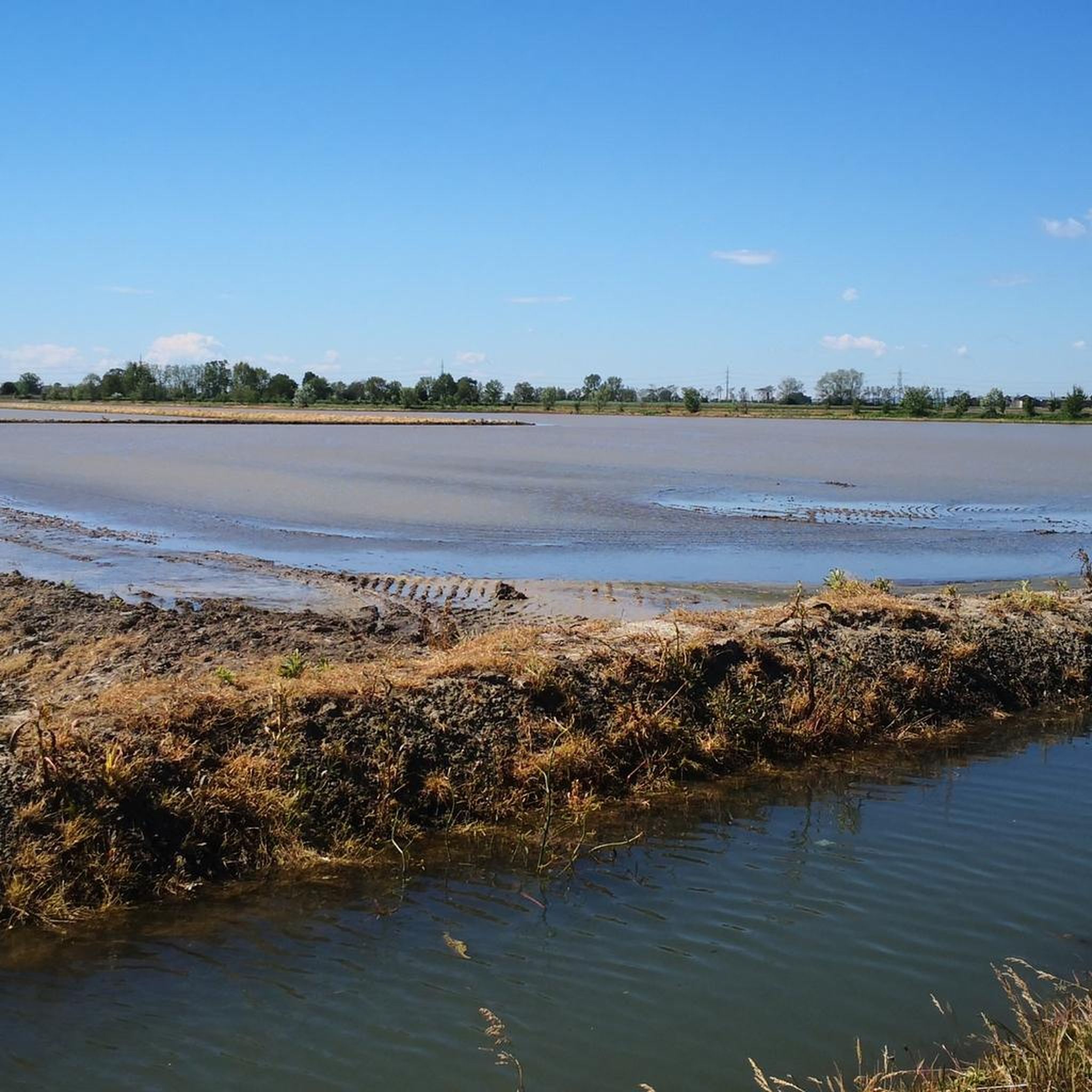
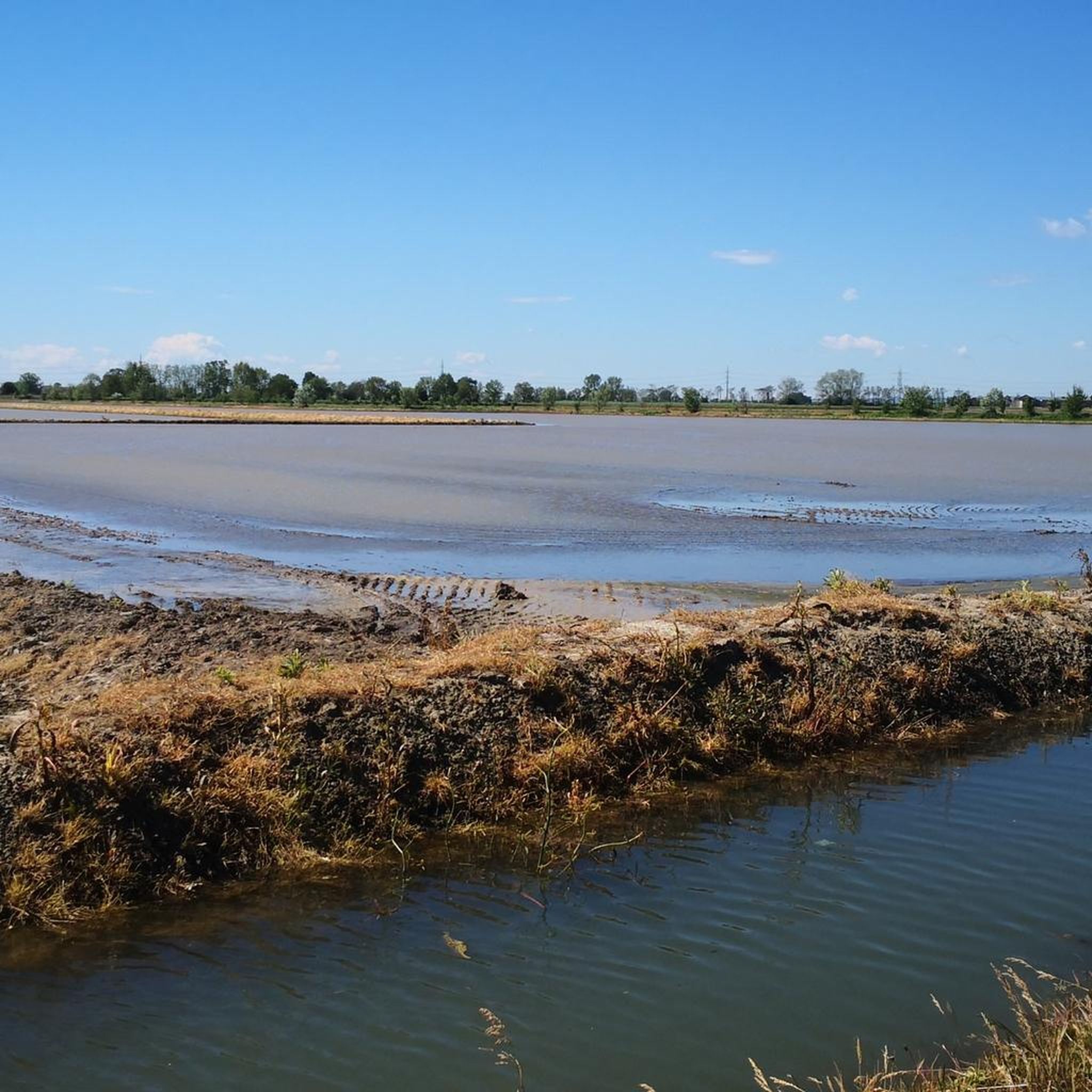
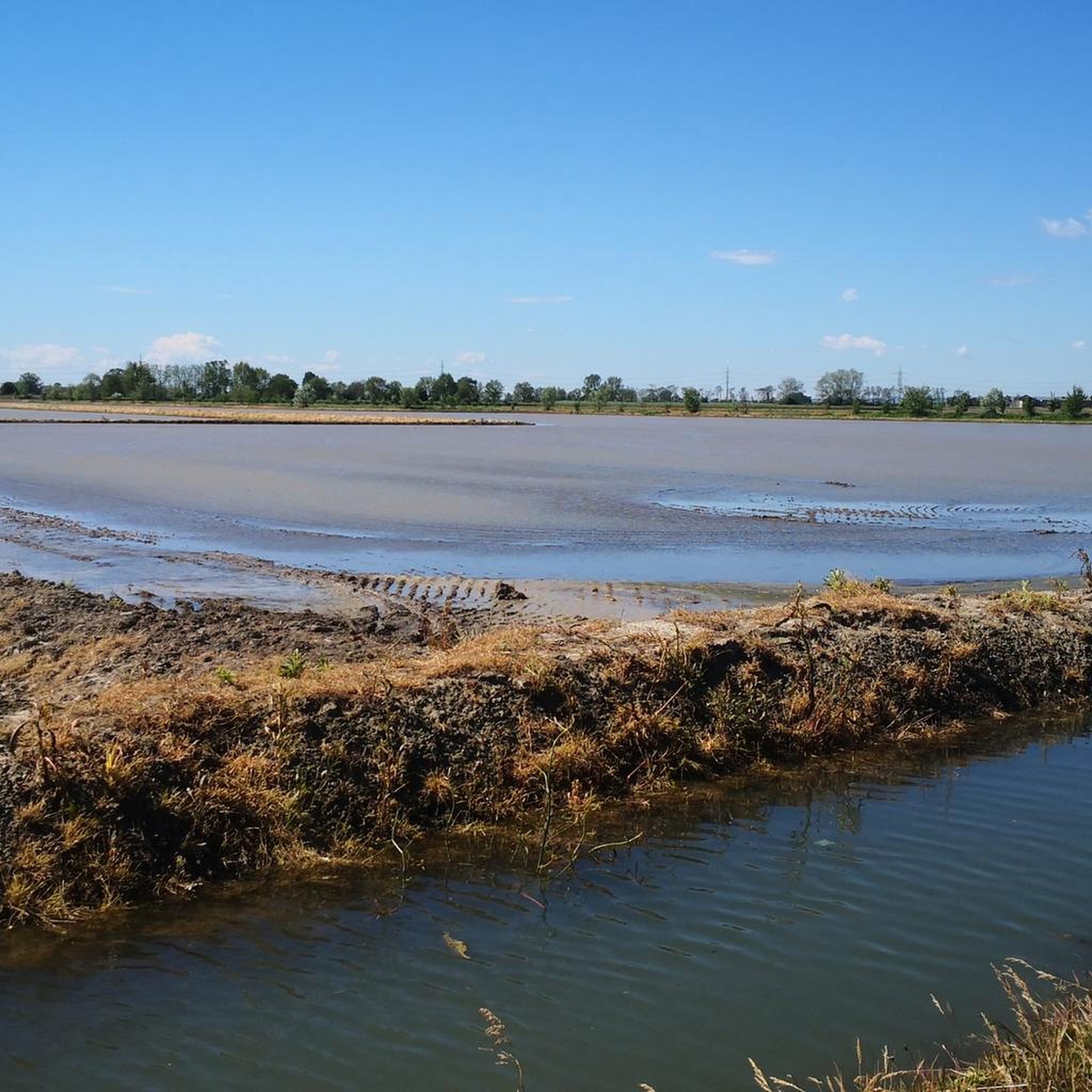
Hiking around Robbio offers a unique experience through the flat, agricultural landscapes of the Lomellina region. You'll primarily encounter extensive rice paddies, which provide a distinctive backdrop, changing from flooded expanses in spring to emerald green in summer. The area is also dotted with ditches lined with poplars and isolated farmsteads.
Are there any natural parks or protected areas near Robbio?
Yes, Robbio is home to the Parco Naturale Valpometto, a 60-hectare natural oasis. Additionally, the region is part of the broader Ticino River Valley Regional Park, a significant protected area recognized for its rich biodiversity at a European level. These areas offer opportunities to immerse yourself in nature.
What is the general difficulty level of hiking trails in Robbio?
The trails around Robbio cater to various abilities. You'll find a good mix of routes: there are 19 easy trails, 34 moderate trails, and 5 more challenging routes. This variety ensures options for both casual walkers and more experienced hikers.
What do other hikers say about the trails in Robbio?
The hiking routes in Robbio are highly rated by the komoot community, with an average score of 4.5 stars from over 200 reviews. Hikers often praise the unique scenery of the rice paddies and the peaceful, flat terrain, making it ideal for relaxed walks.
When is the best time of year to go hiking in Robbio?
The best time to hike in Robbio depends on what you want to see. Spring offers the unique sight of flooded rice paddies, while summer brings lush emerald green fields. Autumn provides cooler temperatures and a different palette of colors. The flat terrain makes it accessible for most of the year, though summer can be warm.
Are there any historical routes or cultural landmarks to explore while hiking?
Absolutely. Robbio is located along the historic Via Francigena, a medieval pilgrimage route. You can follow in the footsteps of ancient pilgrims and visit historical churches like San Pietro and San Valeriano in Robbio. The route offers a blend of cultural and natural exploration.
What interesting places can I visit near the hiking trails in Robbio?
Beyond the trails, you can explore several interesting sites. Consider visiting Nibbiola Castle or Villanova Castle. For cultural insights, the Basilica of San Lorenzo in Mortara is also nearby. These attractions offer a glimpse into the region's rich history.
Are there options for easy or beginner-friendly hikes in Robbio?
Yes, Robbio offers 19 easy hiking trails, perfect for beginners or those looking for a relaxed walk. These routes typically feature minimal elevation gain and traverse the flat, scenic agricultural plains, making them very accessible.
Can I find circular hiking routes in Robbio?
Yes, there are circular hiking routes available. For example, the difficult route Nicorvo – The Ancient Cedar of Lebanon loop from Nicorvo offers a challenging circular experience. Many other trails can also be combined to form loops, allowing you to start and end in the same location.
Are the hiking trails in Robbio suitable for families?
Given the predominantly flat and agricultural terrain, many of the easy and moderate trails in Robbio are well-suited for families. The unique landscape of rice paddies and the natural oasis of Parco Naturale Valpometto can provide an engaging experience for children, especially for nature observation.
Are dogs allowed on the hiking trails around Robbio?
Generally, dogs are welcome on most public hiking trails in the Robbio area, especially those traversing agricultural land. However, it's always advisable to keep them on a leash, particularly when passing through cultivated fields or near wildlife habitats, and to check specific park regulations if entering protected areas like Parco Naturale Valpometto.
Is public transport available to reach trailheads in Robbio?
Robbio is accessible by public transport, primarily by train, which can help you reach the town center. From there, some trailheads might be within walking distance, or you may need to use local bus services or taxis to get to more remote starting points. It's recommended to check local transport schedules in advance.
Where can I find parking for hiking trails in Robbio?
Parking is generally available in Robbio town center and in smaller villages near trailheads. As many routes traverse agricultural areas, you might find informal parking spots along rural roads. Always ensure you park responsibly and do not obstruct farm access or private property.
Are there places to eat or stay overnight near the hiking trails?
Yes, Robbio and the surrounding towns in the Lomellina region offer various options for refreshments and accommodation. You'll find local restaurants, cafes, and agriturismi (farm stays) where you can enjoy regional cuisine and find a place to rest after your hike. For more information on the region's offerings, you can visit VisitPavia's Lomellina guide.
Most popular attractions around Robbio

Get inspired with the komoot mobile app


Explore more
Browse the best Hikes in other regions.
