The best road cycling routes around Turbigo
4.3
(323)
7,252
riders
24
rides
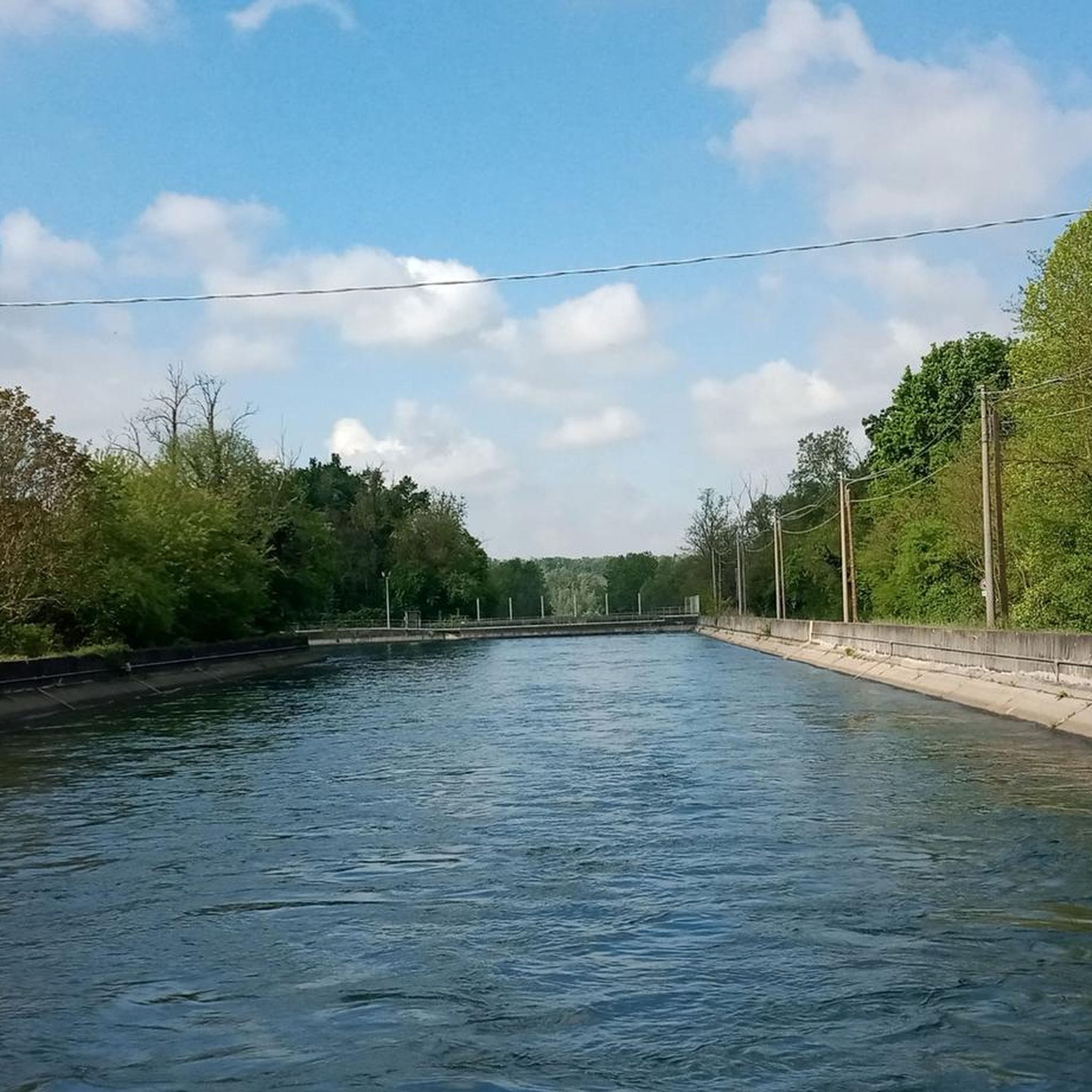
Road cycling routes around Turbigo are characterized by flat terrain along the historic Naviglio Grande and Villoresi canals, offering smooth, well-maintained surfaces. The region features cultivated fields, sections of woodland, and access to the Ticino Park, providing diverse natural settings for cycling. Elevation gains are generally low, making the area suitable for extended rides along the waterways and through the surrounding countryside.
Best road cycling routes around Turbigo
- The most popular road cycling route is Ticino Park and Naviglio Grande…
Last updated: September 26, 2026
4.7
(9)
43
riders
58.0km
02:21
160m
160m
Cycle a moderate 36-mile loop between Turbigo and Abbiategrasso, exploring the historic Naviglio Grande and Ticino valley.
108
riders
72.8km
03:08
320m
320m
Moderate road ride. Good fitness required. Some segments of this route may be unpaved and difficult to ride.

3.0
(1)
54
riders
100km
04:13
650m
650m
Moderate road ride. Good fitness required. Mostly well-paved surfaces and easy to ride.
19
riders
86.6km
03:43
640m
640m
Moderate road ride. Good fitness required. Mostly well-paved surfaces and easy to ride.
4.2
(40)
350
riders
51.9km
02:06
110m
110m
Moderate road ride. Good fitness required. Some segments of this route may be unpaved and difficult to ride.
Get access to more routes and recommendations from other explorers.
Already have an account?
Our route recommendations are based on thousands of hikes, rides, and runs completed by other people on komoot.
Start today with a free account
Your next adventure awaits.
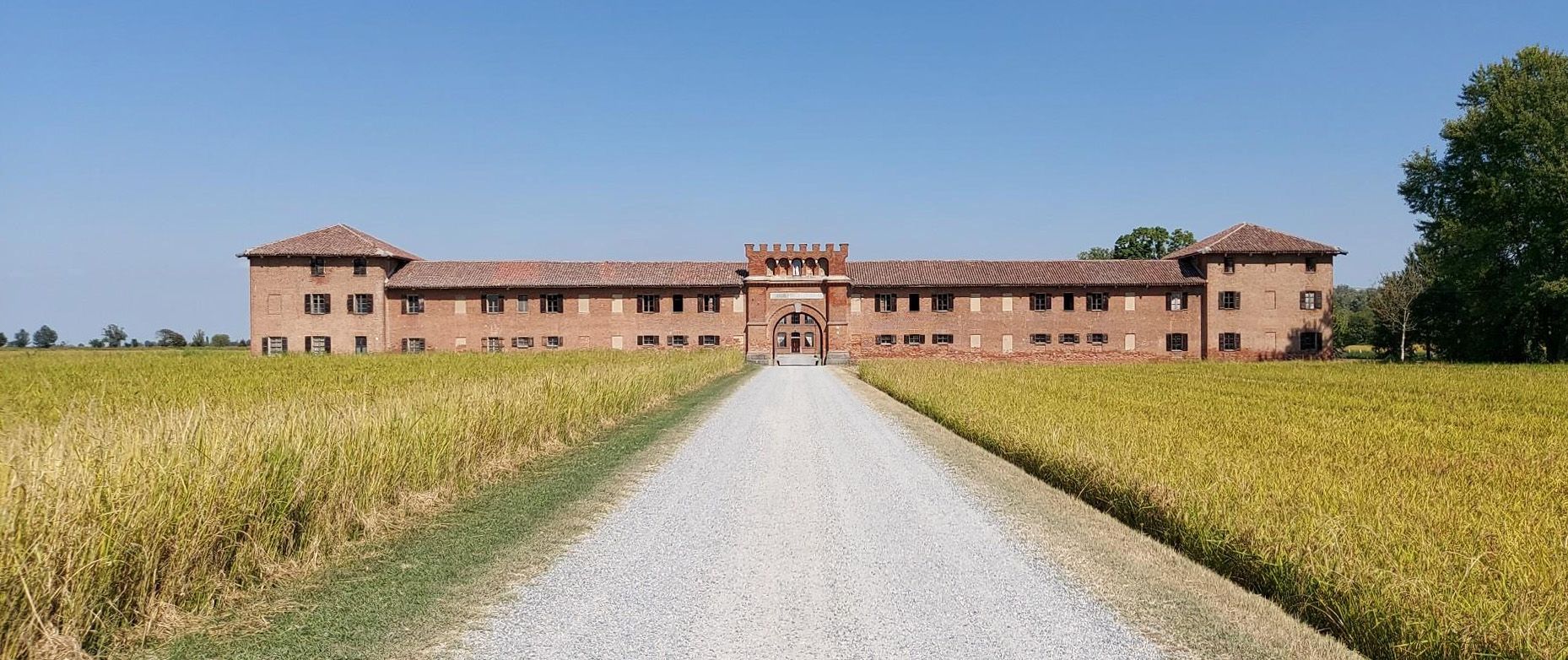
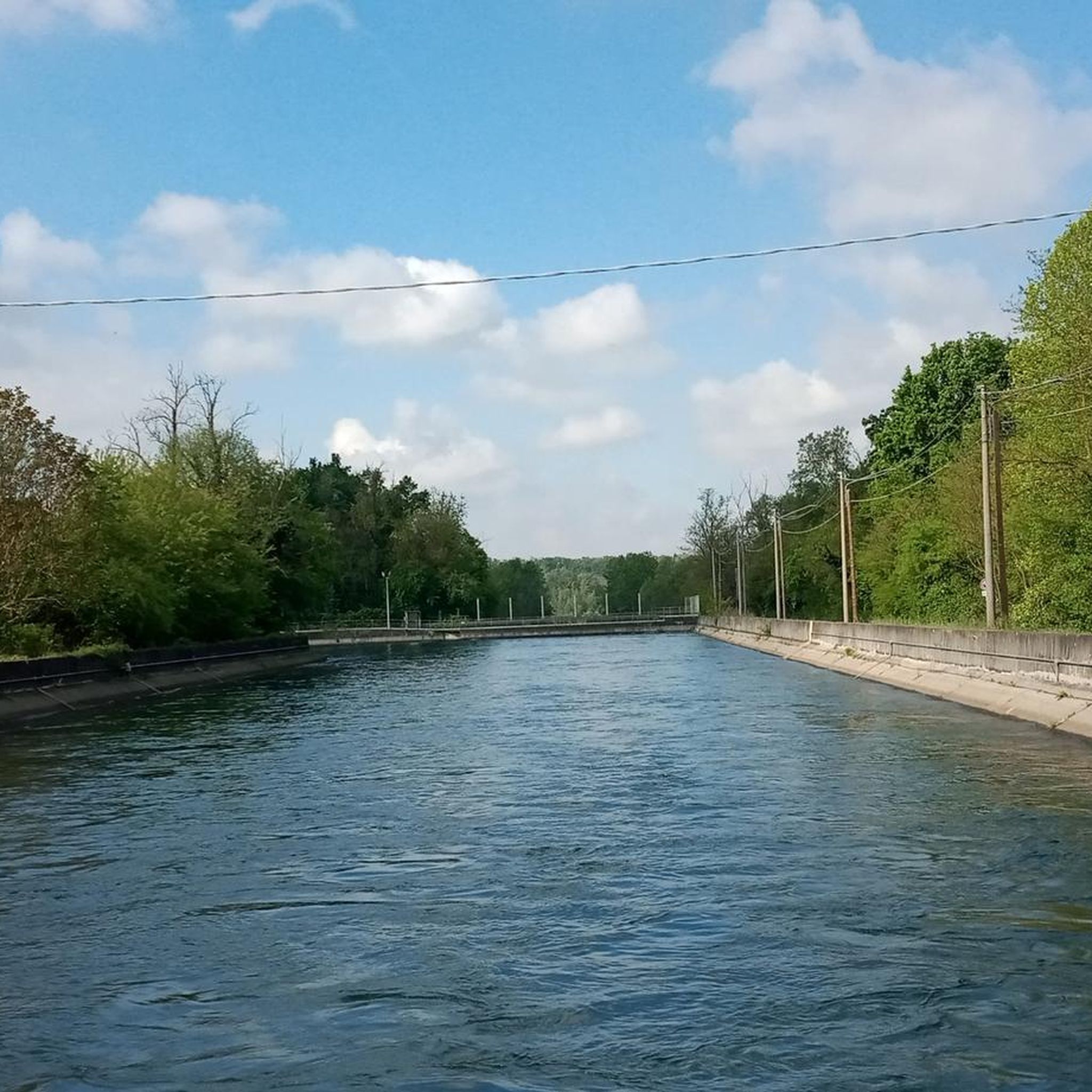
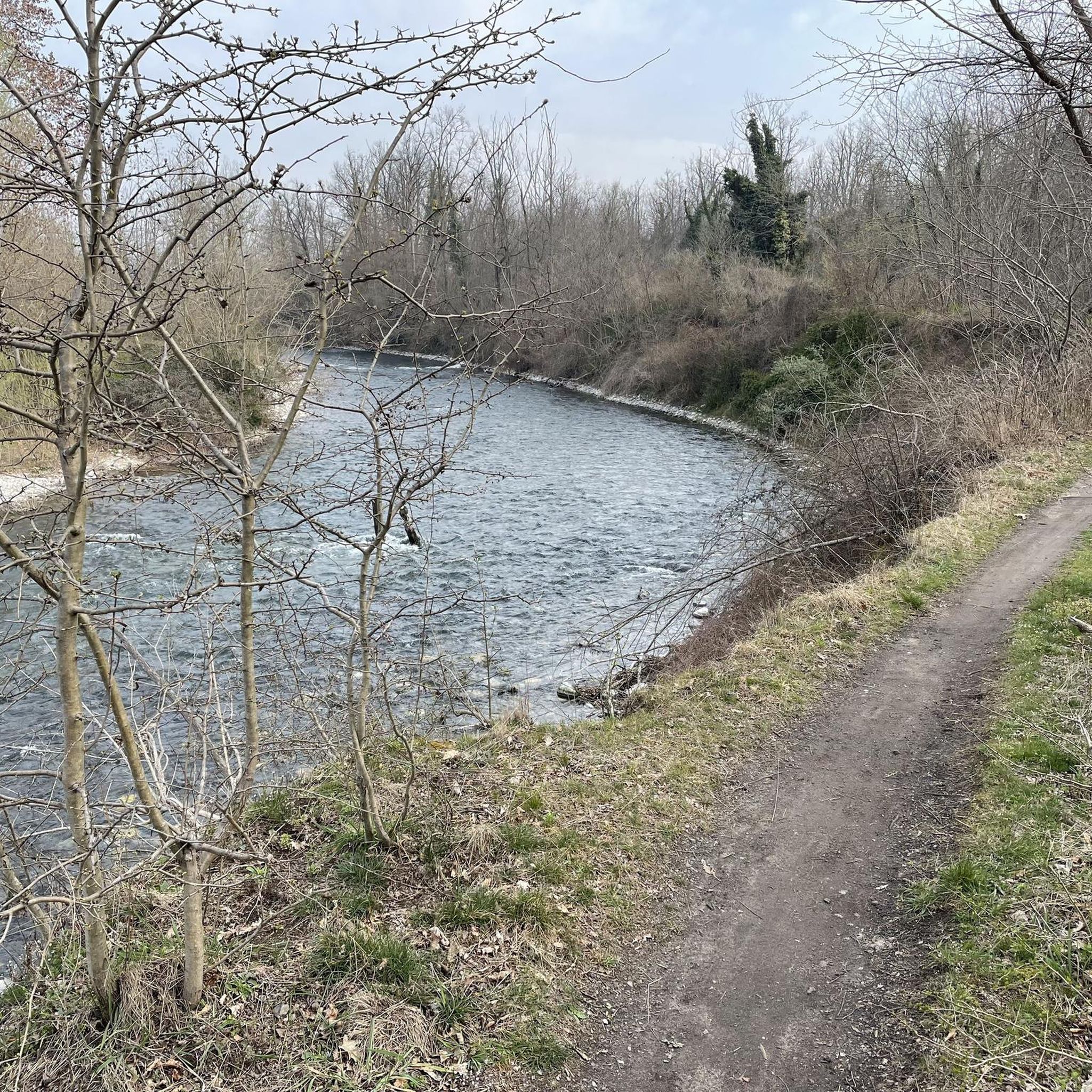
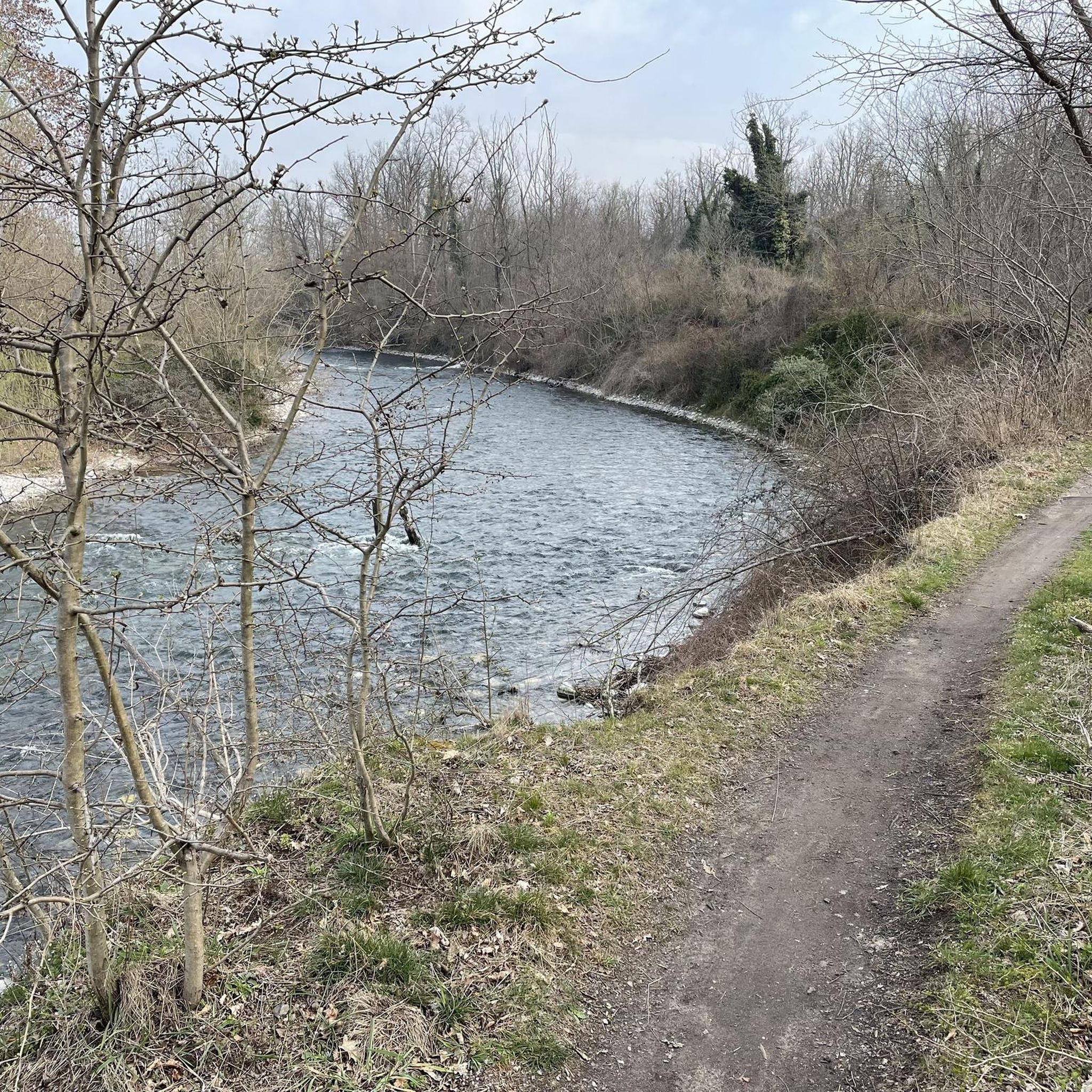

Other adventures around Turbigo

Tips from the Community

The Nosate–Tornavento cycle path is a charming 8 km cycle-pedestrian route that connects the province of Varese to that of Milan, immersed in the greenery of the Ticino Park.
0
0
Castelletto di Cuggiono is a charming hamlet in the municipality of Cuggiono, located in the metropolitan city of Milan and immersed in the splendid natural scenery of the Ticino Park. It stands along the banks of the Naviglio Grande and is one of the most appreciated historical and naturalistic destinations in the Milanese province for walking or cycling excursions.
0
0
The best-known and most appreciated road and riverside walk along the Ticino is in Sesto Calende, winding for about 3.5 kilometers from the Ponte di Ferro to Golasecca.
0
0
La Salita delle Vigne di Oleggio is a renowned cycling tour segment and route located in the morainic hills of the Medio Novarese, in Piedmont. It winds mainly between the municipalities of Oleggio and Mezzomerico, crossing the suggestive historic vineyards of the area dedicated to the cultivation of Nebbiolo
0
0
The Ticino river cycle path offers one of the most evocative panoramic points to admire Sesto Calende, the river waters, and the majestic Monte Rosa chain in the background
0
0
The Castle of Somma Lombardo, officially known as Castello Visconti di San Vito, is a magnificent 13th-century fortress located in the province of Varese, a short distance from Milan Malpensa Airport.
0
0
The Bridge of Cassinetta di Lugagnano is one of the most characteristic and historically significant monuments located along the Naviglio Grande, in the metropolitan city of Milan. Originally built of granite, the structure dates back to the 17th century, erected during the Spanish rule of the Duchy of Milan to connect the two historic centers divided by the canal. The bridge historically unites Lugagnano (on the right bank, of Roman origin) and Cassinetta (on the left bank, of medieval design). The bridge was completely rebuilt in a donkey-back shape in May 1862. This intervention became necessary both to repair the damage from the wars of independence (such as the nearby Battle of Magenta in 1859) and to facilitate the transit of commercial barges on the Naviglio.
0
0
The Naviglio Grande stretch in Castelletto di Cuggiono is one of the most evocative and intact historical and natural sights of the entire Ticino Park. Located in the province of Milan, this ancient river village seems suspended in time and is an ideal destination for walks, cycle touring, and relaxation away from the city chaos.
0
0
Frequently Asked Questions
What makes road cycling around Turbigo unique?
Road cycling in Turbigo is defined by its scenic routes along the historic Naviglio Grande and Villoresi canals. You'll find smooth, well-maintained surfaces, often away from heavy traffic, offering a tranquil environment. The routes pass through cultivated fields, sections of woodland, and provide access to the broader Ticino Park, combining natural beauty with rich historical elements.
What kind of terrain and difficulty can I expect on Turbigo's road cycling routes?
The terrain around Turbigo is generally flat, especially along the canal towpaths, resulting in low elevation gains. This makes the area suitable for extended rides. While most of the 21 routes are classified as moderate, there are also 5 easy routes and 1 difficult option, catering to various skill levels.
Are there any circular road cycling routes in the Turbigo area?
Yes, many routes around Turbigo are designed as loops, allowing you to start and end in the same location. For example, the Ticino Park and Naviglio Grande Loop offers a combination of canal-side paths and natural park scenery, while the Binda Bike Bar – Vineyards of Traversagna loop from Turbigo takes you through cultivated fields and vineyards.
What historical landmarks can I see while cycling near Turbigo?
The routes are rich with historical significance. You can encounter the 13th-century Church of Santa Maria in Binda with its 16th-century frescoes, elegant historical villas along the Naviglio Grande, and the Ancient Turbigo Power Station. The town itself features a medieval castle and a 400-year-old stone bridge over the Alzàia Canal, along with other historical elements of the canal system like old wash houses and customs houses.
Are there natural viewpoints or scenic spots along the road cycling routes?
Absolutely. The Naviglio Grande itself offers suggestive landscapes, with cultivated fields stretching along the canal and surrounding woods. You can also find stunning views at the Belvedere of Tornavento – View over the Ticino Valley and the Alps, or the Cameri viewpoint, both accessible from routes in the area.
What is the surface quality like on the canal paths around Turbigo?
The canal towpaths, particularly along the Naviglio Grande and Villoresi, are known for their smooth, well-maintained, and generally paved surfaces. This provides an excellent environment for road cycling, though you should be aware that paths may occasionally switch sides of the canal.
Can I find longer road cycling routes from Turbigo?
Yes, Turbigo serves as a great starting point for longer rides. For instance, the Panperduto Dam – Arona on Lake Maggiore loop from Turbigo is a moderate 45.5-mile (73.2 km) route that leads towards Lake Maggiore, offering varied landscapes and open views. Another option is the Binda Bike Bar – Badia di Dulzago loop from Turbigo, covering over 50 miles (83.7 km).
What do other cyclists say about road cycling in Turbigo?
The road cycling routes around Turbigo are highly rated by the komoot community, with an average score of 3.9 stars from over 10 reviews. Cyclists often praise the quiet canal-side paths, the diverse scenery encompassing cultivated fields and woodlands, and the opportunity to combine physical activity with historical exploration.
Are there any lakes or natural water features to explore near Turbigo?
Beyond the canals, the region offers access to several natural water features. You can find highlights like the Pelobates Fuscus Pond 🐥 and the Caprera Lakes🌊, which are part of the broader Ticino Park area. The Ford of the Ticino Valley Park also offers a unique natural experience.
Are there family-friendly road cycling options around Turbigo?
Given the generally flat terrain and well-maintained canal paths, many routes around Turbigo are suitable for families. The low elevation gains make it easier for cyclists of all ages to enjoy extended rides along the waterways and through the countryside. There are 5 routes specifically classified as easy, perfect for a relaxed family outing.
Can I find places to stop for refreshments or accommodation along the routes?
While specific cafes and accommodations are not detailed for every route, the presence of towns and villages along the Naviglio Grande and Villoresi canals, as well as in Turbigo itself, means you can expect opportunities for refreshment stops. The region's historical villas also hint at a developed infrastructure that often includes hospitality options.
What is the best time of year for road cycling in Turbigo?
The region's pleasant climate generally makes spring and autumn ideal for road cycling, offering comfortable temperatures and beautiful scenery. Summer can also be enjoyable, particularly in the mornings or late afternoons, allowing you to take advantage of the long daylight hours. Winter cycling is possible, but conditions may vary.
Most popular attractions around Turbigo

Get inspired with the komoot mobile app


Explore more
Browse the best Road cycling routes in other regions.
