The best cycling routes around Rovasenda
4.3
(187)
2,859
riders
126
rides
Touring cycling around Rovasenda offers a diverse landscape, characterized by the unique "African savannah-like" Baraggia Nature Reserve with its heathlands and prairies, set against the backdrop of the imposing Alpine chain. The region also features extensive rice fields, often referred to as the "checkerboard sea," and transitions into "wine lands" around Gattinara. A dense network of streams and creeks further defines the area's natural composition, providing varied terrain for cyclists.
Best touring cycling routes around Rovasenda
- The most popular touring…
Last updated: July 6, 2026
2.09km
00:11
10m
10m
Easy bike ride. Great for any fitness level. Mostly paved surfaces. Suitable for all skill levels.
4.3
(3)
67
riders
109km
07:33
1,860m
1,860m
Hard bike ride. Very good fitness required. Mostly paved surfaces. Suitable for all skill levels.

Sign up for free
50
riders
40.4km
02:52
770m
770m
Hard bike ride. Very good fitness required. Mostly paved surfaces. Suitable for all skill levels.
5.0
(1)
28
riders
135km
10:00
2,300m
2,300m
Hard bike ride. Very good fitness required. You may need to push your bike for some segments of this route.
5.0
(2)
39
riders
Hard bike ride. Very good fitness required. Mostly paved surfaces. Suitable for all skill levels.
Get access to more routes and recommendations from other explorers.
Sign up for free
Already have an account?
Our route recommendations are based on thousands of hikes, rides, and runs completed by other people on komoot.
Start today with a free account
Your next adventure awaits.
Login or Signup
Other adventures around Rovasenda

Tips from the Community

Excellent hospitality for pilgrims
0
0

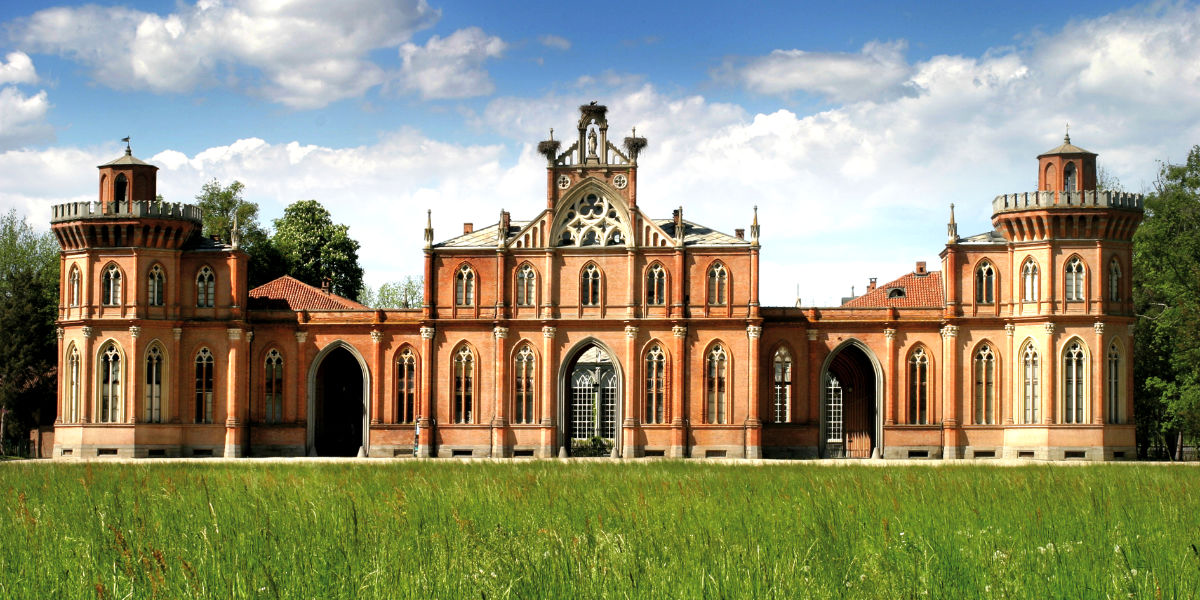
The Palace of the Ferrero Fieschi Princes of Masserano (often called simply the Palace of the Princes) is the main historical building of the village of Masserano (Biella) and one of the most important noble residences in the Biellese area.
13
0
The Church of Santo Spirito in Masserano is one of the main Baroque religious buildings in the village and is very different (in style and function) from the older San Teonesto.
14
0
The Church of San Teonesto in Masserano is one of the most important historical monuments in the Biellese area, today deconsecrated but still very significant from an artistic and historical point of view.
12
0
The Bocchetta di Margosio is a natural panoramic pass located in the Oasi Zegna, in the province of Biella (Piedmont, Italy), at an altitude of approximately 1,330 m. From here, one of the most spectacular **views of Monte Rosa, the second highest mountain in Europe, opens up, with a view also towards the Valsessera and the surrounding alpine pastures.
18
0
The **Passo (or Bocchetto) di Bocchetto Sessera is an alpine pass located in the Biella Alps, in the Province of Biella (Piedmont, Italy). It connects the Valle dello Strona di Mosso with the Val Sessera, between the mountains Monte Marca (1,558 m) and Monticchio (1,697 m).
14
0

Language Follow Edit Il Sacro Monte di Graglia is a pre-Alpine locality situated in Graglia, in the province of Biella, in Piedmont, a few kilometers west of the provincial capital. It is located at the foot of the more majestic peak of Mombarone, almost on the border with the Aosta Valley; it mainly hosts the sanctuary of the same name (812 meters above sea level), dedicated to the Black Madonna and linked to the cult of Our Lady of Loreto, in the Marche. It is therefore part of that system of pre-Alpine devotional complexes that characterized a widespread popular Marian and Christian religiosity, which expressed itself between Piedmont and Lombardy starting from around the 16th century, such as, for example, the re-enactment of the Passion of Christ in the nearby town of Sordevolo, or other similar localities such as Sacro Monte di Arona, Sacro Monte di Oropa, Sacro Monte di Varallo, Sacro Monte di Ghiffa.
0
0
Cemetery just outside Oropa on the Tracciolino road towards Andrate
1
0
Frequently Asked Questions
What kind of terrain can I expect when touring cycling around Rovasenda?
Rovasenda offers a diverse landscape for touring cyclists. You'll encounter the unique "African savannah-like" Baraggia Nature Reserve with its expansive heathlands and prairies, often set against the backdrop of the imposing Alpine chain. The region also features extensive rice fields, sometimes referred to as the "checkerboard sea," and transitions into scenic "wine lands" around Gattinara. A dense network of streams and creeks further defines the area's natural composition, providing varied terrain from flat agricultural paths to more challenging climbs towards the foothills.
How many touring cycling routes are available in the Rovasenda area?
There are over 130 touring cycling routes around Rovasenda, catering to a wide range of abilities. You'll find approximately 29 easy routes, 57 moderate routes, and 47 difficult routes, ensuring options for every fitness level.
Are there any family-friendly touring cycling routes in Rovasenda?
Yes, Rovasenda offers several easy routes suitable for families. For a gentle introduction to the area, consider the Mini Giro di Rovasenda, which is a short and easy ride exploring the immediate surroundings. Many of the routes traversing the flat rice fields also provide a pleasant experience for families.
What historical landmarks can I explore along the cycling routes?
Rovasenda is rich in history. You can visit the impressive Rovasenda Castle, with its enchanting 48-meter high tower dating back to 1459. Other nearby castles include San Lorenzo Castle, Castello di Castellengo, and Castello di Buronzo, offering glimpses into the region's past.
What natural features or viewpoints can I expect to see on a touring cycling trip?
The region boasts unique natural beauty. You'll cycle through the Baraggia Nature Reserve, known for its 'African savannah-like' heathlands and prairies, offering spectacular views, especially in early autumn. The extensive rice fields provide a distinctive 'checkerboard sea' landscape. The majestic Alps form a picturesque backdrop to many routes. While not a specific viewpoint, the Rive Rosse area offers interesting natural formations.
What is the best time of year to go touring cycling in Rovasenda?
The best time for touring cycling in Rovasenda is generally during spring and early autumn. Spring offers pleasant temperatures and blooming landscapes, while early autumn provides golden grasses and pink heather in the Baraggia, along with comfortable cycling conditions. Summers can be warm, especially in the open rice fields, and winters can be cold.
Are there any circular touring cycling routes around Rovasenda?
Yes, many of the touring cycling routes around Rovasenda are designed as loops, allowing you to start and finish in the same location. Examples include the challenging Santuario di Graglia – Oropa Sanctuary loop from Rovasenda and the Fabbrica della Ruota – Bocchetto Sessera Pass loop from Rovasenda for more experienced cyclists, as well as shorter loops like the Murals of Gattinara – Nervi Winery loop from Rovasenda.
What do other touring cyclists enjoy most about cycling in Rovasenda?
The area is highly rated by the komoot community, with an average score of 4.4 stars from over 180 reviews. Touring cyclists often praise the unique and varied landscapes, from the 'savannah-like' Baraggia to the expansive rice fields and the distant Alpine views. The diversity of routes, catering to different fitness levels, and the opportunity to combine natural beauty with historical sites are also frequently highlighted.
Is public transport available to access the cycling routes in Rovasenda?
Rovasenda is a small village, and while local bus services might connect it to larger towns, direct public transport specifically to trailheads is limited. It's advisable to check local bus schedules for connections to Rovasenda itself. Many cyclists prefer to drive to Rovasenda and start their tours from there.
Where can I park my car when starting a touring cycling route in Rovasenda?
Parking is generally available within the village of Rovasenda. As a smaller community, you can often find suitable parking spots in or near the town center, or at designated parking areas if available, from which you can easily access the various cycling routes that radiate from the area.
Are there any specific permits required for touring cycling in the Baraggia Nature Reserve?
For general touring cycling on established paths and roads within the Baraggia Nature Reserve, specific permits are typically not required. However, it's always good practice to respect local regulations, stay on marked trails, and be mindful of the natural environment, especially given the reserve's unique ecological significance.
Are there options for accommodation or places to eat along the cycling routes?
While Rovasenda itself is a small village, you can find local eateries and potentially some accommodation options. As you venture into nearby towns like Gattinara or larger centers, more choices for cafes, restaurants, and hotels become available. Planning your route to pass through these towns can ensure you have opportunities for refreshments and overnight stays.
Most popular routes around Rovasenda
Most popular attractions around Rovasenda

Get inspired with the komoot mobile app


Explore more
Browse the best Cycling routes in other regions.
