Attractions and Places To See around Fontanetto Po - Top 20
Attractions and places to see around Fontanetto Po include historical landmarks, cultural sites, and natural features within the Piedmont Po Park. This region, located in the province of Vercelli, Italy, is characterized by its position along the Po river and extensive rice cultivation. Fontanetto Po is known for its network of irrigation ditches and its historical significance, including being the birthplace of violinist Giovan Battista Viotti. Visitors can explore a blend of built heritage and natural landscapes.
Best attractions and…
Last updated: July 7, 2026
Camino Castle
Highlight • Castle
As with many ancient buildings in Italy, there are many legends about the castle of …
Translated by Google •
Tip by

Principality of Lucedio
Highlight • Historical Site
Translated by Google •
Tip by

Sign up now to discover places like this
Get recommendations on the best single tracks, peaks, & plenty of other exciting outdoor places.
Sign up for free
Church of the Most Holy Name of Mary (Our Lady of the Vines)
Highlight • Religious Site
Translated by Google •
Tip by
Leri ghost town
Highlight • Settlement
In the prolific Piedmont, …
Translated by Google •
Tip by

Ford
Highlight • River
Translated by Google •
Tip by

Sign up for free to discover even more attractions around Fontanetto Po.
Sign up for free
Already have an account?
Start today with a free account
Your next adventure awaits.
Login or Signup

Tips from the Community

Attention! This ford cannot be bypassed except with a very long detour to return to the SP31bis. It is not very deep but the bottom is stony. In the direction of Casale it is shallower on the right, and obviously on the left in the direction of Chivasso. It is right on the VenTo track so... watch out...
0
0

Nestled among centuries-old trees, Camino Castle dominates the ancient village from above and contributes to one of the most easily recognizable hilltop profiles of the Lower Monferrato.
0
0

Open on Sundays only (May 2024)
0
0

the church of the most holy name of Mary belonged to the complex of the Lucedio Abbey. today it is abandoned and it is not possible to enter. on the side there is a window from which I took some photos of the interior. Be very careful in summer because I noticed that on the side of the church there is a large nest of wasps or hornets, I can't tell because it is really very high up. the photos you see were taken at the end of February.
0
1

Beautiful, very large. In excellent condition as it is used
0
0

As of 11/24/2023, the ford can be easily crossed by staying on the right side (coming from Turin)
0
0

It was founded in 1123 by Cistercian monks from Burgundy who reclaimed the territory, being the first to introduce the cultivation of rice into Italy in the mid-1400s. The Principality of Lucedio can be visited by the public, according to the calendar indicated on the "Visit Lucedio" https: //www.principatodilucedio.it/it/
3
0

Estate of the Principality of Lucedio, a farm that also belonged to Napoleon, with an abbey attached
1
0
Frequently Asked Questions
What historical sites can I explore in Fontanetto Po?
Fontanetto Po and its surroundings offer several significant historical sites. You can visit the Principality of Lucedio, an ancient abbey founded by Cistercian monks who introduced rice cultivation to the region. Another notable site is the Camino Castle, a spectacular castle in Monferrato with a rich history and local legends. Within Fontanetto Po itself, the Church of St. Sebastian and the Parish Church of St. Martin with its Norman Romanesque bell tower are worth seeing. Don't miss the Leri ghost town, an abandoned agricultural complex offering a glimpse into past rural life.
Are there any natural reserves or parks to visit near Fontanetto Po?
Yes, Fontanetto Po is an integral part of the Piedmont Po Park, which protects the natural environment along the Po river. A key natural reserve is Paludi San Genuario, a Natura 2000 site known for birdwatching and naturalistic photography, providing a habitat for rare species like the bittern. The region is also characterized by its extensive rice fields, which form a unique natural landscape. You can find more information about the park at Piedmont Po Nature Park.
Can I learn about the region's rice cultivation history?
Absolutely. The region is famous for its rice cultivation. You can visit the Ancient Mill – Rice Mill of St. John, the last remaining water-powered rice mill in the province of Vercelli. It's now part of the Ecomuseum of Terre d'Acqua and offers tours to demonstrate traditional rice processing. The Principality of Lucedio also played a crucial role in introducing and spreading rice cultivation in Italy.
What are some unique or mysterious places to see?
For those interested in unique and mysterious places, the Church of the Most Holy Name of Mary (Our Lady of the Vines) is a fascinating option. This deconsecrated 17th-century church is now abandoned and surrounded by legends, including one about 'the devil's score.' The Principality of Lucedio also has a reputation for blending history with a touch of mysticism and dark events.
Are there opportunities for outdoor activities like cycling or running?
Yes, the area around Fontanetto Po offers various outdoor activities. You can find numerous routes for road cycling, mountain biking, and running. For example, there are challenging road cycling routes like the 'Climb to Castello di Gabiano – Monferrato Hills loop' and moderate MTB trails such as the 'Big Bench – Giant Bench La Rul Verda loop.' You can explore detailed routes for road cycling, mountain biking, and running around Fontanetto Po.
What is the best time of year to visit Fontanetto Po, especially to see the rice fields?
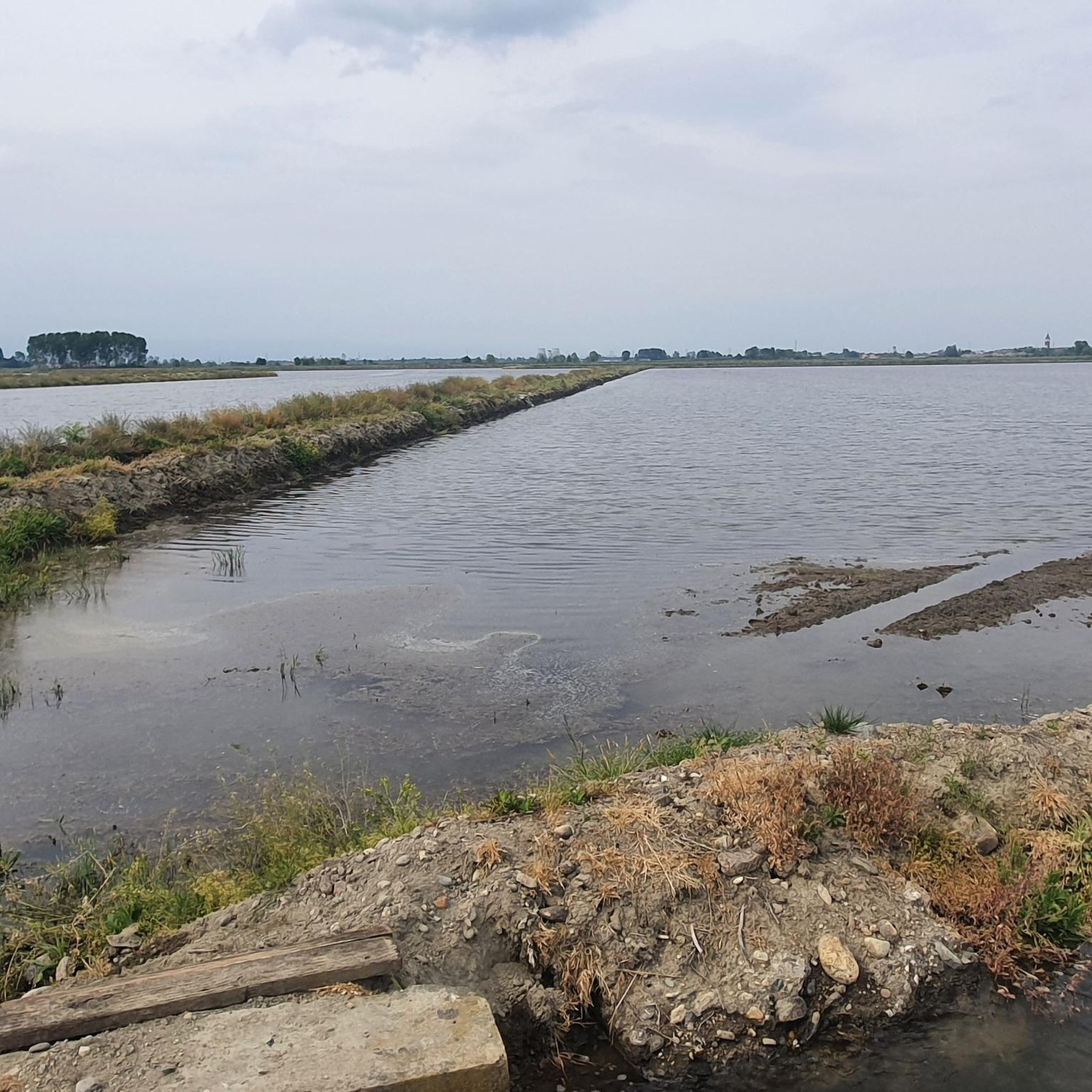
The best time to visit Fontanetto Po largely depends on what you wish to experience. To see the rice fields flooded, typically in late spring (April-May), the landscape is particularly striking. For outdoor activities like cycling and hiking, spring and autumn offer pleasant temperatures. Summer can be warm, but the green rice paddies are lush. Birdwatching in Paludi San Genuario is rewarding throughout the year, with different species present seasonally.
Are there family-friendly attractions in the area?
While many historical sites might appeal to older children, the Principality of Lucedio is noted as family-friendly, offering an engaging historical experience. The Ecomuseum at the Ancient Mill – Rice Mill of St. John can also be an educational and interesting visit for families. Additionally, exploring the natural landscapes of the Piedmont Po Park and Paludi San Genuario offers opportunities for nature walks and birdwatching suitable for all ages.
Where can I find information about the local churches?
Fontanetto Po is home to several historically significant churches. The Church of St. Sebastian is a recognized example of Romanesque-Gothic architecture. The Parish Church of St. Martin features a striking 56-meter high Norman Romanesque bell tower, considered a national monument. For a more intriguing experience, the deconsecrated Church of the Most Holy Name of Mary (Our Lady of the Vines) offers a glimpse into abandoned historical buildings.
What kind of views can I expect around Fontanetto Po?
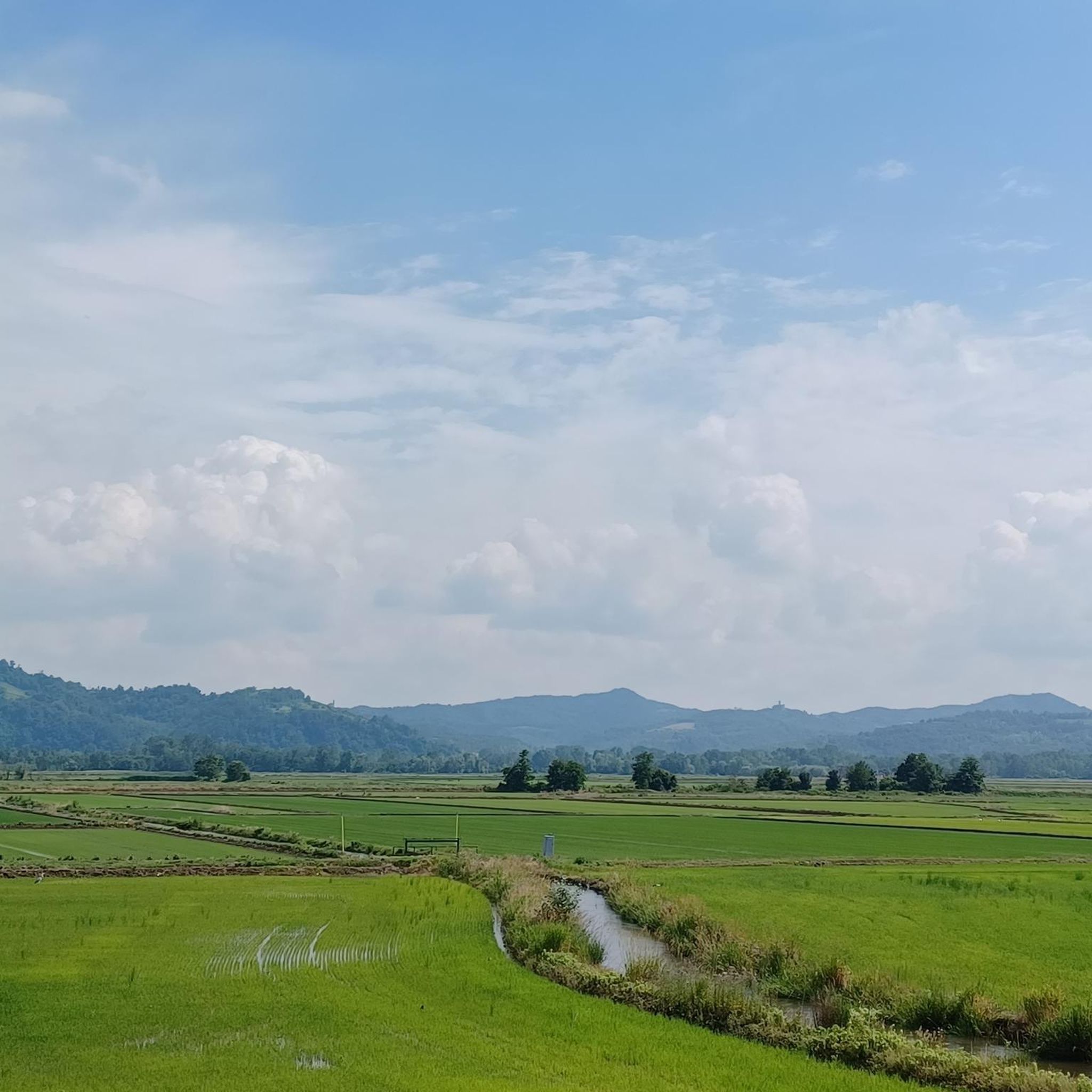
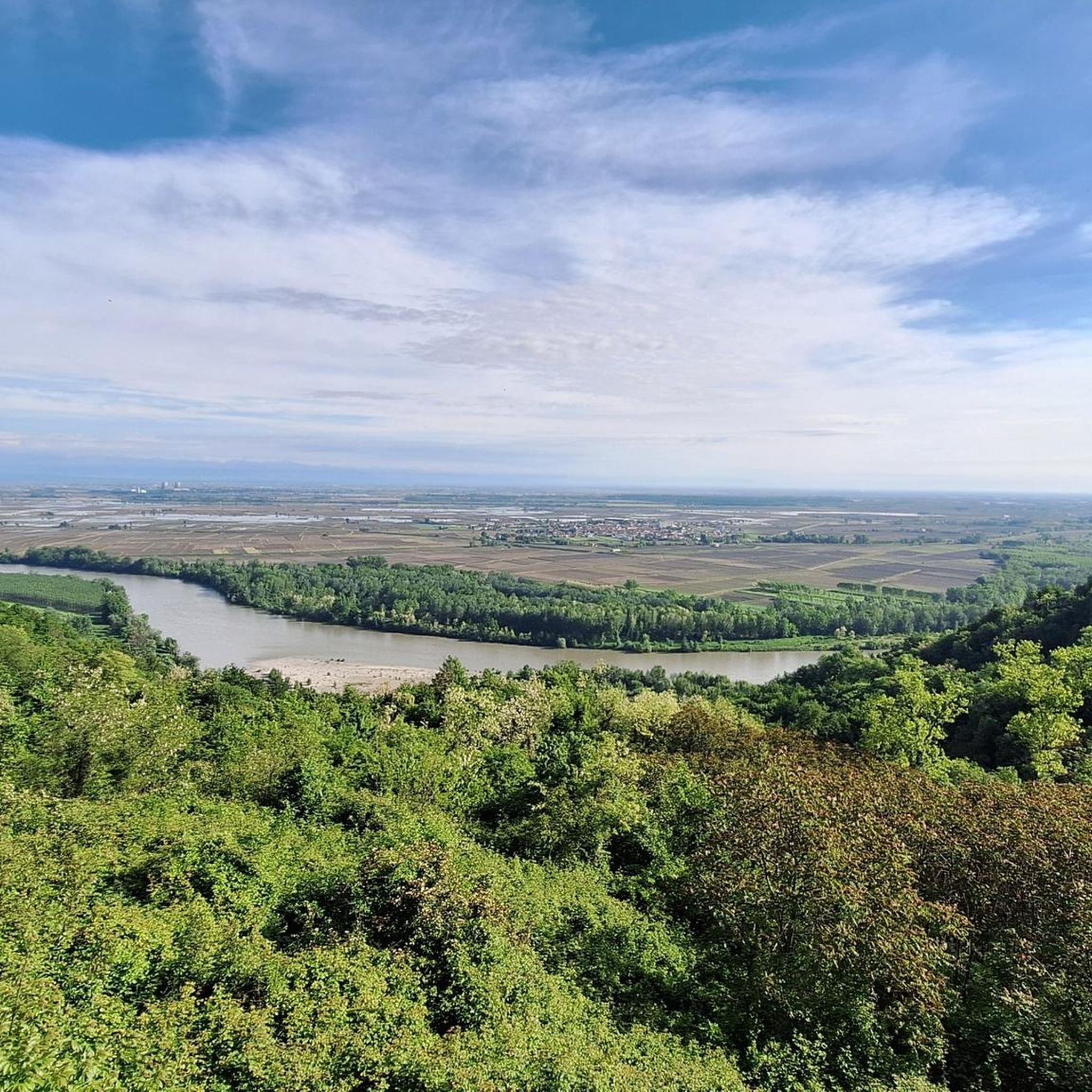
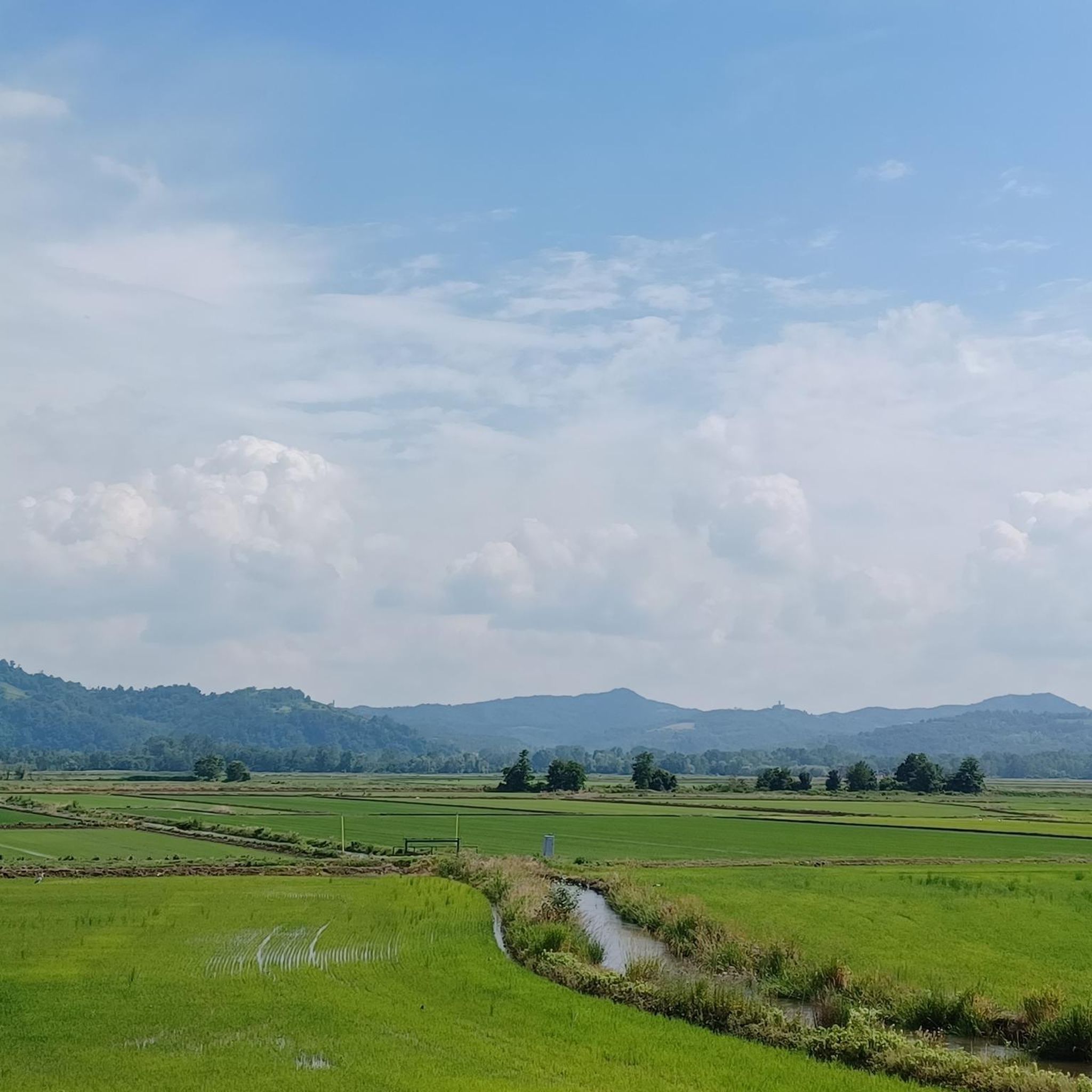
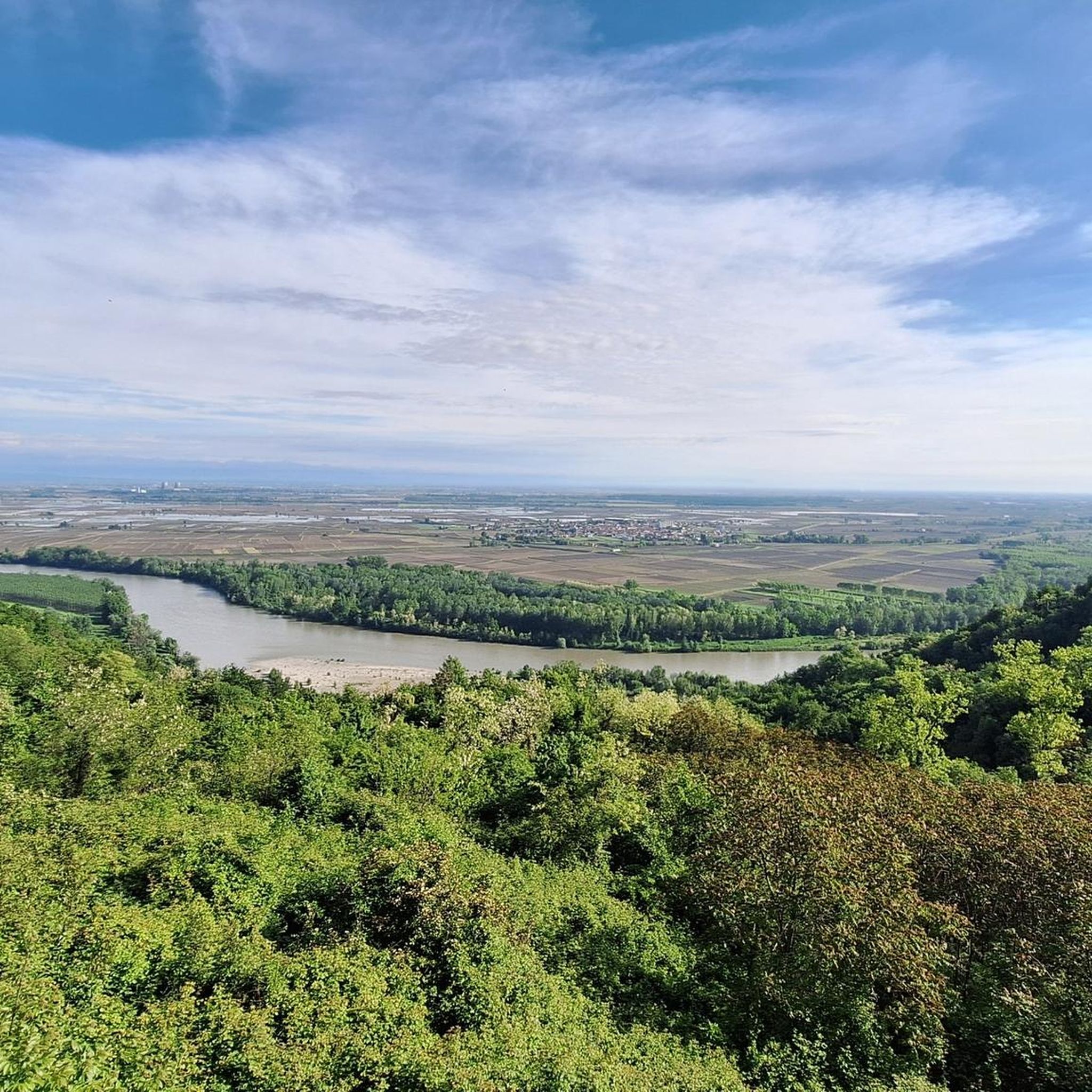
The landscape around Fontanetto Po is characterized by the flat plains of the Po river, dominated by extensive rice fields. These fields offer unique, expansive views, especially when flooded. From elevated points like the Camino Castle, you can enjoy panoramic vistas of the Monferrato hills. The Connection between Villamiroglio and Murisengo also offers wonderful scenic views along its route.
Are there any dog-friendly outdoor activities or places?
Many of the natural areas and outdoor trails around Fontanetto Po are suitable for walks with dogs, provided they are kept on a leash and owners clean up after them. The Piedmont Po Park and the surrounding rice paddies offer ample space for walks. Specific rules for natural reserves like Paludi San Genuario should be checked locally regarding dog access to protect wildlife.
What are some easy walking trails suitable for beginners or short strolls?
The flat terrain of the rice paddies around Fontanetto Po provides many opportunities for easy and short walks. While specific named trails for beginners aren't detailed, the network of irrigation ditches and rural roads within the Piedmont Po Park offers gentle paths. These are ideal for leisurely strolls to enjoy the unique agricultural landscape and observe local birdlife without significant elevation changes.
Are there any notable musical connections in Fontanetto Po?
Yes, Fontanetto Po is the birthplace of the internationally renowned violinist Giovan Battista Viotti, born in 1755. His birthplace on Via Viotti is marked by a plaque, and the town occasionally hosts high-standard musical events that celebrate his legacy. This connection adds a cultural dimension for visitors interested in classical music history.
Most popular routes around Fontanetto Po
Most popular attractions around Fontanetto Po

Get inspired with the komoot mobile app


Explore more
Still not found the Highlight you’re looking for? See guides of the top attractions in other regions:
