Attractions and Places To See around Santhià - Top 20
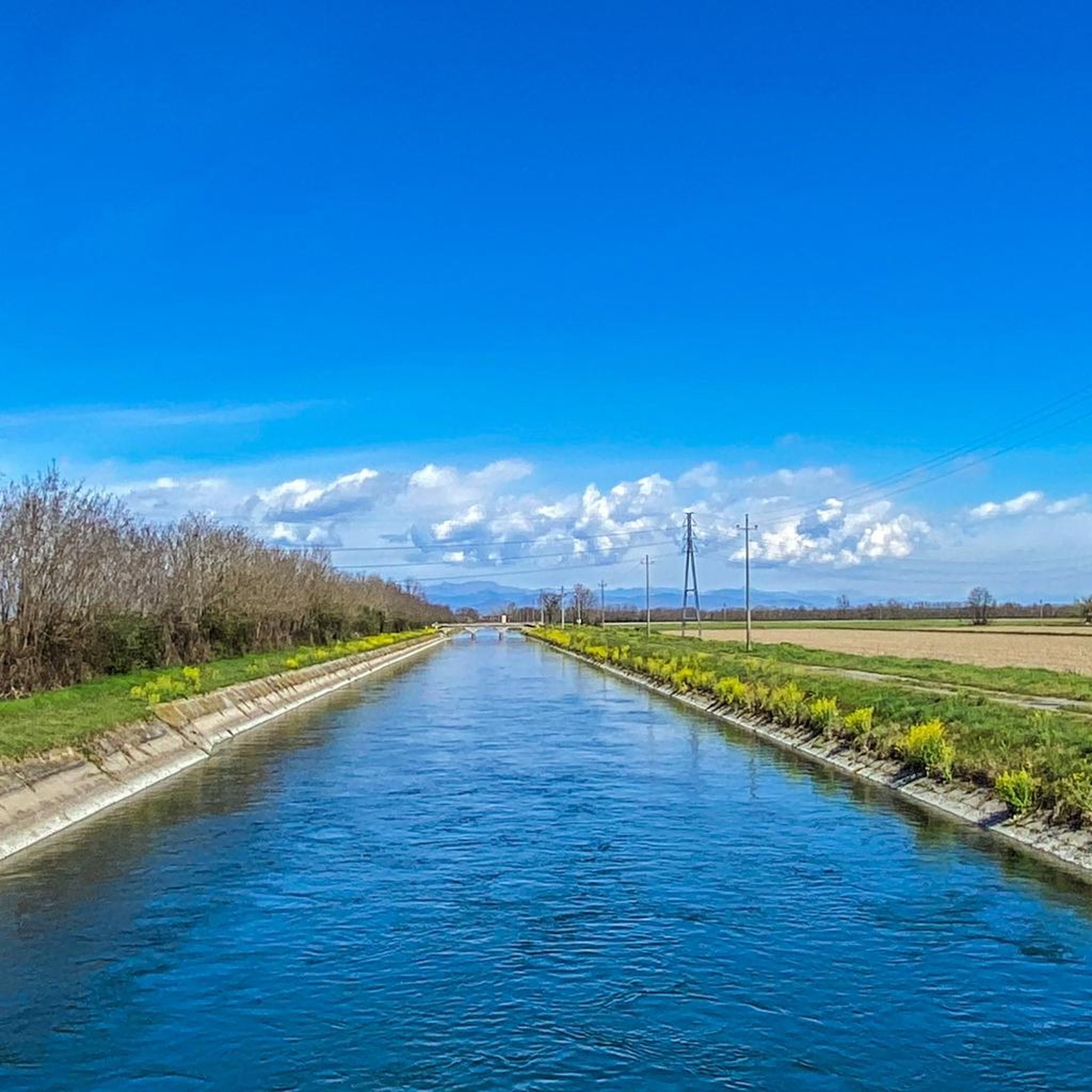
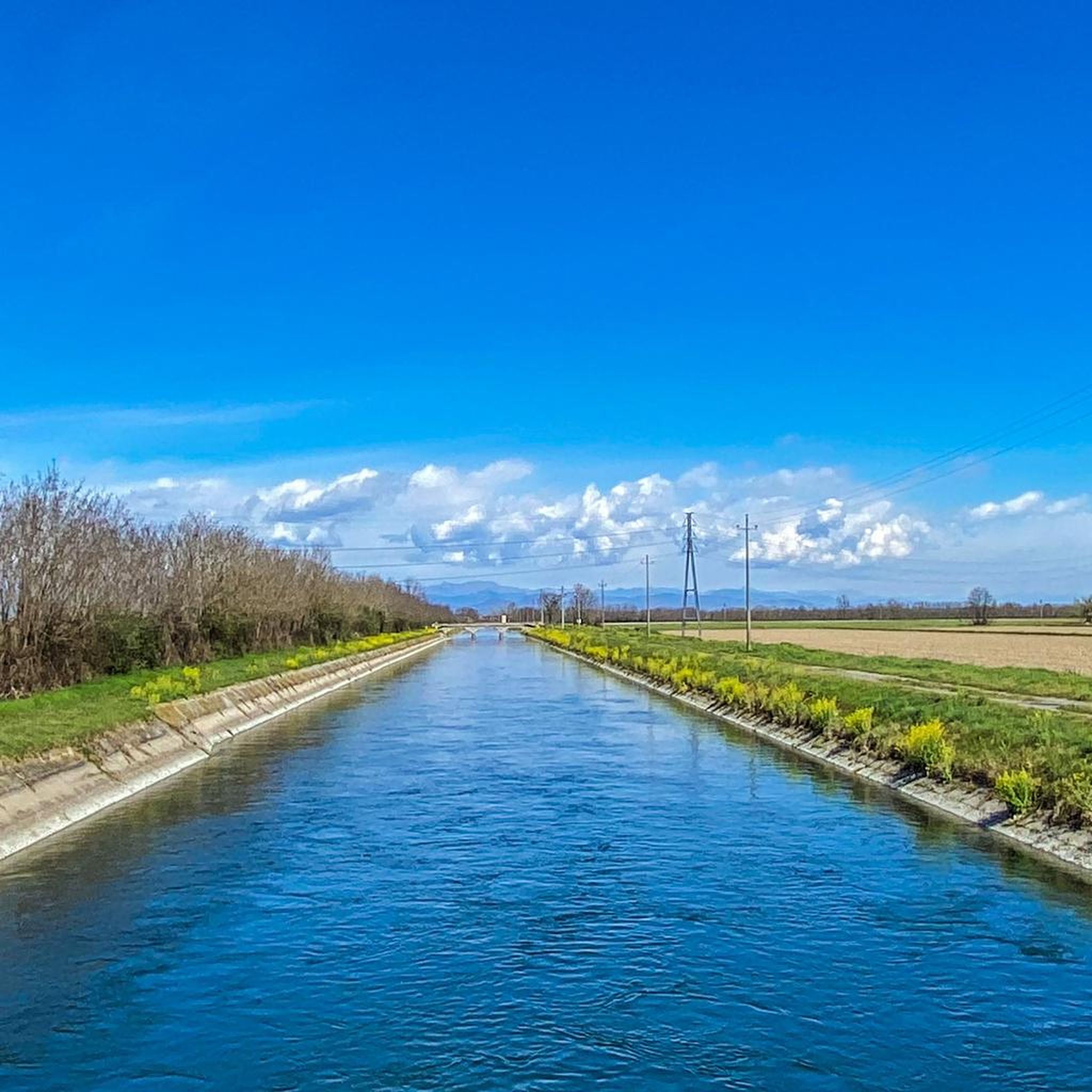
Best attractions and places to see around Santhià include a blend of historical sites, cultural experiences, and natural beauty within the province of Vercelli, Italy. The town's ancient history is reflected in its architecture and traditions. Santhià is an important stop along the historic Via Francigena and is surrounded by a landscape of rice fields. The area offers opportunities for outdoor activities and exploration of its unique natural features.
Best attractions and places to see around Santhià
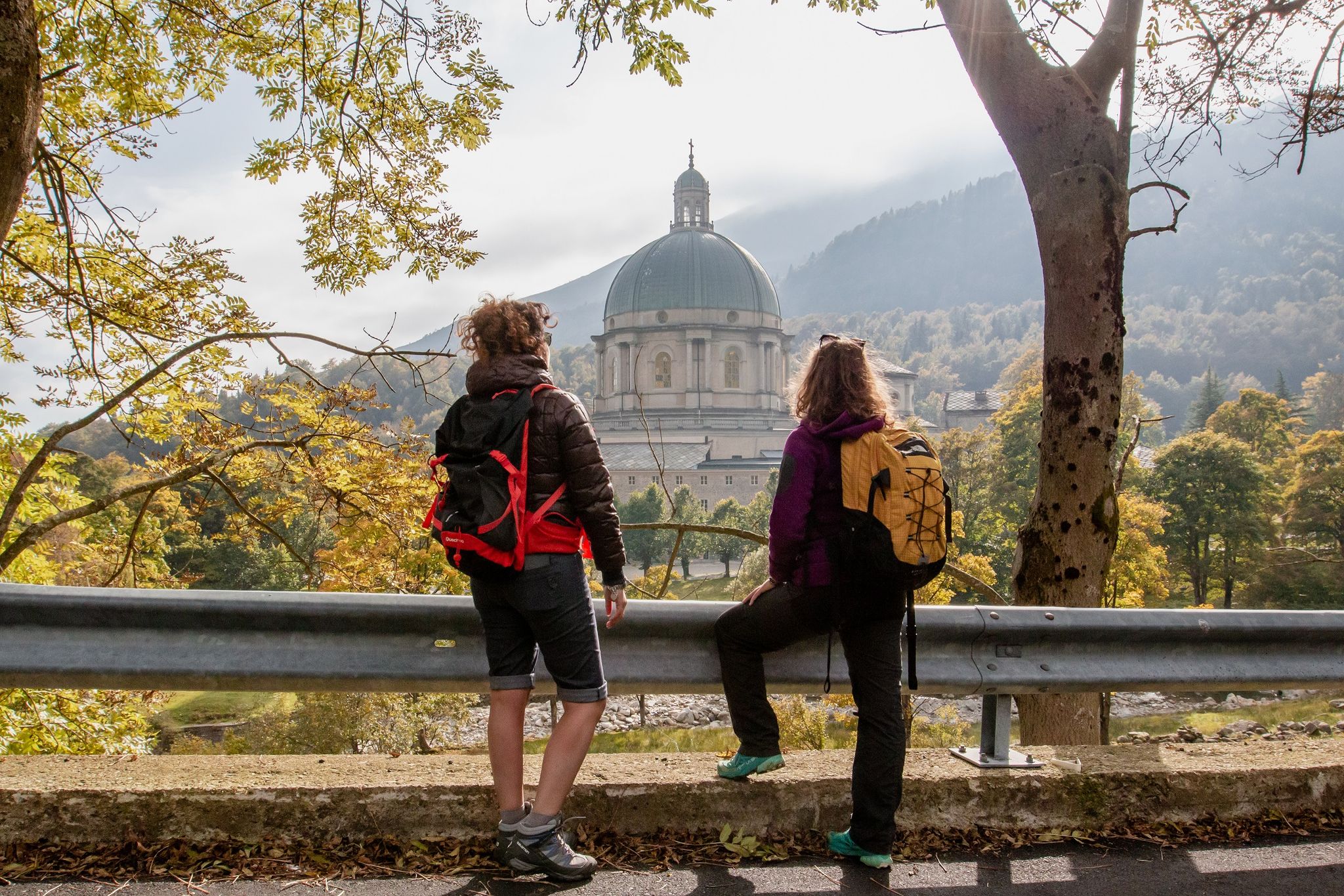
- The most popular attractions is Sanctuary of Santa Maria della Cella, a religious building located in the middle of the woods. Next to the church, rebuilt in 1848, the ruins of the old monastery can still be seen.
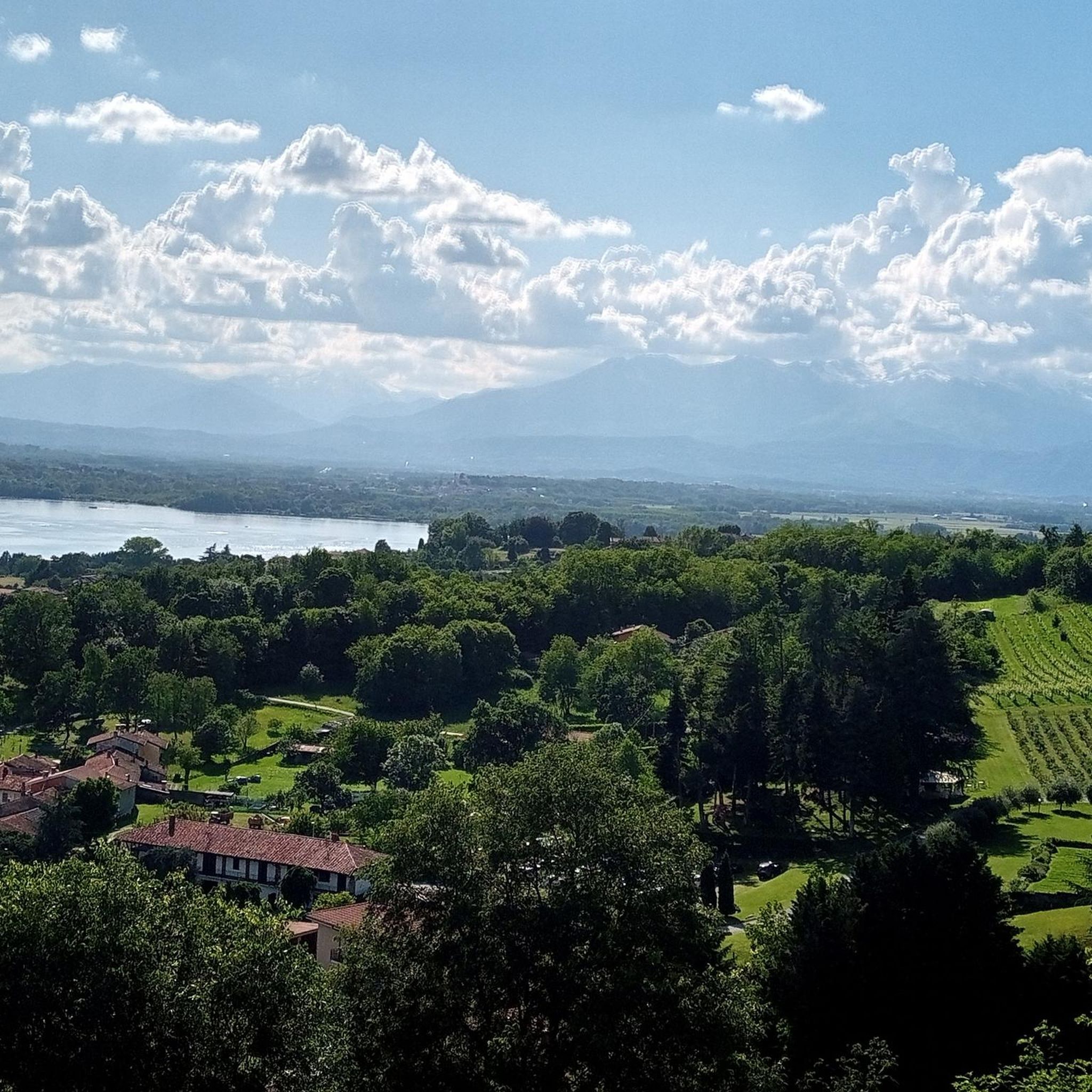
- Another must-see spot is Pile-dwelling Village at Lake Viverone, a historical site featuring remains of approximately 5000 poles stuck in the ground. This evidence points to an ancient pile-dwelling village dating back to the Bronze Age, protected by UNESCO.
- Visitors also love Lake Bertignano, a lake formed following the retreat of the Balteo glacier. It is located not far from the larger Lake Viverone.
- Santhià is known for its historical sites, cultural points of interest, and natural landscapes. Visitors can explore ancient churches, art galleries, and the extensive rice fields.
- The attractions around Santhià are appreciated by the komoot community, with more than 170 upvotes and over 110 photos shared.
Last updated: July 7, 2026
Pile-dwelling Village at Lake Viverone
Highlight • Historical Site
The settlement is one of the 111 "Prehistoric Pile-dwelling Sites of the Alpine Arc" protected by UNESCO. The place is definitely enchanting: water lilies, poplars, aquatic birds...
Translated by Google •
Tip by

Lake Bertignano
Highlight • Lake
Translated by Google •
Tip by

Sign up now to discover places like this
Get recommendations on the best single tracks, peaks, & plenty of other exciting outdoor places.
Sign up for free
Sanctuary of Santa Maria della Cella
Highlight • Religious Site
Next to the church, rebuilt in 1848, the ruins of the old monastery can still be seen, documentary sources attest to the presence of the Cella di Meoglio among the possessions of the Monastery of Lucedio and here, according to tradition, in 1001 San Bononio worked a miracle there .
Translated by Google •
Tip by

Parish of Saint Agatha
Highlight • Religious Site
Translated by Google •
Tip by

Cavaglià Town Center
Highlight • Settlement
Cavaglià is one of the municipalities of Biella along the Cammino di Oropa and the Via Francigena, an ancient route that in the Middle Ages connected Canterbury with Rome and the ports of Puglia, today rediscovered by modern travelers, who have traveled a beautiful and surprising route. For more information, visit the official website viefrancigene.org/it. The municipal council has created a "Hostel for Pilgrims along the Via Francigena", which makes it available for a small symbolic amount to those who decide to undertake the Camino.
comune.cavaglia.bi.it/aree-tematiche/turismo
Translated by Google •
Tip by

Sign up for free to discover even more attractions around Santhià.
Sign up for free
Already have an account?
Start today with a free account
Your next adventure awaits.
Login or Signup
Popular around Santhià




Tips from the Community

The Collegiata di Sant’Agata in Santhià, a comune in the province of Vercelli, Piedmont, Italy, is an impressive church located in the central Piazza Roma, not far from the town hall. Although the original Romanesque building from the 12th century has now disappeared, there are still remains of the northern exterior, the semicircular apse and the stone bell tower. The present church, designed by architect Giuseppe Talucchi, was built between 1836 and 1839 in Neoclassical style. The facade is characterized by a large pronao, supported by six columns, with vaults painted by the artist Luigi Hartmann. Inside is a valuable polittico by Gerolamo Giovenone.
5
0

It is very particular because it is isolated in the middle of the woods and you suddenly discover it and then dive back into the bush
6
0
The church of S. Maria di Meoglio, today known as the Sanctuary of the Madonna della Cella, is located in the middle of the woods and is the center of the ancient settlement of Meoglio. Next to the church, rebuilt in 1848, the ruins of the old monastery can still be seen, documentary sources attest to the presence of the Cella di Meoglio among the possessions of the Monastery of Lucedio and here, according to tradition, in 1001 San Bononio worked a miracle there .
7
0
The Collegiata di Sant'Agata in Santhià, a municipality in the province of Vercelli, Piedmont, is an impressive church located in the central Piazza Roma, not far from the town hall. Although the original 12th century Romanesque building has now disappeared, remains of the northern exterior, semi-circular apse and stone bell tower still remain. The current church, designed by architect Giuseppe Talucchi, was built between 1836 and 1839 in a neoclassical style. The facade is characterized by a large pronao, supported by six columns, with vaults painted by artist Luigi Hartmann. Inside is a valuable polittico by Gerolamo Giovenone.
5
0
The territory of Cavaglià, largely flat, extends at the foot of the morainic hill of Serra, which separates Biella from Ivrea and is the longest moraine hill in Europe; There is approximately 250 m of altitude between the highest and lowest parts of the municipality. The city is located in an area that has been populated since ancient times; The Celts gave names to various regions around the capital. Cavaglià is one of the municipalities of Biella along the Cammino di Oropa and the Via Francigena, an ancient route that in the Middle Ages connected Canterbury with Rome and the ports of Puglia, today rediscovered by modern travelers, who have traveled a beautiful and surprising route. For more information, visit the official website https://www.viefrancigene.org/it/. The municipal council has created a "Hostel for Pilgrims along the Via Francigena", which makes it available for a small symbolic amount to those who decide to undertake the Camino. https://www.comune.cavaglia.bi.it/aree-tematiche/turismo
6
0

The oasis they built with a wooden construction overlooking the lake is very pleasant
2
0

The Sanctuary is located in a very particular position, immersed in the woods and at the crossroads of numerous paths, which lead to this small clearing where the church stands.
2
0
In Lake Viverone, the remains of around 5000 poles driven into the ground which supported the structures of a very ancient large pile-dwelling village dating back to the Bronze Age have been extraordinarily preserved. The site has an important archaeological value, artefacts such as swords, axes, pins and ornaments have been discovered, which have allowed us to reconstruct the life of a Bronze Age community. The site is now a World Heritage Site.
4
0
Frequently Asked Questions
What historical sites can I explore around Santhià?
Santhià is rich in history. You can visit the Sanctuary of Santa Maria della Cella, a religious building with ruins of an old monastery. The town itself features the Parish Church of Sant'Agata with its Romanesque crypt, the 15th-century Castle of Vettignè, and the medieval Teodolinda Tower. The ancient village of Olcenengo also preserves historical charm with its church and remnants of an 1100s castle.
Are there any ancient archaeological sites near Santhià?
Yes, a significant archaeological site is the Pile-dwelling Village at Lake Viverone. This UNESCO-protected site features the remains of approximately 5000 poles from an ancient Bronze Age settlement, offering a glimpse into prehistoric life.
What natural attractions are there to visit near Santhià?
The area around Santhià boasts beautiful natural features. You can explore Lake Bertignano, formed by the retreat of the Balteo glacier, and the larger Lake Viverone. The surrounding landscape is also characterized by extensive rice fields, offering a unique natural backdrop for excursions.
Can I find outdoor activities like cycling or mountain biking around Santhià?
Absolutely! The region offers various routes for outdoor enthusiasts. For mountain biking, you can explore trails like the 'Lake Bertignano – Ricetto di Magnano loop' or the 'Bastia Tower – Lake Bertignano loop'. Cyclists can enjoy routes such as the 'Lake Viverone and Via Francigena Loop'. You can find more details and routes on the MTB Trails around Santhià, Gravel biking around Santhià, and Cycling around Santhià guide pages.
Are there family-friendly places to visit in the Santhià area?
Many attractions around Santhià are suitable for families. The Pile-dwelling Village at Lake Viverone and Lake Bertignano offer tranquil settings for exploration. The Sanctuary of Santa Maria della Cella, nestled in the woods, provides a peaceful outing. Additionally, the town centers of Cavaglià and Olcenengo are pleasant for family strolls.
What cultural experiences does Santhià offer?
Santhià provides a blend of historical and cultural experiences. You can visit the Gallery of Modern Art, established in 1964, which showcases works primarily by Italian painters. The town also hosts the Historic Carnival of Santhià, an internationally recognized allegorical event dating back to 1328, making it the oldest historical carnival in Piedmont.
Is Santhià part of any famous pilgrimage routes?
Yes, Santhià is an important stop along the historic Via Francigena, serving as the 44th stage of this ancient pilgrimage route. It is also the starting point for the Oropa Path, a four-stage route connecting to the renowned Marian sanctuary in Biella.
What is the best time of year to visit Santhià for outdoor activities?
The spring and autumn months generally offer pleasant weather for outdoor activities like cycling and hiking around Santhià, with comfortable temperatures and beautiful landscapes. Summer can also be enjoyable, especially around the lakes. If you're interested in cultural events, the Historic Carnival typically runs from Epiphany until Ash Wednesday.
What unique landscapes can I see around Santhià?
The most distinctive landscape around Santhià is the vast expanse of rice fields. These agricultural areas create a unique, relaxing scenery, especially during different stages of cultivation, and are perfect for leisurely bike rides or walks.
What do visitors enjoy most about the attractions near Santhià?
Visitors particularly appreciate the tranquility and historical significance of the sites. For instance, the Pile-dwelling Village at Lake Viverone is noted for its peaceful lake setting and archaeological value. The Sanctuary of Santa Maria della Cella is loved for its secluded location in the middle of the woods, offering a sense of discovery.
Are there any notable churches or religious buildings to visit?
Santhià and its surroundings feature several significant religious sites. The Parish Church of Sant'Agata in the historic center is known for its Romanesque crypt and frescoes. You can also visit the Church of Santissima Trinità and Santi Apostoli Pietro e Paolo, which houses a wooden altar, and the secluded Sanctuary of Santa Maria della Cella.
Where can I find art and culture in Santhià?
For art and culture, the Gallery of Modern Art (Galleria Civica d'Arte Moderna) in Santhià is a key destination. It features a collection of works, primarily by Italian painters, often focusing on local subjects. The town's rich history, evident in its architecture and traditions, also contributes to its cultural appeal.
Most popular routes around Santhià
Most popular attractions around Santhià

Get inspired with the komoot mobile app


Explore more
Still not found the Highlight you’re looking for? See guides of the top attractions in other regions:
