The 15 Most Amazing Peaks around Pila
Best mountain peaks around Pila, a ski resort in Italy's Aosta Valley, provide access to a range of elevated areas. The region offers views of iconic Alpine giants such as Mont Blanc, the Matterhorn, Monte Rosa, and Grand Combin. Several prominent peaks and high-altitude areas are directly associated with Pila, offering diverse opportunities for hiking and exploration. These locations are known for their panoramic vistas of the surrounding Alpine landscape.
Best mountain peaks around Pila
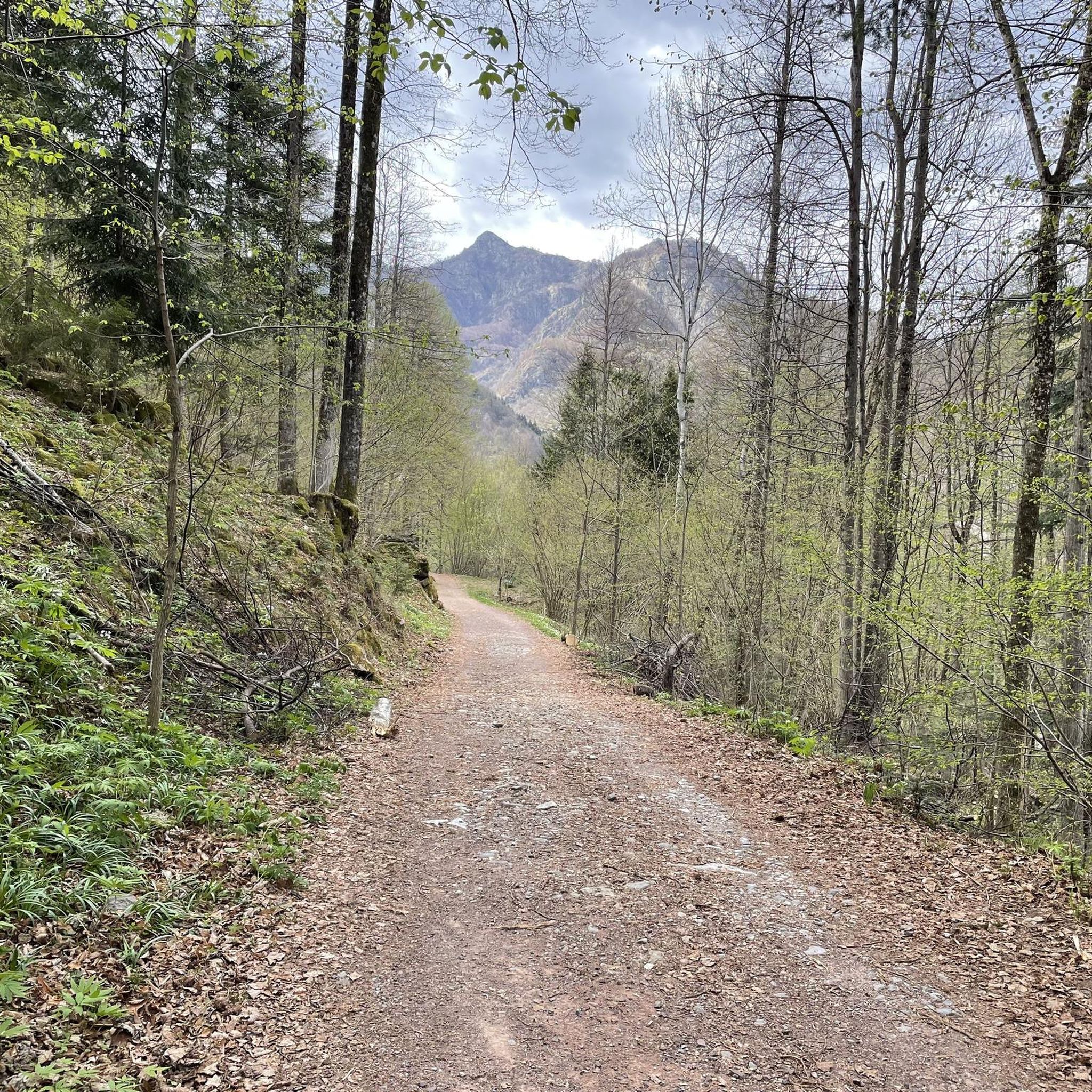
- The most popular mountain peaks is Summit of Monte Barone, a summit that reaches 2044 m in the Biella Alps. It offers panoramic views over the Sessera and Strona di Postua valleys.
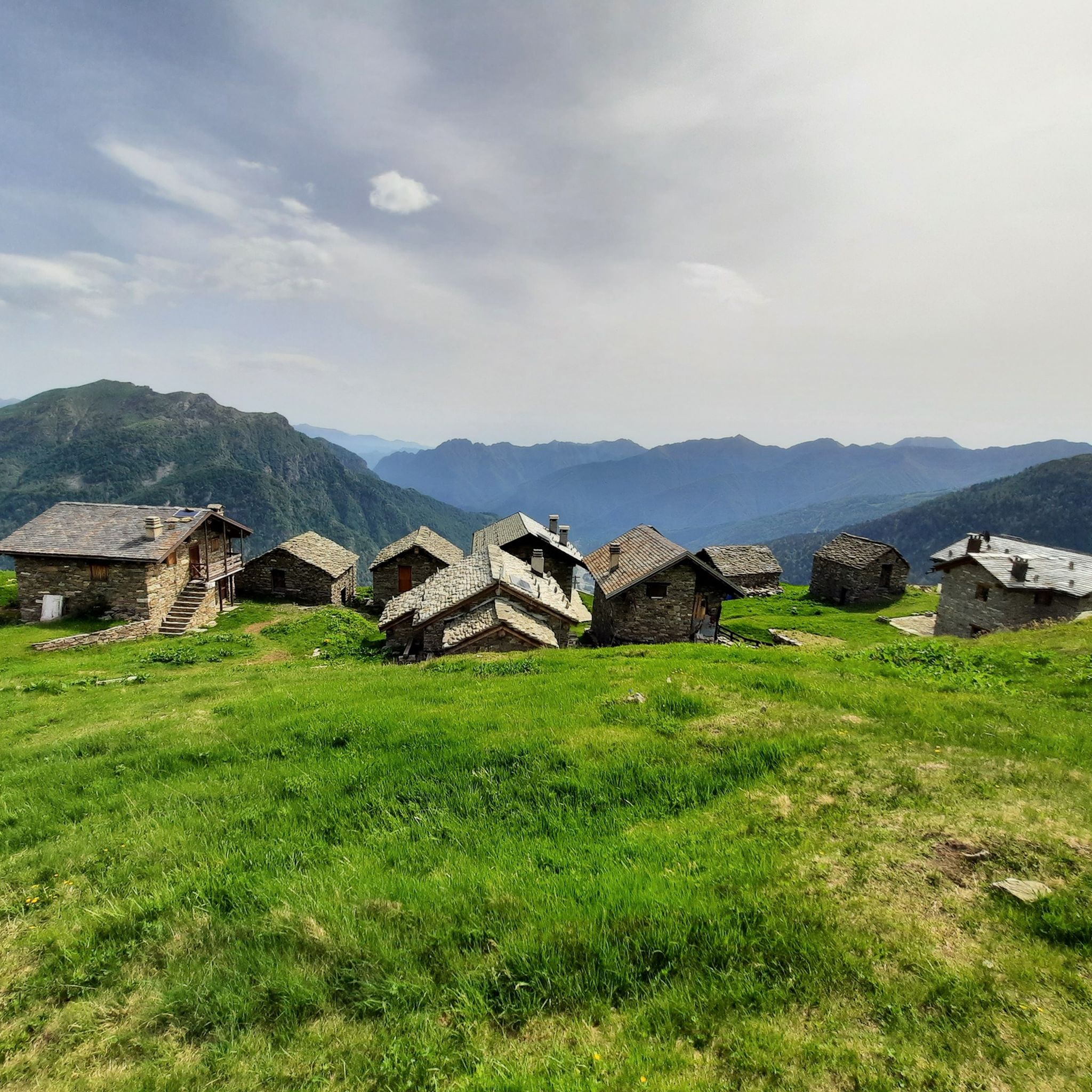
- Another must-see spot is Alpe di Mera, a settlement located between 1500 and 1700 m above sea level. Visitors can expect 360° panoramic views and access to restaurants and bars.
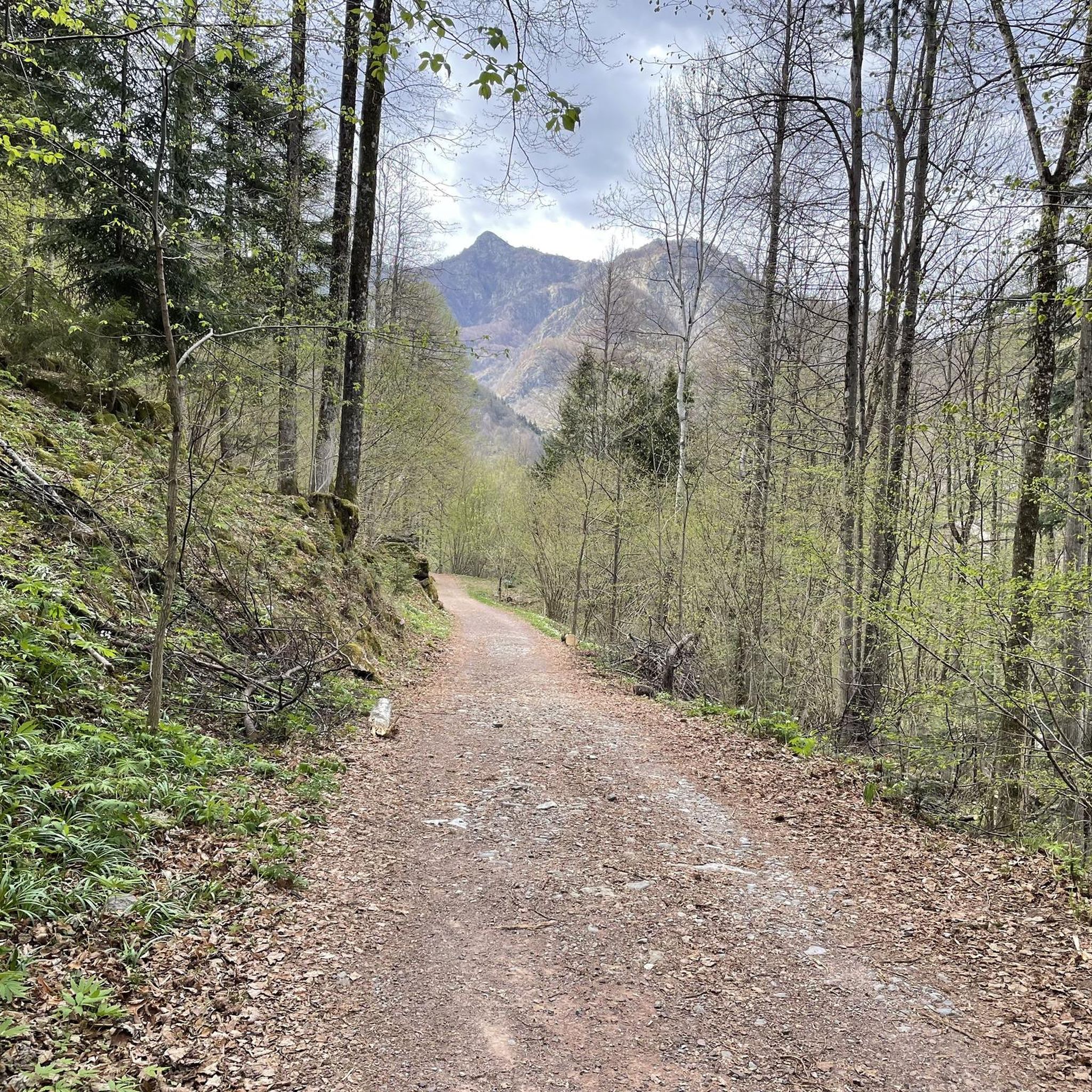
- Visitors also love Bocchetto Sessera Pass, a mountain pass at approximately 1400 m. It is a very panoramic point at the base of Monte Marca, connecting the Strona valley with the Sessera valley.
- Pila is known for summits, mountain passes, and high-altitude settlements. The area offers a variety of mountain peaks to see and explore, from challenging climbs to accessible viewpoints.
- The mountain peaks around Pila are appreciated by the komoot community, with 2 highlights, 81 photos, and 230 upvotes.
Last updated: September 27, 2026
Bocchetto Sessera Pass
Highlight • Mountain Pass
Showing Translation
Tip by

Summit of Monte Barone
Highlight • Summit
Translated by Google •
Tip by

Sign up now to discover places like this
Get recommendations on the best single tracks, peaks, & plenty of other exciting outdoor places.
Monte Bo in Valsesia
Highlight • Summit
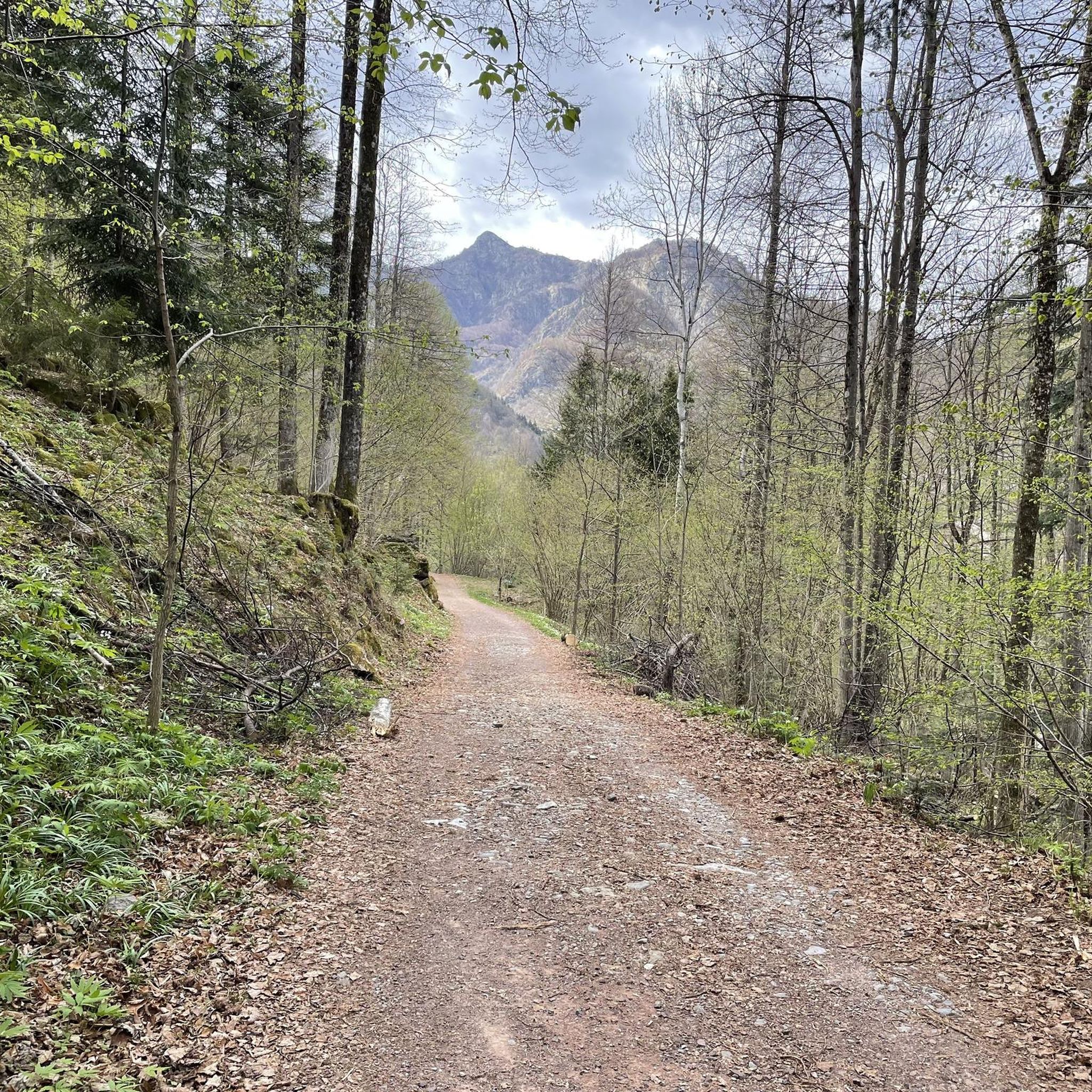
On the top, in addition to a statue of the Madonna, there is the trigonometric geodetic point of the IGM called Monte Bo di Valsesia.
Translated by Google •
Tip by

Bocchetta di Margosio
Highlight • Mountain Pass
Translated by Google •
Tip by
Monte Marca and Laghetto
Highlight • Summit
Translated by Google •
Tip by

Sign up for free to discover even more peaks around Pila.
Already have an account?
Start today with a free account
Your next adventure awaits.
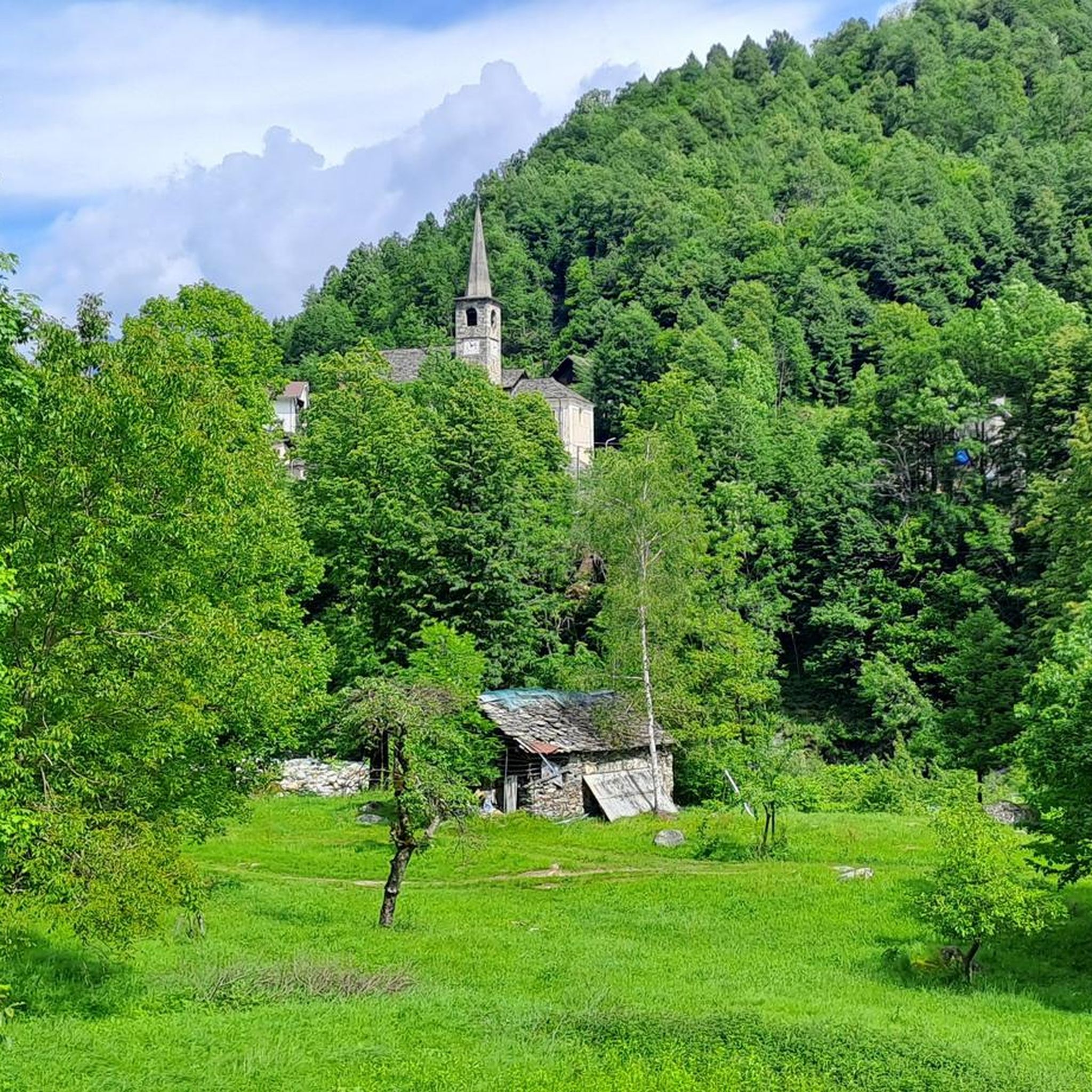
Tips from the Community

Super view of the Monte Rosa group. There is a kiosk with very tasty cappuccino. Some hiking tours start there.
0
0

The **Passo (or Bocchetto) di Bocchetto Sessera is an alpine pass located in the Biella Alps, in the Province of Biella (Piedmont, Italy). It connects the Valle dello Strona di Mosso with the Val Sessera, between the mountains Monte Marca (1,558 m) and Monticchio (1,697 m).
14
0

Summit.... Breathtaking view
0
0

Main entrance to the Oasi Zegna, from which many paths start, including the "Bosco del Sorriso" path and others
2
0


Of this mountain, after well over a hundred climbs, I know all the sides, it's a shame that some of the slopes inside the Val Sessera, e.g. the one for Rattarun and then Alpe Boscoso then climbing to Navagli and Alpe Campo and Cima ... are, for some stretches in the lower valley, a bit swallowed up by vegetation. The normal route from Ciota to the refuge is very popular, but for example the descent via Spelonca-Cascinetta still offers a nice ring that is more "wild" and very little frequented.
1
0

Hub of various paths in Valsessera, nerve center of the Oasi Zegna
1
0

Monte Bo on the ridge that divides Val Sorba from the Meggiana basin, panorama towards the Monte Rosa group and the main groove of Valsesia.
1
0
Frequently Asked Questions
Which mountain peaks around Pila offer the most challenging hiking experiences?
For experienced hikers seeking a challenge, Mont Emilius (3,559 m) and Becca di Nona (3,142 m) are excellent choices. The ascent to Mont Emilius from Pila is a rewarding excursion, typically taking around 5 hours to the summit, and is considered an "Expert Excursionist" (EE) level hike. Becca di Nona also presents a significant altitude difference, usually recommended between July and September, with routes passing by the Hermitage of San Grato.
Are there any accessible mountain areas around Pila with panoramic views?
Yes, Couis 1 (approx. 2,700 m) and Platta de Grevon (2,740 m) offer easily accessible and spectacular panoramic views. A modern 10-seater gondola lift transports visitors to Couis 1, providing unparalleled vistas of the entire Alpine arc, including Mont Blanc, the Matterhorn, and Monte Rosa, as well as a striking view of Aosta.
What are some family-friendly mountain walks near Pila?
For a scenic and generally more accessible option, consider the area around Chamolé Lake (2,311 m) and Col Replan (2,458 m). Chamolé Lake is reachable by chairlift from Pila and is a popular starting point. A classic and relatively easy hike is the "Marmot Trail" from Chamolé Lake to Pila, which takes about 1.5 to 2 hours and is suitable for families, offering continuous views of Mont Blanc and the Aosta Valley.
What historical or cultural landmarks can be found on the mountain peaks near Pila?
Both Mont Emilius and Becca di Nona have historical significance. Mont Emilius, once known as "Pic de dix heures," has a statue of the Madonna at its summit and was renamed after Émilie Argentier, a young girl who climbed it in 1839. Becca di Nona, historically called "Pic de douze heures," also features a statue of the Madonna at its peak.
When is the best time to visit the mountain peaks around Pila for hiking?
The best time for hiking the higher peaks like Mont Emilius and Becca di Nona is typically between July and September, when conditions are most favorable. For more accessible trails and areas like Chamolé Lake, the summer and early autumn months offer pleasant weather and stunning scenery.
Are there any mountain passes or settlements worth visiting for their views?
Yes, Bocchetto Sessera Pass is a very panoramic point at approximately 1400 m, connecting the Strona valley with the Sessera valley. Another must-see spot is Alpe di Mera, a settlement located between 1500 and 1700 m above sea level, offering 360° panoramic views, restaurants, and bars.
What kind of views can I expect from the mountain peaks around Pila?
The mountain peaks around Pila offer truly exceptional panoramic views. From summits like Mont Emilius, you can see the entire western Alpine range, including the Gran Paradiso chain, Grivola, Rutor, the Mont Blanc massif, Grand Combin, the Matterhorn, and Monte Rosa. Even more accessible points like Couis 1 provide unparalleled vistas of these iconic giants and the Aosta Valley.
What outdoor activities can I do near these mountain peaks besides hiking?
Beyond hiking, the region around Pila offers various outdoor activities. For cycling enthusiasts, there are several routes, such as those found in the Cycling around Pila guide, including routes to Alpe di Mera. Road cycling options are also available, as detailed in the Road Cycling Routes around Pila guide. For runners, the Running Trails around Pila guide highlights various trails, including a skyrunning race to Becca di Nona.
Are there any mountain peaks that are particularly popular with the komoot community?
The Summit of Monte Barone is a highly appreciated peak, known for its panoramic views over the Sessera and Strona di Postua valleys. It's a popular choice for those seeking a challenging summit experience in the Biella Alps.
Can I find food and drink options at higher elevations around Pila?
Yes, at Alpe di Mera, you'll find restaurants and bars. Additionally, a panoramic refuge, "Stella di Pila," is being developed at the summit of Couis 1, promising gourmet dining with stunning views once completed.
What are some unique natural features to look out for on trails near Pila?
Beyond the majestic peaks, you can discover picturesque alpine lakes such as Chamolé Lake, which is a popular spot for hikers. The trails also wind through alpine meadows and forests, offering continuous scenic views and opportunities to observe the natural landscape.
Are there any via ferrata routes available on the peaks near Pila?
Yes, for those seeking a more adventurous climb, a via ferrata route is available on Mont Emilius, particularly on the ridge leading to the summit. This offers a thrilling experience with equipped sections for a secure ascent.
What is the highest mountain peak directly associated with Pila?
The highest mountain peak directly associated with Pila and dominating the Aosta plain is Mont Emilius, standing at 3,559 meters (11,677 ft). Its distinctive pyramid shape makes it a prominent visual landmark in the region.
Most popular attractions around Pila

Get inspired with the komoot mobile app


Explore more
See even more amazing summits around Pila with these guides:
