Attractions and Places To See around Montescheno - Top 20
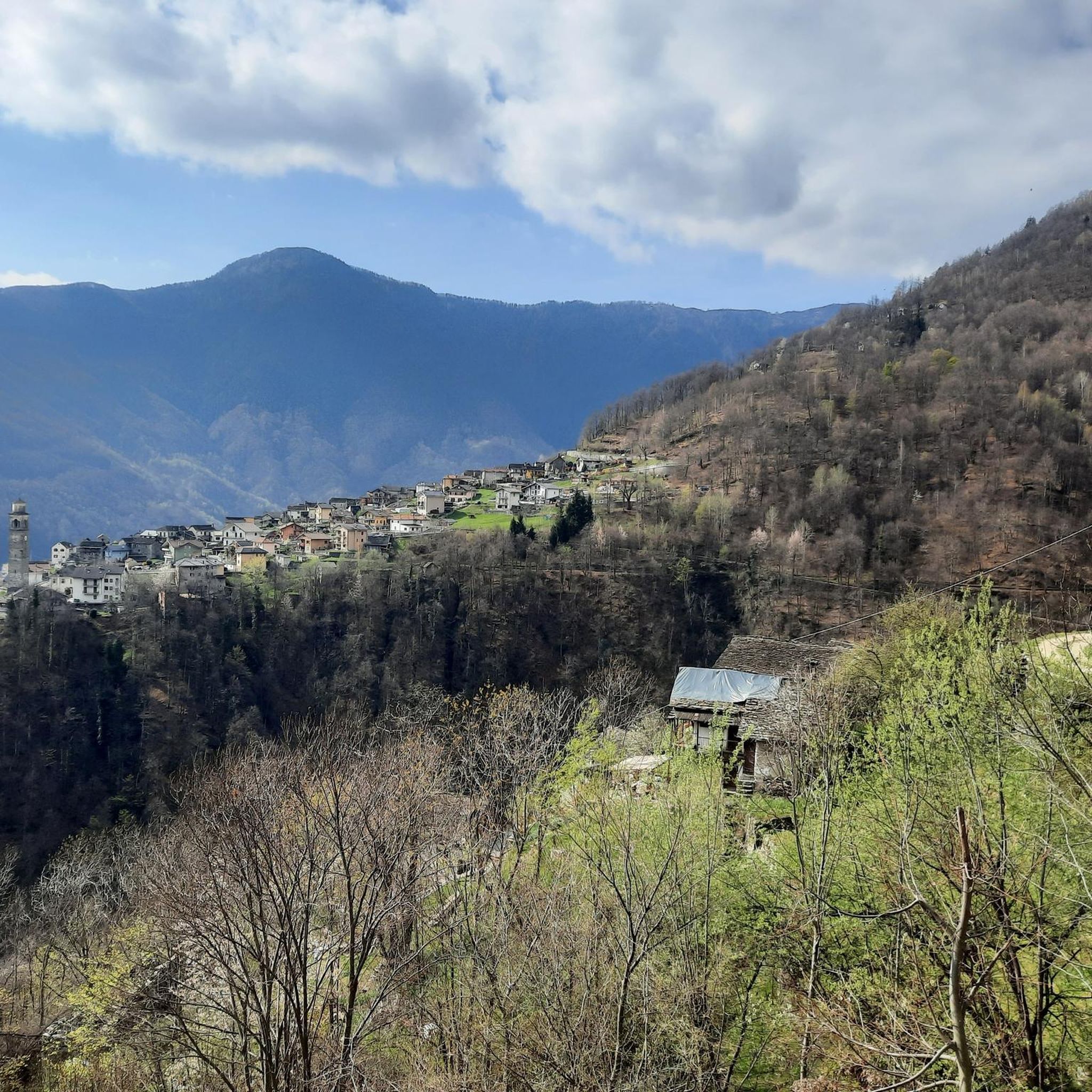
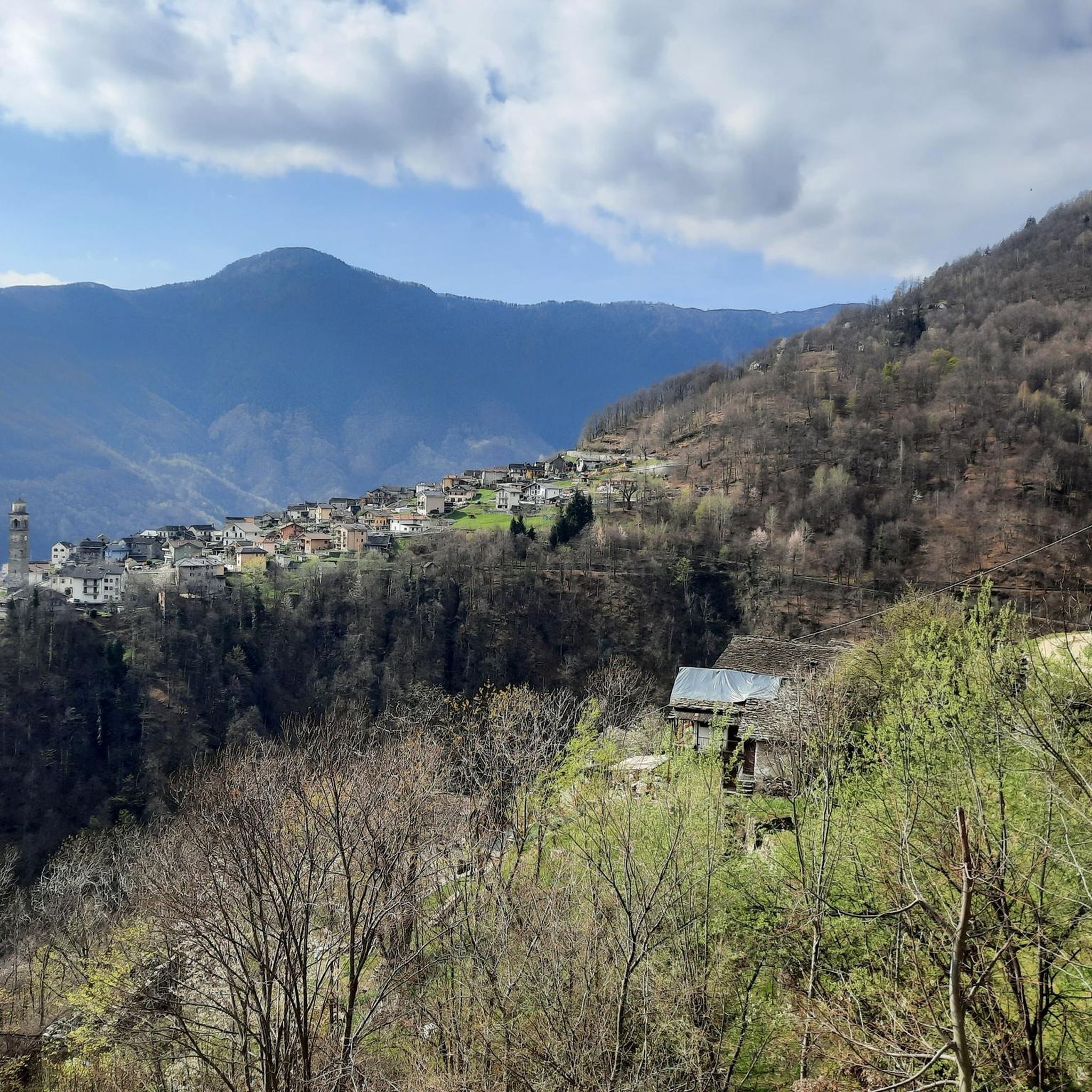
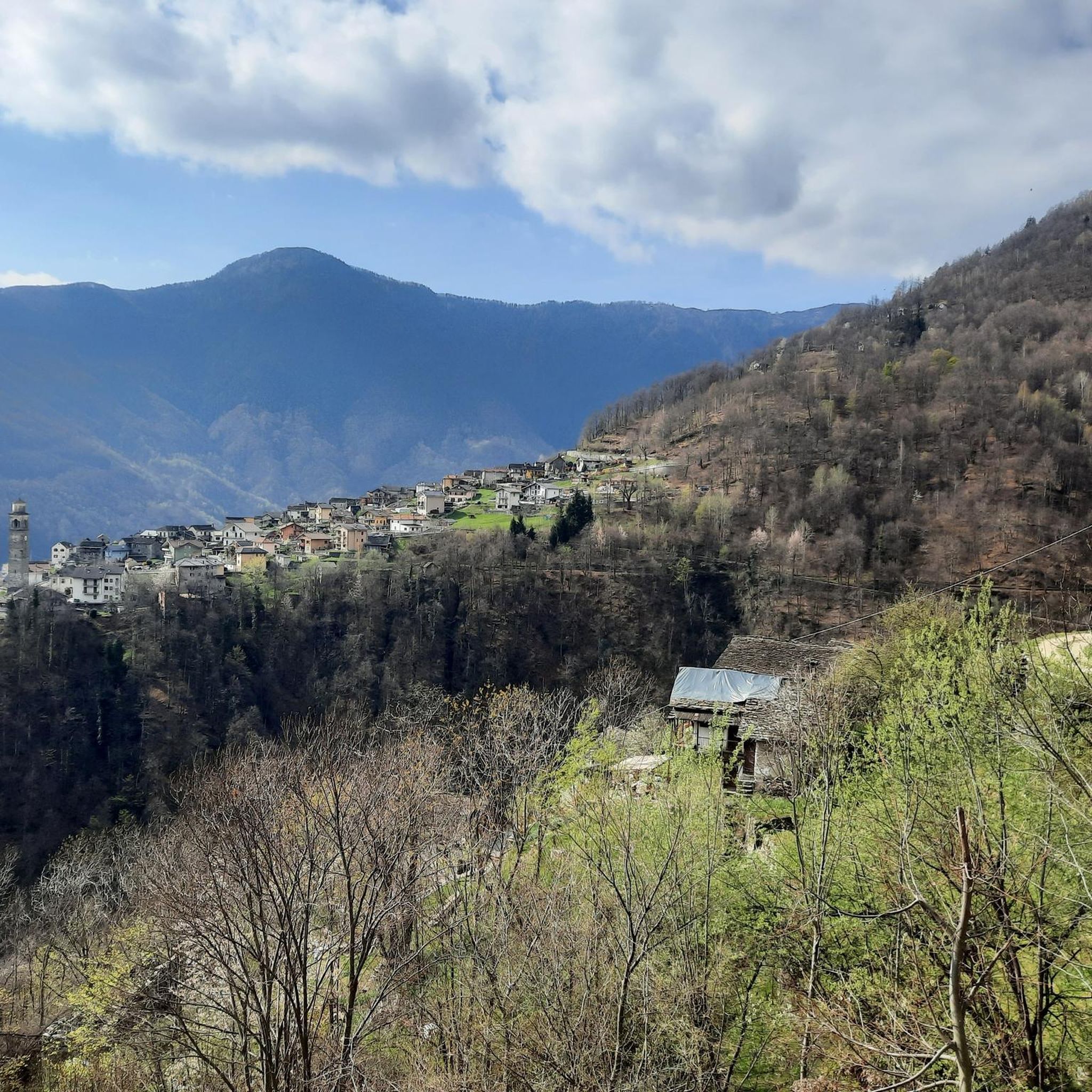
Best attractions and places to see around Montescheno include a blend of historical, cultural, and natural sites. Situated in the Antrona Valley amidst the Ossola Alps, Montescheno serves as a base for exploring the wider region. The area features traditional Alpine architecture, significant religious sites, and diverse natural landscapes. Visitors can discover ancient hamlets, mountain lakes, and historical landmarks.
Best attractions and places to see around Montescheno
- The most popular attractions is Stations of the Cross at Sacro Monte Calvario,…
Last updated: May 25, 2026
Stations of the Cross at Sacro Monte Calvario, Domodossola
Highlight (Segment) • Religious Site
Translated by Google •
Tip by

Market Square, Domodossola
Highlight • Settlement
Translated by Google •
Tip by
Sign up now to discover places like this
Get recommendations on the best single tracks, peaks, & plenty of other exciting outdoor places.
Sign up for free
Cheggio Dam and Lake of the Horses
Highlight • Lake
Translated by Google •
Tip by

Mattarella Castle🏰🌳
Highlight • Castle
Translated by Google •
Tip by

Vogogna Castle
Highlight • Castle
Translated by Google •
Tip by

Sign up for free to discover even more attractions around Montescheno.
Sign up for free
Already have an account?
Start today with a free account
Your next adventure awaits.
Login or Signup


Tips from the Community

Saint Francis of Assisi, whose 800th anniversary of death we celebrate this year, describes our Christian life with the words of the Apostle Peter: he reminds us that we are called to »follow in the footsteps of Christ, who called his betrayer friend and voluntarily handed himself over to his crucifiers« (cf. NbR XXII, 2; cf. 1 Pt 2:21). The Poverello encourages us to fix our gaze on Jesus: »Let us all, brothers, pay attention to the Good Shepherd, who, to save his sheep, suffered the torment of the cross« (Erm VI). Therefore, on this Way of the Cross, let us accept Saint Francis' invitation to follow in Jesus' footsteps, not just ritually or intellectually, but with our whole being and our whole life: »Offer yourselves in body and carry his holy cross and follow his most holy commandments to the end« (Off XV 13). (from the introduction to the Way of the Cross meditation with the Holy Father, Pope Leo XIV, in the Roman Colosseum on April 3, 2026)
0
0

A perfect lake to cool off after a busy day of walking or simply to sunbathe.
0
0

Great place
0
0

amazing! amazing view, path for everyone on the left of the lake
2
0

From a Celtic and Roman sanctuary to the Matarella fortress and a Capuchin monastery, this spiritual place tells an amazing story.
1
0

Built in the 1920s.
2
0

In 1656, two Capuchins chose the hill of Colle Mattarella, above Domodosso, to make it a place of pilgrimage. Twelve chapels were built, each with a statue or fresco depicting the Stations of the Cross, with an additional chapel depicting the Resurrection of Christ. At the top of Colle Mattarella stands the octagonal Sanctuary of the Holy Cross, the construction of which began in 1657. In the park of the Sacro Monte di Domodossola are the remains of the Mattarella Castle, destroyed in 1415 by Swiss soldiers who wanted to conquer the Ossola Valley and take it from the Duchy of Milan. In 1656, two Capuchins from the Domodossola monastery, Father Gioacchino from Cassano and Father Andrea from Rho, decided to have Stations of the Cross built on the slopes of Colle Mattarella, leading to a church dedicated to the Holy Cross. It was planned to gradually replace the crosses with chapels for the individual Stations of the Cross. Bishop Guido Maria Odescalchi commissioned the legal scholar Giovanni Matteo Capis to coordinate the project and named the hill Monte Calvario ("Calvary"), as the places of worship of the Sacri Monti ("holy mountains") were intended to symbolize the sites in the Holy Land that many pilgrims could not or could no longer reach. The construction work and the technical implementation were entrusted to the architect Tomaso Lazzaro from the Val d'Intelvi. The foundation stone for the pilgrimage site was laid on July 8, 1657, and in March 1662 the first Holy Mass was celebrated at the altar on which a crucifix by Dionigi Bussola had just been erected. A great benefactor and financier of the project was Kaspar Stockalper, a merchant, notary and governor from the Valais who was forced into exile in Domodossola, directly on Monte Calvario, where his figure embodies St. Gaspar, one of the Three Kings, in the 15th chapel of the Sacro Monte. The project to build the chapels was completed in the course of the 18th century; their furnishings have been constantly restored or renewed since then; the most recent statues, from 1957, are carved in wood. Source and further information: https://de.wikipedia.org/wiki/Sacro_Monte_di_Domodossola
1
0
Frequently Asked Questions
What historical and cultural sites can I explore around Montescheno?
Montescheno and its surroundings are rich in history and culture. You can visit the UNESCO World Heritage site, Stations of the Cross at Sacro Monte Calvario, Domodossola, which features a Way of the Cross and the Shrine of the Holy Crucifix. Other notable sites include the ancient Mattarella Castle🏰🌳 with its commanding tower, and the well-preserved Vogogna Castle. The village itself and its hamlets are dotted with historic churches and chapels, and you can delve into local art at the Parish Museum or the "Rossetti Valentini" Art Gallery.
Are there any natural attractions or scenic viewpoints near Montescheno?
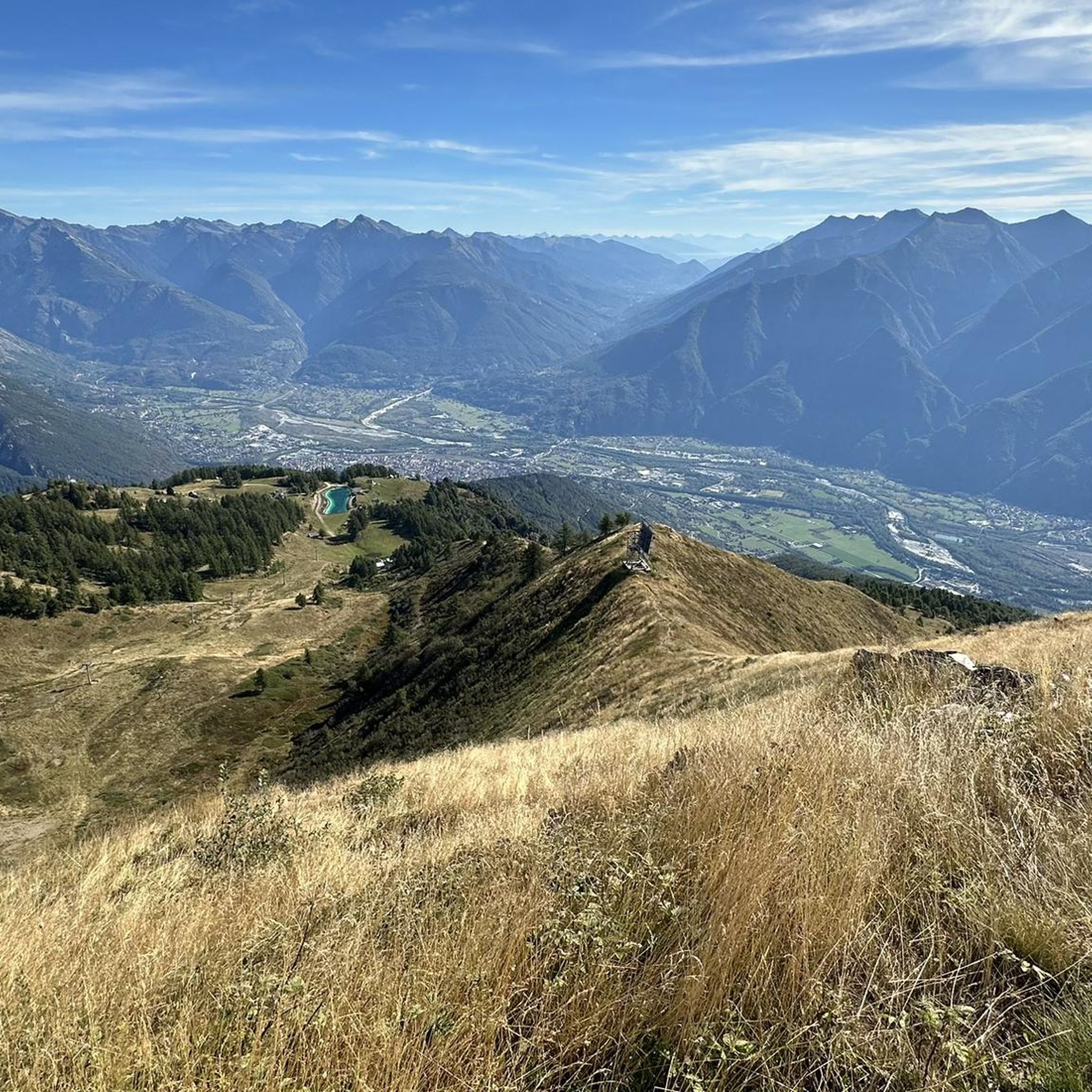
Absolutely. Montescheno is nestled in the Antrona Valley, offering stunning natural beauty. A must-see is the picturesque Cheggio Dam and Lake of the Horses, an ideal spot for nature lovers. You can also explore Lake Antrona, formed by a landslide, within the Upper Antrona Valley Natural Park. For panoramic views, the Ossola Alps provide majestic backdrops, with peaks like Moncucco and Testa dei Rossi offering splendid vistas extending to Lake Maggiore.
What kind of outdoor activities can I do in the Montescheno area?
The Montescheno area is a paradise for outdoor enthusiasts. You can enjoy various activities, including hiking, running, and road cycling. There are numerous trails winding through diverse landscapes, from historical mule tracks like the "Strada Antronesca" to challenging mountain routes. For detailed routes, check out the Hiking around Montescheno, Running Trails around Montescheno, and Road Cycling Routes around Montescheno guides.
Are there family-friendly attractions or activities around Montescheno?
Yes, several attractions cater to families. The Cheggio Dam and Lake of the Horses is a beautiful spot for relaxed excursions and enjoying nature. The Market Square, Domodossola, offers a pleasant environment for a stroll, with shops and cafes. Many of the easier hiking trails also provide great opportunities for families to explore the natural beauty of the Antrona Valley together.
What is the best time of year to visit Montescheno for outdoor activities?
The best time to visit Montescheno for outdoor activities generally spans from late spring to early autumn (May to October). During these months, the weather is typically mild and pleasant, ideal for hiking, cycling, and exploring the natural landscapes. While winter offers opportunities for snow-related activities, many trails might be covered in snow, making them more challenging.
Can I find historical hamlets or traditional architecture in Montescheno?
Montescheno is renowned for its well-preserved historic hamlets, such as Valleggia and Barboniga. Exploring their narrow streets offers a glimpse into ancient architecture, with many retaining traditional structures like oratories, wash houses (burnel), ovens, and lever presses. These hamlets showcase the village's rich past and traditional Alpine life.
Are there any museums in or near Montescheno?
Yes, Montescheno hosts the Parish Museum, which houses sculptures and paintings from the 14th to 18th centuries, collected from local churches. Additionally, the Ubaldo Baroli Museum of Earth Sciences displays unique stones and valuable minerals from the region. The "Rossetti Valentini" Art Gallery in the School of Fine Arts also showcases significant Vigezzina paintings.
What kind of hiking trails are available near Montescheno?
Montescheno offers a variety of hiking trails, from easy walks to more challenging mountain ascents. You can explore historical mule tracks like the "Strada Antronesca," which highlights the area's agricultural heritage, or venture into the Ossola Alps for more strenuous routes. Trails lead to alpine pastures (alpeggi) and offer diverse landscapes. For specific routes and their difficulty, refer to the Hiking around Montescheno guide.
What do visitors enjoy most about the attractions around Montescheno?
Visitors particularly appreciate the blend of historical significance and natural beauty. Highlights like the Stations of the Cross at Sacro Monte Calvario, Domodossola are praised for their spiritual atmosphere and panoramic gardens. The Cheggio Dam and Lake of the Horses is loved for its picturesque scenery and opportunities for tranquil excursions. The historical sites, such as Mattarella Castle🏰🌳, are valued for their historical insights and views of the surrounding mountains.
Are there any unique local events or festivals in Montescheno?
Montescheno is known for its traditional Rye Festival (Sagra della Segale). This event aims to revive the rye supply chain, featuring activities like harvesting rye, grinding it in a working mill, and baking black bread in old ovens. Many local churches and chapels also host annual festivals with traditional religious rites, offering a glimpse into local customs.
Can I find local cuisine or gastronomic experiences in Montescheno?
Yes, Montescheno offers opportunities to explore local cuisine through gastronomic routes. You can discover traditional recipes, including "crescenzin" bread, which is made with nuts, chestnuts, raisins, apples, and pears. These culinary itineraries provide a delicious way to experience the region's cultural heritage.
Is Montescheno a good base for exploring the wider Antrona Valley and Ossola region?
Montescheno's central location in the Antrona Valley makes it an excellent base for exploring the broader Ossola region. Many significant attractions, such as the Sacro Monte Calvario in Domodossola and the Visconti Castle in Vogogna, are easily accessible from Montescheno, allowing visitors to experience a wide range of historical, cultural, and natural sites.
Most popular routes around Montescheno
Most popular attractions around Montescheno

Get inspired with the komoot mobile app


Explore more
Still not found the Highlight you’re looking for? See guides of the top attractions in other regions:
