Top 20 Mountain Passes around Formazza
Best mountain passes around Formazza are found in the Formazza Valley, located in the northernmost tip of Piedmont, Italy. This region is characterized by its high-altitude terrain, connecting Italy to Switzerland through various historical routes. The area features peaks reaching almost 3400 meters, artificial lakes like Sabbione, Toggia, and Morasco, and the Toce Waterfall. It holds significant historical importance, particularly for the Walser people and ancient commercial exchanges.
Best mountain passes around Formazza
- The most popular mountain passes is San…
Last updated: September 29, 2026
San Giacomo Pass
Highlight • Mountain Pass
Translated by Google •
Tip by

Arbola Pass
Highlight • Mountain Pass
Translated by Google •
Tip by
Sign up now to discover places like this
Get recommendations on the best single tracks, peaks, & plenty of other exciting outdoor places.
Scatta Minoia Pass and Ettore Conti Shelter
Highlight • Mountain Pass
Translated by Google •
Tip by

Ruins of the Wagristoratore on San Giacomo Pass
Highlight • Historical Site
Translated by Google •
Tip by

Gross Muttenhorn
Highlight • Summit
Translated by Google •
Tip by

Sign up for free to discover even more mountain passes around Formazza.
Already have an account?
Start today with a free account
Your next adventure awaits.
Popular around Formazza
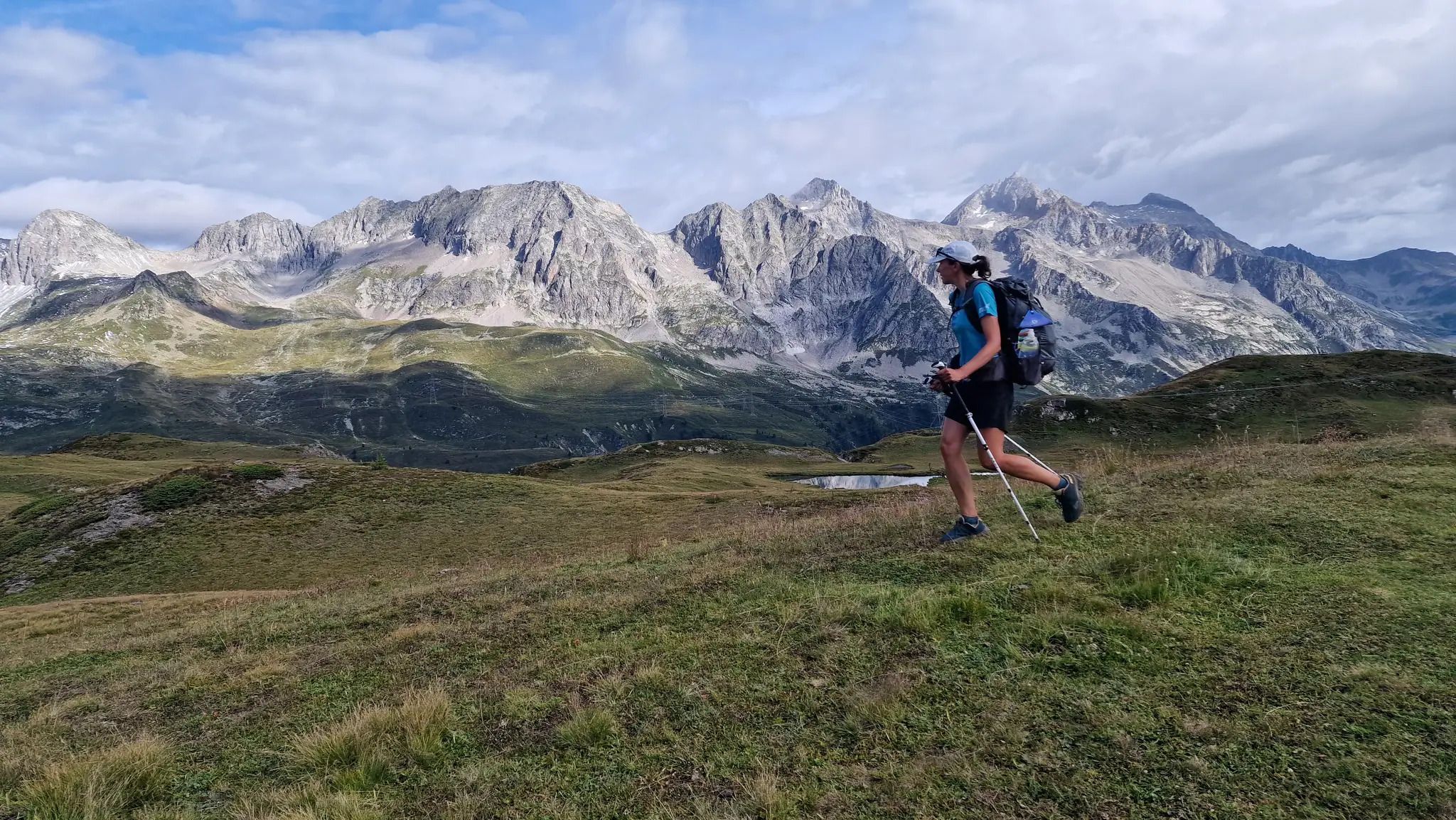
Alpine Passes Trail – hiking 700km across Switzerland
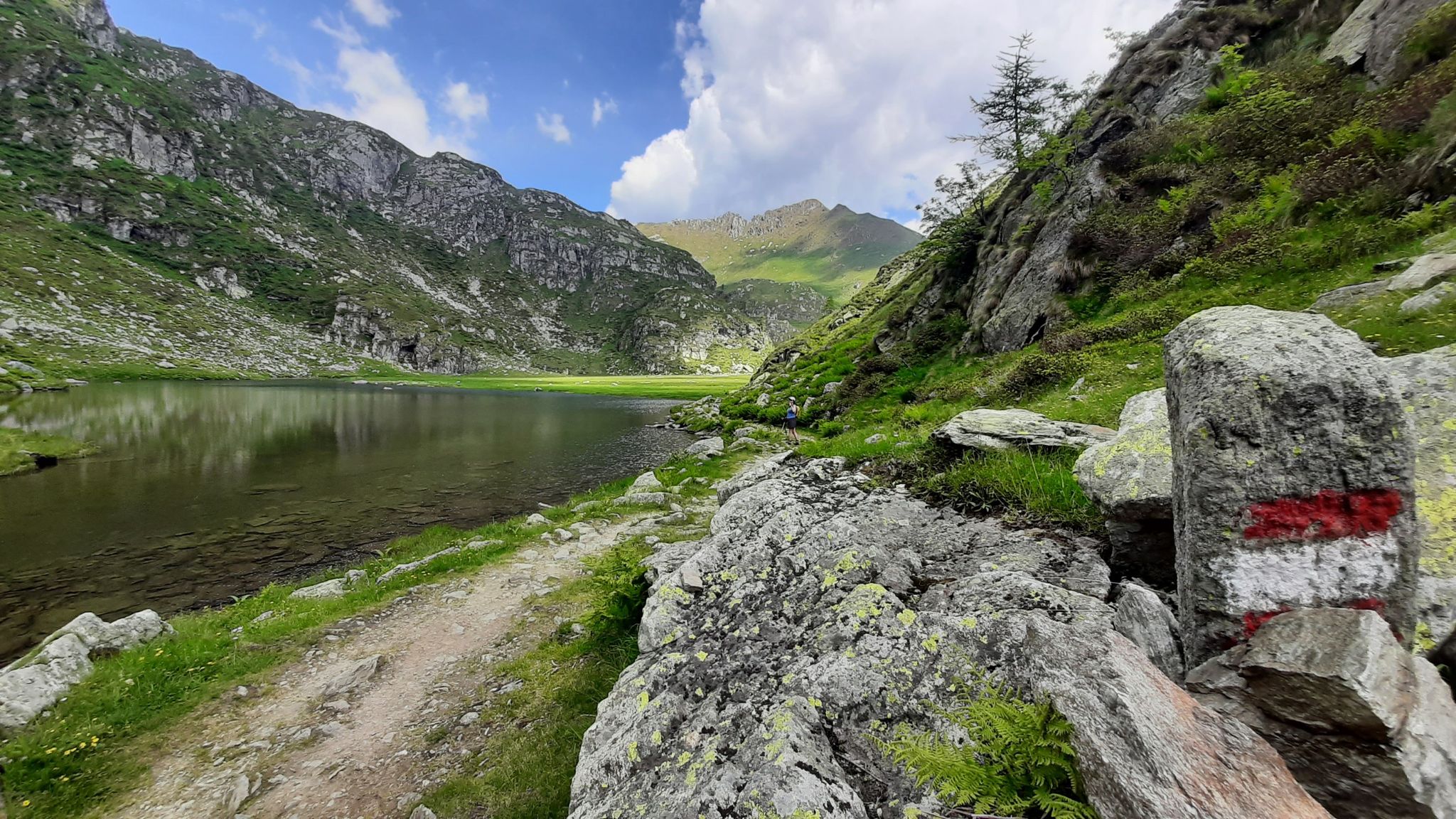
GTA North Piedmont – Among ancient Walser settlements
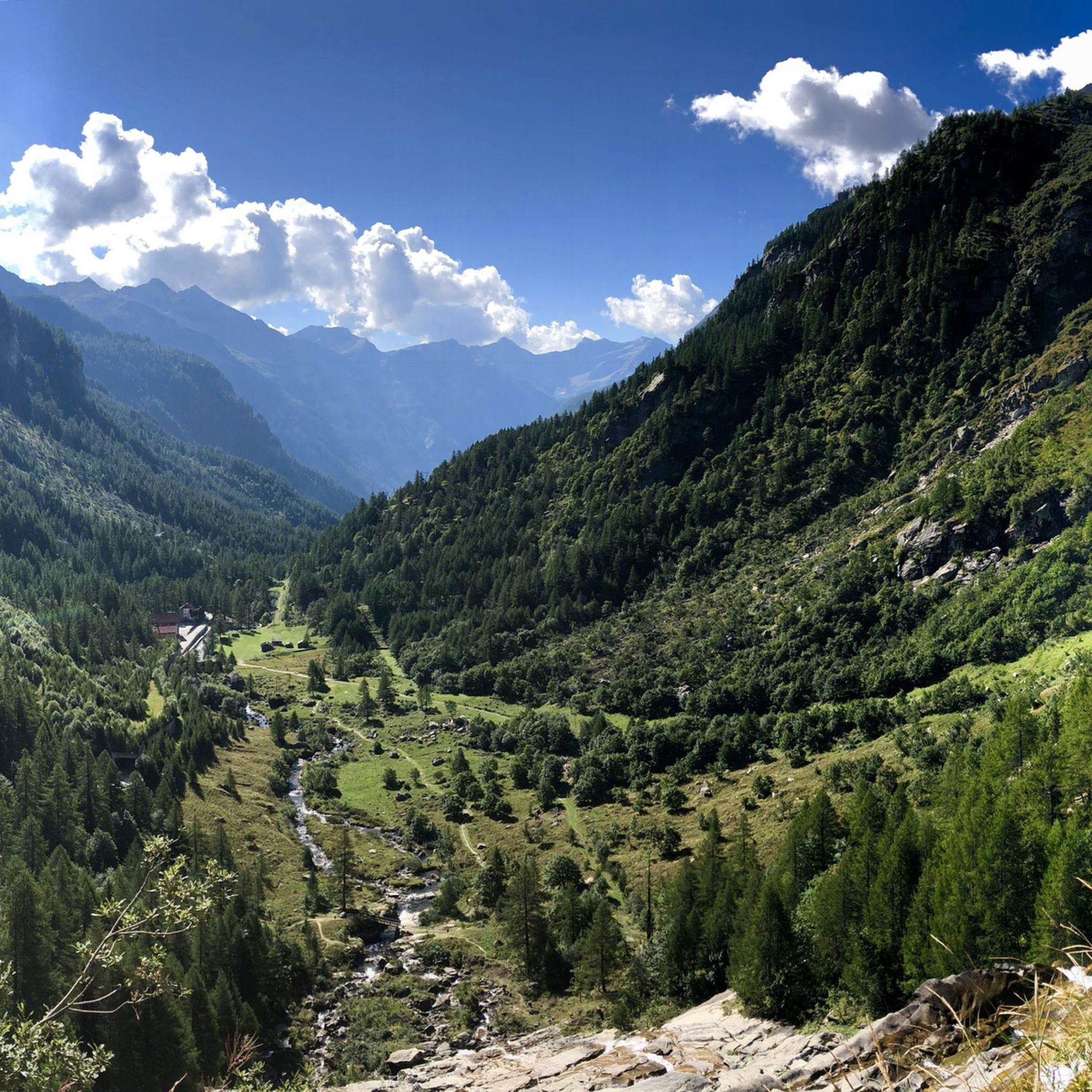
Hiking around Formazza
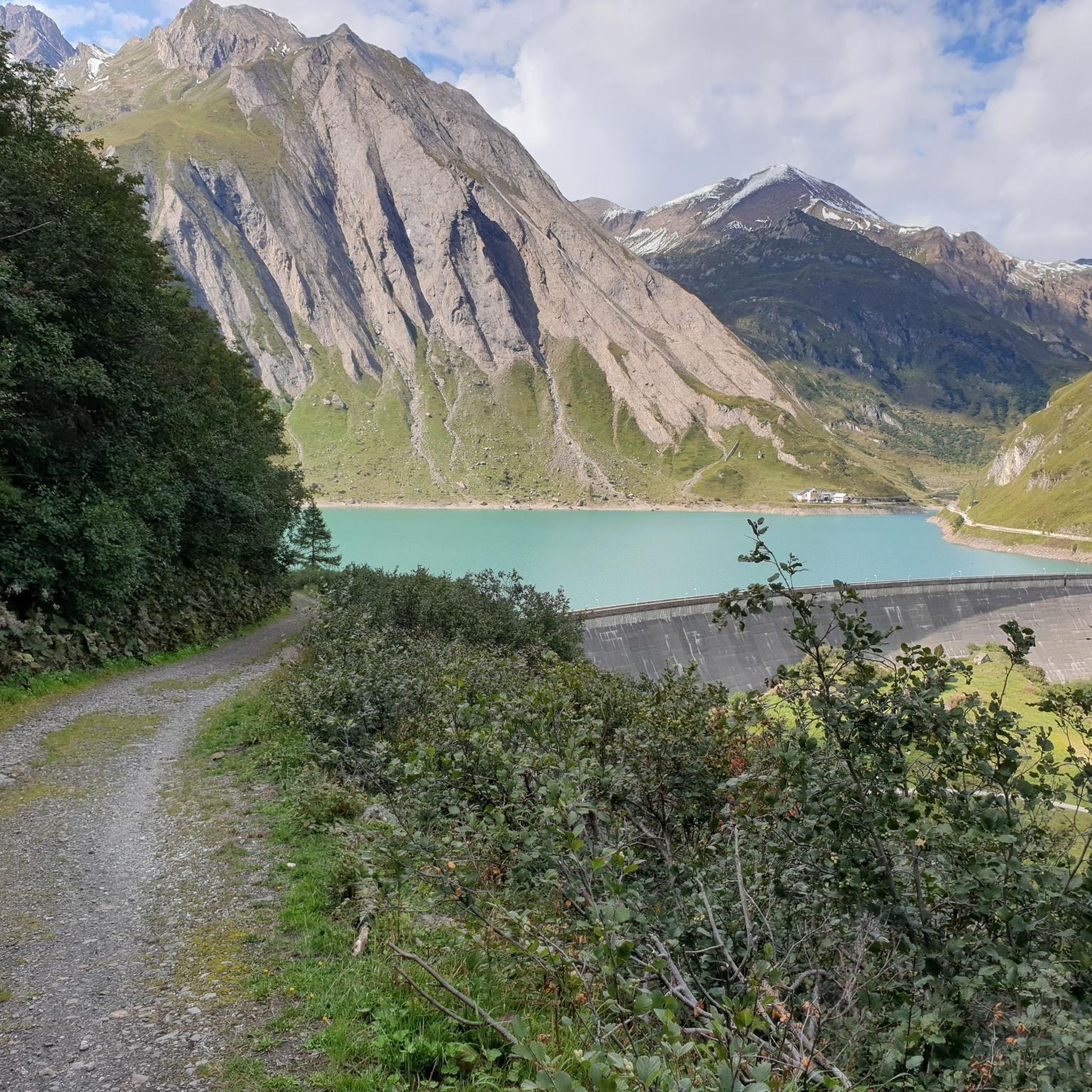
Running Trails around Formazza
Road Cycling Routes around Formazza
MTB Trails around Formazza
Cycling around Formazza
Gravel biking around Formazza

Mountain Hikes around Formazza


Tips from the Community

Bivouac practically empty. There are no beds, no mattresses. Inside only a wooden pallet. Sleeping in the bivouac is prohibitive because it means sleeping on the ground on a rough stone floor covered with thin wooden planks. Better to descend to the Margaroli hut (1 hour and a half) where there is a bivouac with 6 beds (Bivacco Italo Valmaggia). It is a winter bivouac but at least it has beds and mattresses.
0
0

The bivouac is being renovated, it is clean but for now there are no mattresses
0
0

Be careful, there are no more mattresses in the bivouac. A window is broken; it gets very, very cold at night. No fire pit. Don't plan to spend the night there unless it's an emergency.
1
0

The pass between Italy and Switzerland. From the Maria Luisa Refuge, the route is easy and can also be used by mountain bikers.
1
1

Border Excursion 🇮🇹🇨🇭 to the San Giacomo Pass 🚴
1
0

Ascent and descent to Bivacco EtteroConti high alpine terrain Bike often has to be carried over large boulders
0
1

The BICIGRILL is a very recent architectural structure (as of 09/28/2023 the structure was completed externally but all parts of the finishes and furnishings are missing inside) created with the aim of being a place of refreshment for cyclists and hikers but also shelter for the night. It is located on the Riale-Bedretto cycle route established by the INTERREG project which began work on creating and rebuilding paths in 2019. This structure was built on the foundations of the old Guardia di Finanza barracks which, given the state in which it was located, was demolished. The San Giacomo pass has a strong symbolic value for the area in which it is located, in fact it can be considered an umbilical cord of intense cultural and commercial exchanges between the two regions. Today, even more so, with a view to leisure and sport. The project we have involves the construction of a rest point for cyclists with some beds that will serve as support on a hiking route which will be even more popular with the development of the cycle path. The new cycle route corresponds to the missing link of a route that from Airolo, at the foot of the Gotthard Pass, will reach Lake Maggiore from where numerous other connections can be opened. The route will be marked with signs for around eighty kilometers and on the Italian side it will wind from Formazza along the Antigorio valley to Domodossola.
1
2
Frequently Asked Questions
What are some notable mountain passes in the Formazza region?
The Formazza Valley features several significant mountain passes. Among them are San Giacomo Pass, which connects Italy to Switzerland and offers an easy crossing, and Gries Pass, historically important for the Walser people. Another notable pass is Scatta Minoia Pass, located at 2,599 meters above sea level, marking the border between Val Formazza and Valle Devero.
What is the historical significance of the San Giacomo Pass?
The San Giacomo Pass has been a crucial crossroads for cultural and commercial exchange between Italy and Switzerland since the 1400s, with a hospice built there for merchants. Remnants of a 'tourist road' planned by Mussolini in the 1920s can still be found on the Italian side, adding to its historical intrigue. The pass also hosts the Ruins of the Wagristoratore, a unique historical structure from 1930.
What is the historical importance of the Gries Pass?
The Gries Pass holds immense historical importance as an ancient commercial route, particularly for the Walser people who migrated between Switzerland and the Formazza Valley. It was part of the 'Sbrinz Route,' a commercial journey commemorated annually. The pass offers a high-mountain environment where the Toce River originates, surrounded by majestic peaks.
Are there hiking trails near the Formazza mountain passes?
Yes, the Formazza region offers a wide network of hiking trails around its mountain passes. For example, the G20 Trail leads from Riale to San Giacomo Pass. You can also find challenging hikes like the 'Via del Gries' from Riale to Ulrichen in Switzerland. Many passes are part of multi-day treks, connecting to mountain huts like Maria Luisa. For more hiking options, explore the Hiking around Formazza guide.
Can I go mountain biking around Formazza's passes?
Absolutely. The Formazza region is excellent for mountain biking. The San Giacomo Pass is part of the 'Monti & Laghi bike' project, which aims to connect Alps crossings with the Swiss bike path network. You can find various MTB routes, including challenging loops like 'Alta Val Formazza - Passo San Giacomo e Passo Gries da Riale'. Discover more routes in the MTB Trails around Formazza guide.
What natural features can I see from the mountain passes?
From the mountain passes, you can enjoy stunning alpine landscapes. The San Giacomo Pass offers views of the basin of Lake Toggia. From the Gries Pass, an extraordinary panorama unfolds, including the Gries lake, the glacier from the Blinnenhorn, and Swiss peaks meeting Italian ridges. The region is also characterized by artificial lakes like Morasco and Sabbione, and the impressive Toce Waterfall.
What is the best time to visit the mountain passes in Formazza?
The best time to visit the mountain passes in Formazza is generally during the warmer months, from late spring to early autumn (June to September), when the passes are free of snow and trails are accessible. This period offers the most favorable weather conditions for hiking, biking, and enjoying the high-altitude landscapes. Always check local weather and trail conditions before your visit, as conditions can change rapidly in the mountains.
Are there mountain huts or refugios near the passes?
Yes, several mountain huts and bivouacs are accessible from the passes. For instance, the San Giacomo Pass provides access to rifugios like Maria Luisa. Near Scatta Minoia Pass, you'll find the Ettore Conti Bivouac, which is part of the GTA (Grande Traversata delle Alpi) route.
What can I expect at Scatta Minoia Pass?
Scatta Minoia Pass is located at 2,599 meters above sea level and marks the border between Val Formazza and Valle Devero. It offers wide, expansive views and hosts the Ettore Conti Bivouac. The ascent to the pass from Rifugio Margaroli involves steep, blocky terrain, making it a challenging but rewarding experience for hikers.
Can I cross into Switzerland via these mountain passes?
Yes, several passes in the Formazza region serve as border crossings into Switzerland. The San Giacomo Pass and the Gries Pass both connect the Formazza Valley in Italy with Swiss valleys. Additionally, the Nufenen Pass, while not directly in Formazza, is a significant nearby pass connecting Valais with Ticino in Switzerland.
What is the 'Sbrinz Route' associated with the Gries Pass?
The 'Sbrinz Route' was an ancient commercial journey that passed through the Gries Pass. It was historically used for trade, particularly by the Walser people, and is now commemorated annually with a folkloristic caravan. This route highlights the pass's long-standing importance as a trade link between regions.
Are there any challenging mountain passes for experienced hikers or cyclists?
Yes, the Formazza region offers several challenging passes. The Gries Pass is ideal for challenging hikes like the 'Via del Gries'. Scatta Minoia Pass involves steep terrain. For cyclists, the Nufenen Pass is known for its high average grade and numerous serpentines, making it one of the hardest Alpine crossings.
Most popular routes around Formazza
Most popular attractions around Formazza

Get inspired with the komoot mobile app


Explore more
See even more epic mountain passes by checking out these guides around Formazza:
