Top 9 Castles around Cereseto
Best castles near Cereseto are situated in the Monferrato region, an area characterized by rolling hills and historical significance. This region offers a collection of historical sites and man-made monuments, providing insights into past eras. The landscape around Cereseto features a mix of natural beauty and architectural heritage. Visitors can explore these structures, many of which are well-preserved and contribute to the area's cultural identity.
Best castles around Cereseto
- The most popular castles is Castello di Montemagno, a castle…
Last updated: August 23, 2026
Castello di Montemagno
Highlight • Castle
Translated by Google •
Tip by

Camino Castle
Highlight • Castle
As with many ancient buildings in Italy, there are many legends about the castle of …
Translated by Google •
Tip by

Sign up now to discover places like this
Get recommendations on the best single tracks, peaks, & plenty of other exciting outdoor places.
Sign up for free
Cereseto Castle
Highlight • Castle
The castle was built in the …
Translated by Google •
Tip by
Monferrato Castle (Castello del Monferrato)
Highlight • Castle
Translated by Google •
Tip by

Montemagno, Monferrato
Highlight • Castle
Showing Translation
Tip by
Sign up for free to discover even more castles around Cereseto.
Sign up for free
Already have an account?
Start today with a free account
Your next adventure awaits.
Login or Signup

Tips from the Community

Montemagno Monferrato is a small Italian municipality in Piedmont, in the province of Asti, located in the hilly territory of Monferrato.
13
0

Place with a beautiful historic center
0
0

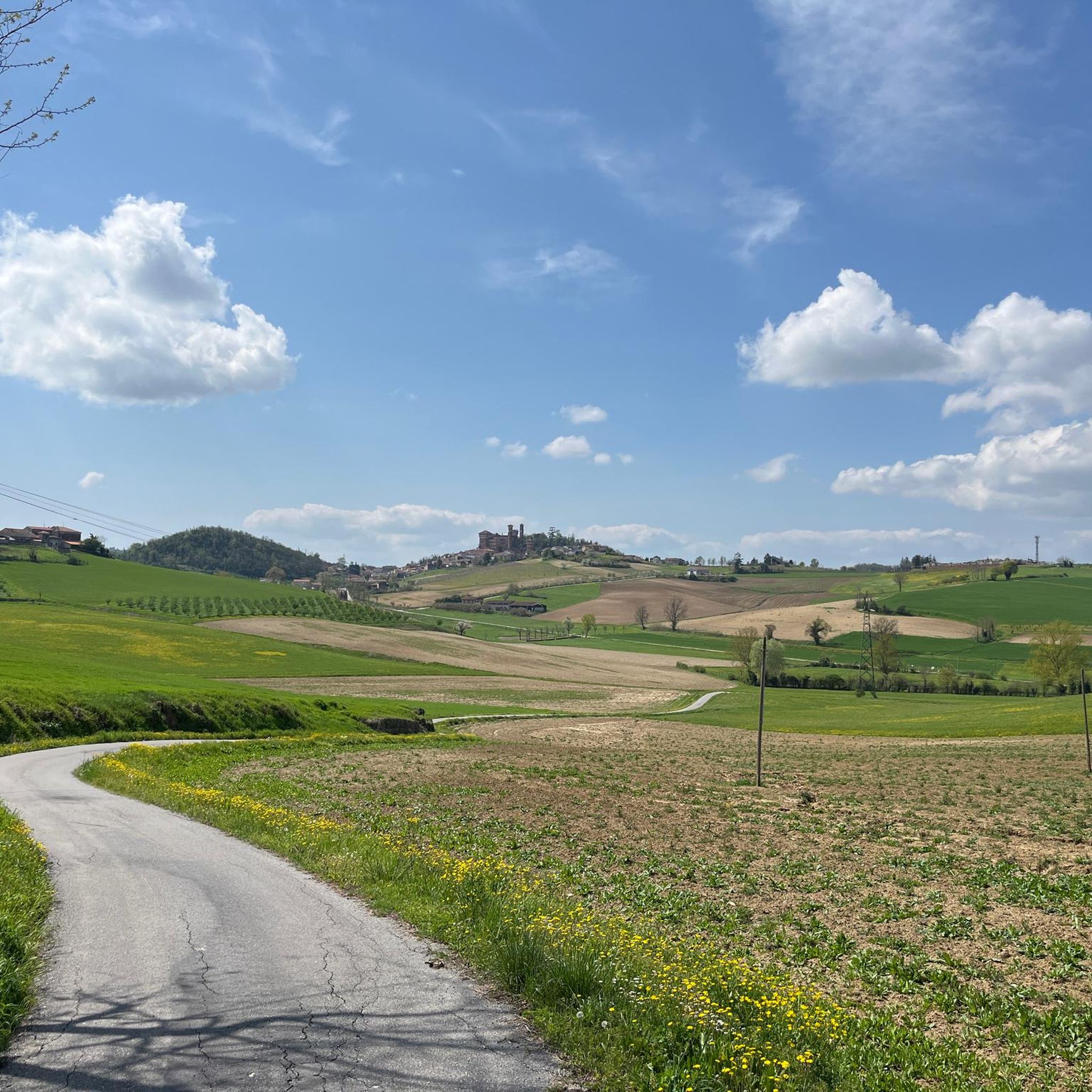
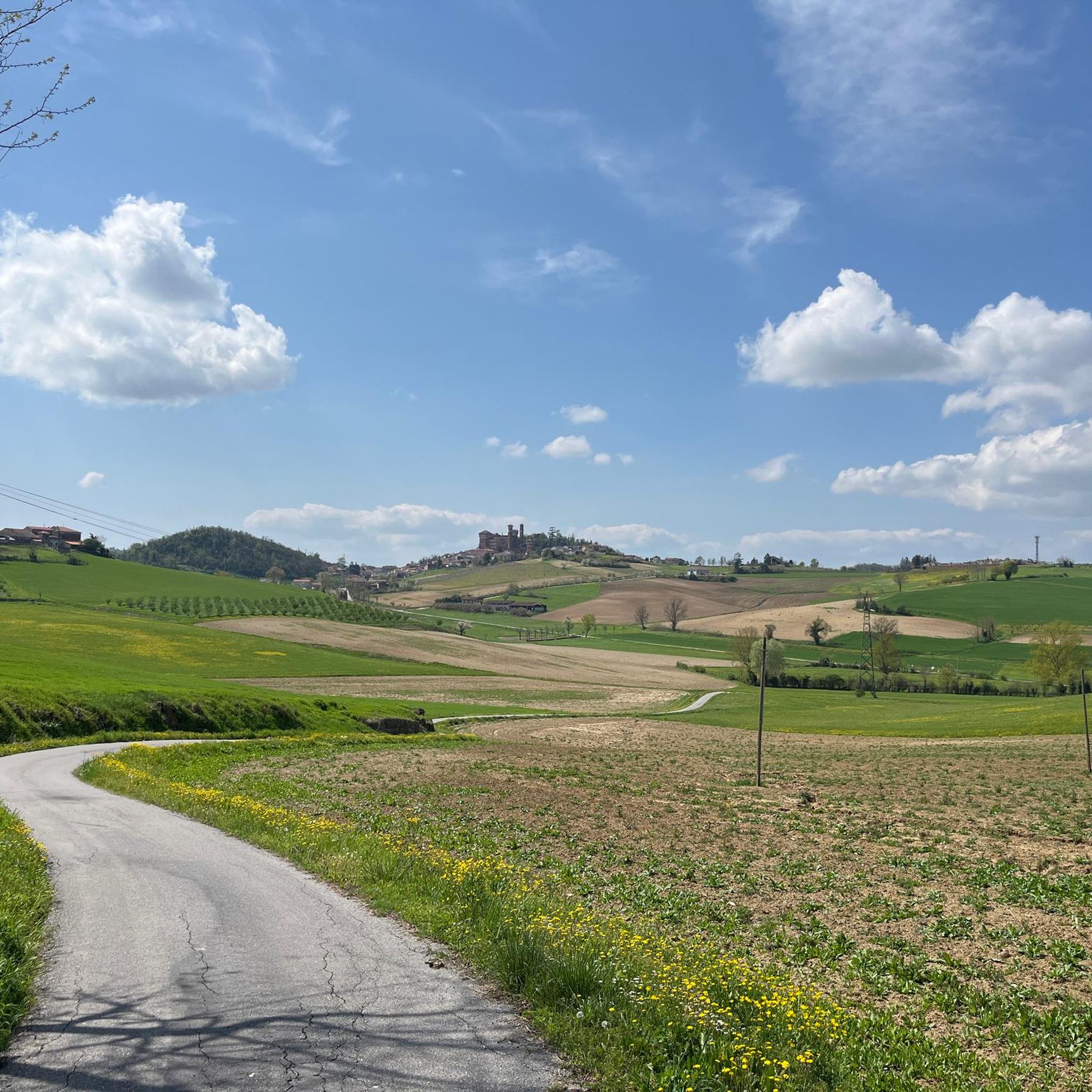
Nestled among centuries-old trees, Camino Castle dominates the ancient village from above and contributes to one of the most easily recognizable hilltop profiles of the Lower Monferrato.
0
0

Building kept in perfect condition.
25
0


Place of historical, architectural, cultural and tourist interest SP29, 19, 14030 Montemagno AT https://www.comune.montemagno.at.it/it/point-of-interest/castello-di-montemagno-o-dei-conti-calvi-di-bergolo 014163583
5
0

Giovanni II Paleologo, Marquis of Monferrato, ordered the current castle to be built and work continued until 1357. When Casale assumed the role of capital of the Margraviate of Monferrato and obtained the title of city in 1474, it also changed castle, seat of the court, after the restoration with the marquises Guglielmo VIII (1464-1483) and Bonifacio V (1483-1494). When Giovanni II Paleologo died, the Gonzaga of Mantova took control of Casale. The castle was strengthened by new military techniques, so the walls and the plan shape were adjusted so that it became hexagonal (which we can still see today). The towers were also strengthened and four new ravelins were added. At the beginning of the seventeenth century, the castle returned to its role as the seat of the court. The Dukes of Mantova, who were busy negotiating with Savoia, stayed there. Later it became the principality of Duke Carlo II Gonzaga-Nevers (1637-1665), who holidayed there many times with his entire court, which gave a boost to the cultural life in Casale. Due to the crisis of the Gonzaga dynasty, the castle was on the verge of decline. The city fell to Savoia in 1708 and the castle became a barracks. In the mid-19th century, Casale was fortified in preparation for a war against Austria and the castle became a defensive structure. The eastern ravelin was demolished, creating the current Piazza Castello, which became an open-air market zone. With the unification of Italy, the other three ravelins were also demolished.
1
0
Frequently Asked Questions
Are there family-friendly castles to visit around Cereseto?
Yes, several castles in the area are considered family-friendly. Cereseto Castle, with its fairy-tale appearance, is a popular spot for families to admire its imposing exterior. Additionally, Frassinello Monferrato Castle is also noted as family-friendly and hosts events.
What is the best time of year to visit the castles around Cereseto?
The Monferrato region, where Cereseto is located, is beautiful throughout the spring and autumn months. Spring (April-May) offers pleasant temperatures and blooming landscapes, while autumn (September-October) provides mild weather and stunning fall foliage, ideal for exploring the castles and surrounding countryside.
What kind of historical significance do the castles in the Cereseto area hold?
The castles around Cereseto offer deep insights into past eras, reflecting the rich history of the Monferrato region. Many, like Monferrato Castle (Castello del Monferrato), have served as strategic defensive structures, seats of power for noble families like the Paleologo and Gonzaga, and have undergone various transformations over centuries, from medieval fortresses to Renaissance residences.
Can I find viewpoints near the castles to enjoy the Monferrato landscape?
Absolutely. Many castles in the region are strategically located on hilltops, offering panoramic views. Castello di Montemagno and Camino Castle are both categorized as viewpoints, providing excellent opportunities to take in the rolling hills and picturesque scenery of the Lower Monferrato.
Are there any hidden gem castles worth discovering near Cereseto?
While the main castles are well-known, the Monferrato region is dotted with many smaller, less-frequented historical sites. Exploring the charming villages surrounding Cereseto often reveals lesser-known castles or castle ruins that offer a more intimate glimpse into the region's past, away from the main tourist paths.
What outdoor activities can I do near the castles around Cereseto?
The area around Cereseto is excellent for outdoor activities. You can enjoy hiking on trails like the Cereseto Loop Trail, or explore the countryside with cycling routes such as the 'Small Truffle Museum – Big Bench No. 48 loop'. For those who prefer off-road adventures, there are also gravel biking options available.
What should I wear when visiting castles in the Cereseto area?
Comfortable walking shoes are highly recommended, as many castles involve walking on uneven surfaces, cobblestones, or climbing stairs. Layers are also advisable, especially during spring and autumn, as temperatures can vary. A light jacket or sweater is useful even on warmer days, particularly if exploring interiors or higher viewpoints.
Are there any castles near Cereseto that are UNESCO World Heritage Sites?
Yes, Frassinello Monferrato Castle, along with its village, became a UNESCO World Heritage Site in June 2014. This recognition highlights its significant cultural and historical value within the Monferrato region.
What do visitors enjoy most about the castles around Cereseto?
Visitors frequently appreciate the well-preserved architecture and the sense of history these castles evoke. The imposing exteriors, crenellated walls, and the picturesque settings, often dominating ancient villages, are highlights. Many also enjoy the legends associated with places like Camino Castle and the opportunity to capture stunning photographs of these historic structures.
Are there opportunities for circular walks or hikes around the castles?
Yes, the Monferrato region offers various trails that can incorporate castle views or pass by them. For instance, the hiking guide for Cereseto includes routes like the 'Cereseto Loop Trail' and 'Cella Monte Loop', which allow you to explore the scenic surroundings and often provide glimpses of the local castles.
Is it possible to visit the interiors of all castles around Cereseto?
No, not all castle interiors are open to the public. For example, while Cereseto Castle is renowned for its impressive exterior, its interior cannot currently be visited. Other castles, like Frassinello Monferrato Castle, may offer access for events, ceremonies, or as part of a B&B stay. It's always best to check specific castle websites for current visiting information.
Most popular routes around Cereseto
Most popular attractions around Cereseto

Get inspired with the komoot mobile app


Explore more
Looking for the best castles somewhere else? Discover other guides around Cereseto:
