The best road cycling routes around Bistagno
4.5
(238)
5,053
riders
239
rides
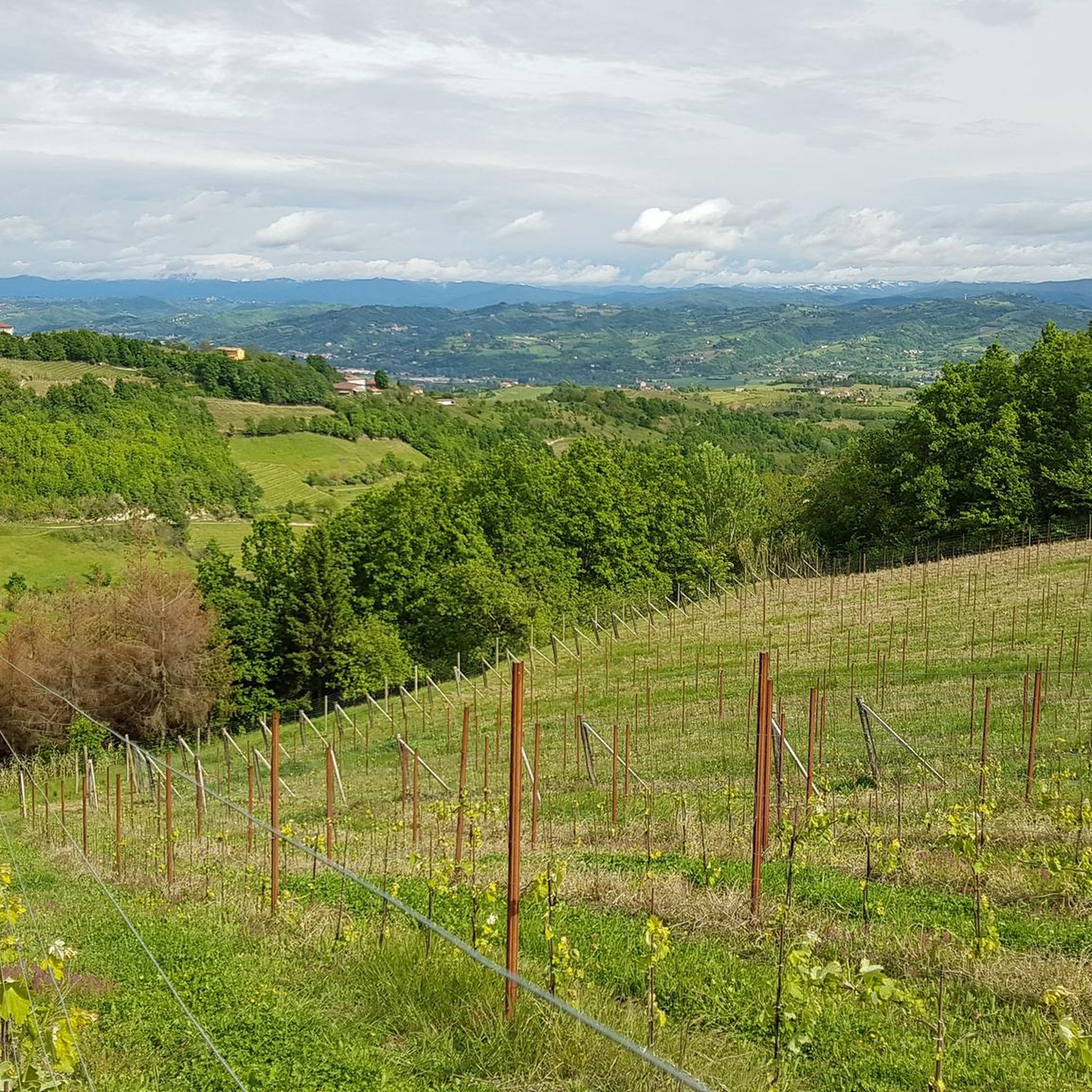
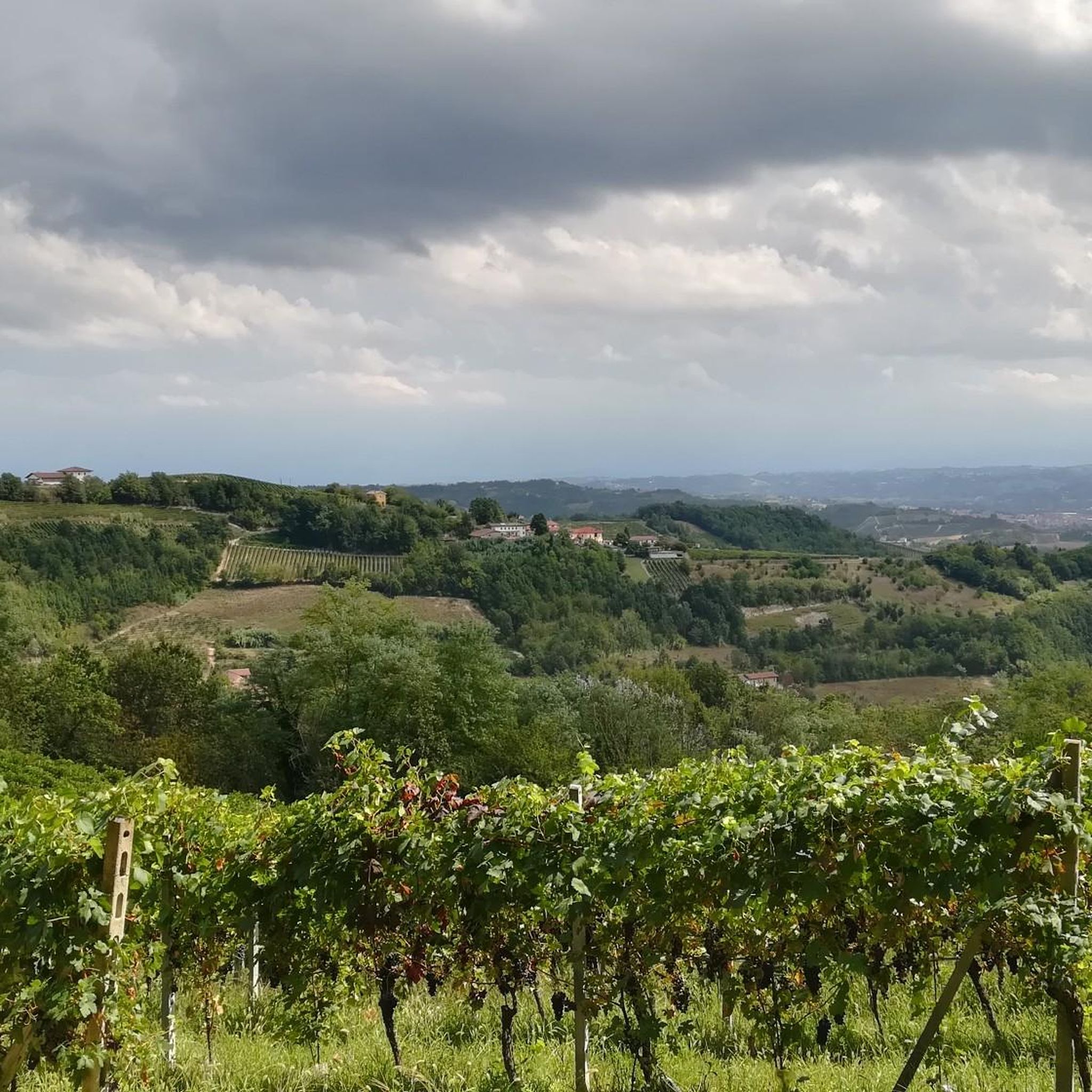
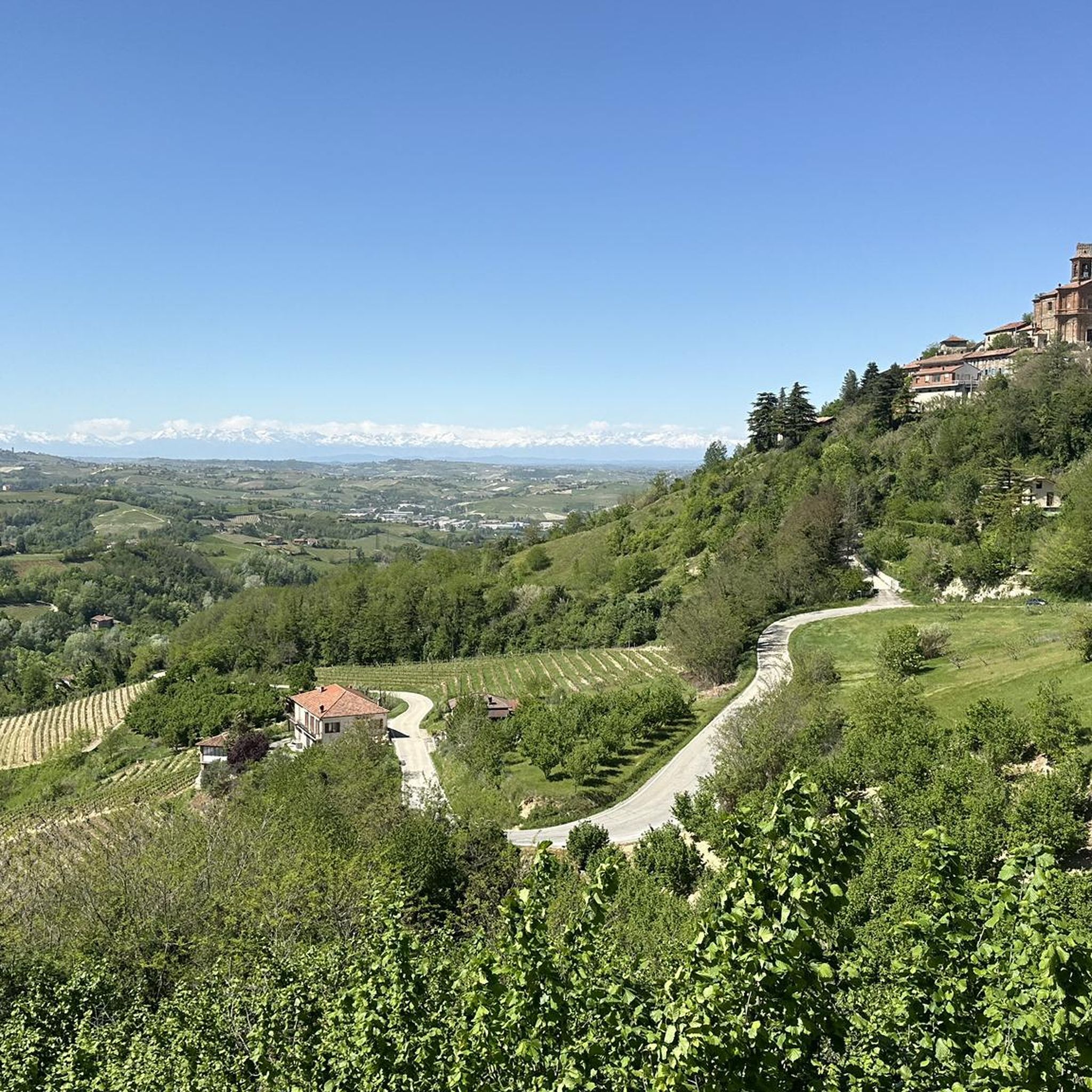
Road cycling routes around Bistagno traverse the diverse landscapes of Piedmont, Italy, characterized by vineyard and wooded hills. The region features a network of paved surfaces ideal for road cycling, offering varied terrain from the Bormida Valley to higher elevations. These routes provide engaging rides through a landscape recognized for its scenic beauty and cultural significance. The area's topography includes rolling hills and ascents, catering to different levels of cycling experience.
Best road cycling routes around Bistagno
- The most popular…
Last updated: November 1, 2026
2.0
(2)
43
riders
Moderate road ride. Good fitness required. Mostly well-paved surfaces and easy to ride.
38
riders
Moderate road ride. Good fitness required. Mostly well-paved surfaces and easy to ride.

4.0
(2)
42
riders
61.6km
03:12
980m
980m
Hard road ride. Very good fitness required. Mostly well-paved surfaces and easy to ride.
5.0
(1)
15
riders
40.6km
02:09
690m
690m
Moderate road ride. Good fitness required. Some segments of this route may be unpaved and difficult to ride.
17
riders
57.2km
02:53
780m
780m
Moderate road ride. Good fitness required. Mostly well-paved surfaces and easy to ride.
Get access to more routes and recommendations from other explorers.
Already have an account?
Our route recommendations are based on thousands of hikes, rides, and runs completed by other people on komoot.
Start today with a free account
Your next adventure awaits.

Tips from the Community

Bridge A beautiful Romanesque bridge in a characteristic village.
0
0

Monastero Bormida is a charming Italian medieval village located in the province of Asti, in Piedmont, nestled in the picturesque landscapes of the Langa Astigiana. The village was founded around the year 1050, when a group of Benedictine monks was called by Marquis Aleramo to clear and repopulate the lands devastated by Saracen raids.
0
0
Roccaverano is a charming and authentic Italian municipality located in the province of Asti, in Piedmont. At about 800 meters above sea level, it stands on the hill that divides the Bormida valleys and is the highest inhabited center in the entire Asti region. This picturesque medieval village is internationally famous for two main reasons: its rich historical heritage and the production of the renowned Robiola di Roccaverano DOP
0
0

The Romanesque Bridge of Monastero Bormida is one of the most characteristic monuments of the small village of Monastero Bormida, in the Asti Langhe. It crosses the Bormida river right next to the village castle and is considered one of the most interesting medieval works in the valley.
12
0

The Castle of Monastero Bormida was not originally built as a defensive structure but as a Benedictine monastery, founded around 1050 by monks from the Abbey of Fruttuaria, called by the Aleramici Marquises to reclaim the lands devastated by Saracen raids. The 27-meter tower still visible today was originally the bell tower, and the river flowing a few meters from the southern tower confirms the non-military nature of the building. In 1393, the Benedictines abandoned the monastery, and its feudal history began: the fief passed to the Del Carretto marquises, who in the 15th century added the first defensive structures, transforming it into a castle. The building is a quadrangular structure with an internal courtyard, protected by towers on multiple sides and connected to the former bell tower by a small suspension bridge. On the south facade, there is a two-arched Renaissance loggia with a small stone column. Inside, the rooms on the main floor—transformed in the 17th century—feature mosaic floors and sail and cross vaults with frescoes of floral and geometric motifs. The castle later passed to the Della Rovere family and subsequently to the Genoese Polleri family, finally becoming the property of the Municipality starting in 1880. Today it is open to visitors and is part of the regional circuit "Castelli Aperti".
1
0
Rocchetta Palafea, in the province of Asti, is an ancient medieval village founded as a military garrison in the Belbo Valley, with documented origins dating back to around 960. Dominated by its characteristic quadrangular tower and surrounded by ancient walls, the town was an Aleramic fiefdom and then a Genoese one, preserving a historic atmosphere linked to its past as a fortress.
3
0
The ROMANESQUE BRIDGE dates back to the 14th century. Through the characteristic Vicolo del Droc—where one of the city gates once stood and where the entrance to an ancient oven can still be seen—you reach the Romanesque bridge over the Bormida River, still in use. It represents one of the most interesting works of medieval civil engineering in the valley, and its counterpart, in Spigno, is the similar bridge at the Abbey of San Quintino. Both were built by Benedictine monks. It is a massive humpbacked structure with four spans. The Monastero bridge was the only one passable year-round from the lower valley: Acqui did not have one.
17
0

You'll get a really good meal there.
7
3
Frequently Asked Questions
What kind of terrain can I expect on road cycling routes around Bistagno?
Road cycling routes around Bistagno traverse the diverse landscapes of Piedmont, Italy, characterized by vineyard and wooded hills. You'll encounter rolling hills and ascents, with routes ranging from easy to difficult. The Bormida Valley offers flatter sections, while other routes lead through higher elevations, providing varied challenges for all skill levels.
Are there many road cycling routes available in Bistagno?
Yes, Bistagno offers a good selection of road cycling routes. There are over 15 routes available, catering to various fitness levels. You'll find options for easy, moderate, and difficult rides, ensuring there's something for every road cyclist.
Are there any notable landmarks or scenic viewpoints along the road cycling routes in Bistagno?
Absolutely. Many routes offer stunning vistas and pass by significant landmarks. You can enjoy panoramic views towards the Ligurian Apennines on routes like the View of the Ligurian Apennines – Piazza Italia Acqui Terme loop from Bistagno. Other routes might take you near the historic Bubbio Village and Church of San Grato, which offers incredible views, or the ancient Roman Aqueduct of Acqui Terme. The region is also part of the UNESCO Vineyard Landscape of Langhe-Roero and Monferrato, ensuring visually stunning itineraries.
What is the best time of year for road cycling in Bistagno?
The Piedmont region, including Bistagno, generally offers pleasant cycling conditions from spring through autumn. The mild weather during these seasons is ideal for exploring the vineyard and wooded hills. While specific winter conditions are not detailed, it's advisable to check local weather forecasts for snow or ice, especially on higher elevation routes.
Are there any long-distance or challenging road cycling routes for experienced riders?
Yes, experienced riders will find several challenging routes. For instance, the Roccaverano – Canelli loop from Bistagno is a difficult 74 km trail with significant elevation gain. Another demanding option is the Monastero Bormida – Bergolo loop from Bistagno, which covers over 94 km with substantial climbing, often taking over 4.5 hours to complete.
Are there any family-friendly or easier road cycling routes around Bistagno?
While many routes feature ascents, there are options suitable for varying skill levels. The region offers easier routes, such as the Piazza di Sessame – Sculptures of Montabone loop mentioned in regional research, which are shorter and have less elevation. When planning, look for routes designated as 'easy' or 'moderate' on komoot for a more relaxed experience.
What do other road cyclists enjoy the most about road cycling in Bistagno?
The area is highly rated by the komoot community, with an average score of 4.4 stars from over 100 reviews. Road cyclists often praise the scenic beauty of the vineyard and wooded hills, the varied terrain, and the well-maintained paved surfaces. The cultural richness of the UNESCO-recognized landscape also contributes to a highly enjoyable cycling experience.
Can I find loop routes for road cycling in Bistagno?
Yes, many of the road cycling routes around Bistagno are designed as loops, allowing you to start and finish in the same location. Examples include the popular Piazza Italia Acqui Terme – Langhe Vineyards loop from Bistagno and the Monastero Bormida – Torre Bormida loop from Bistagno, offering convenient circular journeys through the region's beautiful landscapes.
Are there opportunities to combine road cycling with other outdoor activities in the Bistagno area?
Absolutely. Beyond road cycling, the region offers hiking opportunities, such as trails to Mount Royal for spectacular valley views, and the scenic Rio Grande Waterfall. The Capanne di Marcarolo Nature Park and the Sanctuary of Nostra Signora della Guardia on Mount Tobbio are also nearby, providing lush forests and tranquil mountain vistas for those looking to explore on foot.
What local products or culinary experiences can I find near the cycling routes?
Bistagno lies within the Bormida Valley, which is known for its distinctive local products. Cyclists can look forward to sampling regional specialties such as goat cheese, hazelnuts, and the renowned Moscato wine, offering a taste of the local culture and a perfect way to refuel after a ride.
Is there parking available for cyclists in Bistagno?
While specific parking facilities for cyclists are not detailed, Bistagno is a charming village, and you can typically find parking in or near the town center. It's advisable to check local signage for parking regulations upon arrival.
Can I reach Bistagno's cycling routes using public transport?
Information on specific public transport links for cyclists to Bistagno is not readily available. It is generally recommended to plan your journey by car or check regional bus and train schedules in advance if you intend to use public transport to access the starting points of the routes.
Most popular attractions around Bistagno

Get inspired with the komoot mobile app


Explore more
Browse the best Road cycling routes in other regions.
