Attractions and Places To See around Castelletto D'Orba - Top 20
Attractions and places to see around Castelletto D'Orba offer a blend of history, culture, and natural beauty in the Alto Monferrato region. This ancient town is situated in a hilly area near the Orba river valley, featuring a medieval layout. The landscape includes Ligurian hills, conducive to viticulture, and is known for its sulphurous springs. Visitors can explore historical landmarks and cultural sites within this picturesque setting.
Best attractions and places to see around Castelletto D'Orba
- The most popular attractions is Castello di Francavilla Bisio, a castle that dates back to the second half of the 1300s. Its strategic position gave it value in subsequent centuries, and it is visible from a distance on the side of a hill.
- Another must-see spot is Church of St James, Gavi, a religious building with a Romanesque facade built in the 12th century. The portal features a lunette depicting the Last Supper, and the interior houses important works.
- Visitors also love Albarola Tower, a historical site consisting of the ruins of a defensive sighting system. It was part of a military defense against Saracen raids around the year 1000, offering panoramic views of the surrounding area.
- Castelletto D'Orba is known for its historical sites, religious buildings, and castles. The area provides a variety of attractions to see and explore, from ancient towers to medieval churches.
- The attractions around Castelletto D'Orba are appreciated by the komoot community, with 22 upvotes and 22 photos shared by visitors.
Last updated: June 24, 2026
Albarola Tower
Highlight • Historical Site
Translated by Google •
Tip by

Church of St James, Gavi
Highlight • Religious Site
comune.gavi.al.it/it-it/vivere-il-comune/cosa-vedere/parrocchiale-di-san-giacomo-5873-1-c65eb6a23ac8c05fc00ca19c204ee35f
Translated by Google •
Tip by

Sign up now to discover places like this
Get recommendations on the best single tracks, peaks, & plenty of other exciting outdoor places.
Sign up for free
Castello di Mornese
Highlight • Castle
Translated by Google •
Tip by

Trail to Rossiglione
Highlight • Trail
A notable feature of Rossiglione is the presence of the Rossiglione Viaduct, a railway bridge of considerable engineering importance that crosses the valley. This viaduct is a distinctive element of the area's landscape.
Translated by Google •
Tip by

Castello di Montaldeo
Highlight • Castle
Tip by

Sign up for free to discover even more attractions around Castelletto D'Orba.
Sign up for free
Already have an account?
Start today with a free account
Your next adventure awaits.
Login or Signup

Tips from the Community

The castle built on a 13th century fortification - is accessed via a steep climb starting from the small square where the ancient municipal building with loggia stood. Enfeoffed to the Doria family between the 14th and 16th centuries, the castle saw the succession of many families: Da Passano, Pallavicino, Serra, Spinola and Orsini Pio di Savoia. The guise in which it appears today dates back to the 18th century, when it was adapted by the Serra family into an elegant country residence. The castle, owned by the Doria family of Montaldeo since the beginning of the 19th century, has a complex structure in which the original structures survive, vestiges of previous use: the apparatus protruding on double brackets, the battlements and the configuration of the keep. One of the towers, which became an artist's studio in the last century and overlooks the surrounding landscape with large windows, offers a priceless view that sweeps over the Alpine chain, from Monviso to Monte Rosa, and over the Apennines, up to the Piacenza mountains
0
0
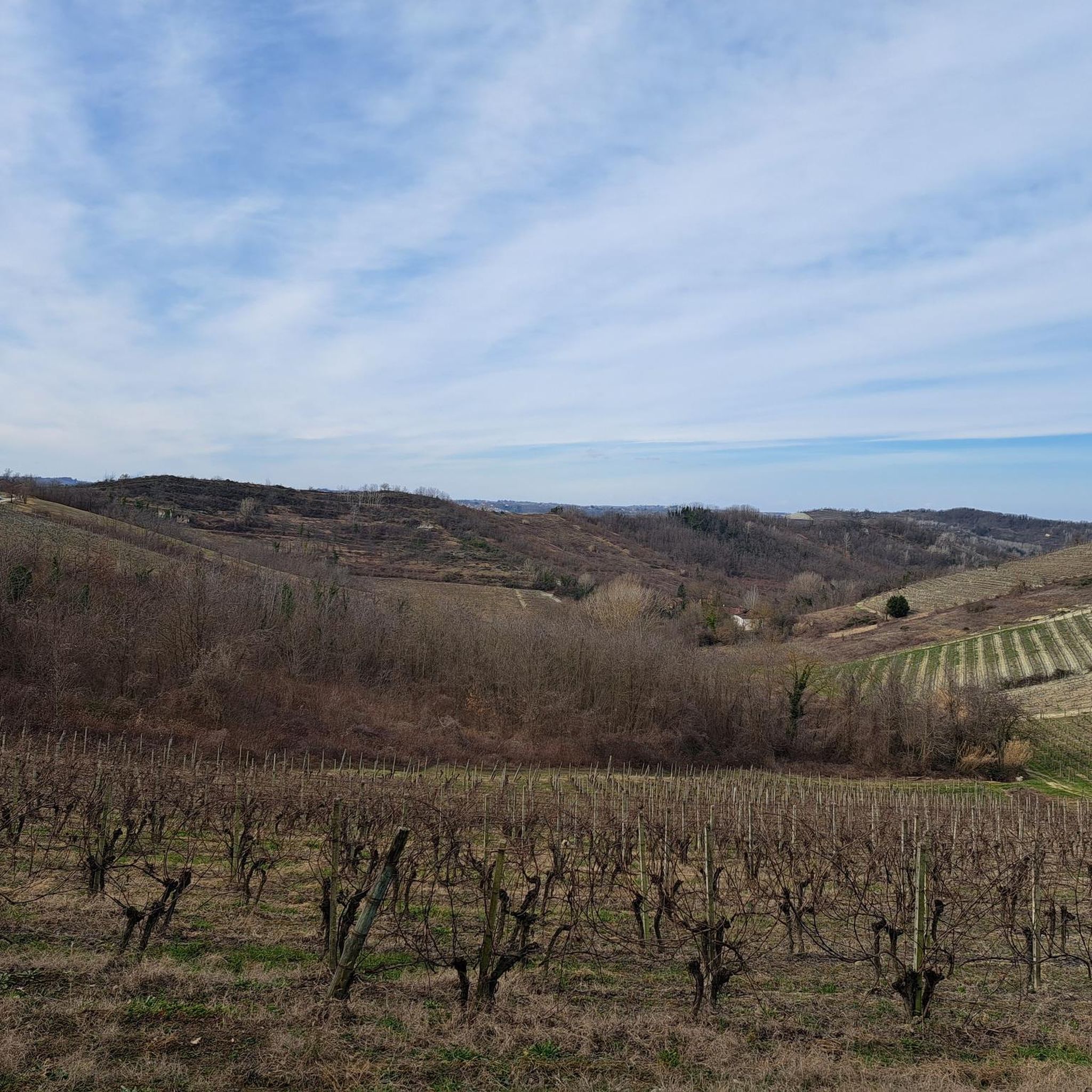
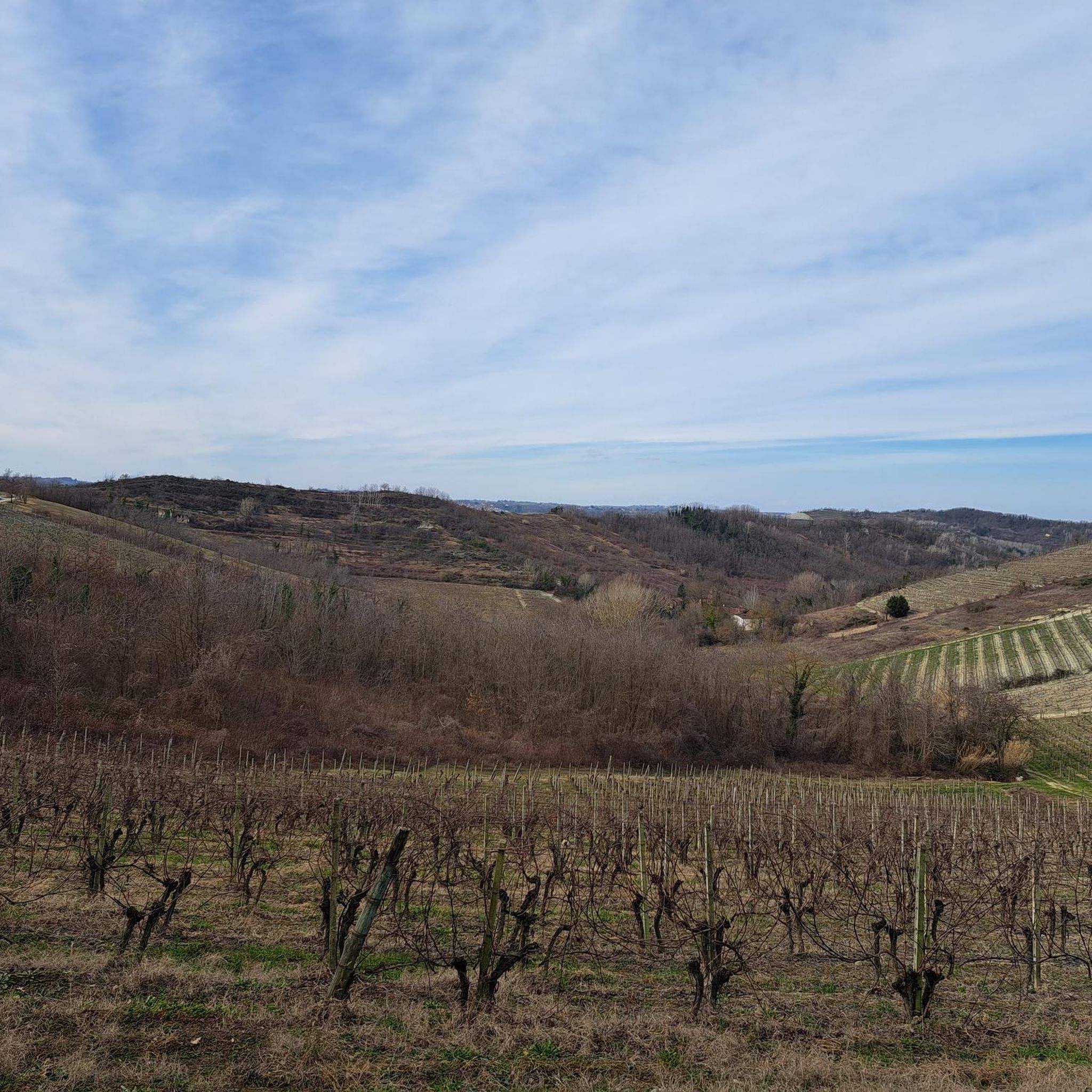
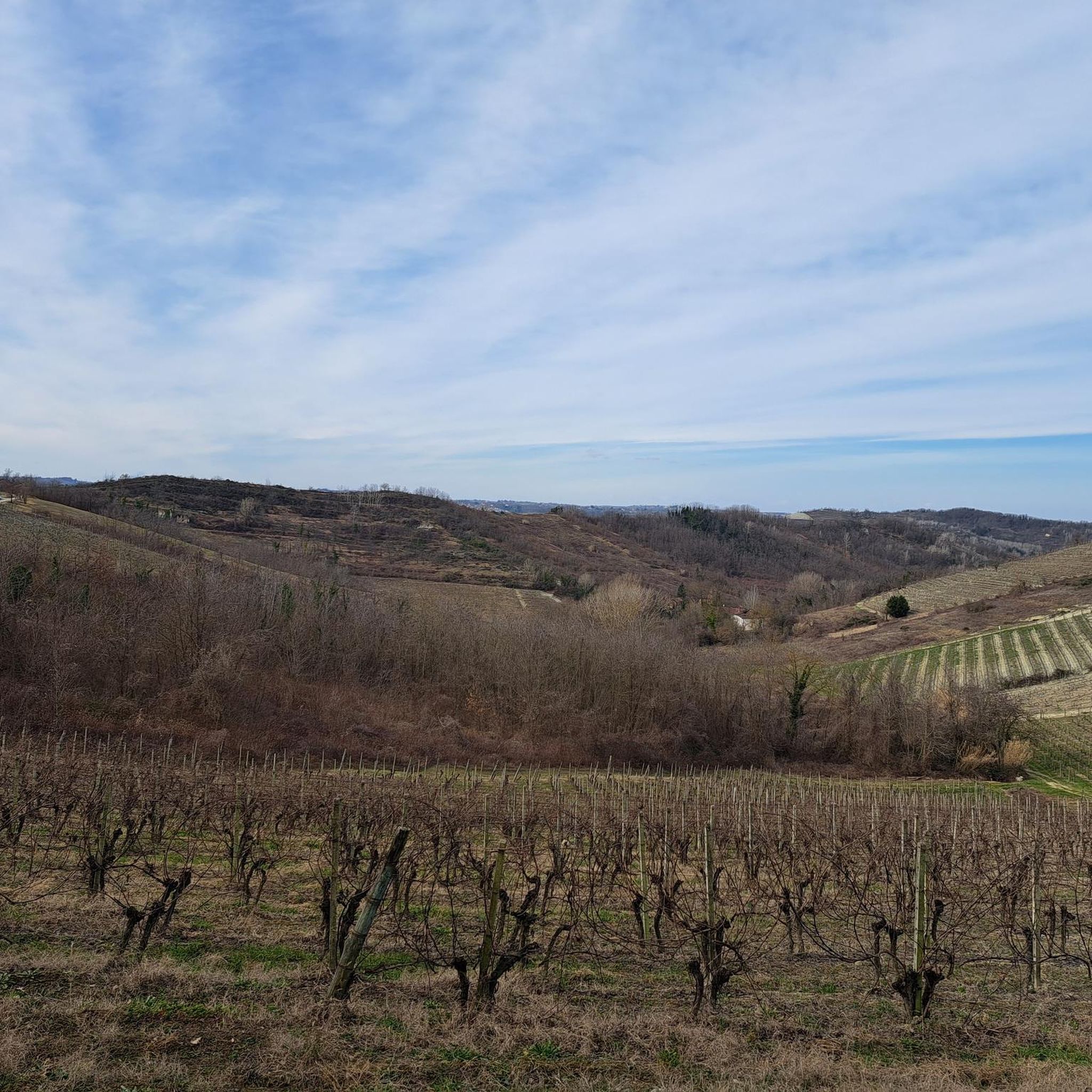
To the north of the town, on the borders between Lerma, Silvano and Castelletto d'Orba, remain the ruins of the Torre dell'Albarola. It was part of a defensive sighting system created against Saracen incursions around the year one thousand. His task was to record the signals coming from Mount Colma and, with bonfires lit on the summit, warn the nearby Gazzolo tower (S. Cristoforo), which would send the alarm to the plain. Whoever climbs the tower immediately realizes the reason for that location: from up there the view extends from the Piota valley to the entire Apennine range, and then further down towards the hills up to the Po Valley. Tradition has it that it later served as a bell tower for Santa Maria in Prelio, that is, for the parish church of Silvano d'Orba, as it is located on a hill to the east of it. Towards the end of the 17th century, the Abbey of San Filippo Neri was built near Albarola, from which the name of today's Abbazia farmhouse derives
0
0

The town is known for its picturesque position, immersed in the Ligurian hills and crossed by the Scrivia river. Rossiglione has a characteristic historic center with narrow paved streets, historic buildings and a parish church. The surrounding area offers opportunities for hiking and outdoor activities. A notable feature of Rossiglione is the presence of the Rossiglione Viaduct, a railway bridge of considerable engineering importance that crosses the valley. This viaduct is a distinctive element of the area's landscape.
0
0
The imposing building, which retains a structure with corner towers, has richly furnished interiors and interesting collections of ancient weapons. Even the foundations, built with abundance, enclose labyrinthine underground passages that lead to the prisons. The building is known in the area for the legendary presence of a ghost and as a place which, way back in 1528, saw the killing of the despotic Alessandrian feudal lord Cristoforo Trotti and his family.
0
0

inside the church of S.Giacomo many important works including this one: GANDOLFINO DA RORETO 1515_1520 MADONNA WITH CHILD, ST. JOHN THE BAPTIST, ST. JAMES THE MAJOR in the lunette: ADORATION OF THE CHILD
0
0

Anti-Saracenic sighting tower, it was part of the military defense set up by Berengario II, king of Italy, around 950. Exceptional panoramic point.
0
0
Frequently Asked Questions
What historical sites can I explore in Castelletto D'Orba?
Castelletto D'Orba is rich in history. You can visit the majestic Castello di Castelletto D'Orba, a 13th-century castle rebuilt in the 17th century, featuring Piedmontese Gothic style. The town also preserves ancient medieval structures, including the Porta Superiore and Porta della Berlina, and the Casa del Marchese, a 12th-century summer residence. For a broader historical perspective, consider visiting the ruins of the Albarola Tower, a defensive sighting system from around the year 1000.
Are there any notable churches or religious buildings in the area?
Yes, Castelletto D'Orba features several significant religious sites. The Chiesa Romanica di S. Innocenzo, dating back to the year 1000, is the oldest church and houses 15th and 16th-century frescoes. The Parrocchia di San Lorenzo, located in the main square, was transformed into a Baroque style in the 18th century. Additionally, the Oratorio di N.S. della Purificazione from the 15th century contains important frescoes. You can also visit the Church of St James, Gavi, a religious building with a Romanesque facade from the 12th century, featuring a lunette depicting the Last Supper.
What natural features can I enjoy around Castelletto D'Orba?
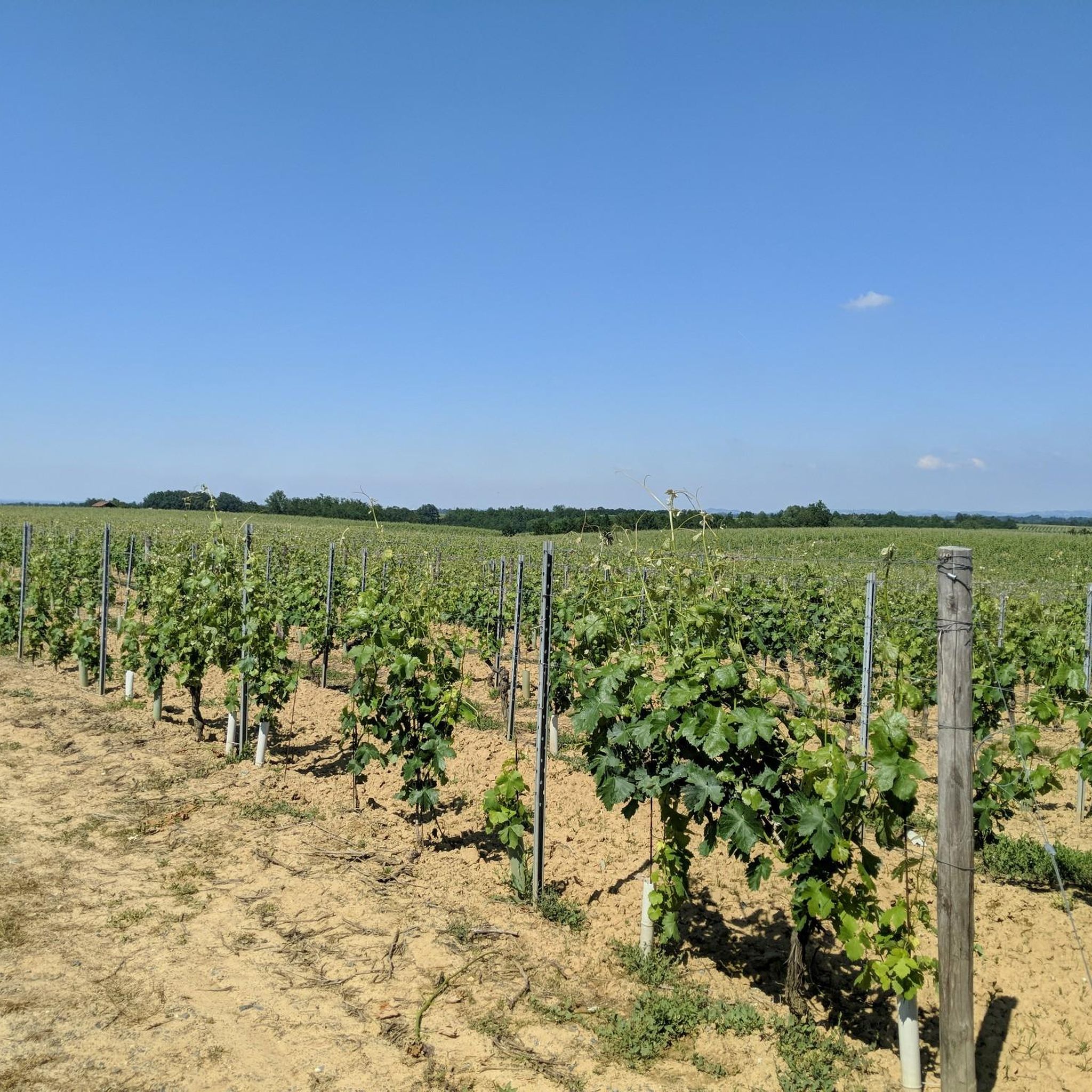
The region around Castelletto D'Orba is characterized by its picturesque position amidst the Ligurian hills and near the Orba river valley. This area offers a temperate climate and marine breezes, ideal for viticulture. The town is also known for its numerous curative sulphurous springs, which are a point of interest.
What outdoor activities are available near Castelletto D'Orba?
The hilly terrain and river valley provide excellent opportunities for outdoor activities. You can find various routes for running, mountain biking, and gravel biking. For detailed routes and guides, explore the Running Trails around Castelletto D'Orba, MTB Trails around Castelletto D'Orba, and Gravel biking around Castelletto D'Orba guides.
Are there any castles or fortresses I can visit in the vicinity?
Beyond the local castle, you can explore other impressive fortresses nearby. The Castello di Francavilla Bisio, dating back to the second half of the 1300s, is visible from a distance on a hillside and holds historical significance due to its strategic position. Another option is the Castello di Montaldeo, a toll castle known for its imposing structure with corner towers and richly furnished interiors.
What is the best time to visit Castelletto D'Orba?
Castelletto D'Orba benefits from a temperate climate and marine breezes, making it pleasant for visits throughout much of the year. The region's viticulture and local festivals, such as the 'Rassegna Dei Vini e Dei Sapori Dell'Alto Monferrato,' suggest that late spring to early autumn could be particularly enjoyable for experiencing local culture and outdoor activities.
Are there any museums or places to learn about local traditions?
Yes, the Museo del Torchio e Antica Cantina (Museum of the Press and Ancient Cellar) in the Bozzolina hamlet offers a unique glimpse into the rural history of the area. It houses an ancient walnut oil press from 1716 and an antique cellar with exclusively wooden equipment, showcasing traditional local practices.
What are some less-known or 'hidden gems' in Castelletto D'Orba?
While not widely publicized, the Torre Buzzi, a more recent construction from the early 20th century, is believed to stand on the site of an earlier 9th-century castle, offering a quiet historical point of interest. Exploring the preserved ancient town walls and gates, like Porta Caffarella along Via Torniella, also provides a sense of discovery away from the main attractions.
Can I find hiking trails near Castelletto D'Orba?
Absolutely. The surrounding Ligurian hills and Orba river valley offer numerous hiking opportunities. You can find trails that lead through picturesque landscapes. For specific routes and their difficulty levels, refer to the Running Trails around Castelletto D'Orba guide, which includes routes suitable for walking and exploring the natural beauty of the area.
What do visitors enjoy most about Castelletto D'Orba?
Visitors appreciate Castelletto D'Orba for its authentic blend of history, art, and nature. The medieval charm of its ancient streets, the historical significance of its castles and churches, and the picturesque setting in the Alto Monferrato region are frequently highlighted. The opportunity to explore historical sites like the Albarola Tower, which offers exceptional panoramic views, is also a popular draw.
Are there any family-friendly activities or attractions in the area?
While specific 'family-friendly' attractions are not explicitly listed, exploring the medieval town center, visiting the castles like Castello di Castelletto D'Orba, and enjoying gentle walks in the surrounding natural landscape can be engaging for families. The Museo del Torchio e Antica Cantina could also offer an interesting educational experience for older children.
How long should I plan for a visit to Castelletto D'Orba's attractions?
To fully appreciate the historical sites, cultural buildings, and natural beauty of Castelletto D'Orba and its immediate surroundings, a visit of at least one full day is recommended. If you plan to explore nearby castles or engage in outdoor activities like hiking or cycling, you might consider extending your stay to two or three days.
Most popular routes around Castelletto D'Orba
Most popular attractions around Castelletto D'Orba

Get inspired with the komoot mobile app


Explore more
Still not found the Highlight you’re looking for? See guides of the top attractions in other regions:
