The best walks and hikes around Casale Monferrato
4.5
(297)
995
hikers
58
hikes
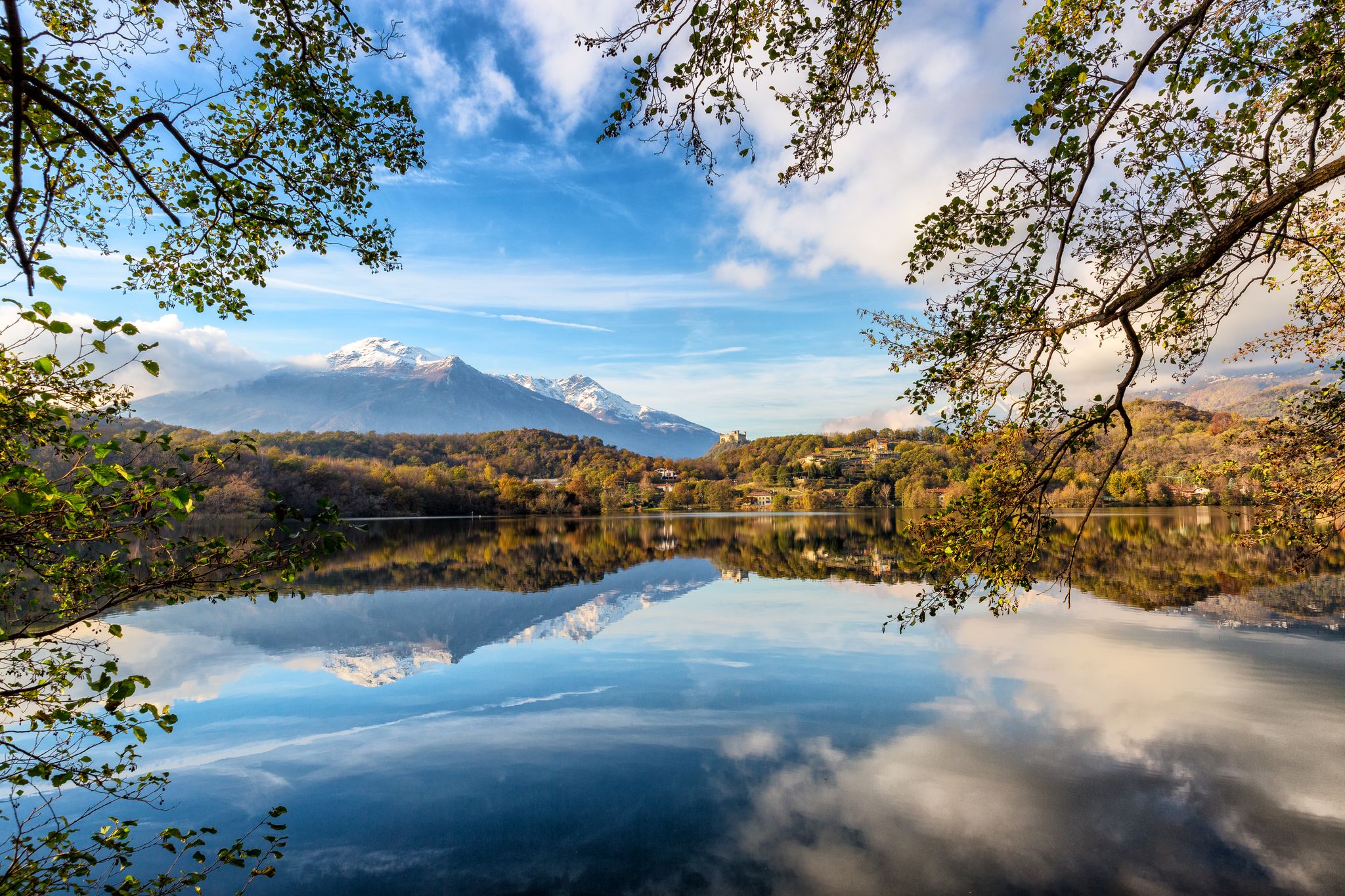
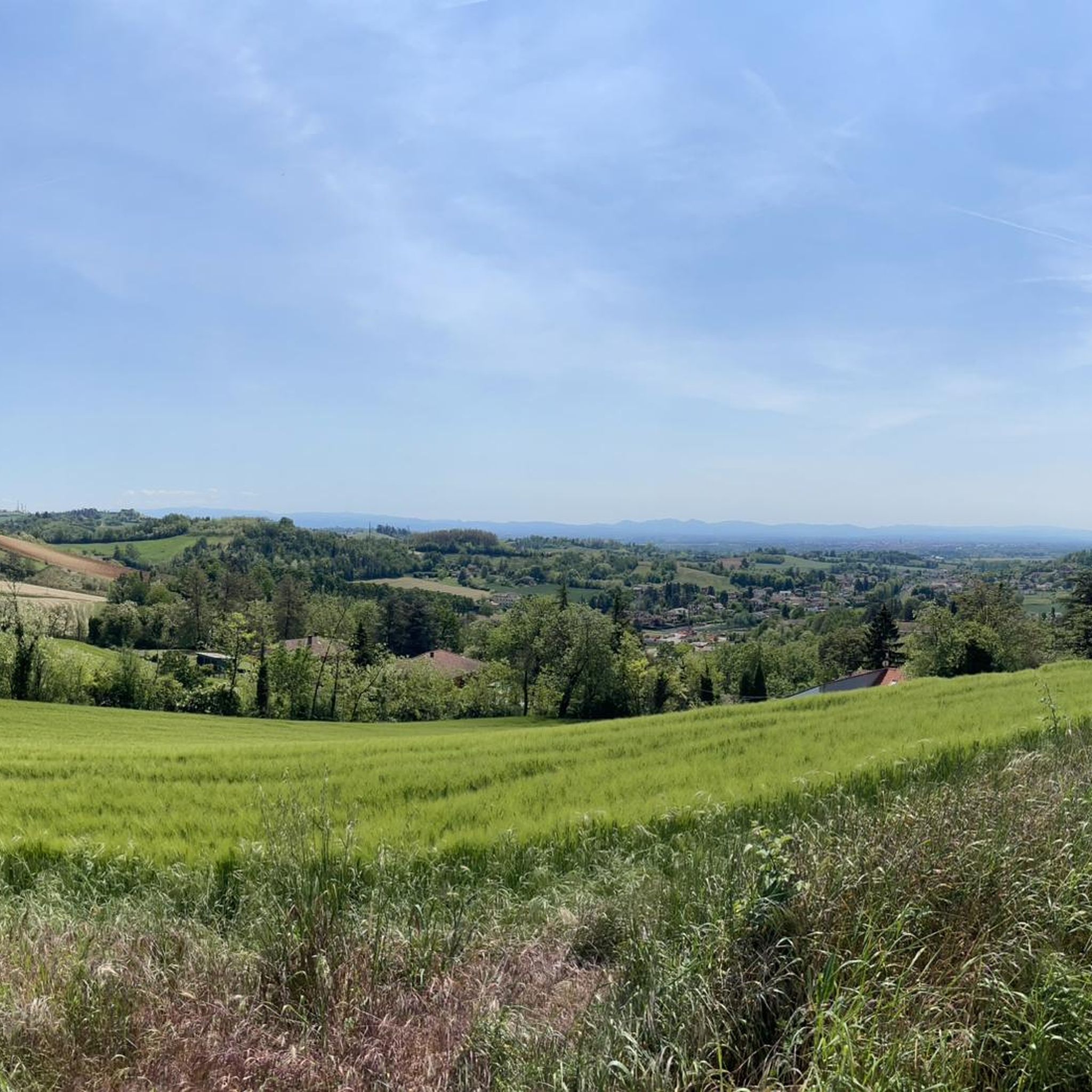
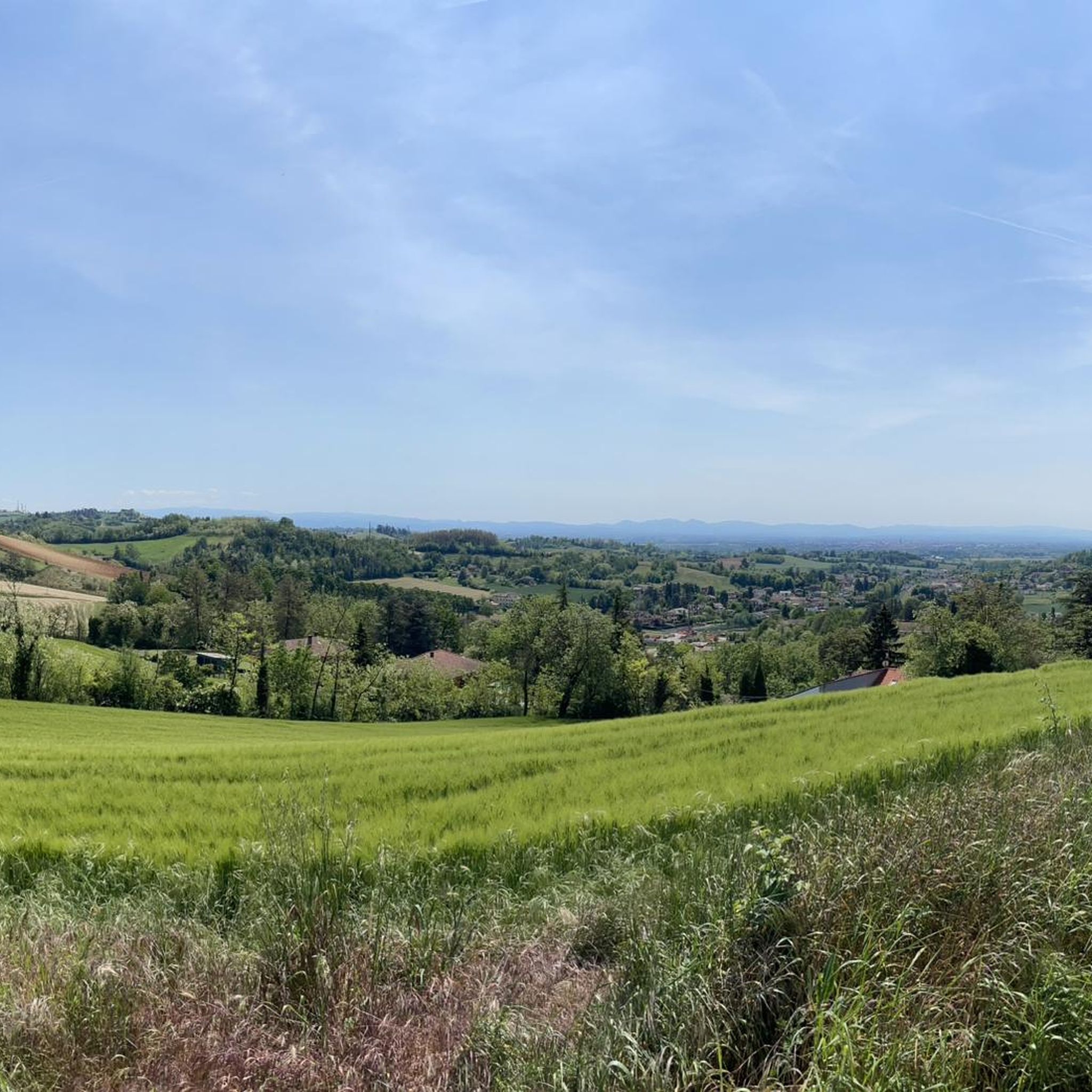
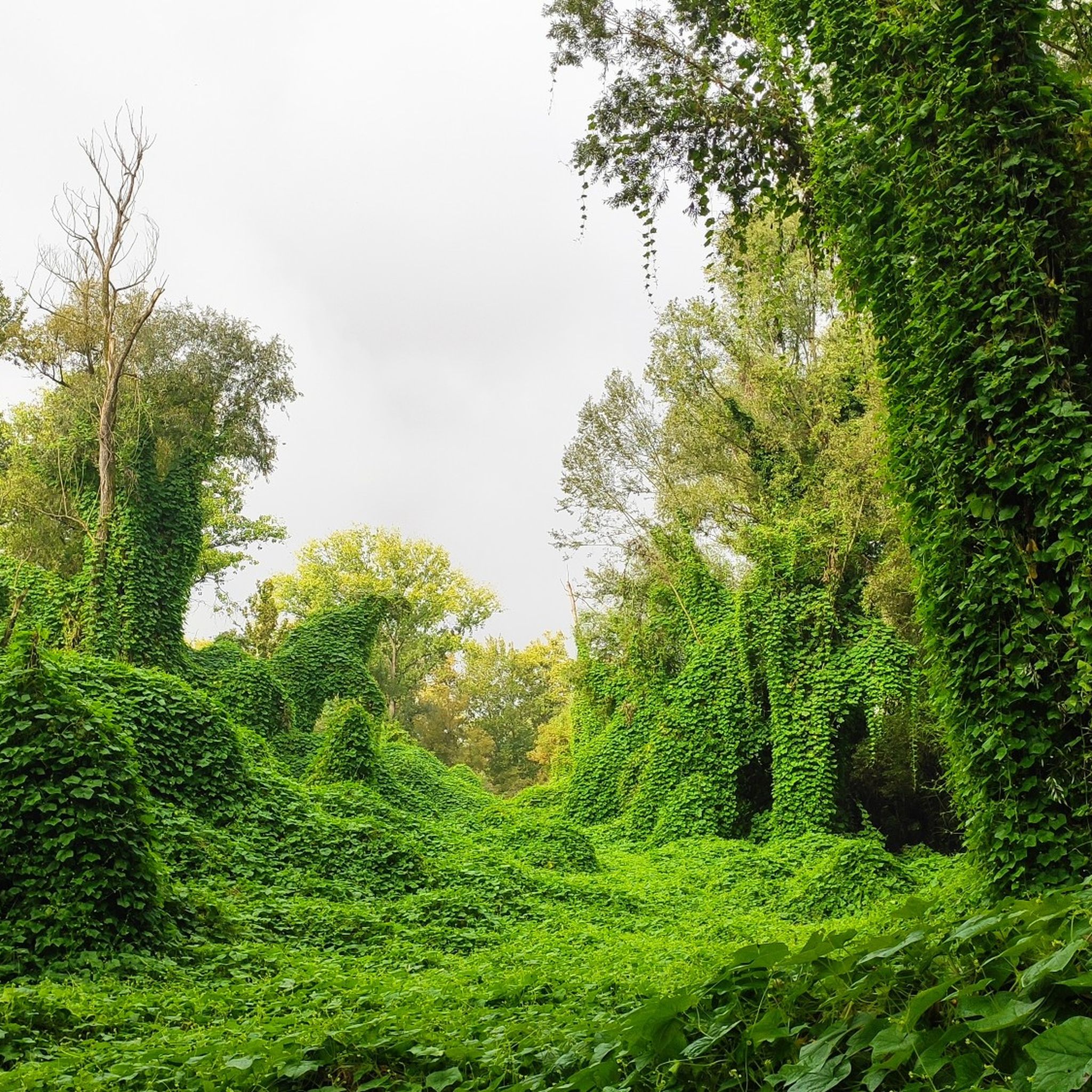
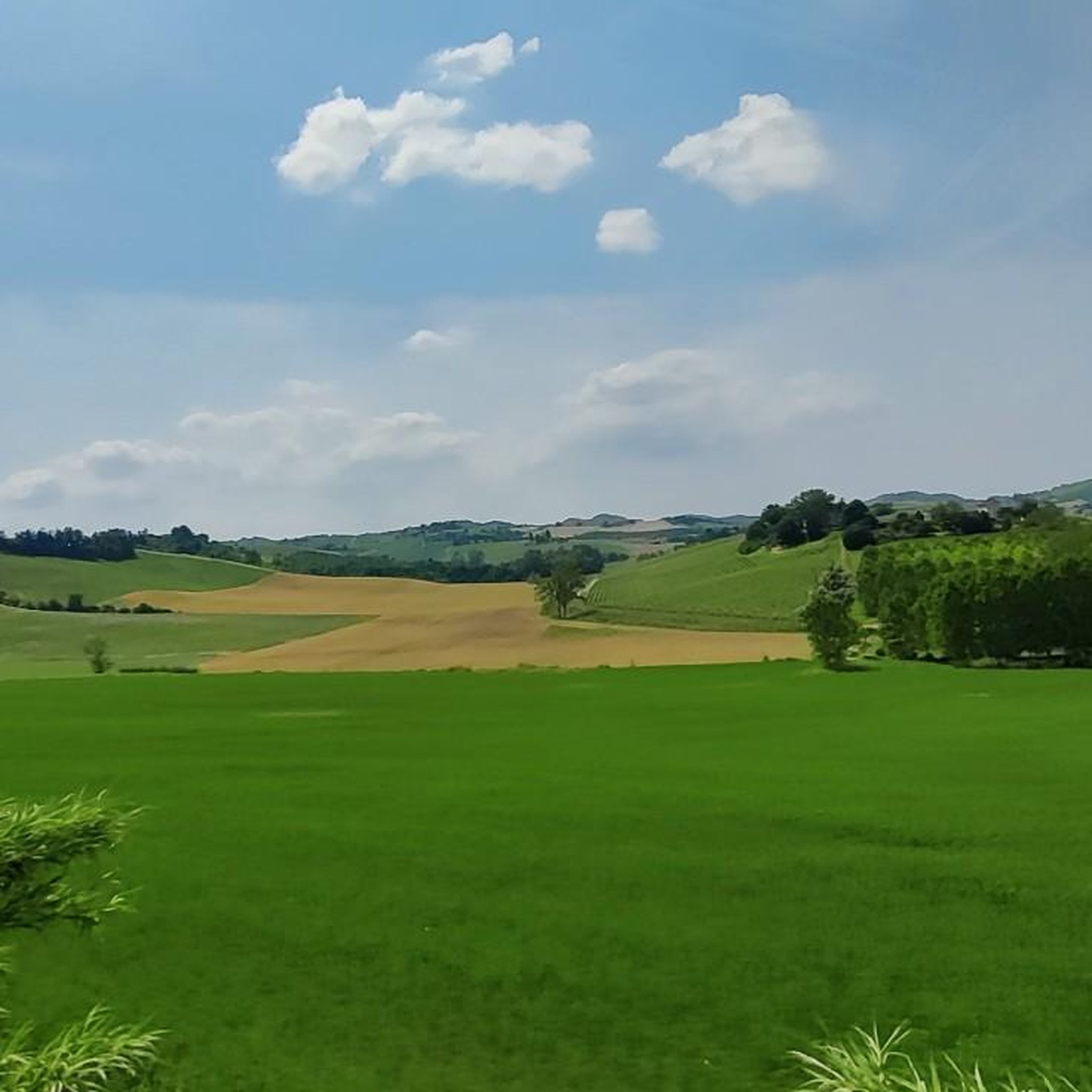
Hiking around Casale Monferrato offers access to the UNESCO World Heritage-listed landscapes of Italy's Piedmont region. The area is characterized by gentle, rolling hills covered with vineyards, hazel groves, orchards, and forests. Casale Monferrato is situated on the right bank of the Po River, providing a mix of river plains and elevated terrain. The varied topography includes both cultivated agricultural lands and natural woodlands.
Best hiking trails around Casale Monferrato
- The most popular hiking route is From Casale Monferrato to…
Last updated: August 30, 2026
5.0
(1)
1
hikers
14.0km
04:00
330m
330m
Hike the moderate 8.7-mile Trail 729 from Casale Monferrato to Ozzano Monferrato, exploring UNESCO vineyards and medieval castles.
4.7
(15)
15
hikers
9.11km
02:19
30m
30m
Moderate hike. Good fitness required. Easily-accessible paths. Suitable for all skill levels.

Sign up for free
17
hikers
Easy hike. Great for any fitness level. Easily-accessible paths. Suitable for all skill levels.
4.0
(2)
11
hikers
Easy hike. Great for any fitness level. Easily-accessible paths. Suitable for all skill levels.
5.0
(1)
4
hikers
Moderate hike. Good fitness required. Easily-accessible paths. Suitable for all skill levels.
Get access to more routes and recommendations from other explorers.
Sign up for free
Already have an account?
Our route recommendations are based on thousands of hikes, rides, and runs completed by other people on komoot.
Start today with a free account
Your next adventure awaits.
Login or Signup

Other adventures around Casale Monferrato

Tips from the Community


One of the industrial archaeology sites linked to the production of cement and bricks that characterized Casale Monferrato between the 19th and 20th centuries.
8
0
The view of San Giorgio Monferrato castle offers a characteristic glimpse of the Monferrato hills.
11
0

Probably one of the most beautiful synagogues in Europe
1
0

Jewish Synagogue of Casale
1
0

Giovanni II Paleologo, Marquis of Monferrato, ordered the current castle to be built and work continued until 1357. When Casale assumed the role of capital of the Margraviate of Monferrato and obtained the title of city in 1474, it also changed castle, seat of the court, after the restoration with the marquises Guglielmo VIII (1464-1483) and Bonifacio V (1483-1494). When Giovanni II Paleologo died, the Gonzaga of Mantova took control of Casale. The castle was strengthened by new military techniques, so the walls and the plan shape were adjusted so that it became hexagonal (which we can still see today). The towers were also strengthened and four new ravelins were added. At the beginning of the seventeenth century, the castle returned to its role as the seat of the court. The Dukes of Mantova, who were busy negotiating with Savoia, stayed there. Later it became the principality of Duke Carlo II Gonzaga-Nevers (1637-1665), who holidayed there many times with his entire court, which gave a boost to the cultural life in Casale. Due to the crisis of the Gonzaga dynasty, the castle was on the verge of decline. The city fell to Savoia in 1708 and the castle became a barracks. In the mid-19th century, Casale was fortified in preparation for a war against Austria and the castle became a defensive structure. The eastern ravelin was demolished, creating the current Piazza Castello, which became an open-air market zone. With the unification of Italy, the other three ravelins were also demolished.
1
0
Santa Croce was originally a Gothic church, to which a neoclassical facade was added in 1748, designed by the Casalese architect Francesco Ottavio Magnocavallo. Today it is a deconsecrated church whose internal space has been converted into an original setting for shops, restaurants and a bar. The MyCafe is not only a popular stop for an aperitif, but also organizes evenings of music and entertainment. The complex is located on the main pedestrian street in the city center.
1
0
Frequently Asked Questions
How many hiking trails are available around Casale Monferrato?
The region around Casale Monferrato offers a wide network of hiking opportunities. There are over 40 distinct hiking routes available, ranging from easy strolls to more challenging treks through the UNESCO World Heritage-listed landscapes.
What is the best time of year to go hiking in Casale Monferrato?
The mild climate in the Monferrato region generally allows for hiking year-round. However, spring and autumn are particularly pleasant. During these seasons, you can experience the vibrant colors of awakening nature or the rich hues of changing leaves, making for a very scenic experience.
What makes hiking in Casale Monferrato unique?
Hiking in Casale Monferrato offers a unique blend of natural beauty and cultural heritage. The trails wind through UNESCO World Heritage-listed vineyard landscapes, gentle rolling hills, hazel groves, and forests. You'll also encounter charming medieval villages, historical castles, and the contrasting plains of the Po River valley, providing diverse scenery.
Are there easy hiking trails suitable for beginners or families in Casale Monferrato?
Yes, the area offers several easy routes perfect for beginners or families. For example, the Fornace di Casale – Former Church of Santa Croce loop from Casale Monferrato is an easy 6.1 km trail. Many paths are designed to be accessible, allowing everyone to enjoy the beautiful Monferrato scenery.
Are there any circular hiking routes around Casale Monferrato?
Yes, many of the trails around Casale Monferrato are circular, offering convenient starting and ending points. Popular loop options include the Fornace di Casale loop from Casale Monferrato, which takes you through rolling hills, and the St. Stephen's Church – Piazza Mazzini loop from Casale Monferrato, which explores urban areas and the Po River.
Which trails offer the best panoramic views of the Monferrato hills?
For breathtaking panoramic views, consider trails that lead to hilltop villages or higher elevations. The 'Gnomes' Trail' in Castelletto Monferrato is known for its scenic hilly landscapes. Additionally, hiking to the 'Paradise Chapel' at Sacro Monte di Crea, a UNESCO World Heritage site, rewards you with stunning vistas over the entire Monferrato region.
What historical sites or attractions can I explore while hiking in Casale Monferrato?
Many hiking paths connect to or pass by enchanting historical sites. You can explore medieval villages like Cella Monte and Ozzano Monferrato, or discover impressive castles such as Sartirana Castle, Camino Castle, and Cereseto Castle. The Sacro Monte di Crea, with its chapels and religious art, is another significant cultural attraction accessible via trails.
Are there any unique cultural experiences to discover on the trails, like the Infernot?
Yes, the Monferrato Casalese area is famous for its unique 'Infernot' – underground cellars dug into rock, traditionally used for storing wine. While not directly on every hiking trail, many routes pass through villages where these can be explored, offering a fascinating glimpse into the region's wine culture and history.
Is Casale Monferrato well-connected for hikers using public transport?
Casale Monferrato serves as a historical capital within the region, making it a convenient base for exploring. While specific public transport details for trailheads vary, its central location generally provides good access to the surrounding areas, allowing hikers to reach various starting points for their adventures.
What do other hikers enjoy the most about hiking in Casale Monferrato?
The hiking routes in Casale Monferrato are highly rated by the komoot community, with an average score of 4.4 stars from over 200 reviews. Hikers frequently praise the diverse landscapes, from the picturesque vineyards and rolling hills to the historical villages and the Po River scenery. The well-marked paths and the opportunity to combine nature with cultural exploration are also highly appreciated.
Can I bring my dog on the hiking trails in Casale Monferrato?
Many trails in the Monferrato region are suitable for dogs, especially those that traverse open countryside, vineyards, and forests. It's always recommended to keep your dog on a leash, particularly when passing through agricultural areas or near livestock, and to respect local regulations and private property.
Are there any trails that specifically explore the UNESCO vineyard landscapes?
Absolutely. The Monferrato region is a UNESCO World Heritage site primarily for its vineyard landscapes. A prime example is the From Casale Monferrato to Ozzano Monferrato (Trail 729), which specifically explores these iconic vineyards and often connects to medieval castles nestled within them.
Most popular routes around Casale Monferrato
Most popular attractions around Casale Monferrato

Get inspired with the komoot mobile app


Explore more
Browse the best Hikes in other regions.
