Attractions and Places To See around Alluvioni Piovera - Top 20
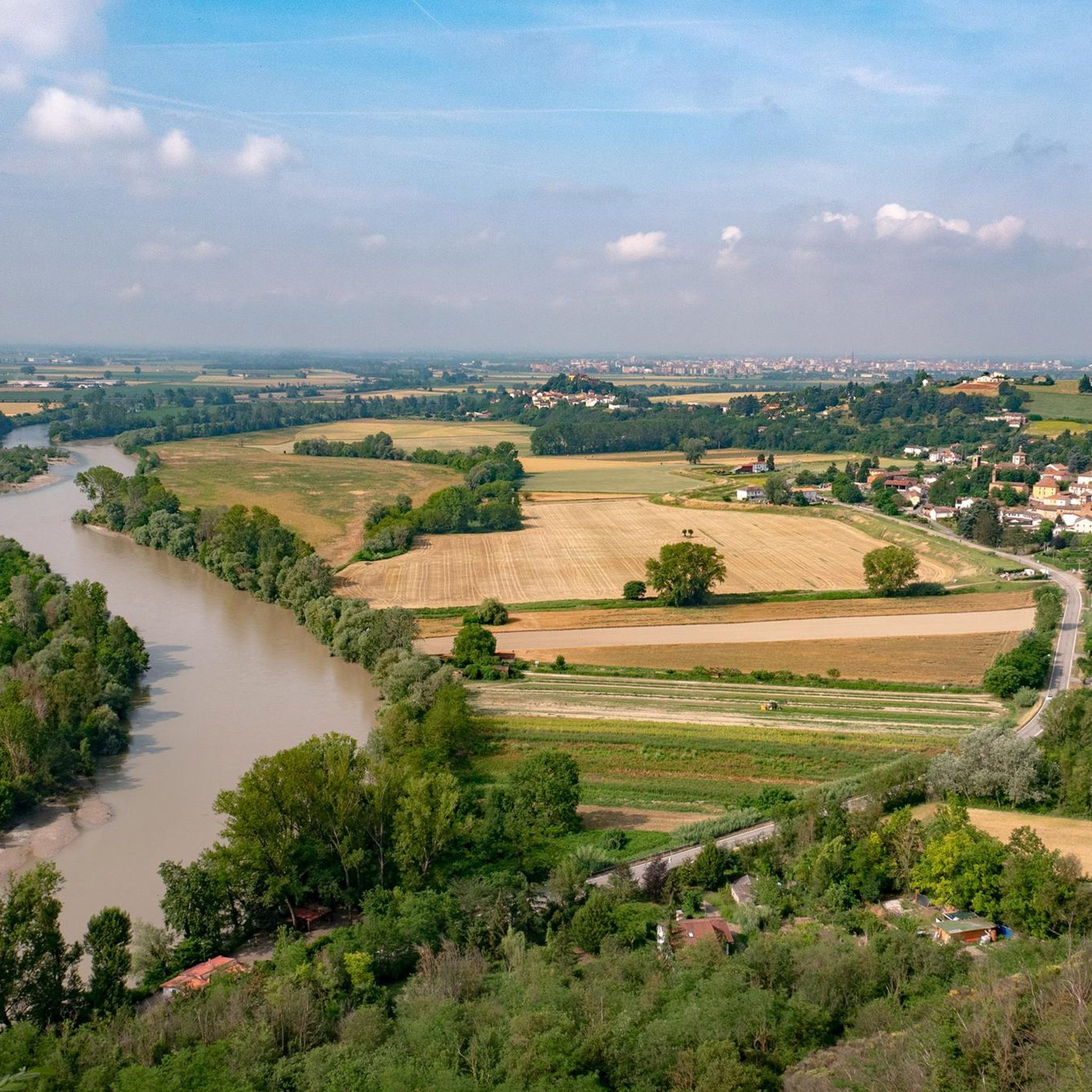
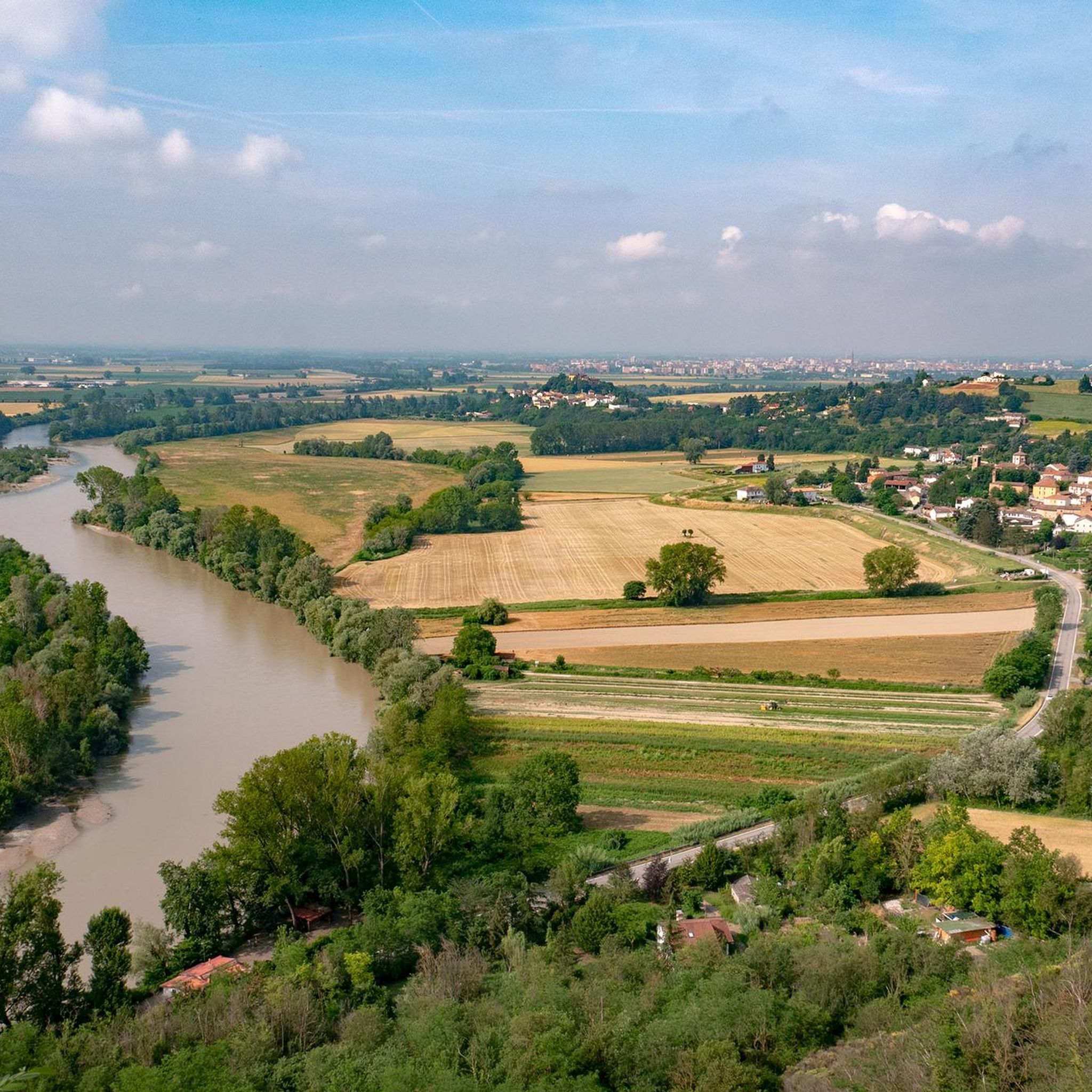
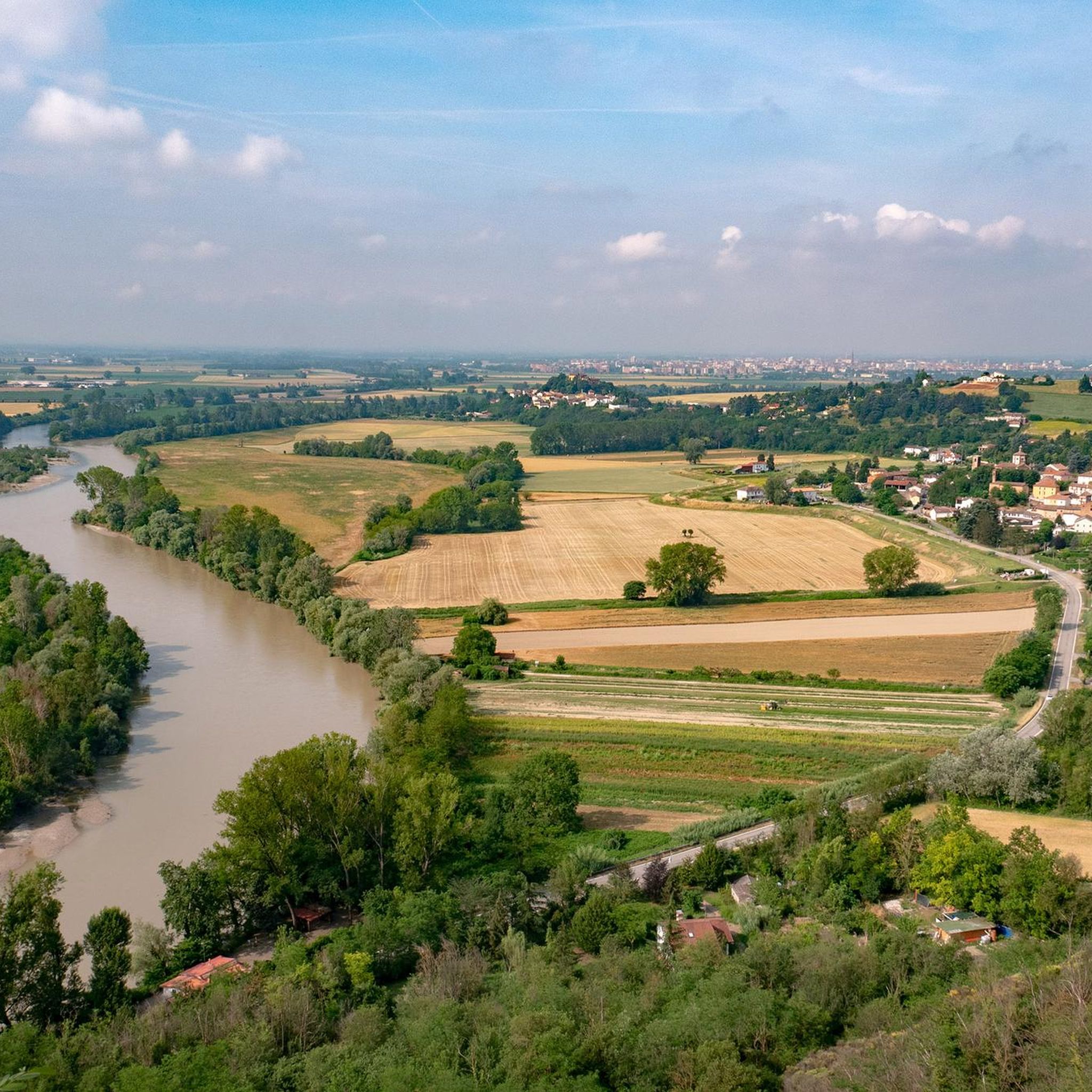
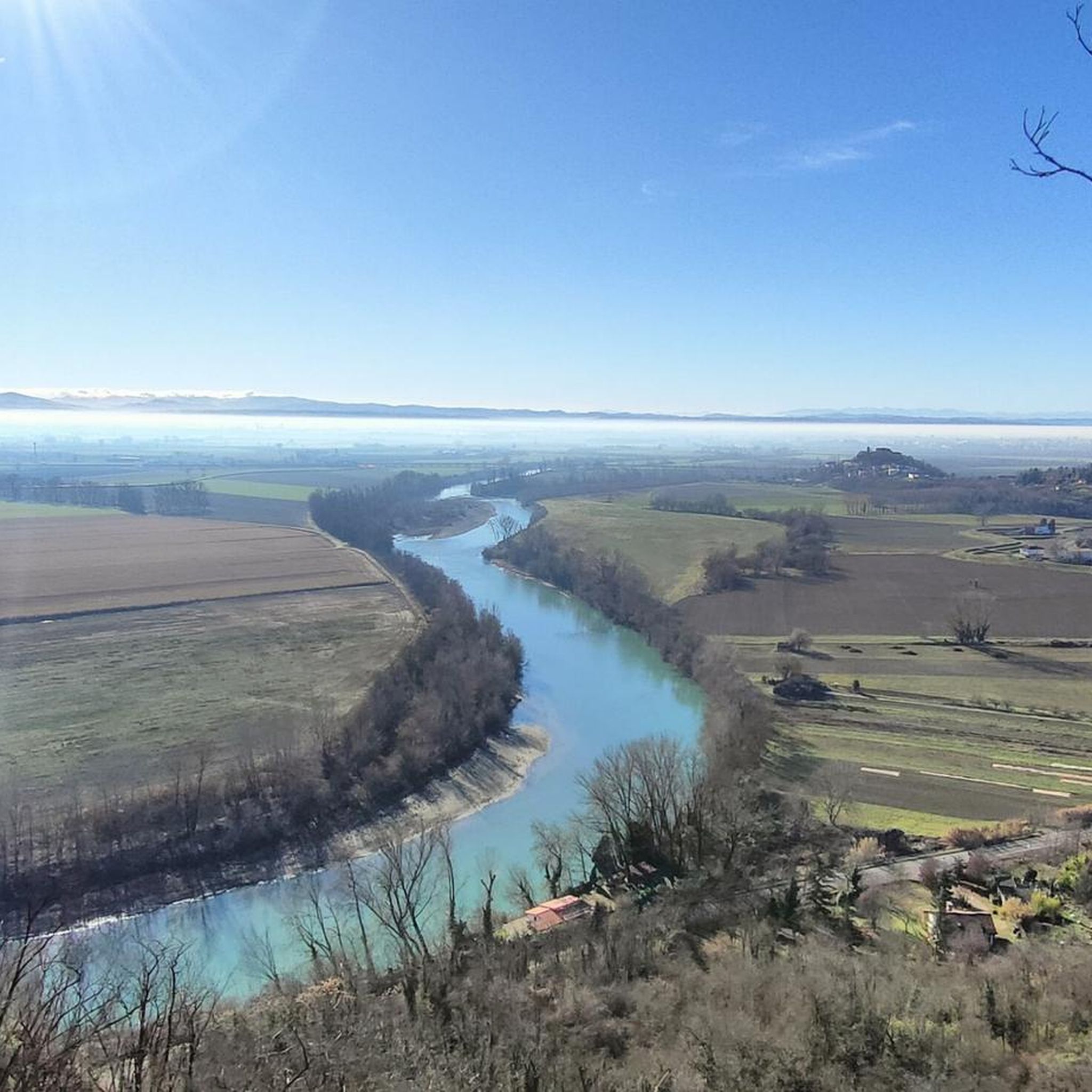
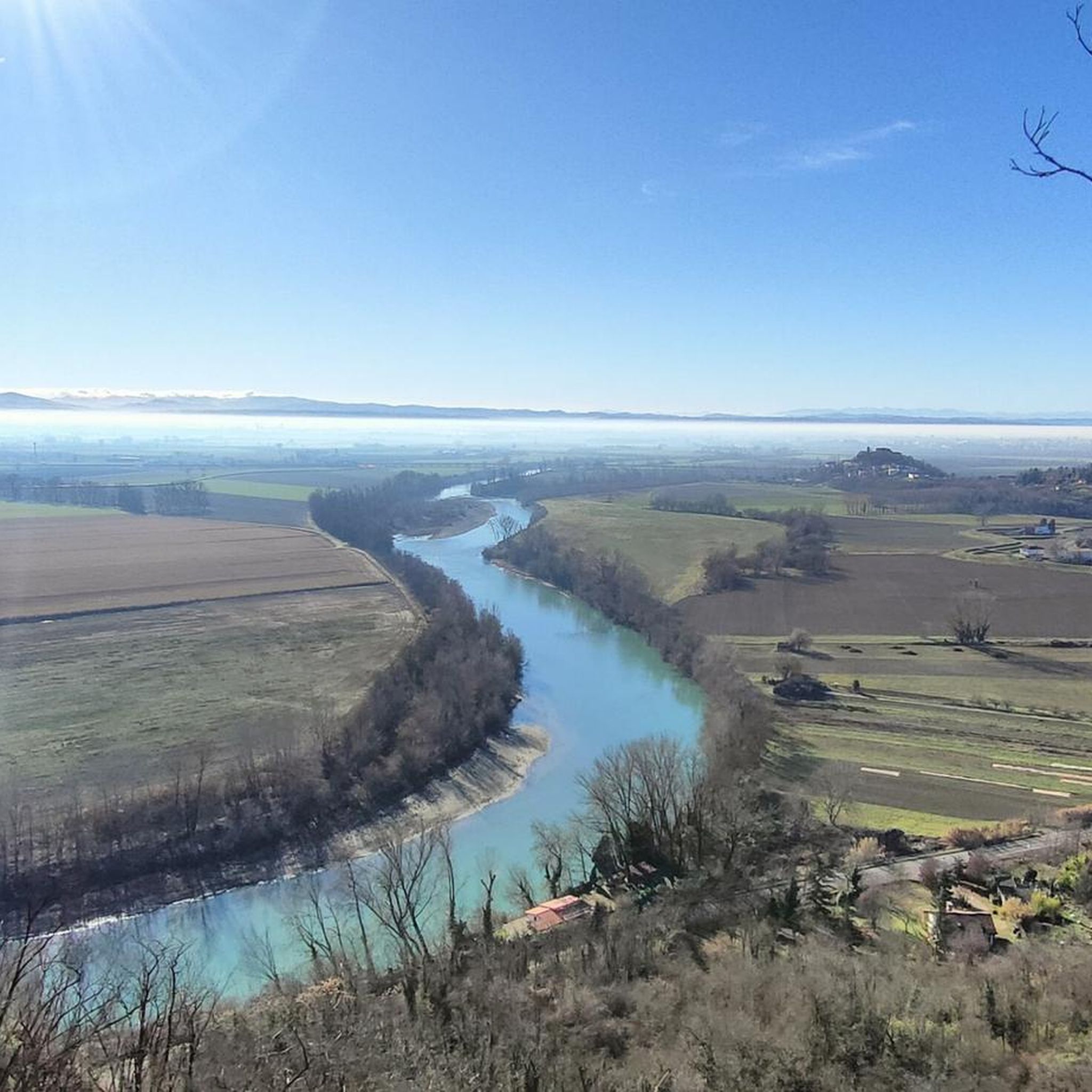
Best attractions and places to see around Alluvioni Piovera offers a blend of historical landmarks, cultural sites, and natural beauty. Situated at the confluence of the Tanaro and Po rivers, its unique geography provides a flat terrain ideal for outdoor activities. The area features significant historical structures and cultural points of interest. This region provides a serene environment for exploration.
Best attractions and places to see around Alluvioni Piovera
- The most popular attractions is Castello di Piovera, a castle that dates back to the 14th century and was once a crucial defensive structure. It is now open to the public, offering guided tours, art workshops, and an educational farm.
- Another must-see spot is Cittadella Bridge, a bridge designed by Richard Meier & Partners. This infrastructure connects the city with the 18th-century Citadel and features separate routes for car traffic, bicycles, and pedestrians.
- Visitors also love Duomo di Tortona (Cathedral of Saint Mary of the Assumption and Saint Lawrence), a religious building. This cathedral is noted for its splendid frescoes inside and serves as a significant place of worship.
- Alluvioni Piovera is known for its historical sites, castles, and religious buildings. These include historical landmarks, cultural sites, and architectural structures.
- The attractions around Alluvioni Piovera are appreciated by the komoot community, with more than 20 upvotes and over 10 photos shared.
Last updated: May 27, 2026
Castello di Piovera
Highlight • Castle
Via Balbi, 2/4, 15040 Piovera AL
castellodipiovera.it
3462341141
Translated by Google •
Tip by

Meier Bridge (or Cittadella Bridge) - Alessandria
Highlight • Bridge
it.wikipedia.org/wiki/Ponte_Cittadella
Translated by Google •
Tip by

Sign up now to discover places like this
Get recommendations on the best single tracks, peaks, & plenty of other exciting outdoor places.
Sign up for free
Tortona Castle Park
Highlight • Castle
Translated by Google •
Tip by

Duomo di Tortona (Cathedral of Saint Mary of the Assumption and Saint Lawrence)
Highlight • Religious Site
Showing Translation
Tip by

Cathedral of Saint Peter, Alessandria
Highlight • Religious Site
Source: cittaecattedrali.it/it/bces/34-cattedrale-di-san-pietro
Translated by Google •
Tip by

Sign up for free to discover even more attractions around Alluvioni Piovera.
Sign up for free
Already have an account?
Start today with a free account
Your next adventure awaits.
Login or Signup
Tips from the Community


Place of historical, architectural, cultural and tourist interest Via Balbi, 2/4, 15040 Piovera AL https://www.castellodipiovera.it/ 3462341141
2
0

The Cathedral of Alexandria, located in the city center, stands on the site of a building built in Lombard Gothic style that was demolished in 1803 for military purposes by Napoleon Bonaparte. In 1805 he created the first church of San Marco of Napoleon Himself, which was reconstructed by the architect Cristoforo Valizzone (1807-1810). In addition, there is a story in new style, in contrast to the preserved parts, namely the vault of the central nave and the columns. The questionable style was built in 1874-1879 by the Vercelli architect Edoardo Arborio Mella (1808-1884), which resulted in the architect's residence in Bramante style with talent for works in the two arms of the transept. The current decoration dates from 1926-29 and was entrusted to Luigi Morgari of Turin (1857-1935), while the high altar dates from 1954. The presbytery is decorated with 5 stained glass windows (1954) depicting the Immaculate Virgin, St. Pius V, S. Baudolino, S. Paolo della Croce, the worthy Gregorio Maria Grassi. The organ (1929) completes the ensemble, whose facades adorn the four women's galleries above the presbytery. Behind the high altar you can admire the eighteenth-century choir in inlaid wood, where there is a beautiful painting by Callisto da Lodi (1546) representing St. Peter between St. Paul and St. John the Baptist. Outside, the facade is in neoclassical style with Corinthian order columns. From the paintings that decorate it, there are Saint Peter freed from prison, Saint Peter receiving the keys, Saint Peter going to meet Jesus on the waters of Lake Tiberias, a work by Luigi Vacca of Turin (1771- 1854). In that tympanum, Vacca himself represented the Eternal Father, while in the attic five marble statues represent the Redeemer and the four Evangelists. One wall of the facade is a monument to Gagliaudo, located near the old cathedral, a legendary character who saved the city during Barbarossa's siege of Alessandria (1174). Source: https://www.cittaecattedrali.it/it/bces/34-cattedrale-di-san-pietro
2
0
Place of worship and prayer Piazza Duomo, 15057 Tortona AL 0131861360
1
0

The castle of Tortona was a castle that stood on the Savo hill, the most important of the seven on which, according to tradition, the city of Tortona was founded. The name refers to various defensive constructions that arose on the same site over the course of two millennia. Between the 8th and 5th centuries BC. archaeological investigations in fact place the foundation of a hillfort by the Ligurians.
1
0

A small and well-kept town. Pleasant to cross
0
0
The Duomo of Tortona, dedicated to the Virgin Mary Assumed and to Saint Lawrence the Martyr, is the cathedral of the Diocese of Tortona. It is located in Piazza Duomo in Tortona.
0
0

The Castle park is a large green area located in the hilly area of Tortona close to the historic centre. It is a place of memory of the city, having been the scene of historical events such as the siege of Frederick Barbarossa. At the top of the park is the Tower, the city's symbol, which together with a few ruins is evidence of the ancient fortress that overlooked the town until its destruction by Napoleon in 1801.
1
0
Frequently Asked Questions
What historical sites can I explore near Alluvioni Piovera?
You can visit several significant historical sites. The prominent Castello di Piovera, dating back to the 14th century, offers guided tours, art workshops, and an educational farm. Other notable historical landmarks include the medieval Antico Arco and the Oratorio della Madonnina delle Vigne, recognized for its historical and artistic significance. Further afield, the Tower of the Castle of Tortona provides a glimpse into the region's past.
Are there any family-friendly attractions in Alluvioni Piovera?
Yes, Castello di Piovera is particularly family-friendly, offering educational workshops, horse rides, bike rides, and even an escape room game within its grounds. The castle's Biologic Park and Ancient Crafts Museum also provide engaging experiences for all ages.
What kind of outdoor activities can I do around Alluvioni Piovera?
The flat terrain of the Po Valley, influenced by the confluence of the Tanaro and Po rivers, is ideal for various outdoor activities. You can enjoy cycling along the Po river, with numerous road cycling routes available. There are also MTB trails and running trails for those looking for more active pursuits.
Where can I find cycling routes near Alluvioni Piovera?
Alluvioni Piovera serves as an excellent starting point for cycling excursions. You can find a variety of routes, including scenic road cycling options like the 'San Salvatore Monferrato loop' or the 'Cittadella Bridge – View of the Tanaro River loop'. Explore more options on the Road Cycling Routes around Alluvioni Piovera guide.
Are there any religious buildings worth visiting?
Yes, the Duomo di Tortona (Cathedral of Saint Mary of the Assumption and Saint Lawrence) is a significant religious building known for its splendid frescoes inside. The Oratorio della Madonnina delle Vigne, located in the countryside, also holds historical and artistic importance.
What is the best time of year to visit Alluvioni Piovera?
The region's flat terrain and riverine landscape make it pleasant for outdoor activities during spring and autumn, when temperatures are mild. Summer can be warm, ideal for enjoying the natural beauty, while winter offers a quieter experience of the historical sites.
What unique architectural structures can I see?
The Cittadella Bridge (also known as Meier Bridge), designed by Richard Meier & Partners, is a modern architectural marvel connecting the city with the 18th-century Citadel. It features separate paths for cars, bicycles, and pedestrians.
Are there any attractions that are wheelchair accessible?
The Cittadella Bridge is designed with accessibility in mind, featuring separate routes for pedestrians and cyclists, making it suitable for wheelchair users to enjoy the views and cross the Tanaro River.
What natural features define the landscape of Alluvioni Piovera?
Alluvioni Piovera's landscape is profoundly shaped by its location at the confluence of the Tanaro and Po rivers. This unique geography results in a flat terrain characteristic of the Po Valley, offering serene environments for exploration and outdoor activities.
What do visitors enjoy most about the attractions in Alluvioni Piovera?
Visitors particularly appreciate the rich history and cultural depth of sites like Castello di Piovera, noting its well-preserved architecture and diverse activities. The impressive design of the Cittadella Bridge and the splendid frescoes within the Duomo di Tortona also receive high praise from the komoot community.
Can I find places to walk or run near the attractions?
Yes, the flat countryside around Alluvioni Piovera is excellent for walking and running. You can find various running trails, including easy loops like 'Running loop from Cochi Bar' or more moderate options such as 'Pietra Marazzi loop'.
Most popular routes around Alluvioni Piovera
Most popular attractions around Alluvioni Piovera

Get inspired with the komoot mobile app


Explore more
Still not found the Highlight you’re looking for? See guides of the top attractions in other regions:
