Attractions and Places To See around Cavaglià - Top 20
Best attractions and places to see around Cavaglià, a town in Piedmont, Italy, offer a blend of historical sites and natural beauty. Situated between the eastern end of the Serra Morenica di Ivrea and the upper Piedmontese Po Valley, the region features a diverse landscape. Visitors can explore ancient landmarks, significant religious buildings, and scenic lakes. The area provides a mix of art, history, and nature for exploration.
Best attractions and places to see around Cavaglià
- The most popular attractions…
Last updated: August 31, 2026
Gate Tower and Corner Tower of Piverone
Highlight • Historical Site
*Ancient shelter of which the access tower to the village (clock tower) and the north-east corner tower of the walls, from the 13th century, have …
Translated by Google •
Tip by

Bessa Gold Mining Archaeological Site
Highlight • Natural Monument
It is located between Biella and Ivrea, included in the municipalities …
Translated by Google •
Tip by

Sign up now to discover places like this
Get recommendations on the best single tracks, peaks, & plenty of other exciting outdoor places.
Sign up for free
Pile-dwelling Village at Lake Viverone
Highlight • Historical Site
Translated by Google •
Tip by

Lake Bertignano
Highlight • Lake
Translated by Google •
Tip by

Sanctuary of Santa Maria della Cella
Highlight • Religious Site
Translated by Google •
Tip by

Sign up for free to discover even more attractions around Cavaglià.
Sign up for free
Already have an account?
Start today with a free account
Your next adventure awaits.
Login or Signup

Tips from the Community

Must do, at least once, interesting place.
1
0

It is very particular because it is isolated in the middle of the woods and you suddenly discover it and then dive back into the bush
6
0
The church of S. Maria di Meoglio, today known as the Sanctuary of the Madonna della Cella, is located in the middle of the woods and is the center of the ancient settlement of Meoglio. Next to the church, rebuilt in 1848, the ruins of the old monastery can still be seen, documentary sources attest to the presence of the Cella di Meoglio among the possessions of the Monastery of Lucedio and here, according to tradition, in 1001 San Bononio worked a miracle there .
7
0

Monuments and places of interest: *Ancient shelter of which the access tower to the village (clock tower) and the north-east corner tower of the walls, from the 13th century, have been preserved *Church of Gesiùn, ruins of the ancient church of Livione, dating back to the 10th century *Romanesque bell tower of San Pietro di Subloco, dating back to the 10th century *Parish Church of Saints Peter and Lawrence
8
0

The oasis they built with a wooden construction overlooking the lake is very pleasant
2
0

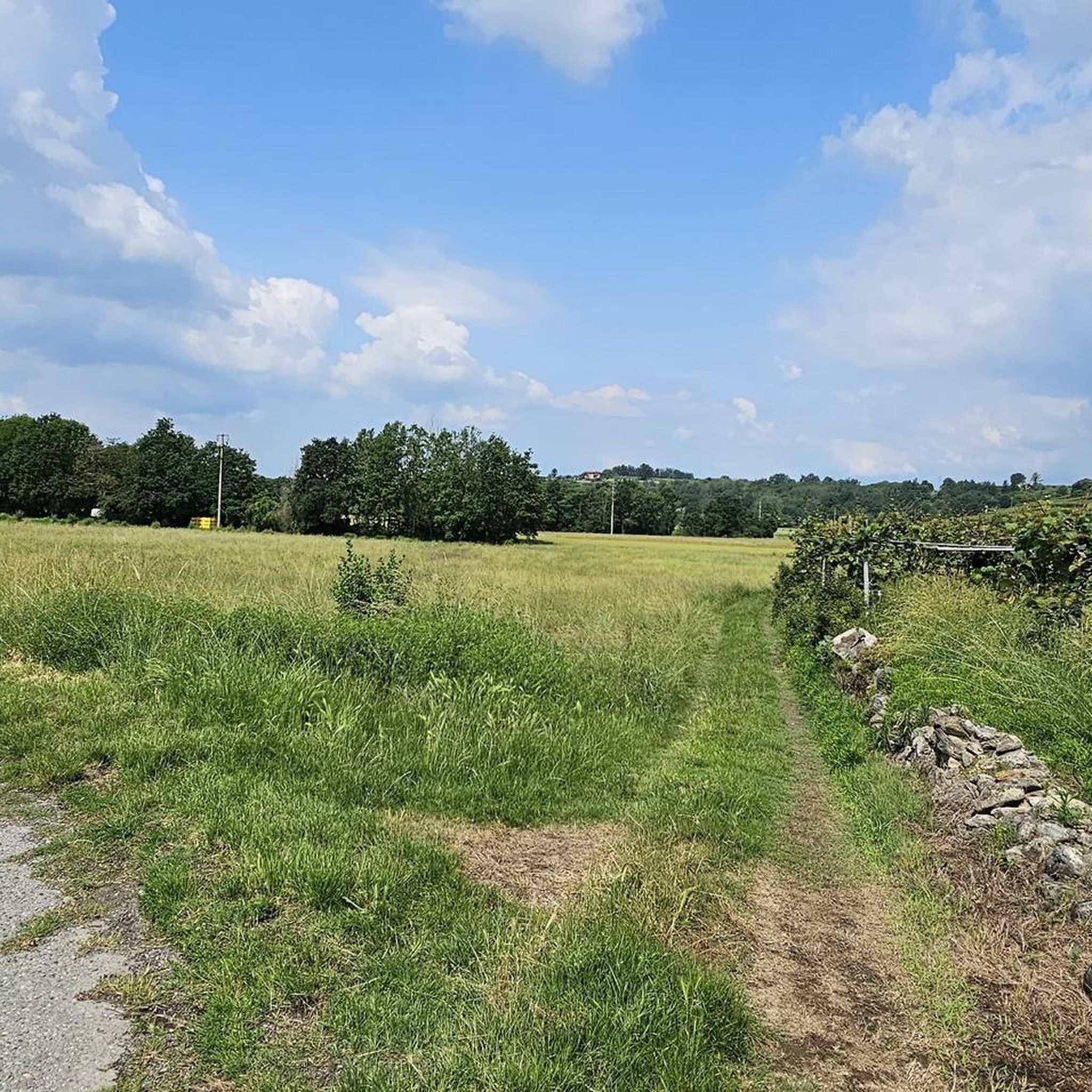
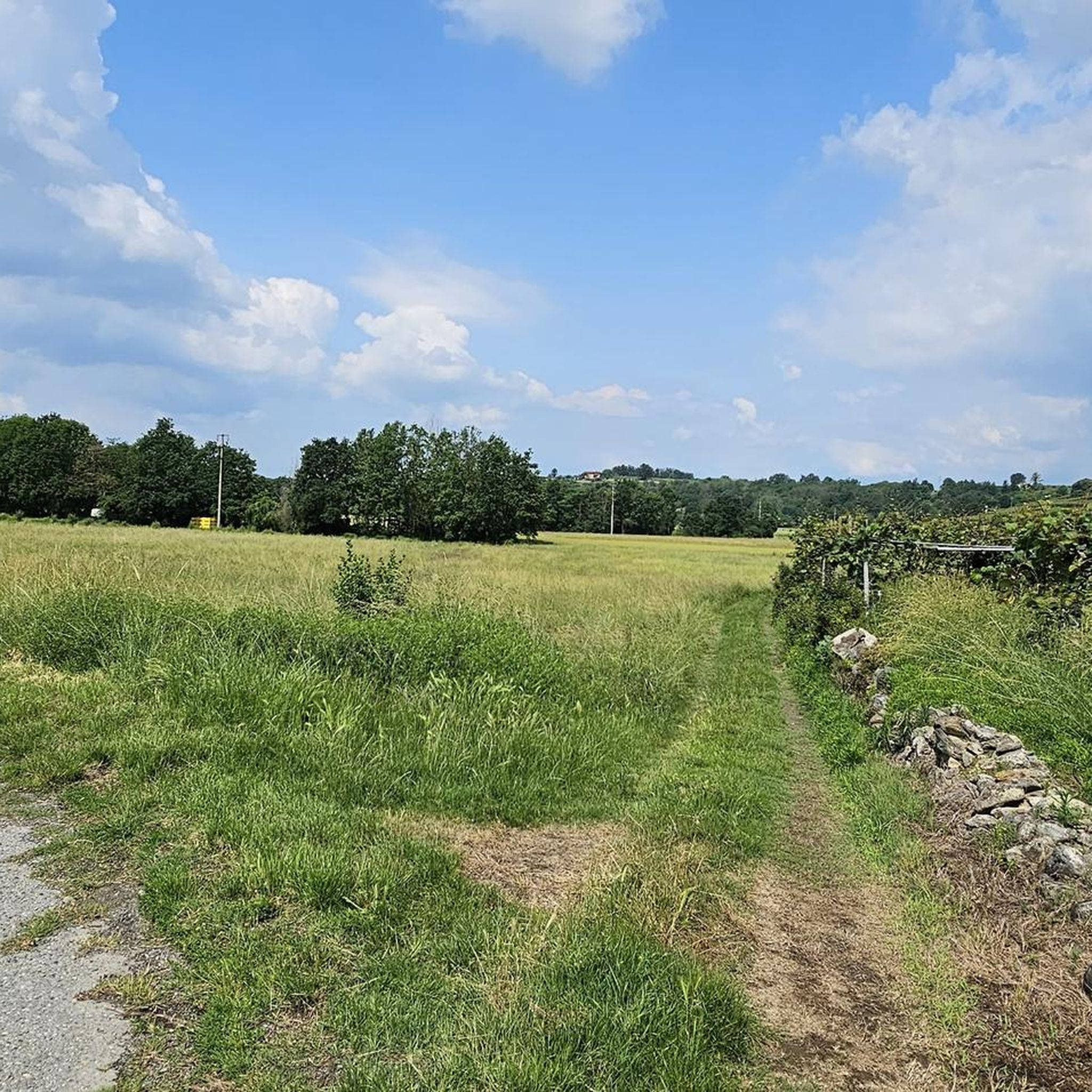
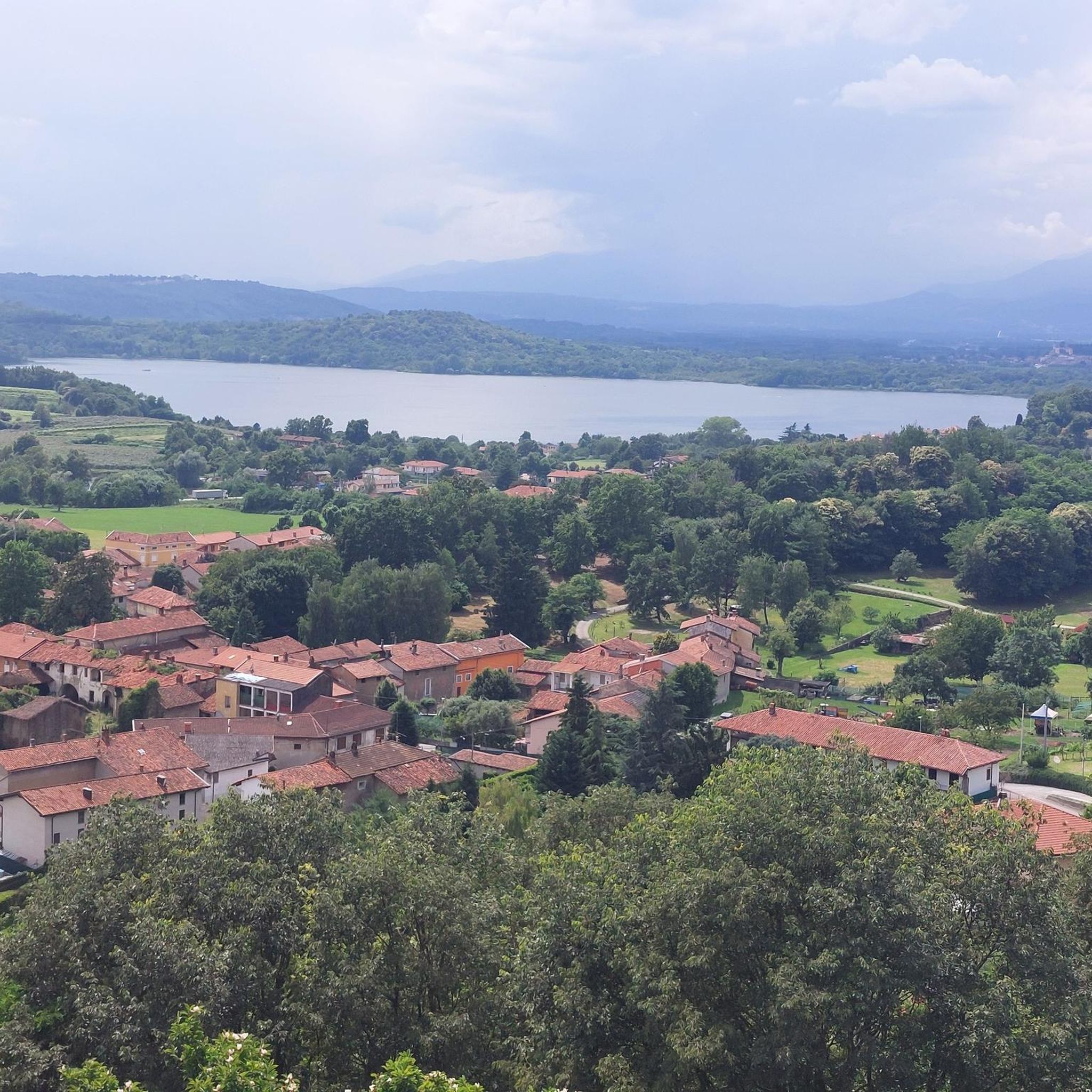
The Sanctuary is located in a very particular position, immersed in the woods and at the crossroads of numerous paths, which lead to this small clearing where the church stands.
2
0
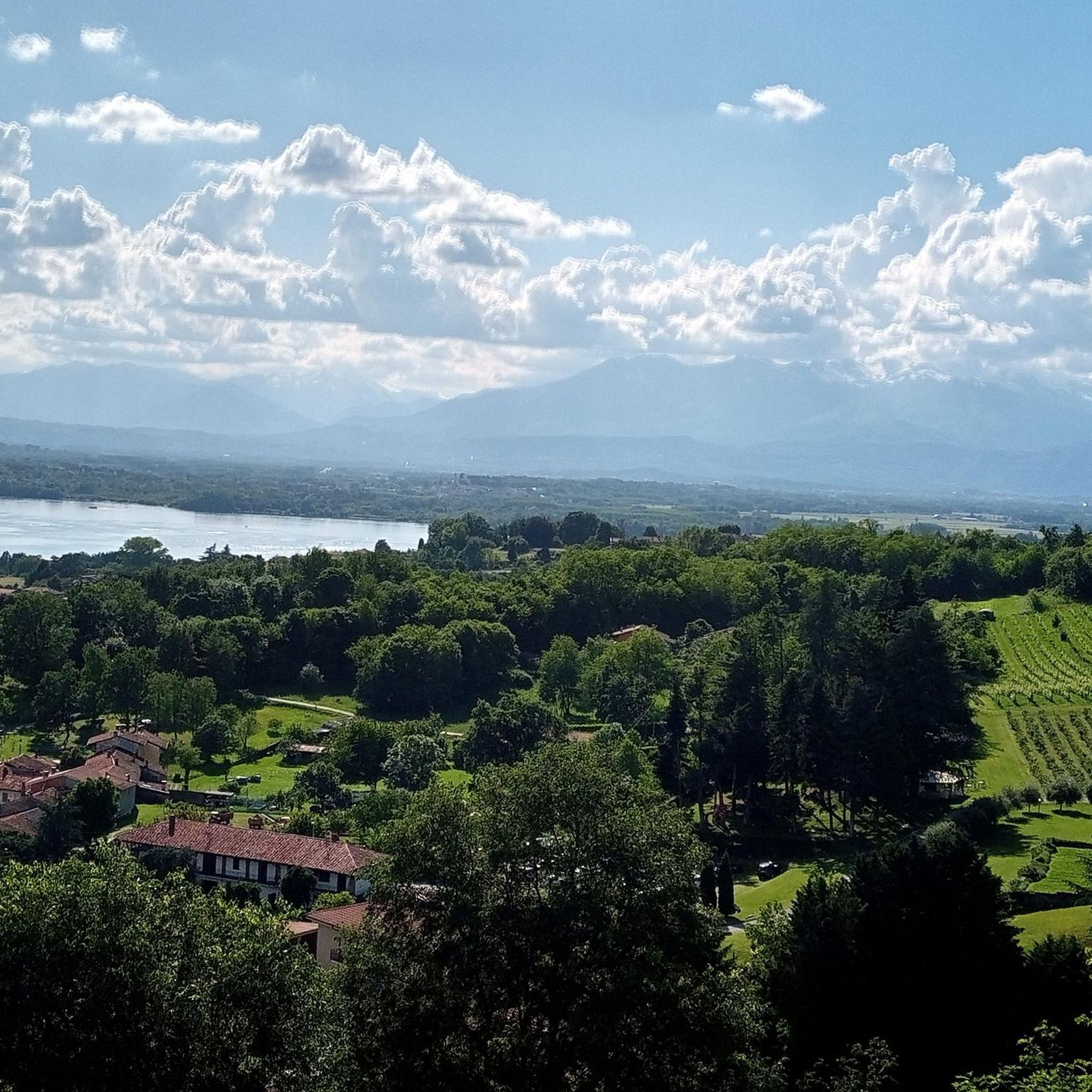
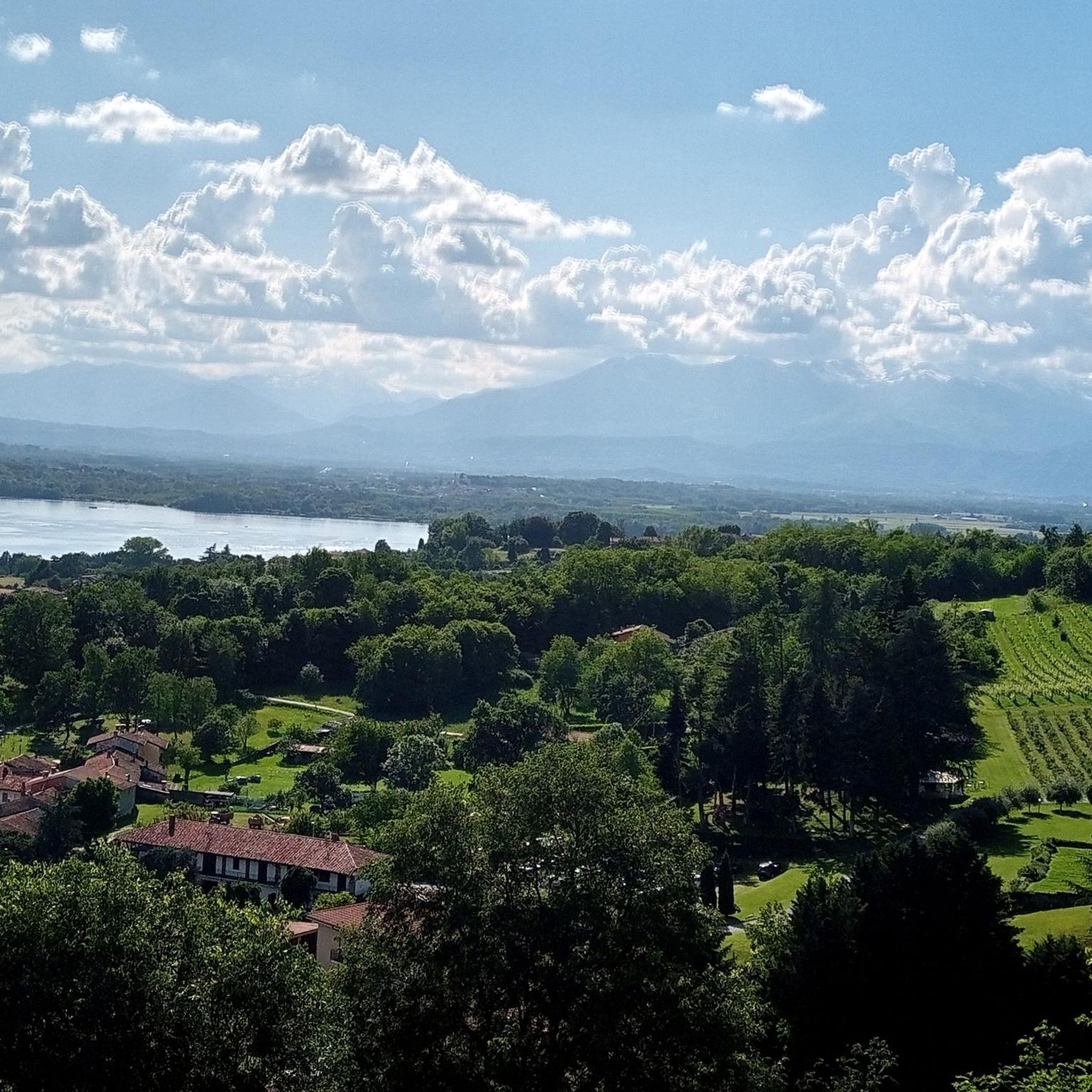
In Lake Viverone, the remains of around 5000 poles driven into the ground which supported the structures of a very ancient large pile-dwelling village dating back to the Bronze Age have been extraordinarily preserved. The site has an important archaeological value, artefacts such as swords, axes, pins and ornaments have been discovered, which have allowed us to reconstruct the life of a Bronze Age community. The site is now a World Heritage Site.
4
0

An ancient sanctuary dating back to before 1200, located in a very quiet area at the crossroads of several dirt roads, and a starting point for many beautiful walks or bike rides
1
0
Frequently Asked Questions
What historical sites can I explore around Cavaglià?
Cavaglià and its surroundings are rich in history. You can visit the ancient Gate Tower and Corner Tower of Piverone, which are remnants of a 13th-century shelter. Another significant historical site is the Pile-dwelling Village at Lake Viverone, a UNESCO-protected archaeological site from the Bronze Age. The Bessa Gold Mining Archaeological Site offers a unique glimpse into ancient Roman gold mining. Additionally, the region features the Menhir of Cavaglià, the 12th-century Castle of Cavaglià, and the 11th-century Church of Santa Maria del Brianco.
Are there any natural attractions or scenic viewpoints near Cavaglià?
Yes, the area boasts beautiful natural features. Lake Bertignano, formed by the retreating Balteo glacier, is a serene spot with scenic views. Nearby, Lake Viverone is popular for its natural scenery, swimming, and water sports. The Bessa Gold Mining Archaeological Site is also a nature reserve, part of the Serra moraine, offering unique landscapes. Cavaglià is situated near the Serra Morenica di Ivrea, providing picturesque morainic landscapes.
What religious buildings are notable in the Cavaglià area?
The region has several historically significant religious sites. The Sanctuary of Santa Maria della Cella, located amidst the woods, is a rebuilt church from 1848 with ruins of an old monastery. Other important religious buildings include the 11th-century Romanesque Church of Santa Maria del Brianco, the Neo-Renaissance Santuario di Santa Maria di Babilone, the Oratorio di San Rocco, and the Baroque Church of San Michele, dedicated to Cavaglià's patron saint.
What outdoor activities can I do around Cavaglià?
Cavaglià is an excellent base for outdoor enthusiasts. You can enjoy cycling along the dedicated bike path connecting Biella and Vercelli, which crosses Cavaglià. For more structured activities, explore the various routes available for mountain biking, running, and hiking. You can find detailed routes like the 'Lake Bertignano – Monastero di Bose loop' for MTB, the 'Lake Viverone – Lake Viverone loop' for running, or the 'Ascent to Roppolo Castle – Lake Bertignano loop' for hiking. Discover more options on the MTB Trails around Cavaglià, Running Trails around Cavaglià, and Hiking around Cavaglià guide pages.
Are there family-friendly attractions in Cavaglià?
Many attractions around Cavaglià are suitable for families. The Gate Tower and Corner Tower of Piverone and the Pile-dwelling Village at Lake Viverone offer engaging historical insights. Natural spots like Lake Bertignano and Lake Viverone are great for leisurely walks and enjoying nature. The Bessa Gold Mining Archaeological Site, a nature reserve, also provides an interesting outdoor experience for all ages.
What is the best time to visit Cavaglià for outdoor activities?
The region's blend of historical sites and natural beauty makes it enjoyable throughout much of the year. For outdoor activities like hiking, cycling, and exploring the lakes, spring (April to June) and autumn (September to October) generally offer pleasant temperatures and beautiful scenery, avoiding the peak heat of summer.
Can I go swimming or do water sports near Cavaglià?
Yes, Lake Viverone, located a short distance from Cavaglià, is a popular destination for swimming and various water sports. Its natural scenery also makes it ideal for relaxing by the water.
What are some unique historical landmarks in Cavaglià itself?
Within Cavaglià, you can find the ancient Menhir of Cavaglià, dating back to the Bronze Age. The town also features the impressive Castle of Cavaglià, with origins in the late 12th century, and Porta Torrazza, built in 1780 as a tribute to the Sanctuary of Oropa.
Are there any golf courses in the area?
Yes, for golf enthusiasts, the Golf Club Cavaglià provides a local option to enjoy a round of golf amidst the region's pleasant surroundings.
What do visitors particularly enjoy about the attractions around Cavaglià?
Visitors appreciate the tranquility and historical depth of the area. For instance, the Pile-dwelling Village at Lake Viverone is noted for its peaceful setting and archaeological significance. The Sanctuary of Santa Maria della Cella is often highlighted for its unique isolation in the middle of the woods, offering a sense of discovery. The Bessa Gold Mining Archaeological Site is considered a 'must-do' for its interesting history and distinctive 'lunar' landscape.
Where can I find easy hiking trails near Cavaglià?
For easier walks, consider exploring the trails around Lake Viverone or Lake Bertignano. The 'Lake Viverone – View of Azeglio loop from Viverone' is an easy MTB route that can also be enjoyed for walking. You can find more options and details on the Hiking around Cavaglià guide page, which includes routes suitable for various difficulty levels.
What is the Serra Morenica di Ivrea and how does it relate to Cavaglià?
The Serra Morenica di Ivrea is a significant morainic amphitheater, and Cavaglià is situated at its eastern end, bordering the upper Piedmontese Po Valley. This geological feature contributes to the region's scenic landscapes and is home to natural attractions like the Bessa Gold Mining Archaeological Site, which is part of this moraine.
Most popular routes around Cavaglià
Most popular attractions around Cavaglià

Get inspired with the komoot mobile app


Explore more
Still not found the Highlight you’re looking for? See guides of the top attractions in other regions:
