Attractions and Places To See around Villa San Secondo - Top 20
Best attractions and places to see around Villa San Secondo include historical landmarks, cultural sites, and natural features within the tranquil municipality in the Province of Asti, Piedmont, Italy. The area is situated amidst the UNESCO World Heritage-listed Monferrine hills, offering picturesque landscapes. Villa San Secondo provides a serene environment with several points of interest both within the town and in the surrounding Asti area. The region is characterized by its historical architecture and natural beauty.
Best attractions and places…
Last updated: June 24, 2026
Viatosto Church and View of the Hills of Asti
Highlight • Religious Site
Translated by Google •
Tip by

Church of Saints Nazarius and Celsus
Highlight • Religious Site
Translated by Google •
Tip by

Sign up now to discover places like this
Get recommendations on the best single tracks, peaks, & plenty of other exciting outdoor places.
Sign up for free
Piazza San Secondo
Highlight • Settlement
Translated by Google •
Tip by

San Secondo Church, Cortazzone
Highlight • Religious Site
Located on a green hill, it is worth a stop, I have passed it several times …
Translated by Google •
Tip by

Cave Dwellings of Mombarone
Highlight • Cave
Translated by Google •
Tip by

Sign up for free to discover even more attractions around Villa San Secondo.
Sign up for free
Already have an account?
Start today with a free account
Your next adventure awaits.
Login or Signup

Tips from the Community

Unfortunately, the complete loop cannot be done because you have to go through a private road and the owner is not really available to let you pass, so just after the houses you have to take a road that goes back, shortening the route by quite a bit.
0
0

Romanesque style church near the Mongiglietto area, one km from the municipality of Cortazzone. On a notice board it is written where you can collect the keys to visit it internally
0
0

The Romanesque Church of San Secondo is located about one km away. from Cortazzone. Located on a green hill, it is worth a stop, I have passed it several times and I am always happy to stop, I found it open only once and visited the interior, the naves and capitals are of interest. Outside on the lawn there are benches and a fountain for water supply.
2
0

The Collegiate Church of San Secondo is one of the oldest Gothic churches in Asti. With the adjacent municipal seat and opposite the square of the same name, it forms the heart of the city. Dedicated to San Secondo, patron saint of the city, it was built according to tradition on the site of his martyrdom and burial. The exact time of its foundation is not known, the oldest document mentioning the church dates from August 1, 880. Don't forget to visit the Crypt: Interpretation: The pre-Romanesque layout of the church cannot be reconstructed in any way, except by the presence of the crypt; the oldest part dates from the 6th/7th century, consisting of four small columns surmounted by Corinthian imitation capitals with a double order of leaves. Two side walls and two wrought iron gates border the "cella confessionis", within which is located the sixteenth century reliquary, in silver, with the bones of the martyr from Asti.
2
1

Heart of ancient Asti, characterized by the medieval church of San Secondo next to the eighteenth-century town hall (the building is actually sixteenth-century, but the façade was rebuilt in the eighteenth century by the architect Benedetto Alfieri). In one corner there is the Palazzo del Podestà, the seat of civil power in the Middle Ages. A short distance away are Piazza Alfieri, Via Cavour with its towers and churches from different eras, and Corso Alfieri, the backbone of the ancient city.
5
0

Strada Mazzola in its (almost) final part before the outlet on the Valmanera road.
0
0
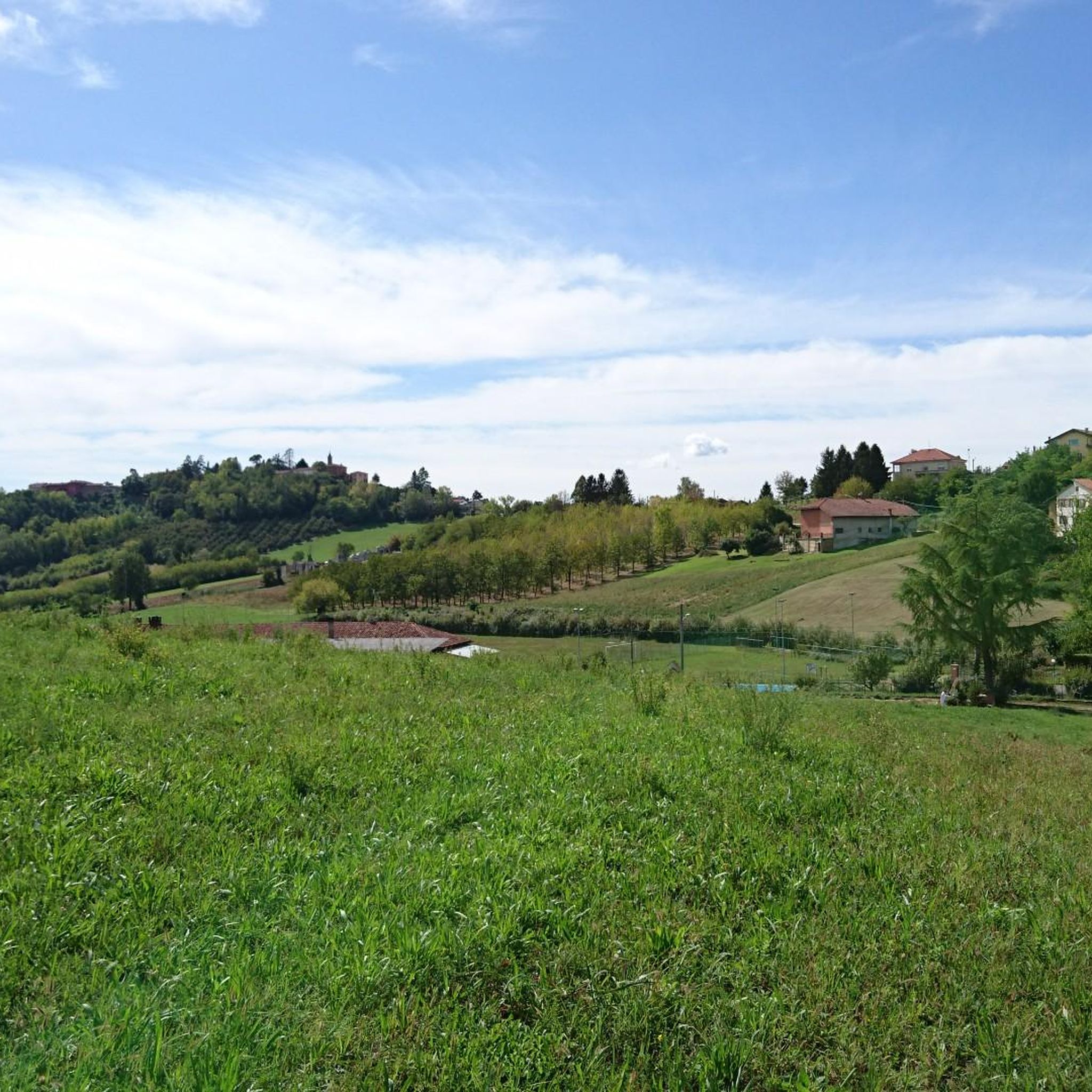
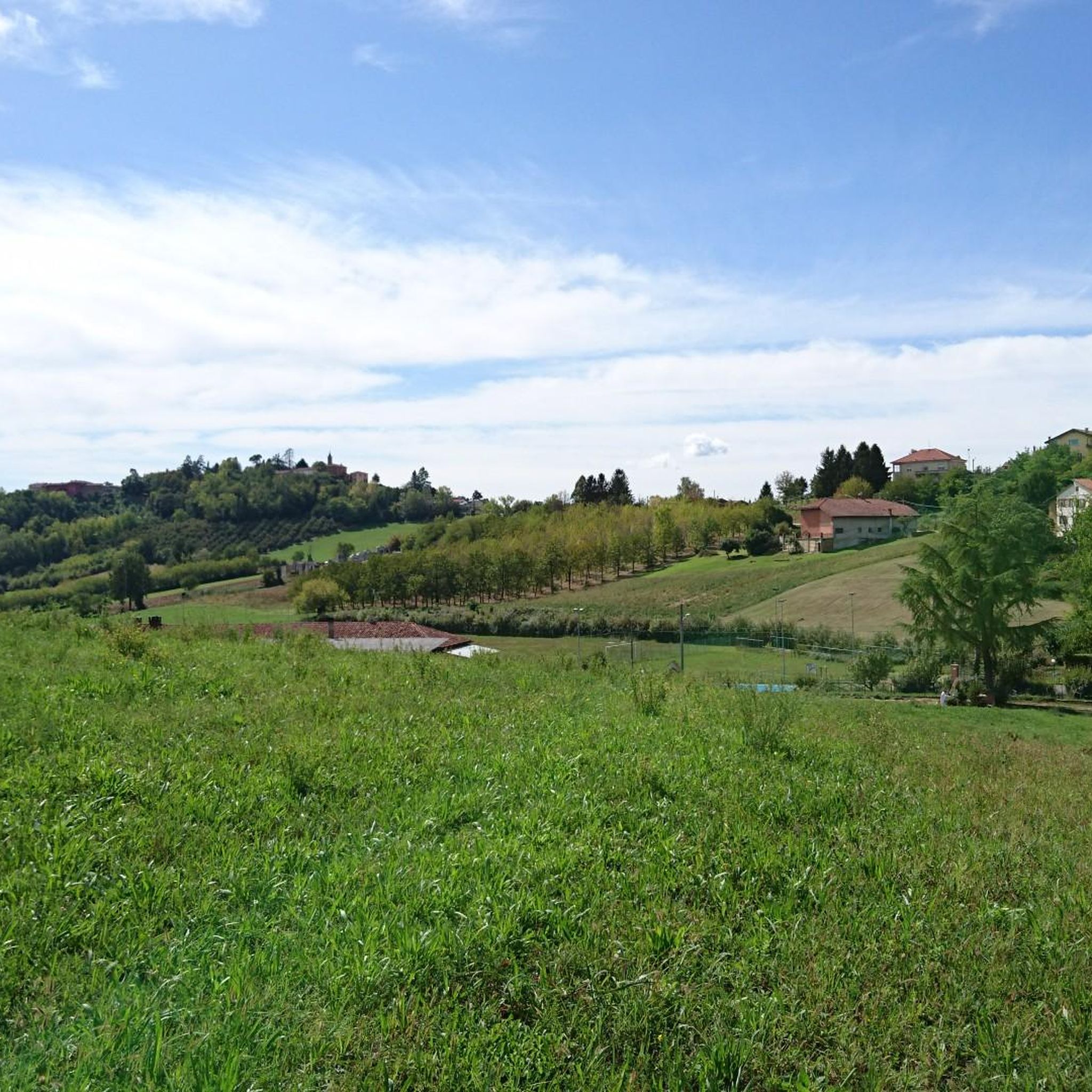
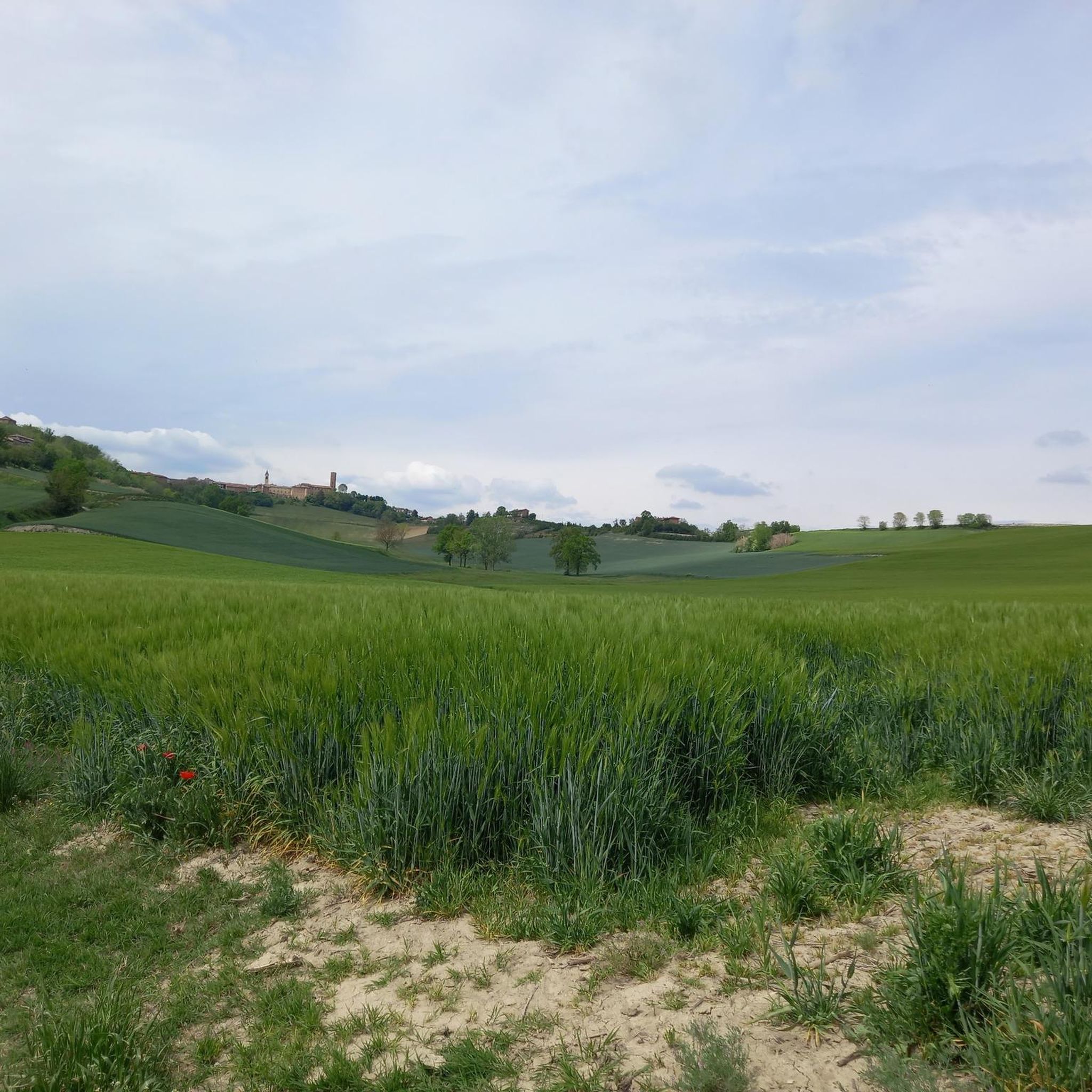
Image taken from the top of the first micro-tear that comes after the square. Viatosto is and will always remain a perfect place for those who love walking or cycling.
0
0
After the small square of the bar, take the road that goes up. There are actually two strappetti, one after the other in sequence but short and feasible, after which the road forks and if you keep to the right, you take strada Mazzola. Within 1.5 km you return to the foot of the small hill for Viatosto. Nice little street, very very quiet.
0
0
Frequently Asked Questions
What historical landmarks can I explore within Villa San Secondo itself?
Within Villa San Secondo, you can visit several historical sites. These include the Church of the Madonna delle Grazie, built in 1632, and the Parrocchiale dei Santi Matteo e Carlo, a significant parish church from the 18th century featuring a painting by Guglielmo Caccia and frescoes by Luigi Morgari. The Palazzo del Municipio (Town Hall) and the ancient Seventeenth-century Arch also contribute to the town's historical architecture. Additionally, the Church of the Santissima Trinità and various noble palaces like Salsa, Giacosa, and Perrucati frame the village center.
Are there any notable viewpoints or natural features near Villa San Secondo?
Yes, Villa San Secondo is nestled within the picturesque UNESCO World Heritage-listed Monferrine hills, offering relaxing landscapes. A prominent viewpoint is the churchyard of Viatosto Church and View of the Hills of Asti, located about 3 km from Asti, which provides wonderful views of the city and, on clear days, the Alps.
What unique historical sites are there in the wider Asti area?
Beyond Villa San Secondo, the Asti area offers unique historical sites such as the Cave Dwellings of Mombarone. These fascinating cave houses, dug into sand-earth deposits, date back to the early 18th century and were inhabited until the early 20th century, offering a glimpse into historical local life with their unique 'crotin' (small cellars).
What kind of outdoor activities can I do near these attractions?
The region around Villa San Secondo is ideal for various outdoor activities. You can find numerous routes for hiking, cycling, and running. For example, there are easy hiking loops like the 'Cave Dwellings of Mombarone – Casegrotta Cave Houses loop from Settime' and 'Cave Dwellings of Mombarone – Grotte di Mombarone loop from Cossombrato'. For more options, explore the hiking guide, cycling guide, or running trails guide for the area.
Are there family-friendly attractions around Villa San Secondo?
Yes, several attractions are suitable for families. The Viatosto Church and View of the Hills of Asti is listed as family-friendly, offering a pleasant outing with scenic views. Similarly, San Secondo Church, Cortazzone, located on a green hill with benches and a fountain, provides a relaxing stop for families.
What is the best time to visit Villa San Secondo and the Monferrine hills?
The Monferrine hills, including Villa San Secondo, are celebrated for their relaxing landscapes. Spring and autumn generally offer the most pleasant weather for exploring the historical sites and enjoying outdoor activities like hiking and cycling, with comfortable temperatures and vibrant scenery. Summer can also be enjoyable, though it can be warmer.
What do visitors enjoy most about the attractions around Villa San Secondo?
Visitors particularly appreciate the blend of historical significance and natural beauty. The Church of Saints Nazarius and Celsus is highly regarded for its Romanesque architecture and spectacular views. The peaceful atmosphere of places like Viatosto Church and the unique historical insight offered by the Cave Dwellings of Mombarone are also frequently highlighted.
Can I find other significant religious buildings in the vicinity of Villa San Secondo?
Absolutely. Besides the churches within Villa San Secondo, you can visit the Church of Saints Nazarius and Celsus, considered one of the most beautiful Romanesque churches in the region. Also, the Collegiate Church of Saint Secondo in Asti is a significant Gothic church with valuable 16th and 17th-century artworks, including a carved choir and the Chapel of San Secondo.
Are there easy hiking trails available near Villa San Secondo?
Yes, there are several easy hiking trails in the area. For instance, you can explore the 'Cave Dwellings of Mombarone – Casegrotta Cave Houses loop from Settime' or the 'Cave Dwellings of Mombarone – Grotte di Mombarone loop from Cossombrato', both offering accessible routes to discover the local landscape and unique historical sites. More details can be found in the hiking guide for Villa San Secondo.
What are the main architectural styles to observe in the churches around Villa San Secondo?
The churches in and around Villa San Secondo showcase a range of architectural styles. You'll find prominent Romanesque elements, particularly in the Church of Saints Nazarius and Celsus and San Secondo Church, Cortazzone. The Viatosto Church blends Romanesque and Gothic elements harmoniously, while the Collegiate Church of Saint Secondo in Asti is a notable example of Gothic architecture.
Is public transport available to reach attractions near Villa San Secondo?
While Villa San Secondo itself is a tranquil municipality, many attractions in the wider Asti area are best accessed by car. Public transport options might be limited for direct access to all specific sites, especially those nestled in the hills. It's advisable to check local bus schedules if relying on public transport for destinations further afield.
Are there any challenging cycling routes in the Monferrine hills near Villa San Secondo?
Yes, the Monferrine hills offer challenging cycling routes for experienced riders. Examples include the 'Bike loop from Montechiaro d'Asti' (38.9 km) and the 'Corsione Viewpoint – Monument to King Umberto I loop from Montechiaro d'Asti' (56.4 km), both categorized as difficult. You can find more challenging options in the cycling guide for the area.
Most popular routes around Villa San Secondo
Most popular attractions around Villa San Secondo

Get inspired with the komoot mobile app


Explore more
Still not found the Highlight you’re looking for? See guides of the top attractions in other regions:
