Attractions and Places To See around Calamandrana - Top 20
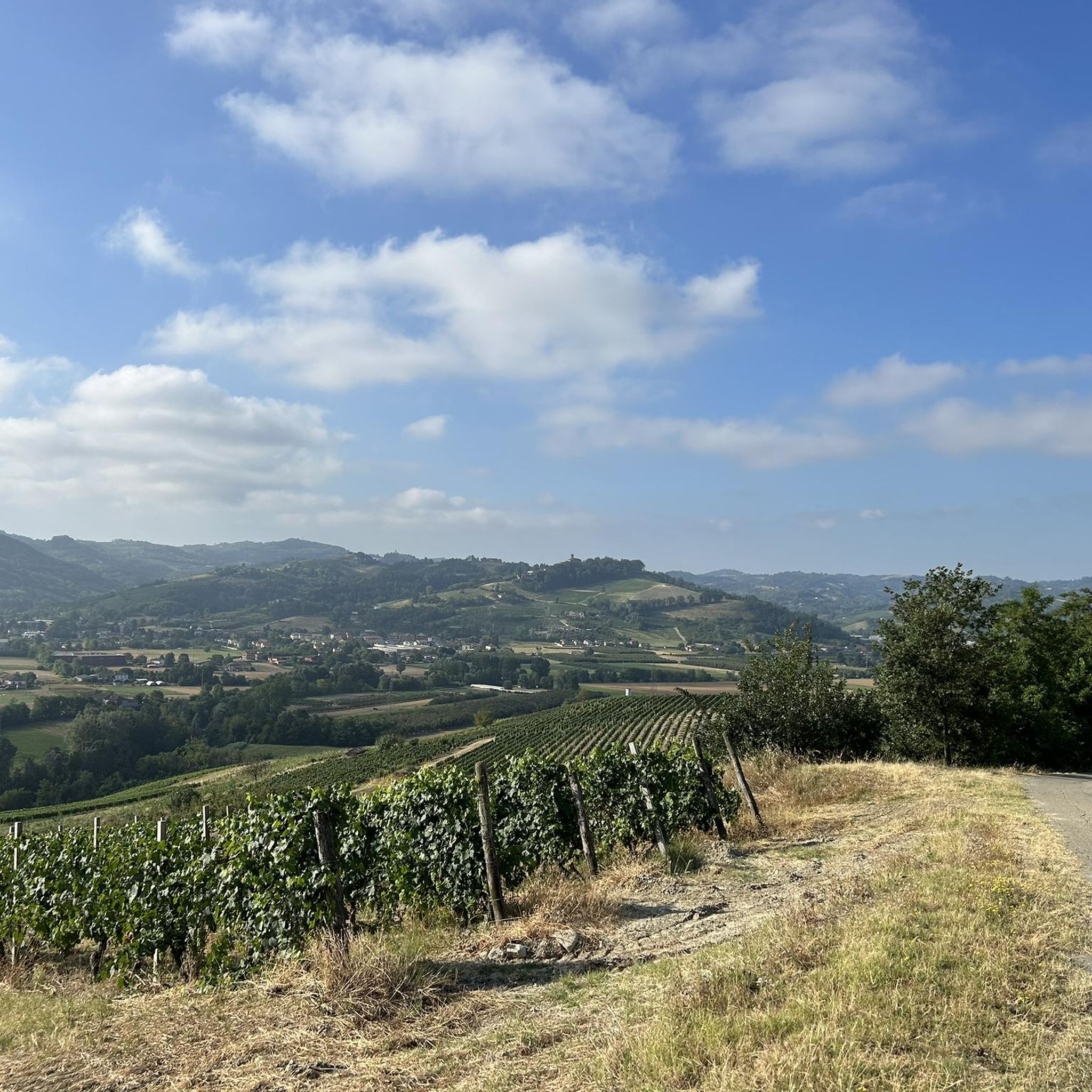
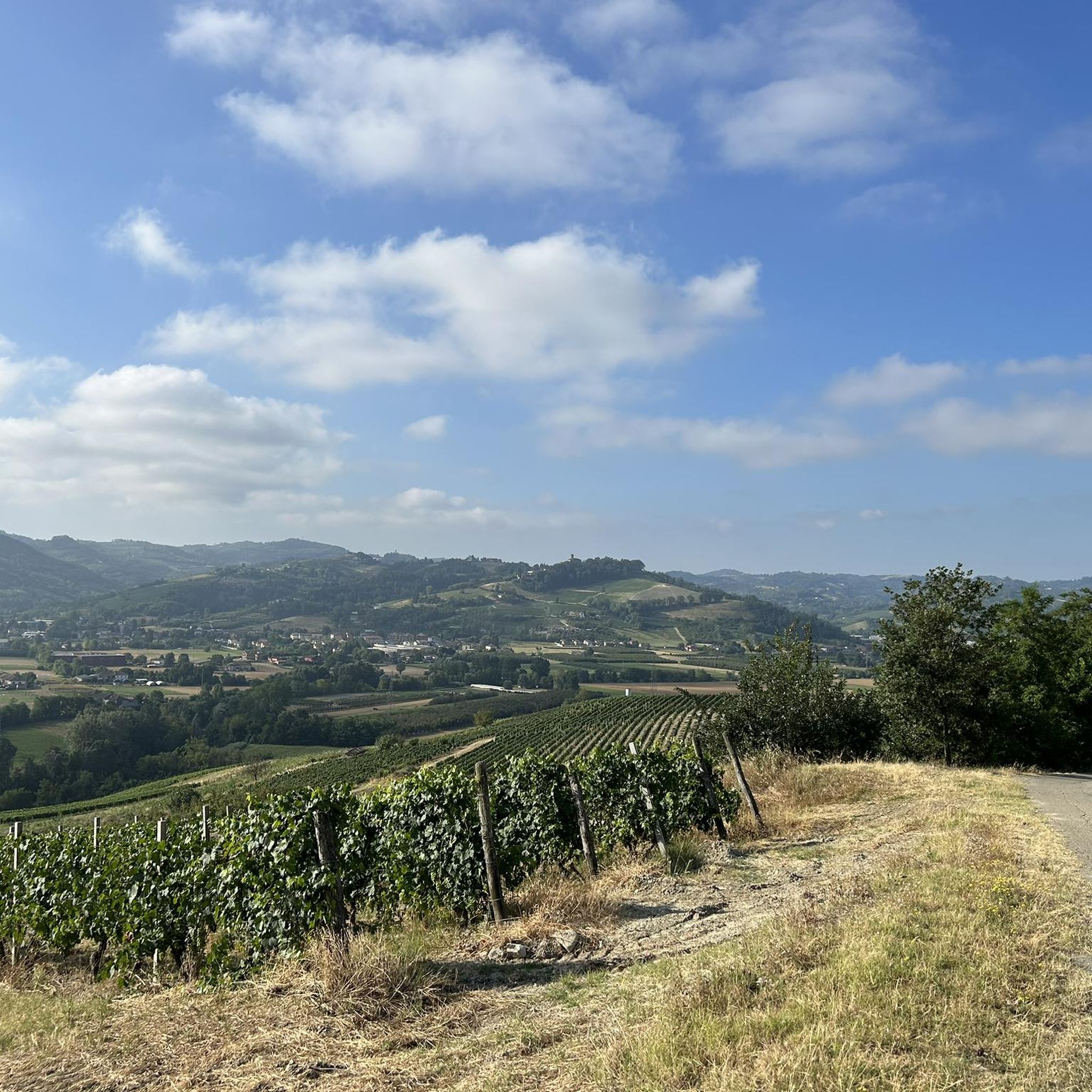
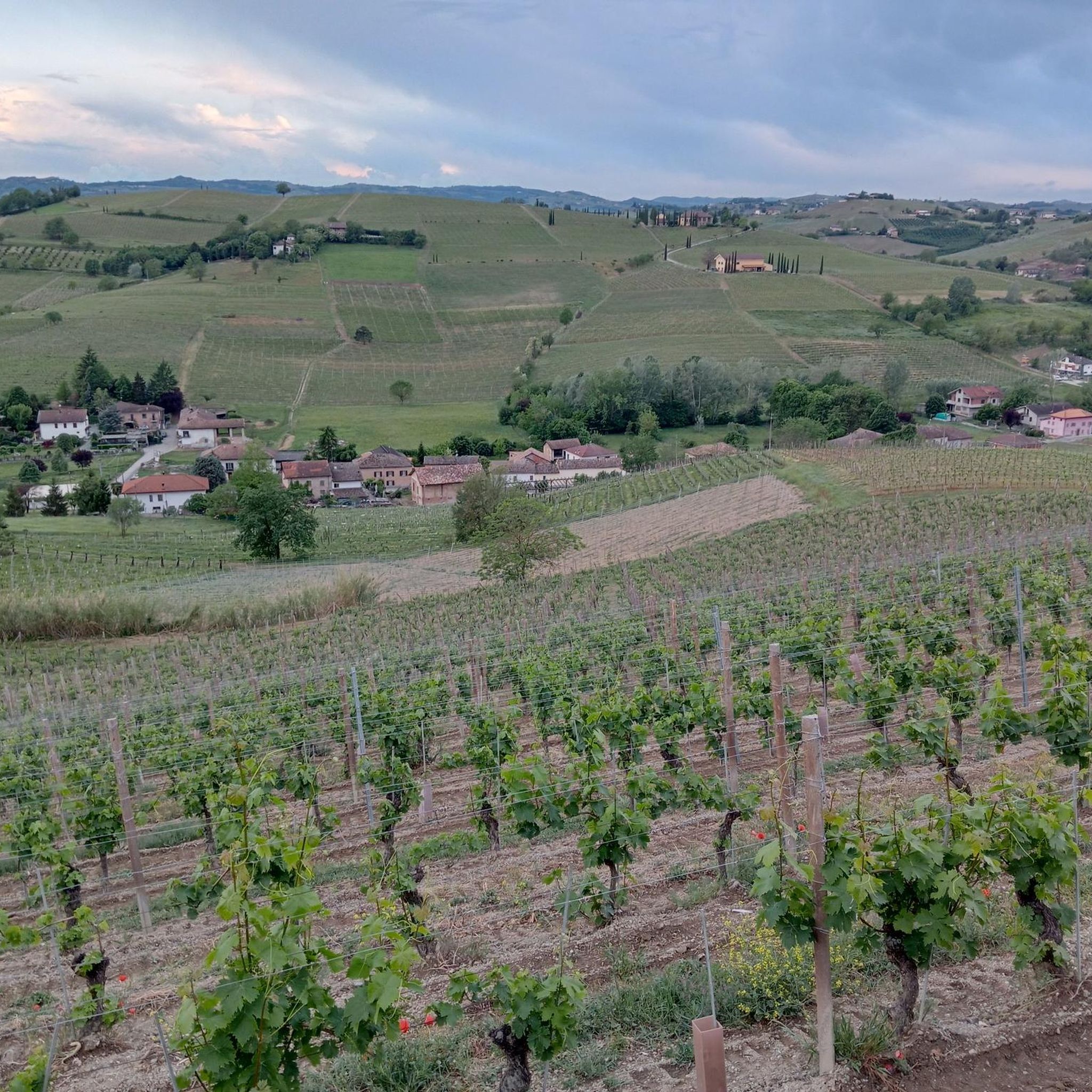
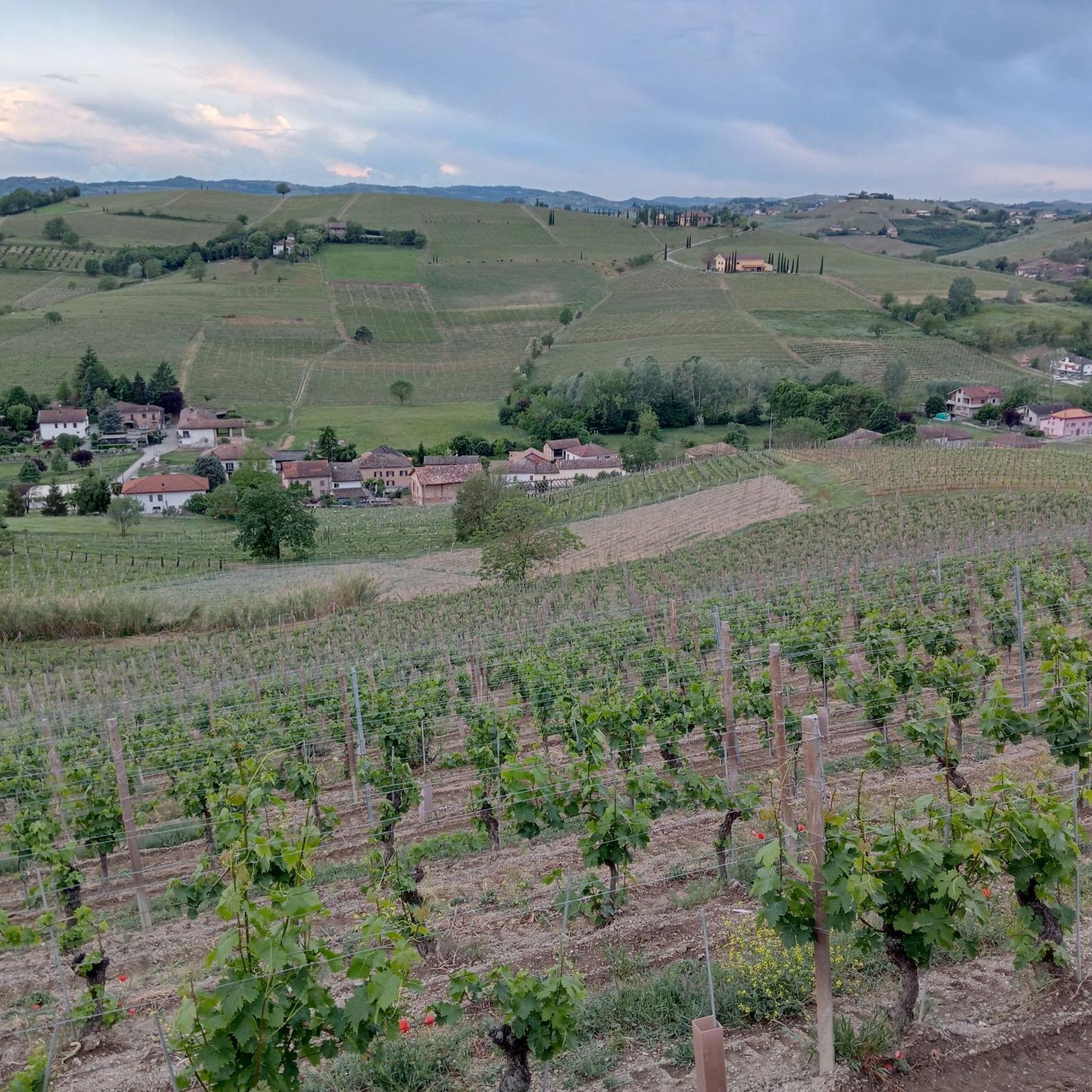
Best attractions and places to see around Calamandrana include a blend of historical heritage and the natural beauty of its renowned wine region. This charming town, nestled in the Asti province of Piedmont, Italy, is characterized by picturesque vineyard-covered hills, part of the UNESCO-listed Monferrato region. Visitors can explore ancient churches, historic castles, and various cultural sites, alongside opportunities for hiking and cycling through scenic landscapes. The area offers a rich tapestry of history, culture, and natural beauty for travelers.
…Last updated: June 24, 2026
Monastero Bormida
Highlight • Settlement
Translated by Google •
Tip by

Main Square of Castelnuovo Calcea
Highlight • Settlement
cittaecattedrali.it/it/bces/313-chiesa-di-s-stefano-castelnuovo-calcea-at
Translated by Google •
Tip by

Sign up now to discover places like this
Get recommendations on the best single tracks, peaks, & plenty of other exciting outdoor places.
Sign up for free
Bubbio Village and Church of San Grato
Highlight • Settlement
Translated by Google •
Tip by
Marchional Palace of Mombaruzzo
Highlight • Historical Site
Translated by Google •
Tip by
San Pancrazio Sanctuary (Vinchio AT)
Highlight • Religious Site
Translated by Google •
Tip by

Sign up for free to discover even more attractions around Calamandrana.
Sign up for free
Already have an account?
Start today with a free account
Your next adventure awaits.
Login or Signup
Tips from the Community

The Castle of Monastero Bormida was not originally built as a defensive structure but as a Benedictine monastery, founded around 1050 by monks from the Abbey of Fruttuaria, called by the Aleramici Marquises to reclaim the lands devastated by Saracen raids. The 27-meter tower still visible today was originally the bell tower, and the river flowing a few meters from the southern tower confirms the non-military nature of the building. In 1393, the Benedictines abandoned the monastery, and its feudal history began: the fief passed to the Del Carretto marquises, who in the 15th century added the first defensive structures, transforming it into a castle. The building is a quadrangular structure with an internal courtyard, protected by towers on multiple sides and connected to the former bell tower by a small suspension bridge. On the south facade, there is a two-arched Renaissance loggia with a small stone column. Inside, the rooms on the main floor—transformed in the 17th century—feature mosaic floors and sail and cross vaults with frescoes of floral and geometric motifs. The castle later passed to the Della Rovere family and subsequently to the Genoese Polleri family, finally becoming the property of the Municipality starting in 1880. Today it is open to visitors and is part of the regional circuit "Castelli Aperti".
0
0

Castelnuovo Calcea, located in the heart of the Monferrato Astigiano, has ancient origins linked to the Ligurian Statielli, Celts, and Gauls, before Roman colonization (Castrum Novum ad Calcea). The medieval village, known for its castle, destroyed several times starting in 1155, was a fiefdom of the Marquises of Incisa, the Trotti family, and finally the Savoy family in 1735.
0
0
Very well maintained church.
0
0
The Sanctuary of San Pancrazio in Vinchio (AT), located in a panoramic position, is a historic place of worship dedicated to the young Roman martyr of the 4th century
0
0
Located in Borgo Basalone (also known as the new part), this 17th-century palace in typical Genoese style represents one of the few examples of Ligurian architecture in Piedmont. Commissioned by noblewoman Lelia Di Negro—niece of Ambrogio Di Negro, former Doge of Genoa—when, invested with the fiefdoms of the same name and becoming Marchioness of Mombaruzzo and Countess of Quaranti, she decided to move the marquis' palace from the fortified enclosure of the Castle to an even more dominant and spectacular location.
14
0

Beautiful old arched bridge.
3
1

With a plaque for the "Martyrs of Freedom": Ferrero Domenico Ferruccio from Castelnuovo was a partisan in the Giustizia & Liberta formations, killed in action on March 26, 1945, during the fighting in Agliano, not far from here. http://intranet.istoreto.it/partigianato/dettaglio.asp?id=35746 Bianco Luigi Loris was a farmer from Castelnuovo and a partisan in an autonomous unit. He was captured during a clearing operation on December 6, 1944, and deported to Germany. He died during the death march from Flossenbürg to Dachau. https://israt.it/banche-dati/deportati-politici-astigiani.html https://www.pietredellamemoria.it/pietre/monumento-ai-caduti-di-castelnuovo-calcea/
0
0

"Castle" of Monastero Bormida Place of tourist, historical, architectural and cultural interest Piazza Castello, 1, 14058 Monastero Bormida AT http://www.comune.monasterobormida.at.it/ 014488450
3
0
Frequently Asked Questions
What historical sites can I explore in and around Calamandrana?
Calamandrana and its surroundings are rich in history. You can visit the ancient Monastero Bormida, a settlement founded by Benedictine monks, where the current castle stands on the original monastery site. The Bubbio Village and Church of San Grato offers a fortified settlement with a 14th-century Via Maestra and panoramic views. Don't miss the historic Calamandrana Castle, an 11th-century structure with a Lombard-style tower, or the Marchional Palace of Mombaruzzo, a 17th-century example of Ligurian architecture in Piedmont.
Are there any cultural sites or museums related to the region's wine heritage?
Yes, Calamandrana is deeply connected to its wine heritage. You can explore the Bocchino Museum and Contratto Cellars, which showcase materials used in grappa distillation and house an interesting collection of bottles. Another notable site is the "Bersano" Museum of Peasant and Ancient Wine Prints, offering insights into wine processing and ancient Piedmontese farmhouses, complete with rare wine labels and antique agricultural tools.
What natural features and viewpoints can I find in the Calamandrana area?
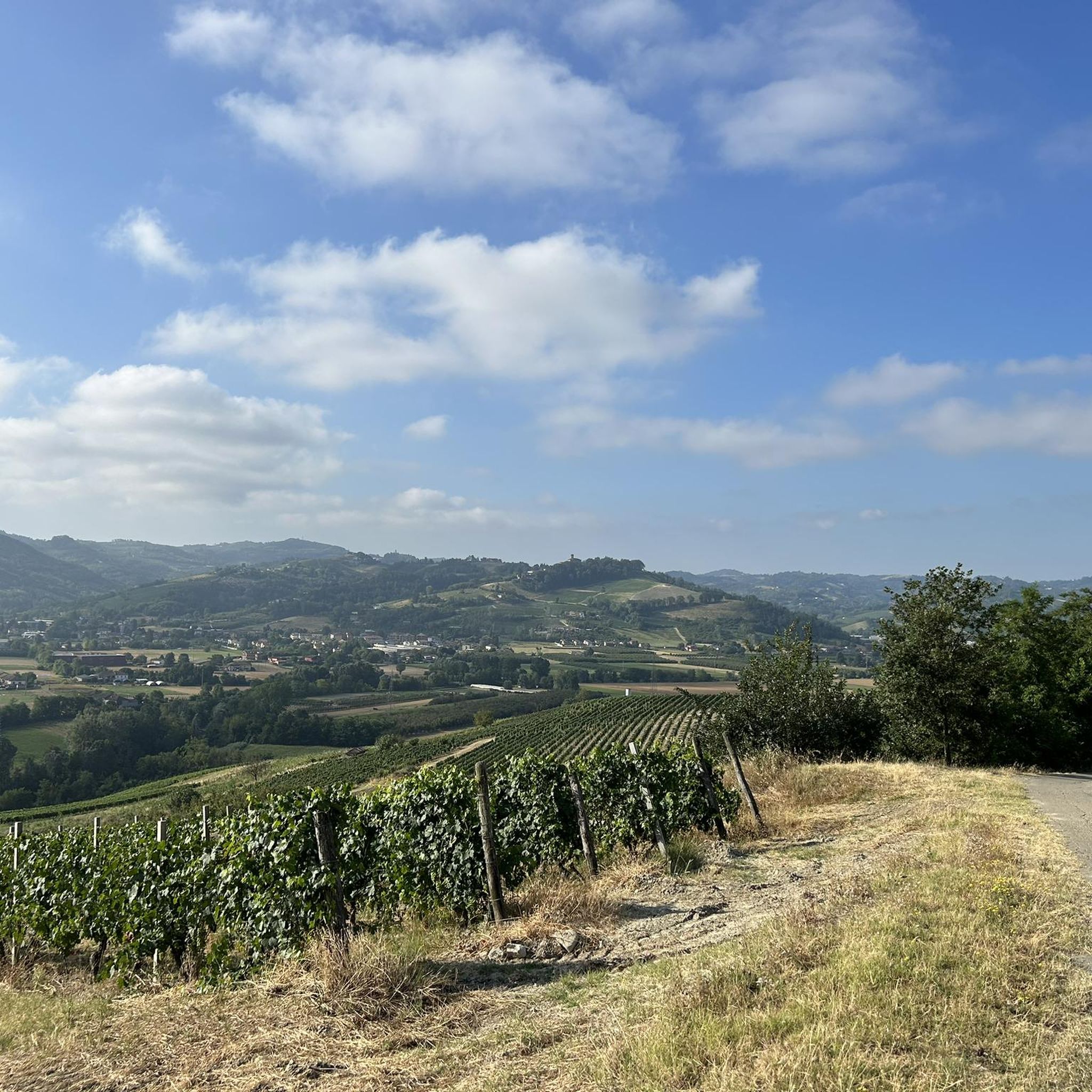
The region is characterized by stunning vineyard-covered hills, part of the UNESCO-listed Monferrato region, offering picturesque landscapes. For unique spots to rest and enjoy the surroundings, look for the Panchine d'Artista (Artist Benches) in Piazza Dante. The octagonal Church of San Grato in Bubbio also provides incredible panoramic views of the vine-covered and wooded hills.
What outdoor activities are available near Calamandrana's attractions?
The area around Calamandrana is ideal for outdoor enthusiasts. You can find numerous trails for hiking and cycling through the vineyard-covered hills and wooded areas. For cycling, consider routes like the 'Borgomale Castle – View of the Alpine Arc loop' or the 'View of the Vineyard – Bubbio Historic Town Center loop'. If you prefer running, there are options such as the 'Nizza Monferrato loop'. You can find more details on these and other routes in the Cycling around Calamandrana, Running Trails around Calamandrana, and MTB Trails around Calamandrana guides.
Are there family-friendly attractions or activities in Calamandrana?
Many attractions in the Calamandrana area are suitable for families. Exploring historical sites like Monastero Bormida or the Bubbio Village and Church of San Grato can be engaging. The picturesque vineyard landscapes also offer gentle trails for walks, and the Panchine d'Artista provide fun, artistic spots for children to discover.
What is the best time of year to visit Calamandrana for tourism?
Calamandrana is charming throughout the year, but the spring and autumn months are particularly pleasant. Spring offers blooming vineyards and mild weather ideal for hiking and cycling, while autumn brings the vibrant colors of the harvest season and numerous wine-related festivals. Summers are warm, perfect for enjoying the outdoor landscapes, and winters are quieter but still offer beautiful scenery.
Where can I find religious buildings or sanctuaries in the area?
Calamandrana has several significant religious sites. The Baroque Parish Church of the Conception of the Virgin Mary is located in Calamandrana Alta, offering panoramic views. You can also visit the Romanesque Church of San Giovanni alle Conche in Frazione Valle San Giovanni, or the Church of San Sebastiano in Borgo Superiore. Additionally, the San Pancrazio Sanctuary (Vinchio AT) offers a peaceful stop next to a social winery.
What are some lesser-known but interesting villages or towns near Calamandrana to visit?
Beyond Calamandrana itself, consider visiting Castelnuovo Calcea, an ancient medieval village with a rich history, known for its castle and the 17th-century Parish Church of Santo Stefano in its main square. Monastero Bormida, with its medieval bridge and castle, also offers a unique charm and traditional polenta dishes.
Are there opportunities for wine tasting or winery tours in Calamandrana?
Absolutely. Calamandrana is an excellent base for wine tourism within the UNESCO-recognized Monferrato region. Numerous wineries offer tasting experiences and tours, allowing you to sample local wines and learn about the winemaking process. The Contratto Cellars, home to the Bocchino Museum, is one such renowned establishment.
What do visitors enjoy most about the attractions around Calamandrana?
Visitors particularly appreciate the blend of historical heritage and the natural beauty of the wine region. The picturesque vineyard-covered hills, the charm of ancient villages like Monastero Bormida and Bubbio, and the peaceful atmosphere of sanctuaries like San Pancrazio are frequently highlighted. The opportunity for hiking and cycling through scenic landscapes is also a major draw.
Are there any specific architectural highlights to look out for?
Yes, the region boasts unique architectural styles. The Calamandrana Castle features an 11th-century structure with a distinctive 27-meter-high Lombard-style tower. The Marchional Palace of Mombaruzzo stands out as a significant example of 17th-century Ligurian architecture in Piedmont, offering a dominant position with a 360° panorama.
Most popular routes around Calamandrana
Most popular attractions around Calamandrana

Get inspired with the komoot mobile app


Explore more
Still not found the Highlight you’re looking for? See guides of the top attractions in other regions:
