The best road cycling routes around Castel Rocchero
4.4
(203)
4,610
riders
246
rides
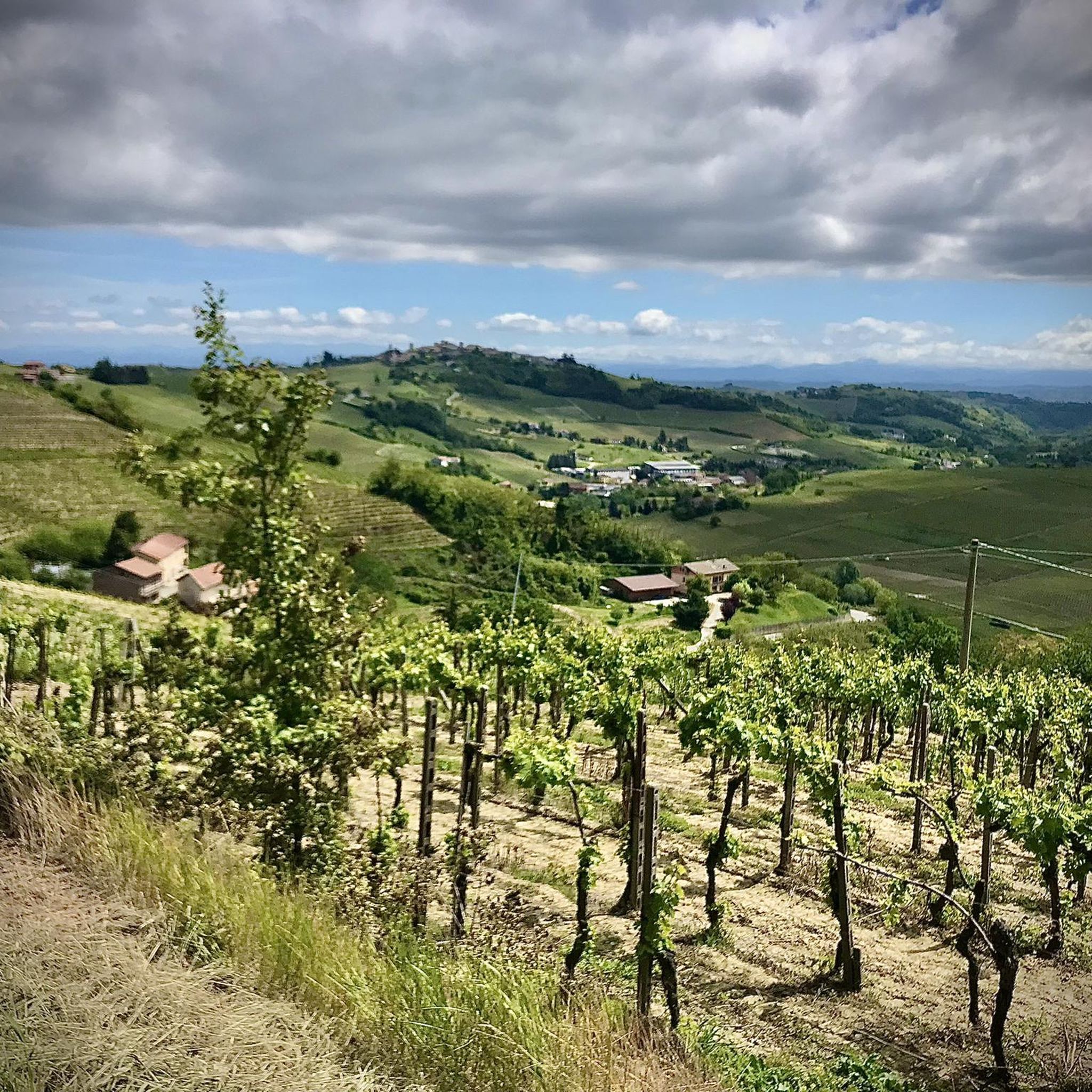
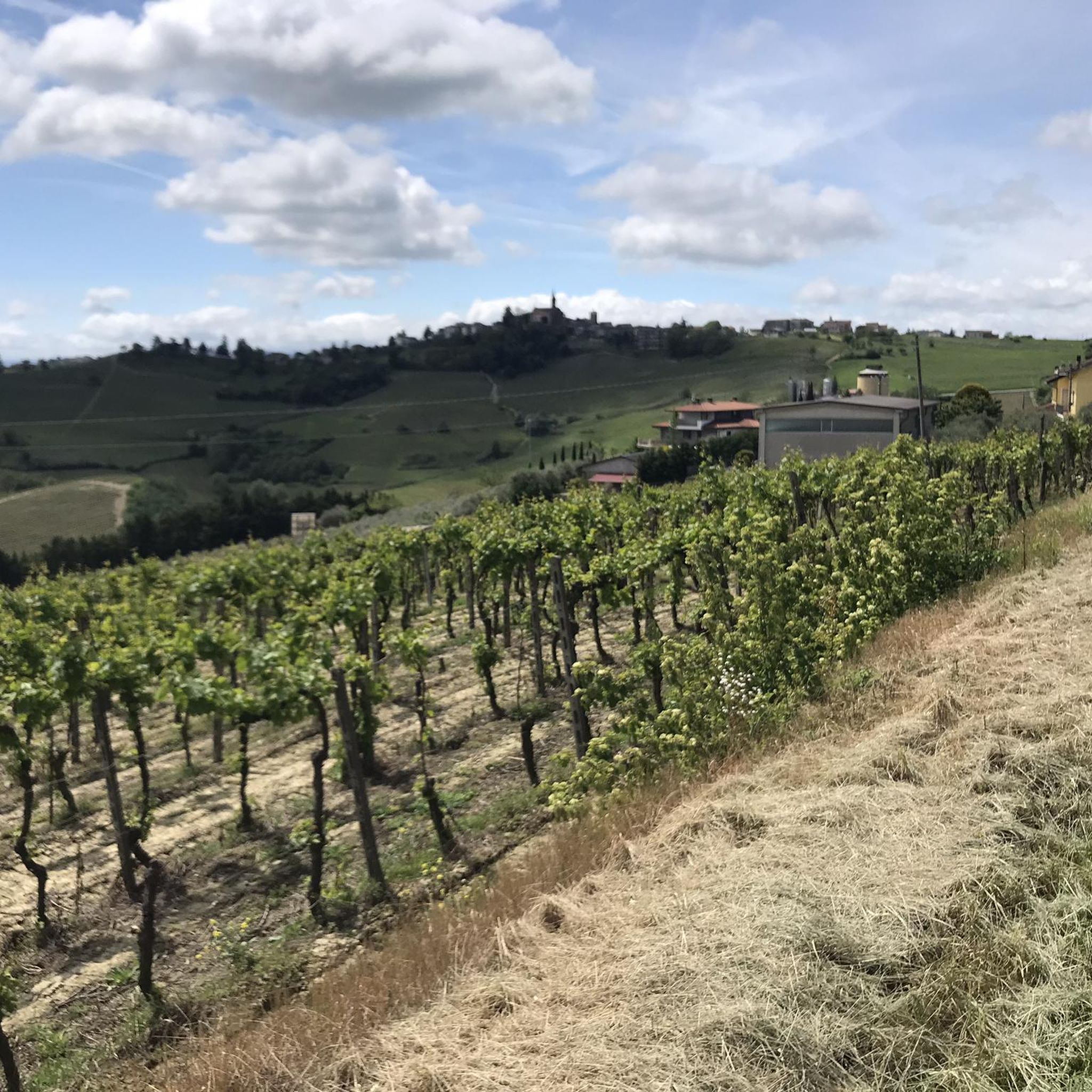
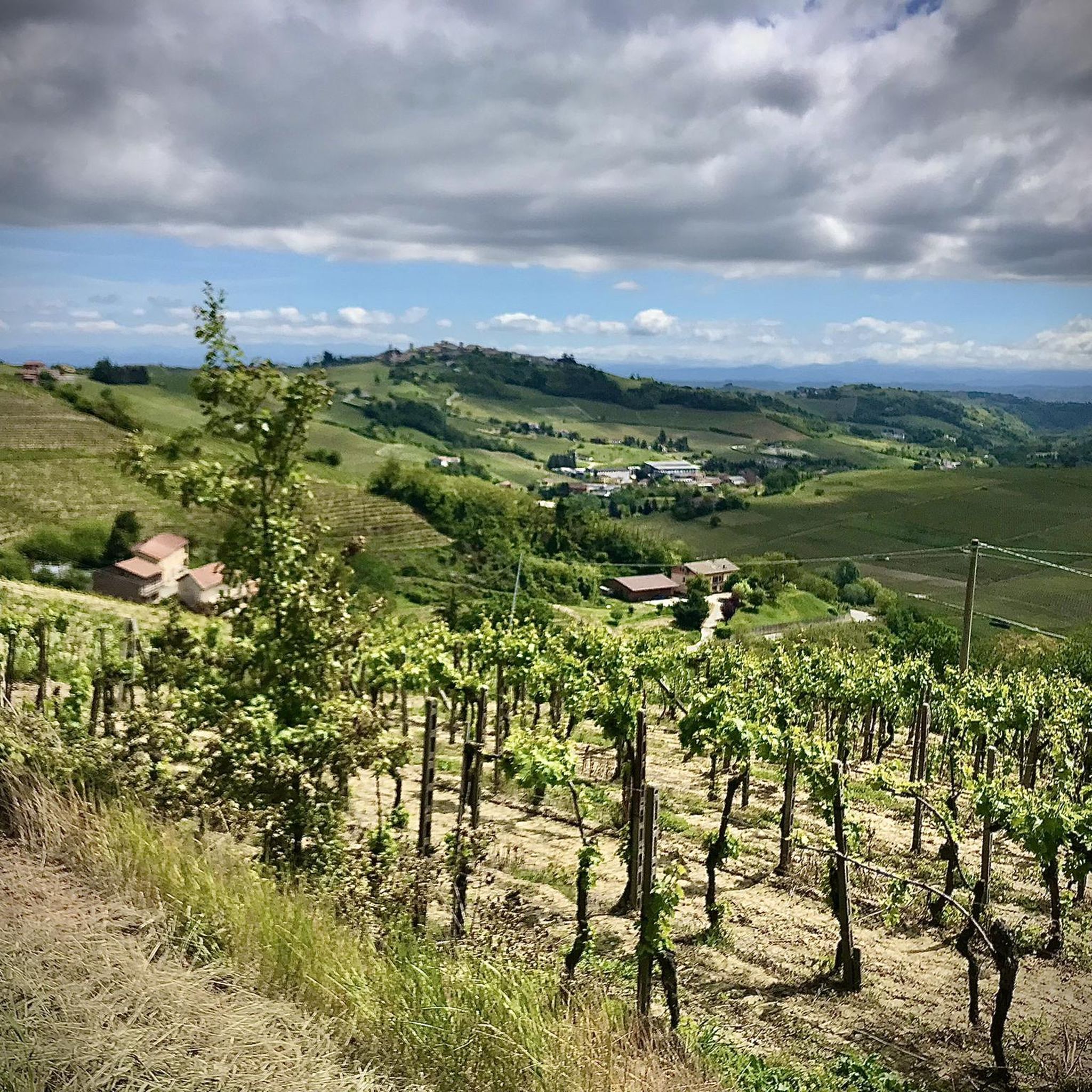
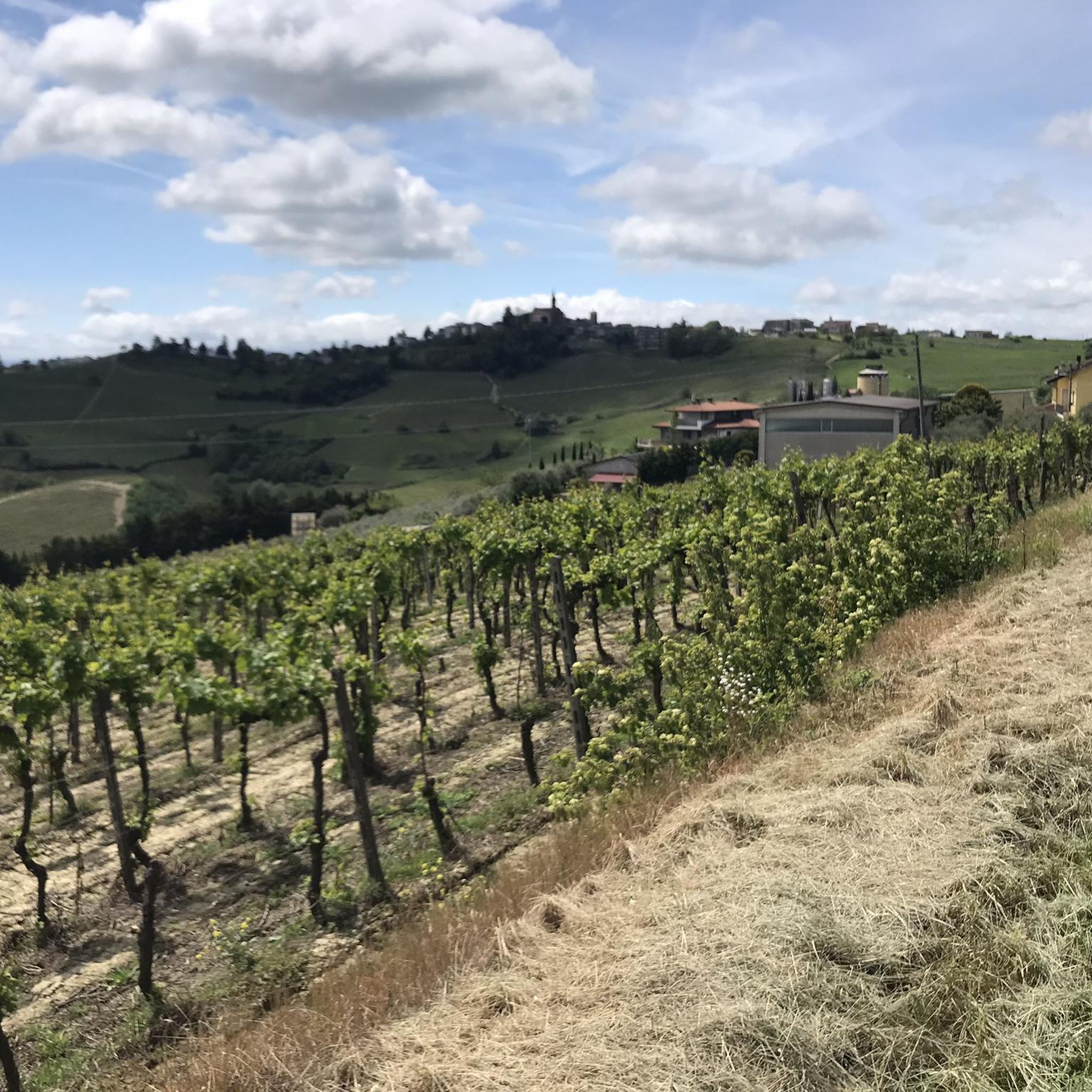
Road cycling routes around Castel Rocchero traverse a landscape characterized by rolling, hilly terrain extensively covered by vineyards, part of a UNESCO World Heritage site. The village itself is situated on a high point, offering expansive views over the surrounding hills and plains, with distant glimpses of the Alps and Apennines. This viticultural region provides a continuously evolving backdrop for road cyclists, featuring constant undulations that offer varied challenges. The area's blend of rural and urban elements, built harmoniously, showcases…
Last updated: July 1, 2026
3.5
(24)
60
riders
56.1km
02:37
340m
340m
Moderate road ride. Good fitness required. Mostly well-paved surfaces and easy to ride.
19
riders
63.4km
02:52
540m
540m
Moderate road ride. Good fitness required. Mostly well-paved surfaces and easy to ride.

Sign up for free
11
riders
53.9km
03:03
770m
770m
Moderate road ride. Good fitness required. Some segments of this route may be unpaved and difficult to ride.
9
riders
96.1km
05:27
1,800m
1,800m
Hard road ride. Very good fitness required. Some segments of this route may be unpaved and difficult to ride.
9
riders
32.3km
01:43
430m
430m
Moderate road ride. Good fitness required. Mostly well-paved surfaces and easy to ride.
Get access to more routes and recommendations from other explorers.
Sign up for free
Already have an account?
Our route recommendations are based on thousands of hikes, rides, and runs completed by other people on komoot.
Start today with a free account
Your next adventure awaits.
Login or Signup

Tips from the Community

Calamandrana is an Italian municipality of 1,643 inhabitants in the province of Asti in Piedmont
1
0

The Castle of Monastero Bormida was not originally built as a defensive structure but as a Benedictine monastery, founded around 1050 by monks from the Abbey of Fruttuaria, called by the Aleramici Marquises to reclaim the lands devastated by Saracen raids. The 27-meter tower still visible today was originally the bell tower, and the river flowing a few meters from the southern tower confirms the non-military nature of the building. In 1393, the Benedictines abandoned the monastery, and its feudal history began: the fief passed to the Del Carretto marquises, who in the 15th century added the first defensive structures, transforming it into a castle. The building is a quadrangular structure with an internal courtyard, protected by towers on multiple sides and connected to the former bell tower by a small suspension bridge. On the south facade, there is a two-arched Renaissance loggia with a small stone column. Inside, the rooms on the main floor—transformed in the 17th century—feature mosaic floors and sail and cross vaults with frescoes of floral and geometric motifs. The castle later passed to the Della Rovere family and subsequently to the Genoese Polleri family, finally becoming the property of the Municipality starting in 1880. Today it is open to visitors and is part of the regional circuit "Castelli Aperti".
0
0

+5 The cycle path between Canelli and Nizza Monferrato is an easy and scenic route of about 12-13 km, ideal for families, connecting the two towns in the Asti province via Calamandrana. The track, developed on a protected and asphalted surface, crosses the hills of Barbera and Moscato, offering an immersion into the UNESCO wine landscape.
17
0
Rocchetta Palafea, in the province of Asti, is an ancient medieval village founded as a military garrison in the Belbo Valley, with documented origins dating back to around 960. Dominated by its characteristic quadrangular tower and surrounded by ancient walls, the town was an Aleramic fiefdom and then a Genoese one, preserving a historic atmosphere linked to its past as a fortress.
3
0
Canelli station is a railway station on the Alessandria-Cavallermaggiore line serving the municipality of the same name.
4
0
Luigi Tenco is buried in the family tomb in the Ricaldone cemetery. His grave is visited by thousands of visitors each year who leave flowers and dedications on the headstone that commemorates him.
9
0

strategic location; expensive prices.
2
0
The ROMANESQUE BRIDGE dates back to the 14th century. Through the characteristic Vicolo del Droc—where one of the city gates once stood and where the entrance to an ancient oven can still be seen—you reach the Romanesque bridge over the Bormida River, still in use. It represents one of the most interesting works of medieval civil engineering in the valley, and its counterpart, in Spigno, is the similar bridge at the Abbey of San Quintino. Both were built by Benedictine monks. It is a massive humpbacked structure with four spans. The Monastero bridge was the only one passable year-round from the lower valley: Acqui did not have one.
16
0
Frequently Asked Questions
How many road cycling routes are available around Castel Rocchero?
There are over 240 road cycling routes around Castel Rocchero, offering a wide range of options for different skill levels. This includes 17 easy routes, 148 moderate routes, and 82 difficult routes, ensuring there's something for everyone.
What is the terrain like for road cycling in Castel Rocchero?
The terrain around Castel Rocchero is characterized by rolling, hilly landscapes extensively covered by vineyards, which are part of a UNESCO World Heritage site. You can expect constant undulations, providing varied and challenging routes. The village itself is perched on a high point, offering expansive views over the surrounding hills and plains.
Are there routes suitable for beginners or less experienced road cyclists?
Yes, while the region is known for its challenging hills, there are 17 routes classified as easy. These routes offer a gentler introduction to road cycling in the area, allowing you to enjoy the scenic vineyards without overly strenuous climbs.
What kind of views can I expect on road cycling routes in this region?
Road cycling routes in Castel Rocchero offer stunning panoramic views. You'll cycle through a 'sea of vineyards' that stretch towards Nizza and the Alps, providing a beautiful natural setting. The village's high elevation also offers glimpses of the Alps and Apennines in the distance, especially from viewpoints like the Civic Tower.
Are there any historical landmarks or attractions to see along the routes?
Yes, the region is rich in history. You can encounter historical sites like the Roman Aqueduct of Acqui Terme or the Marchional Palace of Mombaruzzo. The village of Castel Rocchero itself features a Medieval Castle and a Civic Tower offering incomparable views. Many routes pass through charming villages with historic churches and architecture.
Can I find family-friendly road cycling options in Castel Rocchero?
While many routes involve significant elevation changes, there are easier routes available that could be suitable for families with older children or those looking for a less strenuous ride. It's advisable to check the difficulty grade and elevation profile of specific routes to ensure they match your family's fitness level.
What is the best time of year for road cycling in Castel Rocchero?
The region offers a magnificent game of colors in autumn, making it a visually striking time to visit. Spring and early summer also provide pleasant weather for cycling through the vineyards. The changing seasons offer a continuously evolving backdrop for your rides.
Where can I find parking for road cycling routes in Castel Rocchero?
Parking is generally available in and around the villages that serve as starting points for many routes, such as Castel Rocchero itself, Mombaruzzo, or Acqui Terme. Look for designated parking areas within these towns, especially near main squares or public facilities.
Are there any specific routes that offer a challenging experience for advanced cyclists?
Absolutely. The hilly terrain provides ample challenge. For instance, the Langhe Vineyards – Big Bench Fontanile loop from Acqui Terme is classified as difficult, featuring over 1100 meters of elevation gain over 53.8 kilometers, perfect for experienced riders seeking a demanding workout.
What do other road cyclists say about their experience in Castel Rocchero?
The road cycling routes around Castel Rocchero are highly rated by the komoot community, with an average score of 4.5 stars from over 170 reviews. Cyclists often praise the scenic vineyard landscapes, the varied terrain, and the well-established network of routes that cater to different abilities.
Are there options for food and drink near the cycling routes?
Yes, as a prominent wine-growing area, Castel Rocchero and its surrounding villages offer numerous opportunities for food and drink. You'll find local farms, cooperative wineries like Cantina Sociale, and restaurants. The region is renowned for Barbera, Moscato, Brachetto, and Dolcetto wines, and many establishments offer local products.
Is public transport available to access the cycling routes?
While specific public transport options directly to every trailhead might be limited, major towns like Acqui Terme, which serves as a starting point for routes such as the Roman Aqueduct of Acqui Terme – Piazza Italia Acqui Terme loop, are generally accessible by regional public transport. From these towns, you can often begin your cycling adventure.
Are there any specific cycling itineraries that showcase the UNESCO landscape?
Yes, the region is part of the wider Langhe, Monferrato, and Roero area, known for its UNESCO World Heritage vineyards. One established route, 'Route 5 - Pedalling across the Artistic UNESCO landscape,' passes through Castel Rocchero, connecting it with other charming localities and showcasing the Moscato lands and fascinating vineyard scenery. For more information on regional cycling itineraries, you can visit visitlmr.it.
Are there any specific routes that pass by notable castles or historical sites?
Many routes traverse areas rich in history. For example, the Tomb of Luigi Tenco – Quaranti loop from Alice Bel Colle will take you through picturesque landscapes where you might encounter historical elements. The region is dotted with castles, such as the Medieval Tower of Castelletto d'Erro, and other historical structures, often visible from the routes.
Are there any permits required for cycling in the Castel Rocchero area?
Generally, no specific permits are required for road cycling on public roads and established routes in the Castel Rocchero area. However, always respect private property and local regulations, especially when cycling through vineyards or agricultural land.
Most popular routes around Castel Rocchero
Most popular attractions around Castel Rocchero

Get inspired with the komoot mobile app


Explore more
Browse the best Road cycling routes in other regions.
