Attractions and Places To See around Montegrosso D'Asti - Top 20
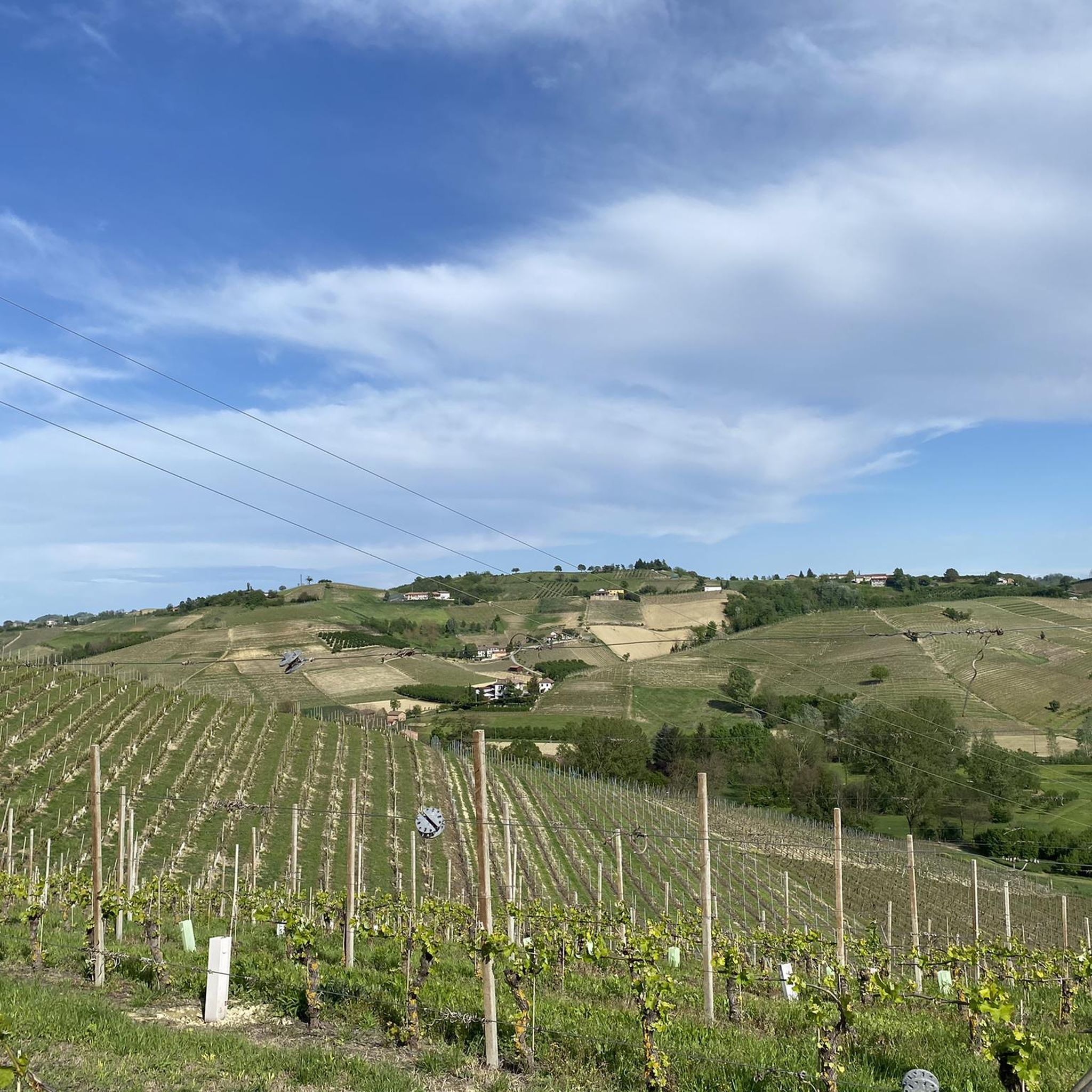
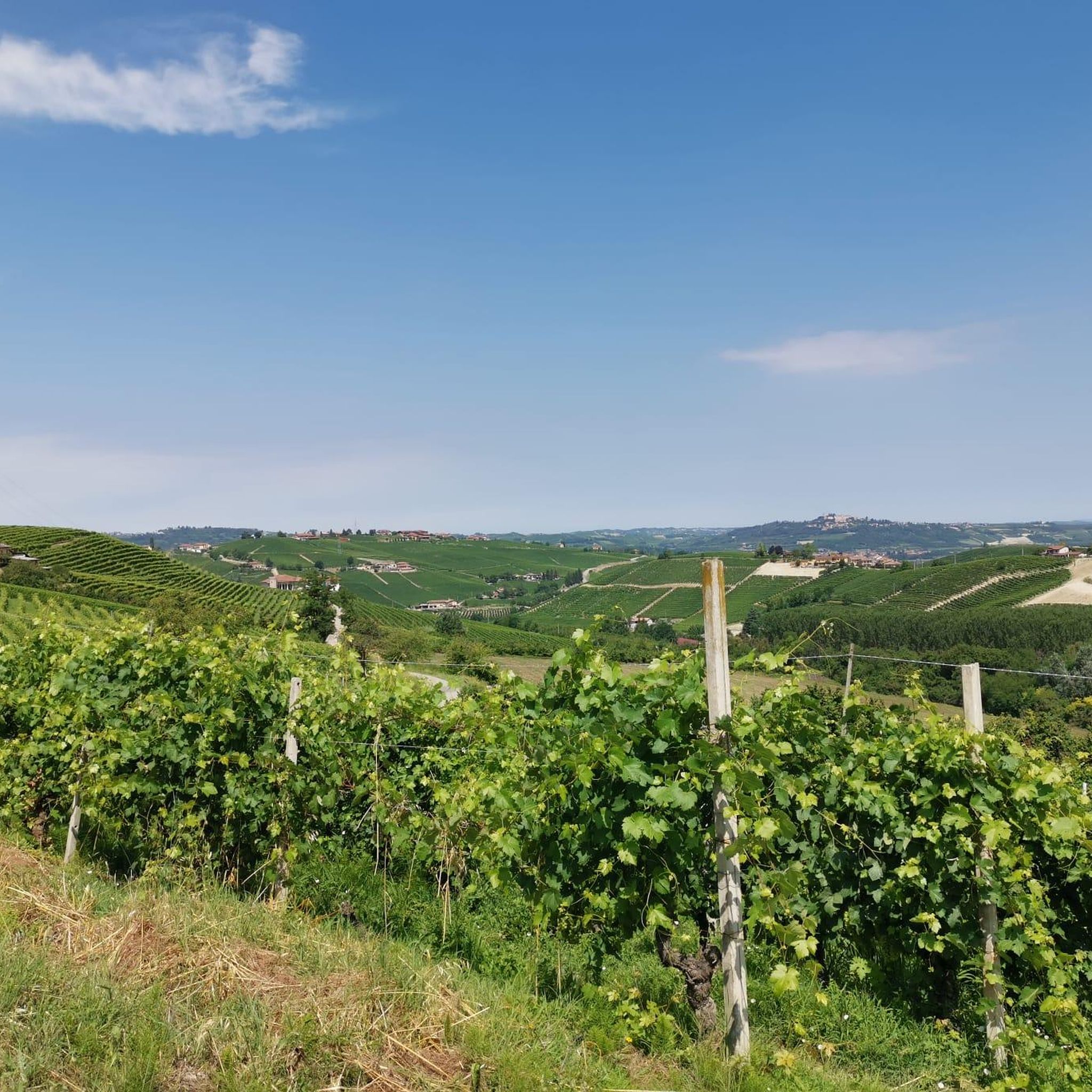
Attractions and places to see around Montegrosso D'Asti are found in Italy's Piedmont region, a UNESCO World Natural Heritage site. The area is characterized by its hilly landscapes and renowned vineyards. Montegrosso D'Asti offers a blend of historical landmarks, cultural sites, and natural features. Visitors can explore a variety of attractions, from medieval castles to churches and scenic viewpoints.
Best attractions and places to see around Montegrosso D'Asti
- The most popular attractions is San Martino Alfieri Castle, a castle that was built as a summer residence for the Alfieri family. It stands on the ruins of a medieval fortress and features majestic historic cellars.
- Another must-see spot is Govone Castle, a castle located on top of a hill. This former Savoy residence is a UNESCO heritage site and can be visited with a guided tour.
- Visitors also love Costigliole d'Asti Castle, a quadrangular castle built on the Costigliole fortress. It is one of the grandest castles in the Asti area and part of the "Castelli Aperti" circuit of Lower Piedmont.
- Montegrosso D'Asti is known for its historical castles, religious buildings, and scenic viewpoints. The region offers a variety of attractions to see and explore, including sites within the UNESCO World Natural Heritage area.
- The attractions around Montegrosso D'Asti are appreciated by the komoot community, with more than 150 upvotes and over 30 photos shared.
Last updated: May 11, 2026
San Martino Alfieri Castle
Highlight • Castle
Translated by Google •
Tip by

Costigliole d'Asti Castle
Highlight • Castle
Translated by Google •
Tip by

Sign up now to discover places like this
Get recommendations on the best single tracks, peaks, & plenty of other exciting outdoor places.
Sign up for free
Govone Castle
Highlight • Castle
Translated by Google •
Tip by

Piazza San Secondo
Highlight • Settlement
Translated by Google •
Tip by
Chapel of St. Mary the Virgin
Highlight • Religious Site
Translated by Google •
Tip by
Sign up for free to discover even more attractions around Montegrosso D'Asti.
Sign up for free
Already have an account?
Start today with a free account
Your next adventure awaits.
Login or Signup
Tips from the Community

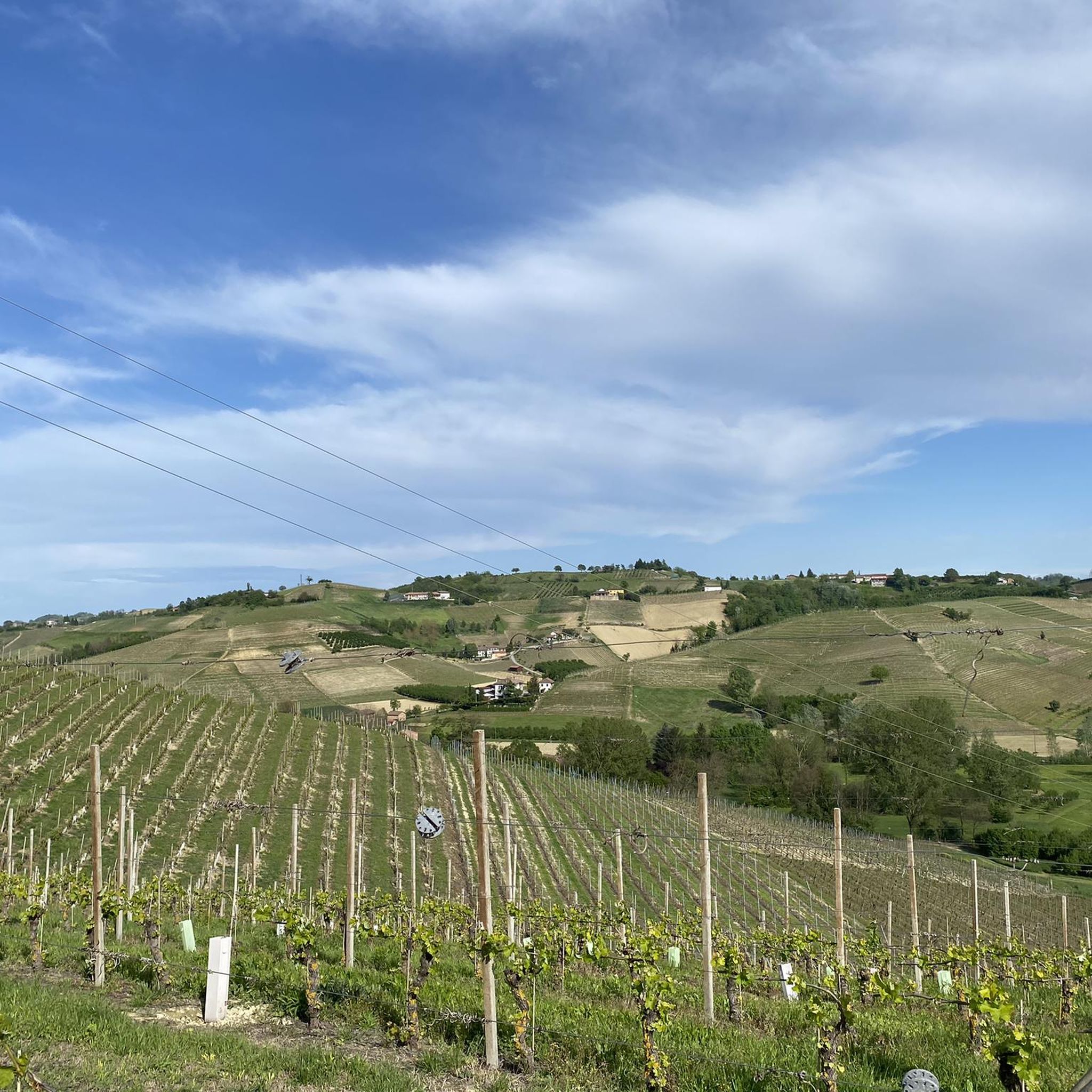
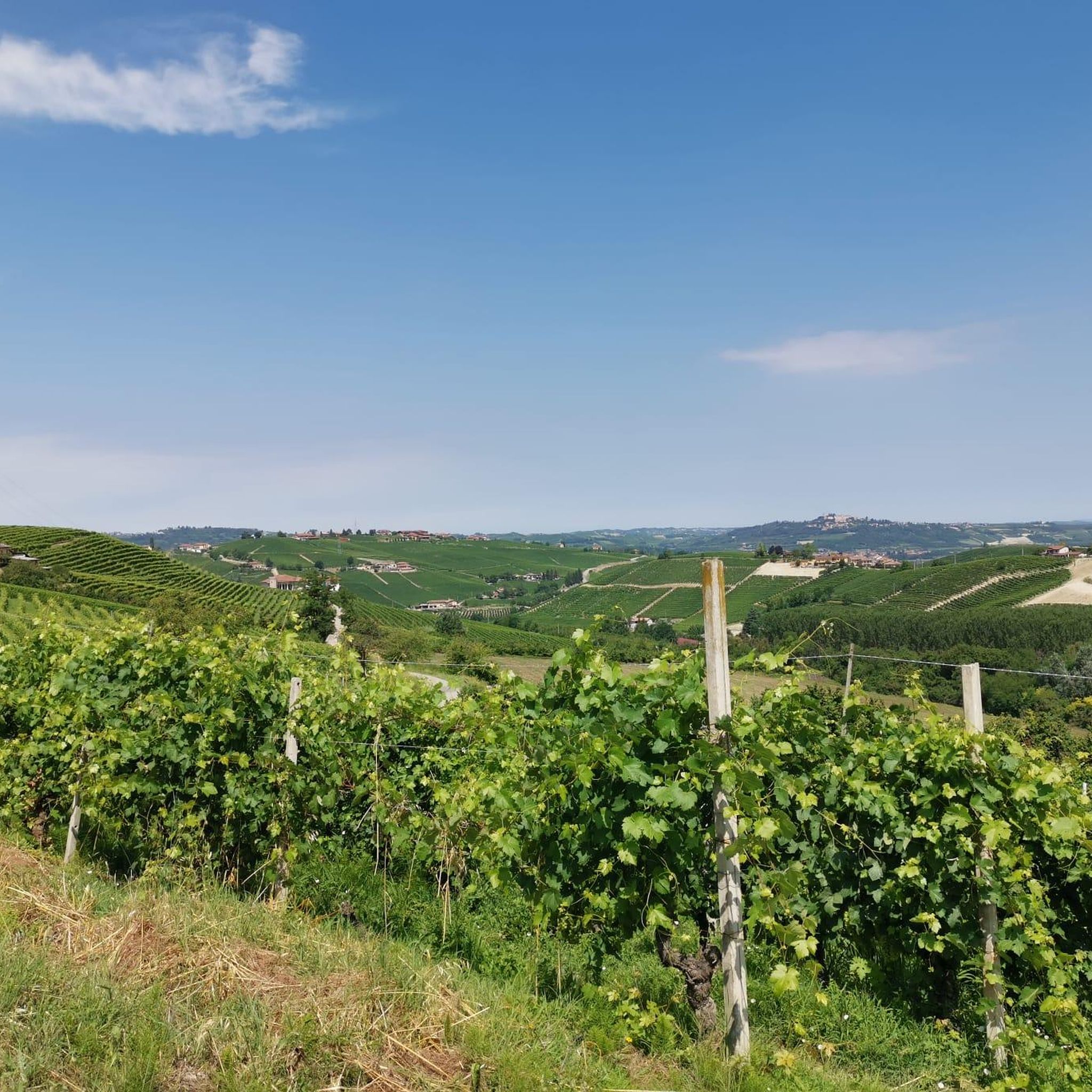
A beautiful castle complex and two churches, set against a panoramic backdrop of the Asti hills.
0
0

It rises in Astesana, in the tourist area called "Le Colline dei Fiumi", on the watershed of the Tanaro and Borbore rivers, controlling the important ridge line that connected Asti to Roero.
0
0

Very well cared for church.
22
0

It is also called the Tremlett church in honor of the British artist who repainted and embellished it taking inspiration from the colors of the Coazzolo hill. David Tremlett who also helped repaint the Barolo chapel in La Morra which attracts many tourists
0
0

The Collegiate Church of San Secondo is one of the oldest Gothic churches in Asti. With the adjacent municipal seat and opposite the square of the same name, it forms the heart of the city. Dedicated to San Secondo, patron saint of the city, it was built according to tradition on the site of his martyrdom and burial. The exact time of its foundation is not known, the oldest document mentioning the church dates from August 1, 880. Don't forget to visit the Crypt: Interpretation: The pre-Romanesque layout of the church cannot be reconstructed in any way, except by the presence of the crypt; the oldest part dates from the 6th/7th century, consisting of four small columns surmounted by Corinthian imitation capitals with a double order of leaves. Two side walls and two wrought iron gates border the "cella confessionis", within which is located the sixteenth century reliquary, in silver, with the bones of the martyr from Asti.
2
1

Heart of ancient Asti, characterized by the medieval church of San Secondo next to the eighteenth-century town hall (the building is actually sixteenth-century, but the façade was rebuilt in the eighteenth century by the architect Benedetto Alfieri). In one corner there is the Palazzo del Podestà, the seat of civil power in the Middle Ages. A short distance away are Piazza Alfieri, Via Cavour with its towers and churches from different eras, and Corso Alfieri, the backbone of the ancient city.
5
0
The castle, configured in a single and imposing square volume, reveals evident architectural stylistic differences, originating from the layout choices undertaken in the 17th century by the legitimate owners. Starting from 1625, the Asinari nobles shared the rank of "counts of Costigliole" with the noble Verasis family. This complex was therefore divided between two feudal lords, who, with autonomous determination, gave rise to transformations and embellishments on subjective bases. The northern part of the manor, pertaining to the Asinari, retains the appearance derived from the interventions of the second half of the eighteenth century, duly inspired by the architectural canons propagated by Benedetto Alfieri. At the same time, the external aspect of the southern part, pertaining to the Verasis, constitutes an interesting example of neo-medieval stylistic re-proposition, dating back to the first decades of the 19th century.
5
0

Cradle of the historic center of the city and seat of the Town Hall and the Collegiate Church of San Secondo (the church dedicated to the Patron Saint).
0
0
Frequently Asked Questions
What historical landmarks can I explore in and around Montegrosso D'Asti?
Montegrosso D'Asti is rich in history. You can visit the medieval San Martino Alfieri Castle, a baroque residence built on the ruins of a medieval fortress. Also, explore the impressive Costigliole d'Asti Castle, one of the grandest in the Asti area, or the UNESCO heritage site Govone Castle, a former Savoy residence. Within Montegrosso D'Asti itself, the historic center features the Montegrosso D'Asti Castle and the 19th-century Parish Church (Chiesa dei Santi Secondo e Matteo).
Are there any significant religious sites to visit?
Yes, the region has several notable religious buildings. The 19th-century Parish Church (Chiesa dei Santi Secondo e Matteo) in Montegrosso D'Asti, built on an older chapel, offers a beautiful dome and a slender campanile. You can also visit the Collegiate Church of Saint Secondo, one of the oldest Gothic churches in Asti, known for its valuable artworks and a crypt. Another unique site is the Chapel of St. Mary the Virgin, whose façade was painted by artist David Tremlett.
What natural features and scenic viewpoints can I find near Montegrosso D'Asti?
Montegrosso D'Asti is nestled within the UNESCO World Natural Heritage site of the Langhe, Roero, and Monferrato vineyards. The area boasts beautiful hilly landscapes, especially within the Val Tiglione, perfect for scenic drives and walks. From the front of the Parish Church in Montegrosso D'Asti, there's a viewpoint offering clear views that can extend to the highest Alpine peaks on clear days. For nature lovers, the Special Natural Reserve of Valleandona and Valle Botto provides opportunities for walks amidst nature.
What outdoor activities are available around Montegrosso D'Asti?
The hilly terrain and vineyards offer excellent opportunities for outdoor activities. You can enjoy hiking and cycling through the surrounding wine hills, particularly in spring. For specific routes, consider exploring the running trails, gravel biking routes, or MTB trails available in the area.
Are there family-friendly attractions or activities in the area?
Many of the castles and religious sites are considered family-friendly, offering historical exploration for all ages. For instance, San Martino Alfieri Castle, Costigliole d'Asti Castle, and Govone Castle are suitable for families. Additionally, exploring the historic centers of the villages and enjoying gentle walks through the vineyards can be pleasant family activities.
What is the best time of year to visit Montegrosso D'Asti?
The spring season is particularly recommended when the vineyards are burgeoning, offering picturesque views and pleasant weather for outdoor activities like hiking and cycling. The area also hosts various festivals throughout the year, such as the Fiera del Barbera in May and a truffle festival in late November, which can enhance your visit.
What local experiences or festivals can I enjoy in Montegrosso D'Asti?
Montegrosso D'Asti and its surroundings are known for vibrant local experiences. You can visit the weekly local market on Tuesdays in Montegrosso D'Asti or on Sunday mornings in Costigliole d'Asti. The village celebrates the "DiVin Mongross" festival, and the region hosts the Fiera del Barbera every May, celebrating its famous wine. A truffle festival is traditionally held on the last Sunday of November. Agliano Terme, nearby, also features open "cantinas" (wineries) every Sunday afternoon from July to September.
Can I go wine tasting or visit local producers?
Absolutely. Montegrosso D'Asti is situated amidst the renowned vineyards of Langhe, Roero, and Monferrato, famous for Barbera and Moscato wines. Wine tasting and visits to local producers are popular activities. Agliano Terme, just two kilometers away, is known for its open "cantinas" (wineries) every Sunday afternoon from July to September, offering a great opportunity to sample local wines.
Are there any easy hiking trails suitable for beginners or families?
While specific easy trails are not detailed, the general hilly landscapes and vineyards offer opportunities for gentle walks. You can find various running trails around Montegrosso D'Asti, some of which are rated as 'easy' and could be suitable for beginner hikers or families looking for a leisurely stroll through the scenic countryside.
What is the significance of the vineyards in the Montegrosso D'Asti region?
The vineyards surrounding Montegrosso D'Asti, part of the Langhe, Roero, and Monferrato areas, are a UNESCO World Natural Heritage site. This designation highlights their exceptional cultural landscape, shaped by centuries of winemaking traditions. The region is particularly famous for producing fine wines like Barbera and Moscato, making wine culture a central part of the local identity and economy.
What do visitors enjoy most about Montegrosso D'Asti?
Visitors particularly enjoy the blend of historical exploration and natural beauty. The majestic historic cellars and tastings at San Martino Alfieri Castle are a highlight. The scenic views from places like the Parish Church and the overall charm of the historic center are also highly appreciated. Many find pleasure in the well-cared-for churches and the opportunity to rest in their peaceful surroundings.
Most popular routes around Montegrosso D'Asti
Most popular attractions around Montegrosso D'Asti

Get inspired with the komoot mobile app


Explore more
Still not found the Highlight you’re looking for? See guides of the top attractions in other regions:
