The best running trails around Fagagna
4.2
(56)
1,991
runners
37
runs
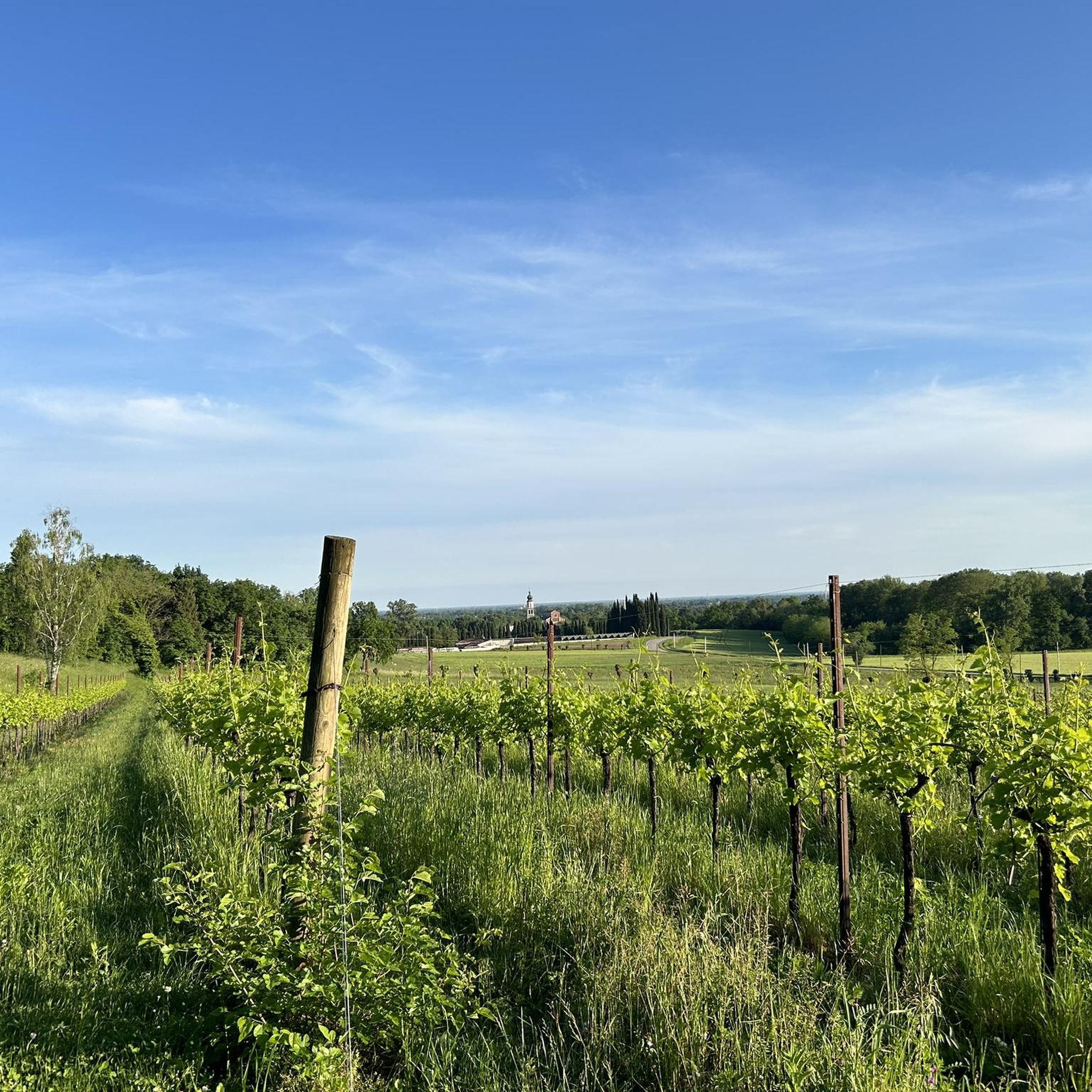
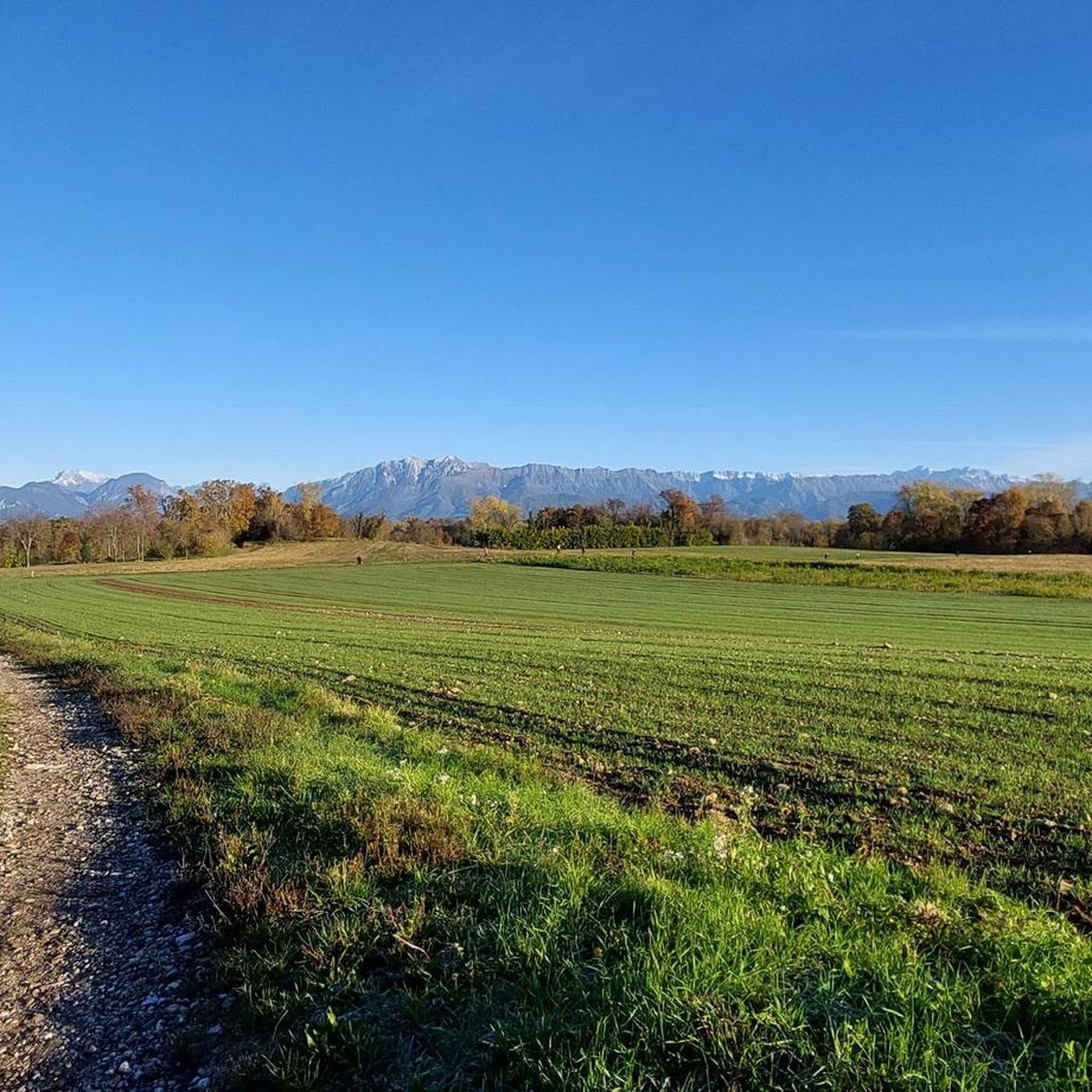
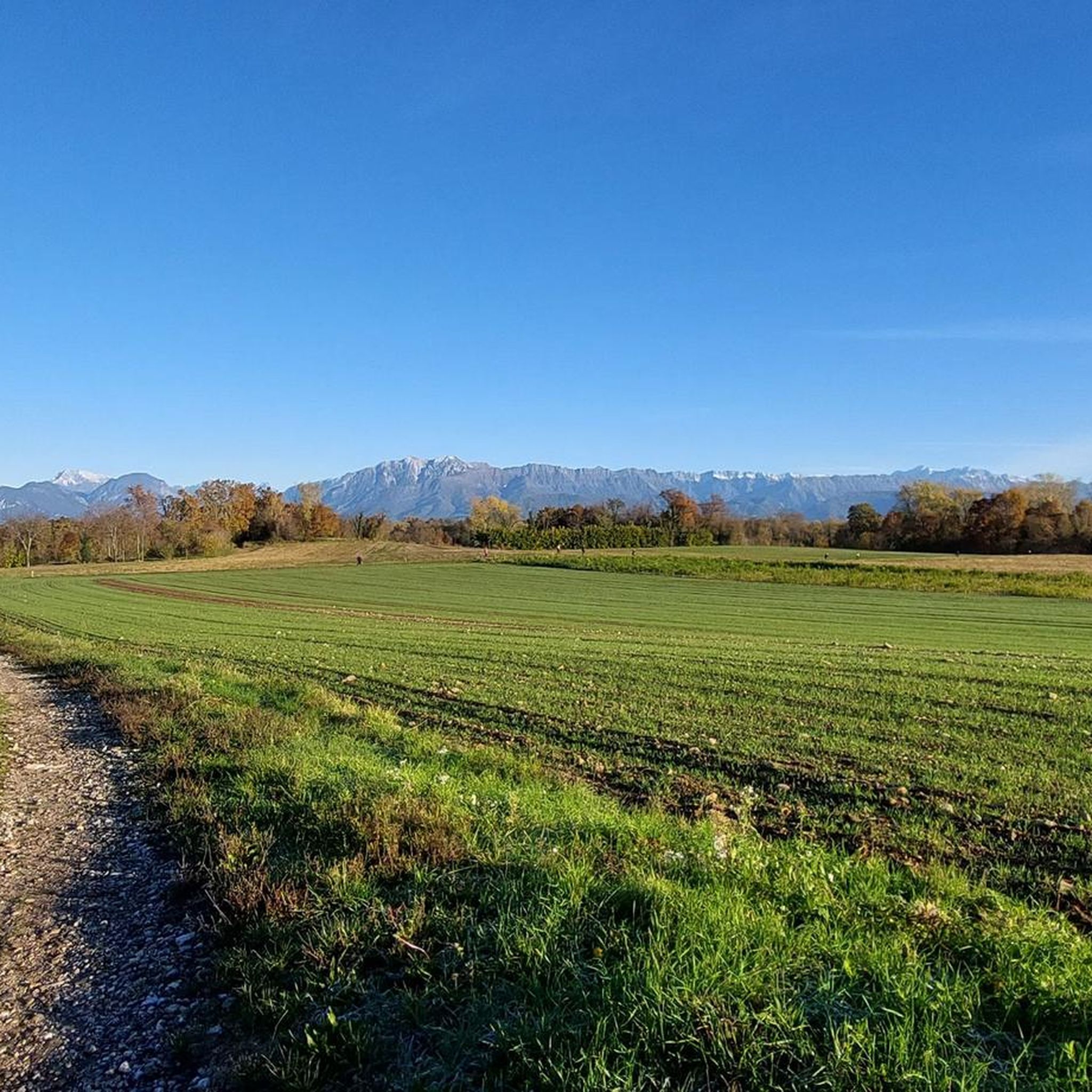
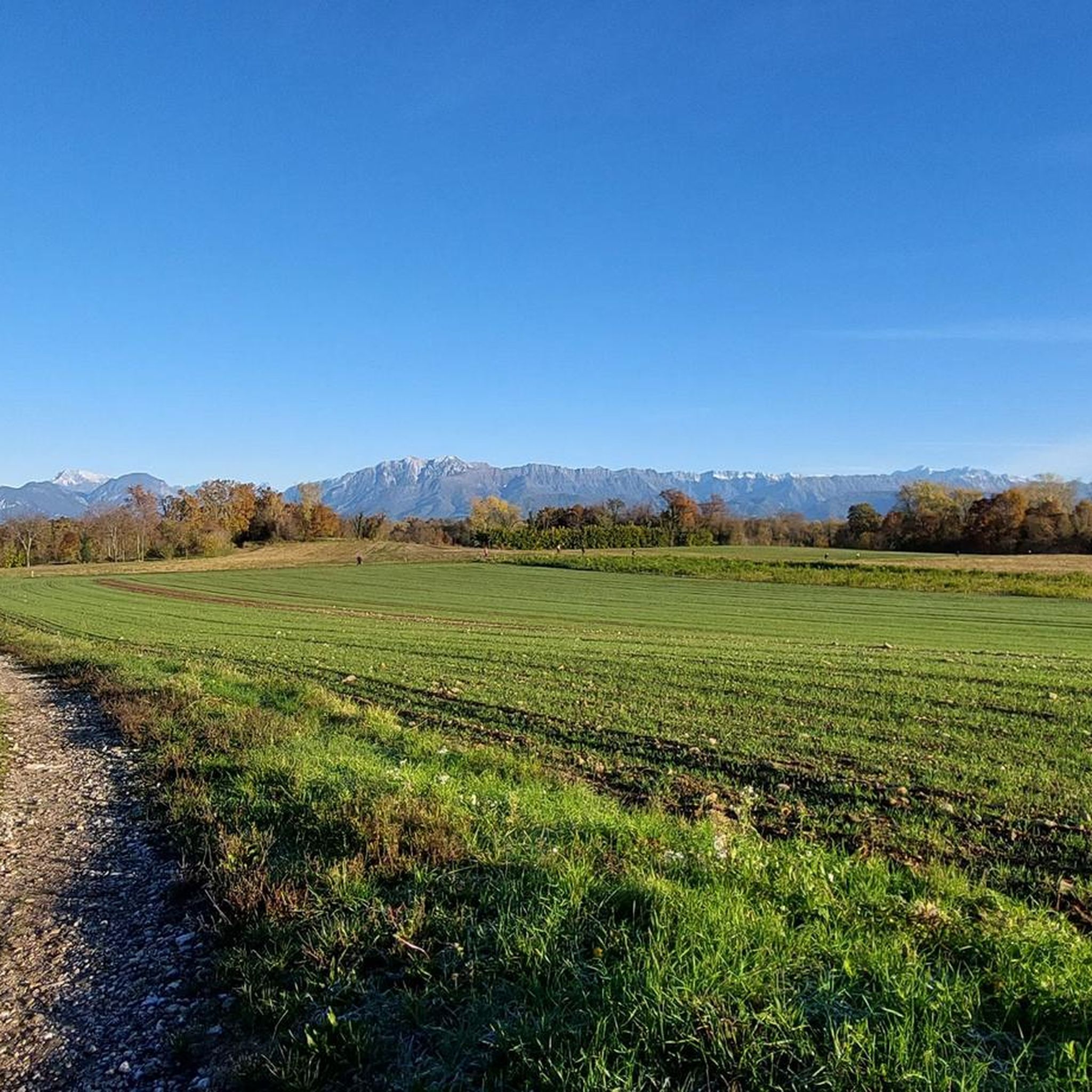
Jogging routes around Fagagna traverse a landscape characterized by gentle hills, expansive views of the Friulian plain, and a mix of farmland, meadows, and wooded areas. The region features moraine hills and the Oasi dei Quadris, a natural reserve. Historical landmarks such as the remains of Castello di Fagagna also provide points of interest along various running routes.
Best jogging routes around Fagagna
- The most popular jogging route is Fagagna – Fagagna Castle loop from Fagagna / Feagne, an…
Last updated: July 5, 2026
5.0
(6)
140
runners
12.8km
01:24
170m
170m
Moderate run. Good fitness required. Mostly paved surfaces. Suitable for all skill levels.
122
runners
23.5km
02:32
220m
220m
Hard run. Very good fitness required. Mostly paved surfaces. Suitable for all skill levels.

Sign up for free
4.5
(2)
33
runners
Moderate run. Good fitness required. Mostly paved surfaces. Suitable for all skill levels.
5.0
(1)
40
runners
Hard run. Very good fitness required. Mostly paved surfaces. Suitable for all skill levels.
5.0
(1)
18
runners
Moderate run. Good fitness required. Mostly paved surfaces. Suitable for all skill levels.
Get access to more routes and recommendations from other explorers.
Sign up for free
Already have an account?
Our route recommendations are based on thousands of hikes, rides, and runs completed by other people on komoot.
Start today with a free account
Your next adventure awaits.
Login or Signup
Tips from the Community

Paved cycle path that goes from Martignacco to Fagagna
0
0
Dirt road easily accessible by bicycle that leads onto the Via Cividina cycle path
0
0
Beautiful medieval castle, the oldest in Friuli, worth visiting
0
0
Tree on the hill behind Villalta Castle
0
0

A beautifully preserved medieval castle perched on a small hill. The buildings adjacent to the castle also reflect the Middle Ages very well. A visit is like a journey back in time.
0
0

The Colline Moreniche area is beautiful... there are many dirt roads and paths through peat bogs and woods, where you can also exercise your legs with constant ups and downs.
0
0

This solitary tree grown on this small hill is very suggestive.
0
0
Villalta Castle is the most important manor in Friuli. The first news dates back to 1100. Its history is lost in the mists of time as attested by Roman foundations.
0
0
Frequently Asked Questions
How many running routes are available in Fagagna?
There are over 30 dedicated jogging routes around Fagagna, offering a variety of experiences for runners. These include options ranging from easy, gentle paths to more challenging, difficult trails with significant elevation gains.
What kind of terrain can I expect on the jogging trails in Fagagna?
The jogging trails in Fagagna feature diverse terrain, characterized by gentle hills, expansive views of the Friulian plain, and a mix of farmland, lush meadows, and wooded areas. You'll find both paved and accessible paths, with some routes offering elevation gains suitable for a good workout.
Are there any easy or beginner-friendly jogging routes in Fagagna?
Yes, Fagagna offers several easy jogging routes suitable for beginners or those looking for a less strenuous run. There are at least 3 routes classified as easy, and many of the moderate trails also provide accessible options with less demanding elevation changes.
Are there any circular running routes around Fagagna?
Many of the running routes in Fagagna are designed as loops, allowing you to start and finish in the same location. For example, the Fagagna – Fagagna Castle loop from Fagagna / Feagne and the Prati di Col San Floreano loop from Fagagna / Feagne are popular circular options.
What are some notable landmarks or attractions I can see while jogging in Fagagna?
Jogging routes in Fagagna often pass by significant landmarks. You can explore the remains of the Castello di Fagagna, which offers panoramic views, or run towards the historic Arcano Castle. The Oasi dei Quadris (Quadris Nature Oasis), known for white storks and Northern Bald Ibis, is another unique natural highlight along some routes.
Is Fagagna suitable for family-friendly running or walking?
Yes, Fagagna offers routes that are suitable for families. The mix of easy and moderate trails, often on accessible paths through meadows and farmland, provides pleasant options for family outings. Look for shorter, less elevated loops for a comfortable experience with children.
Can I bring my dog on the running trails in Fagagna?
Generally, dogs are welcome on many outdoor trails in Italy, including those around Fagagna. However, it's always recommended to keep your dog on a leash, especially in nature reserves like the Oasi dei Quadris, and to be mindful of local regulations and other trail users. Always clean up after your pet.
Where can I find parking near the running trailheads in Fagagna?
Parking is typically available in and around the village of Fagagna, especially near popular starting points for trails. Specific parking details can often be found on individual route descriptions on komoot, but general village parking areas are usually a good starting point for accessing the local network of paths.
What is the best time of year to go running in Fagagna?
Fagagna offers pleasant running conditions throughout much of the year. Spring and autumn provide mild temperatures and beautiful scenery with blooming flowers or vibrant fall foliage. Summer can be warm, so early morning or late afternoon runs are advisable. Winter running is also possible, though some paths might be muddy or require appropriate gear.
Are there any cafes or restaurants near the jogging routes in Fagagna?
Yes, the charming village of Fagagna itself, recognized as one of Italy's most beautiful villages, has a historic center with winding streets where you can find cafes and restaurants. Many routes start or pass close to the village, making it convenient to enjoy refreshments before or after your run.
What do other runners enjoy most about jogging in Fagagna?
The running routes in Fagagna are highly rated by the komoot community, with an average score of 4.3 stars from over 50 reviews. Runners often praise the panoramic views from the hills, the varied terrain that keeps runs interesting, and the opportunity to combine exercise with exploring historic landmarks like the Castello di Fagagna.
Are there any running routes that offer particularly good viewpoints?
Absolutely. Many routes in Fagagna capitalize on its hilly location. The Fagagna – Fagagna Castle loop from Fagagna / Feagne, for instance, is well-known for offering expansive panoramic views of the surrounding hills and the vast Friulian plain from the castle ruins.
Most popular attractions around Fagagna

Get inspired with the komoot mobile app


Explore more
Browse the best Running Trails & Routes in other regions.
