The best cycling routes around Schwirzheim
4.5
(2333)
10,537
riders
479
rides
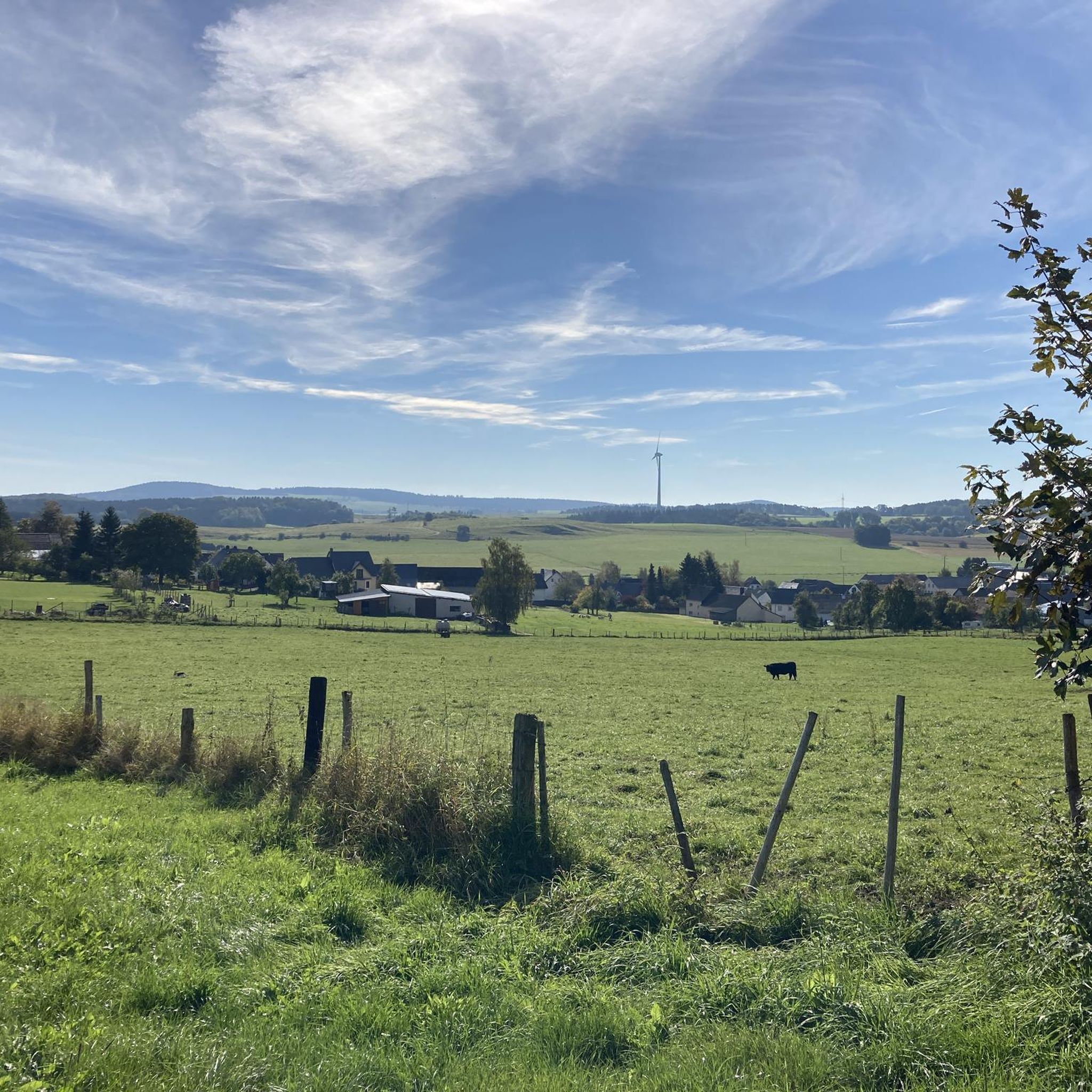
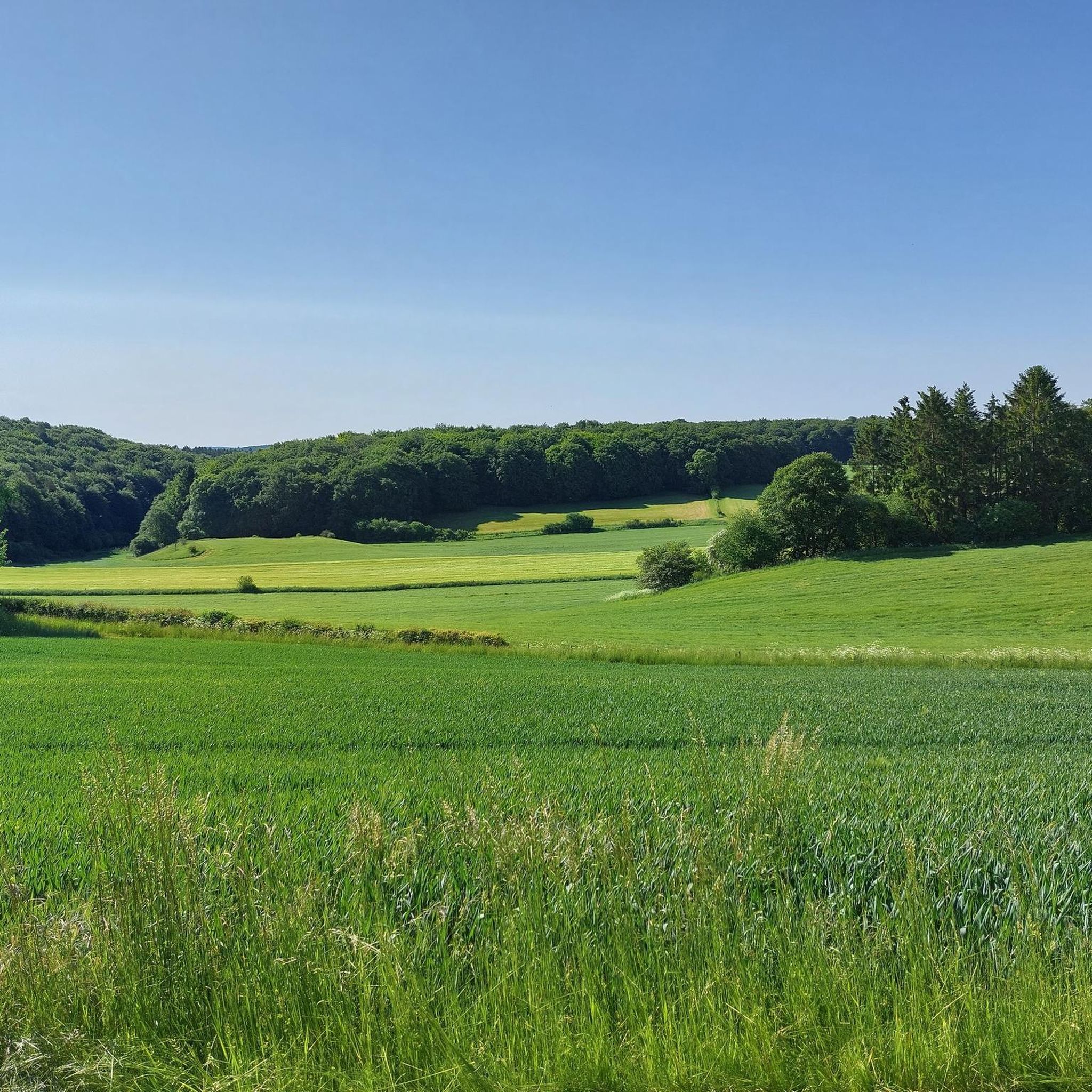
Touring cycling routes around Schwirzheim are situated within the Volcanic Eifel region of Germany, characterized by its geological origins and varied topography. The area features the distinctive Prümer Kalkmulde (Prüm Limestone Syncline) and offers diverse landscapes for cycling. Routes often traverse river valleys like the Kyll and Vlierbach, alongside rolling hills and agricultural areas. This terrain provides a mix of ascents and flatter sections suitable for touring cyclists.
Best touring cycling routes around Schwirzheim
- The most popular touring cycling route…
Last updated: June 26, 2026
3.9
(17)
81
riders
Hard bike ride. Very good fitness required. Mostly paved surfaces. Suitable for all skill levels.
4.0
(3)
26
riders
40.4km
02:47
640m
640m
Hard bike ride. Very good fitness required. Mostly paved surfaces. Suitable for all skill levels.

Sign up for free
4.7
(3)
22
riders
41.8km
02:59
570m
570m
Hard bike ride. Very good fitness required. Mostly paved surfaces. Suitable for all skill levels.
5.0
(1)
13
riders
26.2km
01:58
380m
380m
Moderate bike ride. Good fitness required. Mostly paved surfaces. Suitable for all skill levels.
5.0
(3)
10
riders
41.1km
03:39
710m
710m
Hard bike ride. Very good fitness required. You may need to push your bike for some segments of this route.
Get access to more routes and recommendations from other explorers.
Sign up for free
Already have an account?
Our route recommendations are based on thousands of hikes, rides, and runs completed by other people on komoot.
Start today with a free account
Your next adventure awaits.
Login or Signup

Tips from the Community

The first parts of the new Gerolstein-Prüm cycle path. Like many, on the old railway embankment...
1
0

Lissingen Castle near Gerolstein is a fascinating Komoot highlight for cyclists and culture enthusiasts in the Volcanic Eifel region. Perched high above the Kyll River, the upper and lower castles tell a vibrant history, ranging from Roman origins and a medieval moated castle to today's successful restoration and use. Originally founded as a Roman settlement around the 2nd century, the first castle was built between the 10th and 13th centuries. It was first documented in 1212, as the property of the knightly family of Liezingen. The castle was more than just a fortified structure: moats fed by the Kyll and Oosbach rivers made it a true moated castle. In 1559, the property was divided into the lower and upper castles – a situation that continues to this day. In the 17th century, the Lower Castle received its current Baroque-Renaissance manor house and characteristic tithe barn. During the Napoleonic era, the right of lordship was lost, but later both parts of the castle were reunited. In the 19th and early 20th centuries, the complex served as an agricultural and dairy center, including its own small power plant from 1906. Today, after extensive restoration, the Lower Castle is a living open-air museum with a castle courtyard, mill (including the court bakery), manor house, barns, mill race, and a historic power plant. Visitors can book guided tours, sample bread baked in a stone oven, or attend events such as weddings and exhibitions. A sculpture trail in the castle meadows completes the experience. The Upper Castle, a private residential and cultural complex, is also privately owned. Guided tours and vacation rentals are available upon request. Lissingen Castle is an ideal stopover for cyclists on the Kyll Valley Cycle Path or Eifel tours: located directly on the trail, with parking nearby and refreshment options. Visitors not only enjoy the picturesque architecture, but also experience the transformation from Roman origins to monastic fiefdom and commercial agricultural operation to today's living cultural heritage. Practical information: The lower castle can be visited regularly almost year-round (please check opening hours and guided tours in advance), the upper castle only by appointment. Food and drink are available at the castle mill/court bakery – perfect for a rest stop while cycling through the Eifel.
0
0

A smelly, dirty lake with mosquitoes. Occasionally, nudists are also there—the police are aware of the problem.
1
0

Great new bridge with a new section of cycle path
1
0

Small but idyllic reservoir with some seating to relax
3
0

Near Mürlenbach, the Kylltal cycle path leads over this narrow bridge. From here you have a beautiful view along the stream and over the wooded slopes.
1
0

From here you have a wonderful view of the town, the wide Büdesheim valley and the neighboring town of Oos.
1
0

Schönecken Castle is the ruin of a hilltop castle at 467 m above sea level above the municipality of the same name, Schönecken, in the Nimstal in the western Eifel (Eifel district of Bitburg-Prüm) in Rhineland-Palatinate. The castle stood on the lowest ridge in the middle of a valley. The complex is protected by higher mountains on all sides. The Schönecken castle ruins are also called "Bella Costa" or "Clara Costa". Source: https://de.wikipedia.org/wiki/Burg_Sch%C3%B6necken
1
0
Frequently Asked Questions
How many touring cycling routes are available around Schwirzheim?
There are over 490 touring cycling routes around Schwirzheim, offering a wide range of options for various skill levels and preferences. This includes 58 easy routes, 231 moderate routes, and 201 difficult routes.
What is the best time of year for touring cycling in Schwirzheim?
Spring and summer are considered the best times for touring cycling in Schwirzheim. During these seasons, you can enjoy mild weather and nature in full bloom, making for a pleasant cycling experience through the Eifel region.
What do other touring cyclists enjoy most about the routes around Schwirzheim?
The touring cycling routes around Schwirzheim are highly rated by the komoot community, with an average score of 4.5 stars from over 2,300 reviews. Cyclists often praise the diverse volcanic landscapes, picturesque river valleys like the Kyll, and the unique geological features of the Prümer Kalkmulde.
Are there any easy touring cycling routes suitable for beginners or families?
Yes, Schwirzheim offers 58 easy touring cycling routes. A notable family-friendly section is part of the Eifel-Ardennes Cycle Route, particularly the stretch from St. Vith to Prüm, which follows a former railway line and is generally flat and well-maintained.
What kind of terrain can I expect on touring cycling routes near Schwirzheim?
The terrain around Schwirzheim is characterized by its volcanic origins and diverse topography. You can expect a mix of ascents and flatter sections, traversing river valleys, rolling hills, and agricultural areas within the distinctive Prümer Kalkmulde. Some routes may require a good basic fitness level and occasionally involve loose terrain.
What interesting landmarks or natural features can I see along the cycling routes?
Many routes offer views of significant landmarks and natural features. You might encounter historical sites like Lissingen Castle, a well-preserved water castle directly on the Kyll Valley Cycle Path. Natural highlights include the unique geological formations of the Gerolsteiner Dolomiten, offering fantastic vistas like the 'Blick auf Gerolstein von der Munterley', and the tranquil Vlierbachtal.
Are there any challenging touring cycling routes for experienced riders?
Absolutely. Schwirzheim features 201 difficult touring cycling routes for those seeking a challenge. For example, the Basilica of St. Salvator, Prüm – Prüm Abbey and the Basilica loop from Wallersheim is a demanding 29.2-mile (47.1 km) route with significant elevation changes. Another challenging option is the Warscheid Reservoir – Wooden bridge over the Prüm loop from Weinsheim, which covers over 41 km with substantial climbing.
Are there any circular touring cycling routes around Schwirzheim?
Yes, many touring cycling routes around Schwirzheim are designed as loops. For instance, the Cyclists' Bridge over the Kyll – Kyll Footbridge loop from Duppach offers a 26.0-mile (41.8 km) circular path along the Kyll Valley. Another popular loop is the Prüm Abbey and Basilica – Basilica of St. Salvator, Prüm loop from Fleringen, which takes you through the cultural heart of Prüm.
Where can I find refreshment or a resting spot along the routes?
Cyclists and hikers can find refreshment at the Duppacher Drees Mineral Spring, which offers slightly carbonated mineral water and a dedicated resting area. Additionally, many towns and villages along the routes, such as Prüm and Gerolstein, will have cafes and pubs.
Are there any unique natural attractions to explore off the bike?
Yes, the region offers unique natural attractions. You can explore the Buchenloch Cave, accessible via stairs and recommended with a flashlight, or the Birresborn Ice Caves. The 'Schwarzer Mann' mountain, the highest peak in the Schneifel, also features a lookout tower with breathtaking panoramic views.
Is public transport available to access touring cycling routes in Schwirzheim?
While specific public transport connections directly to all trailheads might vary, the Eifel region generally has a network of buses and regional trains. The Kyll Valley Cycle Path, for example, runs alongside the Kyll railway line, making it possible to combine cycling with train travel for certain sections. It's advisable to check local transport schedules for specific routes and bike carriage options.
Are there any routes that offer particularly scenic viewpoints?
Many routes in the Volcanic Eifel offer stunning vistas. The 'Schwarzer Mann' mountain, with its lookout tower, provides panoramic views of the entire region. The Gerolsteiner Dolomiten also boast fantastic viewpoints, such as the 'Blick auf Gerolstein von der Munterley', offering scenic views over Gerolstein and the beautiful Kyll Valley.
Most popular routes around Schwirzheim
Most popular attractions around Schwirzheim

Get inspired with the komoot mobile app


Explore more
Browse the best Cycling routes in other regions.
