Attractions and Places To See around Ìsili/Isili - Top 20
Best attractions and places to see around Ìsili/Isili include a diverse range of historical, cultural, and natural sites. This charming town in Sardinia, Italy, is nestled in a landscape of fertile valleys and hills. The area features prehistoric and Roman remains, alongside beautiful natural scenery, offering varied exploration opportunities.
Best attractions and places to see around Ìsili/Isili
- The most popular attractions is Pinnettas Shepherd Huts, a hut that represents the last huts of shepherds from the 1960s. These structures…
Last updated: July 6, 2026
Pinnettas Shepherd Huts
Highlight • Mountain Hut
Translated by Google •
Tip by

Su Nuraxi Archaeological Site
Highlight • Historical Site
PS. In addition to the area with the same ticket (15 €) you can visit the Casa Zappata museum
Translated by Google •
Tip by

Sign up now to discover places like this
Get recommendations on the best single tracks, peaks, & plenty of other exciting outdoor places.
Sign up for free
Bruncu Madugui village and nuraghe
Highlight • Historical Site
The main building is of considerable architectural importance, …
Translated by Google •
Tip by

Grotta Is Janas
Highlight • Cave
Opening times: Only with a guided tour, approx. 45 minutes - at the following times: 10:00 a.m., 11:00 a.m., 3:00 p.m., 4:00 p.m. and 5:00 p.m
escursionisadali.it
Translated by Google •
Tip by

Cascata Maggiore, Aymerich Park
Highlight • Waterfall
Translated by Google •
Tip by
Sign up for free to discover even more attractions around Ìsili/Isili.
Sign up for free
Already have an account?
Start today with a free account
Your next adventure awaits.
Login or Signup

Tips from the Community

The German-language television series “Treasures of the World – Heritage of Humanity” – which I can recommend without reservation – devotes a quarter-hour report to the UNESCO World Heritage Site of the “NURAGHI” in Sardinia and the traditional shepherds’ song known there as “Canto a Tenore”. The accompanying text to the programme states: “Over seven thousand round towers made of stone blocks weighing several tons are scattered all over Sardinia. Often only the stumps of these megalithic buildings, called nuraghi, remain. The first were built around 1400 BC. Small stones were placed between the mighty blocks, a construction method that made the stone towers safe from collapse." This article (episode 413 of the series) can be accessed in the ARD media library at the following link => https://www.ardmediathek.de/video/schaetze-der-welt/sardinien/3sat/Y3JpZDovL3N3ci5kZS8xNTg4MzM5MA
1
0
There is a documentary about the model for this modern, but reminiscent of ancient models, documentation - which in my opinion is fully recommended: The German-language television series "Treasures of the World - Heritage of Humanity" is dedicated to the UNESCO world cultural heritage of the "NURAGHI" in Sardinia and a fifteen-minute contribution to the traditional shepherd's song known there as “Canto a Tenore”. The text accompanying the program says “Over seven thousand round towers made of stone pieces weighing tons are scattered all over Sardinia. Often only the stumps of these megalithic buildings, called nuraghi, remain. The first were around 1400 BC. Built. Small stones were placed between the mighty blocks, a construction method that made the stone towers collapse-proof.” This article (episode 413 of the series) is available in the ARD media library under the following link: https://www.ardmediathek.de/video/schaetze-der-welt/sardinien/3sat/Y3JpZDovL3N3ci5kZS8xNTg4MzM5MA
3
0

Sardinia's largest urban park lies on the border between the provinces of Oristano and Nuoro, a botanical paradise of rare plants and a wonderful destination for nature lovers. In the historic area of Sarcidano there is a place where you can take beautiful walks along nature trails surrounded by countless plant species and medieval ruins: the Ayermich Park, a 22-hectare oasis that until 1990 was the property of the margraves, the feudal ones owners of this oasis of land. The creator of this nature reserve was Don Ignazio Ayermich Ripoli, a botanist who brought back rare plants from his numerous trips abroad from the mid-19th century. It is an unusual excursion since it is located in the heart of the town of Laconi, about 60 km from Oristano and 90 km from Cagliari. The walk takes you through alleys decorated with a fresh and lively atmosphere. It begins in a forest of oaks, olive groves and black locust trees, dotted with natural ponds, streams, waterfalls and ponds. As you venture deeper into the park you will see a wide variety of orchids, including native ones such as Ophris laconensis and Sarcidanis. Among the tree avenues are unusual forms of vegetation such as Pyracantha coccinea and Collectia cruciata, whose leaves resemble military aircraft, as well as exotic plants such as the majestic Lebanon and Himalayan cedar, trees of exceptional size. Then there are plants from not far away but not common plants such as the Corsican pine, the Fagus sylvatica, the southern magnolia and the Taxus baccata, known as the “tree of death”. Water is a recurring theme and a source of life for the park. It flows in abundance all year round, forming rivers that then fall, such as the Cascata Maggiore or "great waterfalls", one of the park's many attractions. Source: https://www.sardegnaturismo.it/en/explore/parco-aymerich
1
0

You can find detailed information about this archaeological highlight at: https://virtualarchaeology.sardegnacultura.it/index.php/de/archaeologe-fundplatz/periodo-nuragico/villaggio-nuragico-di-su-nuraxi Quite impressive. You should invest the 15 EUR.
0
0
You can find detailed information about this archaeological highlight at: https://virtualarchaeology.sardegnacultura.it/index.php/de/archaeologer-fundplatz/periodo-nuragico/villaggio-nuragico-di-su-nuraxi Brochure with 3D reconstruction: https://virtualarchaeology.sardegnacultura.it/images/guide/Campidano/Medio-Campidano_Tedesco.pdf Quite impressive. You should invest the 15 EUR.
1
0
6 euros entrance fee, which is really worth it. Opening times: Only with a guided tour, approx. 45 minutes - at the following times: 10:00 a.m., 11:00 a.m., 3:00 p.m., 4:00 p.m. and 5:00 p.m https://www.escursionisadali.it/ There are 5 rooms to visit. In contrast to the well-known grottos, the lighting is more temporary and the paths are more adventurous. The following legend surrounds the grotto: The cave is called “Is Janas”, which is a Sardinian name for “fairies”. According to a legend, three fairies lived in this cave. The fairies loved food and enjoyed cooking. This is also how you cook during Lent. A priest surprised the fairies while they were eating and was hanged by them (broken stalagtite in the first room). As punishment, God turned the fairies into three stalgmites (room 2). In the fourth room the skeleton of a "Prolagus Sardus" was discovered as well as ceramic shards from the Neolithic period (3000 BC) which can be viewed in the Museum of Caglari. Geological and historical information: The cave dates back 5 million years and was discovered in the 19th century. The cave is approx. 240 meters long and has a constant temperature of 12° and a humidity of 99 - 100%. The colors of the cave are: red (iron oxide and clay), gray (manganese) and black (guano - bat excrement).
5
1

It is the largest urban park in Sardinia, in which you can find countless exotic plants imported by Don Ignazio Aymerich Ripoll, curator of the nature reserve. There are waterfalls, lakes, natural paths and beautiful forests of holm oaks, downy oaks and many others. There are refreshment areas with benches and tables where you can eat. It cannot be visited by bike, but you can easily enter with it and leave it in the guardhouse area to visit the park on foot!
1
0

Very nicely landscaped park. Refreshing coolness when it's hot.
2
0
Frequently Asked Questions
What historical and archaeological sites can I explore around Ìsili/Isili?
The region is rich in history. You can visit the significant Su Nuraxi Archaeological Site, a UNESCO World Heritage site known as the largest Nuragic archaeological area in Sardinia. Another important site is the Bruncu Madugui village and nuraghe, which showcases a unique 'corridor' nuraghe type. Additionally, explore the ancient Pinnettas Shepherd Huts, which reflect traditional construction styles, or the impressive Nuraghe Is Paras, known for its tall central tower. Traces of Roman settlements, including Bidda beccia and Biora, and various Domus de Janas (prehistoric rock-cut tombs) are also scattered throughout the countryside.
Are there any natural attractions or features to visit near Ìsili/Isili?
Yes, Ìsili/Isili offers diverse natural beauty. You can discover the Cascata Maggiore within Aymerich Park, the largest urban park in Sardinia, featuring exotic plants, waterfalls, and natural paths. Explore the mysterious Grotta Is Janas, known as the 'Cave of the Fairies,' with its unique rock formations and ancient legends. Lake San Sebastiano (Is Barroccus) is ideal for fishing, canoeing, and hiking, while the nearby Is Barroccus Cliffs attract free climbers. Don't miss the evocative Funtana Is Arinus Waterfalls or the scenic hiking trails of Monte Arci.
What cultural sites and museums are available in Ìsili/Isili?
Ìsili/Isili has several cultural landmarks. The 14th-century Chiesa di Santa Maria Assunta and the historic Chiesa di San Pietro are notable for their architecture. The Palazzo Comunale showcases Renaissance influences. For a deeper dive into local heritage, visit the Museo dell'Arte del Rame e del Tessuto (Copper and Textile Art Museum), housed in a 17th-century convent, which celebrates the town's traditional craftsmanship.
What outdoor activities can I do around Ìsili/Isili?
The area around Ìsili/Isili is perfect for outdoor enthusiasts. You can find numerous routes for mountain biking, hiking, and road cycling. For mountain biking, explore trails like the 'Funtana Is Arinus and Nuraghe Adoni Loop' or the 'Mountainbike loop from Isili'. Hikers can enjoy paths such as the 'Steep Trail in Gola di Gorropu loop' or the 'Grotta de Perdu loop'. Road cyclists have options like the 'Ring tour around the municipalities of the Giara di Gesturi Park'. You can find more details and routes in the dedicated guides for MTB Trails around Ìsili/Isili, Hiking around Ìsili/Isili, and Road Cycling Routes around Ìsili/Isili.
Are there family-friendly attractions in the Ìsili/Isili area?
Yes, several attractions are suitable for families. Aymerich Park, with its waterfalls, lakes, and natural paths, is a great place for a family outing. The Pinnettas Shepherd Huts offer a unique glimpse into traditional life, and visitors have noted the presence of small wild horses and a nice picnic area there. Exploring Lake San Sebastiano also provides opportunities for family activities like canoeing and gentle walks.
What is the best time to visit Ìsili/Isili for outdoor activities?
While specific seasonal data isn't provided, the Mediterranean climate of Sardinia generally makes spring (April-May) and autumn (September-October) ideal for outdoor activities around Ìsili/Isili. During these periods, temperatures are milder, making hiking, cycling, and exploring archaeological sites more comfortable than in the peak summer heat.
What do visitors enjoy most about the attractions around Ìsili/Isili?
Visitors appreciate the diverse range of experiences, from exploring ancient Nuragic structures and Roman ruins to enjoying the beautiful natural landscapes. The blend of history, culture, and nature offers varied exploration opportunities. Highlights like the Su Nuraxi Archaeological Site are often described as 'quite impressive' and 'worth the visit,' while Aymerich Park is praised for its beauty and refreshing coolness. The unique experience of the Grotta Is Janas, with its legends and adventurous paths, is also highly recommended.
Are there any challenging hiking trails near Ìsili/Isili?
Yes, while many trails are moderate, some offer a more challenging experience. For instance, the 'Steep Trail in Gola di Gorropu loop' is a moderate hike, and for mountain biking, the 'Guradia sa Stiddiosa – Barbed wire - caution loop from Villanova Tulo' is rated as difficult. Road cyclists can also find challenging routes like 'La Giara and Laconi Loop'. You can find more details on these and other routes in the Hiking around Ìsili/Isili and MTB Trails around Ìsili/Isili guides.
Can I find any unique or 'hidden gem' attractions in the area?
Beyond the well-known sites, Ìsili/Isili offers some unique experiences. The Pinnettas Shepherd Huts are not Nuragic settlements but represent the last huts of shepherds from the 1960s, offering a glimpse into traditional life. The Grotta Is Janas, with its legend of fairies and archaeological finds, provides an adventurous and less conventional cave experience compared to more commercialized grottos. The Is Barroccus Cliffs, popular with free climbers, also offer a unique natural spectacle.
What is the significance of the Nuragic sites around Ìsili/Isili?
The Nuragic sites are central to Sardinia's ancient history. The Su Nuraxi Archaeological Site is a UNESCO World Heritage site and the largest Nuragic area on the island. Other sites like Nuraghe Is Paras and the Bruncu Madugui village and nuraghe showcase the impressive megalithic architecture of the Nuragic civilization, which flourished in Sardinia from around 1900 to 730 BC. These structures provide invaluable insights into the island's prehistoric past.
Are there any lakes or water-based activities available?
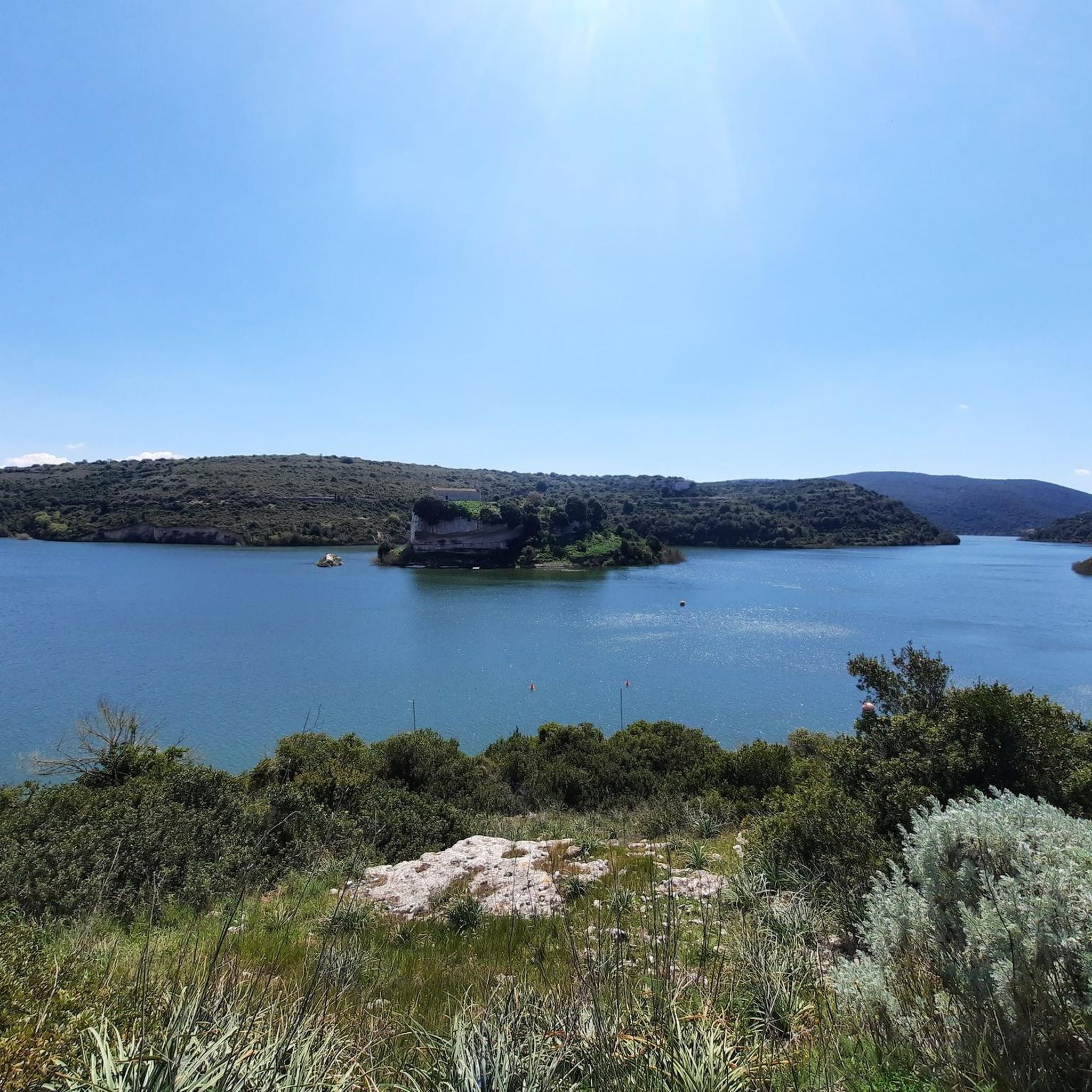
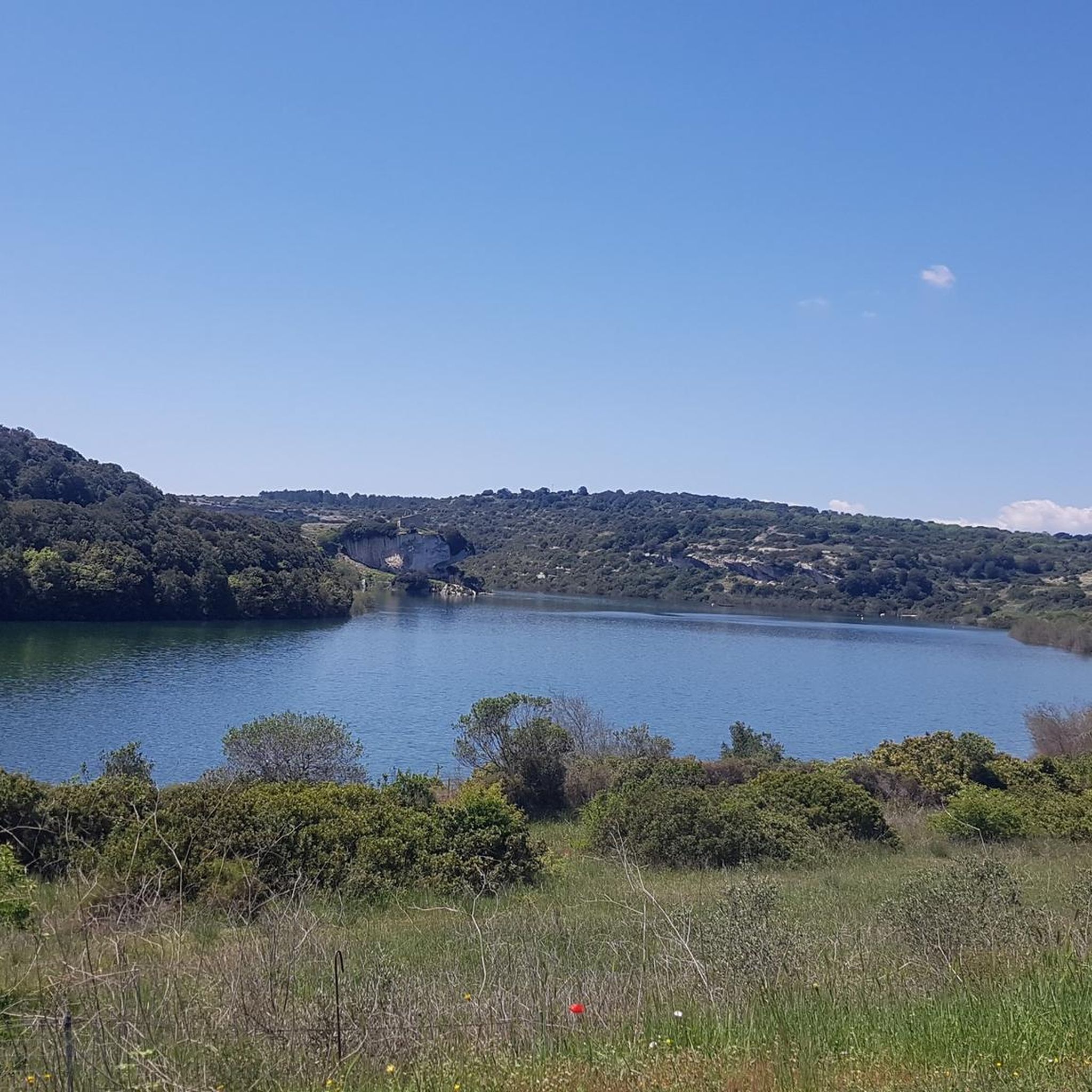
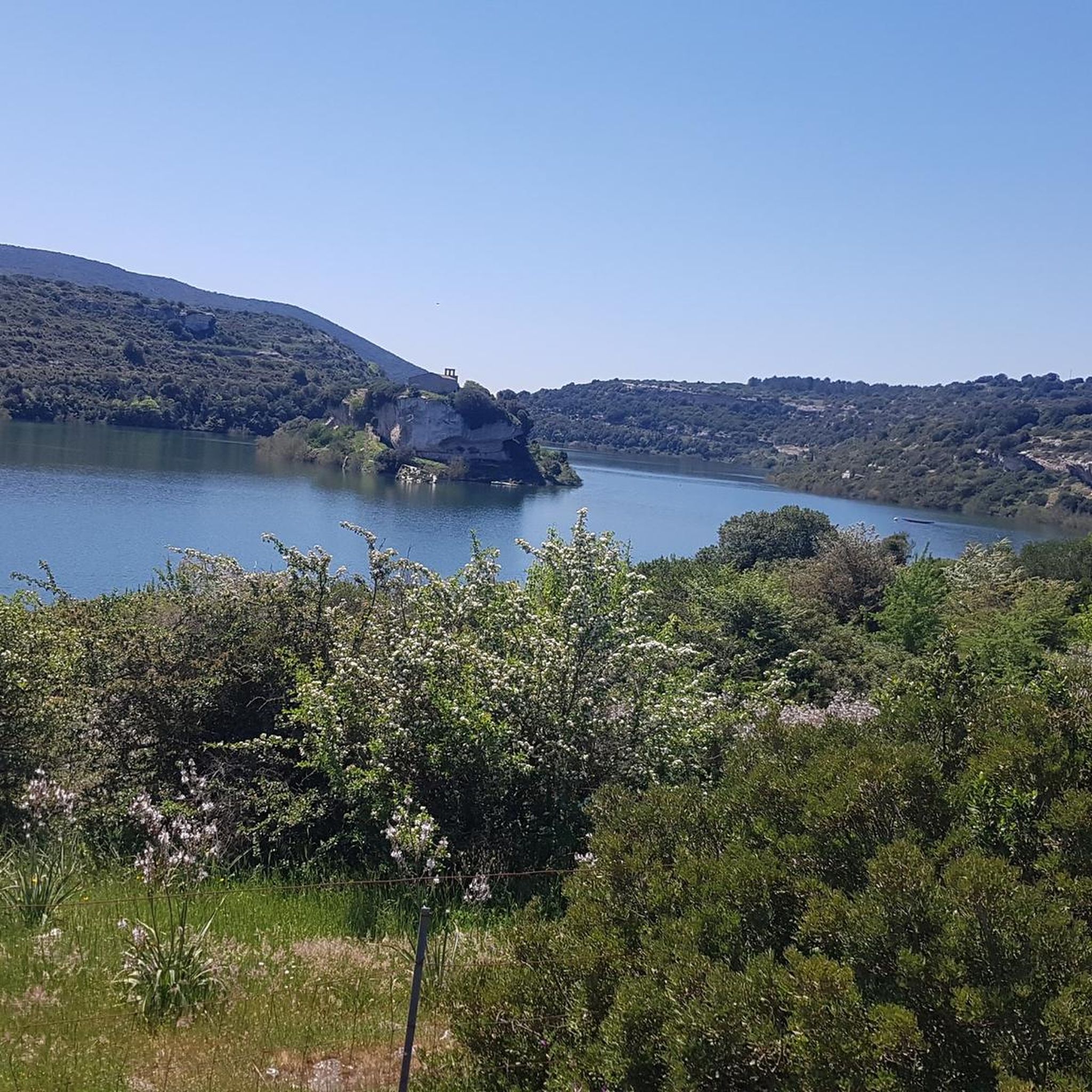
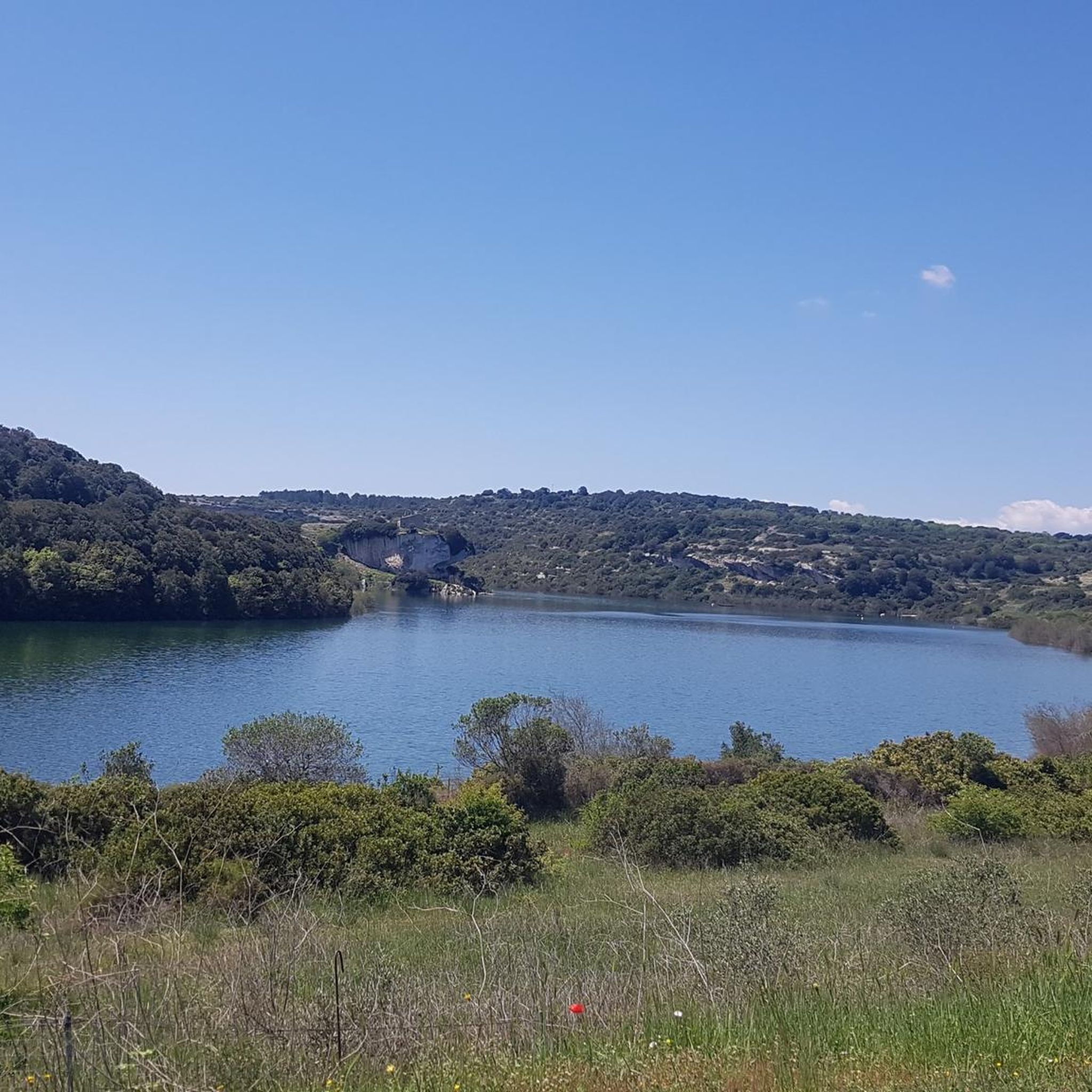
Yes, Lake San Sebastiano (Is Barroccus), formed by the Is Barroccus dam on the Mannu river, is a prominent natural feature. It serves as a park where visitors can enjoy activities such as fishing, canoeing, hiking along its shores, and mountain biking in the surrounding area. An island in the middle of the lake also hosts a chapel dedicated to San Sebastiano.
What kind of wildlife can I expect to see near Ìsili/Isili?
While specific wildlife spotting data is limited, the natural areas around Ìsili/Isili, such as Aymerich Park, Monte Arci, and the areas around Lake San Sebastiano, are home to diverse flora and fauna. Visitors to the Pinnettas Shepherd Huts have reported seeing small wild horses. The Grotta Is Janas also had a skeleton of a 'Prolagus Sardus' discovered, indicating past wildlife. The varied landscapes, from forests to lake environments, support a range of birds, insects, and small mammals typical of the Sardinian ecosystem.
Most popular attractions around Ìsili/Isili

Get inspired with the komoot mobile app


Explore more
Still not found the Highlight you’re looking for? See guides of the top attractions in other regions:
