Attractions and Places To See around Biddanoa 'E Tulu/Villanova Tulo - Top 20
Best attractions and places to see around Biddanoa 'E Tulu/Villanova Tulo reveal a village situated in Sardinia's Sarcidano region, offering a blend of historical, natural, and cultural sites. Perched at the base of San Sebastiano hill, it provides views of the Flumendosa river valley and Lake Flumendosa. The area features ancient archaeological sites, traditional architecture, and dense forests like Pantaleo. Visitors can explore a variety of landscapes and historical landmarks.
Best attractions and places to see around Biddanoa 'E Tulu/Villanova…
Last updated: July 6, 2026
Grotta Is Janas
Highlight • Cave
Opening times: Only with a guided tour, approx. 45 minutes - at the following times: 10:00 a.m., 11:00 a.m., 3:00 p.m., 4:00 p.m. and 5:00 p.m
escursionisadali.it
Translated by Google •
Tip by

Ruins of Aymerich Castle
Highlight • Castle
Translated by Google •
Tip by

Sign up now to discover places like this
Get recommendations on the best single tracks, peaks, & plenty of other exciting outdoor places.
Sign up for free
Su Stampu 'e Su Turrunu Waterfall
Highlight • Waterfall
Translated by Google •
Tip by

Piscina 'e Licona Waterfall
Highlight • Waterfall
Translated by Google •
Tip by
Picnic Area with Shelter in Parco Nazionale del Golfo di Orosei e del Gennargentu
Highlight • Rest Area
Translated by Google •
Tip by
Sign up for free to discover even more attractions around Biddanoa 'E Tulu/Villanova Tulo.
Sign up for free
Already have an account?
Start today with a free account
Your next adventure awaits.
Login or Signup
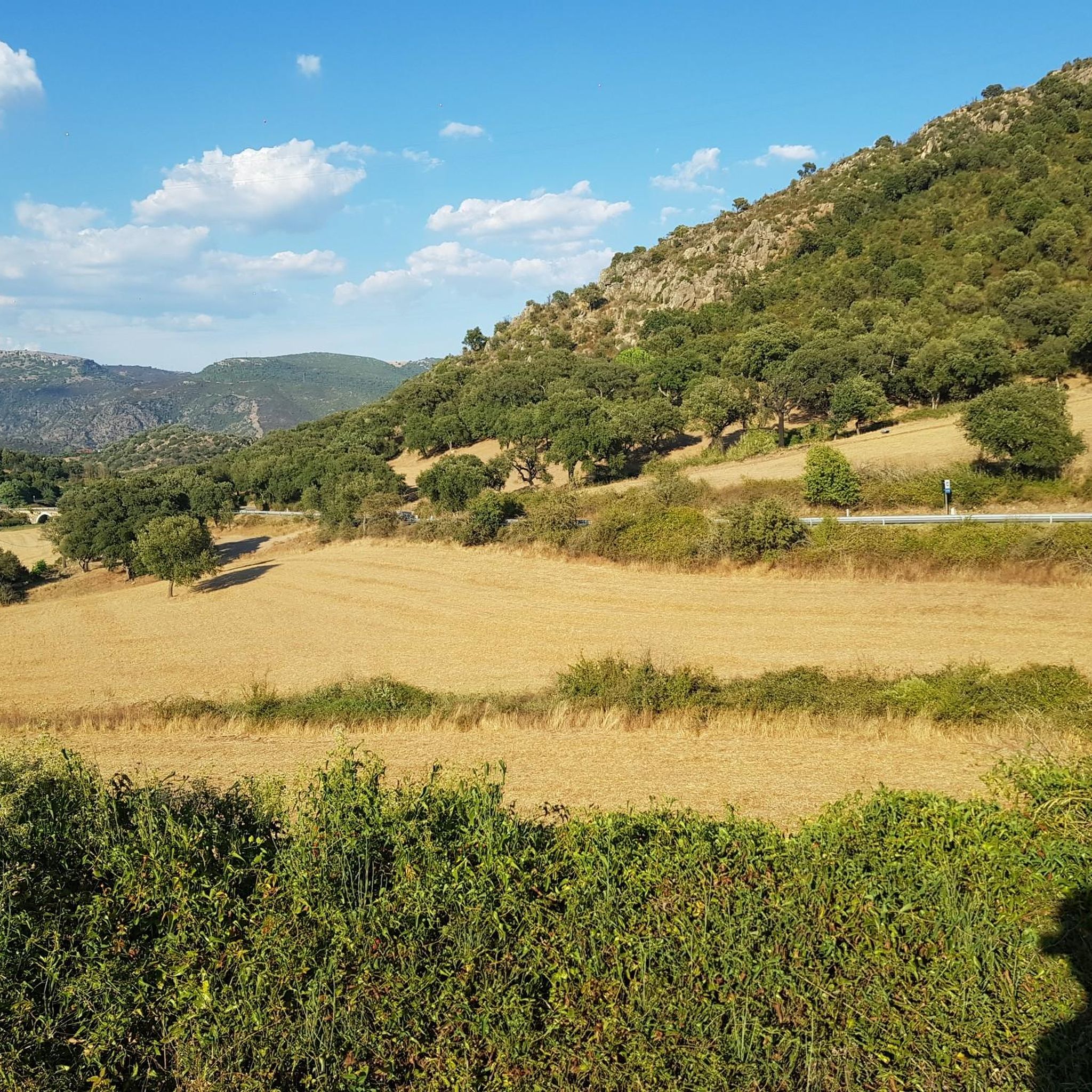
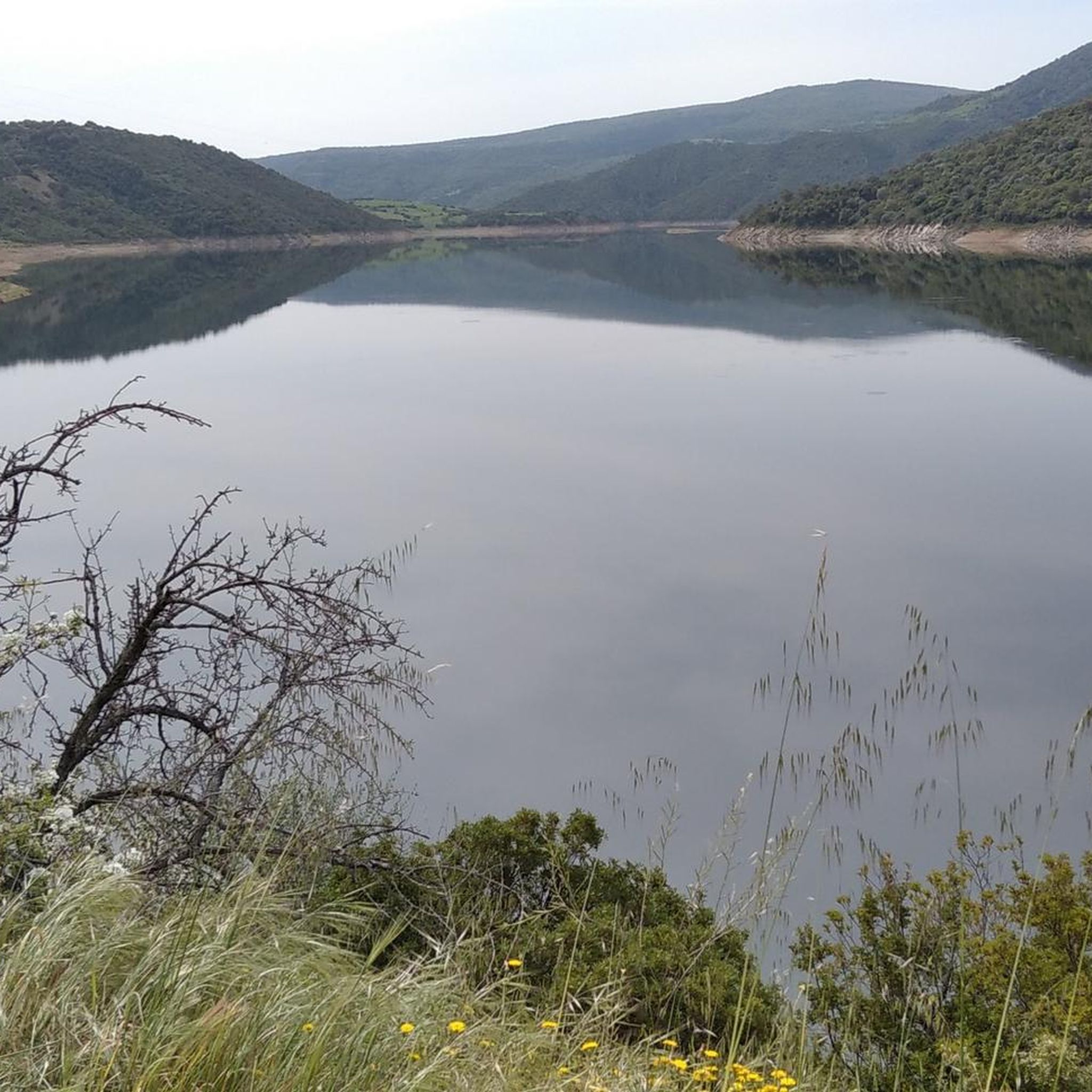
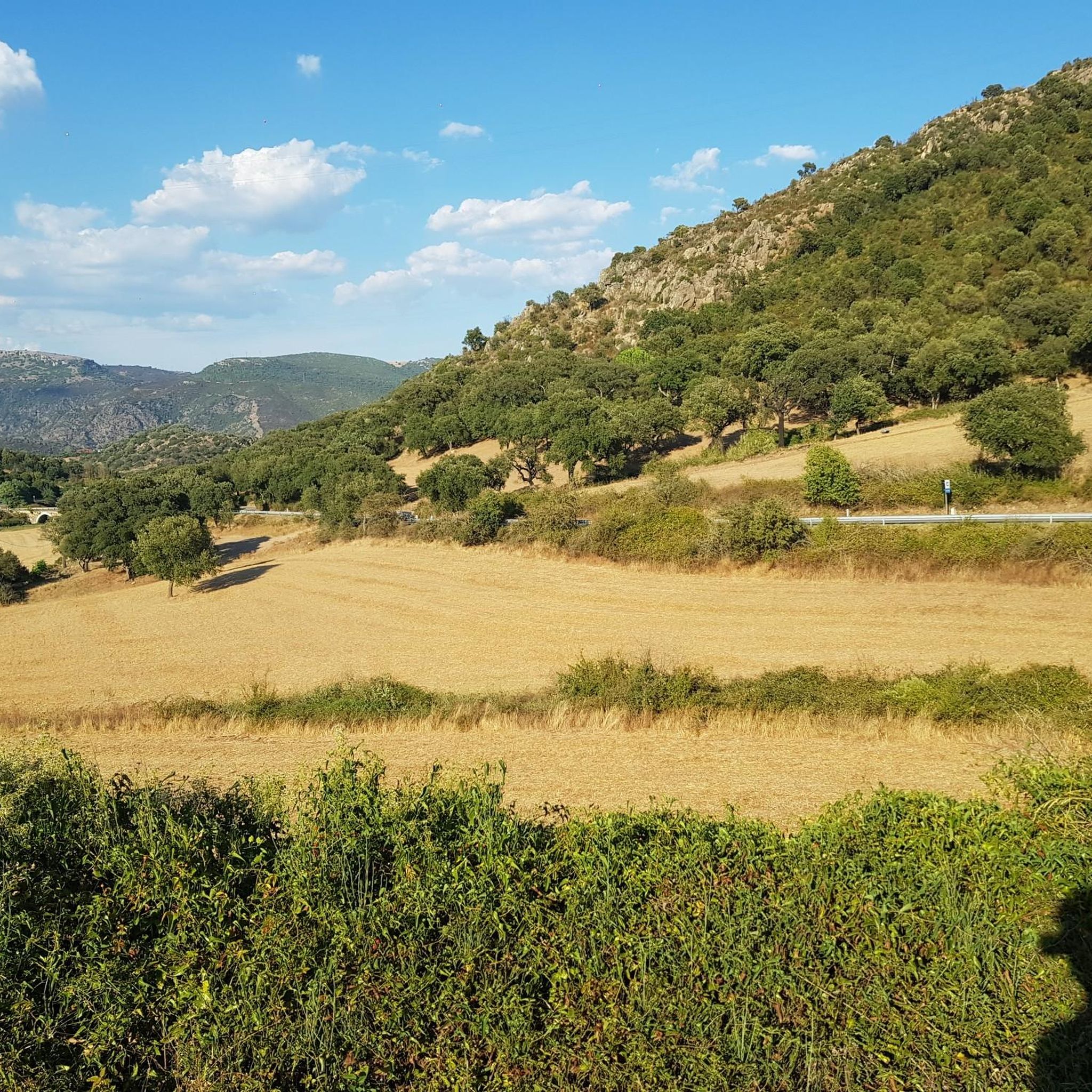
Tips from the Community

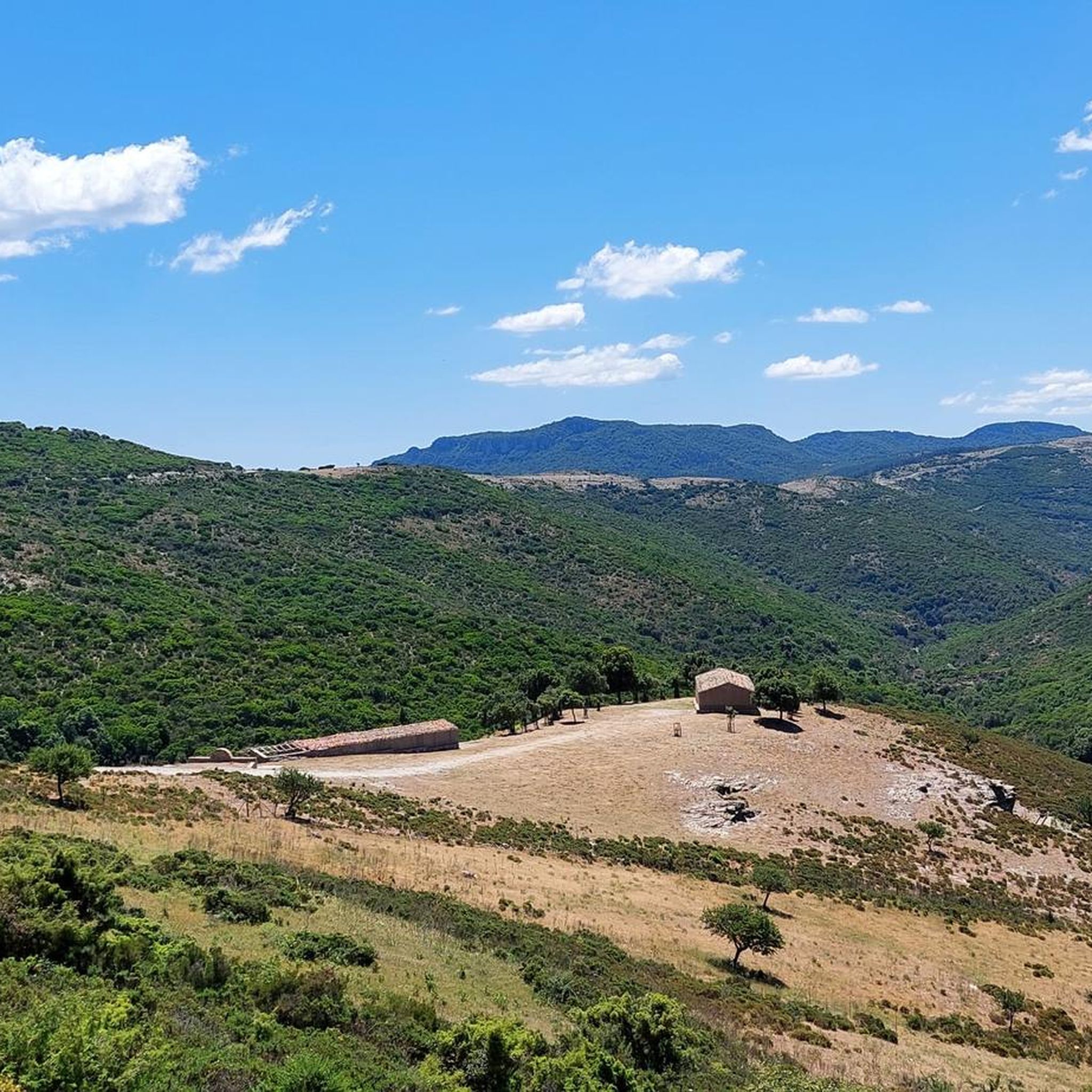
Very nice rest area in the middle of the forest. There is also a hut if you are unlucky with the weather 😬. When we were there it was open, I can't say if it is always like that.
0
0

On the hike through the beautiful area you have the opportunity to take a break.
0
0
In the middle of the Parco Aymerich you can see the ruins of a medieval castle, built in the 13th century to keep an eye on the border between the Guidicato of Arborea and that of Cagliari. This has also been claimed by each of these governments. The main tower is of Spanish origin and was converted into a prison in the 18th century. It is a two-story rectangular building with an arched entrance and a barrel-vaulted ceiling leading to a spacious courtyard. The building's doors and windows are decorated with elegant Catalan Gothic frames. A portico leads to a 35 m long room divided into different rooms. The noble residents lived on the upper floor and the servants lived on the lower floor. Source: https://www.sardegnaturismo.it/en/explore/parco-aymerich
1
0

6 euros entrance fee, which is really worth it. Opening times: Only with a guided tour, approx. 45 minutes - at the following times: 10:00 a.m., 11:00 a.m., 3:00 p.m., 4:00 p.m. and 5:00 p.m https://www.escursionisadali.it/ There are 5 rooms to visit. In contrast to the well-known grottos, the lighting is more temporary and the paths are more adventurous. The following legend surrounds the grotto: The cave is called “Is Janas”, which is a Sardinian name for “fairies”. According to a legend, three fairies lived in this cave. The fairies loved food and enjoyed cooking. This is also how you cook during Lent. A priest surprised the fairies while they were eating and was hanged by them (broken stalagtite in the first room). As punishment, God turned the fairies into three stalgmites (room 2). In the fourth room the skeleton of a "Prolagus Sardus" was discovered as well as ceramic shards from the Neolithic period (3000 BC) which can be viewed in the Museum of Caglari. Geological and historical information: The cave dates back 5 million years and was discovered in the 19th century. The cave is approx. 240 meters long and has a constant temperature of 12° and a humidity of 99 - 100%. The colors of the cave are: red (iron oxide and clay), gray (manganese) and black (guano - bat excrement).
5
1
By the way, the waterfall is called "Piscina 'e Licona" - it is a very mystical, idyllic place. You can jump into the pool for a little refreshment ;-)
1
0
In autumn there is only a thin waterfall so that you can take a shower ;-) I wouldn't stand under the pictures in spring. Exciting to see the waterfall falling through a hole
0
1

A bit difficult to get to, but very idyllic! Best from the northern side of the valley. Good shoes are strongly recommended!
0
0

Fascinating remains of the castle, with a little imagination you can guess how beautiful it could have been
4
0
Frequently Asked Questions
What are the must-see natural attractions around Villanova Tulo?
The area boasts several natural wonders. Don't miss Su Stampu 'e Su Turrunu Waterfall, a unique waterfall flowing through a karst rock hole into a natural pool within an old holm oak forest. Another mystical spot is Piscina 'e Licona Waterfall. You can also enjoy panoramic views of the Flumendosa river valley and Lake Flumendosa from the village, or explore the dense Pantaleo Forest with its centuries-old trees and natural ponds.
Are there any significant historical or archaeological sites to visit?
Yes, Villanova Tulo is rich in history. The most important prehistoric legacy is Nuraghe Adoni, a Late Bronze Age archaeological site featuring a central tower, a quadrilobate bastion, and remains of a village. You can also explore the ancient Grotta Is Janas, which holds archaeological significance with burials from the Early Bronze Age. Additionally, the Ruins of Aymerich Castle, a 13th-century medieval structure, offers a glimpse into the region's past.
What is special about Grotta Is Janas?
Grotta Is Janas is a cave with archaeological significance, featuring five rooms to visit with lighting and adventurous paths. It's known for a local legend about fairies and has revealed ceramic shards from the Neolithic period. The cave has a constant temperature of 12°C and high humidity, with colors derived from iron oxide, manganese, and bat guano.
Can I go hiking or walking near Villanova Tulo?
Absolutely. The region offers various hiking opportunities. You can find challenging routes like the loop from Le Tre Fate that includes Piscina 'e Licona Waterfall and the Sa Pranedda Gorge, or a longer route connecting Grotta Is Janas to Grotta Is Muscas. For more options, explore the hiking guide for Biddanoa 'E Tulu/Villanova Tulo.
Are there any cycling routes in the area?
Yes, the landscape around Villanova Tulo is suitable for cycling. You can find challenging routes such as the 'View of Seulo – Sadali Waterfall loop from Orroli' or the 'Sadali Waterfall – Fontana Bellissima loop from Sadali-Seulo'. For mountain biking enthusiasts, there are trails like the 'Guradia sa Stiddiosa – Barbed wire - caution loop from Villanova Tulo'. Discover more routes in the cycling guide and MTB trails guide.
What cultural sites are there in Villanova Tulo village itself?
Within the village, you can visit the Parish Church of San Giuliano, reconstructed in 1663 in Aragonese Gothic style. Just outside, atop San Sebastiano hill, is the rural Church of San Sebastiano, offering scenic views. The village also honors local writer Benvenuto Lobina with murals painted by Pinuccio Sciola and a bronze statue by Piergiorgio Gometz, reflecting the traditional rural architecture.
Is there a good place for a picnic or rest during outdoor activities?
Yes, there is a Picnic Area with Shelter in Parco Nazionale del Golfo di Orosei e del Gennargentu. It's a very nice rest area located in the middle of a forest, offering a chance to take a break during your hike. It even has a hut, which can be useful if the weather changes.
What is the historic railway line near Villanova Tulo?
The historic railway line (Cagliari-Mandas-Arbatax), built in the late 19th century, is now used for tourism. It crosses the Flumendosa river where it flows into the lake, offering a magnificent route through wild forests and unique natural panoramas. It's a great way to experience an unspoiled part of Sardinia.
Are there any family-friendly activities or places to visit?
While specific family-focused activities aren't detailed, natural sites like the Pantaleo Forest with its ponds, or the less strenuous parts of the Flumendosa river valley, could be enjoyable for families. The Picnic Area with Shelter also provides a comfortable spot for families to rest and enjoy nature.
What do visitors enjoy most about the attractions around Villanova Tulo?
Visitors particularly appreciate the unique natural beauty, such as the magical Su Stampu 'e Su Turrunu Waterfall. The adventurous experience of exploring Grotta Is Janas and the fascinating historical remains of Ruins of Aymerich Castle are also highly rated. The blend of natural monuments and historical sites offers a diverse range of exploration.
Where can I find more information about Nuraghe Adoni?
You can find detailed information about the Nuraghe Adoni, including its archaeological significance and excavation findings, on the Sardegna Verso UNESCO website.
Most popular routes around Biddanoa 'E Tulu/Villanova Tulo
Most popular attractions around Biddanoa 'E Tulu/Villanova Tulo

Get inspired with the komoot mobile app


Explore more
Still not found the Highlight you’re looking for? See guides of the top attractions in other regions:
