Attractions and Places To See around Arrolli/Orroli - Top 20
Best attractions and places to see around Arrolli/Orroli include a rich tapestry of prehistoric legacies, natural landscapes, and cultural sites in central-southern Sardinia. The region is characterized by significant archaeological monuments like Nuragic well-temples and ancient Roman remains. Visitors can explore diverse natural features, including large artificial lakes, deep gorges, and unique geological formations. The area offers a blend of historical exploration and outdoor adventure.
Best attractions and places to see around Arrolli/Orroli
- The most popular attractions is Sa Brecca de Is Tapparas, a canyon that penetrates as a deep crevice into the crumbly ground. This 500 m long, 30 m deep, and no more than 2 m wide path leads through a cool channel.
- Another must-see spot is Lake Mulargia, a lake created in the 1950s, drawing water mainly from the Fiumendosa river. It is possible to make excursions by boat with scheduled departures from nearby towns.
- Visitors also love Lower Lake of the Flumendosa, a lake generated by the damming of the Fiumendosa river. This lake was created in the 1950s for the production of electricity and irrigation.
- Arrolli/Orroli is known for its canyons, historical sites, and lakes. The region offers a variety of attractions to see and explore, from ancient ruins to natural water bodies.
- The attractions around Arrolli/Orroli are appreciated by the komoot community, with 2 highlights and 26 photos shared by visitors.
Last updated: October 4, 2026
Sa Brecca de Is Tapparas
Highlight (Segment) • Canyon
Why this highlight is so deserted cannot be explained, because such narrow gorges are usually very sparse and therefore all the more interesting.
Translated by Google •
Tip by

Lake Mulargia
Highlight • Lake
Translated by Google •
Tip by

Sign up now to discover places like this
Get recommendations on the best single tracks, peaks, & plenty of other exciting outdoor places.
Sacred Well of Funtana Coberta
Highlight • Historical Site
The entire building, ten and a half meters long, was constructed from irregular, roughly hewn limestone blocks of uniform thickness, carved on the exposed side. The floor plan is unusual: two wings of different lengths create an atrium whose original flooring is still visible. As is common with sacred wells, the monument is divided into three parts: on the surface, the small outdoor atrium (or vestibule), rectangular and almost two meters wide; an access staircase with twelve narrow steps, well crafted and covered with a stepped ceiling composed of twelve sloping architraves that fit into the walls and echo the shape of the underlying steps leading down to the floor of the tholos chamber; more precisely, the tholos chamber was built in the shape of a small nuragic: it is a semi-subterranean chamber with an almost circular plan, three and a half meters wide at the bottom and covered by a false dome five and a half meters high. Noteworthy is the construction of the dome, surrounded by a drum wall, to which a projecting body is attached that delimits the access staircase and the two wings of the atrium in antis. Also noteworthy is the slight curvature of the walls, almost as if to 'invite' the faithful into the interior of the temple. The floor is made of limestone slabs carefully arranged in a radial pattern. Here is the well shaft, dug into the rock, five meters deep, and covered with 36 rows of stones, with an average opening of one meter wide, from which the water spring flows.
Source and further information: sardegnaturismo.it/it/esplora/funtana-coberta
Translated by Google •
Tip by

Mining-Themed Mural in Silius
Highlight • Monument
Translated by Google •
Tip by

Roman Baths and Romanesque Church of San Basilio
Highlight • Historical Site
The Romanesque church of San Basilio, dating back to around the 12th century, is also located in front.
Translated by Google •
Tip by
Sign up for free to discover even more attractions around Arrolli/Orroli.
Already have an account?
Start today with a free account
Your next adventure awaits.
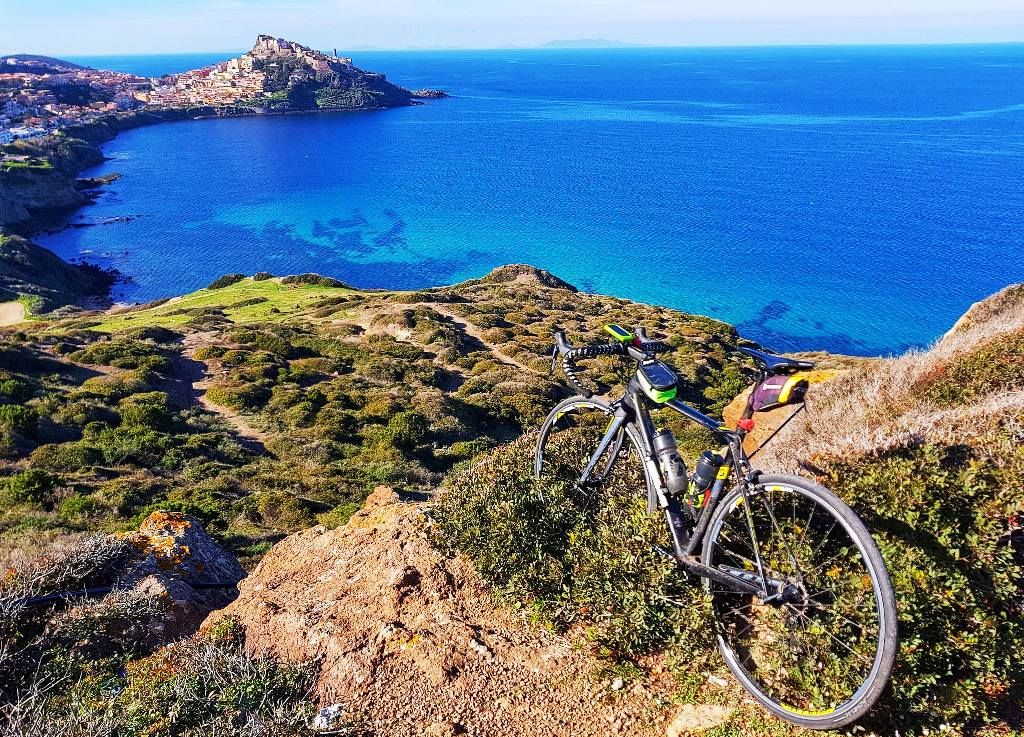
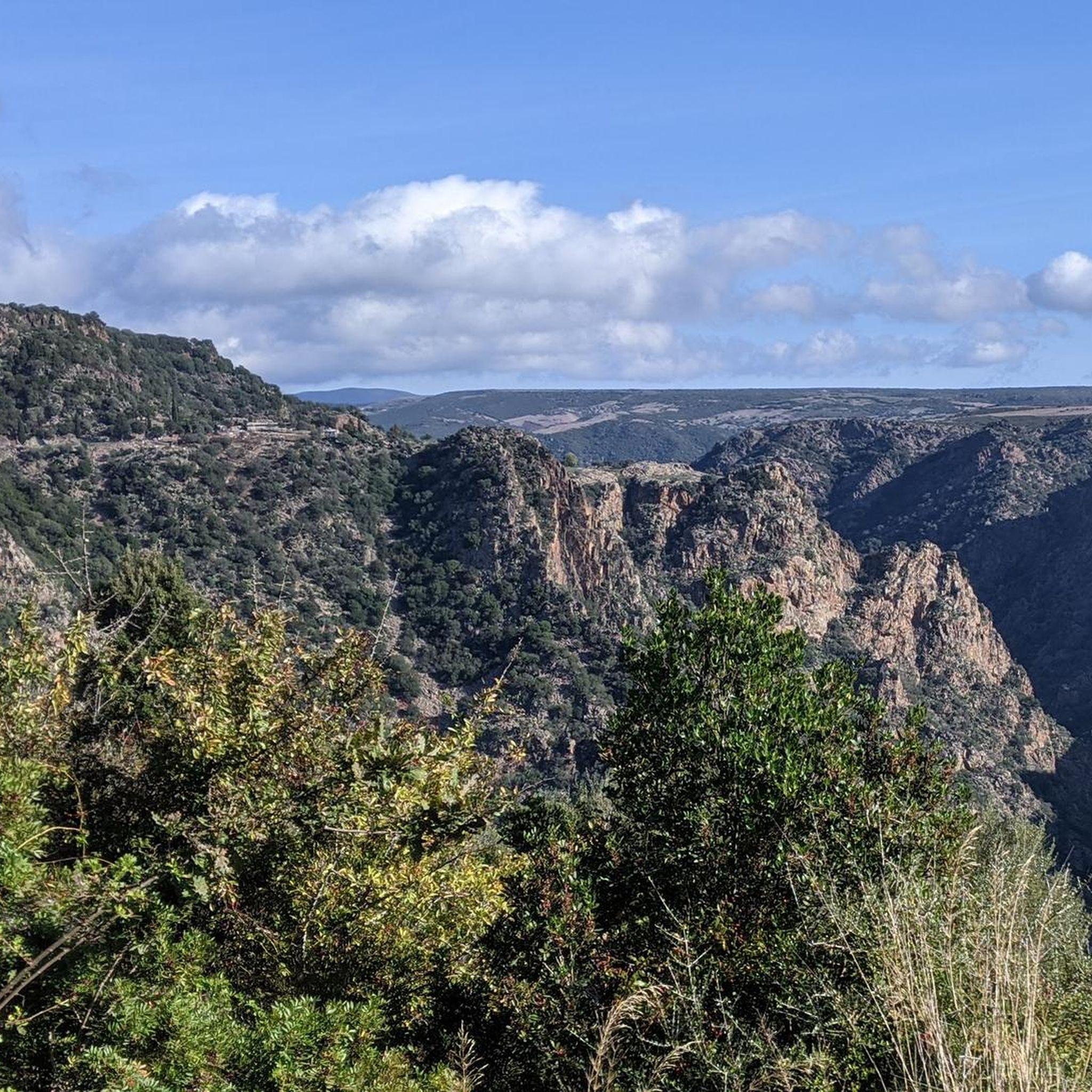

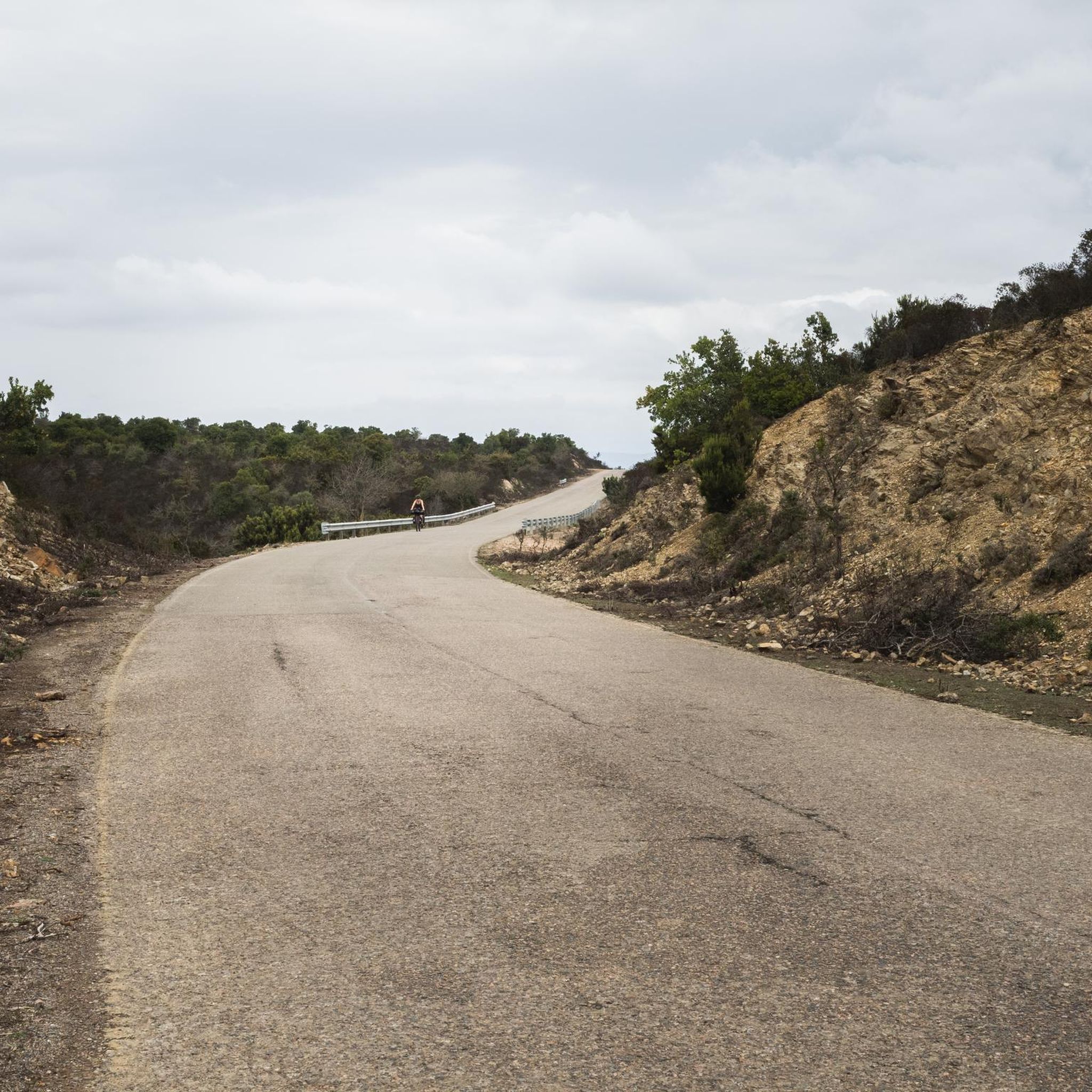
Other adventures around Arrolli/Orroli

Tips from the Community

It is one of the most famous, interesting, and intact of the approximately thirty Nuragic well-temples where the water cult was practiced: the name "covered well" itself expresses its function and excellent state of preservation. Three kilometers from Ballao, a town in the historic region of Gerrei – along Provincial Road 13, which leads from the town to Escalaplano – lies the sacred well of Funtana Coberta, nestled in a green valley floor, enclosed to the east by a small hill. The entire building, ten and a half meters long, was constructed from irregular, roughly hewn limestone blocks of uniform thickness, carved on the exposed side. The floor plan is unusual: two wings of different lengths create an atrium whose original flooring is still visible. As is common with sacred wells, the monument is divided into three parts: on the surface, the small outdoor atrium (or vestibule), rectangular and almost two meters wide; an access staircase with twelve narrow steps, well crafted and covered with a stepped ceiling composed of twelve sloping architraves that fit into the walls and echo the shape of the underlying steps leading down to the floor of the tholos chamber; more precisely, the tholos chamber was built in the shape of a small nuragic: it is a semi-subterranean chamber with an almost circular plan, three and a half meters wide at the bottom and covered by a false dome five and a half meters high. Noteworthy is the construction of the dome, surrounded by a drum wall, to which a projecting body is attached that delimits the access staircase and the two wings of the atrium in antis. Also noteworthy is the slight curvature of the walls, almost as if to 'invite' the faithful into the interior of the temple. The floor is made of limestone slabs carefully arranged in a radial pattern. Here is the well shaft, dug into the rock, five meters deep, and covered with 36 rows of stones, with an average opening of one meter wide, from which the water spring flows. Source and further information: https://www.sardegnaturismo.it/it/esplora/funtana-coberta
0
0

Here are many remains of masonry
1
0

Silius has an ancient mining history, with its mines in the Genna Tres Montis area from which fluorite, barite and quartz were extracted
1
0
Remains of wall structures that enclose rooms and ducts of what was once the San Basilio spa complex. The tanks and cisterns that were part of the hydraulic operating system are still visible, which exploited the slope of the level curves to convey the water and channel it into the cisterns and from these into the tanks. The Romanesque church of San Basilio, dating back to around the 12th century, is also located in front.
3
0

Nice artificial lake dating back to the 1950s. It is located not far from Sanluri, about 40km and is generated by the dam of the Rio Mulargia.
1
0

Lake created in the 50s which draws mainly from the Fiumendosa. Of fundamental importance to ensure water in Cagliari and neighboring cities. It is possible to make excursions by boat with scheduled departures from both Siurgus Donigala and Orroli
3
0
Lake created in the 50s which draws mainly from the Fiumendosa. Of fundamental importance to ensure water in Cagliari and neighboring cities. It is possible to make excursions by boat with scheduled departures from both Siurgus Donigala and Orroli
1
0

Hardly accessible via long overgrown paths, here the Brecca de is Tapparas penetrates as a deep crevice into the crumbly ground. 500 m long, 30 m deep and no more than 2 m wide, the path leads through a cool channel that inspires. Why this highlight is so deserted cannot be explained, because such narrow gorges are usually very sparse and therefore all the more interesting.
3
1
Frequently Asked Questions
What historical and archaeological sites can I explore in Arrolli/Orroli?
Arrolli/Orroli is rich in ancient history. You can visit the impressive Sacred Well of Funtana Coberta, one of the most renowned and well-preserved Nuragic well-temples dedicated to the water cult. Another significant site is the Roman Baths and Romanesque Church of San Basilio, where you can see remains of ancient spa complexes and a 12th-century church. Don't miss the monumental Nuraghe Arrubiu, known as 'The Red Giant', one of Western Europe's most significant protohistoric monuments, and the archaeological treasures within the Park of De Su Motti, including ancient necropolises and Nuraghe structures.
Are there any unique natural features or geological formations to see?
Absolutely. The region boasts several unique natural formations. Explore Sa Brecca de Is Tapparas, a deep, narrow crevice that forms a cool, inspiring channel through crumbly ground, stretching 500 meters long and 30 meters deep. You can also discover Sa Ucca Manna Cave, meaning 'the big mouth,' a large chasm known for its long, intact stalactites where waters from nearby springs converge.
What kind of outdoor activities are available around Arrolli/Orroli?
The area around Arrolli/Orroli is perfect for outdoor enthusiasts. You can enjoy various cycling routes, including road cycling, touring, and mountain biking. For example, there are challenging road cycling loops around Lake Mulargia and the Lower Lake of the Flumendosa. Explore more options on the Road Cycling Routes, Cycling, and MTB Trails guides for the region.
Are there family-friendly attractions in Arrolli/Orroli?
Yes, families can enjoy the serene beauty of Lake Mulargia. This artificial lake, created in the 1950s, offers opportunities for boat excursions with scheduled departures from nearby towns, providing a relaxing experience for all ages. The natural landscapes and historical sites also offer educational and engaging experiences for older children.
Where can I find panoramic views of the Arrolli/Orroli landscape?
For enchanting panoramic views, head to the Taccu Idda Plateau. It offers stunning vistas of the surrounding landscapes, including the lush hills around the lakes and the diverse Mediterranean vegetation.
What are the main lakes in the Arrolli/Orroli area and what can I do there?
Arrolli/Orroli is known as the 'land of lakes,' featuring two magnificent bodies of water: Lake Mulargia and the Lower Lake of the Flumendosa. Both were created in the 1950s and offer opportunities for boat trips and canoeing, allowing you to admire the spectacular reflections of valleys and sky on their waters.
What cultural experiences does Orroli village offer?
Orroli's historic center is charming, with traditional stone houses and ancient manor houses. Some have been converted into museums and artisan workshops, showcasing the traditional Campidanese architectural style. You can also visit Panificio Kentos, a bakery famous for its traditional bread made with ancient grains and baked in a wood-fired oven, offering a taste of Sardinia's culinary heritage.
Is there a scenic way to explore the region's landscapes?
Yes, the Trenino Verde, or 'Little Green Train,' offers a unique and scenic railway journey. It's a wonderful way to admire the picturesque landscapes around Orroli, passing through forests, valleys, and alongside the lakes, providing a different perspective of the region's natural beauty.
What is the Park of De Su Motti and what does it contain?
The Park of De Su Motti is a significant natural and archaeological site. It features a basalt amphitheater and rich Mediterranean vegetation. Within the park, you'll find a necropolis with 15 *Domus de Janas* (fairy houses) carved into the rock faces of Sa Carona Arrubia, as well as the poly-lobed Nuraghe of Is Allonis and Nuraghe Su Motti, surrounded by tombs and a Neolithic village.
What kind of hiking trails are available near Arrolli/Orroli?
The area around Arrolli/Orroli offers various trekking itineraries through its forests, waterfalls, grottoes, and gorges. While specific hiking trails are not detailed in the provided data, the natural features like Sa Brecca de Is Tapparas suggest opportunities for adventurous walks. For more structured routes, consider exploring the MTB Trails guide, which might include paths suitable for hiking.
What do visitors enjoy most about the attractions around Arrolli/Orroli?
Visitors particularly appreciate the unique natural formations and the historical depth of the region. The dramatic crevice of Sa Brecca de Is Tapparas is noted for its inspiring and cool channel. The artificial lakes, such as Lake Mulargia and the Lower Lake of the Flumendosa, are enjoyed for their scenic beauty and the breathtaking landscapes visible from viewpoints overlooking them.
Most popular routes around Arrolli/Orroli
Most popular attractions around Arrolli/Orroli

Get inspired with the komoot mobile app


Explore more
Still not found the Highlight you’re looking for? See guides of the top attractions in other regions:
