The best cycling routes around Gonnonnò/Gonnosnò
4.7
(36)
266
riders
26
rides
Touring cycling around Gonnonnò/Gonnosnò offers routes through a diverse landscape characterized by hilly terrain and proximity to the Giara plateau. The region, located in central-western Sardinia, features natural undulations that provide varied cycling experiences. Cyclists can explore an extensive network of roads and paths, with elevations reaching approximately 200 meters above sea level on the plateau. The area also contains numerous Nuragic archaeological sites, adding historical interest to the routes.
Best touring cycling routes around Gonnonnò/Gonnosnò
- The most popular touring…
Last updated: July 8, 2026
2
riders
57.2km
03:48
880m
880m
Hard bike ride. Very good fitness required. Mostly paved surfaces. Suitable for all skill levels.
4.4
(9)
59
riders
16.0km
01:30
50m
50m
Easy bike ride. Great for any fitness level. Mostly paved surfaces. Suitable for all skill levels.

Sign up for free
4.8
(4)
31
riders
Hard bike ride. Very good fitness required. Mostly paved surfaces. Suitable for all skill levels.
5.0
(2)
23
riders
Hard bike ride. Very good fitness required. You may need to push your bike for some segments of this route.
5.0
(1)
8
riders
25.1km
01:34
250m
250m
Moderate bike ride. Good fitness required. Mostly paved surfaces. Suitable for all skill levels.
Get access to more routes and recommendations from other explorers.
Sign up for free
Already have an account?
Our route recommendations are based on thousands of hikes, rides, and runs completed by other people on komoot.
Start today with a free account
Your next adventure awaits.
Login or Signup


Tips from the Community

The Nuraghe San Marco stands on the eastern outskirts of Genuri, on the slopes of the southwestern side of the Jara Manna, the largest and most famous Giara. The basalt used to build the monument came from the plateau, which was also a source of food and resources for the peoples who inhabited the Marmilla region, while marl was used for the restoration work that took place in later phases. The building has a complex structure, consisting of a keep and three towers, and it is surrounded by a rampart with five other towers, except for the north side, perhaps because the builders considered the natural protection of the Giara plateau sufficient. Curiously, the southeast tower has a smaller diameter than the other two, while the northeast wall, which follows the profile of the central tower, has sometimes been interpreted as the wall of a fourth corner tower. In the space between the keep and the connecting curtain walls between the towers is a crescent-shaped courtyard, accessed through the entrance to the building on the south side. From the courtyard, which also contains a well, one enters the keep and the corridors leading to the side towers. Inside the keep, the space is cruciform, with two niches at the front and a third opposite the staircase. The northwest tower features six loopholes, two niches, and the absence of an entrance corridor. It opens directly onto the courtyard. Archaeological research has revealed that between the Late Bronze Age and the Late Bronze Age, a destructive event occurred, with relative collapse and subsequent rebuilding: San Marco probably witnessed a – still mysterious – period of crisis and conflict between the Nuragic tribes between the 2nd and 1st millennium BC. The site shows traces of human presence in the Punic period, and there was undoubtedly a settlement there between the late Roman period and the Early Middle Ages. At least eleven "new" rooms were built or added over the nuraghe, some of which probably served as food storage rooms, while the courtyard and towers were used for various purposes, sometimes even for burials. https://www.sardegnaturismo.it/en/explore/nuraghe-san-marco
0
0

Disused quarry, known by the name of "ziu Luisu". In the open air, there is also a tunnel closed by an iron gate. A little further on, on the right, a long descent begins that leads back to the country church of Santa Suia
0
0

Inside are exhibited reproductions of ancient obsidian tools, and the works of the sculptor Karmine Piras.
1
0

The Is Benas lake is located next to the pine forest of the same name. It is located in an arid area, between granite rocks.
0
0

Here is the Luisu Sanna Mine, an old perlite quarry that was once the beating heart of local mining activity.
1
0
The Therapeutic Community at Sorgenti, founded on April 28, 1988, is a residential facility that welcomes up to 24 adult male users. Located in one of the most suggestive places of Monte Arci, the facility is immersed in a vast pine forest, surrounded by woods, streams, a small lake and natural springs.
0
0


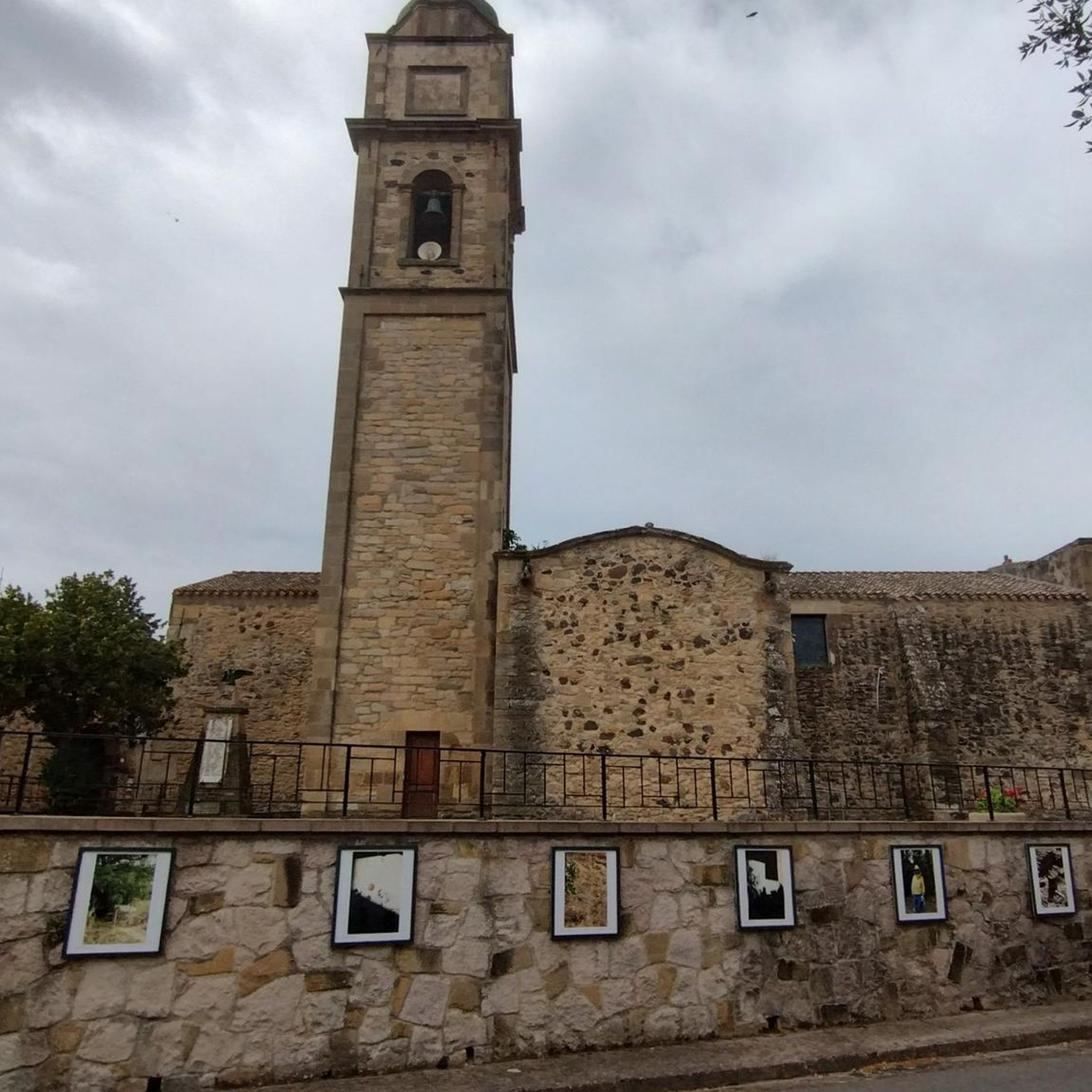
beautiful church in a truly evocative environment due to the wild nature that characterizes it
0
0
Frequently Asked Questions
What kind of touring cycling routes can I expect around Gonnosnò?
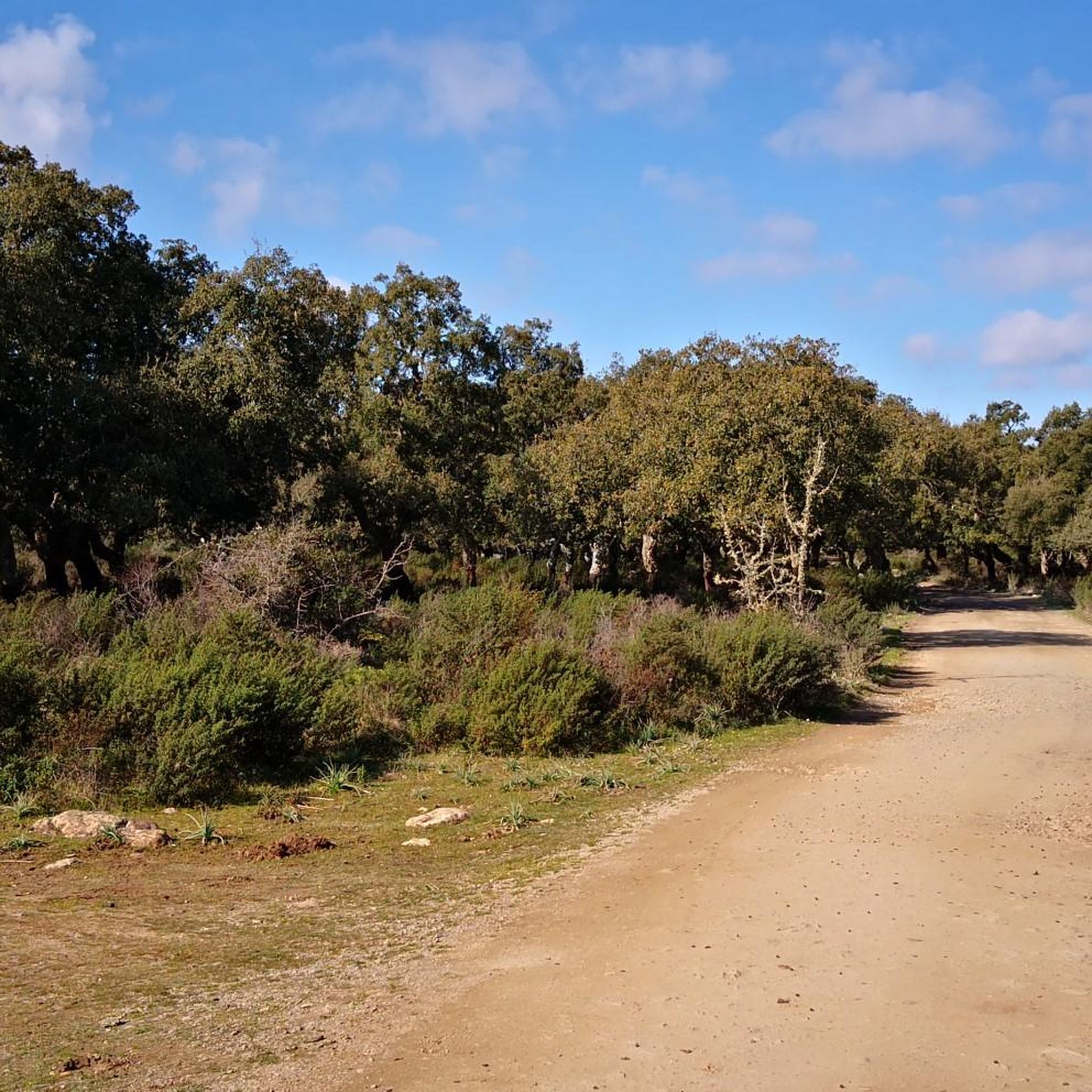
The region around Gonnosnò, nestled at the foot of the Giara plateau, offers a diverse touring cycling experience. You'll find routes characterized by varied hilly terrain, providing both challenging climbs and rewarding descents. Many paths also lead past ancient Nuragic archaeological sites, adding a rich historical and cultural dimension to your ride. The area's high environmental value ensures scenic backdrops throughout your journey.
Are there touring cycling routes suitable for beginners or families?
Yes, while the area is known for its hilly terrain, there are routes suitable for various skill levels. Out of 21 touring cycling routes, 3 are rated as easy, and 7 are moderate, making them more accessible for beginners or families looking for a less strenuous ride. For example, the Bike loop from Abas/Ales is a moderate 15.6-mile (25.1 km) path offering varied landscapes.
What historical sites can I explore while cycling near Gonnosnò?
The territory around Gonnosnò is rich in Nuragic history, offering several archaeological sites to visit. You can incorporate stops at places like the San Salvatore well temple, the Tombs of Giants (Is Lapideddas), and numerous single-tower nuraghi. A notable example is Nuraghe Nieddiu, perched on a prominent spur of the Giara. You might also encounter the Bruncu Madugui village and nuraghe, or explore the area around the Su Nuraxi Archaeological Site – Giara di Gesturi Plateau loop from Aressa/Baressa.
Are there natural attractions to see on a touring cycling route?
Absolutely. The proximity to the Giara plateau offers unique natural experiences, known for its distinctive flora and wild horses. You can explore the Giara Plateau Park or the Parco della Giara. Other natural highlights include the Pauli Maiori Wetland and the Botanical Garden of Tìara. The region's high environmental value ensures scenic beauty throughout your ride.
Is it possible to cycle with dogs on these routes?
While many outdoor areas in Sardinia are dog-friendly, it's always best to check specific regulations for each route or protected area, especially when entering natural parks like the Giara plateau where wildlife is present. Generally, dogs on a leash are welcome on public paths, but always ensure they are well-behaved and that you clean up after them. Some routes might involve sections of road cycling where dogs might not be as safe.
What is the best time of year for touring cycling in Gonnosnò?
Sardinia offers good cycling conditions for much of the year. Spring (April-May) and autumn (September-October) are generally ideal, with pleasant temperatures and lush landscapes. Even in warmer months, cycling can be a preferable alternative to walking tours due to the breeze. However, be prepared for potential heat during peak summer and check local weather forecasts, especially for routes with significant elevation changes.
Are there places to eat or stay overnight for cyclists in Gonnosnò?
Gonnosnò and its surrounding charming villages, like Figu, offer local amenities. While specific cyclist-focused accommodations or cafes might be limited, you can find traditional restaurants and guesthouses. It's advisable to check in advance for opening hours and availability, especially in smaller villages, to ensure you have refreshment and lodging options along your touring cycling route.
What are the parking options for touring cyclists in Gonnosnò?
In Gonnosnò and the nearby towns that serve as starting points for routes, you can typically find public parking areas. These are often free in smaller villages. When planning your route, consider starting from a town center where parking is readily available and secure. Always ensure your vehicle is parked legally and consider local residents.
Is public transport available to access touring cycling routes?
Public transport options in rural Sardinia, including around Gonnosnò, are generally limited compared to larger urban centers. While there might be local bus services connecting villages, they may not always accommodate bicycles or align conveniently with route starting points. For greater flexibility, driving to a starting point is often the most practical option for touring cyclists.
What do other touring cyclists say about the routes around Gonnosnò?
The touring cycling routes around Gonnosnò are highly regarded by the komoot community, boasting an average rating of 4.7 stars from over 30 reviews. More than 200 touring cyclists have used komoot to explore this area. Reviewers often praise the varied terrain, the historical sites encountered along the way, and the unique natural beauty of the Giara plateau.
How many touring cycling routes are there in Gonnosnò?
There are over 20 touring cycling routes available around Gonnosnò, offering a wide range of options for different preferences and skill levels. These include 3 easy routes, 7 moderate routes, and 11 difficult routes, ensuring there's something for every touring cyclist.
Can I find circular touring cycling routes in the area?
Yes, many of the touring cycling routes around Gonnosnò are designed as loops, allowing you to start and finish in the same location. Examples include the Mogoro loop from Abas/Ales, a moderate 32.5-mile (32.6 km) ride, or the Gonnosnò–Baressa–Sini Route loop from Aressa/Baressa, which is a moderate 16.1-mile (25.9 km) option.
Are there opportunities to see wildlife while cycling?
Cycling around Gonnosnò, particularly near the Giara plateau, offers unique opportunities to observe wildlife. The Giara is famously home to the wild horses of Sardinia, which roam freely across the plateau. The region's high environmental value means you might also encounter various bird species and other local fauna in their natural habitats, especially during quieter times of day.
Most popular routes around Gonnonnò/Gonnosnò
Most popular attractions around Gonnonnò/Gonnosnò

Get inspired with the komoot mobile app


Explore more
Browse the best Cycling routes in other regions.
