Attractions and Places To See around Aressa/Baressa - Top 20
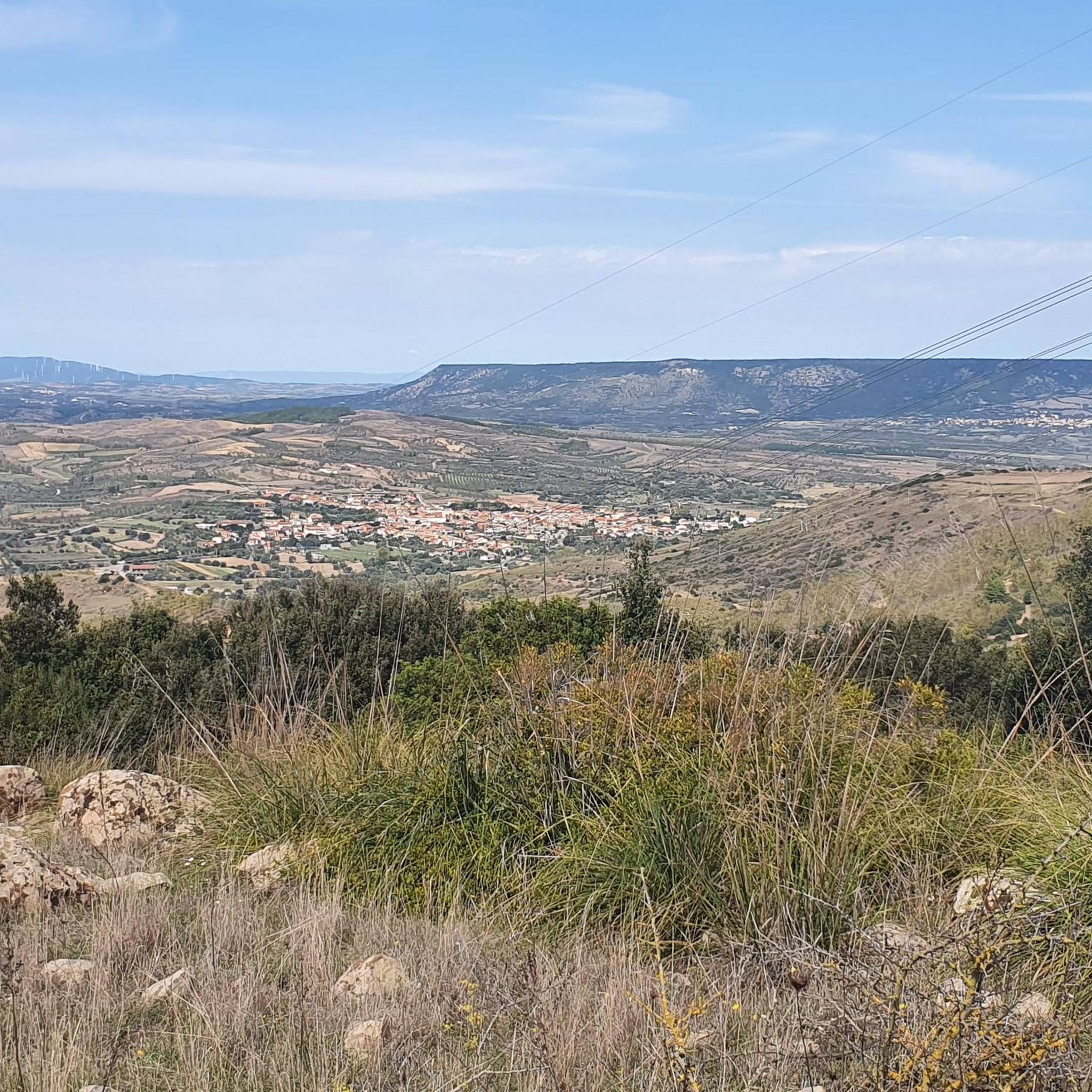
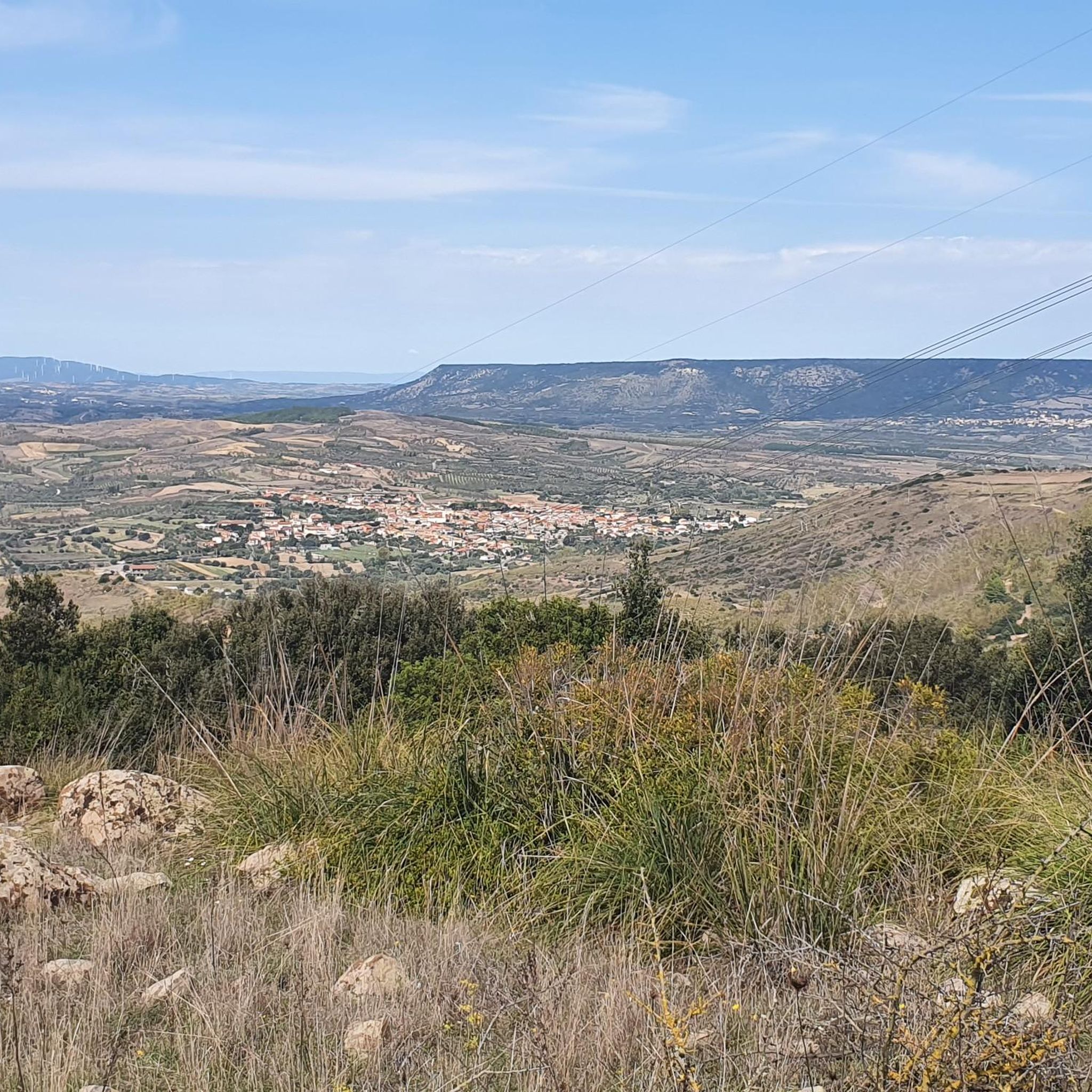
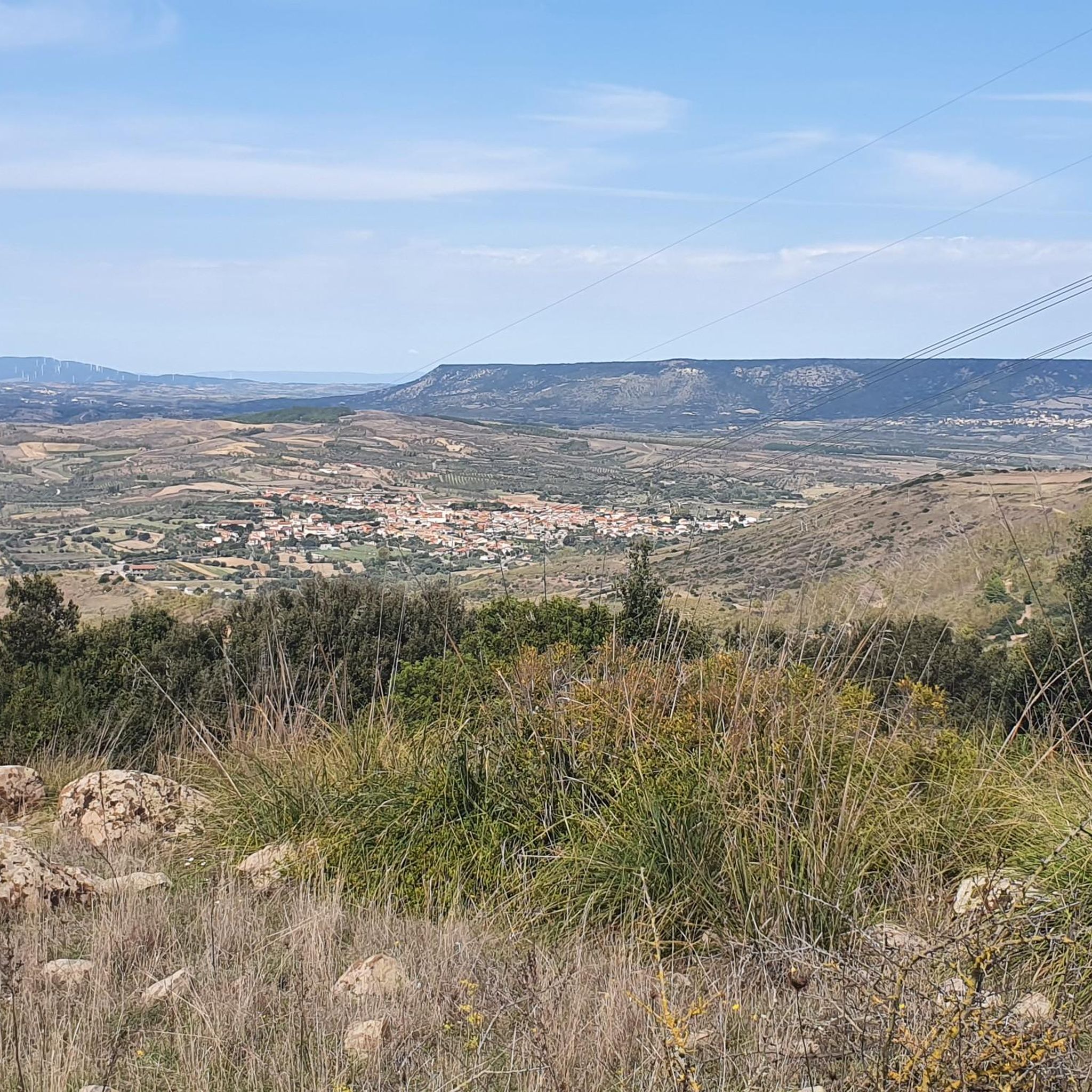
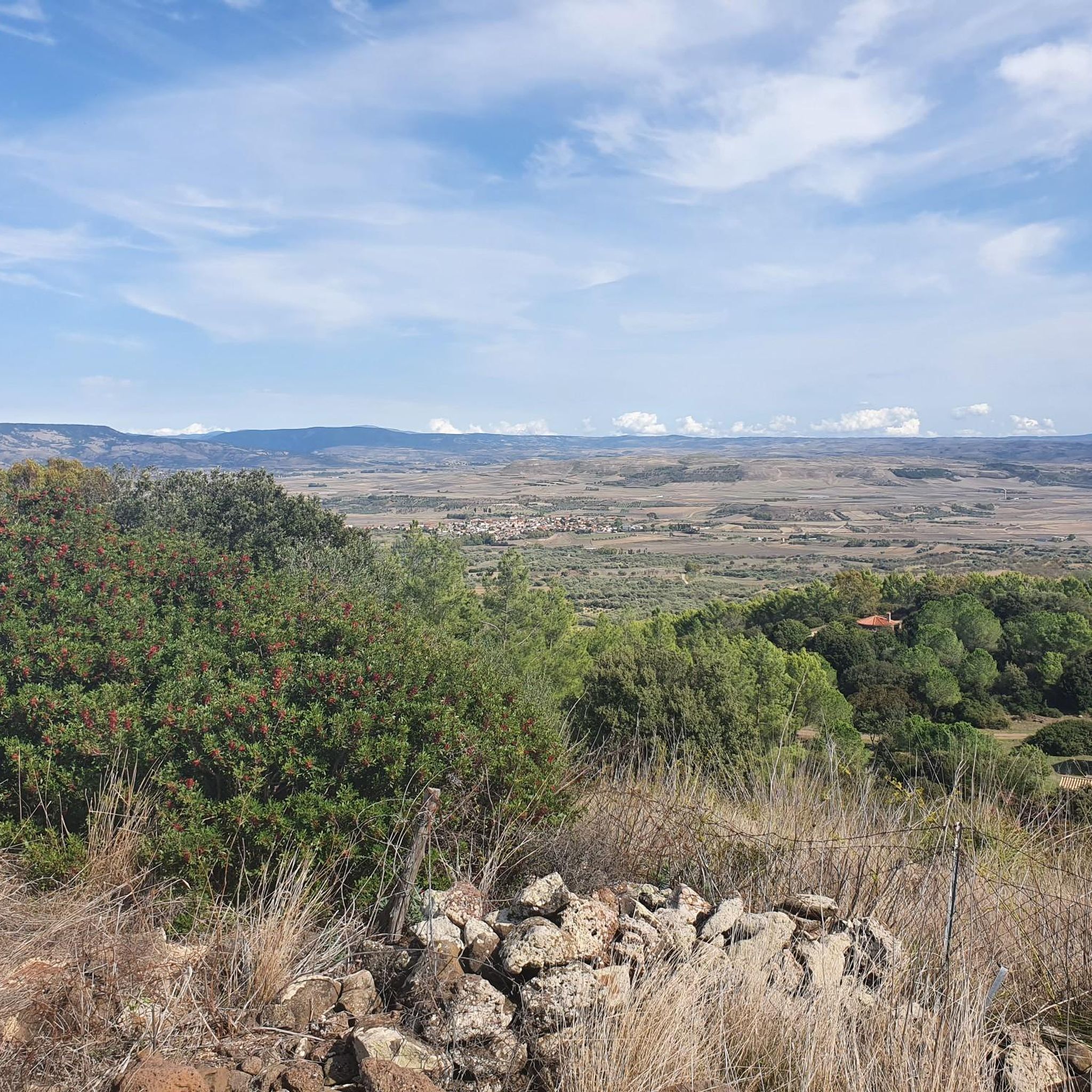
Attractions and places to see around Aressa/Baressa are found in a small town in the Province of Oristano, Sardinia, Italy. Located in the historical Marmilla region at 165 meters above sea level, the area is characterized by its agricultural traditions, including almond groves. The region features a rich history, with archaeological sites from the Nuragic and Roman periods, alongside a well-maintained historical center. The surrounding landscape includes ancient olive groves, oak woods, and the basaltic Giara Plateau.
Best attractions and…
Last updated: May 25, 2026
Pinnettas Shepherd Huts
Highlight • Mountain Hut
Translated by Google •
Tip by

Su Nuraxi Archaeological Site
Highlight • Historical Site
PS. In addition to the area with the same ticket (15 €) you can visit the Casa Zappata museum
Translated by Google •
Tip by

Sign up now to discover places like this
Get recommendations on the best single tracks, peaks, & plenty of other exciting outdoor places.
Sign up for free
Bruncu Madugui village and nuraghe
Highlight • Historical Site
The main building is of considerable architectural importance, …
Translated by Google •
Tip by

Pauli Maiori Wetland
Highlight • Lake
Tip by

Giara Plateau Park
Highlight • Natural Monument
Translated by Google •
Tip by

Sign up for free to discover even more attractions around Aressa/Baressa.
Sign up for free
Already have an account?
Start today with a free account
Your next adventure awaits.
Login or Signup

Tips from the Community

In summer the lake is dry, but there is a good chance of seeing wild horses at the nearby springs.
0
0

The German-language television series “Treasures of the World – Heritage of Humanity” – which I can recommend without reservation – devotes a quarter-hour report to the UNESCO World Heritage Site of the “NURAGHI” in Sardinia and the traditional shepherds’ song known there as “Canto a Tenore”. The accompanying text to the programme states: “Over seven thousand round towers made of stone blocks weighing several tons are scattered all over Sardinia. Often only the stumps of these megalithic buildings, called nuraghi, remain. The first were built around 1400 BC. Small stones were placed between the mighty blocks, a construction method that made the stone towers safe from collapse." This article (episode 413 of the series) can be accessed in the ARD media library at the following link => https://www.ardmediathek.de/video/schaetze-der-welt/sardinien/3sat/Y3JpZDovL3N3ci5kZS8xNTg4MzM5MA
1
0

Here you can see wild horses and lots of insects. We saw the horses at the lake, it was really magical 🤩
1
0
There is a documentary about the model for this modern, but reminiscent of ancient models, documentation - which in my opinion is fully recommended: The German-language television series "Treasures of the World - Heritage of Humanity" is dedicated to the UNESCO world cultural heritage of the "NURAGHI" in Sardinia and a fifteen-minute contribution to the traditional shepherd's song known there as “Canto a Tenore”. The text accompanying the program says “Over seven thousand round towers made of stone pieces weighing tons are scattered all over Sardinia. Often only the stumps of these megalithic buildings, called nuraghi, remain. The first were around 1400 BC. Built. Small stones were placed between the mighty blocks, a construction method that made the stone towers collapse-proof.” This article (episode 413 of the series) is available in the ARD media library under the following link: https://www.ardmediathek.de/video/schaetze-der-welt/sardinien/3sat/Y3JpZDovL3N3ci5kZS8xNTg4MzM5MA
3
0

You can find detailed information about this archaeological highlight at: https://virtualarchaeology.sardegnacultura.it/index.php/de/archaeologe-fundplatz/periodo-nuragico/villaggio-nuragico-di-su-nuraxi Quite impressive. You should invest the 15 EUR.
0
0
You can find detailed information about this archaeological highlight at: https://virtualarchaeology.sardegnacultura.it/index.php/de/archaeologer-fundplatz/periodo-nuragico/villaggio-nuragico-di-su-nuraxi Brochure with 3D reconstruction: https://virtualarchaeology.sardegnacultura.it/images/guide/Campidano/Medio-Campidano_Tedesco.pdf Quite impressive. You should invest the 15 EUR.
1
0

The complex overlooks the edge of the Giara, a basaltic plateau on the border between the regions of Marmilla, Sarcidano and Arborea. The main building is of considerable architectural importance, as it belongs to the type of protonuraghi or "corridor" nuraghi. It is a mighty construction in the Cyclopean work of irregular blocks of basalt. source Sardinia Culture
1
0

Near the Giara plateau, in the central-southern part of Sardinia, rises the symbol par excellence of the Nuragic culture, the only Sardinian cultural site included in the UNESCO World Physical Heritage List. There is a very special atmosphere in Barumini: since prehistory, the current town has been a center of power and an important reference point for a rich and fertile land, the Marmilla. As a testament to this stands Su Nuraxi, the most imposing (and best preserved of thirty nuragic sites in the Barumini area and the most important legacy left to us by the Torre culture. The archaeological area includes a nuragic complex and a vast village of huts, a unique place declared a World Heritage Site by UNESCO in 1997. The impressive site was unearthed during the mid-20th century excavations led by Giovanni Lilliu.The cultural center is named after the "father" of Sardinian archaeology, and is just a few steps from the Nuraghe is located. Su Nuraxi is built of basalt, a volcanic rock from the nearby Giara Natural Park. It shows an over the course of two thousand years, from the 16th century BC. to 7th century AD, material was layered on top of each other. Source: https://www.sardegnaturismo.it/en/discover/su-nuraxi The facility can only be visited as part of a guided tour. Guided tours are offered in Italian and English. More information can be found here: http://www.fondazionebarumini.it/it/area-archelogica-su-nuraxi/
0
1
Frequently Asked Questions
What natural features can I explore around Aressa/Baressa?
The region offers diverse natural landscapes. You can visit Parco Marrogali, known for its ancient olive trees and oak woods, perfect for excursions. The Pauli Maiori Wetland is a beautiful lake where you might spot local wildlife. Additionally, the basaltic Giara Plateau Park is a significant natural attraction, famous for its wild horses and Mediterranean maquis.
Are there any ancient archaeological sites in the Aressa/Baressa region?
Yes, the area is rich in history. You can explore the ancient Nuragic complexes of Nuraghi Su Sensu and Molas. The territory also contains Roman traces in areas like Pranu Sizzonis and the ruins of necropolises in Atzeni, Santa Maria, and Santu Miali. A must-see is the Su Nuraxi Archaeological Site, a UNESCO World Heritage site and the most imposing Nuragic complex in Sardinia. Another notable site is the Bruncu Madugui village and nuraghe, a protonuraghe overlooking the Giara Plateau.
Can I see wild horses in the Aressa/Baressa area?
Yes, the region is famous for its wild horses. The Giara Plateau Park is home to the 'Cavallini della Giara,' a rare species of wild horses in Italy and Europe. You might also spot them around the Pauli Maiori Wetland, especially during spring when the river is full.
What kind of cultural experiences can I find in Baressa?
Baressa offers a glimpse into traditional Sardinian life. You can stroll through its well-maintained historical center. The Pinnettas Shepherd Huts provide insight into traditional construction methods and the life of shepherds from the 1960s. The town also celebrates its agricultural traditions, particularly almond groves, with a 'sagra della mandorla' (almond festival) and market.
Are there family-friendly attractions around Aressa/Baressa?
Yes, several attractions are suitable for families. The Pinnettas Shepherd Huts offer an interesting historical experience. The Pauli Maiori Wetland and Giara Plateau Park are great for nature walks and spotting wild horses, which can be exciting for children.
What outdoor activities are available near Aressa/Baressa?
The area around Aressa/Baressa is excellent for various outdoor activities. You can find numerous routes for hiking, cycling, and running. For hiking, explore trails like the 'Pauli Piccia Wild Horses – Pinnettas Shepherd Huts loop'. Cyclists can enjoy routes such as the 'Giara di Siddi Loop' or the 'Su Nuraxi Archaeological Site – Giara di Gesturi Plateau loop'. Runners have options like the 'Pitzu Maialis loop'. You can find more details on these activities in the hiking guide, cycling guide, and running trails guide for Aressa/Baressa.
When is the best time to visit Aressa/Baressa?
The winter landscape around Baressa is particularly beautiful when the vast expanses of almond trees are in bloom. This is also when the town celebrates its almond festival. For outdoor activities like hiking and cycling, spring and autumn offer pleasant temperatures. If you're hoping to see wild horses, spring is often a good time when the wetlands are full.
Are there hiking opportunities around Aressa/Baressa?
Absolutely. The region offers a variety of hiking trails, especially around the Giara Plateau. You can find easy routes like the 'Pauli Piccia Wild Horses – Pinnettas Shepherd Huts loop' or more moderate options such as the 'Pauli Piccia Wild Horses – Ancient Cork Oak loop'. These trails allow you to explore the natural beauty and historical sites. Discover more in the hiking guide for Aressa/Baressa.
What do visitors particularly enjoy about the attractions in Aressa/Baressa?
Visitors appreciate the unique blend of history and nature. Many are captivated by the opportunity to see wild horses, especially at the Pauli Maiori Wetland and Giara Plateau Park. The historical significance of sites like the Su Nuraxi Archaeological Site and the traditional insights offered by the Pinnettas Shepherd Huts are also highly valued.
Can I go cycling in the Aressa/Baressa area?
Yes, cycling is a popular activity here, with routes catering to various skill levels. You can embark on challenging rides like the 'Giara di Siddi Loop' or the 'Su Nuraxi Archaeological Site – Giara di Gesturi Plateau loop'. There are also easier options such as the 'Giara ponies – Giara di Gesturi Plateau loop'. For detailed routes and difficulties, refer to the cycling guide for Aressa/Baressa.
What is the significance of the Santa Maria Country Church?
The Santa Maria Country Church is a charming rural church within Baressa's territory. It holds historical significance as it was rebuilt on its original foundations after being destroyed around the 1700s, reflecting the enduring spiritual and community life of the area.
Are there any specific local products or traditions associated with Baressa?
Baressa is well-known for its agricultural traditions, particularly its almond groves. The town celebrates this local produce with a 'sagra della mandorla' (almond festival) and market, making almonds a significant local product and tradition.
Most popular routes around Aressa/Baressa
Most popular attractions around Aressa/Baressa

Get inspired with the komoot mobile app


Explore more
Still not found the Highlight you’re looking for? See guides of the top attractions in other regions:
