Attractions and Places To See around Samugheo - Top 20
Best attractions and places to see around Samugheo, a village in Sardinia's Mandrolisai hills, offer a blend of historical, cultural, and natural sites. The area is known for its textile traditions and ancient archaeological remains. Visitors can explore a landscape characterized by hills, rocky cliffs, and oak woods. This region provides diverse points of interest for exploration.
Best attractions and places to see around Samugheo
- The most popular attractions is Fordongianus Roman Baths, a historical site where warm waters…
Last updated: August 17, 2026
Fordongianus Roman Baths
Highlight • Historical Site
Translated by Google •
Tip by

Casa Aragonese
Highlight • Historical Site
Translated by Google •
Tip by

Sign up now to discover places like this
Get recommendations on the best single tracks, peaks, & plenty of other exciting outdoor places.
Sign up for free
Parco Aymerich
Highlight • Waterfall
Translated by Google •
Tip by

Tirso River and Stone Bridge in Fordongianus
Highlight • River
It rises as Riu de su Campo north of Bitti, in the province of Nuoro on the east side of the island, …
Translated by Google •
Tip by

Church of San Lussorio
Highlight • Religious Site
Translated by Google •
Tip by

Sign up for free to discover even more attractions around Samugheo.
Sign up for free
Already have an account?
Start today with a free account
Your next adventure awaits.
Login or Signup

Tips from the Community

It's worth a visit, the architecture is interesting and the audio guide gives you detailed information about what you see. Entrance to the baths is included in the price (or vice versa). So if you see one you can also see the other as they are just a few minutes drive or probably 5-10 minutes walk away
1
0
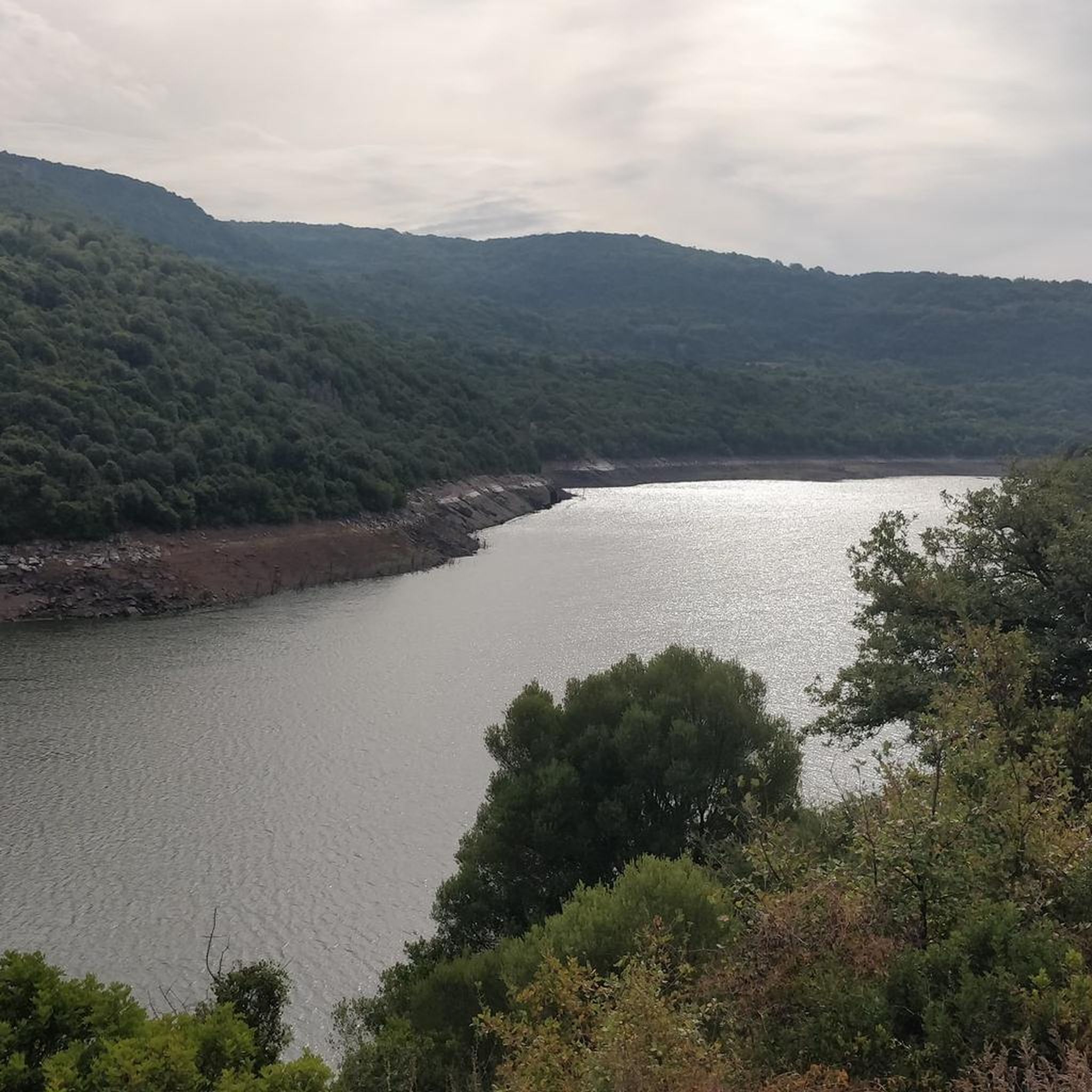
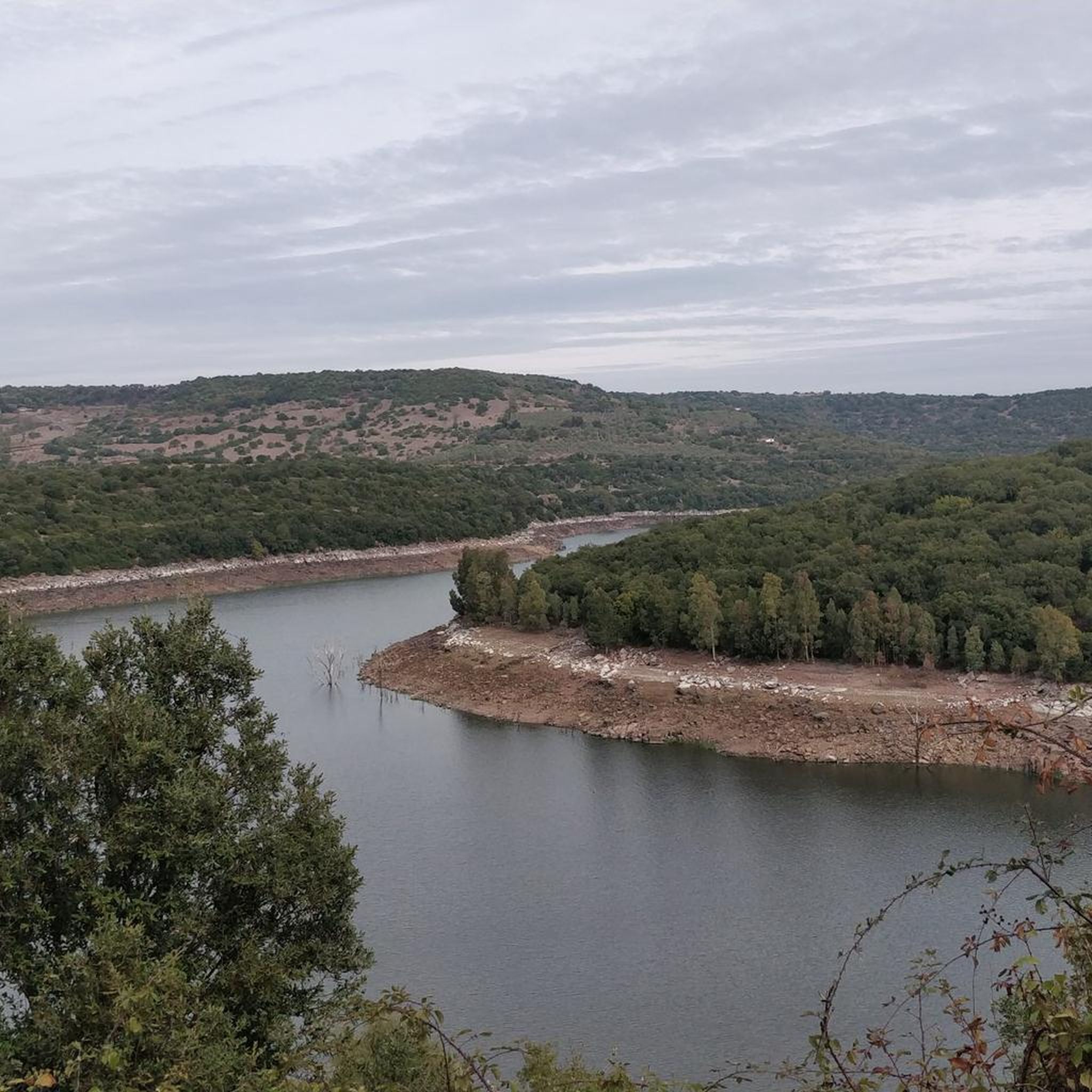
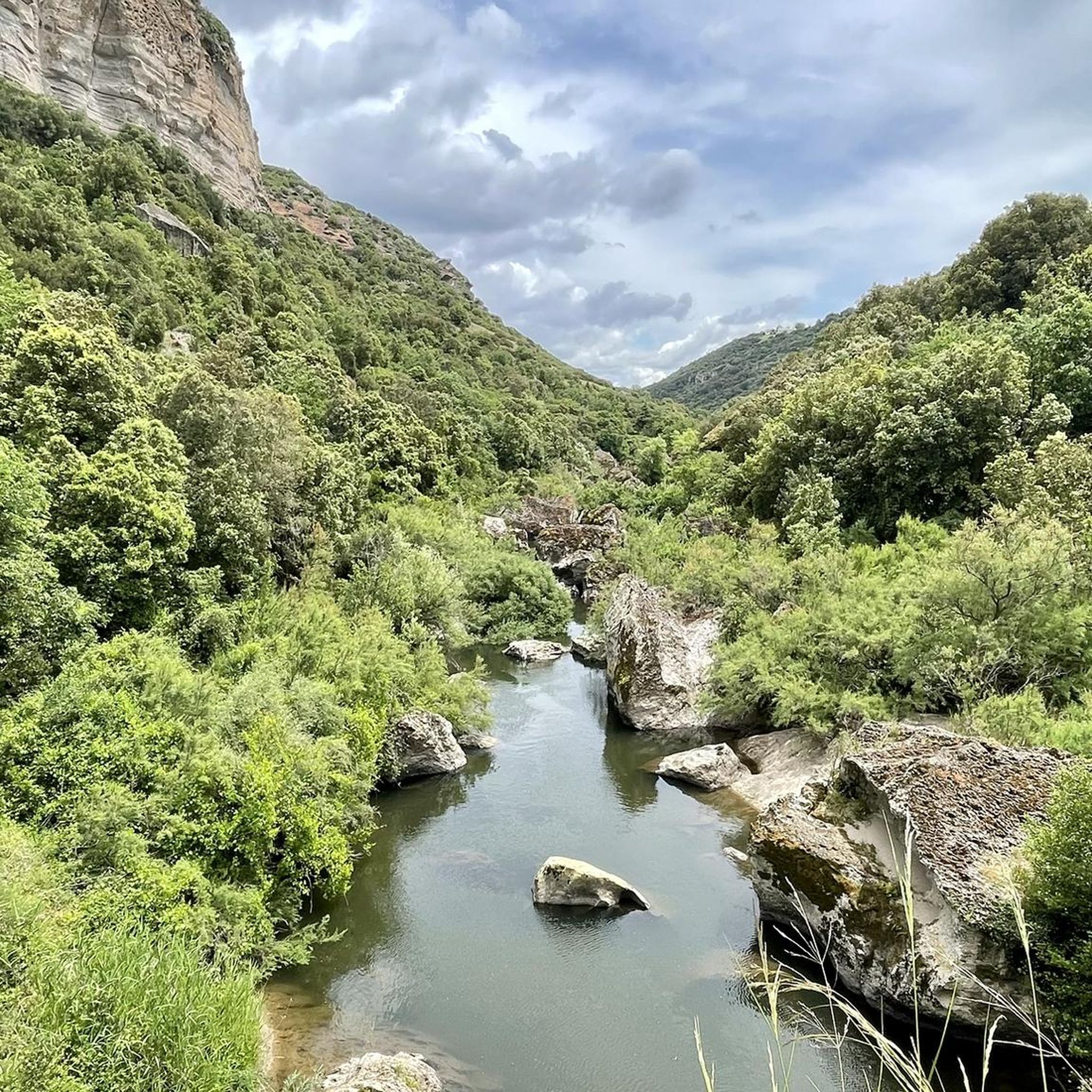
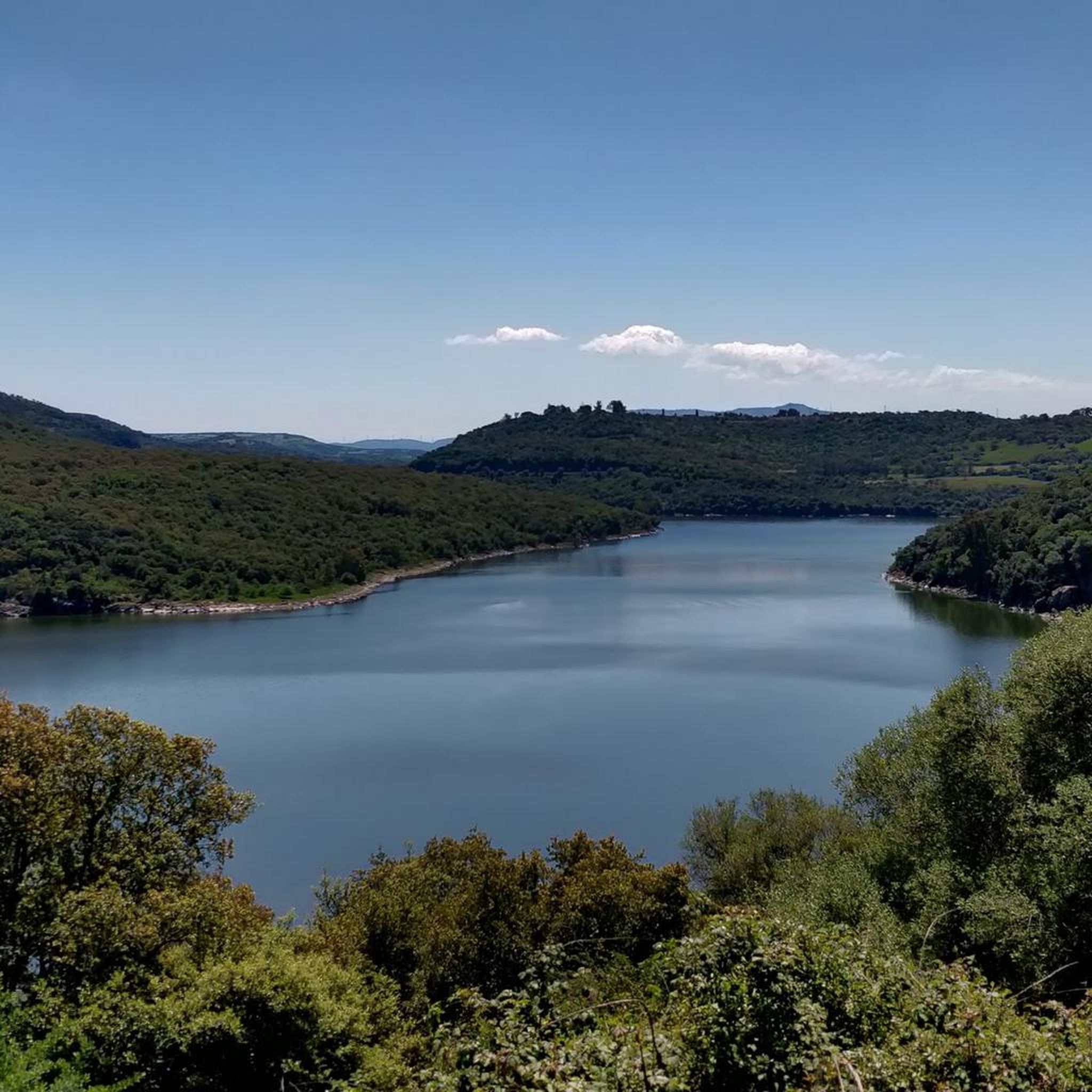
The Tirso is the longest river in Sardinia. It rises as Riu de su Campo north of Bitti, in the province of Nuoro on the east side of the island, flows through the Lago Omodeo reservoir and flows into Oristano on the west side of the island. In the middle reaches it is spanned by the Ponte Ezzu, an old Roman bridge, near Illorai. It is 150 km long and is only navigable in the last few kilometers. The fertile plain north of Oristano through which it flows is called the Tirso plain.
1
0

The pretty church was built from red trachyte. It is named after San Lussorio, a Roman soldier who was converted to Christianity. He suffered his martyrdom here during the persecution of Christians under Diocletian. In the 4th century, an underground tomb was built in his honor, which today forms the church's crypt. The Romanesque-style church was built in the 12th century by Vittorini monks who made it their mission to enhance the sites of martyrs. The church was actually closed, but after a call a nice lady came by and opened the small area for us.
0
0
Sardinia's largest urban park is located on the border between the provinces of Oristano and Nuoro, a botanical paradise of rare plants and a wonderful destination for nature lovers. In the historical area of Sarcidano, there is a place where you can take beautiful walks on nature trails, surrounded by countless plant species and medieval ruins: the Aymerich Park, a 22-hectare oasis that was the property of the Marquises until 1990, the feudal owners of this oasis-like stretch of land. The creator of this nature reserve was Don Ignazio Aymerich Ripoli, a botanist who brought rare plants from his numerous trips abroad starting from the mid-19th century. It is an unusual excursion, as it is located in the heart of the town of Laconi, about 60 km from Oristano and 90 km from Cagliari. The walk will take you through alleys adorned with a fresh and vibrant atmosphere. It begins in a forest of oaks, olive groves, and locust trees, dotted with natural ponds, streams, waterfalls, and pools. As you venture deeper into the park, you will see a wide variety of orchids, including native ones like Ophris laconensis and Sarcidanis. Among the tree-lined avenues, you will find unusual forms of vegetation such as Pyracantha coccinea and Collectia cruciata, whose leaves are reminiscent of military aircraft, as well as exotic plants like the majestic Lebanon and Himalayan cedar, trees of extraordinary size. Then there are plants from not far away but not common ones such as the Corsican pine, the Fagus sylvatica, the Southern Magnolia, and the Taxus baccata, known as the “tree of death”. Water is a recurring theme and a source of life for the park. It flows abundantly all year round, forming rivers that then fall, such as the Cascata Maggiore or “great waterfalls,” one of the park's many attractions. Source: https://www.sardegnaturismo.it/en/explore/parco-aymerich
1
0

It is the largest urban park in Sardinia, where you can find countless exotic plants imported by Don Ignazio Aymerich Ripoll, curator of the nature reserve. You can find waterfalls, small lakes, natural paths, and beautiful woods of Holm oaks, Downy oaks, and many others. There are refreshment areas with benches and tables where you can eat. You cannot visit it by bike, but you can safely enter with it and leave it in the guardhouse area to visit the park on foot!
1
0

Very nicely landscaped park. Refreshing coolness when it's hot.
2
0

beautiful park in the center of Laconi, there are various waterfalls and the castle, pedestrian ONLY
2
0

The Aragonese House is a splendid example of stately architecture dating back to around the 16th-17th century. The house is divided into two parts and one of these houses a museum. Not far from here stands the church of San Pietro Apostolo.
1
0
Frequently Asked Questions
What historical and cultural sites can I explore around Samugheo?
The region around Samugheo is rich in history. You can visit the ancient Fordongianus Roman Baths, a 1st-century AD archaeological site with naturally flowing warm waters. Another significant historical site is Casa Aragonese, a splendid example of 16th-17th century stately architecture, part of which houses a museum. Samugheo itself is known for its vibrant textile traditions, showcased at the MURATS (Museum of Sardinian Textile Art), and its historic town center with houses featuring local red trachyte.
Are there any archaeological sites near Samugheo?
Yes, the area boasts numerous archaeological sites reflecting continuous human settlement since Neolithic times. These include the *domus de janas* of Spelunca Orre, the Giant's Tomb of Paule Luturu, and the Nuraghe of Perda Orrubia. You'll also find other Nuraghi like Aspu, Istui, and Taccu, along with various Giant's Tombs, some well-preserved.
What natural attractions are there to see around Samugheo?
Samugheo is nestled in the Mandrolisai hills, offering a landscape of solitary hills, rocky cliffs, springs, oak woods, and Mediterranean scrub. A notable natural highlight is Cascata Maggiore, Aymerich Park, a beautiful waterfall within Sardinia's largest urban park, featuring exotic plants and natural paths. For caving enthusiasts, the surroundings offer caves like Sa conca 'e su Cuaddu, dell'Aquila, and Buco della Chiave. The Tirso River, Sardinia's longest, also flows through the region.
Are there family-friendly activities or attractions in the Samugheo area?
Absolutely! Aymerich Park, home to Cascata Maggiore, is considered family-friendly with its natural paths, lakes, and refreshment areas. The park is ideal for walks amidst beautiful woods. The Tirso River and Stone Bridge in Fordongianus also offer a pleasant setting for family strolls.
What kind of hiking trails can I find near Samugheo?
The Samugheo area offers a variety of hiking trails suitable for different skill levels. For easy walks, consider routes like the 'Aymerich Main Waterfall – Ruins of Aymerich Castle loop from Làconi/Laconi' or the 'Casa Aragonese – Roman Baths of Fordongianus loop from Fordongianus'. You can find more details and routes in the Hiking around Samugheo guide.
Are there opportunities for cycling around Samugheo?
Yes, the region provides excellent opportunities for both road cycling and mountain biking. Road cyclists can explore routes like the 'Land of Roman baths and vineyards' or the 'Ring tour around Villa Sant'Antonio in Marmilla'. For mountain biking, trails such as the 'Truzzulla Lookout – Roman Bath Hot Spring loop from Fordongianus' offer a more rugged experience. Discover more routes in the Road Cycling Routes around Samugheo and MTB Trails around Samugheo guides.
What is the Medusa Castle and where is it located?
The Medusa Castle is an ancient fortress perched on a cliff face near Samugheo. Its origins date back to the 4th-5th centuries, with further construction until the 12th century, and it holds Byzantine traces. Though overgrown, you can still discern remains of its walls, a cistern, and two towers. It's shrouded in the legend of Queen Medusa.
What is the best time of year to visit Samugheo for outdoor activities?
The Mandrolisai hills and surrounding areas are generally pleasant for outdoor activities during spring and autumn, when temperatures are milder. Summer can be hot, but the natural features like Aymerich Park and the Tirso River offer refreshing spots. Winter offers a different, quieter charm, though some trails might be less accessible depending on weather conditions.
What do visitors enjoy most about the attractions around Samugheo?
Visitors particularly appreciate the historical depth of sites like the Fordongianus Roman Baths, noting the unique experience of warm, naturally flowing waters. The tranquility and natural beauty of Aymerich Park, with its waterfalls and lush greenery, are also highly praised. The architectural interest of Casa Aragonese and the scenic views along the Tirso River are also popular among the komoot community.
Are there any unique cultural events in Samugheo?
Samugheo is renowned for its annual Carnival, known as "A Maimone," which is a unique cultural experience featuring traditional masks and group dances in the historic center. The village also celebrates its bread-making traditions during the Bread Festival in October.
Can I find accommodation or places to eat in Samugheo?
Samugheo, as a charming village, offers local cafes and pubs where you can experience authentic Sardinian hospitality. While specific accommodation details are not provided here, you can find various options within the village and surrounding areas to suit your needs. For more information on the village itself, you might find resources on Italia.it or Borghi Autentici d'Italia.
What is Aymerich Park and what can I do there?
Aymerich Park, located in nearby Laconi, is one of Sardinia's largest urban parks. It features a diverse collection of exotic plants, waterfalls like Cascata Maggiore, natural paths, and serene lakes. It's an ideal setting for walks amidst beautiful woods of holm oaks and downy oaks. You can also find the fascinating Ruins of Aymerich Castle within the park.
Most popular attractions around Samugheo

Get inspired with the komoot mobile app


Explore more
Still not found the Highlight you’re looking for? See guides of the top attractions in other regions:
