Attractions and Places To See around Biddanoa Truschedu/Villanova Truschedu - Top 20
Best attractions and places to see around Biddanoa Truschedu/Villanova Truschedu include a range of historical and cultural sites within the Oristano hinterland of Sardinia. Situated in the Barigadu region along the Tirso River, the area is characterized by its ancient history and natural landscape. Visitors can explore archaeological complexes, Roman-era remains, and religious architecture. The region offers insights into Nuragic civilization and Roman influence.
Best attractions and places to see around Biddanoa Truschedu/Villanova Truschedu
- The most popular attractions is Fordongianus…
Last updated: May 27, 2026
Fordongianus Roman Baths
Highlight • Historical Site
Translated by Google •
Tip by

Nuraghe Santa Cristina Archaeological Site
Highlight • Historical Site
Translated by Google •
Tip by

Sign up now to discover places like this
Get recommendations on the best single tracks, peaks, & plenty of other exciting outdoor places.
Sign up for free
Casa Aragonese
Highlight • Historical Site
Translated by Google •
Tip by

Santuario Nuragico
Highlight • Historical Site
Source: de.wikipedia.org/wiki/Santa_Cristina_(Brunnenheiligtum)
Translated by Google •
Tip by

Santa Cristina Country Church
Highlight • Religious Site
Translated by Google •
Tip by

Sign up for free to discover even more attractions around Biddanoa Truschedu/Villanova Truschedu.
Sign up for free
Already have an account?
Start today with a free account
Your next adventure awaits.
Login or Signup
Tips from the Community

In 1857, Giovanni Spano published an article that included a graphic overview of the monument. The Canon describes and interprets the sacred well in a rather convoluted way: he classifies it as a nuragic structure but is unable to discern its true function, mistaking it for a prison due to its similarity to other finds. In 1860, La Marmora, in his Itinéraire, praised the monument and compared it "to the Treasury of Atreus in Mycenae, Greece, described and illustrated by James Stuart." In the early years of the 20th century, other sacred wells in Sardinia were investigated: Antonio Taramelli, an archaeologist of the first half of the 20th century, finally surmised their function. His work is complemented by Raffaele Pettazzoni, who, in his book on the beliefs of the ancient Proto-Sardinians, describes the cult of water, also drawing on comparisons from outside the island.
1
1
In 1857, Giovanni Spano published an article that included a graphic overview of the monument. The canon describes and interprets the sacred well in a rather convoluted manner: it classifies it as a nuragic structure, but is unable to identify its true function, considering it a prison due to its similarity to other findings. In 1860, La Marmora, in his Itinéraire, praised the monument and compared it "to the Treasury of Atreus at Mycenae, Greece, described and illustrated by James Stuart." In the early years of the 20th century, other sacred wells in Sardinia were investigated: Antonio Taramelli, an archaeologist of the first half of the 20th century, finally divined their function. His work is rounded out by Raffaele Pettazzoni, who, in his book on the beliefs of the ancient Proto-Sardinians, describes the cult of water, also drawing comparisons outside the island.
2
0
«The country church of St. Christina, located in the territory of Paùli-Latìno, a quarter (4 km) from this town, also belongs to this priory (of Bonarcado), while it is two hours from Bonarcado. Nearby there are some casipole for the novenanti who compete there on the first of May. The main festival falls with great frequency on the 10th of the same and a pious procession to the fountain named after the saint, which has a peculiar shape and structure. On July 24th there is a memorial day on which the glorious death of the same is commemorated.»
2
0
«The country church of St. Christina, located in the territory of Paùli-Latìno, a quarter (4 km) from this town, also belongs to this priory (of Bonarcado), while it is two hours from Bonarcado. Nearby there are some casipole for the novenanti who compete there on the first of May. The main festival falls with great frequency on the 10th of the same and a pious procession to the fountain named after the saint, which has a peculiar shape and structure. On July 24th there is a memorial day on which the glorious death of the same is commemorated.»
1
1
In 1860, La Marmora, in his Itinéraire, praised the monument, comparing it "to the Treasury of Atreus at Mycenae, Greece, described and illustrated by James Stuart". In the early years of the 20th century, other sacred wells were investigated in Sardinia: Antonio Taramelli, an archaeologist of the first half of the 20th century, finally guessed their function. His work is completed by Raffaele Pettazzoni, who, in his book on the beliefs of the ancient proto-Sardinians, describes the cult of water, also referring to comparisons outside the island. Despite the importance of the monument and its excellent state of preservation, it was necessary to wait until 1953 for the first excavations and restorations, which then continued with the Athnitzi campaigns of 1967-73 and 1977-83. [9] The last excavation campaigns were carried out by Bernardini in 1989-90 and by Arnold Lebeuf between 2005 and 2010. Further research is planned, focusing mainly on the area of the Nuragic village (which, however, had not yet been carried out as of 2012).
1
1
In 1860, La Marmora, in his Itinéraire, praised the monument, comparing it "to the Treasury of Atreus at Mycenae, Greece, described and illustrated by James Stuart". [4] In the early years of the 20th century, other sacred wells were investigated in Sardinia: Antonio Taramelli, an archaeologist of the first half of the 20th century, finally guessed their function. [5][6][7] His work is completed by Raffaele Pettazzoni, who, in his book on the beliefs of the ancient proto-Sardinians[8], describes the cult of water, also referring to comparisons outside the island. Despite the importance of the monument and its excellent state of preservation, it was necessary to wait until 1953 for the first excavations and restorations, which then continued with the Athnitzi campaigns of 1967-73 and 1977-83. [9] The last excavation campaigns were carried out by Bernardini in 1989-90 and by Arnold Lebeuf[10] between 2005 and 2010. Further research is planned, focusing mainly on the area of the Nuragic village[1] (which, however, had not yet been carried out as of 2012).
1
0
In 1841, Angius published a first summary description of the monumental complex in the Angius-Casalis dictionary:[2] «The country church of St. Christina, located in the territory of Paùli-Latìno, a quarter (4 km) from this town, also belongs to this priory (of Bonarcado), while it is two hours from Bonarcado. Nearby there are some casipole for the novenanti who compete there on the first of May. The main festival falls with great frequency on the 10th of the same and a pious procession to the fountain named after the saint, which has a peculiar shape and structure. On July 24th there is a memorial day on which the glorious death of the same is commemorated."
1
0
The site is essentially composed of two parts: the first, the best known and best studied, consists of the Well Temple, a sacred well of the nuragic period, to which are attached structures: a meeting hut, a perimeter enclosure and other smaller huts. The second part of the complex, about two hundred meters to the southwest, consists of a single-tower nuraghe, some elongated stone huts of unknown date and a nuragic village that has yet to be excavated and of which few illuminating elements are visible[1]. Although of limited archaeological interest, the Christian devotional area of the Church and Novenum of St. Christina integrates the complex, intended as a place where the novena is celebrated in honor of the saint.
1
0
Frequently Asked Questions
What historical and archaeological sites can I explore in Villanova Truschedu?
Villanova Truschedu is rich in ancient history. You can visit the impressive Fordongianus Roman Baths, which feature ancient Roman bath remains with warm waters. The area also boasts the majestic Nuraghe Santa Barbara, a complex structure with one of the largest chambers on the island, and the Nuragic Complexes of San Gemiliano, Dominigu Porru, and Zoppianu. Don't miss the historic center known as Ruinas, indicating the ruins of a Roman-era village.
Are there any significant religious or cultural buildings to see?
Yes, the region offers several notable religious and cultural sites. The Santuario di San Gemiliano is a captivating late Romanesque sanctuary known for its *muristenes* (small houses for devotees). The Parish Church of Sant'Andrea Apostolo forms the heart of Villanova Truschedu's historic center. Additionally, the Casa Aragonese, a 16th-17th century stately building, houses a museum and showcases typical central Sardinian architectural style.
What natural features can I enjoy around Villanova Truschedu?
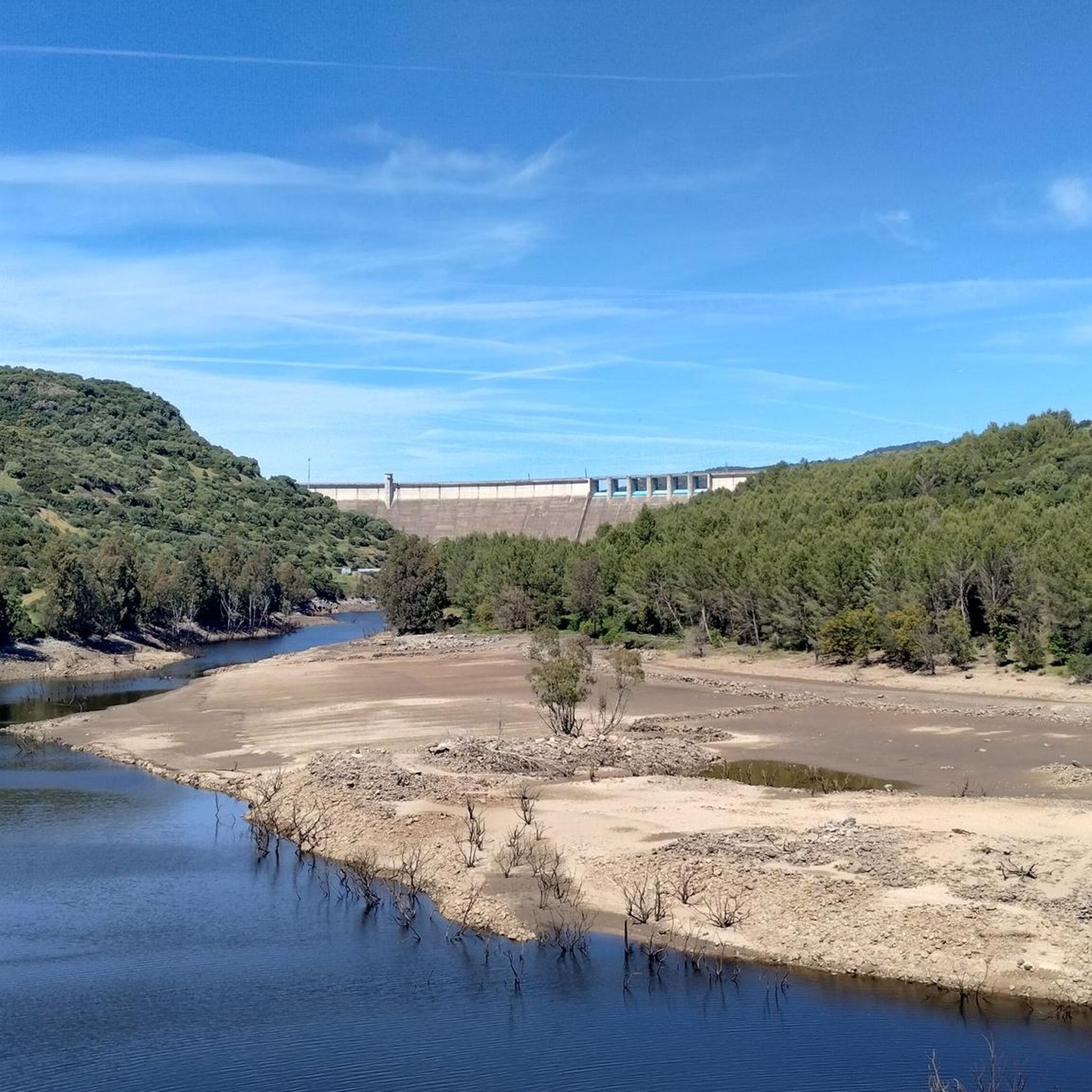
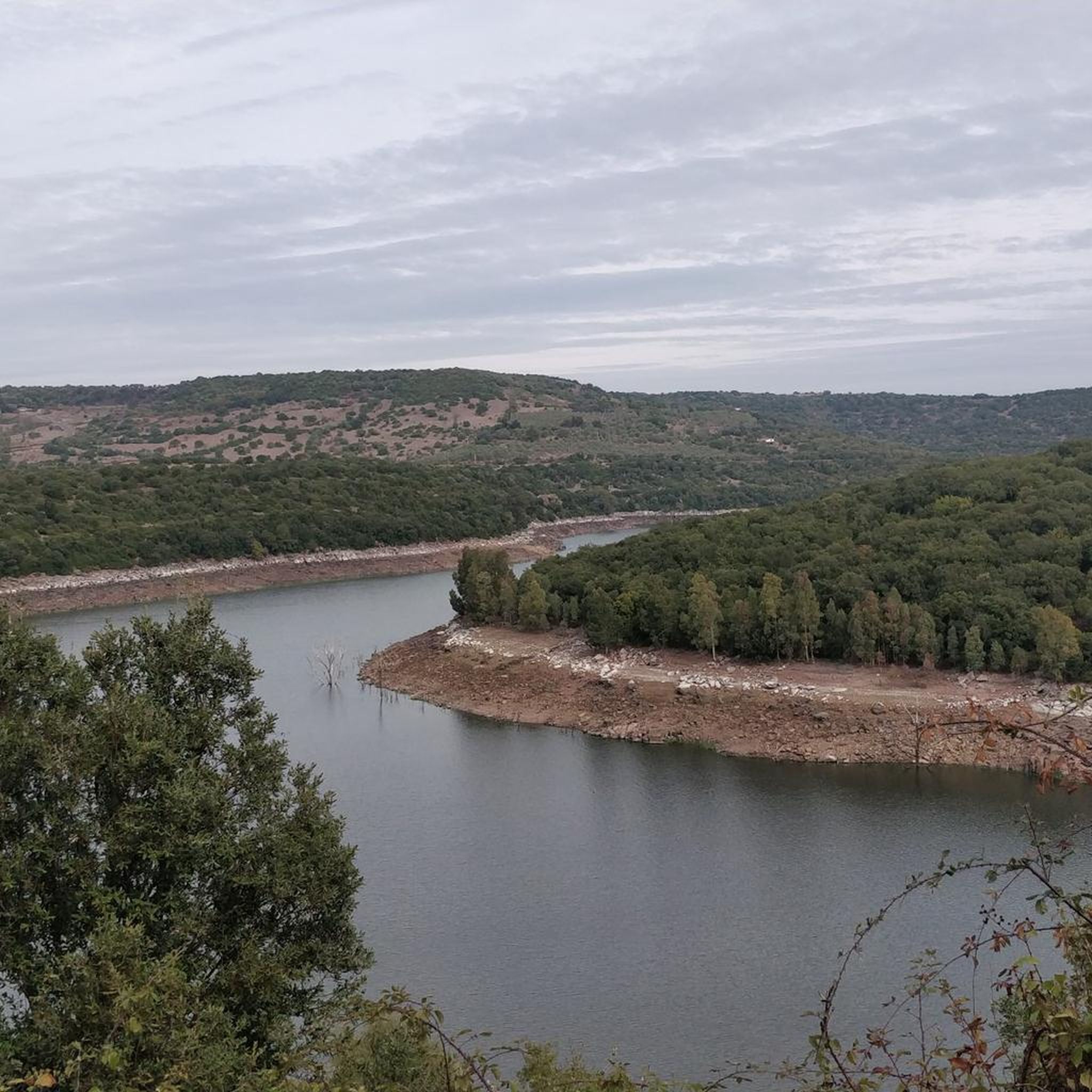
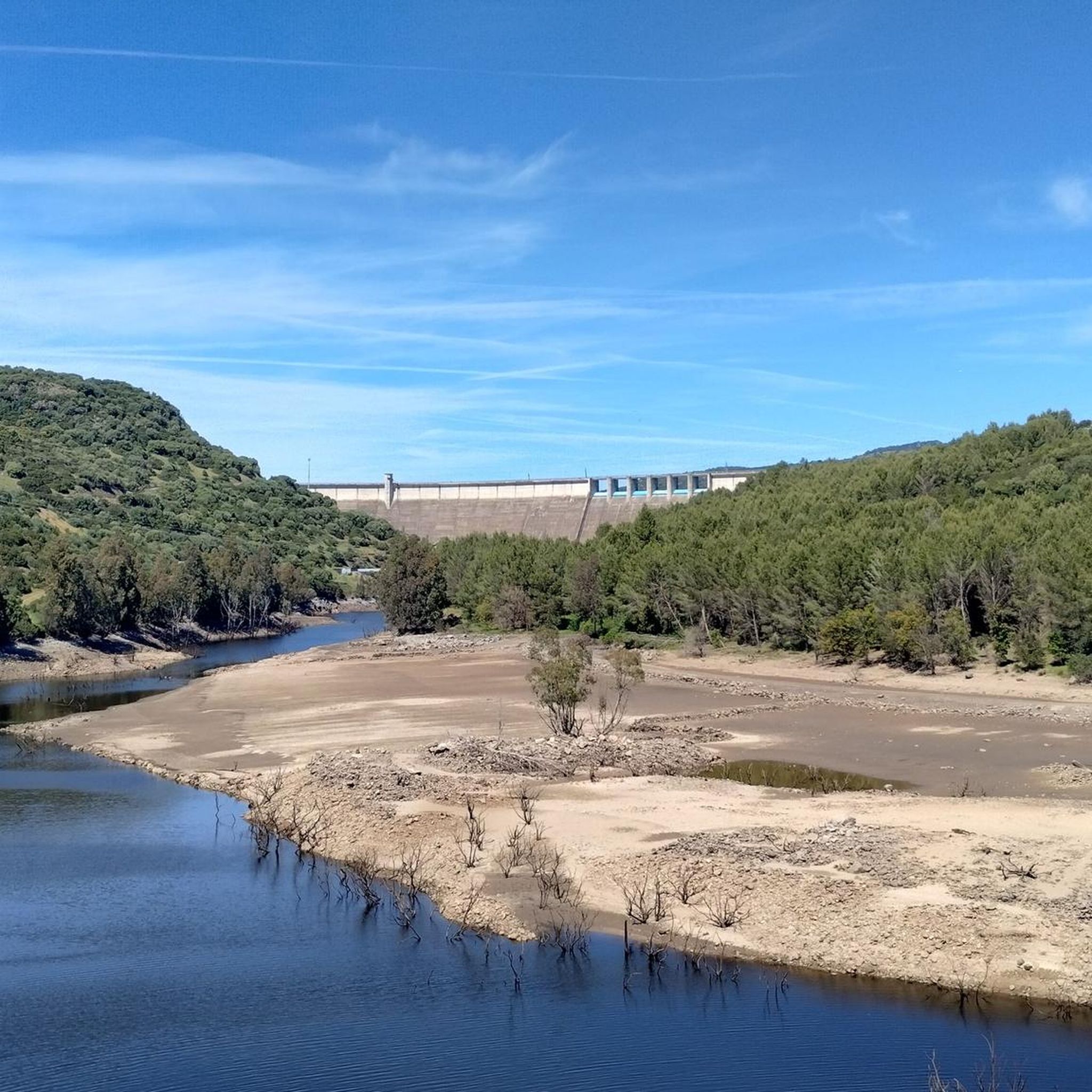
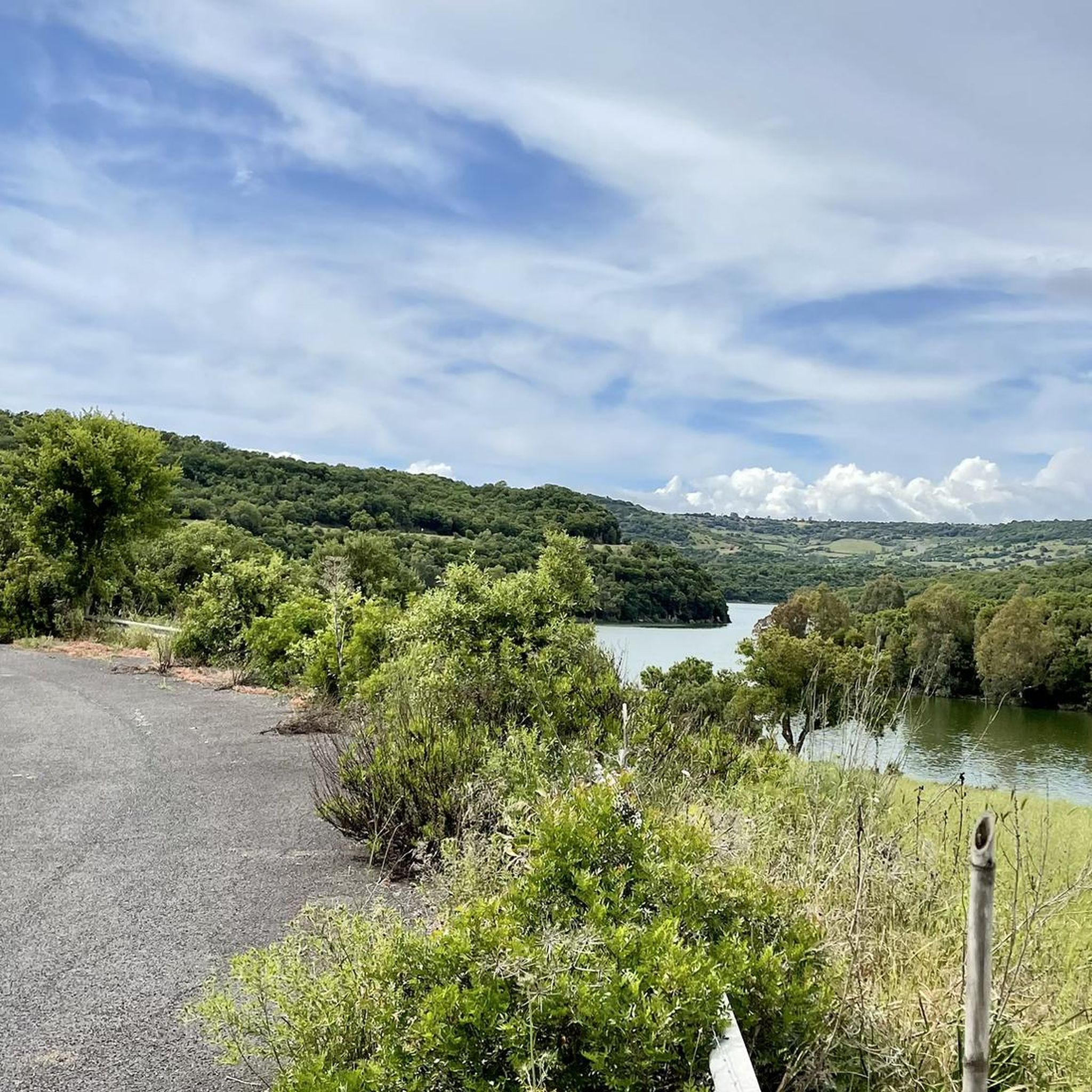
Villanova Truschedu is beautifully situated on the banks of the Tirso River, offering a picturesque setting. The village is nestled within the Barigadu region, known for its inland beauty and traditional charm, providing opportunities to enjoy the surrounding natural landscape.
Are there family-friendly activities or attractions in the area?
Many of the historical sites, such as the Nuragic complexes and Roman remains, can be fascinating for families interested in history. The Casa Aragonese is also listed as family-friendly. Exploring the quaint historic city center and enjoying walks along the Tirso River are also great options for families.
What kind of hiking trails are available near Villanova Truschedu?
There are various hiking trails around Villanova Truschedu, ranging from easy to moderate. For example, you can find routes like the 'Casa Aragonese – Roman Baths of Fordongianus loop from Fordongianus' which is an easy 6.4 km hike. Another option is the 'Santa Cristina Country Church loop from Pozzo di Santa Cristina', an easy 6.1 km trail. You can explore more hiking options on the Hiking around Biddanoa Truschedu/Villanova Truschedu guide.
Can I go cycling or mountain biking near these attractions?
Absolutely! The region offers several cycling and mountain biking routes. For mountain biking, consider the 'Paulilatino loop – through the sacred wells and Montiferru' or the 'Truzzulla Lookout – Roman Bath Hot Spring loop from Fordongianus'. If you prefer touring cycling, routes like 'The dams on the Tirso River and Lake Omodeo – ring tour from Fordongianus' are available. Find more details on the MTB Trails guide and Cycling guide for the area.
What do visitors particularly enjoy about the attractions in this region?
Visitors frequently praise the historical depth and preservation of sites like the Fordongianus Roman Baths, noting the warm waters and the town's Roman origins. The Nuraghe Santa Cristina Archaeological Site is often described as an 'unbelievable interesting excavation site' beautifully surrounded by trees, with the entire complex being well worth seeing.
Is the Nuraghe Santa Barbara accessible for visitors?
The Nuraghe Santa Barbara is a significant archaeological site featuring a complex structure with a main tower and secondary tower, surrounded by an ancient settlement. While specific accessibility details for wheelchairs are not provided, visitors can explore the site to witness its impressive architecture and historical context. It's advisable to check local information for the latest access conditions.
What is the significance of the Nuragic sites in the Villanova Truschedu area?
The Nuragic sites, including Nuraghe Santa Barbara and the complexes of San Gemiliano, Dominigu Porru, and Zoppianu, offer profound insight into Sardinia's Bronze Age civilization. These structures are unique to Sardinia and represent a sophisticated ancient culture, making them crucial for understanding the island's early history and architectural prowess.
Are there any specific events or festivals related to the religious sites?
Yes, the Santuario di San Gemiliano hosts a feast for its saint in September, which includes novenas where devotees use the *muristenes*. The patron saint of the Parish Church of Sant'Andrea Apostolo, Sant'Andrea, is celebrated at the end of November, offering a glimpse into local traditions and religious practices.
Where can I find parking when visiting attractions like Nuraghe Santa Barbara or San Gemiliano?
While specific parking details for Nuraghe Santa Barbara are not explicitly provided, archaeological sites and sanctuaries in rural areas typically have designated parking spaces or areas nearby. It is recommended to look for local signage upon arrival or consult local tourist information for the most accurate parking guidance for sites like Nuraghe Santa Barbara and the Santuario di San Gemiliano.
What is the best time of year for outdoor activities in Villanova Truschedu?
Given Sardinia's Mediterranean climate, spring (April-May) and autumn (September-October) are generally the best times for outdoor activities like hiking and cycling. The weather is typically mild and pleasant, avoiding the intense heat of summer and the cooler, wetter conditions of winter. This allows for comfortable exploration of both natural landscapes and archaeological sites.
Most popular routes around Biddanoa Truschedu/Villanova Truschedu
Most popular attractions around Biddanoa Truschedu/Villanova Truschedu

Get inspired with the komoot mobile app


Explore more
Still not found the Highlight you’re looking for? See guides of the top attractions in other regions:
