Attractions and Places To See around Santa Justa/Santa Giusta - Top 20
Best attractions and places to see around Santa Giusta, located in central-western Sardinia, Italy, offer a blend of historical sites and natural landscapes. This region is characterized by its ancient archaeological remains, significant coastal towers, and diverse wetlands. Visitors can explore remnants of Nuragic, Phoenician, and Punic civilizations, alongside important examples of Sardinian Romanesque architecture. The area also features large ponds that are vital habitats for various flora and fauna, making it a key destination for landmarks and natural features.
…Last updated: August 16, 2026
Tower of Saint John of Sinis
Highlight • Monument
Translated by Google •
Tip by

St. John's Tower
Highlight • Monument
Translated by Google •
Tip by

Sign up now to discover places like this
Get recommendations on the best single tracks, peaks, & plenty of other exciting outdoor places.
Sign up for free
Tharros Archaeological Site and Tower of San Giovanni di Sinis
Highlight • Historical Site
Translated by Google •
Tip by
Capo San Marco Lighthouse
Highlight • Monument
Translated by Google •
Tip by

Tharros Archaeological Site
Highlight • Historical Site
Translated by Google •
Tip by

Sign up for free to discover even more attractions around Santa Justa/Santa Giusta.
Sign up for free
Already have an account?
Start today with a free account
Your next adventure awaits.
Login or Signup
Popular around Santa Justa/Santa Giusta
Tips from the Community

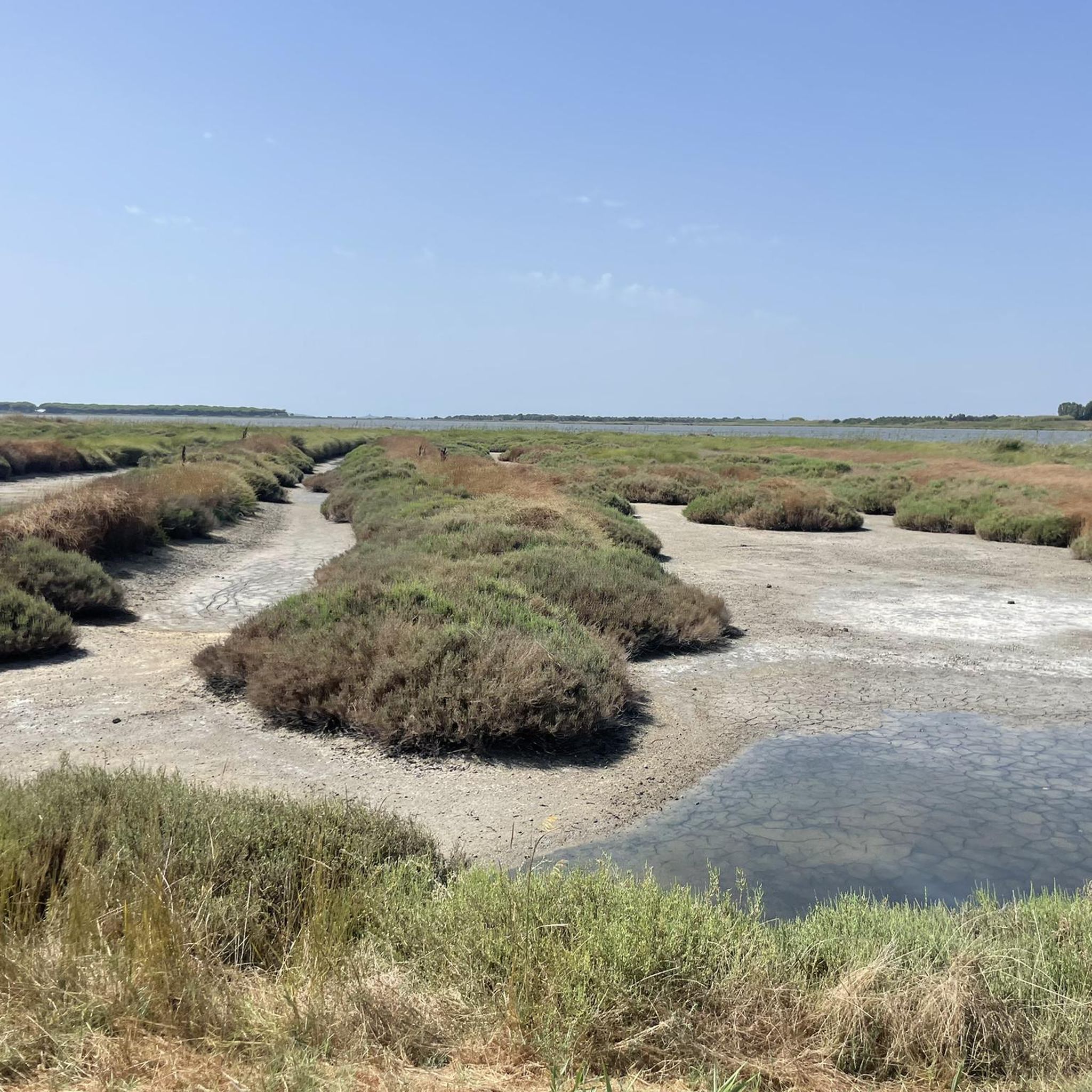
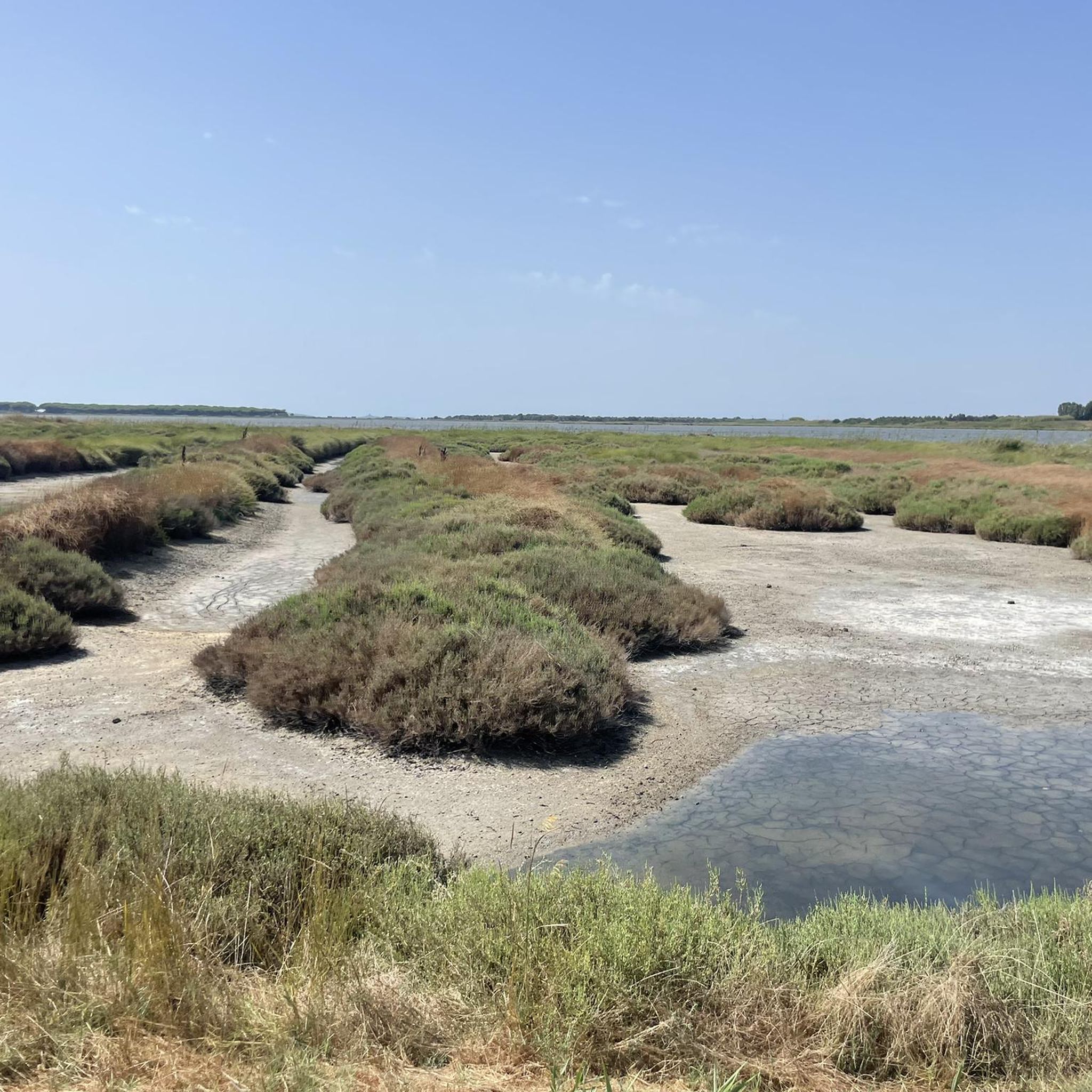
the 2 seas of the Tharros peninsula
0
0

The first 9 km are a bit boring, but the rest is fun and technical.
0
0

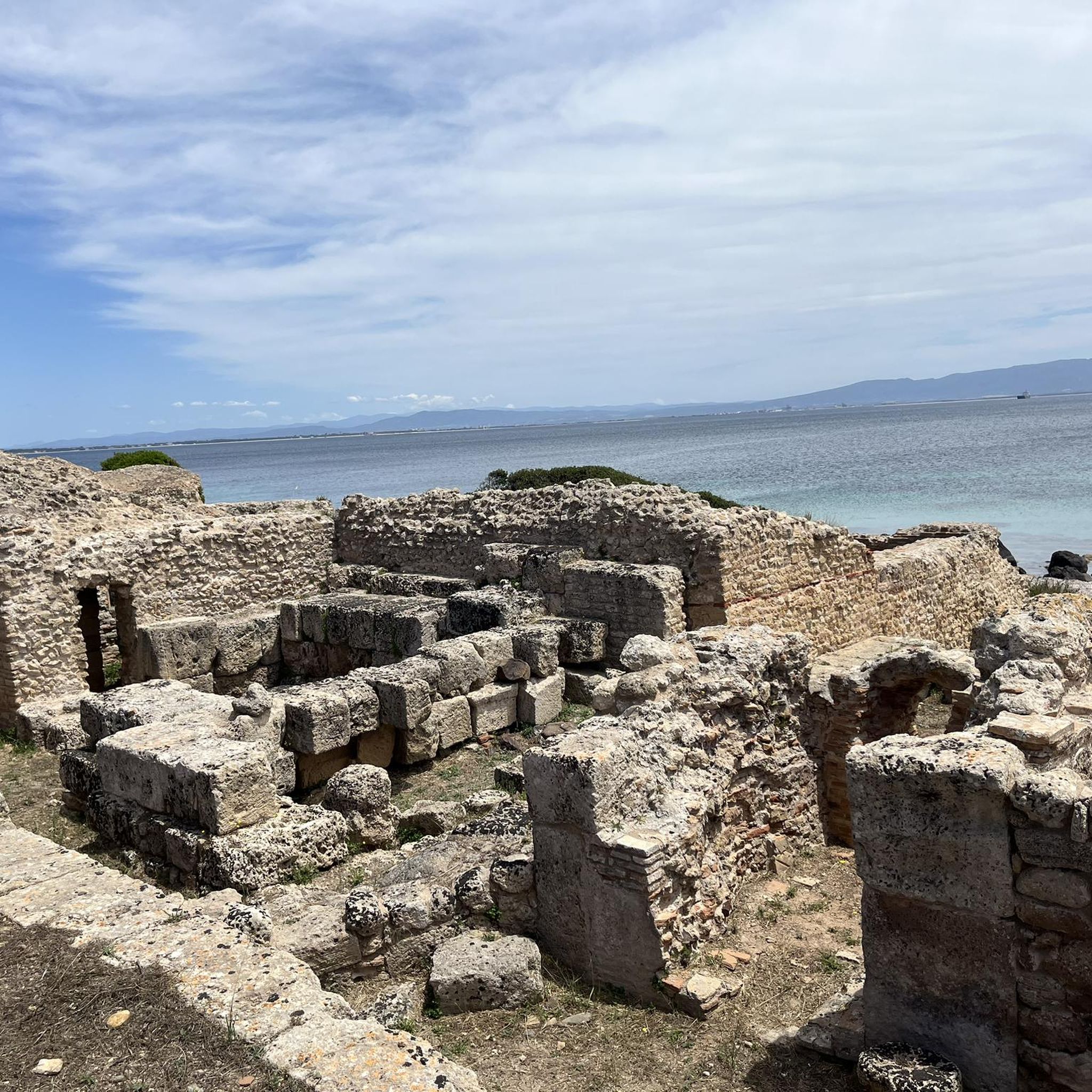
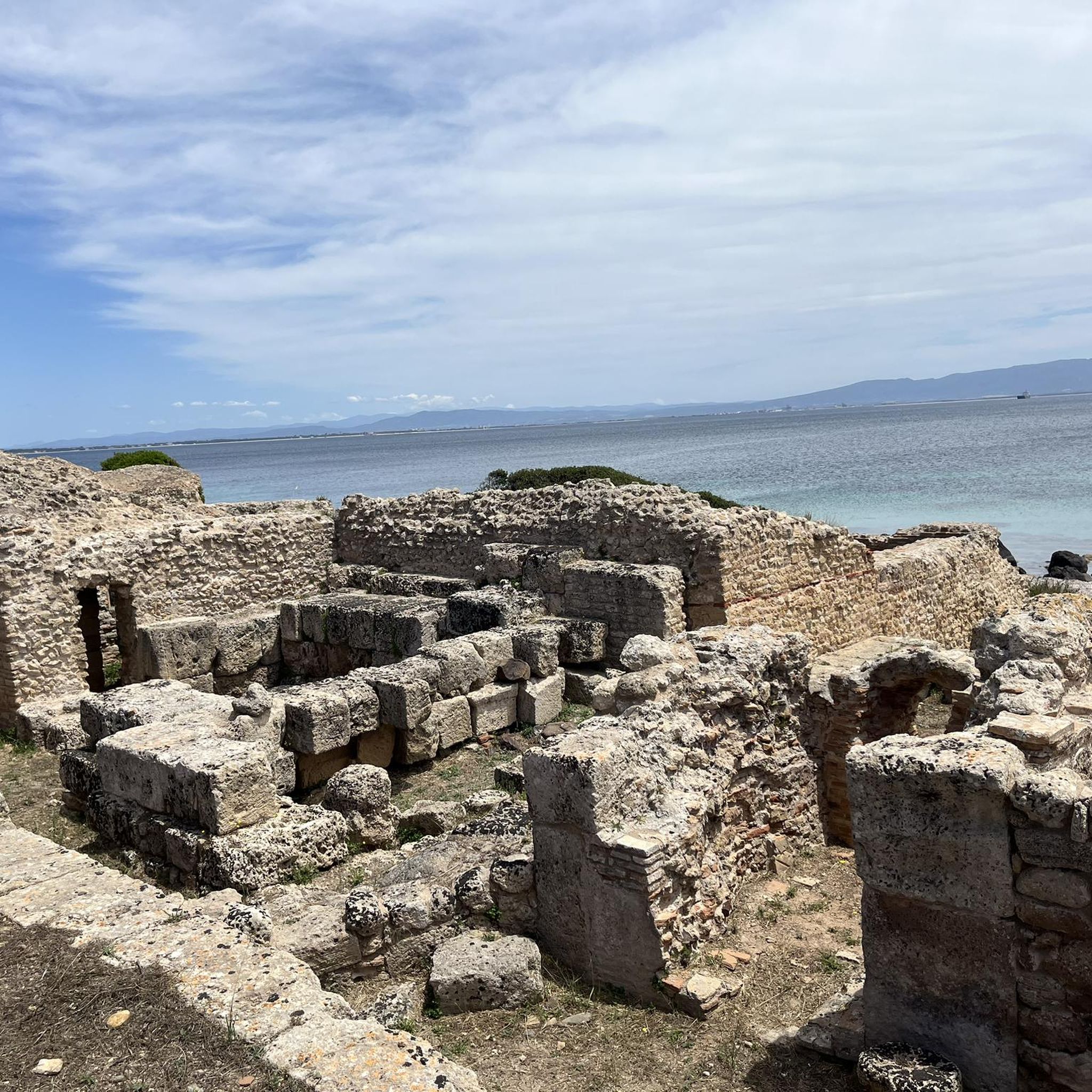
The archaeological area of Tharros represents one of the most precious testimonies of ancient Sardinian history. Among the necropolises and Nuragic, Phoenician and Punic remains, the tower of San Giovanni stands out. This coastal tower, built between the 16th and 17th centuries, was built to defend the coast from the incursions of pirates and Barbary corsairs.
2
0
The lighthouse of Capo San Marco stands majestically on the tip of the Sinis promontory, overlooking the ancient ruins of Tharros. Still in operation, the lighthouse and its surroundings were the setting for the film "A Small Southern Business" by Rocco Papaleo. From this elevated position, the views are enchanting and breathtaking.
1
0

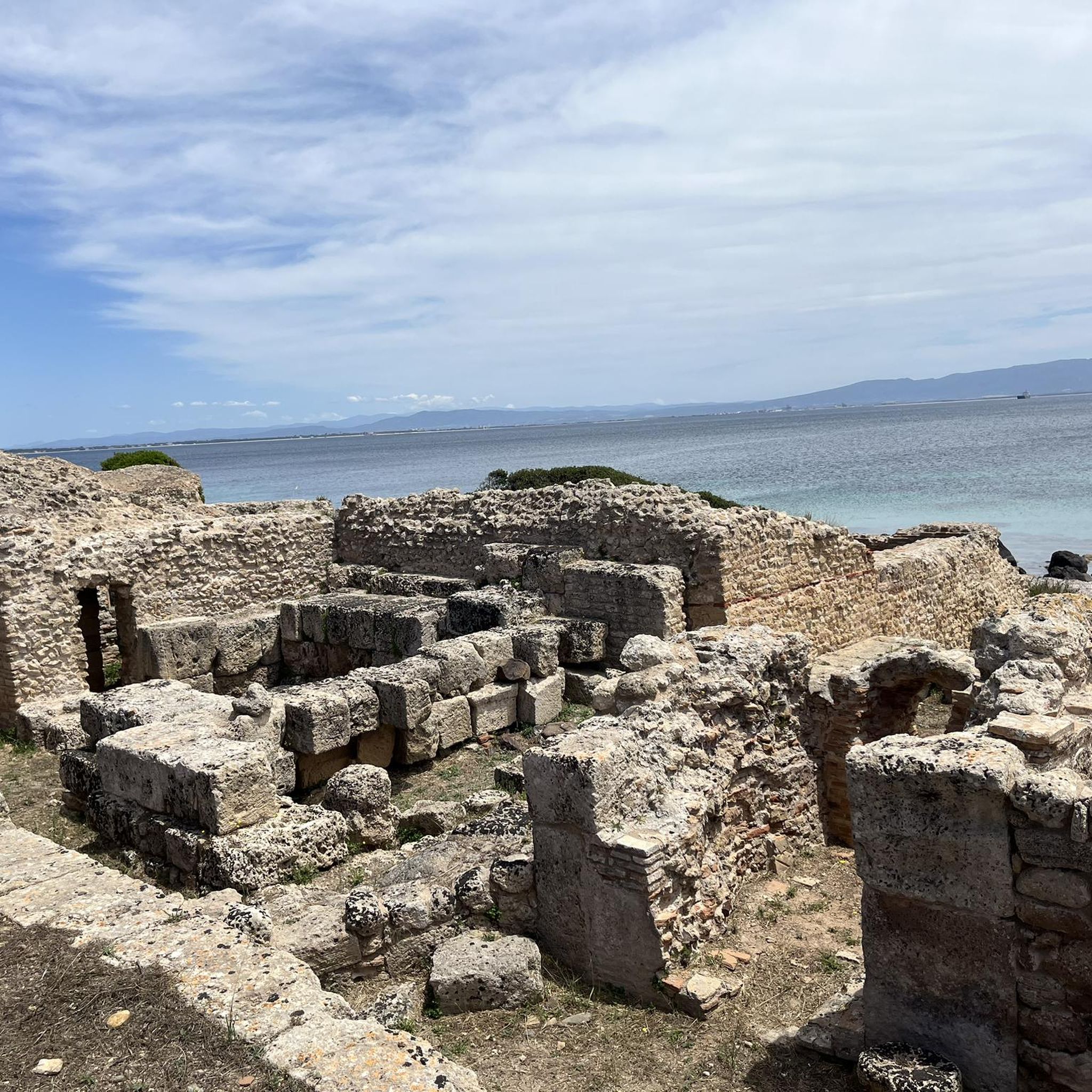
Tharros (also Tharras, Tarrae or Tarras) is an ancient city on the west coast of Sardinia, of which only remains remain. It is located 20 km west of Oristano in the province of the same name, on the southern tip of the Sinis peninsula, which is only 100 m wide in places. The name Tharros first appeared on a Roman milestone. Founded by Nuragics, the place was expanded into a city by the Phoenicians and taken over by the Carthaginians and Romans. Between 827 and 1070 AD it was the capital of the Judicate of Arborea. Ibn Jubar (1145–1217) reported as early as 1183 that he had seen a ruined city when his ship sought shelter from a storm on the Sardinian promontory.
2
0
The Capo San Marco Lighthouse is an active lighthouse located on the Capo San Marco promontory at the tip of the Sinis Peninsula overlooking the ruins below Tharros. The structure is located in the municipality of Cabras, in the west of the island on the sea of Sardinia.
2
0
The tower is located on the Sinis peninsula on the west coast of Sardinia in the province of OristanoSan Giovanni di Sinis is a small town.
1
1
Perhaps the oldest objects, but not found during regular excavations, are bronze figures from the Nuragic culture. Cypriot-Mycenaean pottery from the 13th and 12th centuries BC was found. BC, which suggests maritime trade. No corresponding quantities of imported ceramics have been found in any other Phoenician-Punic settlement in Sardinia. Tharros apparently had close relations with the Etruscans as early as the 8th and 7th centuries, as evidenced by Buccherovases. Giovanni Spano estimated the haul from over 100 looted graves to be around 4,000 scarabs made of agate, Egyptian glass river, Monte Arci jasper, carnelian, lapis lazuli and glazed clay, half of them set in imported gold.
1
1
Frequently Asked Questions
What are the main historical attractions in Santa Giusta, Sardinia?
Santa Giusta is rich in history. You can explore the ancient Tharros Archaeological Site, which features Nuragic, Phoenician, and Punic remains. Nearby, visit the St. John's Tower, a 16th-century watchtower, and the Church of St. John of Sinis, one of Sardinia's oldest Byzantine churches. Don't miss the Torre di Capo San Marco, another historical coastal tower offering panoramic views.
Are there any family-friendly attractions around Santa Giusta?
Yes, several attractions are suitable for families. The Church of St. John of Sinis is considered family-friendly. Additionally, the S'Ena Arrubia Pond is a great spot for families to observe diverse flora and fauna, including pink flamingos, in a natural setting.
What natural features can I explore in the Santa Giusta area?
The region boasts significant natural beauty. The S'Ena Arrubia Pond is a large wetland recognized for its biodiversity, hosting various bird species like pink flamingos and herons. You can also visit the Santa Giusta Beach, known for its beautiful coastline and the distinctive 'Scoglio di Peppino' rock formation.
What outdoor activities can I do near these attractions?
The area around Santa Giusta offers various outdoor activities. You can find numerous routes for hiking, mountain biking, and touring cycling. For specific trails, check out the guides for Hiking around Santa Justa/Santa Giusta, MTB Trails around Santa Justa/Santa Giusta, and Cycling around Santa Justa/Santa Giusta.
Are there hiking trails suitable for beginners near Santa Giusta?
Yes, there are easy hiking options available. For example, 'The center of Oristano' is an easy route, and 'Stagno di Cabras – Stagno di S'Ena Arrubia loop from Ristorante Pizzeria S'Ena Arrubia' is another easy trail. You can find more details and other routes in the Hiking around Santa Justa/Santa Giusta guide.
What is the best time to visit Santa Giusta attractions?
The region's attractions, particularly the archaeological sites and natural ponds, are enjoyable during spring and autumn when the weather is milder. Summer is ideal for beach activities and water-related excursions, though it can be quite warm. Winter offers a quieter experience for exploring historical sites.
Can I find any viewpoints offering scenic vistas in Santa Giusta?
Absolutely. Both St. John's Tower and Torre di Capo San Marco are historical watchtowers that offer extraordinary views of the surrounding coastline and the archaeological area. From Capo San Marco, you can even see the San Giovanni tower in the distance.
What is the significance of the Basilica di Santa Giusta?
The Basilica di Santa Giusta, located in the town of Santa Giusta, is a former cathedral and a significant example of Sardinian Romanesque architecture, largely built of sandstone. Dating back to the 12th century, it features intricate details like a large archway, marble sculptures, and a crypt believed to hold relics of saints. It stands majestically on a hillock, accessible by a wide stairway.
Are there opportunities for wild swimming or beaches nearby?
Yes, Santa Giusta Beach, also known as Villa Rei beach, is a beautiful spot for swimming. It features a smaller cove and the distinctive white granitic outcrop called 'Scoglio di Peppino' (Peppino's Rock), which resembles a tortoise and marks the border between coastal territories.
What do visitors enjoy most about the attractions around Santa Giusta?
Visitors particularly appreciate the blend of ancient history and natural beauty. The historical sites like the Tharros Archaeological Site and the coastal towers offer a glimpse into Sardinia's past, while natural areas like the S'Ena Arrubia Pond provide opportunities for wildlife observation and peaceful reflection. The scenic views from the watchtowers are also highly praised.
How can I explore the ancient ruins of Tharros?
The Tharros Archaeological Site allows you to walk among the remains of Nuragic, Phoenician, and Punic civilizations. It's a vast open-air museum where you can see ancient streets, temples, and baths, offering a profound insight into ancient Sardinian history. The site is located on the southern tip of the Sinis Peninsula.
Are there any cycling routes that pass by the main attractions?
Yes, there are several cycling routes that allow you to see the area's highlights. For instance, the 'Tharros Archaeological Site – Capo San Marco Lighthouse loop from Turrimanna/Torregrande' is a challenging cycling route that takes you past significant historical sites. More options can be found in the Cycling around Santa Justa/Santa Giusta guide.
Most popular routes around Santa Justa/Santa Giusta
Most popular attractions around Santa Justa/Santa Giusta

Get inspired with the komoot mobile app


Explore more
Still not found the Highlight you’re looking for? See guides of the top attractions in other regions:
