Attractions and Places To See around Aidumajore/Aidomaggiore - Top 20
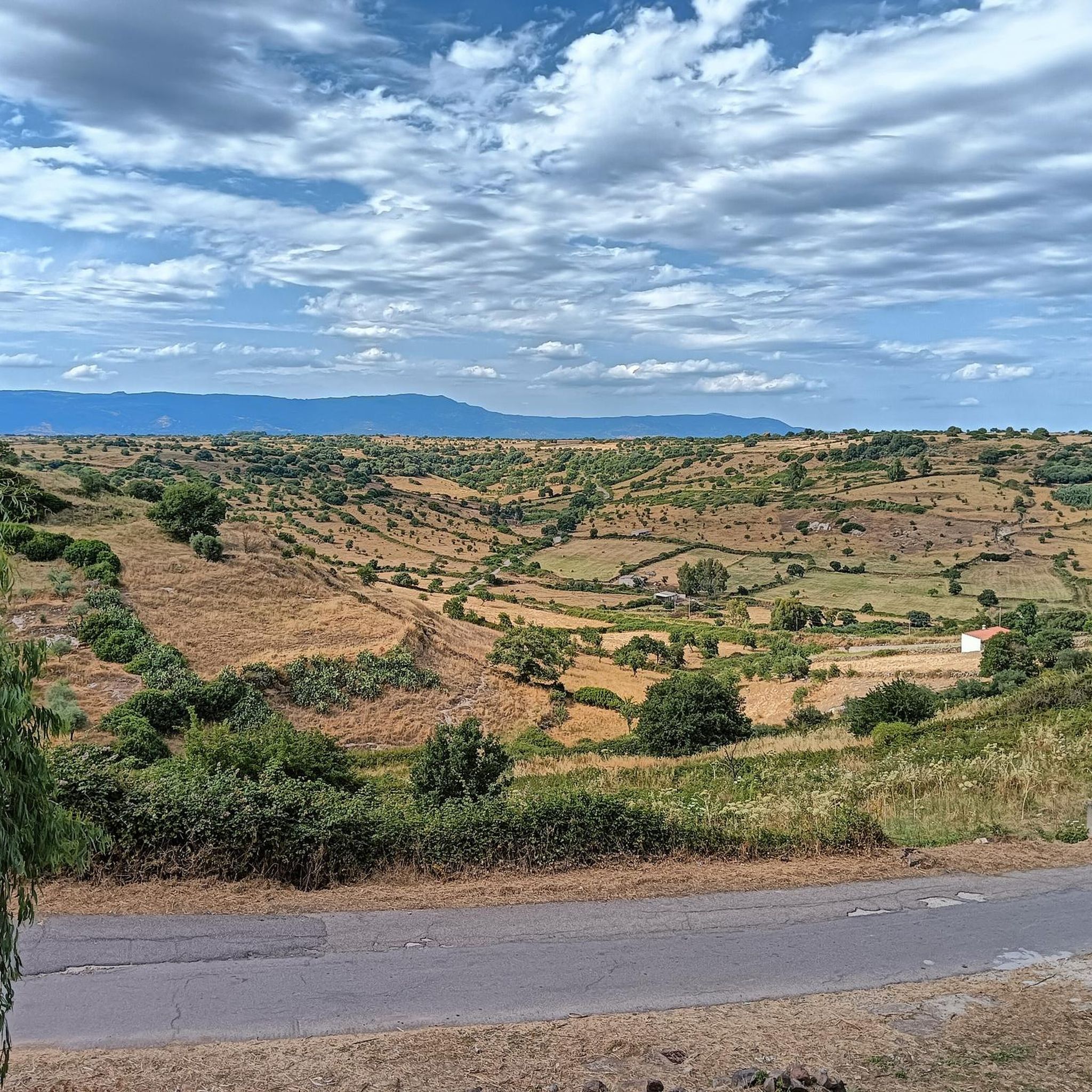
Best attractions and places to see around Aidumajore/Aidomaggiore, located in Sardinia's Oristano province, offer a blend of natural beauty and ancient history. The region is characterized by its Mediterranean scrubland, woods, and the artificial Lake Omodeo, providing scenic views and opportunities for water activities. Aidomaggiore's territory features numerous Nuraghi, Domus de Janas, and Tombe di Giganti, reflecting its prehistoric past. The area also hosts several historical churches and maintains ancestral traditions, including weaving and local festivities.
Best attractions and places to see around Aidumajore/Aidomaggiore
- The most popular attractions is Bortigali Village, a settlement that is surrounded by mountains. This small village offers bars, a church, and refuel stops.
- Another must-see spot is Nuraghe Losa, a historical site. This ancient megalithic edifice is unique to Sardinia and stands as one of the most impressive symbols of Nuragic architecture.
- Visitors also love Church and Novenary of Sant'Agostino, a religious building. Inaugurated in 1891, it serves as a focal point for religious and civil festivals and is surrounded by "sos muristenes," small lodgings for pilgrims.
- Aidumajore/Aidomaggiore is known for its ancient Nuraghi, historical churches, and natural features like Lake Omodeo. Visitors can explore archaeological sites, religious buildings, and scenic landscapes.
- The attractions around Aidumajore/Aidomaggiore are appreciated by the komoot community, with 4 upvotes and 25 photos shared by visitors.
Last updated: June 24, 2026
Nuraghe Losa
Highlight • Historical Site
Translated by Google •
Tip by

Macomer
Highlight • Settlement
Translated by Google •
Tip by

Sign up now to discover places like this
Get recommendations on the best single tracks, peaks, & plenty of other exciting outdoor places.
Sign up for free
Bortigali Village
Highlight • Settlement
Translated by Google •
Tip by

Santa Chiara Dam and Lake Omodeo Road
Highlight (Segment) • Cycleway
Translated by Google •
Tip by
Church and Novenary of Sant'Agostino
Highlight • Religious Site
Translated by Google •
Tip by
Sign up for free to discover even more attractions around Aidumajore/Aidomaggiore.
Sign up for free
Already have an account?
Start today with a free account
Your next adventure awaits.
Login or Signup
Tips from the Community

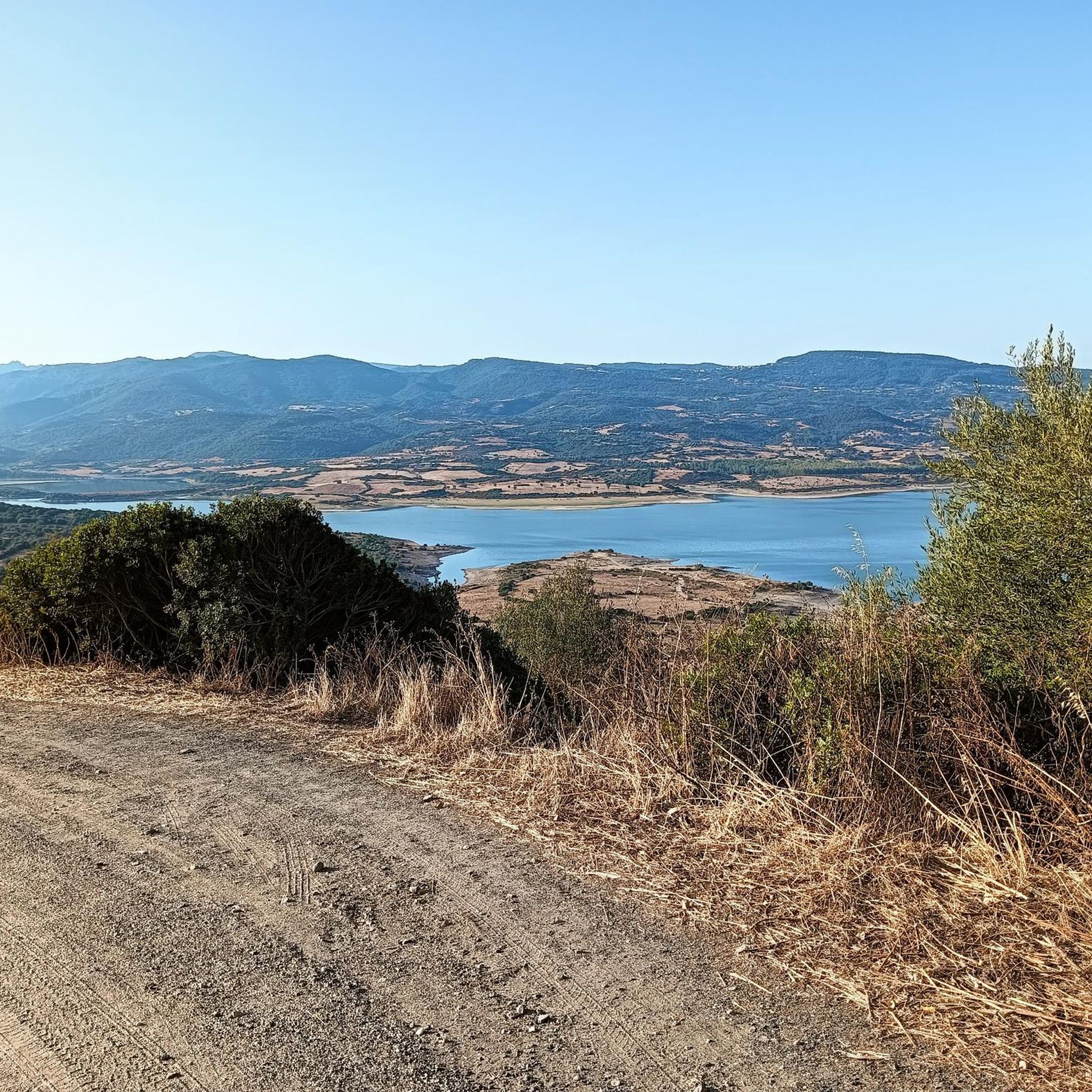
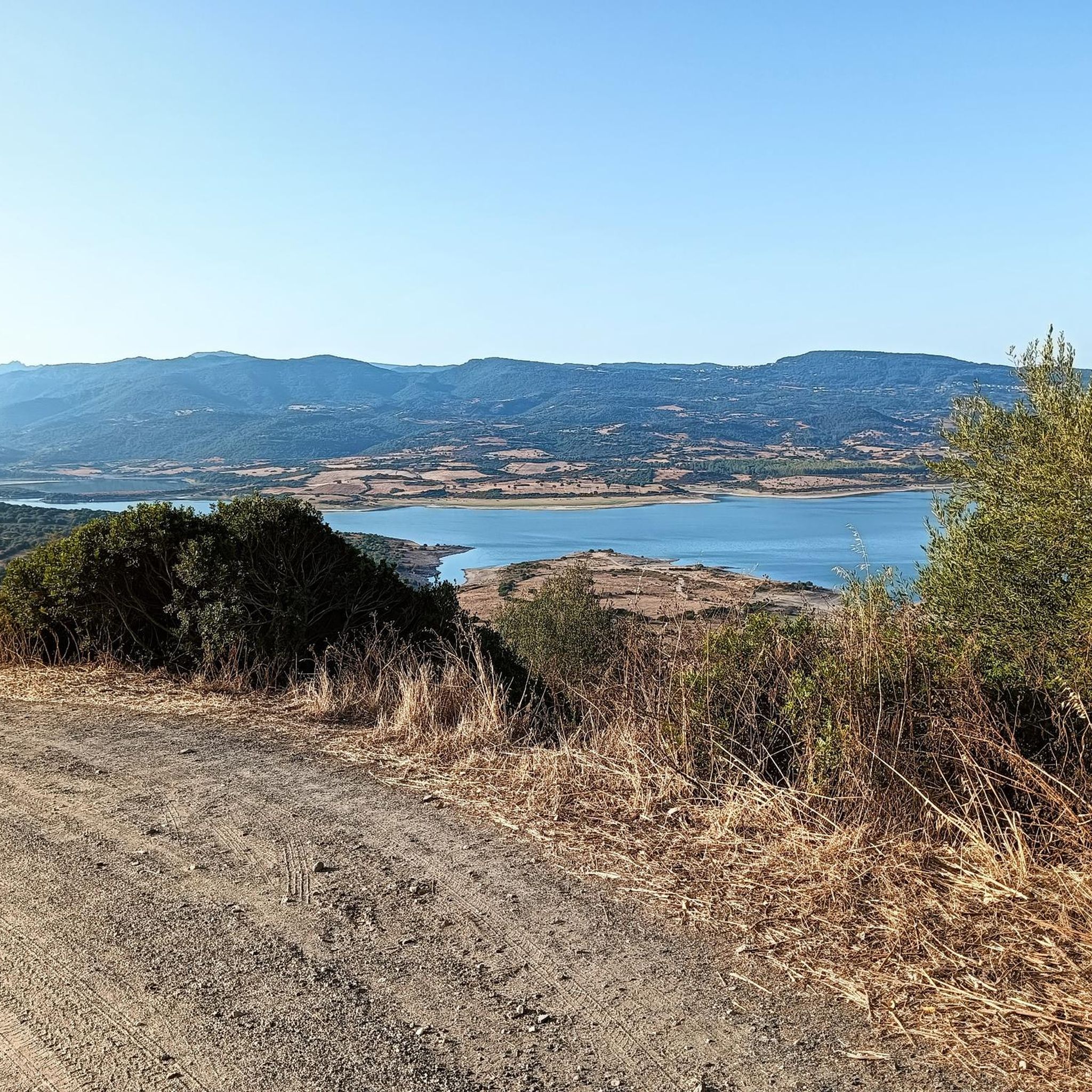
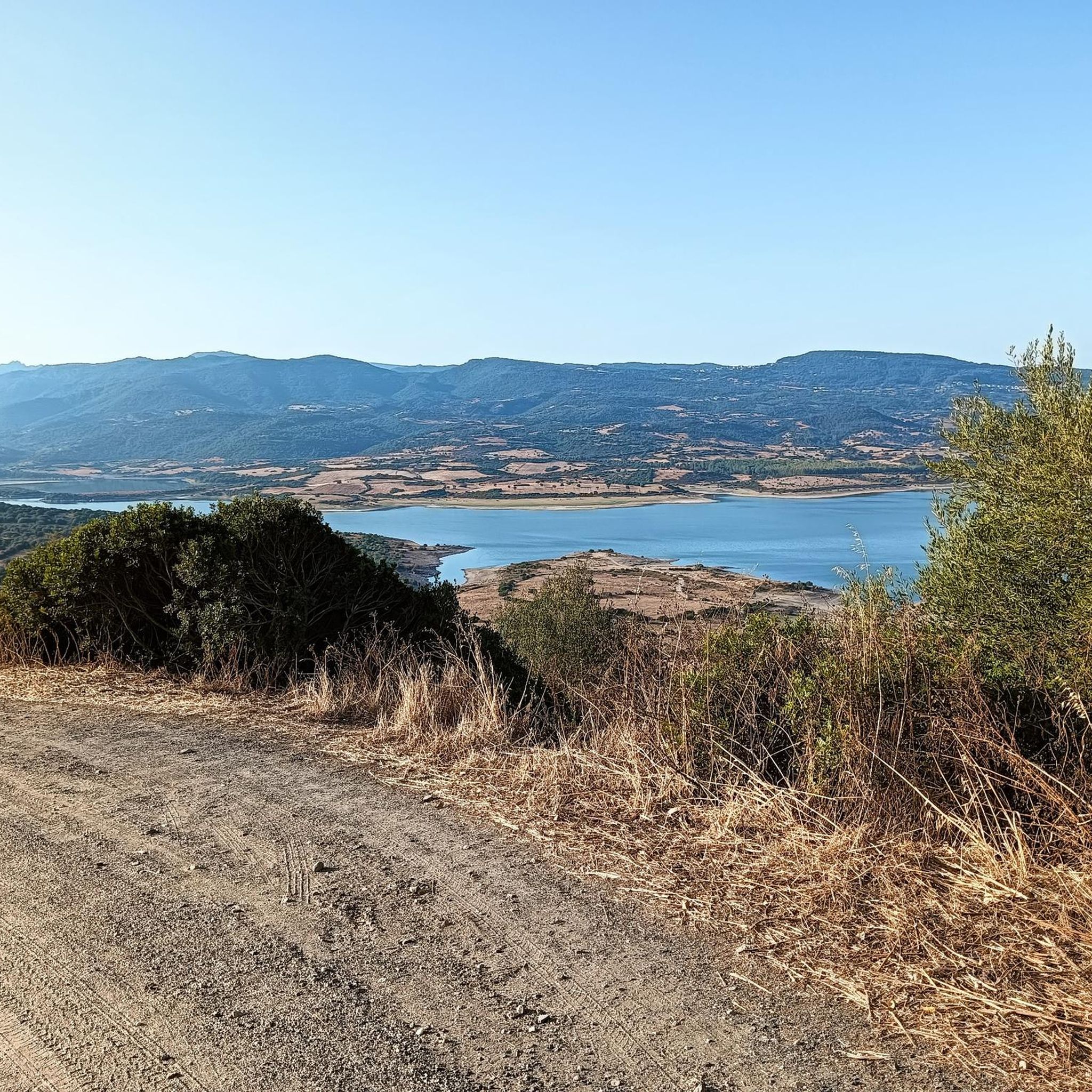
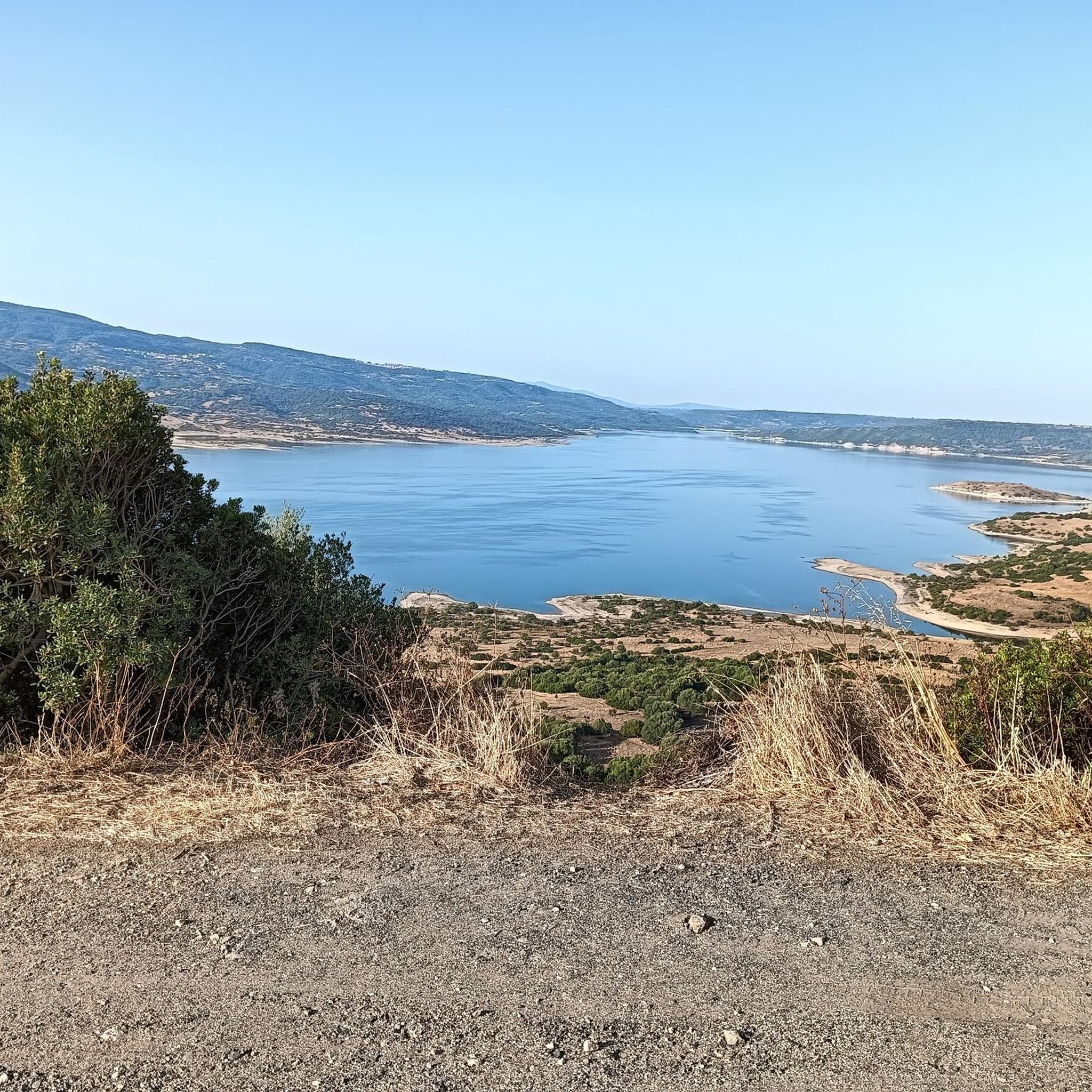
Very nice lakeside road, shame about the potholes in the asphalt
0
0

Great Little gem hiddenn below the valley. you'll find nice bars, a beautiful church and refuel stops
0
0

one of the most beautiful Nuraghe in Sardinia
0
0

Small village surrounded by beautiful mountains
1
0

The Nuraghe Losa cult site is located on the Italian island of Sardinia near the municipality of Abbasanta on the SS 131 (“Carlo Felice”). It can be reached via a separate exit at kilometer 123.
2
0

After crossing the high threshold, three corridors lead to as many chambers covered with tholos (mock domes). The mastio, still 13 meters high today but originally higher, has a "classic" structure: large main chamber with three niches arranged in the shape of a cross. A spiral staircase that once went to the top leads clockwise to the upper small chamber. All around are the three small towers with high, narrow chambers connected to each other by the masonry that surrounds the whole structure. It also includes three wells that were used to store food reserves or other materials. The main tower and the triangular bastion are surrounded by a long, massive oval wall with doors and two cantilevered small towers, the walls of which are interrupted by notches. The outer masonry extends north and west at the back and is also provided with a narrow passage. At the base of the small western tower is a cistern. In front of the entrance to the facade, on the other hand, an imposing round building can be viewed, which probably fulfilled important functions - perhaps it was the assembly hut - as two opposite entrances, two large niches, four lockers and five notches suggest. Only a small part of the extensive surrounding settlement, which covers 3.5 hectares, has been excavated. In various places there are still remains of Nuragic dwellings and especially houses from the late Punic period, the period of the Roman Republic and the Empire as well as the late Roman and Byzantine periods. Source: https://www.sardegnaturismo.it/en/discover/nuraghe-losa
0
0
The original name Nurache ‘e losas means “nuraghe of tombs” and refers to the Roman burial urns carved into the rock on the edge of this site. The unmistakable outlines of the Nuraghe Losa stand out on the basaltic plateau of Abbasanta, five kilometers from the small town in the Oristano area. Strolling around the massive, solid, flat structure, whose plan is in the form of an equilateral triangle, perspectives that seem like the front part of a ship's prow catch the eye. It is one of the most impressive and striking symbols of Nuragic architecture... It is distinguished by its articulated design, compact volume and fine masonry technique. The remains of an extensive settlement embedded in the green Mediterranean maquis have been preserved around the nuraghe. It bears testimony to the millenary history of this site, from the Nuragic period to the Roman era and, when it was used as a burial place, to the High Middle Ages (7th-8th centuries). The complex, built entirely of large blocks of basalt, consists of a trefoil nuraghe dating from the Middle Bronze Age (15th-14th centuries BC), a protective masonry and the remains of a village with round huts dating from the Late Bronze Age to the Iron Age were erected (13th-9th centuries BC). At the entrance one notices that this huge compact mass - the secret of good construction - also has large spaces. But not the uncovered courtyard, so characteristic of most complex nuraghi, but which has probably been replaced in function by outdoor spaces. The nuraghe is accessed via two elevated entrances compared to the surrounding land, and via a straight corridor to the original central tower (mastio) in the shape of a truncated cone, as well as to the two side towers. The rear tower, on the other hand, is accessible via a secondary entrance. You will walk through the chiaroscuro of the corridors, breathe in the smell of the moss-covered stones and immerse yourself in the mythical Nuragic age.
0
0

The rural novenary of Sant'Agostino is about 8 kilometers from the town of Abbasanta: it is a very small village built around the church, which is populated exclusively on the occasion of the festivities in honor of the saint.
1
0
Frequently Asked Questions
What ancient archaeological sites can I explore near Aidomaggiore?
The region around Aidomaggiore is rich in ancient history. You can explore numerous Nuraghi, which are megalithic edifices unique to Sardinia, including Nuraghi Sanilo, Sa Jua, and the impressive Tosingalo. A significant cult site, Nuraghe Losa, is also easily accessible. Additionally, the area features ancient burial sites known as "Domus de Janas" (fairy houses) and "Tombe di Giganti" (Tombs of Giants), offering a glimpse into the prehistoric past.
What natural attractions are there to enjoy around Aidomaggiore?
Aidomaggiore is surrounded by beautiful natural landscapes. The large artificial Lake Omodeo is a major draw, perfect for scenic views and water activities like canoeing. The area also boasts verdant Mediterranean scrubland and woods of cork oaks, olive trees, vineyards, and orchards, providing picturesque settings for excursions.
Are there opportunities for hiking or cycling near Aidomaggiore?
Yes, the area offers various outdoor activities. For hiking, you can find routes like the 'Nuraghe Ponte and Riu Murtazzolu Loop' or the 'Nuraghe su Montigu – Nuraghe Cunzola loop'. Cyclists can enjoy scenic rides such as the 'Ghilarza Novenari and Lake Omodeo Loop' or the 'Santa Chiara Dam loop'. You can find more details and routes on the hiking guide and cycling guide for Aidomaggiore.
What cultural traditions and festivities can I experience in Aidomaggiore?
Aidomaggiore is rich in ancestral traditions. The village is known for its traditional handicrafts, particularly the art of weaving, where skilled artisans create carpets, blankets, and tapestries. You can also experience vibrant festivities, such as the unique Carnival ("su carrasegare") with its "Maschera a Lenzolu" and the burning of King Zorzi. Other celebrations include bonfires for Sant'Antonio and various rituals during Holy Week, culminating in a procession for Maria Bambina on September 8th.
Which churches are significant to visit in the Aidomaggiore area?
Several historical churches are worth visiting. The Church and Novenary of Sant'Agostino, inaugurated in 1891, is a focal point for religious festivals and is surrounded by traditional pilgrim lodgings. The Santa Greca Church, dating back to 1797, offers beautiful views over Lake Omodeo. Other notable churches include Santa Maria delle Grazie (or de Orraccu) and Santa Maria delle Palme, which provides stunning views of the lake and surrounding mountains.
Are there any family-friendly attractions or activities in Aidomaggiore?
Yes, the region offers several family-friendly options. Exploring the ancient Nuraghi, such as Nuraghe Losa, can be an educational adventure for all ages. The scenic beauty of Lake Omodeo provides opportunities for gentle walks or canoeing. Visiting charming villages like Bortigali Village, with its bars and church, also offers a pleasant family outing.
What is the best time of year to visit Aidomaggiore?
The best time to visit Aidomaggiore largely depends on your interests. For outdoor activities like hiking and cycling, spring (April-May) and autumn (September-October) offer pleasant temperatures. If you're interested in local festivities, August and September are vibrant months, with celebrations for Sant'Agostino starting August 16th and the Maria Bambina procession on September 8th. The Carnival in winter also offers a unique cultural experience.
What is unique about the Nuraghi in the Aidomaggiore region?
The Nuraghi in this region are particularly impressive. Beyond the well-known Nuraghe Losa, which is a significant cult site and a prime example of Nuragic architecture, you can find structures like Nuraghe Tosingalo. This single-tower nuraghe is built with black basaltic stone and features an eight-meter-high inner terrace accessible by stairs, showcasing the advanced building techniques of the Nuragic civilization.
Can I find traditional Sardinian handicrafts in Aidomaggiore?
Absolutely. Aidomaggiore is renowned for its ancestral traditions, especially the art of weaving. Local artisans produce beautiful carpets, "bertulas" (traditional bags), blankets, and tapestries featuring elegant designs. These make for unique souvenirs and offer insight into the region's cultural heritage.
Are there any interesting towns or villages near Aidomaggiore to visit?
Yes, there are several charming places nearby. Bortigali Village, surrounded by mountains, offers a pleasant stop with local bars and a church. The town of Macomer, also known as the cheese capital of Sardinia, is rich in history and archaeology, with beautiful murals adorning its houses. You can even buy cheese directly from producers there.
What kind of views can I expect around Aidomaggiore?
The area around Aidomaggiore offers diverse and stunning views. From the Church of Santa Maria delle Palme, you can enjoy beautiful panoramic vistas of Lake Omodeo and the distant Barbagia and Mandrolisai mountains. The Mediterranean scrubland, cork oak woods, and vineyards also provide picturesque scenery for excursions and drives, especially along the SP74 segment running along Lake Omodeo.
Most popular routes around Aidumajore/Aidomaggiore
Most popular attractions around Aidumajore/Aidomaggiore

Get inspired with the komoot mobile app


Explore more
Still not found the Highlight you’re looking for? See guides of the top attractions in other regions:
